Eight ways the animal kingdom sleeps

DC·99 Deep Cuts
Wild elephants sleep just two hours a night

Wild elephants sleep just two hours a night

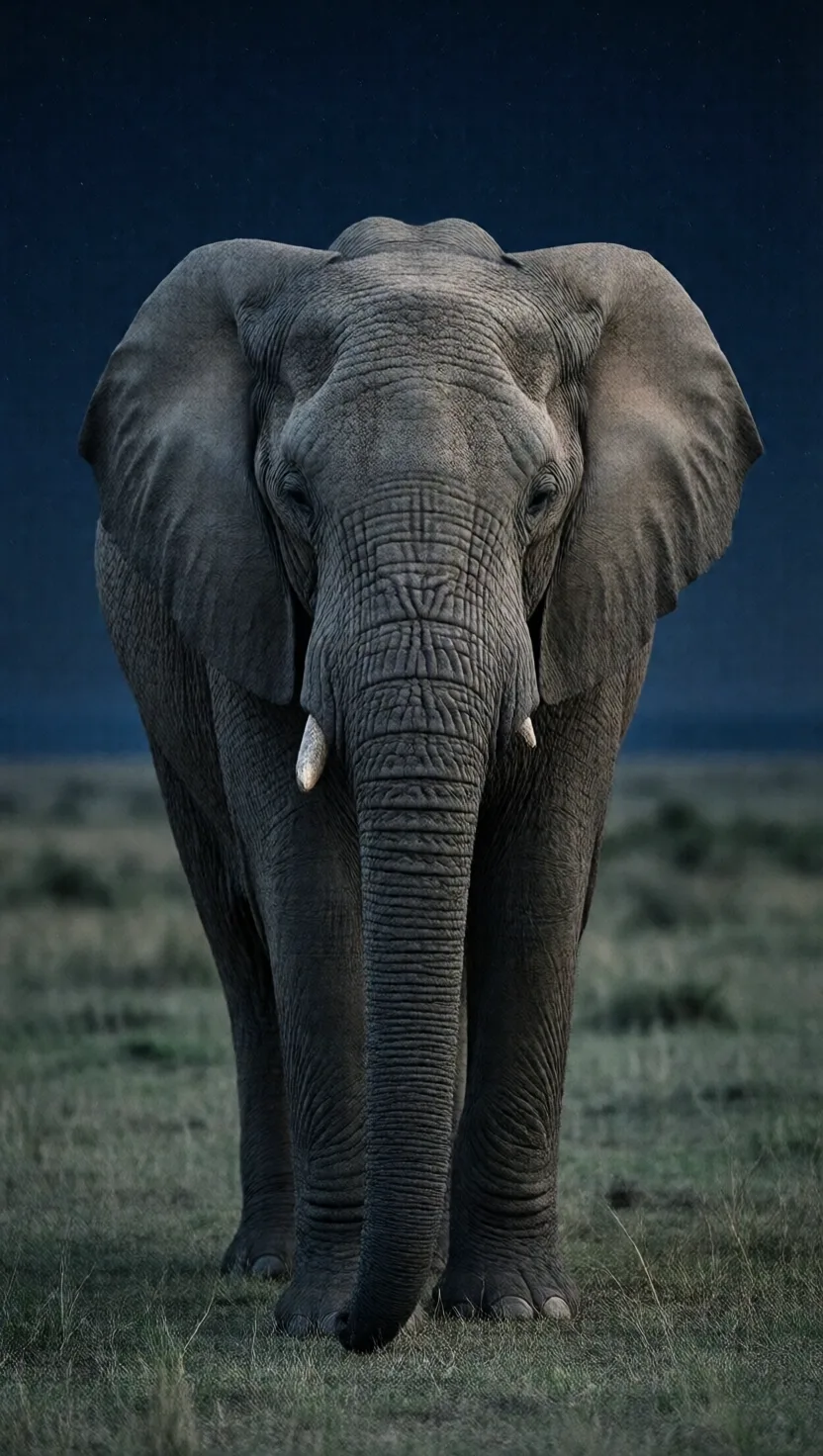
Two matriarchs in Botswana wore trunk activity-trackers for 35 days. They averaged about two hours of sleep a day, the least of any mammal yet measured, usually standing up and lying down to dream only once every three or four nights. Now and then they stayed awake and walking for nearly two days straight.
This penguin naps 10,000 times a day

This penguin naps 10,000 times a day

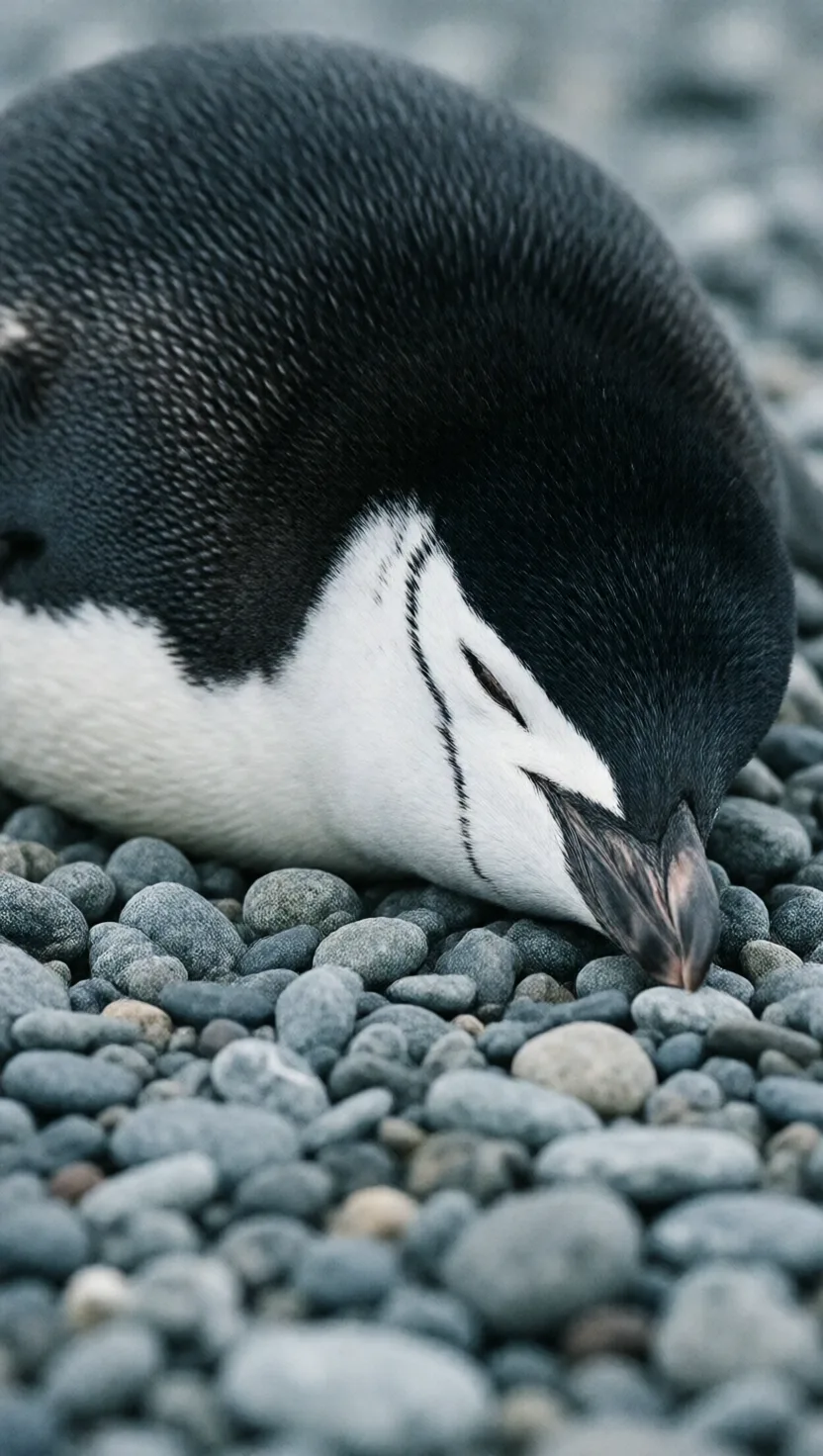
A nesting chinstrap penguin guarding its egg cannot afford real sleep with predators circling, so it steals it in nods of about four seconds each, more than 10,000 a day and over 600 an hour, often with just half the brain at a time. The scraps add up to more than 11 hours of sleep, enough to keep the bird alive.
A jellyfish sleeps, with no brain at all

A jellyfish sleeps, with no brain at all

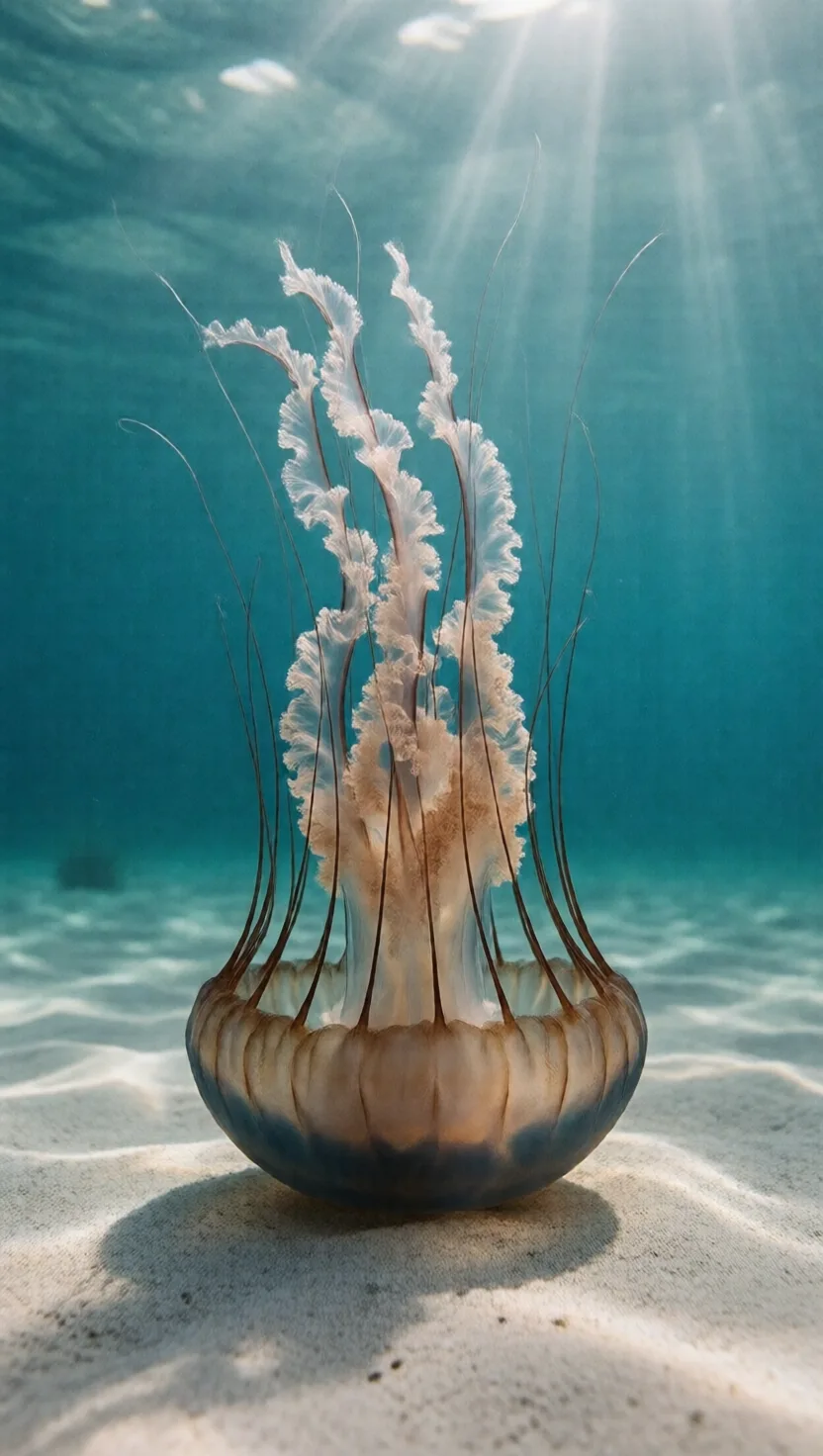
The upside-down jellyfish rests on the seafloor with its tentacles waving upward. At night it slows its gentle pulsing from about 58 beats a minute to 29, and is slow to react if nudged, but snaps back after a forced sleepless night. With no brain and no central nervous system, it shows sleep is older than thinking itself.
Ducks at the end of the row sleep half-awake

Ducks at the end of the row sleep half-awake

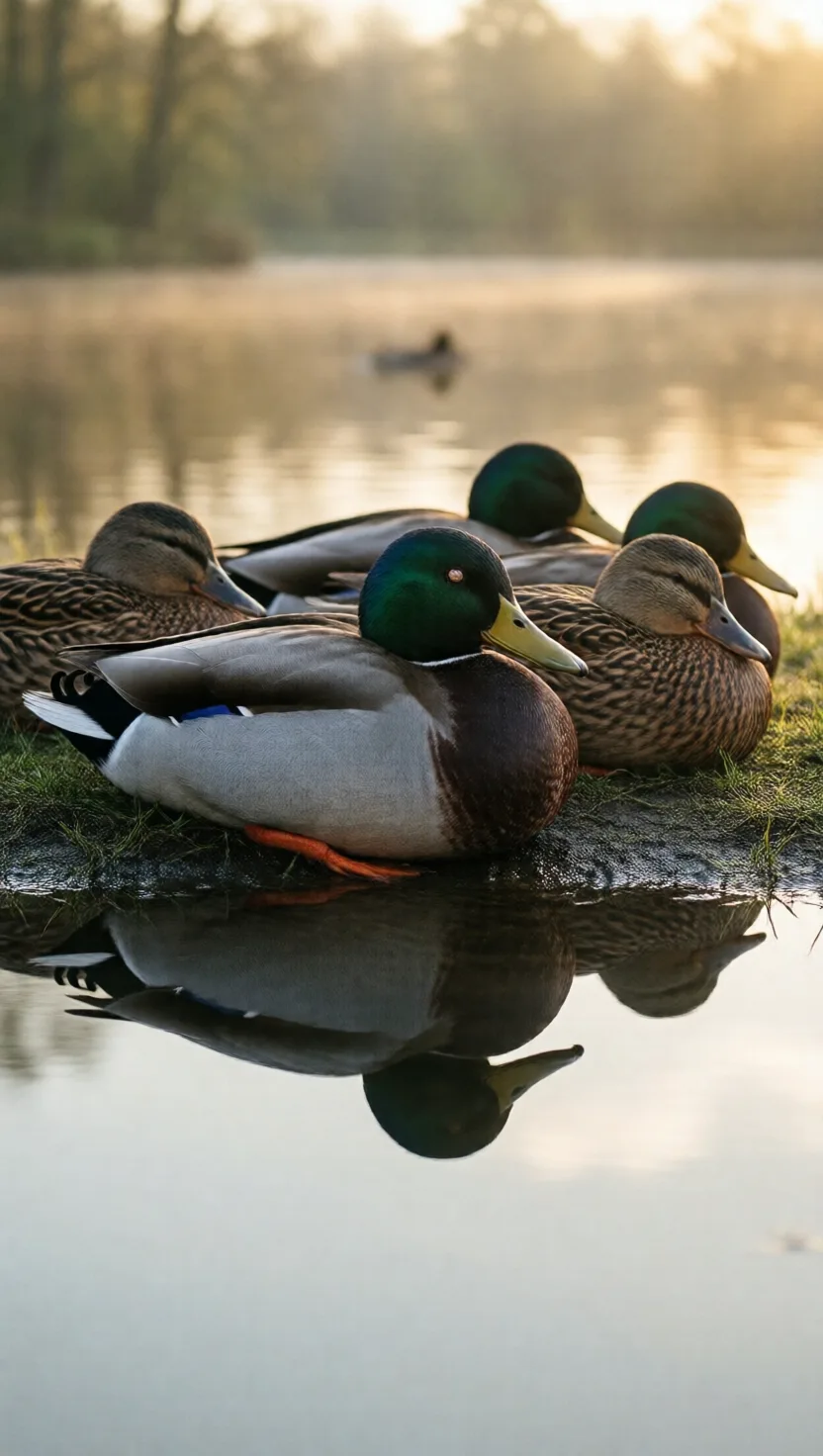
Line up sleeping ducks and the two on the ends do something the inner ducks do not: they keep the outward-facing eye open and let only half the brain sleep. Edge birds use this half-asleep mode about a third of the time, versus a tenth for those in the middle, one open eye aimed at where a predator would come from.
A flamingo on one leg uses no muscle to stand

A flamingo on one leg uses no muscle to stand

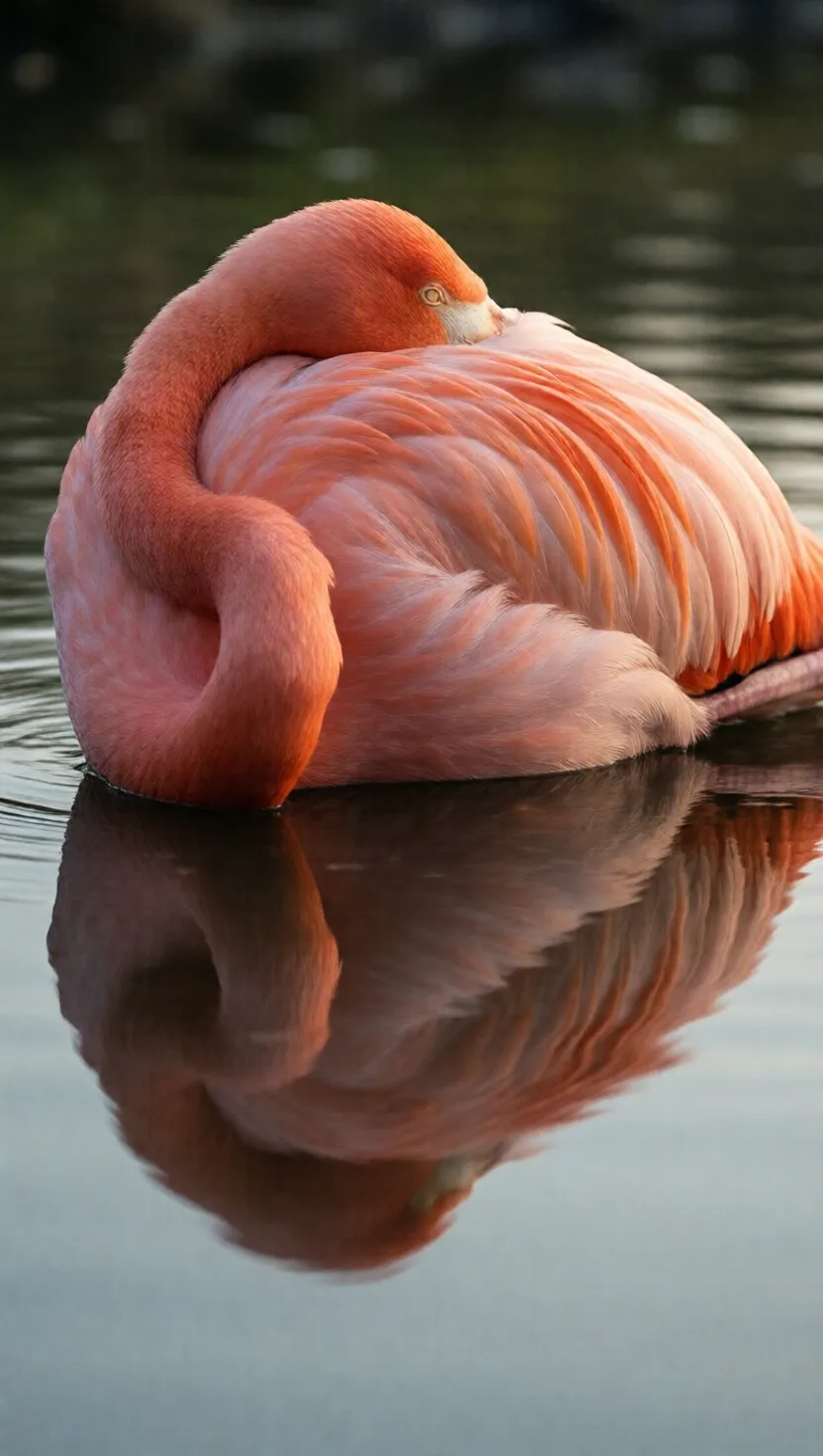
Standing on one stilt looks exhausting; it is the opposite. When a flamingo tucks one leg up, its body shifts so the joints lock under their own weight, a built-in gravitational catch. Researchers stood a flamingo cadaver on one leg and it balanced unaided, yet flopped on two. One-legged is the bird's resting pose, costing almost nothing.
Horses doze standing but lie down to dream

Horses doze standing but lie down to dream

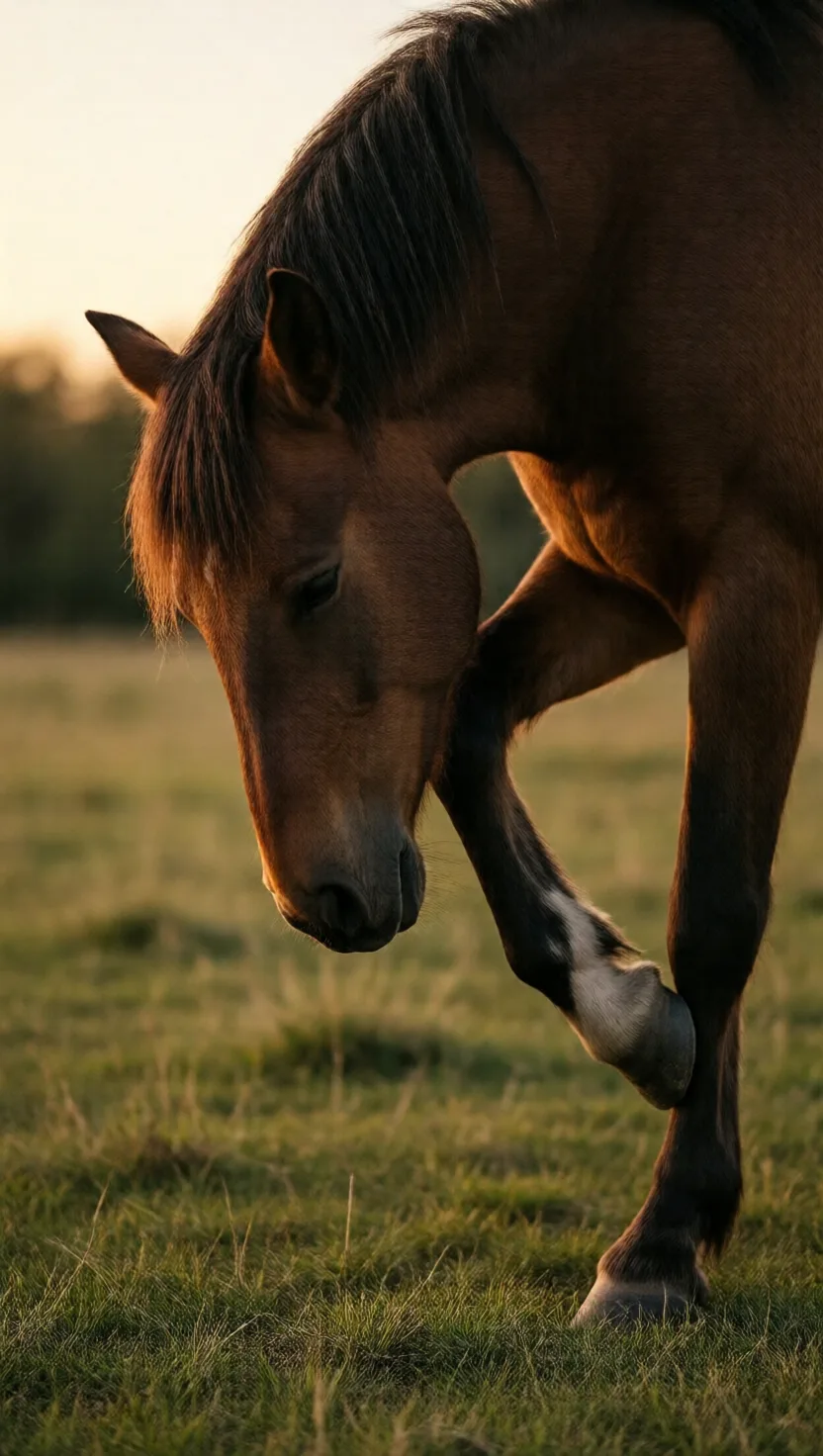
A horse has a stay apparatus, tendons and ligaments that latch the leg joints so it can drowse upright without tiring, ready to bolt. But dreaming sleep relaxes the muscles completely, and that is impossible on locked legs. So a horse must lie flat for its REM sleep, needing only about 30 minutes of it a day, often in short spells.
A walrus can sleep bobbing upright in the sea

A walrus can sleep bobbing upright in the sea

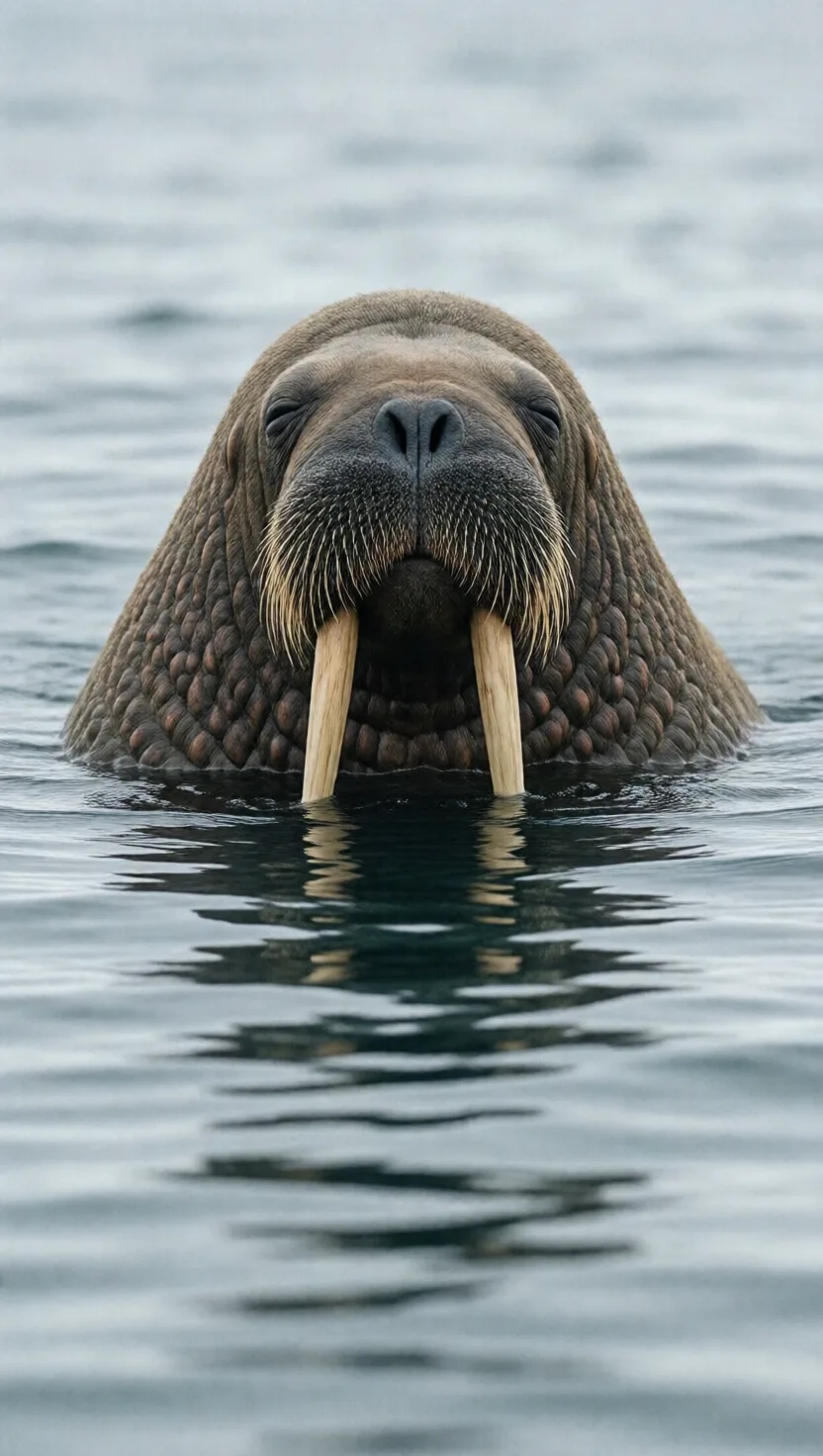
A walrus carries two stretchy throat pouches that inflate with air like built-in water wings. Filled, they let the half-tonne animal hang vertically in the water, head up, and sleep where there is no ice to haul out on. On the floes it can rest for nearly a day after a long swim, sometimes hooking its tusks over the edge to stay put.
Baby dolphins go a month without sleeping

Baby dolphins go a month without sleeping

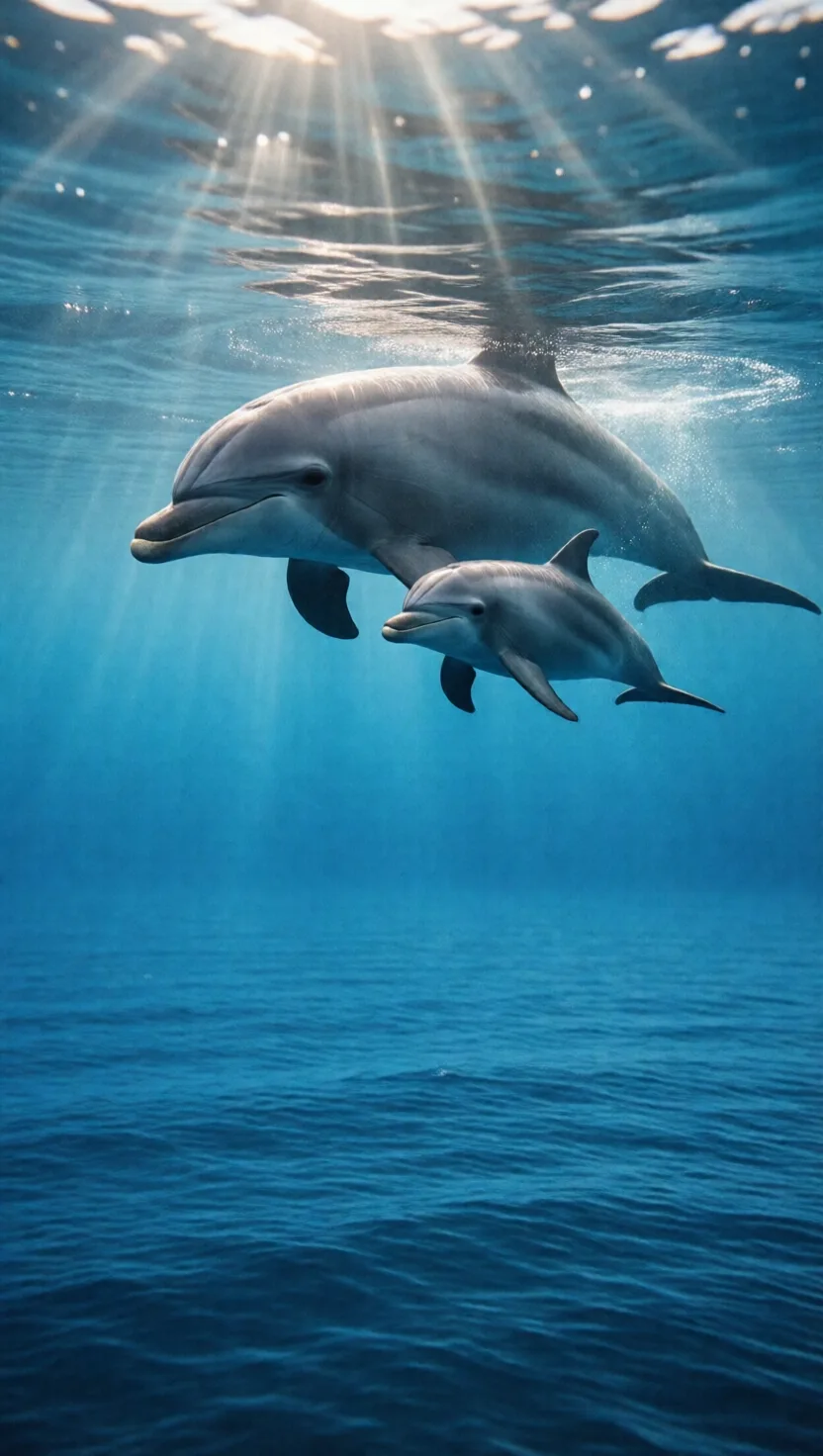
Most newborn mammals sleep almost constantly. Dolphin and orca calves do the reverse: for the first weeks of life they and their mothers barely sleep at all, staying in near-constant motion to surface for air and dodge predators. Only gradually does normal rest return. How they avoid the usual harm of sleep loss is still unexplained.
tap →swipe ↑ for depthswipe ↓ to exit