Eight things hidden in the olive and its oil

DC·97 Deep Cuts
'Extra virgin' is a lab result, not a mood

'Extra virgin' is a lab result, not a mood

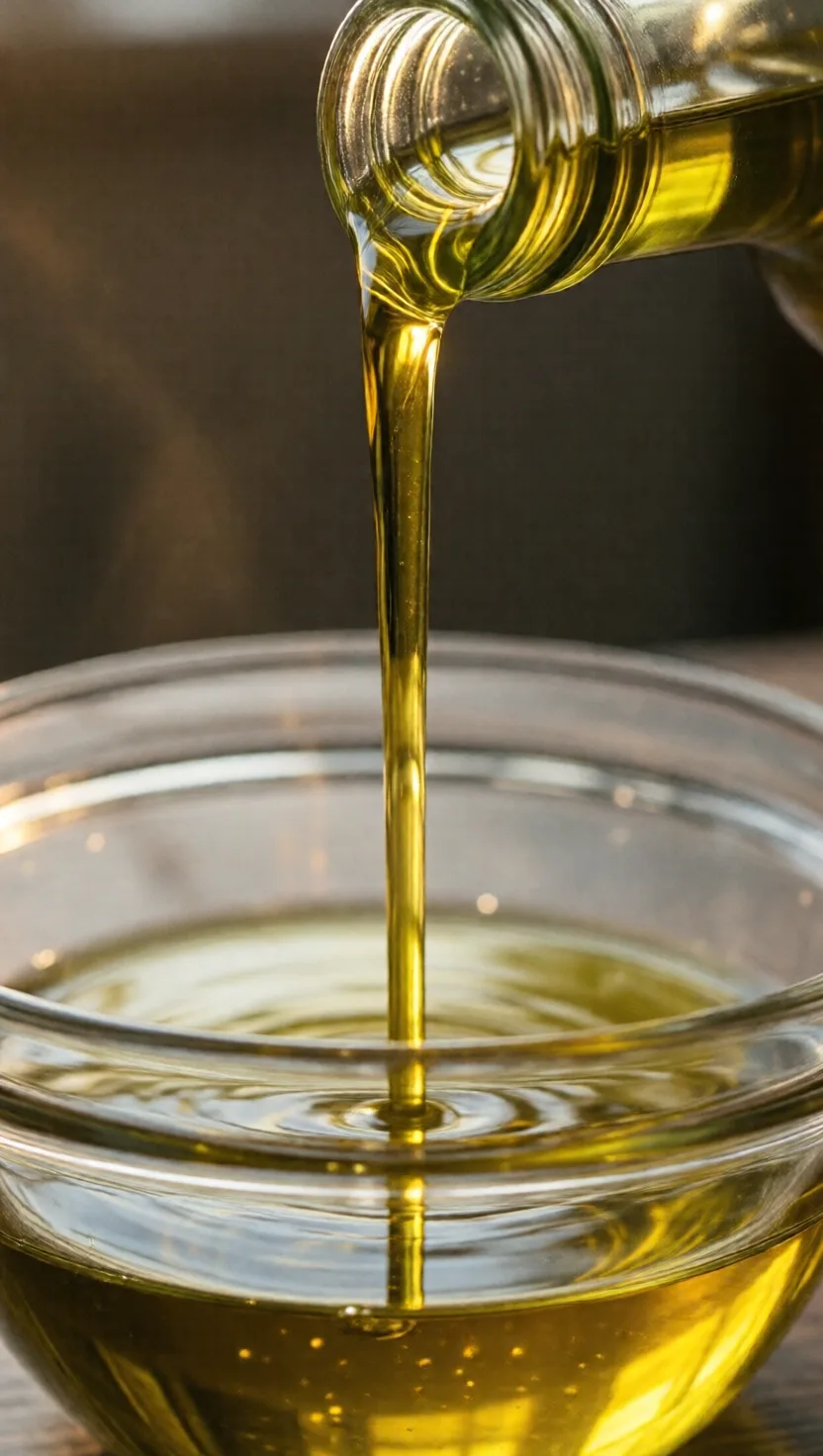
Extra virgin is not a marketing flourish — it is a measured chemical grade. To earn it, the oil must come from the first mechanical pressing of the fruit with no heat or solvents, carry no taste or smell defects, and contain no more than 0.8 grams of free acidity per 100 grams. Push past that line and the same oil is legally demoted to a lower, cheaper grade.
Good olive oil stings like a painkiller

Good olive oil stings like a painkiller

That peppery catch at the back of your throat from a fresh green olive oil is a real drug effect. The culprit is a natural compound called oleocanthal, and in 2005 researchers found it acts on the very same inflammation enzymes as ibuprofen. The sharper the sting, the more of it is present — the throat-tickle is essentially the oil announcing its anti-inflammatory dose.
An olive is a cousin of the peach

An olive is a cousin of the peach

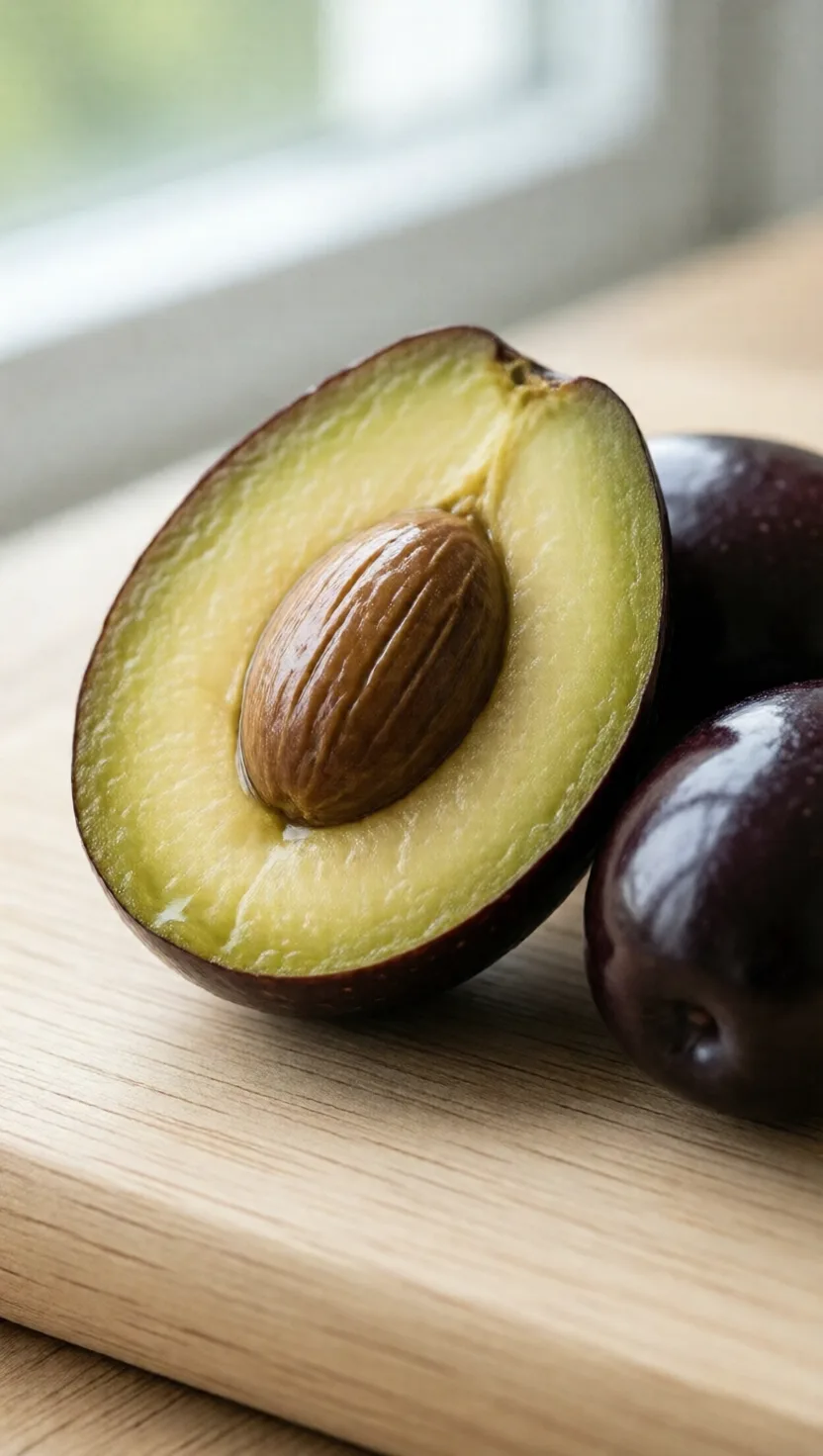
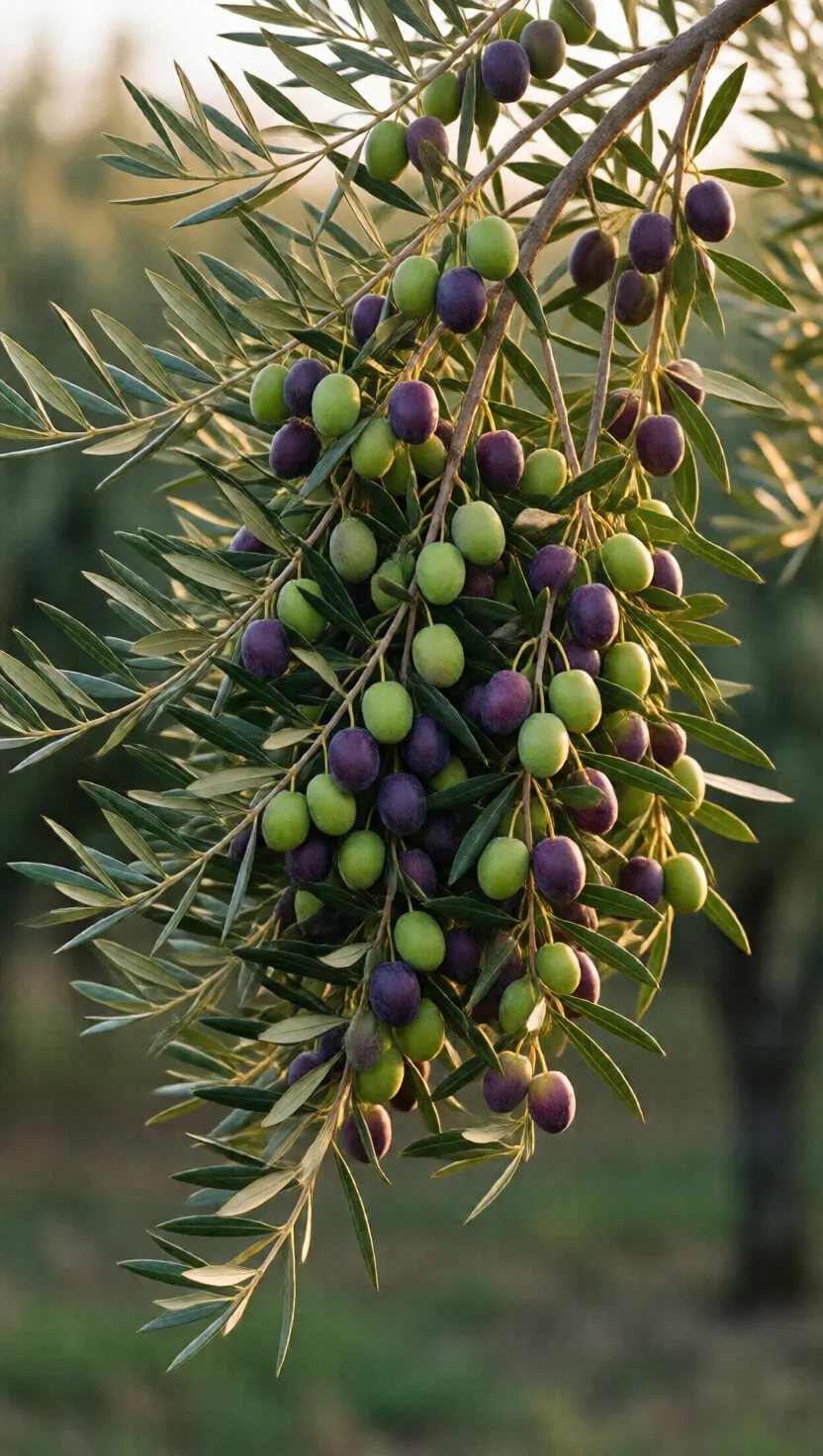
An olive is not a vegetable but a drupe — a stone fruit built exactly like a peach, cherry, plum or mango, with a thin skin, soft flesh and a single hard pit guarding the seed. The savoury olive on a plate and the sweet cherry in a bowl are close botanical kin; the difference you taste is mostly bitterness and oil, not family.
Most canned black olives were dyed black

Most canned black olives were dyed black

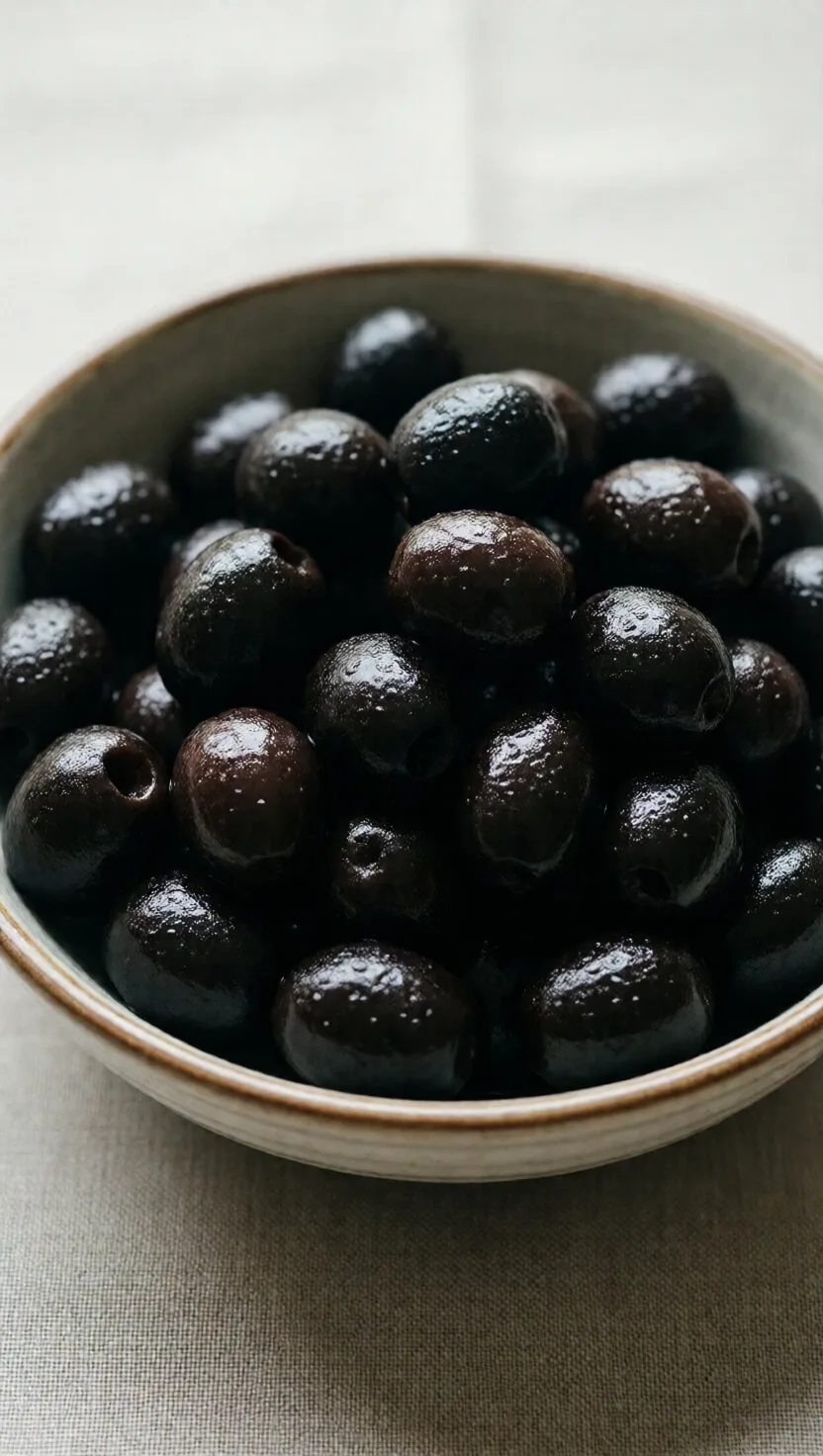
Those uniformly jet-black canned olives were almost never ripened on the tree. They start as unripe green olives, are cured in lye, then have air bubbled through them again and again so oxygen darkens the flesh. A pinch of an iron salt, ferrous gluconate, locks in the deep even black. Truly tree-ripened olives are blotchy purple-brown, never that perfect uniform colour.
You cannot eat an olive off the tree

You cannot eat an olive off the tree

Pick an olive and bite it and you will spit it straight out — raw olives are brutally bitter, loaded with a compound called oleuropein. Every olive you have ever eaten was first tamed: soaked for weeks in water, brine or lye, or packed in salt, to leach that bitterness away. The fruit evolved the bitter chemical to stop animals eating it before the seed inside was ready.
The leftover paste is squeezed again with solvent

The leftover paste is squeezed again with solvent

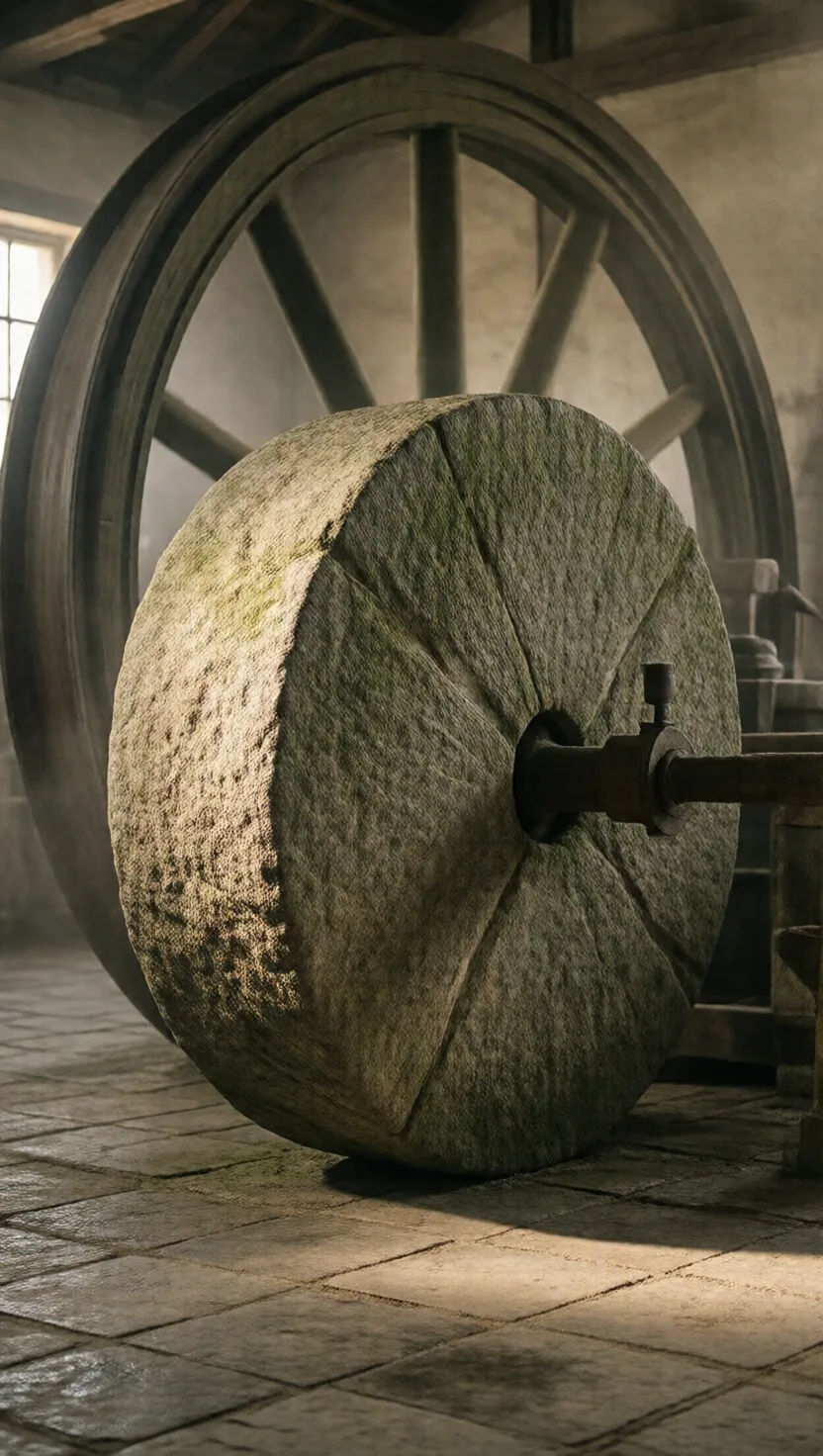
When olives are pressed for oil, a wet brown paste of skins, pulp and crushed pits is left behind. That waste is not thrown away: it is dried and washed with a solvent to wring out a last couple of percent of low-grade oil, and the exhausted dry cake is then burned as fuel to help power the mill itself. Almost nothing of the fruit goes to waste.
Olive trees take a year off

Olive trees take a year off

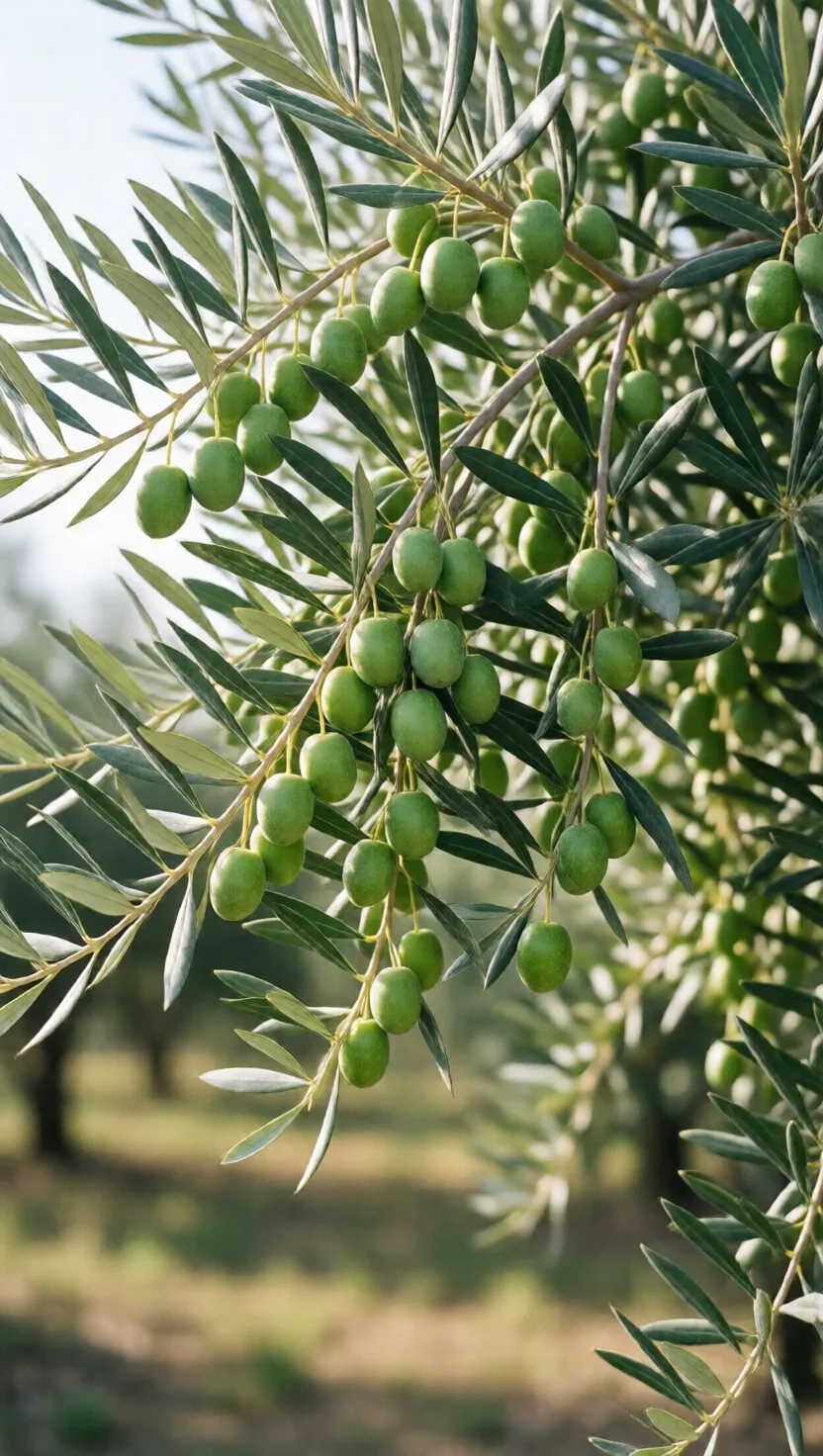
Olive trees keep their own rhythm. A heavy 'on' year, when the branches bow under fruit, is usually followed by an 'off' year with almost nothing — a swing called alternate bearing that growers fight constantly. Patience is needed from the start, too: a young tree planted from scratch often takes three to five years before it bears its first real crop, and longer to hit full stride.
Some olive trees have fruited for 2,000 years

Some olive trees have fruited for 2,000 years

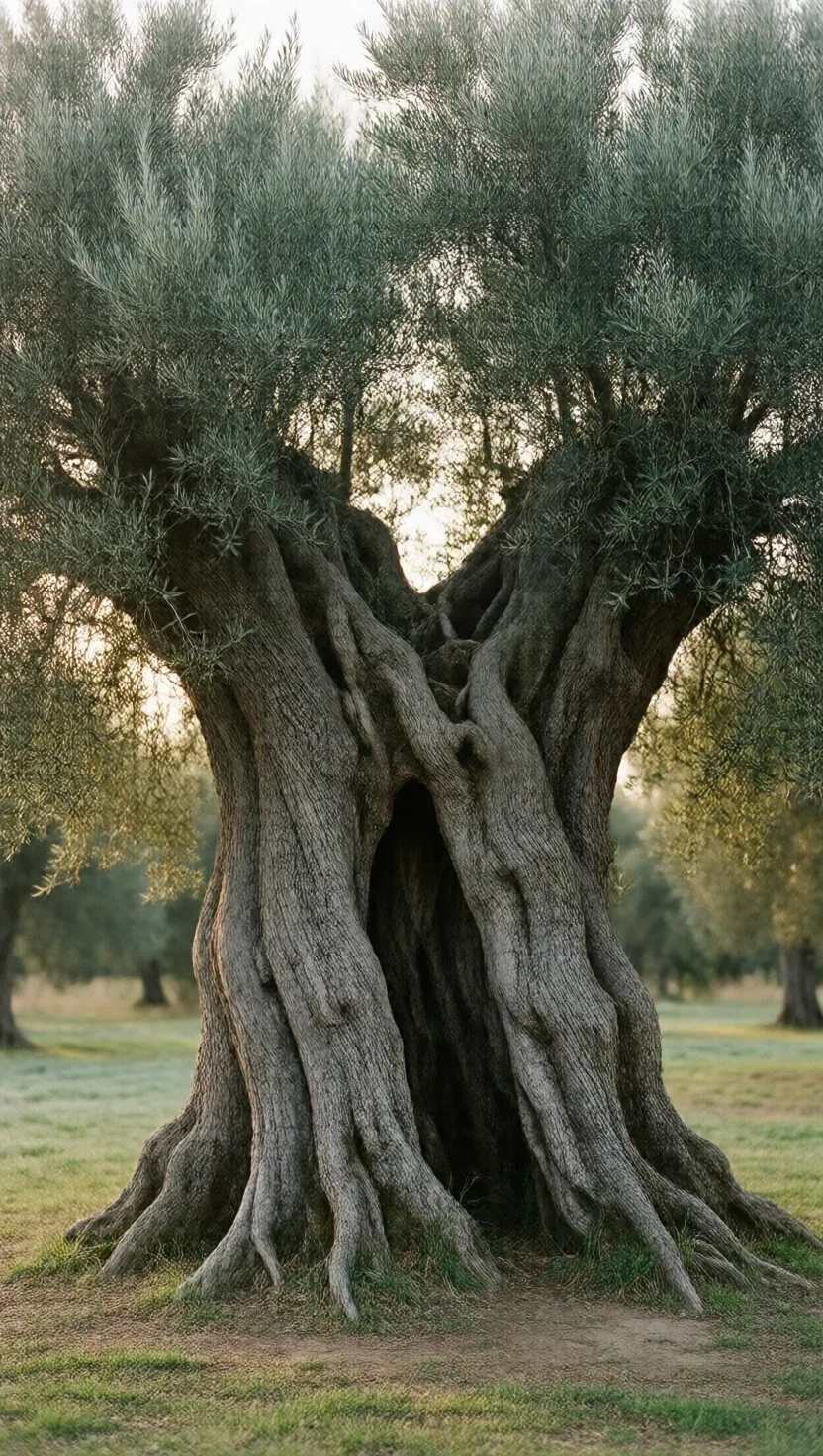
Olive trees may be the longest-living fruit trees on Earth. One gnarled giant on Crete has been dated by its rings to at least 2,000 years old, with some estimates reaching far higher, and it still sets fruit every season. Even when the trunk rots hollow or burns, an olive resprouts from its root crown, which is why ancient groves seem almost impossible to kill.
tap →swipe ↑ for depthswipe ↓ to exit