Eight things hidden inside the hardest stone

DC·96 Deep Cuts
A real diamond always feels cold

A real diamond always feels cold

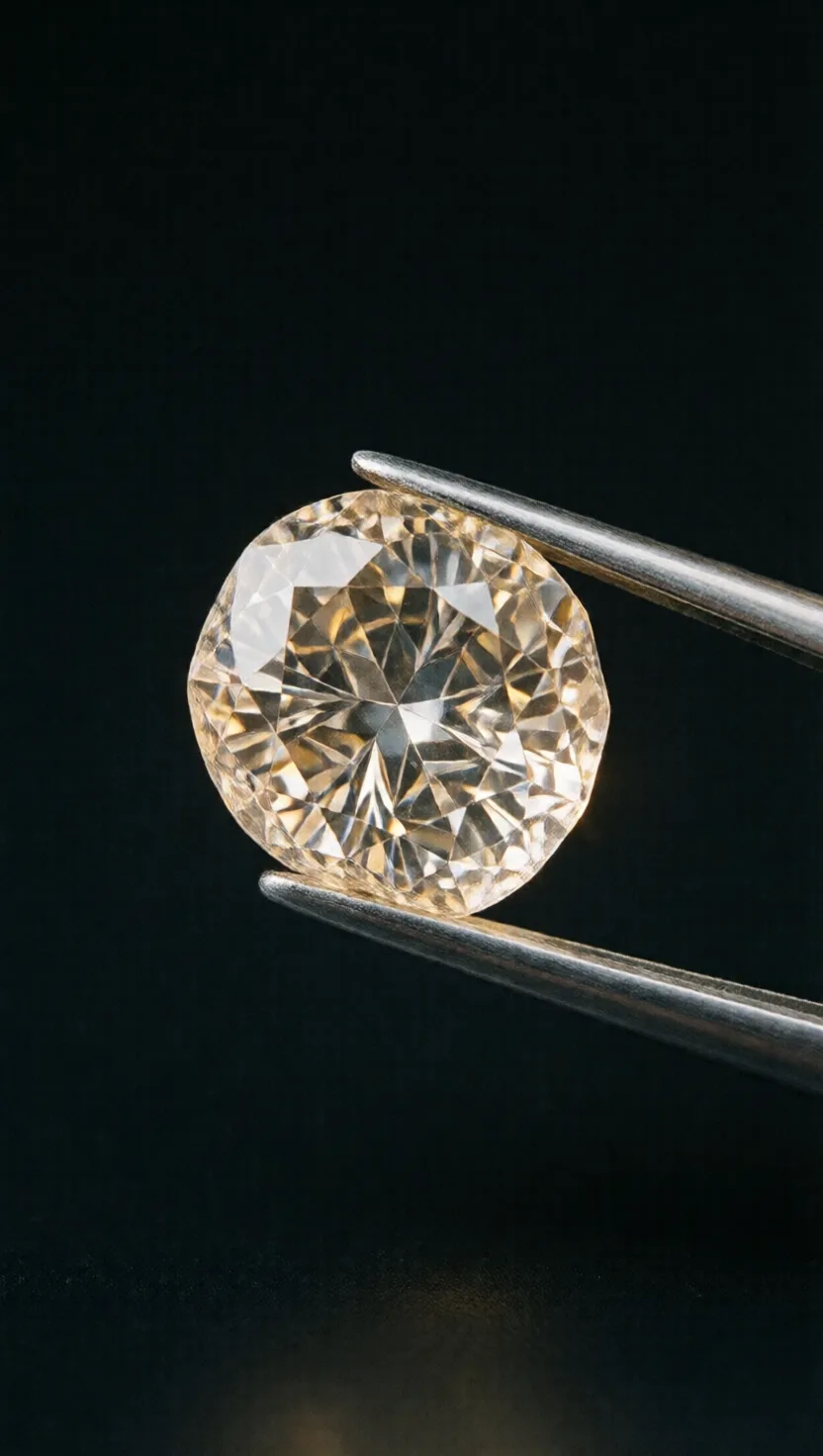
Diamond carries heat better than any other everyday solid — about 2,200 watts per metre-kelvin, roughly five times as well as copper. Touch one and it pulls the warmth from your skin almost instantly, which is why it feels cold to the lips while a glass fake feels neutral. Jewellers still test stones with a heat probe: the real thing whisks heat away faster than anything pretending to be it.
Blue diamonds conduct electricity

Blue diamonds conduct electricity

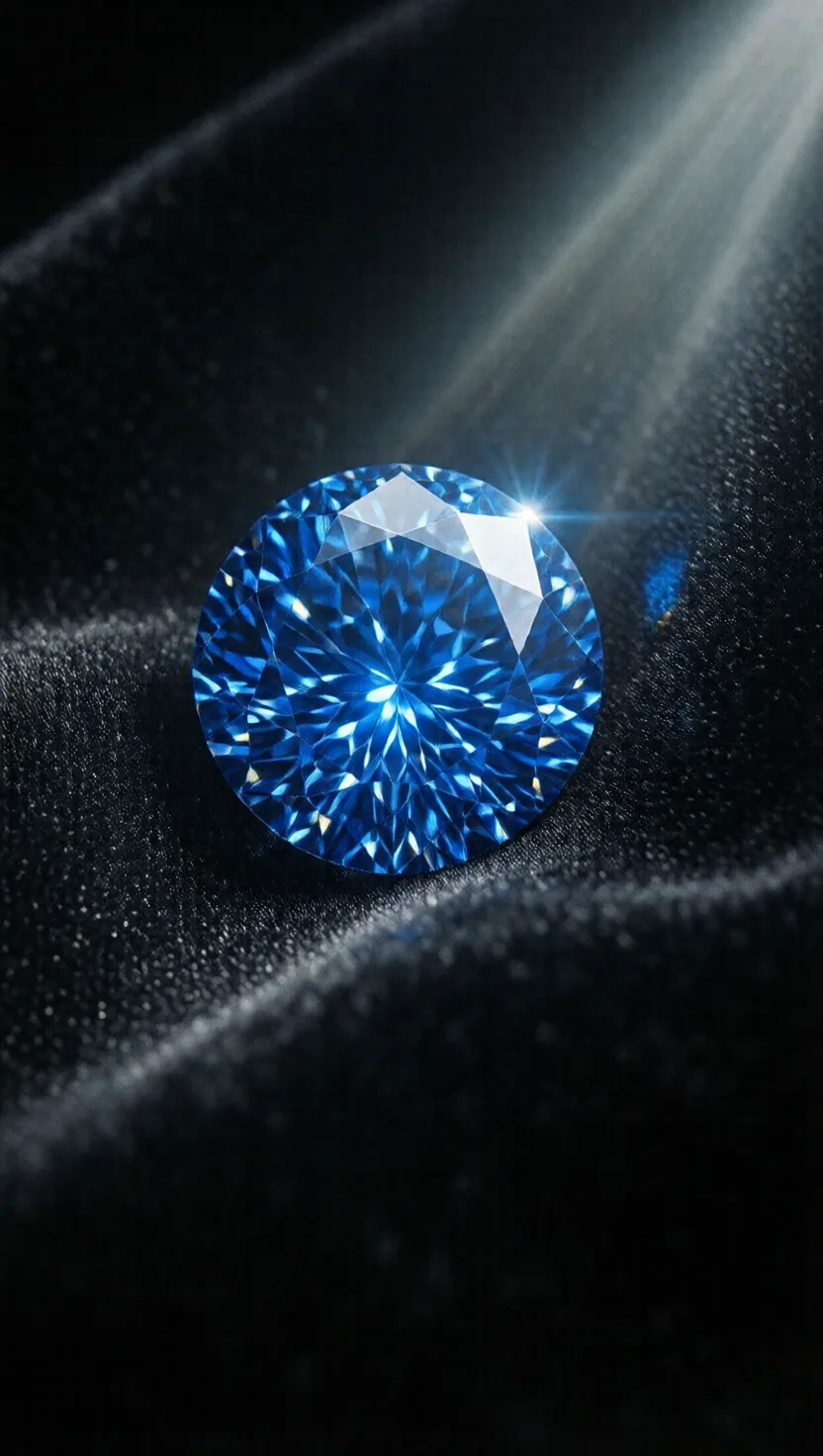
Almost every diamond is a perfect insulator, but a rare few are blue — and those blue stones can carry an electric current. The colour comes from a scattering of boron atoms, sometimes only a few parts per million, which also turn the crystal into a semiconductor like the silicon in a chip. The most famous deep-blue diamond of all, weighing 45.5 carats, is one of these boron-laced crystals.
A diamond can be burned to nothing

A diamond can be burned to nothing

A diamond is pure carbon, so it burns. Heat one to somewhere between about 690 and 840 degrees Celsius in pure oxygen and it ignites and turns entirely into carbon-dioxide gas, leaving not a speck behind. In 1772 a French chemist proved it by focusing sunlight through a great lens onto a diamond and watching it vanish — early evidence that the hardest of stones is made of the same stuff as soot and charcoal.
The hardest gem can split with one tap

The hardest gem can split with one tap

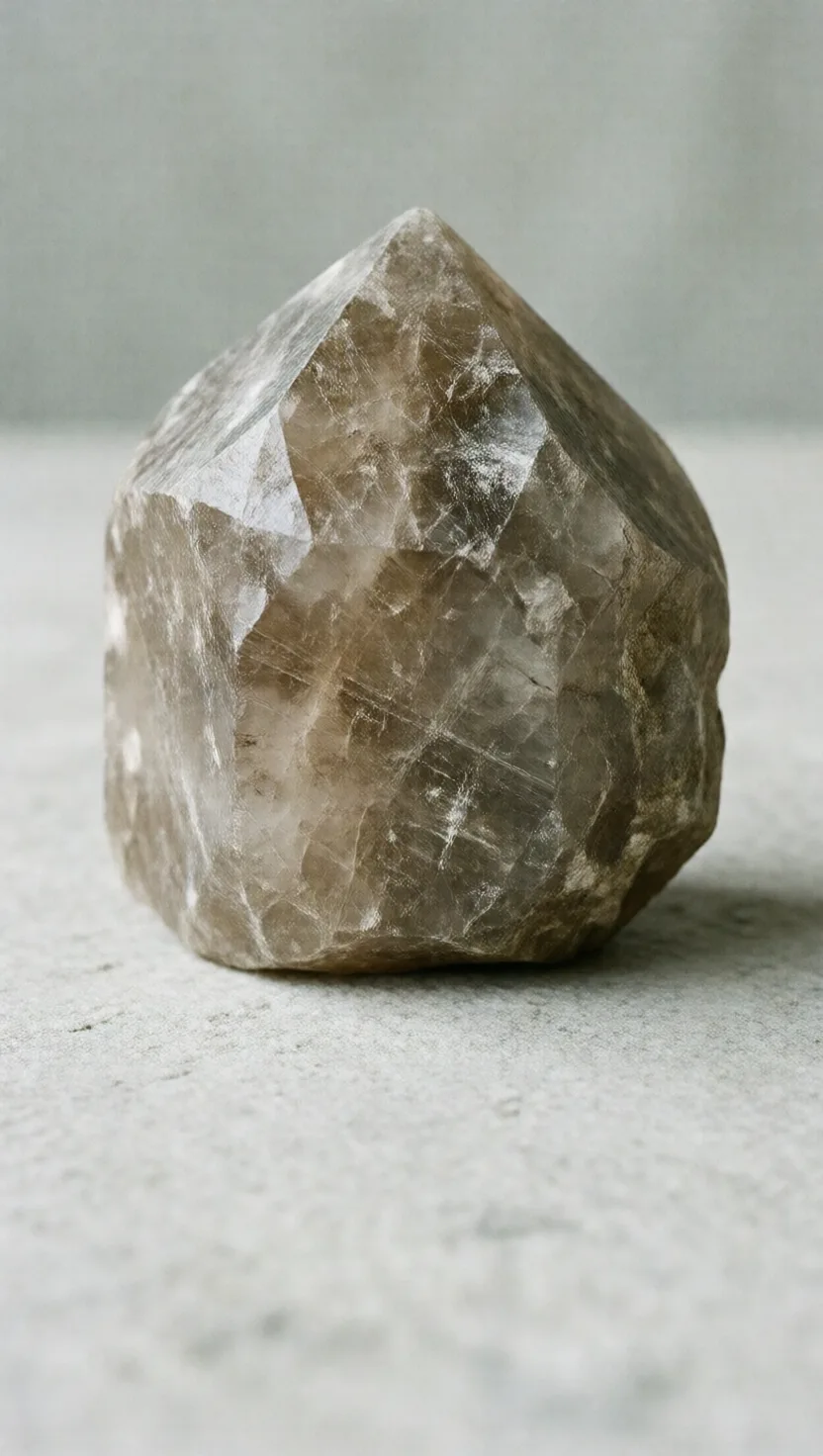
Diamond tops the hardness scale at a perfect ten — nothing else can scratch it. But hardness is not toughness. The same orderly carbon lattice that resists scratching also has clean planes of weakness running through it, and a sharp blow struck along one of those planes can cleave a diamond in two. Cutters use this on purpose, splitting a rough stone with one calculated strike before any polishing begins.
A diamond is older than the rock around it

A diamond is older than the rock around it

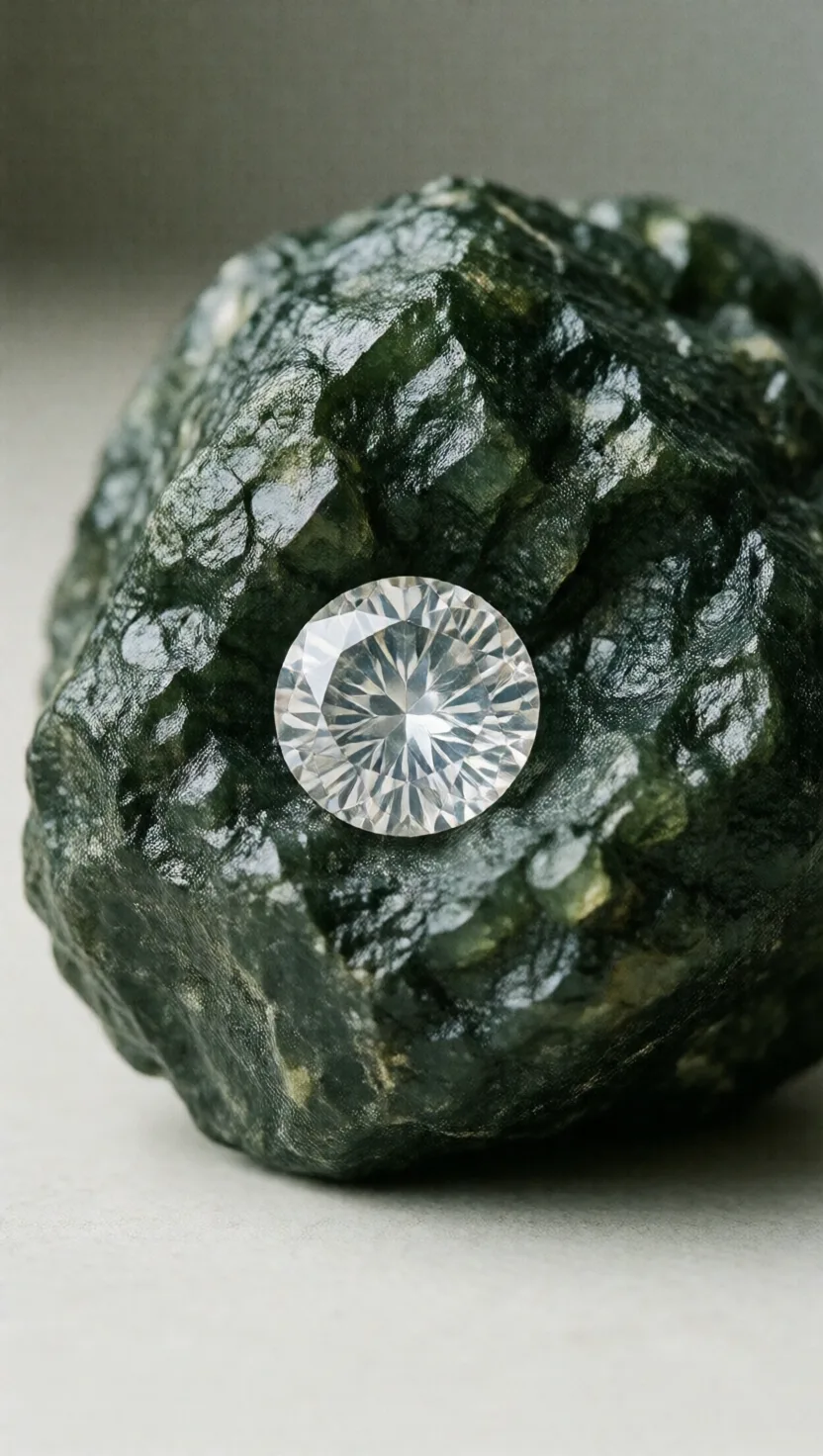
Diamonds form more than 150 kilometres down, where the heat and pressure of the deep mantle pack carbon into its densest crystal. Most are ancient — one to over three billion years old. Then a rare, violent kind of magma drags them upward in a matter of hours and freezes around them near the surface. So the greenish rock that holds a diamond is far younger than the gem trapped inside it.
The purest diamonds have no nitrogen at all

The purest diamonds have no nitrogen at all

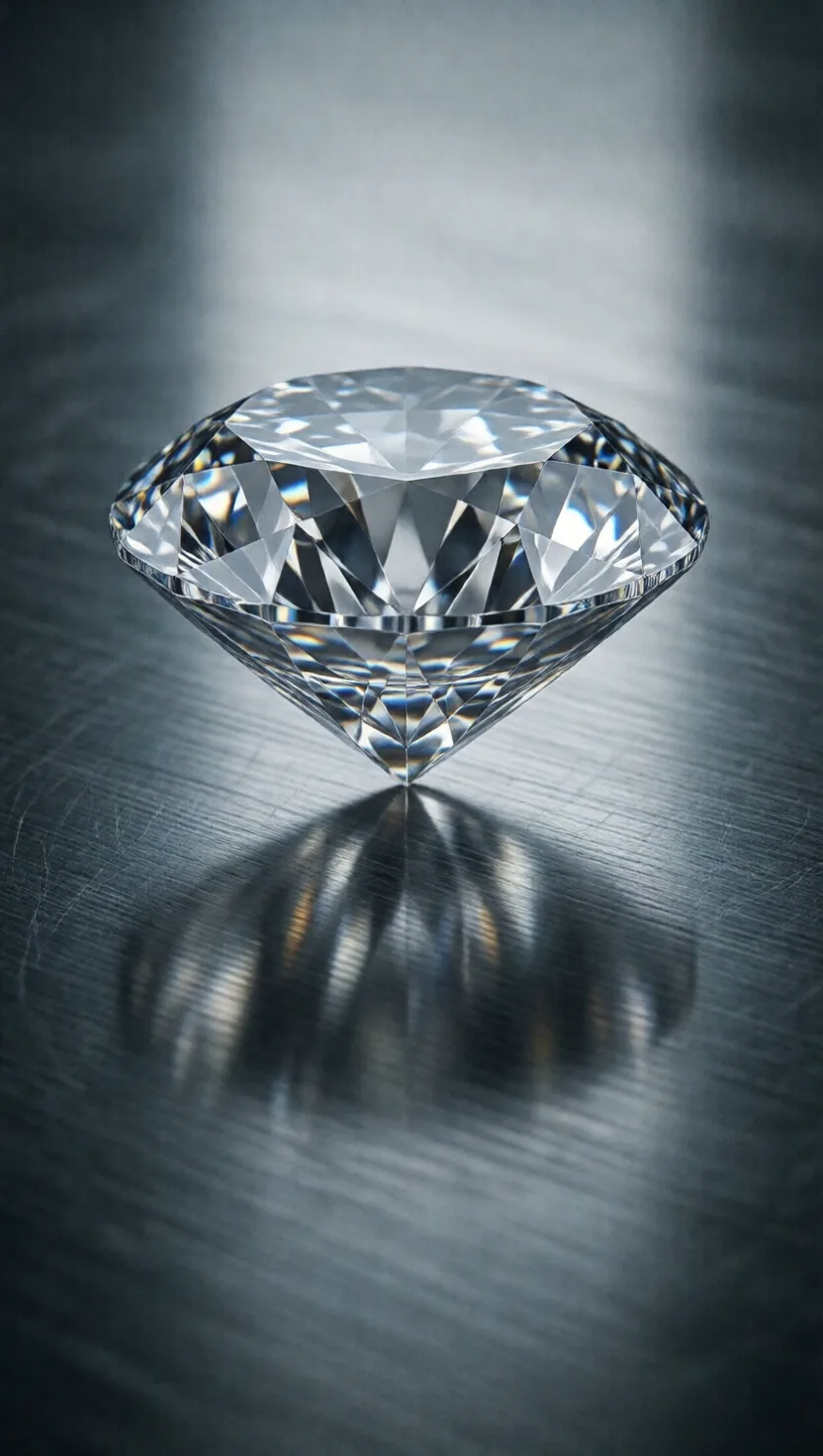
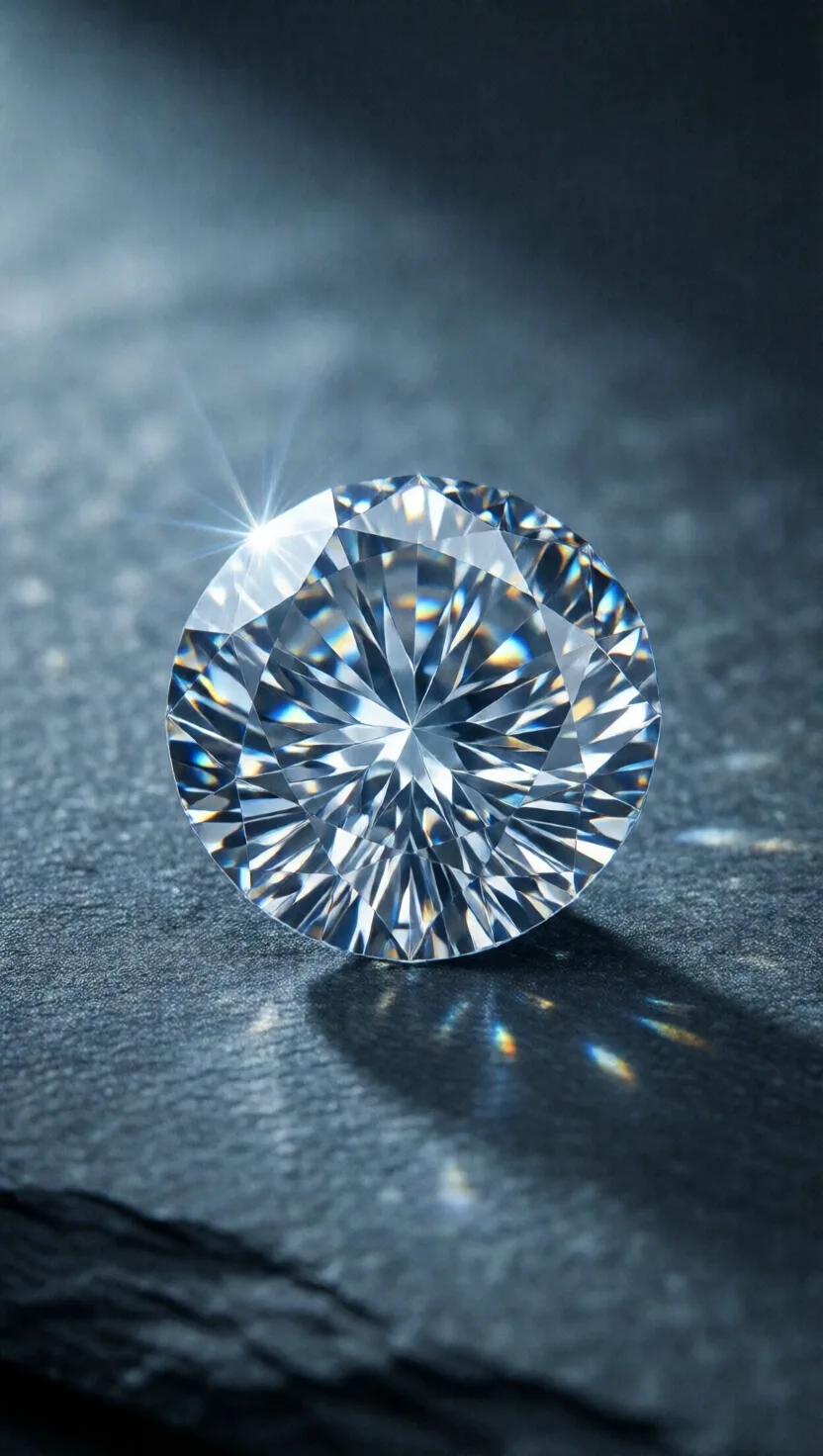
Almost every diamond carries a little nitrogen, which tints it faintly yellow. But around one or two in a hundred have essentially none — a type so chemically pure it is also the most transparent and the most prized. The largest gem-quality diamond ever cut, a 530-carat colourless giant, is one of these nitrogen-free crystals, as clear as frozen water.
A third of diamonds secretly glow blue

A third of diamonds secretly glow blue

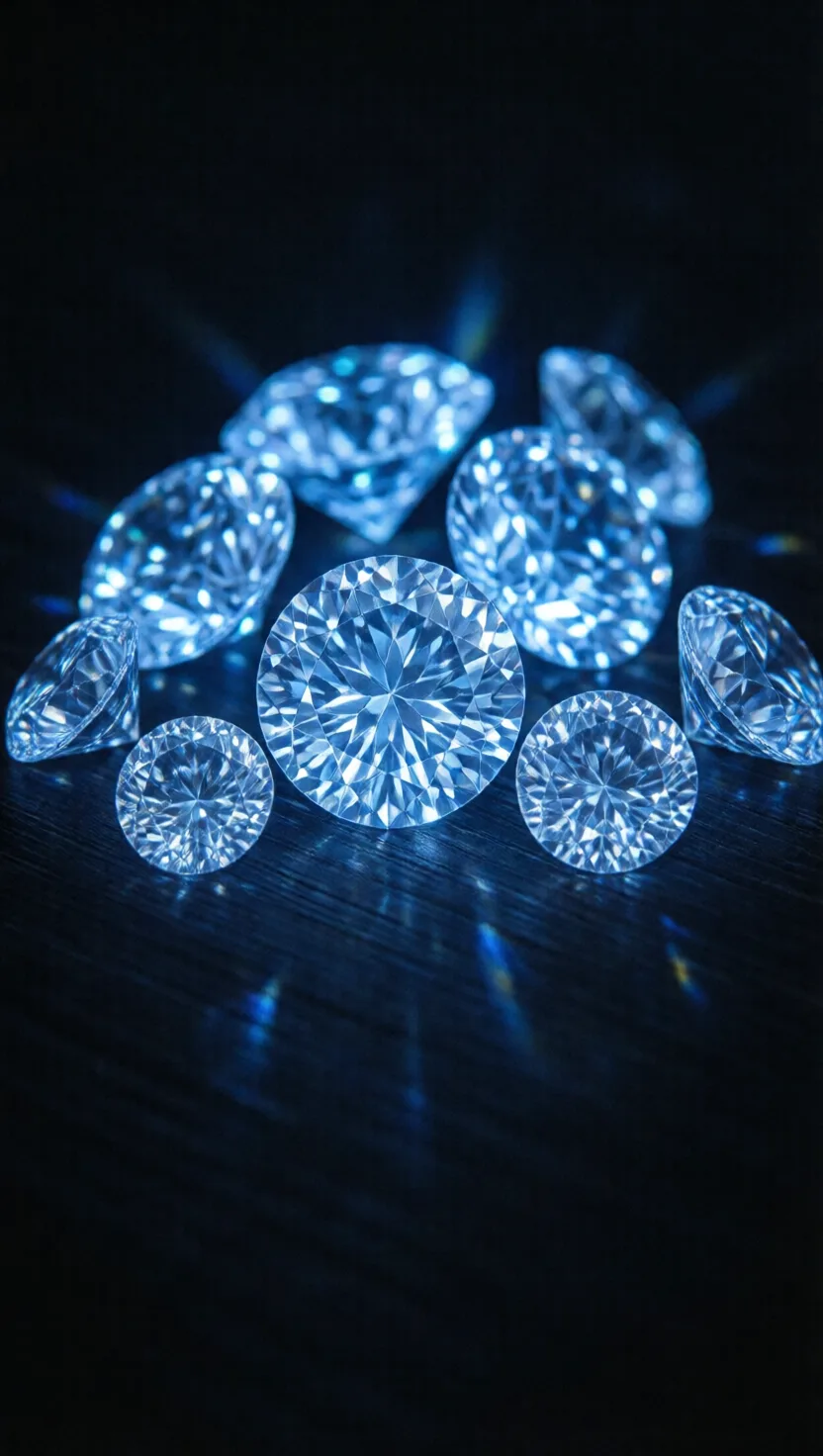
Shine ultraviolet light on a tray of diamonds and roughly a quarter to a third of them light up — and about ninety-five percent of those glow a soft blue. The glow comes from the way trace defects in the carbon lattice soak up the invisible light and release it as visible colour. It fades the instant the lamp goes off, a hidden trait most owners never see in ordinary daylight.
Some diamonds are older than the Sun

Some diamonds are older than the Sun

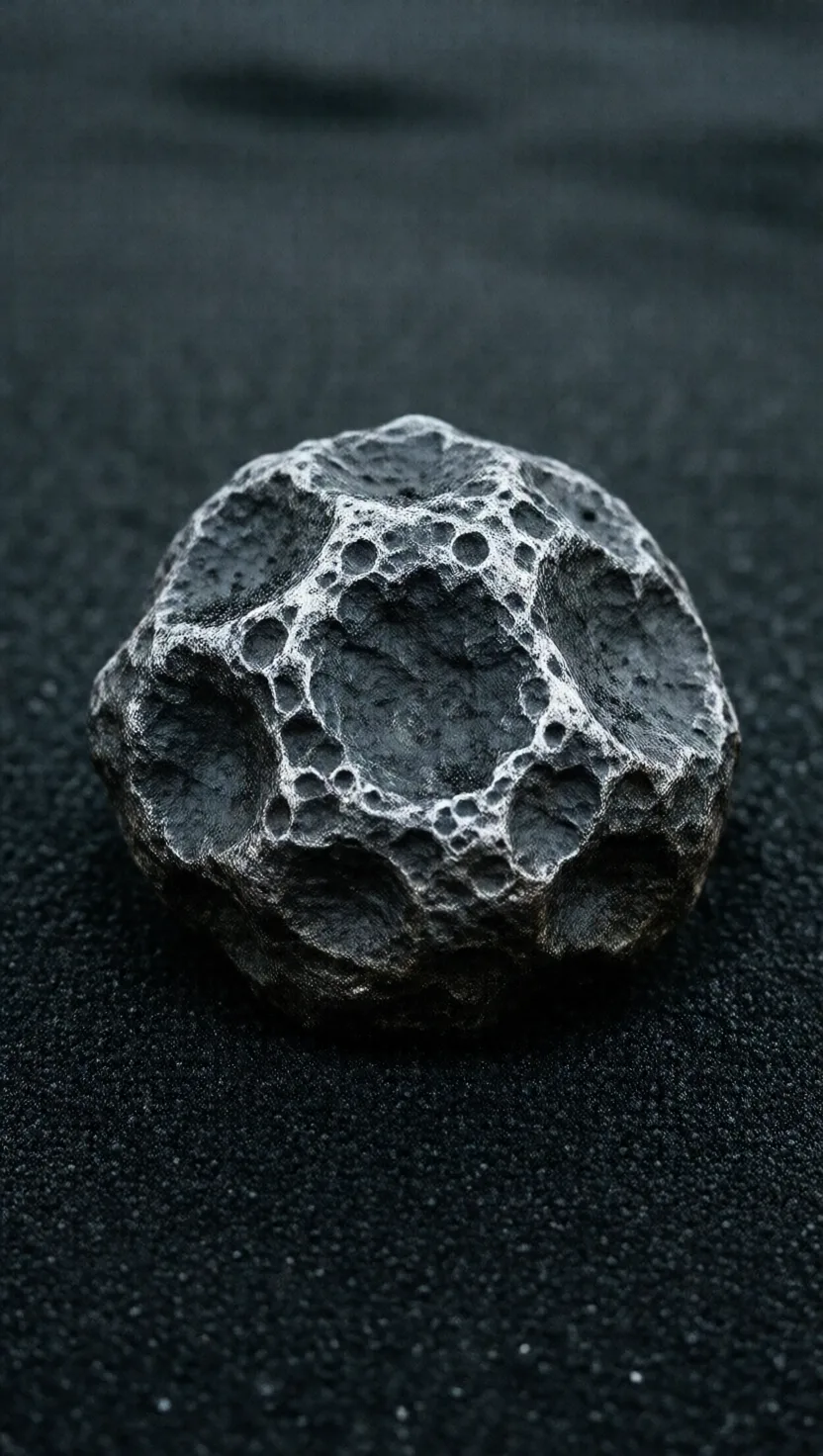
Crack open certain meteorites and you find diamonds — not gems, but specks so small each holds only a few thousand carbon atoms. They are stardust, forged around other stars and dying suns before our own Sun existed, which makes them more than 4.6 billion years old. Trillions of these grains drifted through the cloud that became the solar system and survived inside falling rocks.
tap →swipe ↑ for depthswipe ↓ to exit