Eight things hidden in a lump of coal

DC·94 Deep Cuts
This black gem is a forest turned to stone

This black gem is a forest turned to stone

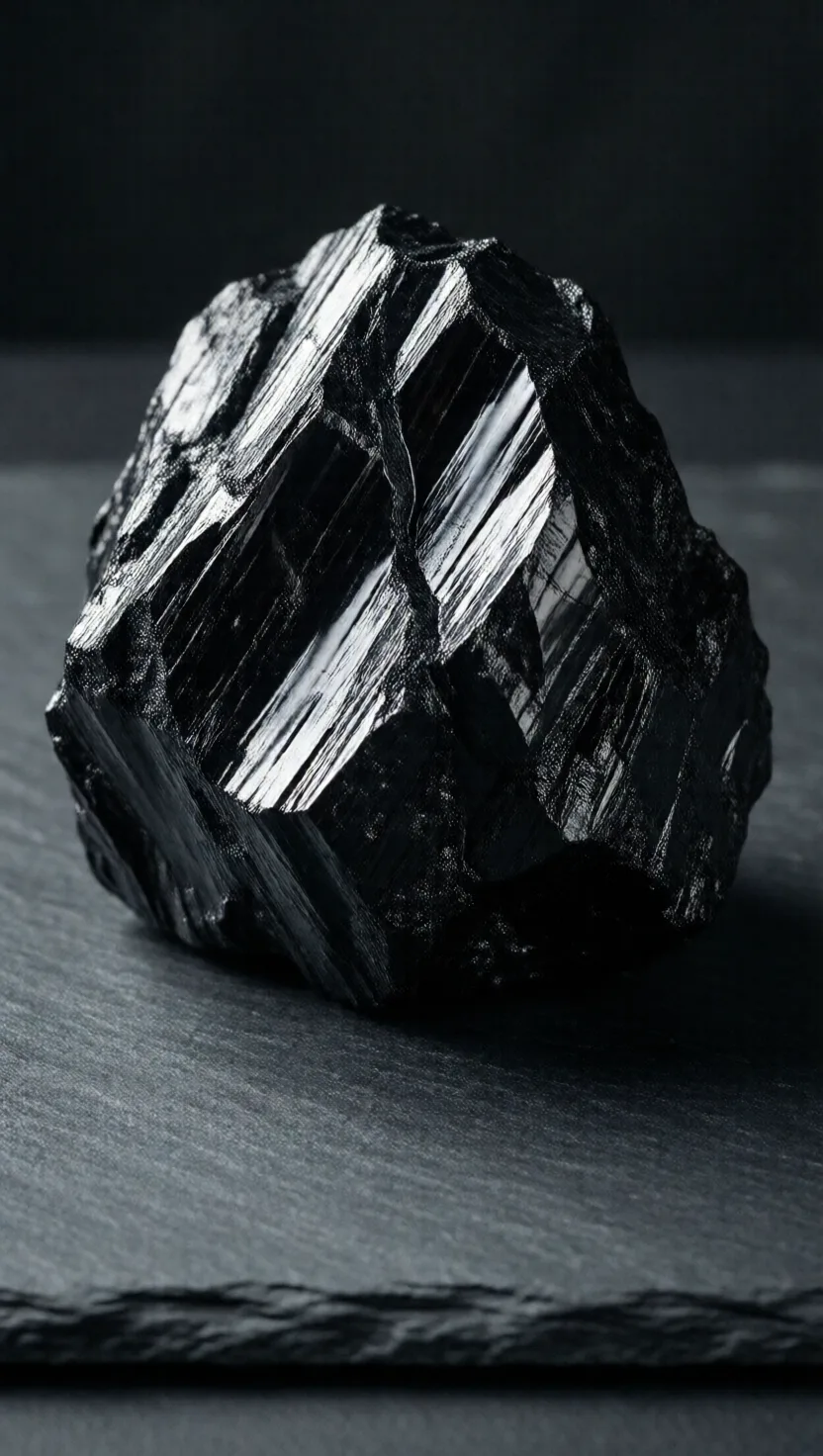
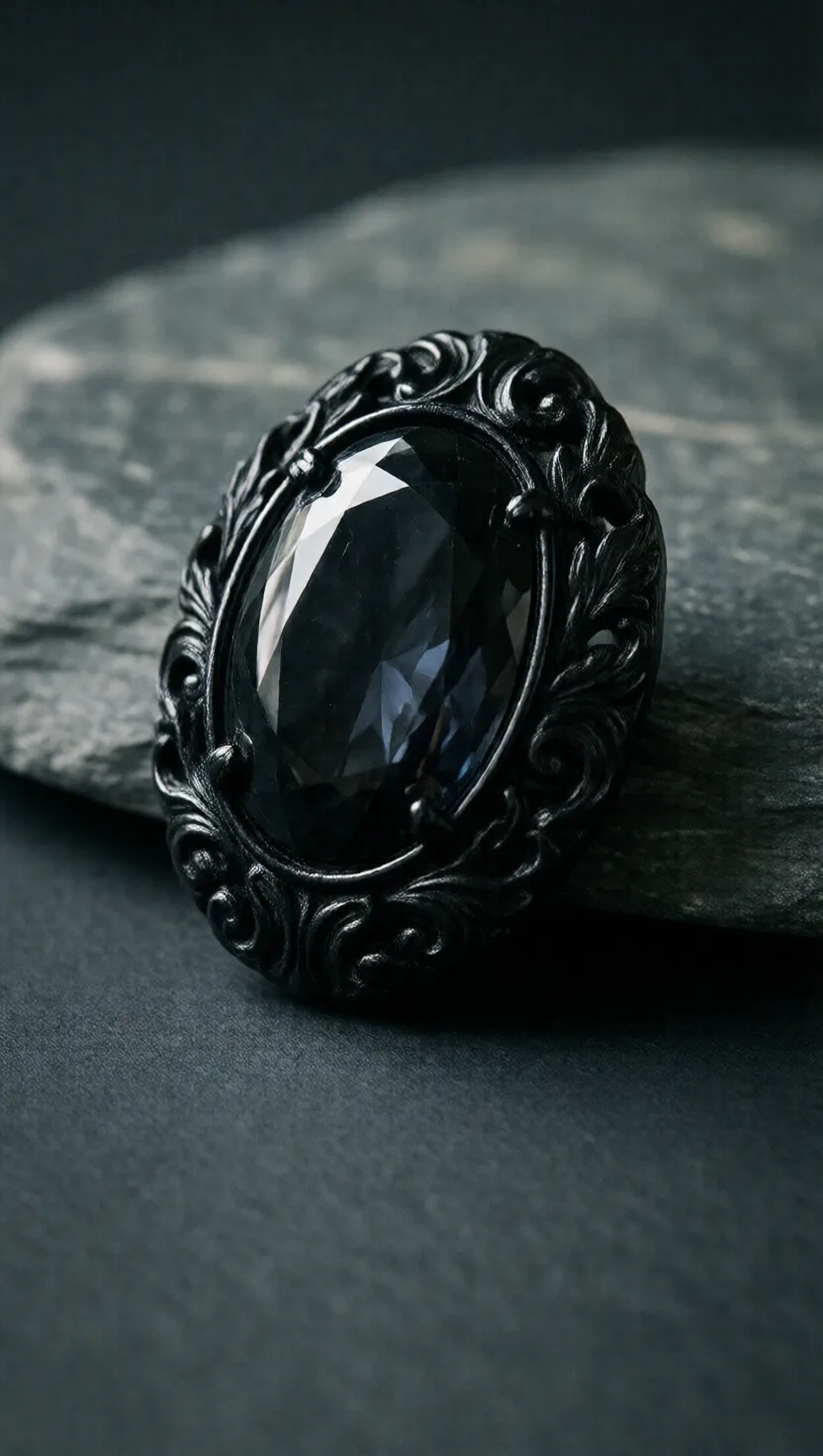
Jet, the deep-black gem of Victorian mourning jewellery, is not a mineral but fossil wood. It began as waterlogged driftwood from ancient conifer-like trees, buried in seabed mud and slowly compressed and chemically changed over roughly 180 million years into a hard, lightweight form of coal that takes a glassy polish. After Prince Albert died in 1861 the grieving Queen wore it constantly, and for a time it was the only jewellery allowed at the British court.
A lump of coal can hold 300-million-year-old cells

A lump of coal can hold 300-million-year-old cells

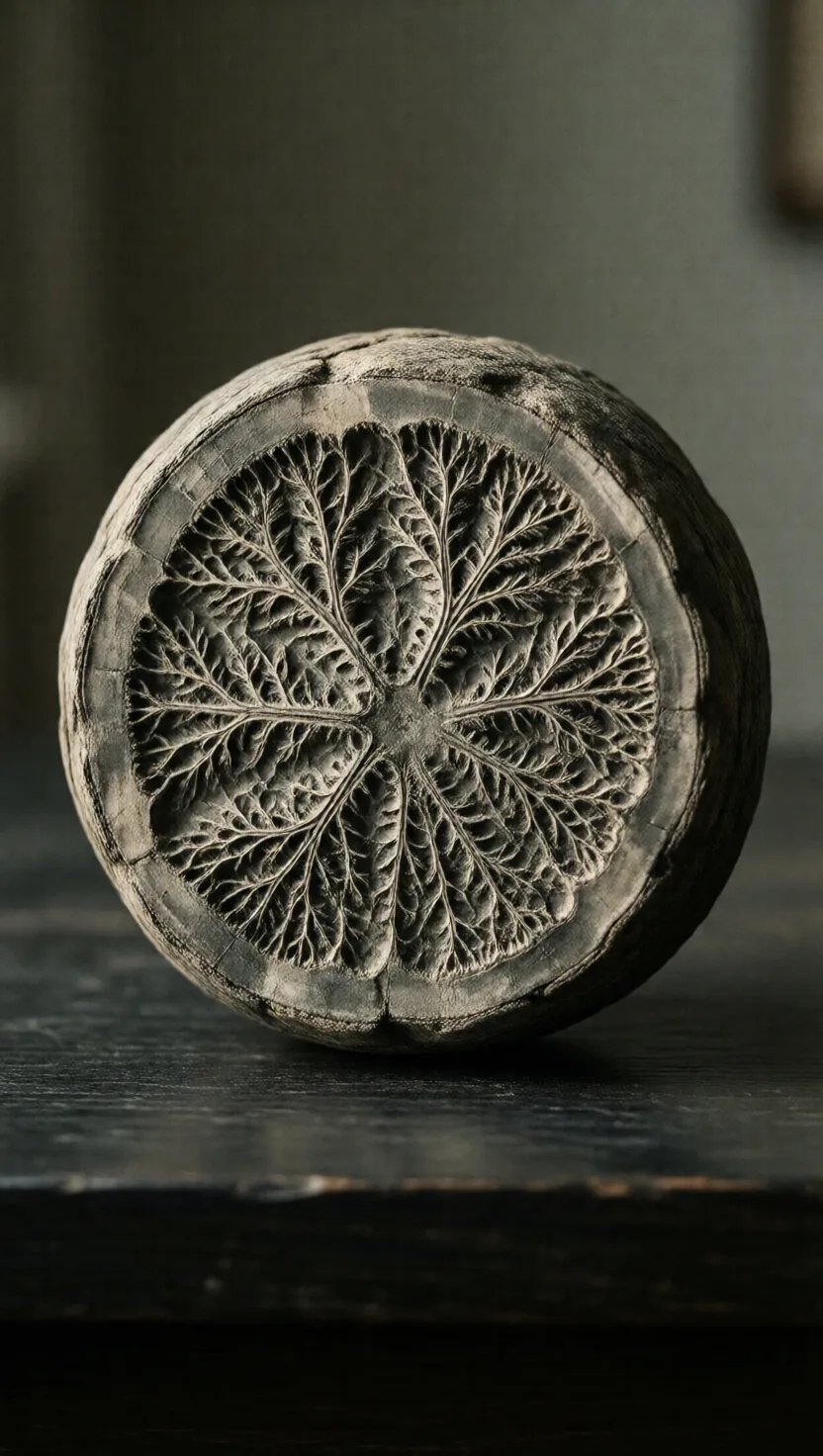
Most coal crushes its plants into flat black smears, but now and then a coal ball forms: a lump where mineral-rich water soaked the peat before it could be flattened, filling each plant cell with stone and freezing the swamp in three dimensions. Slice and polish one and the cell walls, leaves and spores of a 300-million-year-old forest appear intact. Scientists read them by pressing a film over the cut face, peeling away a perfect imprint of life from the coal age.
This hillside has been on fire for 6,000 years

This hillside has been on fire for 6,000 years

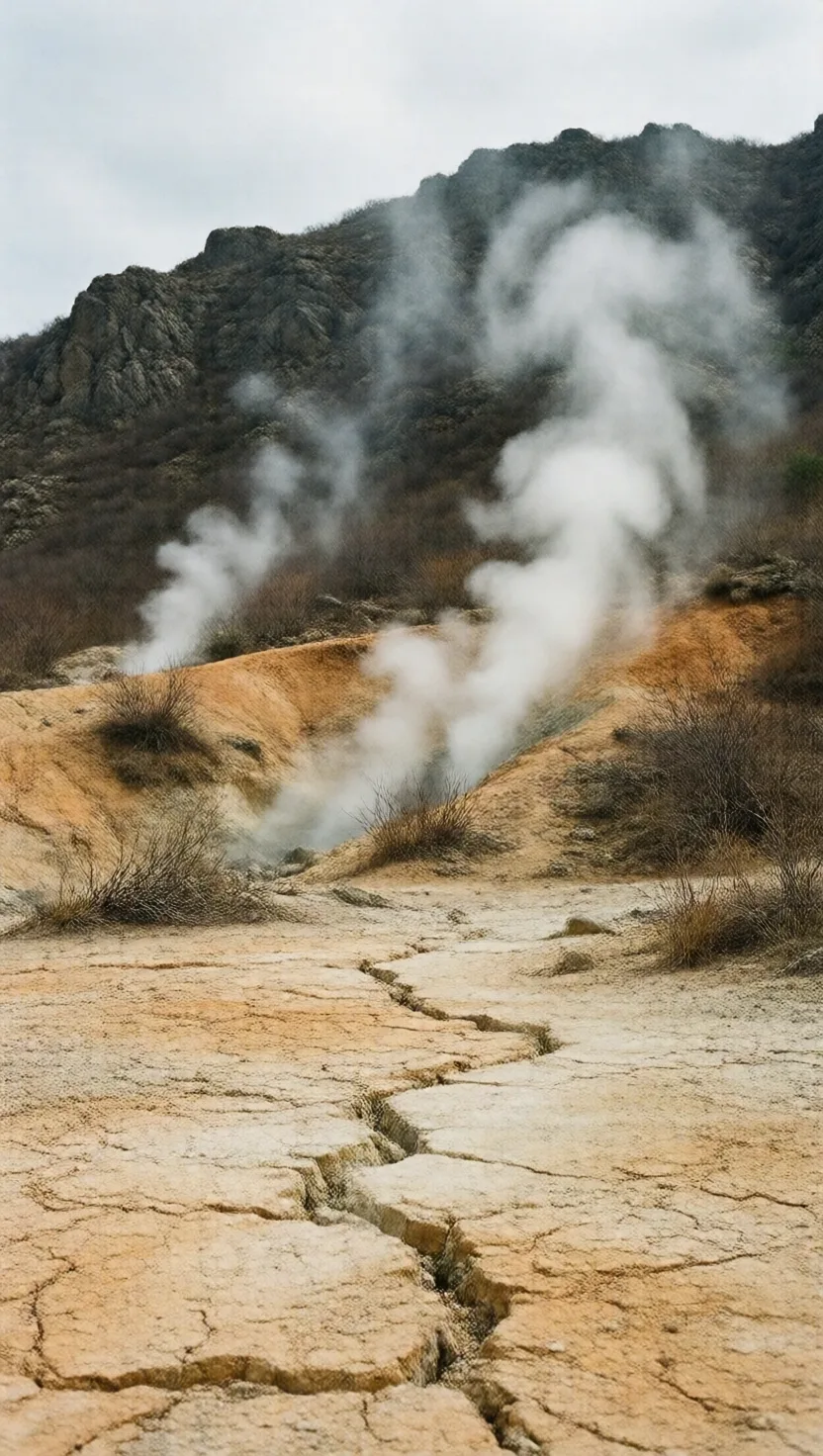
At Burning Mountain in New South Wales, a coal seam roughly thirty metres underground has been smouldering for at least six thousand years - the oldest known fire on Earth. There is no lava and no surface blaze; the seam simply burns slowly where it meets enough air, creeping south at about one metre a year and leaving scorched, discoloured rock behind it. The ground above is warm to the touch, dusted with pale ash, and breathes faint smoke and a sulfur tang.
A coal you can light with a single match

A coal you can light with a single match

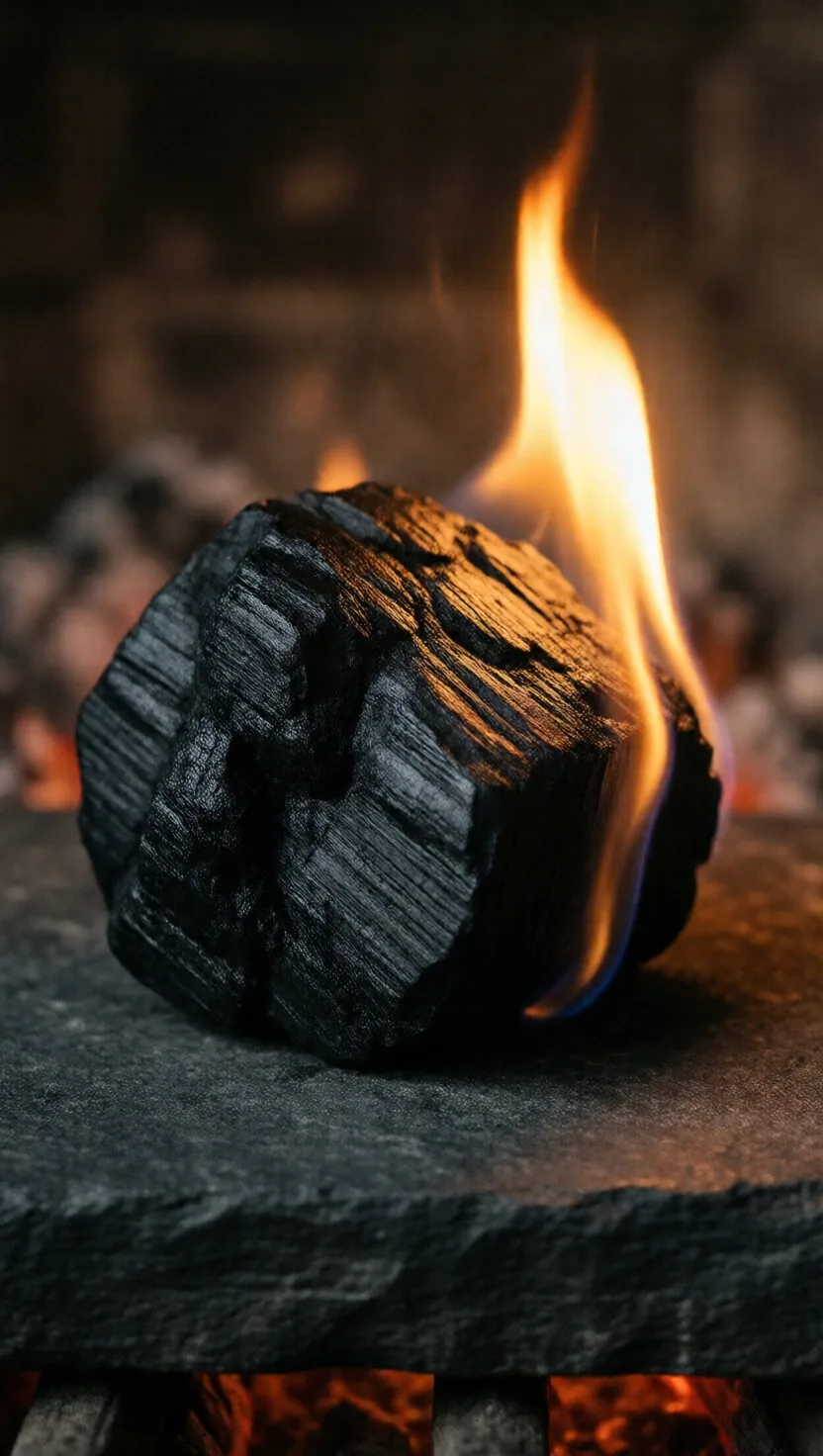
Most coal needs a fierce fire to catch, but cannel coal lights from a match and burns with a long bright flame - which is why it was once called candle coal. It formed differently from ordinary coal, from drifts of spores and algae settling in still lake water rather than from woody swamp. That makes it rich in hydrogen and very fine-grained, dull and almost waxy. People burned it for light in the hearth, and carved the smooth black stone into ornaments and beads.
Coal forests were giant mosses, mistaken for dragons

Coal forests were giant mosses, mistaken for dragons

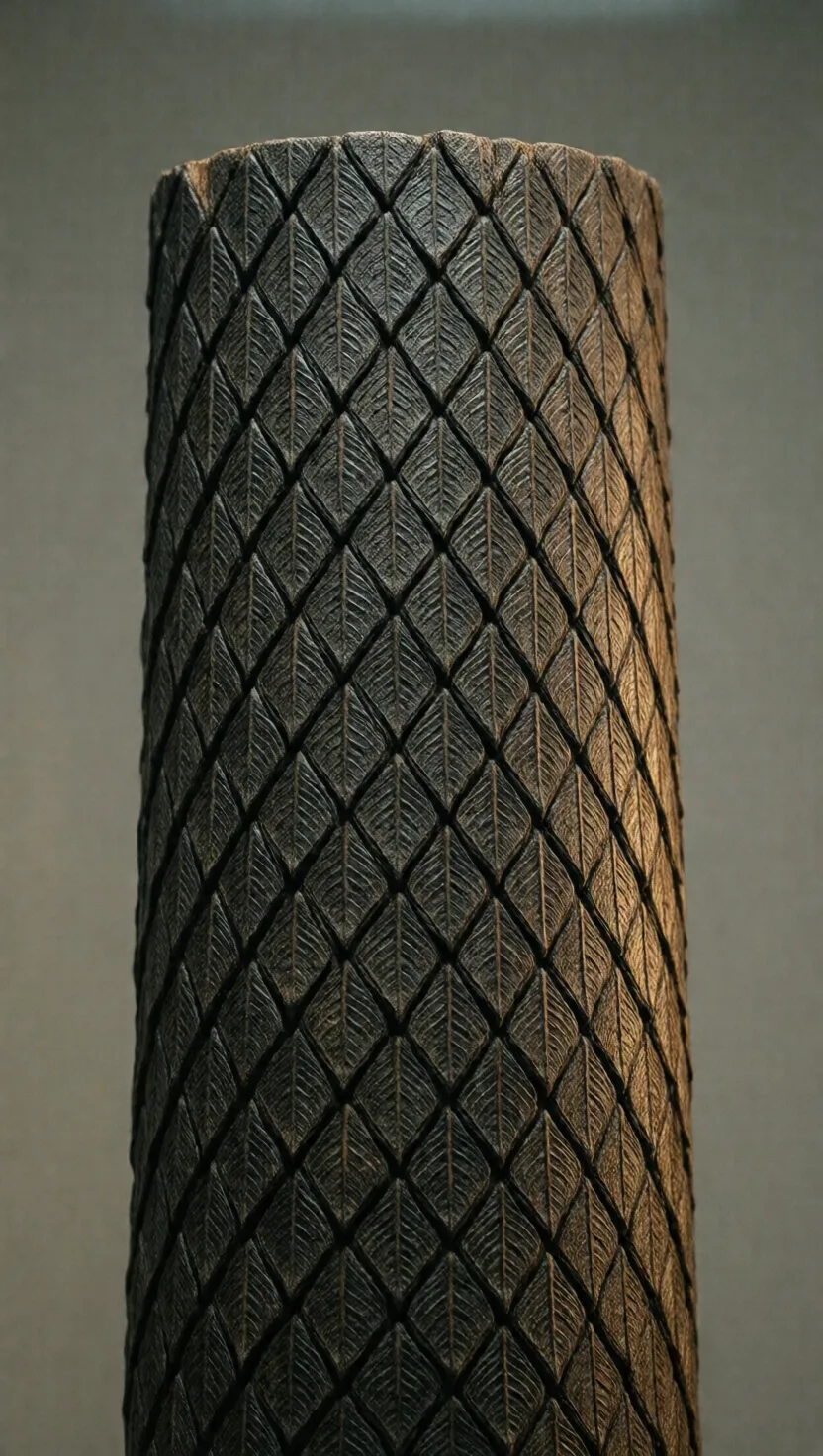
The great coal swamps were not forests of trees but of clubmosses - cousins of the same plants that today creep ankle-high across woodland floors. One, Lepidodendron, grew into a scaly column up to fifty metres tall. Its bark was patterned with tightly packed diamond-shaped leaf scars, so reptilian-looking that in the 1800s fossil trunks were exhibited at fairs as the petrified skin of giant snakes and lizards. They were really the overgrown kin of a humble moss.
The best coal is nearly a metamorphic rock

The best coal is nearly a metamorphic rock

Coal comes in ranks, and anthracite sits at the top, pressed and heated so far that it is almost a metamorphic rock. It is up to ninety-odd percent pure carbon, hard, and shines with an almost metallic black lustre rather than the dull crumble of softer coals. It is stubborn to light, but once burning it gives a hot, short, near-smokeless blue flame with little soot or ash. Polished, it looks less like a fuel than like a piece of black glass.
Fool's gold in coal can set a mine on fire

Fool's gold in coal can set a mine on fire

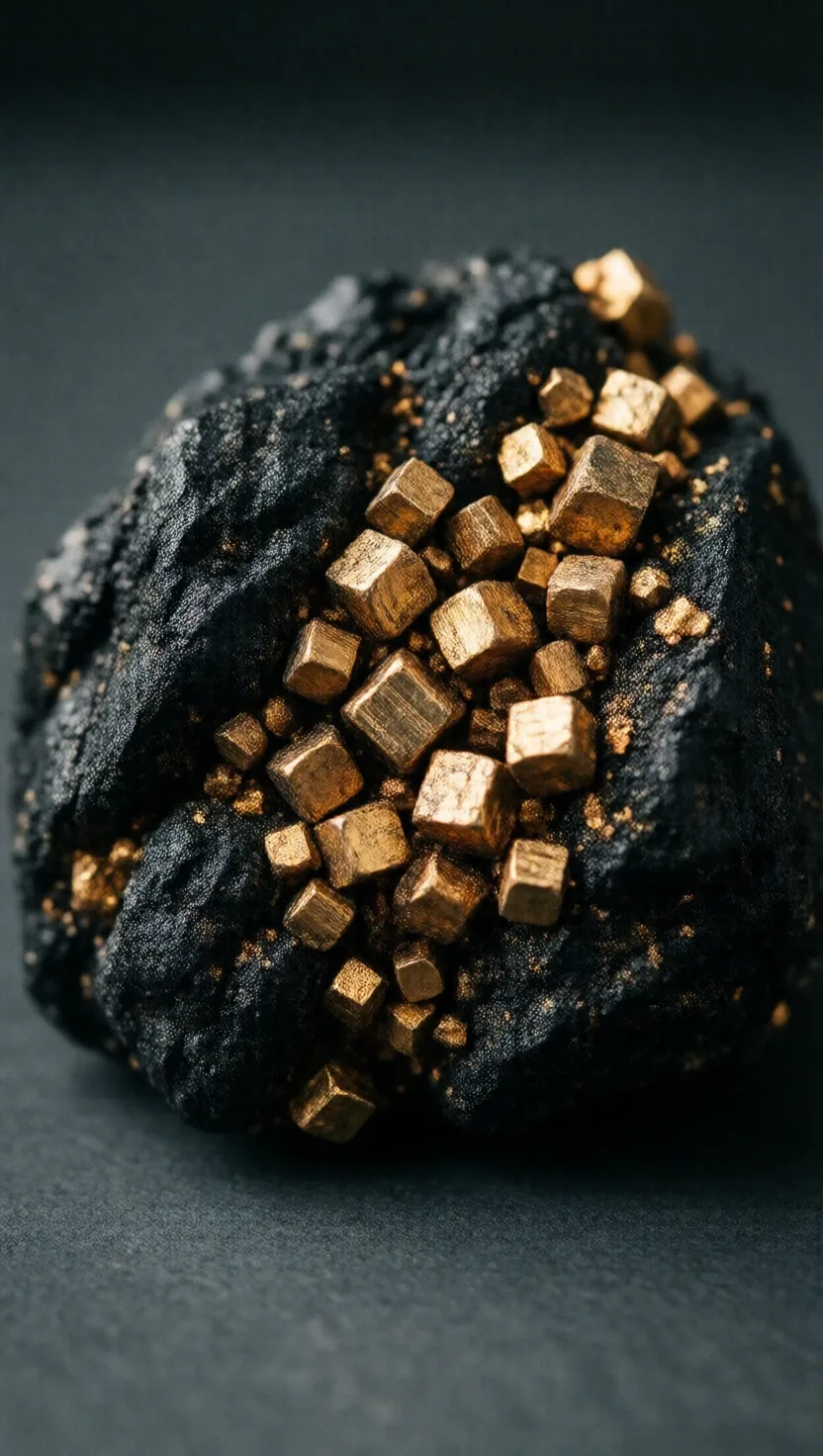
Coal often glitters with pyrite, the brassy mineral known as fool's gold. It is far from inert. When fine-grained pyrite meets air and moisture it reacts and releases heat - enough that in high-sulfur seams the coal can begin to warm on its own and, with no spark at all, smoulder into spontaneous fire. The same reaction makes sulfuric acid, the source of the rust-orange acid drainage that bleeds from old coal workings into nearby streams.
Diamonds are not made from coal - they're far older

Diamonds are not made from coal - they're far older

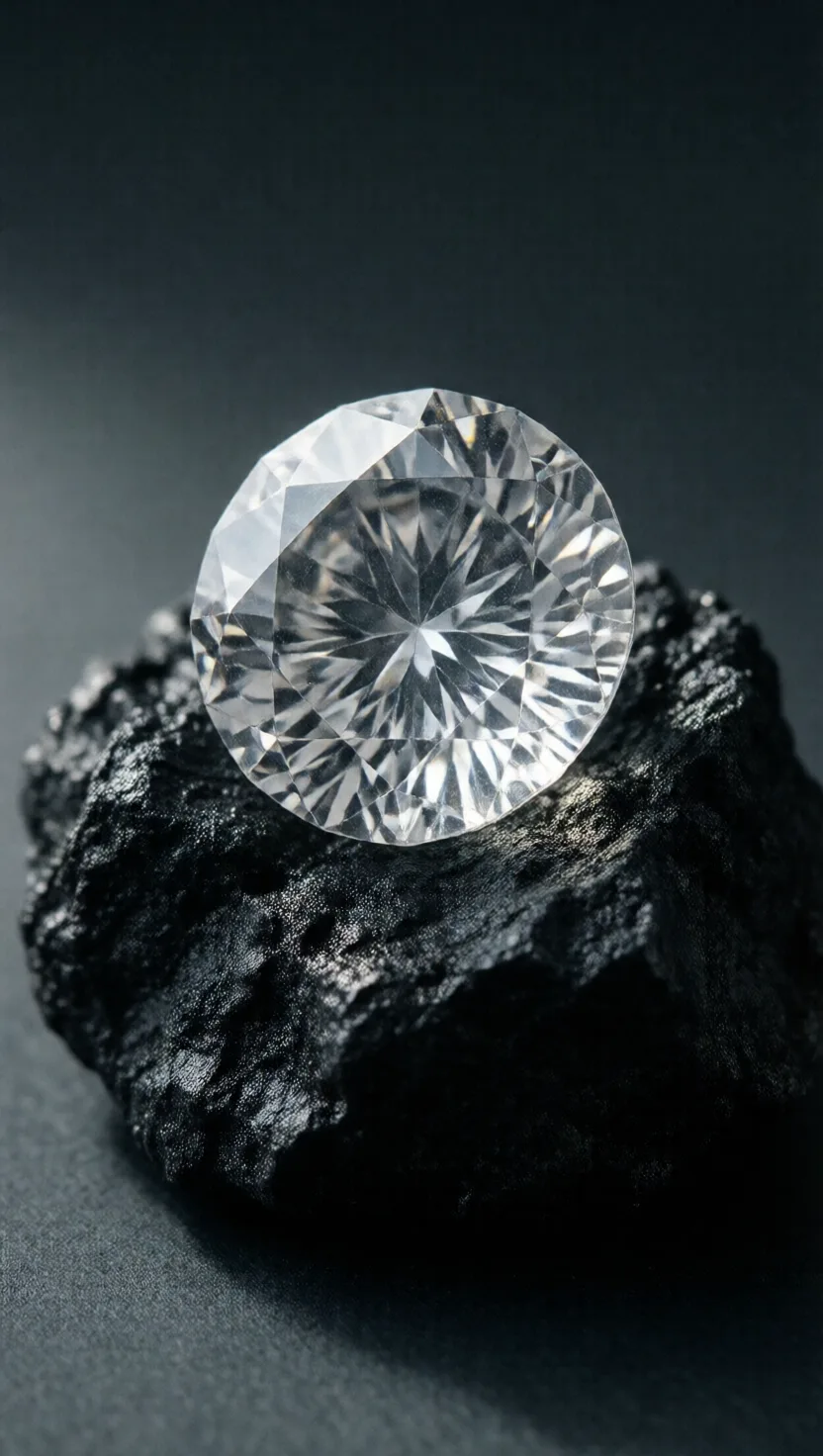
It is a tidy story that pressure turns coal into diamond, and it is wrong. Coal forms from land plants near the surface, but diamonds form far deeper, a hundred and more kilometres down in the mantle, then ride up to the surface in violent eruptions. The timing gives it away: most diamonds are one to three billion years old, formed long before the first land plants existed - so before there was any coal for them to be made from at all.
tap →swipe ↑ for depthswipe ↓ to exit