Eight things hidden in a roll of the dice

DC·92 Deep Cuts
Every die hides a 7 on its unseen faces

Every die hides a 7 on its unseen faces

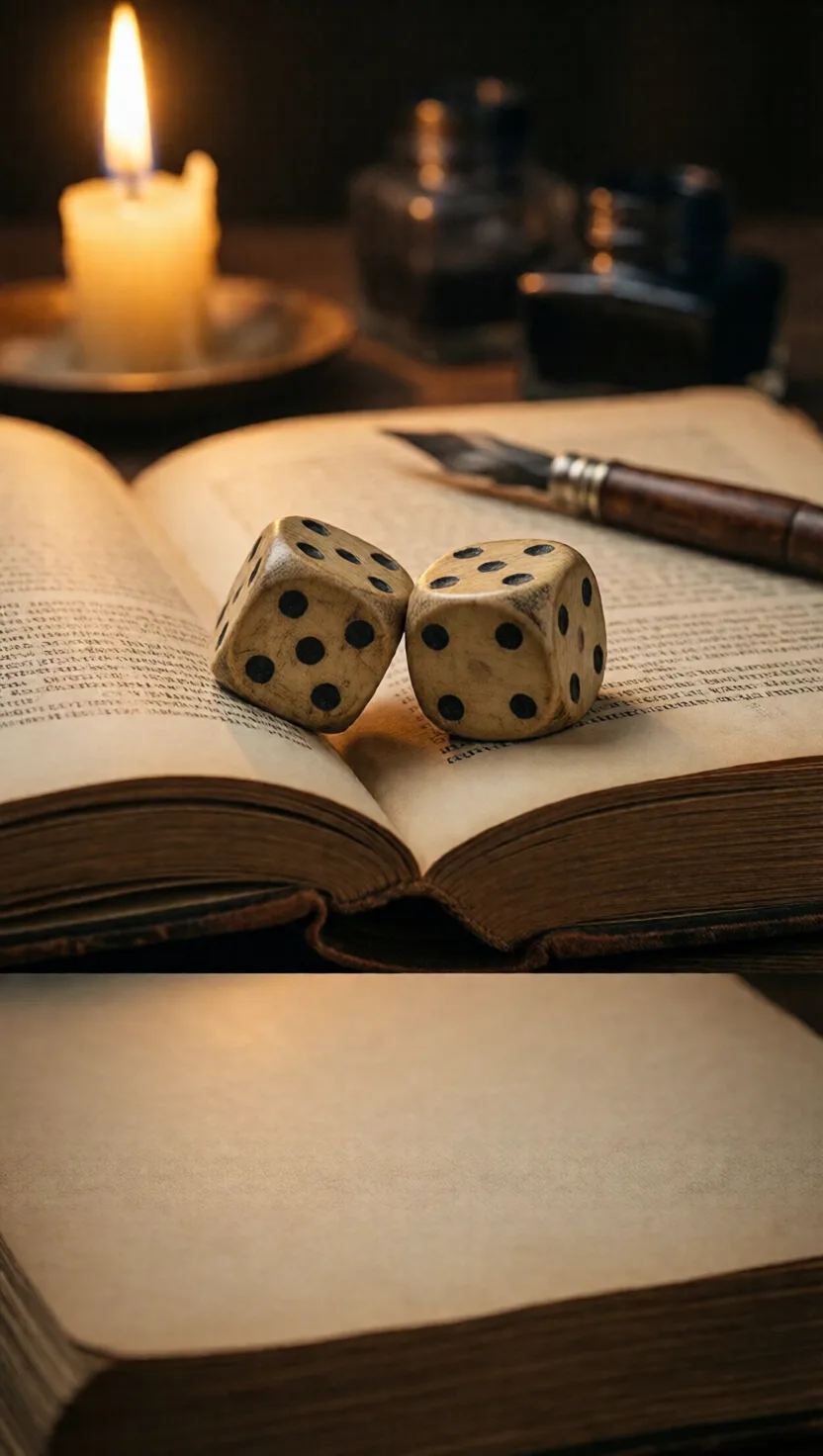
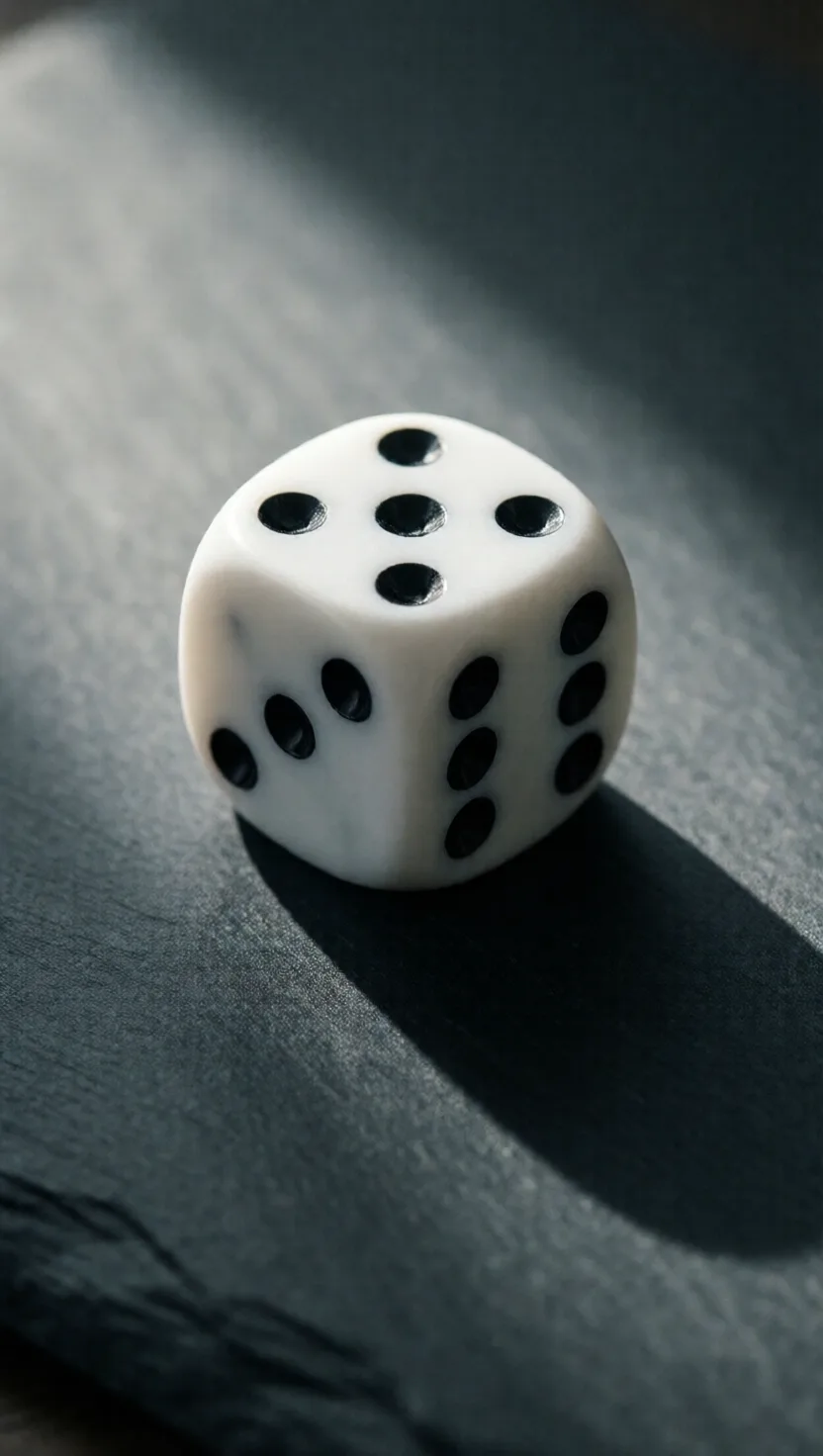
Pick up any standard cube die and the numbers you cannot see still obey one rule: opposite faces always add to seven. One sits across from six, two from five, three from four. That balance is so old it appears on dice from the Indus Valley over 4,000 years ago. There is still a hidden choice, though. With the one, two and three meeting at a corner, they can run either clockwise or counterclockwise, giving left-handed and right-handed dice. Western dice are almost always right-handed; many Chinese dice are left-handed.
Roman dice were lopsided and nobody cared

Roman dice were lopsided and nobody cared

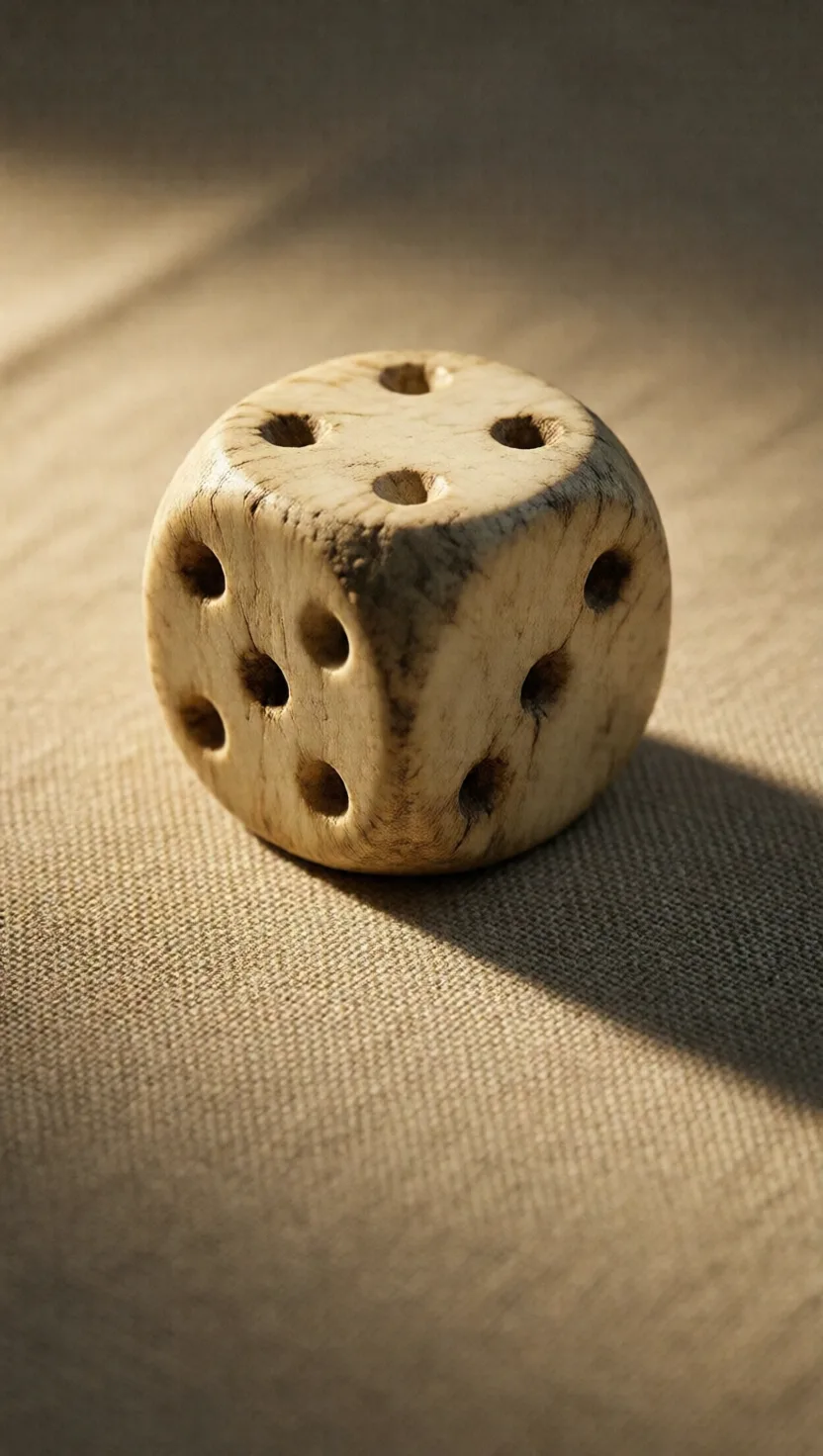
For centuries dice were not the neat cubes we know. When archaeologists measured 110 carefully dated dice from the Netherlands, they found Roman-era examples that were visibly lopsided, some with one side more than half again as long as another, and numbered with no fixed rule. People apparently believed fate, not the shape of the die, decided the roll. Around the year 1450 that changed fast: dice suddenly became symmetric cubes with opposite faces summing to seven, just as gamblers began thinking in terms of odds rather than destiny.
Casino dice are flawless to half a thousandth of an inch

Casino dice are flawless to half a thousandth of an inch

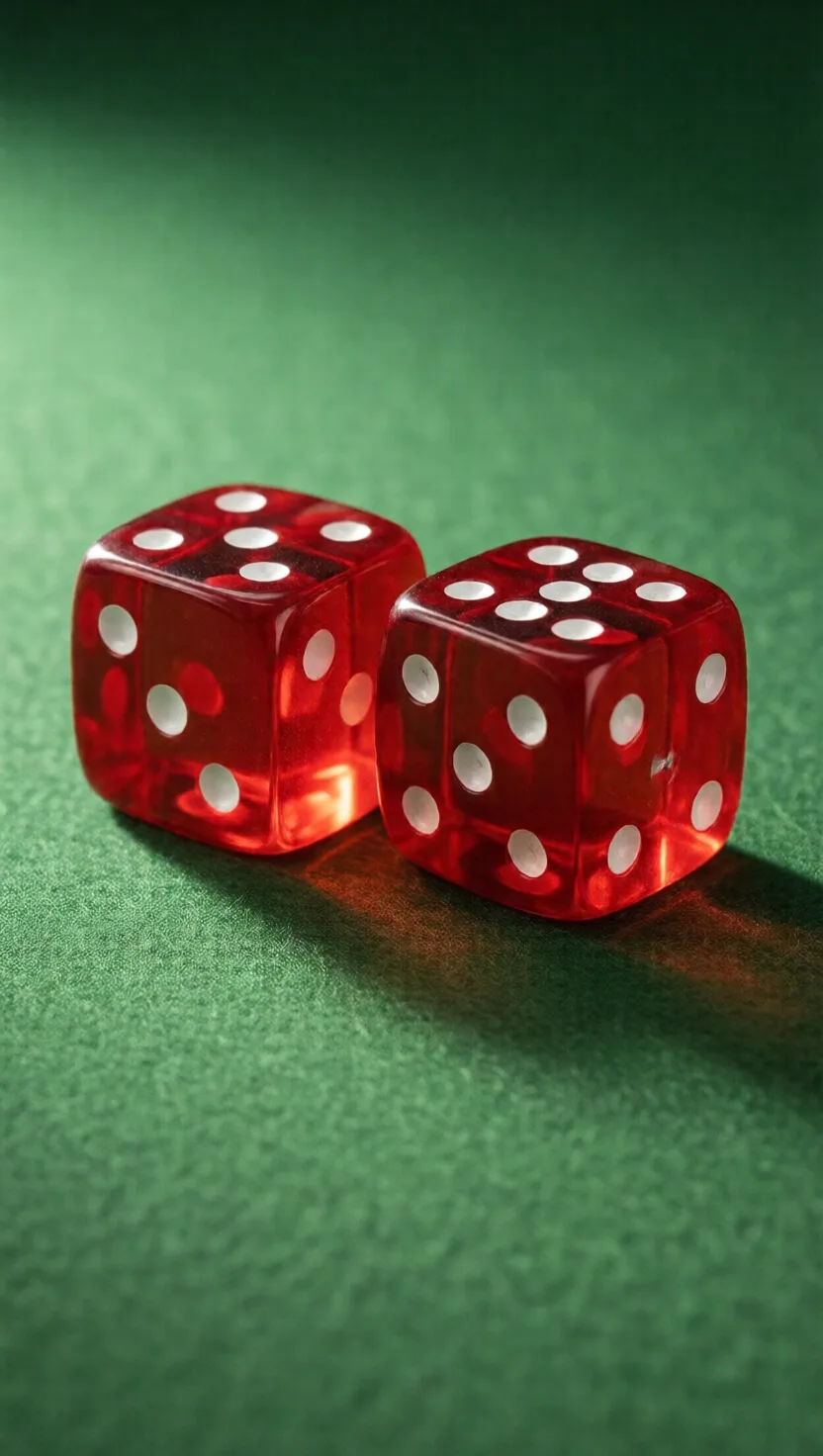
The clear red cubes on a craps table are not ordinary toys. They are milled from solid transparent acetate so nothing can be hidden inside, and each edge must be a true cube to within five ten-thousandths of an inch, about a seventh of the width of a human hair. Even the pips are engineered for fairness: the drilled holes are filled with paint of exactly the same weight as the material removed, so no face is heavier than another. Worn dice are pulled from play after only a few hours so tiny nicks never tilt the odds.
The first dice were sheep ankle bones

The first dice were sheep ankle bones

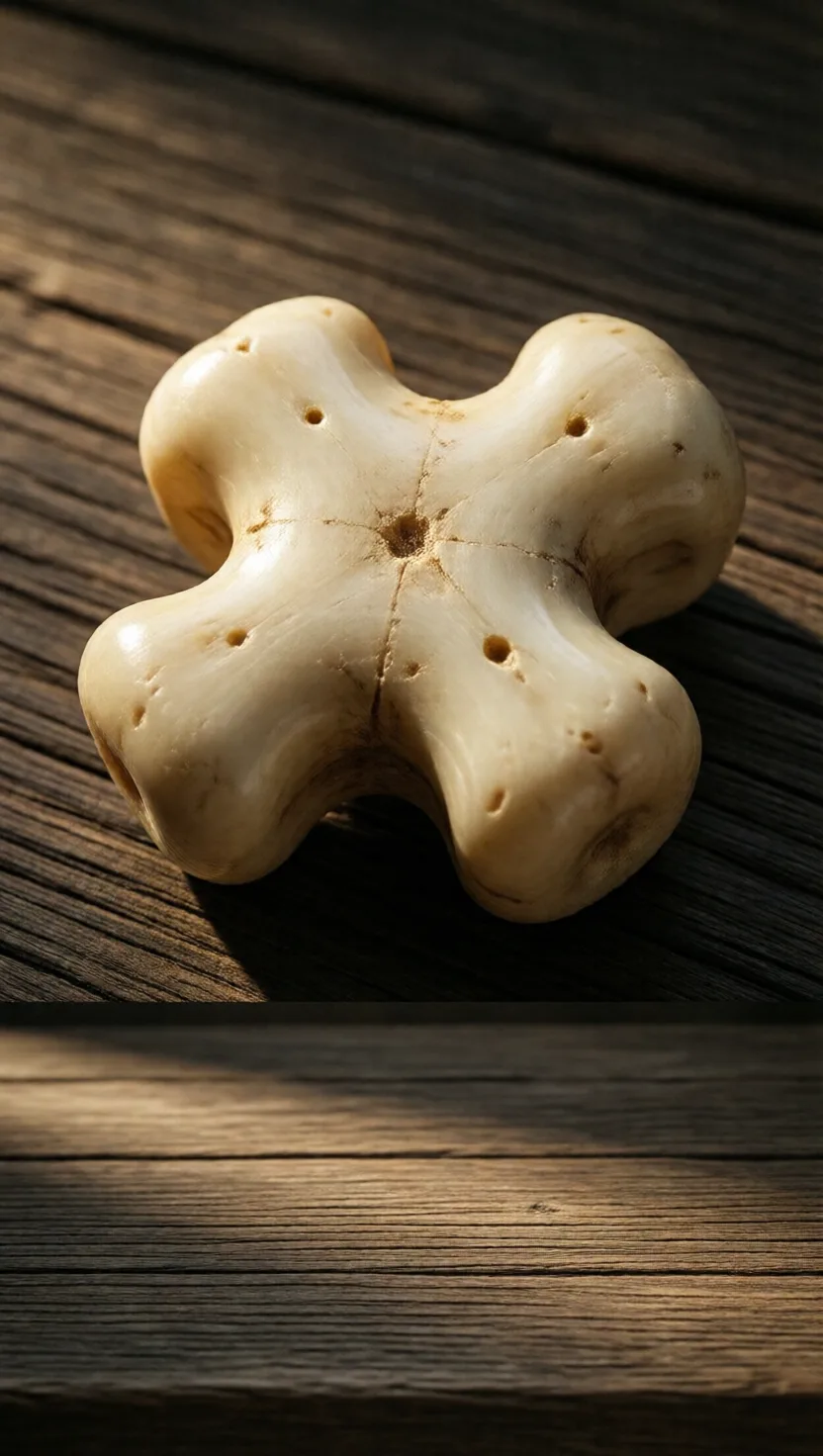
Long before cubes, people read luck from the knucklebone, the small ankle bone of a sheep or goat. Tossed in the air it lands on one of four distinct sides, each with a different value, which made it a natural four-way randomizer. Examples turn up at sites dating back to around 5000 BCE, meaning these little bones were used for games, decisions and divination for thousands of years before the cubic die existed. Because each bone is slightly irregular, the four outcomes were never quite equally likely, the first hint of weighted odds.
Only five solids can make a truly fair die

Only five solids can make a truly fair die

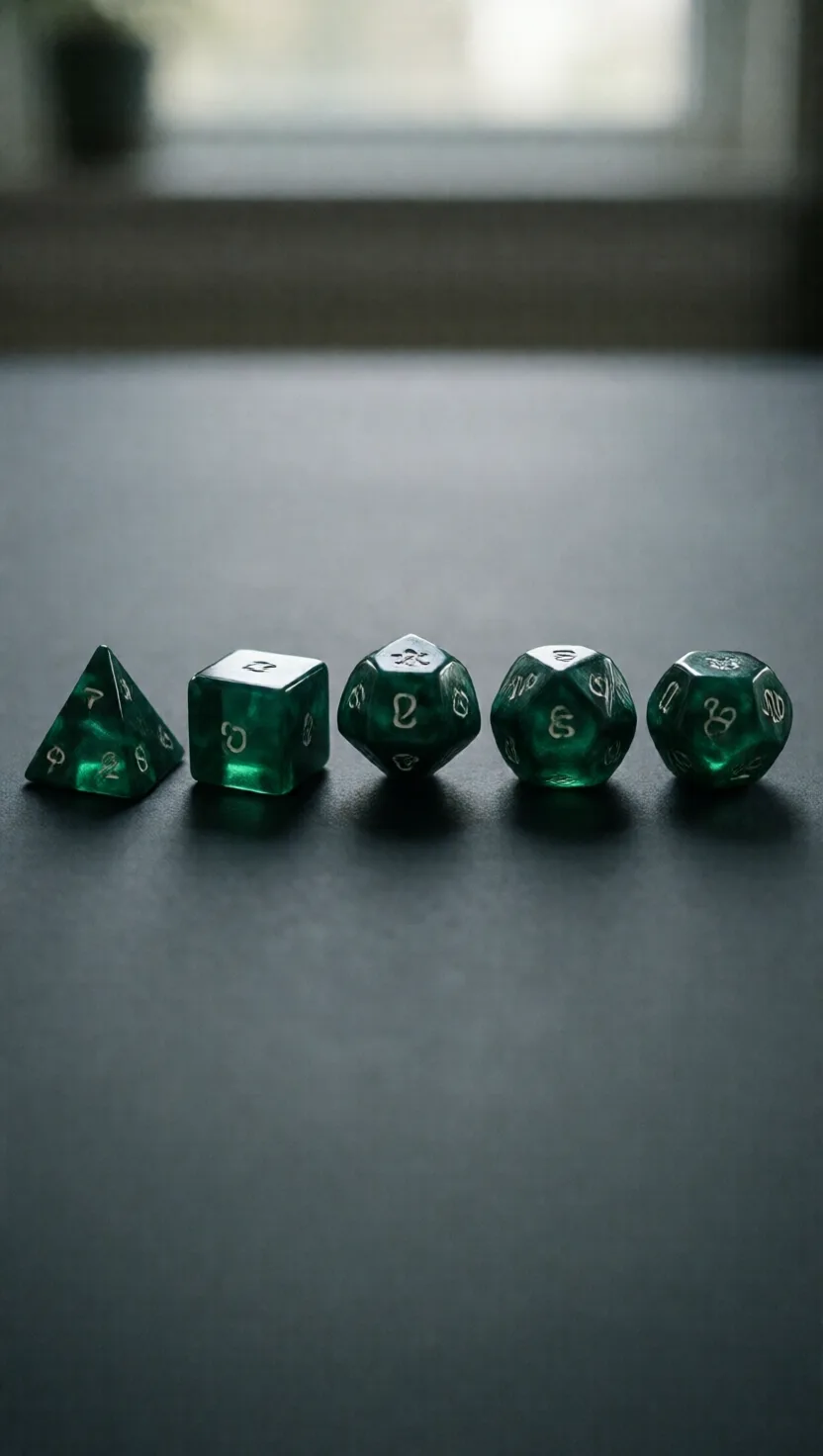
A die is fair only if every face is interchangeable with every other, so each is equally likely to land up. Geometry allows just five shapes where identical regular faces meet identically at every corner: the four-faced tetrahedron, the cube, the eight-faced octahedron, the twelve-faced dodecahedron and the twenty-faced icosahedron. Known since antiquity as the Platonic solids, they are the only fully symmetric convex dice possible. Every other fair die ever made bends the rules in some way; these five are the perfect originals, capped at exactly five by the math itself.
Every domino is a frozen roll of two dice

Every domino is a frozen roll of two dice

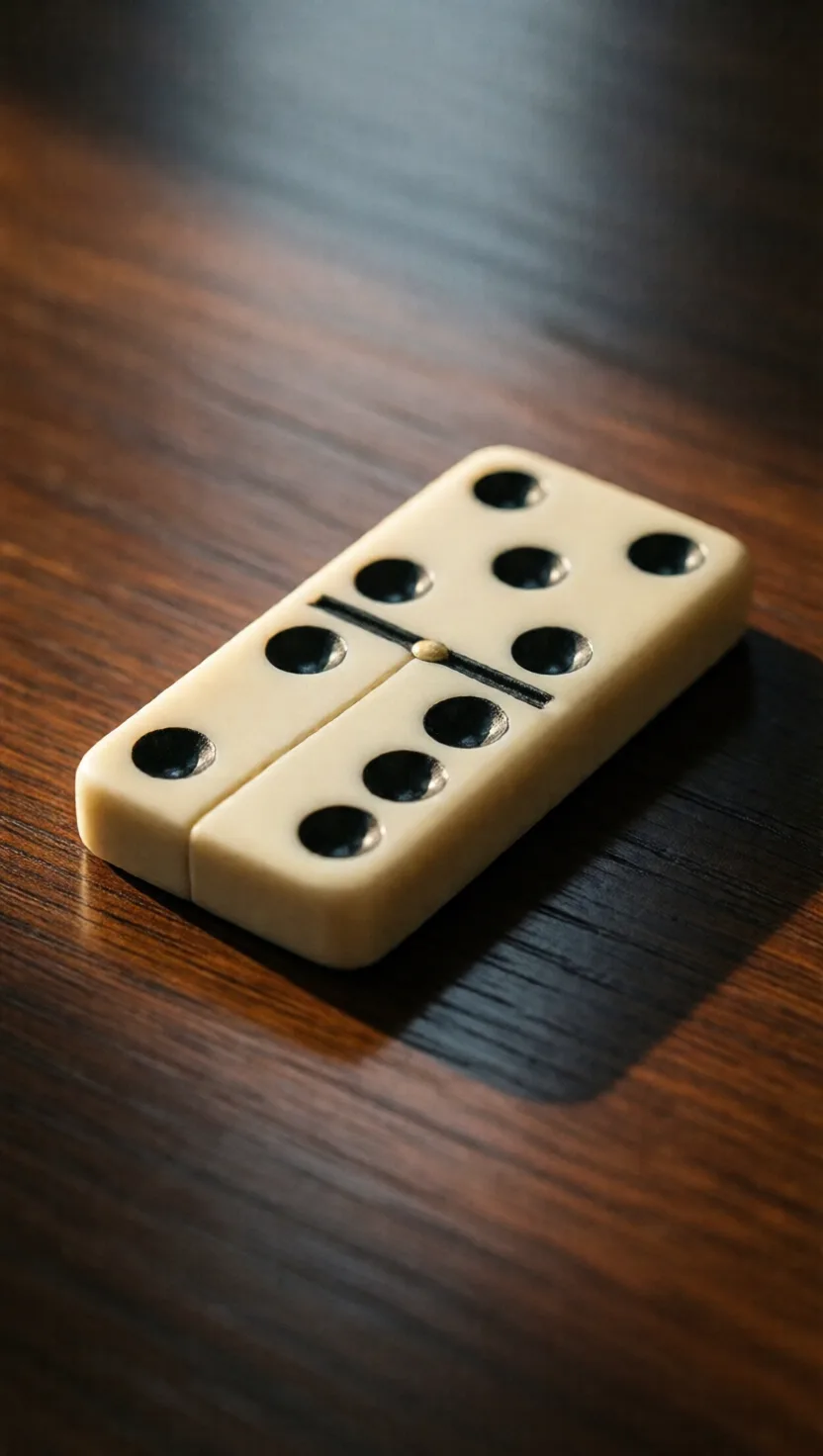
A set of dominoes is really a catalogue of dice throws. Throw two six-sided dice and there are exactly 21 distinct combinations, ignoring order, and the classic Chinese domino set has exactly 21 different tiles, one for each. Each tile carries the pips of one die on one half and the second die on the other, so the games descend directly from dice and first appear in Chinese records back in the 12th century. The familiar Western set adds blanks to reach 28 tiles, but the link to a pair of tumbling dice never went away.
The spinning top that dodged the dice ban

The spinning top that dodged the dice ban

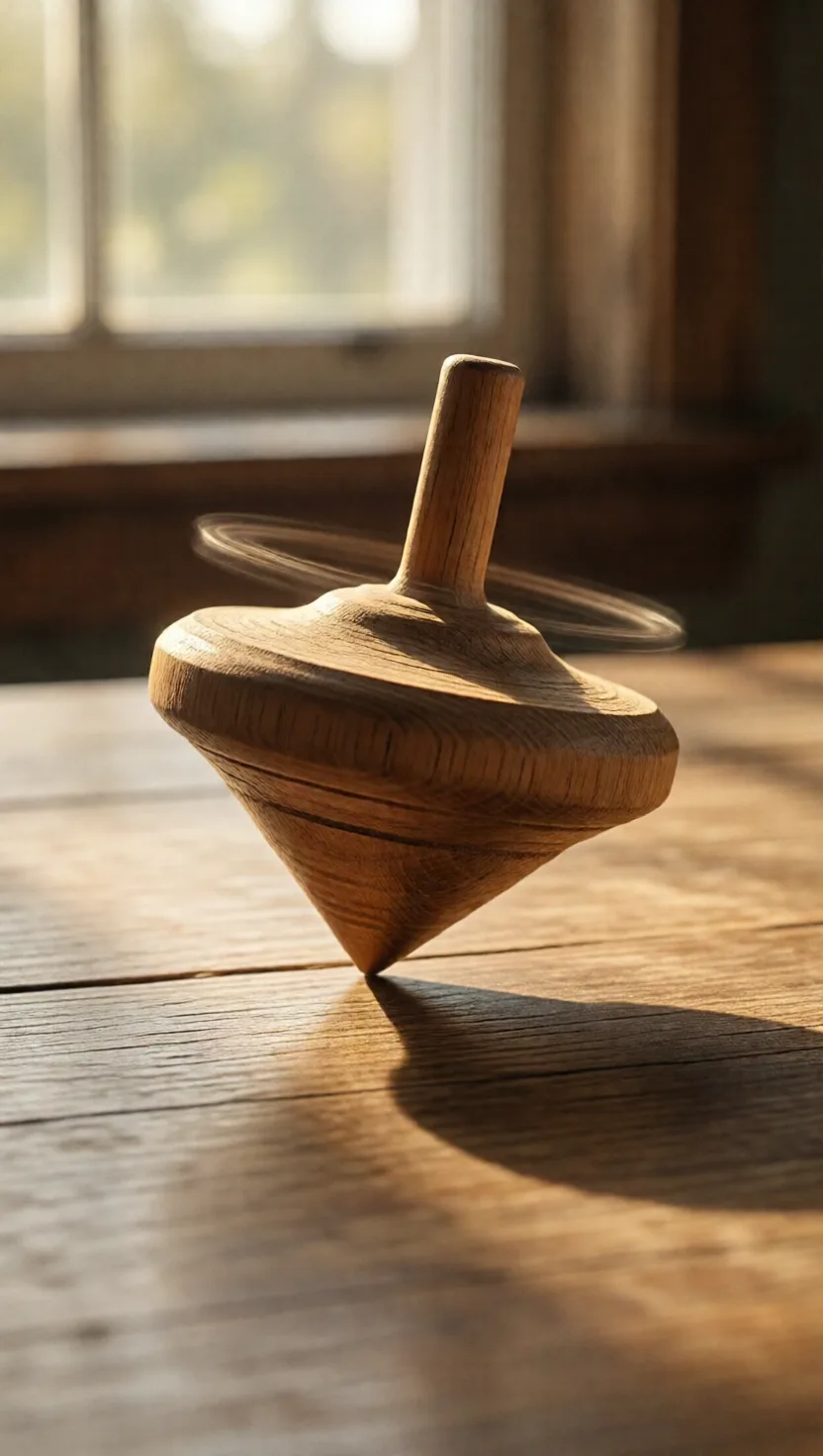
When dice were branded as the devil's tool and a road to ruin, gamblers and even family game makers needed a respectable substitute. The answer was the teetotum, a small many-sided top you spin instead of throw; the side it topples onto gives your result. It spread across Europe from around 1500 and grew especially popular in the 1700s and 1800s, when dice were considered too disreputable for the parlor. The same humble spinner that once decided gambling pots later powered countless children's board games, randomness with a clean reputation.
A gambler wrote the first odds book, lost for a century

A gambler wrote the first odds book, lost for a century

Modern probability is usually credited to a famous 1654 exchange of letters, but a compulsive gambler beat them by roughly a hundred years. Around 1564 the Italian physician and dice player Gerolamo Cardano wrote a handbook on games of chance in which he worked out that outcomes follow countable rules, defining the chance of an event as favorable outcomes divided by all possible ones. He never published it; the manuscript only appeared in print in 1663, long after his death. It is now seen as the first real treatise on probability, born straight from the dice table.
tap →swipe ↑ for depthswipe ↓ to exit