Eight things animals build without blueprints

DC·91 Deep Cuts
This mound breathes like a lung once a day

This mound breathes like a lung once a day

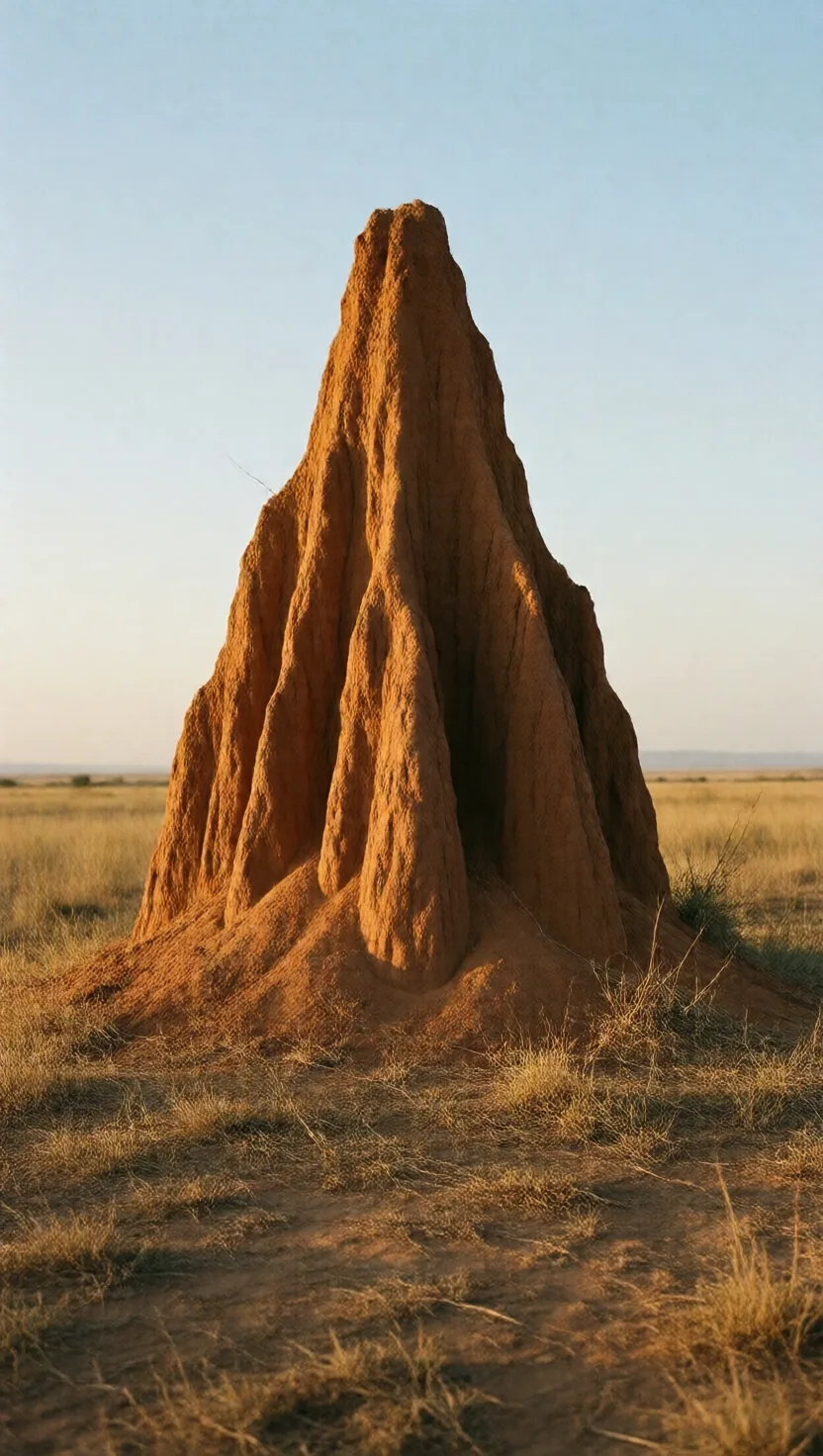
A tall African termite mound is not a simple chimney. As the sun heats its outer walls by day, warm air rises in the thin outer flutes and sinks down the cool central shaft, then the flow reverses at night as the walls cool. This slow daily swing pushes stale air out through the porous walls and pulls fresh air in, so the whole structure exhales and inhales about once every 24 hours, keeping millions of insects supplied with oxygen without any moving parts.
These termites point their towers north-south

These termites point their towers north-south

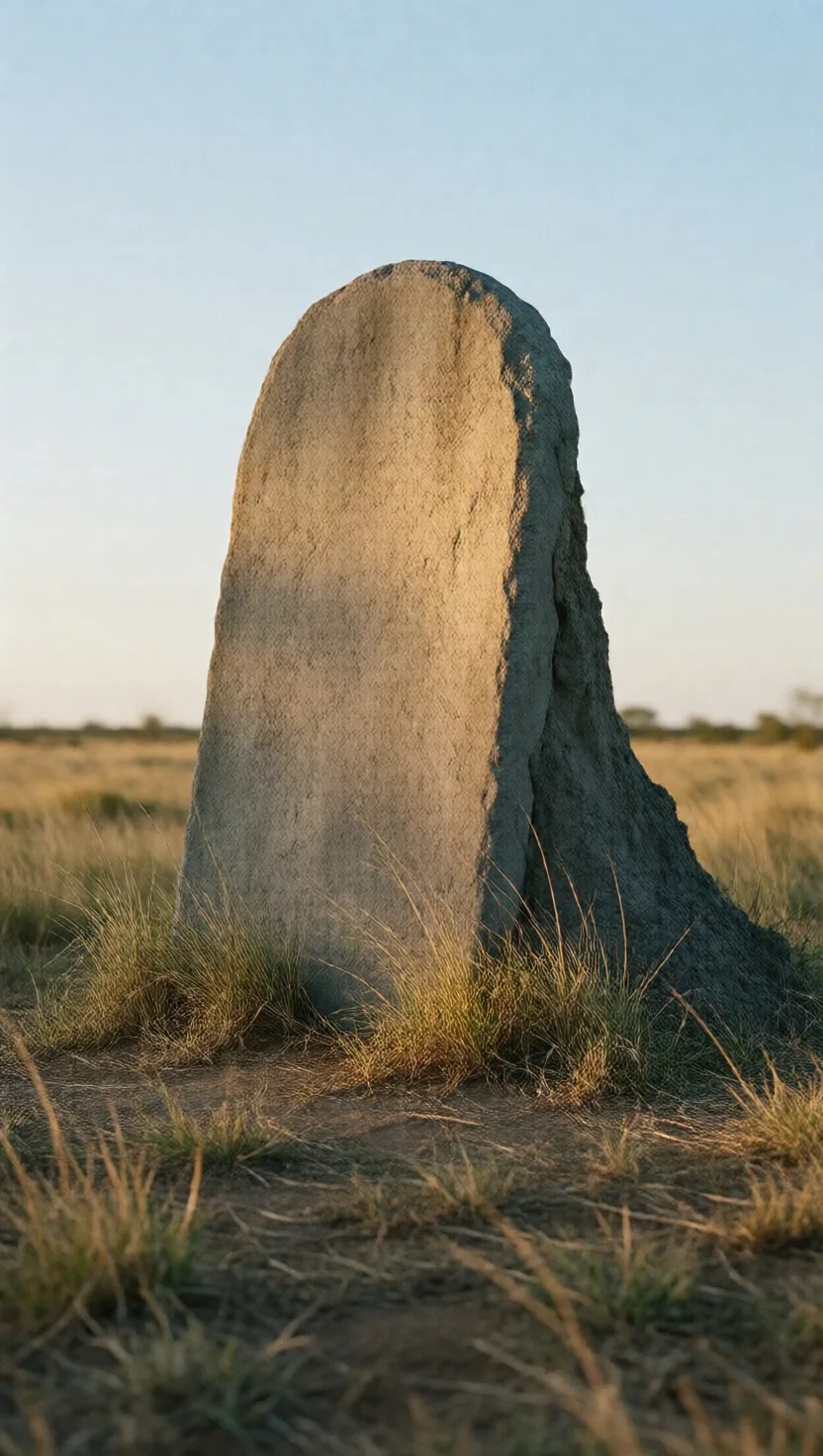
In northern Australia one termite builds tall, thin, blade-shaped mounds that all face the same way, with the broad flat sides facing east and west and the narrow edge pointing north-south. This lines the mound up with the sun so the broad faces catch gentle warmth at dawn and dusk but only the thin edge meets the fierce midday heat. The trick keeps the interior steady, with measurements showing up to an 8 degree Celsius difference between the sunlit and shaded faces.
The longest beaver dam is visible from space

The longest beaver dam is visible from space

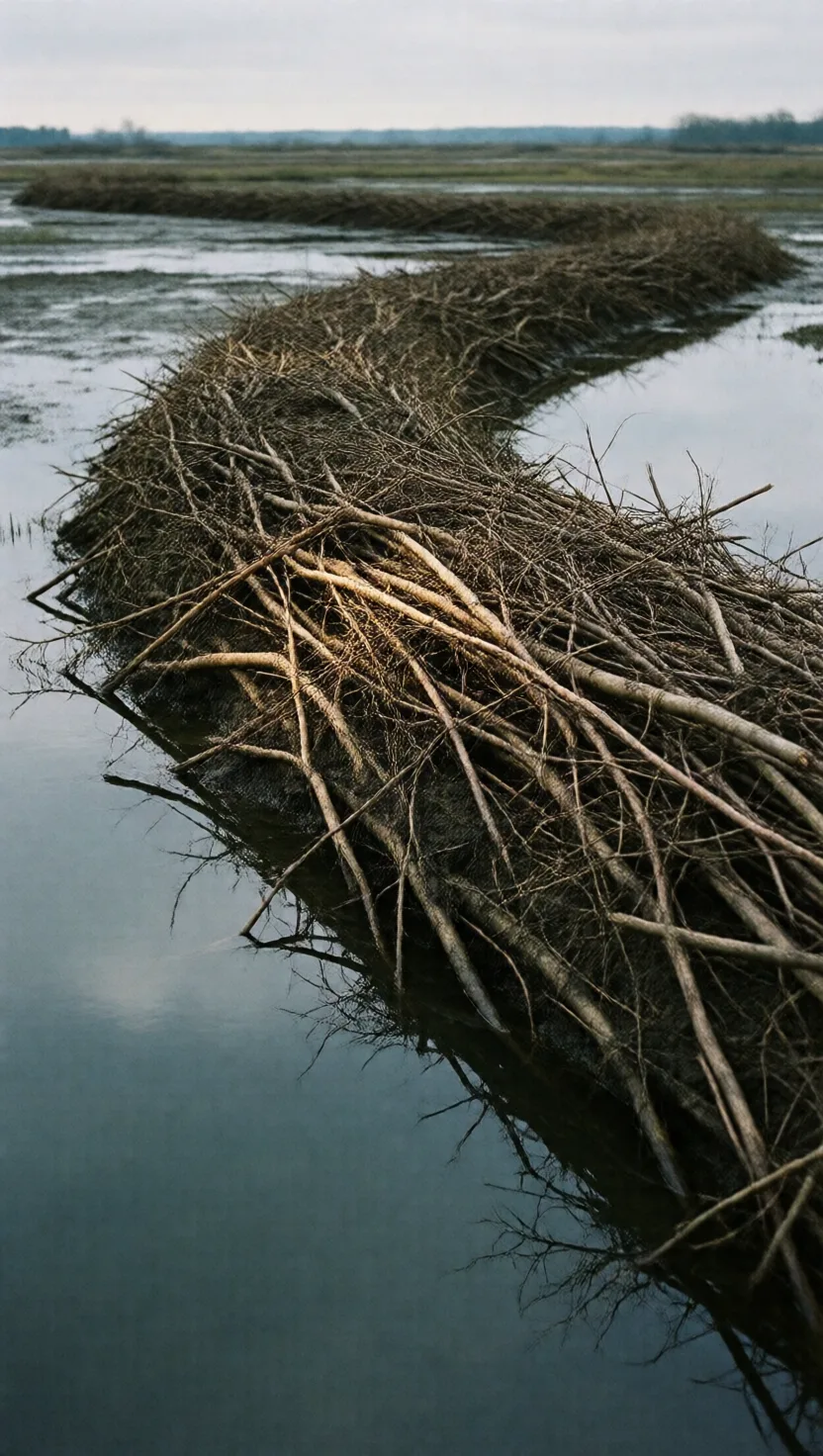
Deep in a remote Canadian wetland, generations of beavers have built a single dam so long it was first spotted on satellite imagery rather than from the ground. Stretching about 850 metres, it is the longest beaver dam ever found, the work of several beaver families adding to it since around the mid-1970s. It sits so far from any settlement that the first person to reach it on foot arrived only decades after it was discovered from above.
One bird nest can outlive a century

One bird nest can outlive a century

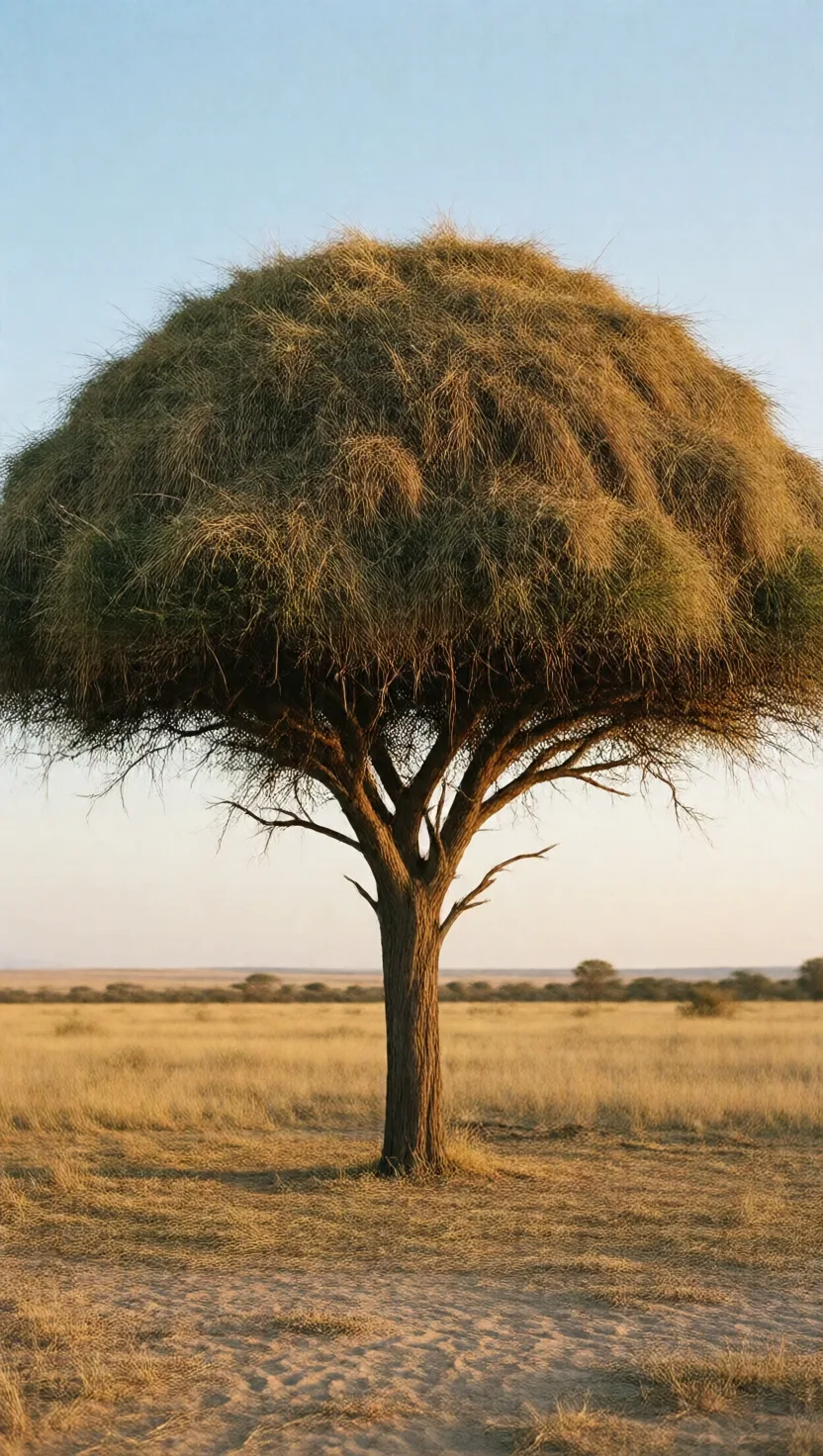
In the dry Kalahari, small brown birds build a single shared roof of grass and twigs so large it looks like a haystack draped over a tree or pole. Inside are dozens of separate chambers, and the colony keeps repairing and adding to it across generations. These are the largest nests built by any bird, sometimes housing a hundred or more pairs, and a single nest can stay in continuous use for over a hundred years, also sheltering other birds, reptiles and small mammals.
This bird builds a stage that fakes perspective

This bird builds a stage that fakes perspective

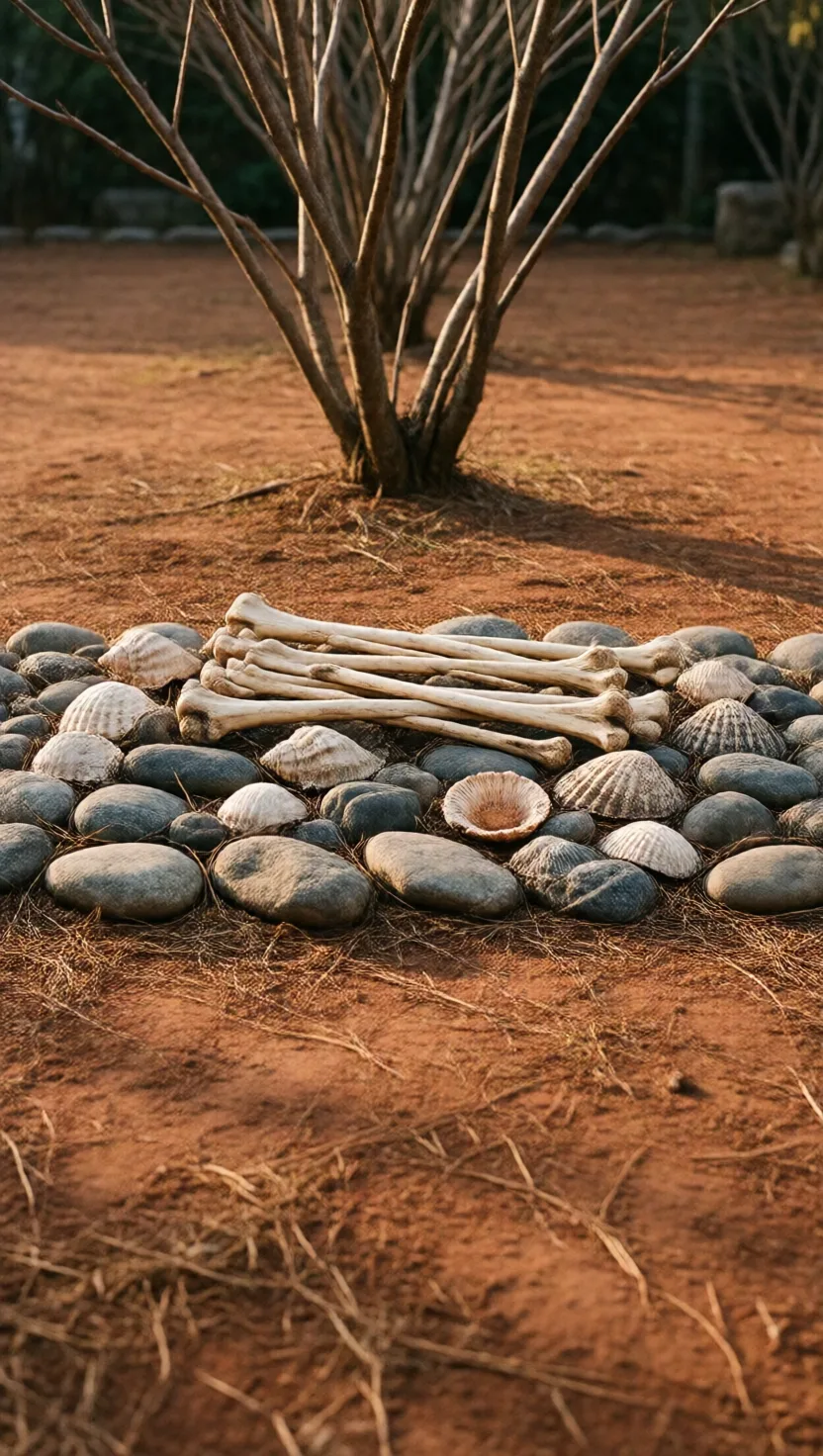
The male great bowerbird clears a court in front of his twig avenue and lays out bones, shells and stones as decoration. He sorts them carefully by size, placing the smallest near the avenue and the largest farthest away. Seen from where a female stands inside, this gradient flattens the scene into a forced-perspective illusion that makes the court look more even and his prized objects look larger. If researchers scramble the order, the male restores the size gradient within about three days.
This larva builds armor underwater from glue

This larva builds armor underwater from glue

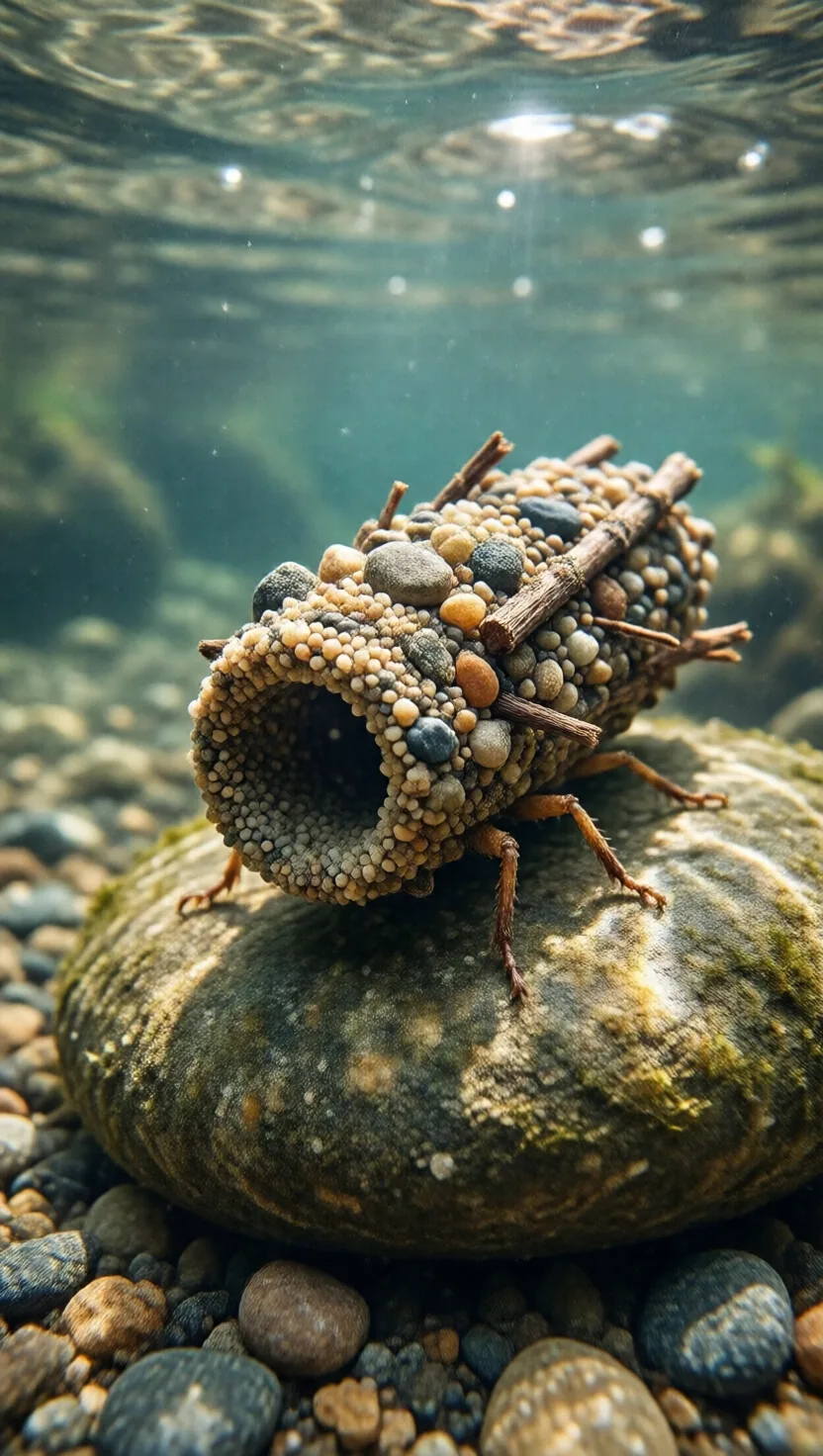
A caddisfly larva lives in fast streams and protects its soft body by building a portable case around itself. It spins silk that stays sticky even underwater and uses it to cement together sand grains, tiny pebbles, twigs and bits of shell into a snug tube it carries everywhere. The grains are fitted so precisely that the case acts as both armor and ballast, and the waterproof silk glue is strong enough that researchers study it as a model for surgical adhesives.
This nest is built entirely from spit

This nest is built entirely from spit

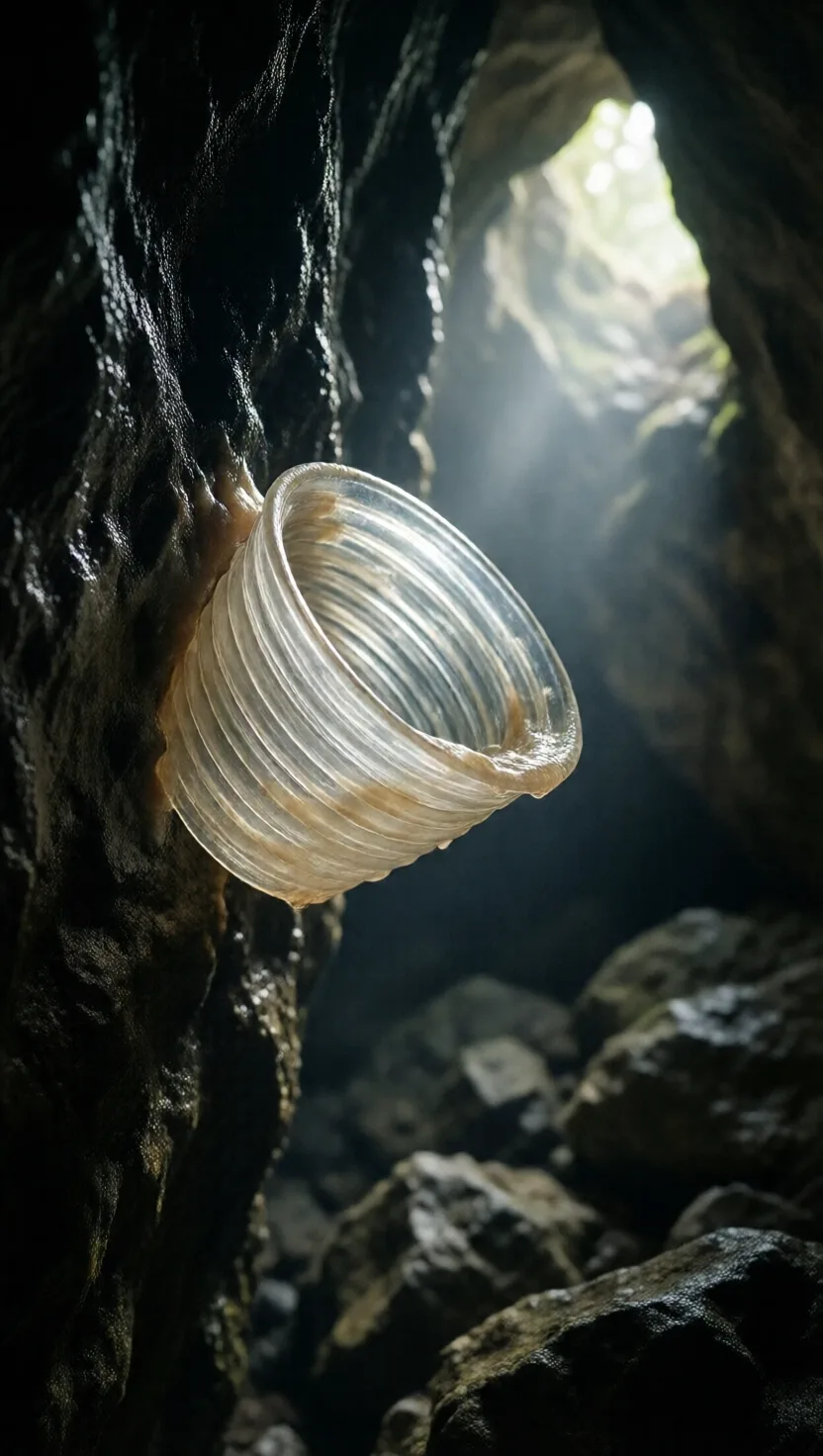
A small cave-dwelling swift makes its nest from almost nothing but its own saliva. During breeding season glands inside its beak produce gummy strands that it drapes back and forth against a cave wall, and these harden in the air into a translucent, bracket-shaped cup. The whole nest is essentially solidified spit, with no twigs or feathers, and a male can take around 35 days to complete one. It is this hardened saliva that people gather to make bird's nest soup.
This bird incubates eggs with a compost heap

This bird incubates eggs with a compost heap

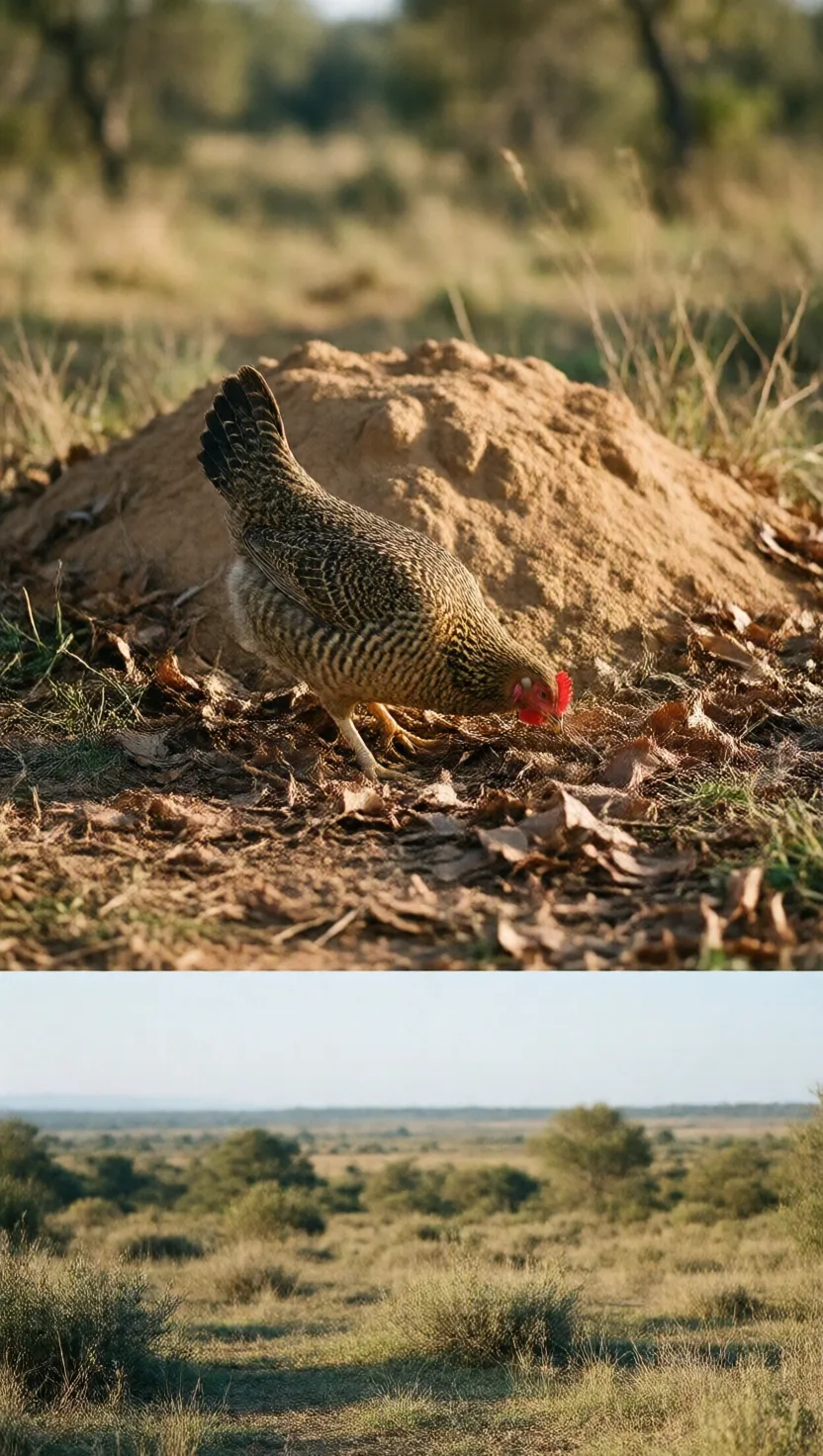
Instead of sitting on its eggs, the malleefowl rakes a huge mound of leaf litter and sand and lets the rotting plant matter generate heat like a compost pile. The eggs are buried inside, and the male tends the mound for months, pushing his beak into the sand to read its warmth. He adds or removes cover to hold the eggs near 33 degrees Celsius, testing the temperature up to a hundred times a day so the buried clutch never overheats or cools.
tap →swipe ↑ for depthswipe ↓ to exit