Eight things hiding in a head of grain

DC·90 Deep Cuts
Corn can no longer plant itself

Corn can no longer plant itself

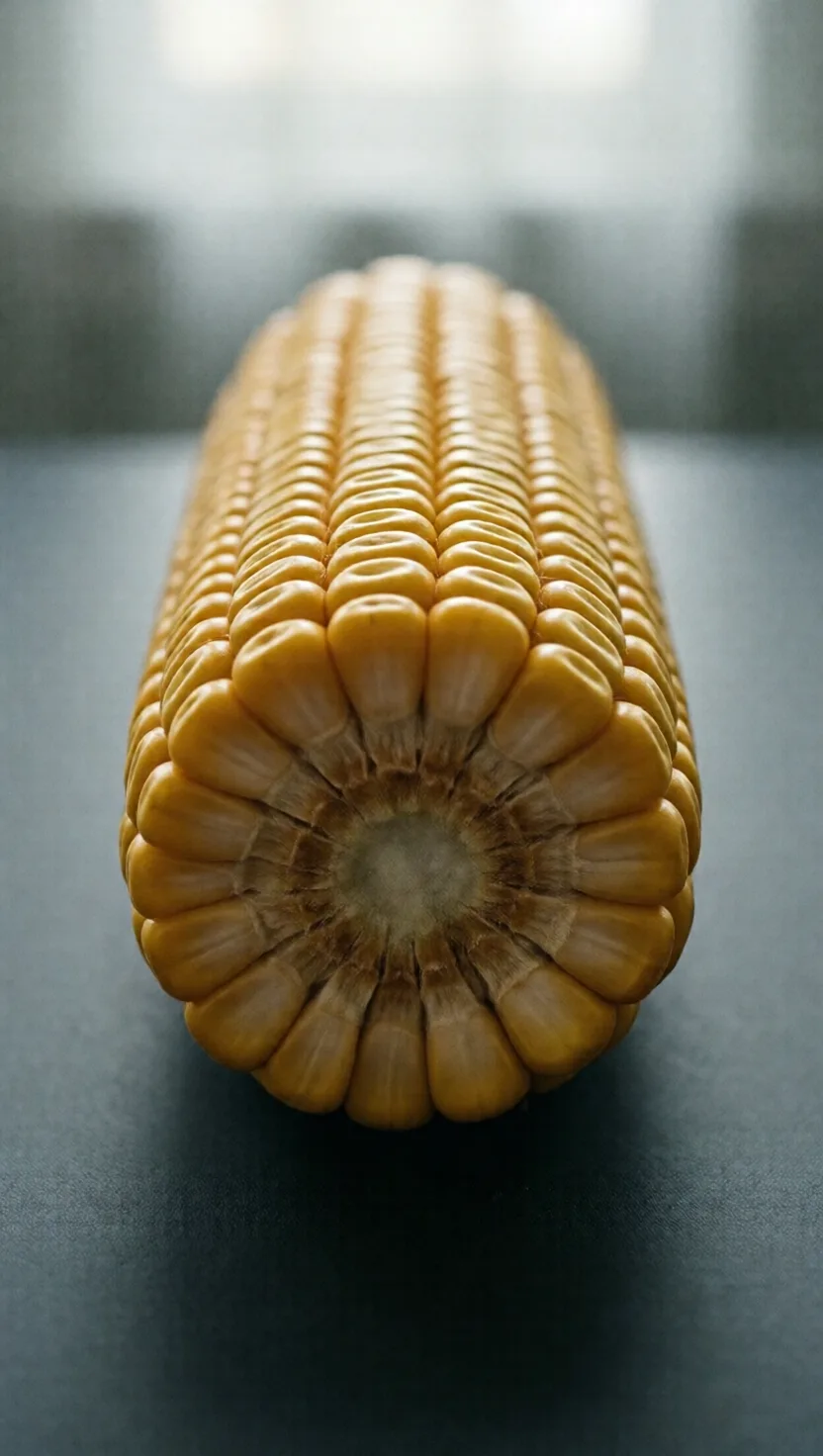
Wild teosinte, the grass corn came from, lets its kernels shatter loose to scatter and sprout on their own. Through thousands of years of selection that ability was bred out: a domesticated cob holds every kernel locked tight to the core and never breaks apart. The trade-off is total dependence on us. An ear dropped whole on the ground would rot in a clump rather than spread, so without human hands to strip and sow the kernels, corn could not survive even a single generation in the wild.
A popcorn kernel is a tiny pressure cooker

A popcorn kernel is a tiny pressure cooker

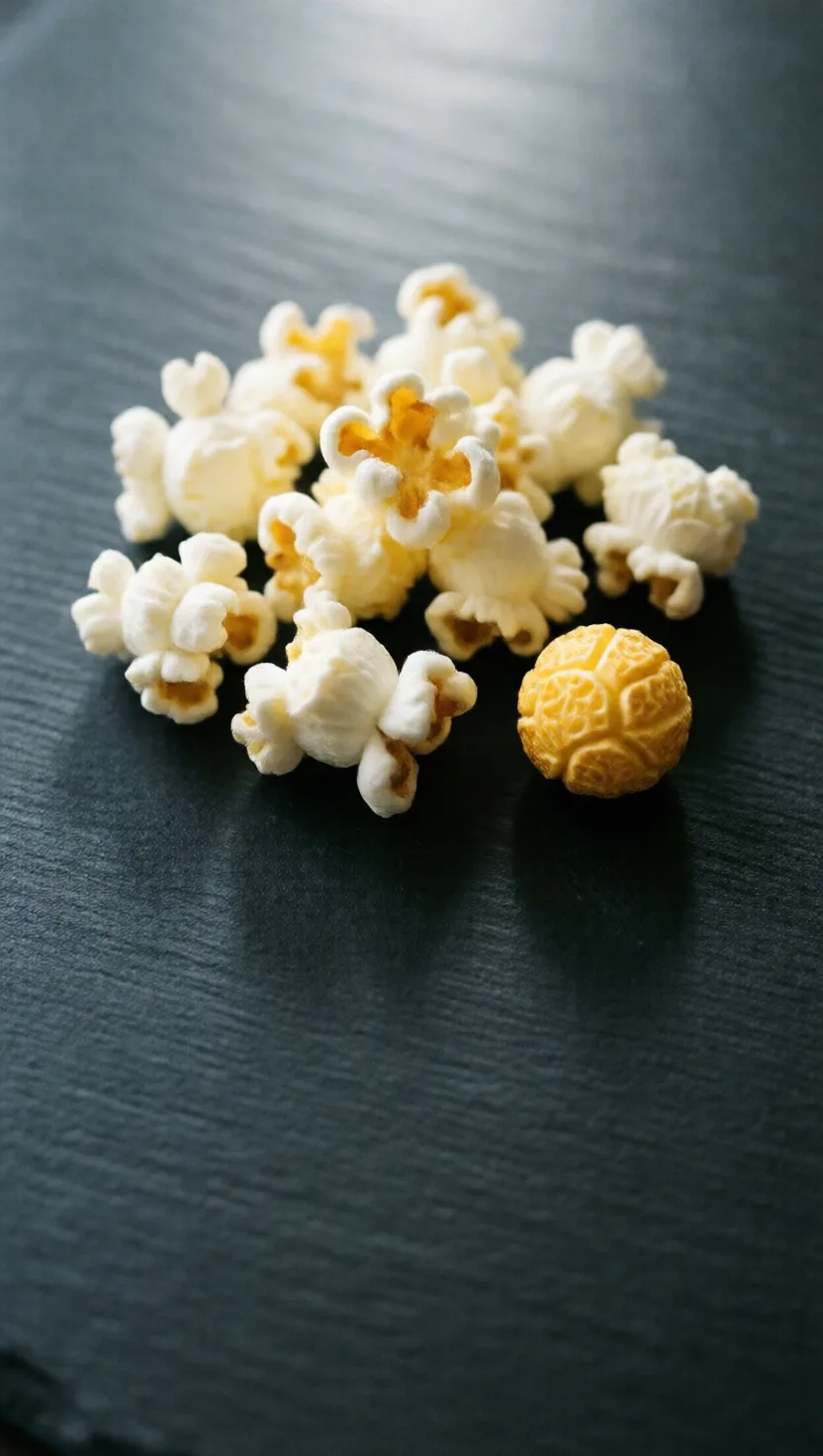
Each kernel hides a droplet of water inside a hard, nearly waterproof shell called the pericarp. As heat climbs, that water turns to steam with nowhere to escape, so pressure builds against the shell until it reaches roughly 135 pounds per square inch and the kernel explodes, turning the soft starch inside out into a fluffy white puff. The whole trick depends on getting the moisture just right: about 14 percent. Too dry and there is not enough steam to burst the shell; too wet and it splits early without the satisfying pop.
Bread exists because of one broken gene

Bread exists because of one broken gene

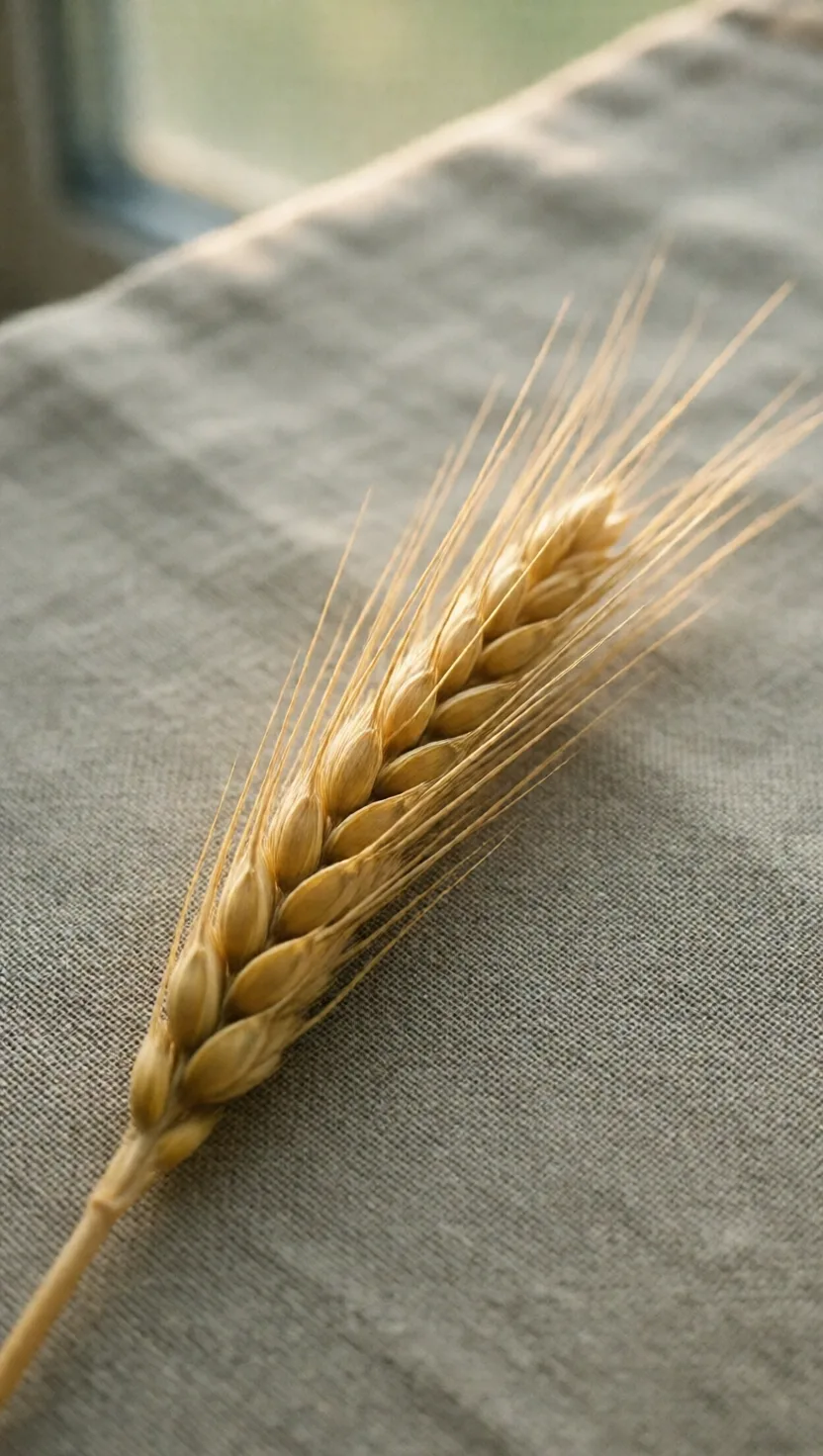
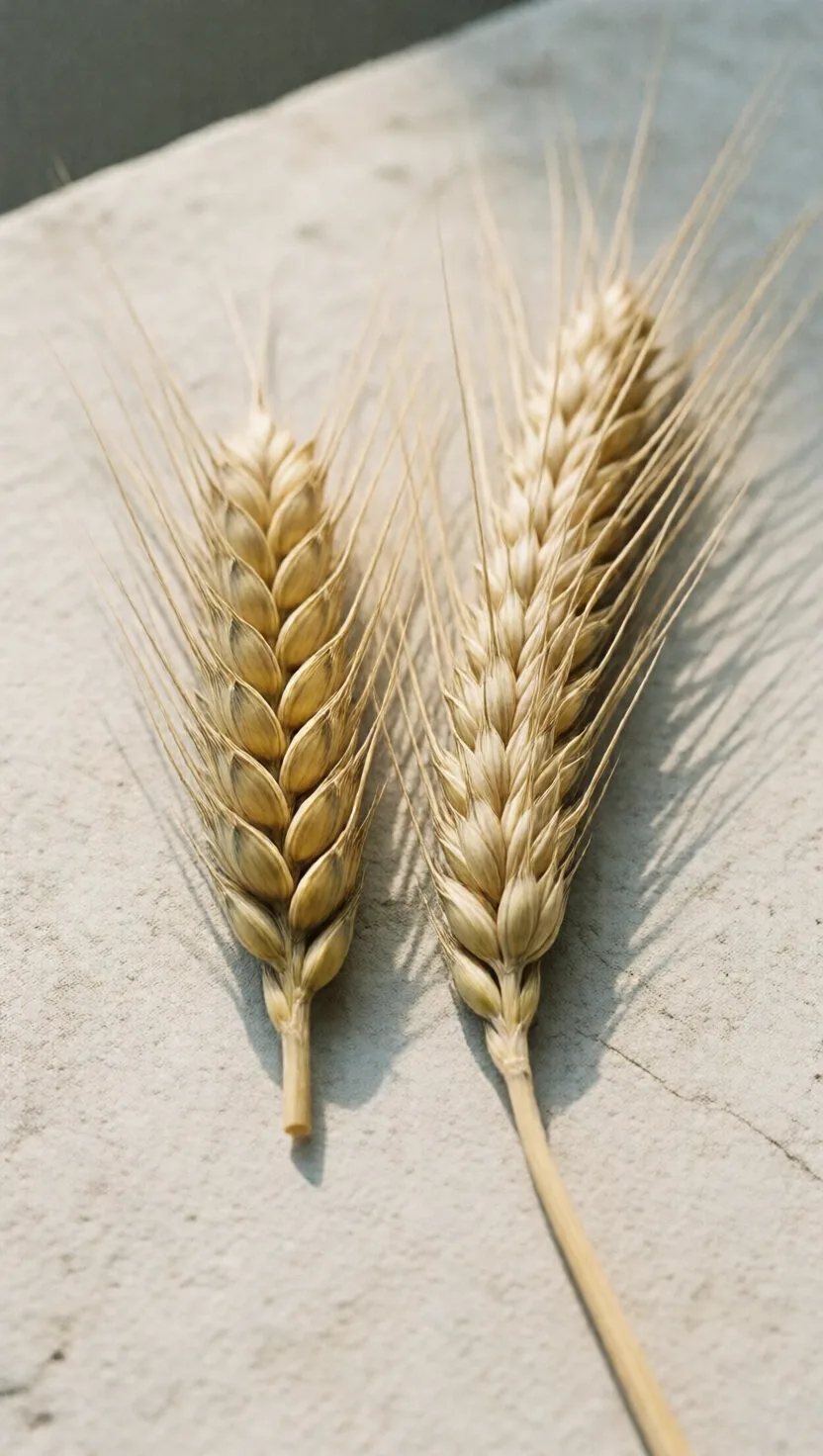
Wild wheat protects its future by shattering: when the grain ripens, the stalk that holds the seeds, called the rachis, snaps apart and flings them to the ground. Early farmers kept harvesting the rare plants whose rachis stayed whole because of a mutation, so the grain held on the ear instead of falling away. That single change, a tough non-shattering rachis, is the defining trait of domesticated wheat and the reason a whole field can be cut and gathered at once. Without it, large-scale grain farming, and the bread it feeds, would be impossible.
Shorter wheat fed a billion more people

Shorter wheat fed a billion more people

Tall wheat with a heavy head of grain tends to topple over in wind and rain, a collapse called lodging that ruins the harvest. A Japanese variety carried mutations that made the plant ignore part of its own growth hormone, gibberellin, shrinking it from over 150 centimeters to between 60 and 110 centimeters. Those dwarfing genes let breeders pile on fertilizer and grain weight without the stalk falling, and the resulting short, sturdy varieties spread worldwide in the mid-1900s, multiplying yields and helping avert mass famine.
This black spur is a fungus wearing a grain's place

This black spur is a fungus wearing a grain's place

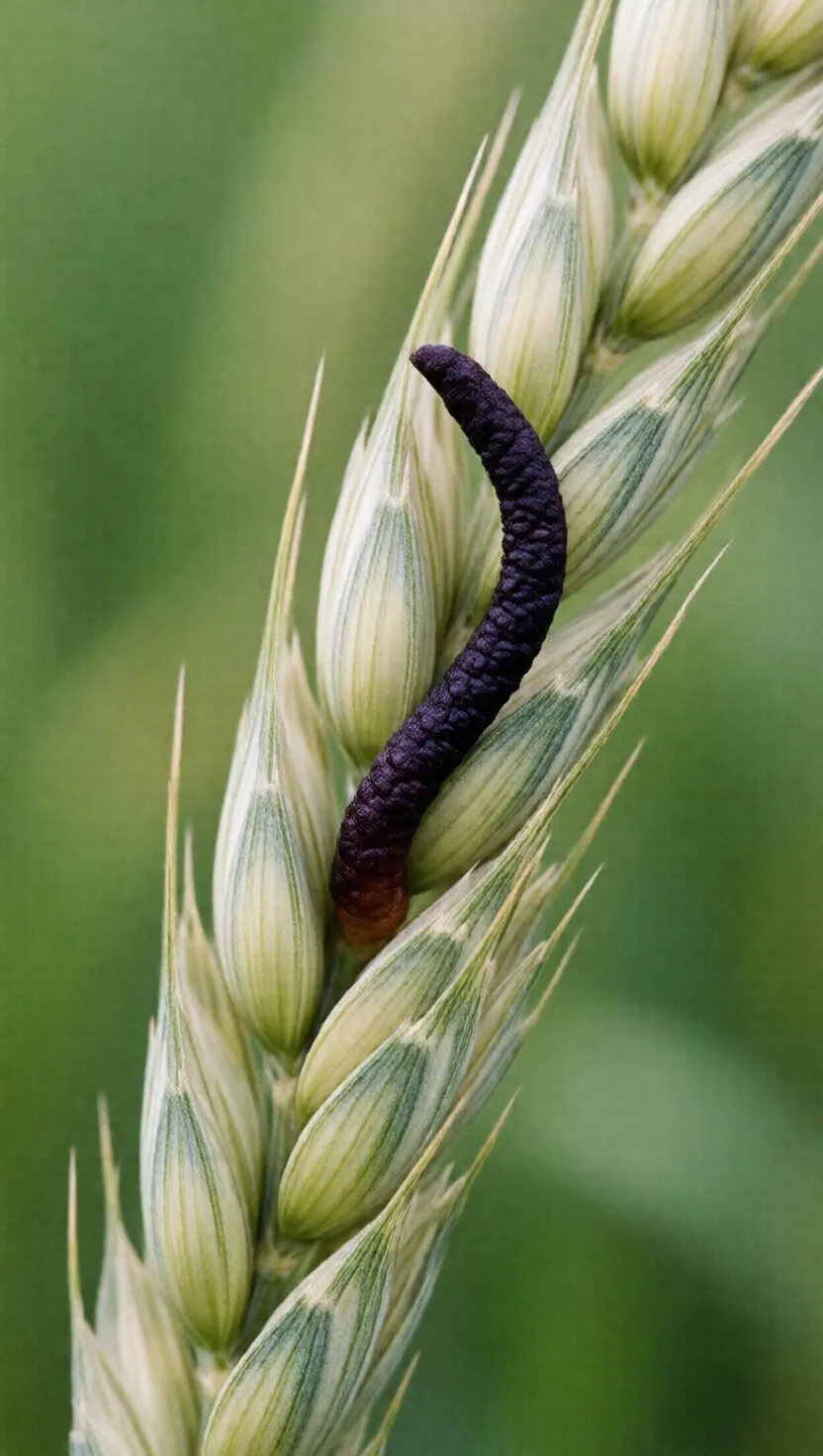
When a fungus called Claviceps purpurea infects rye and other grasses, it hijacks the developing flower and replaces the seed with its own hard, dark, horn-shaped resting body, often larger than the real grain it stands in for. Those purple-black spurs are packed with potent alkaloids that constrict blood vessels. Ground into flour and eaten, they caused ergotism, a medieval scourge known as St. Anthony's Fire that brought burning limbs, gangrene, convulsions and hallucinations across rye-eating regions of Europe.
Wild oats drill themselves into the ground

Wild oats drill themselves into the ground

A wild oat seed carries a long bent bristle called an awn that works like a humidity-powered engine. As the air dries, the awn coils into a tight spiral, and when moisture returns it uncoils, twisting back and forth with each shift between damp and dry. Lying on the soil, that repeated twisting screws the pointed seed downward into cracks and buries it without any animal or wind to help. Once planted this way the seed can wait out the years, staying dormant in the ground for as long as a decade before sprouting.
An ear of corn is almost never odd

An ear of corn is almost never odd

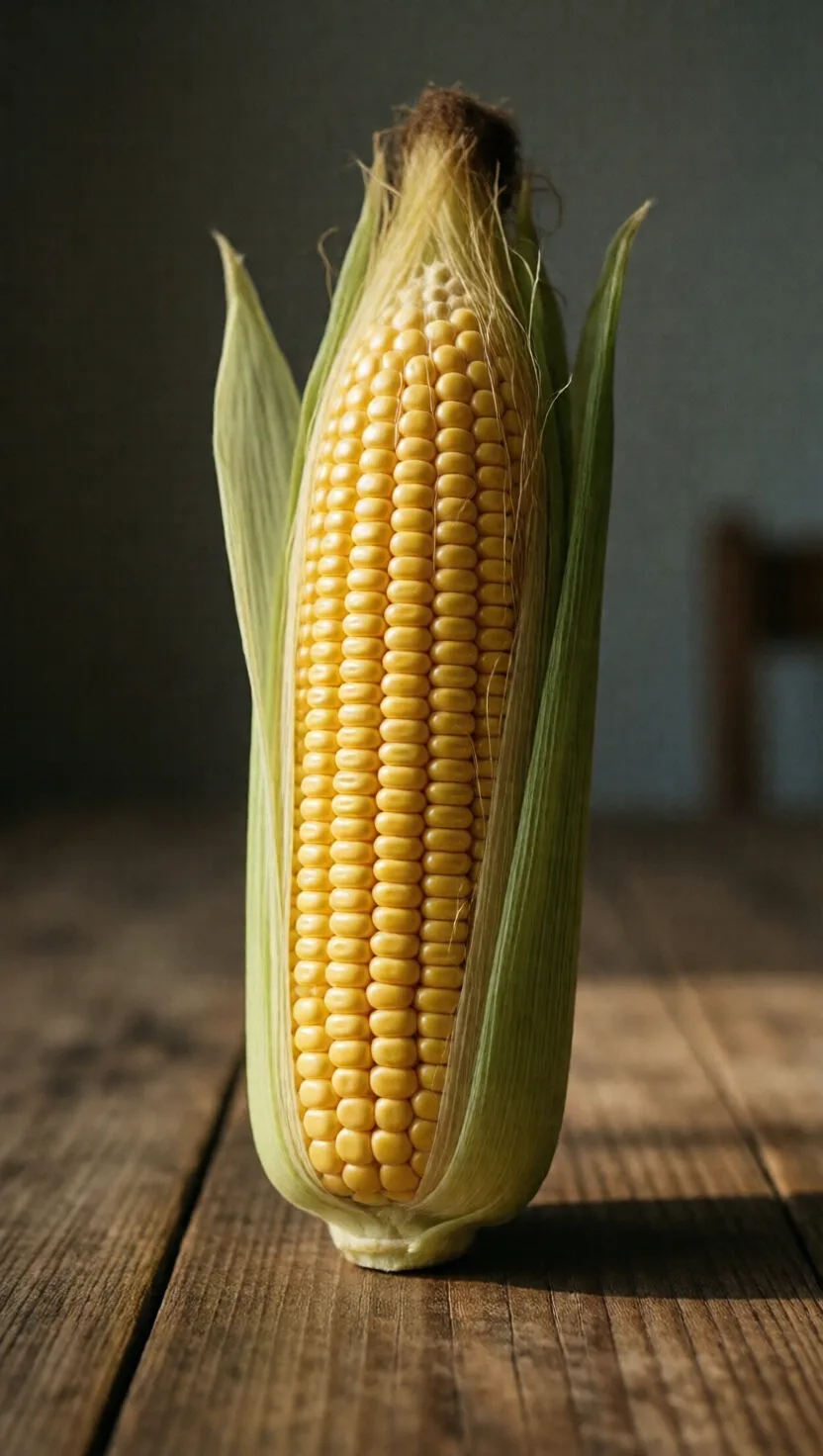
Count the rows on a corn cob and you will nearly always land on an even number, usually between 8 and 22. The reason is hidden in how the ear forms: the tiny flowers that become kernels are born in pairs along the cob, each pair budding from a single starting point and splitting in two. Because the kernels develop in these matched couples around the core, the rows come out balanced, two by two. A cob with an odd row count is so rare it is harder to find than a four-leaf clover.
Quinoa comes wrapped in its own soap

Quinoa comes wrapped in its own soap

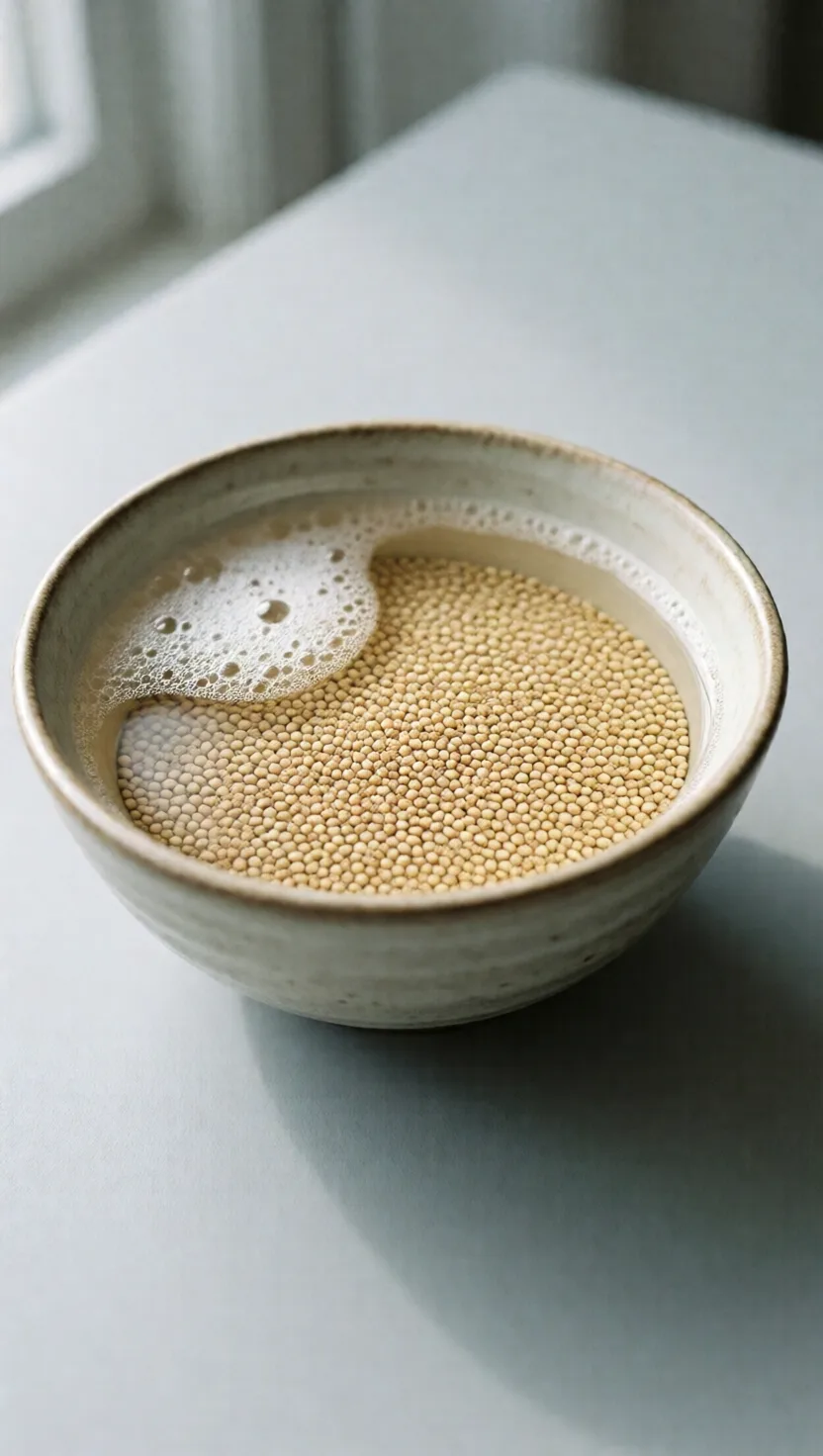
Each quinoa seed is coated in bitter compounds called saponins, the plant's built-in defense against insects and birds that find the taste repellent. The name is no accident: saponins lather like soap, and stirring unwashed quinoa in water raises a foamy head. That bitterness has to be rinsed away before the grain is pleasant to eat. Washing in water near 50 degrees Celsius melts and strips the coating fast, removing well over 90 percent of the saponins and leaving the mild seed beneath.
tap →swipe ↑ for depthswipe ↓ to exit