Eight partnerships neither species could pull off alone

DC·88 Deep Cuts
This squid rents glowing bacteria to erase its shadow

This squid rents glowing bacteria to erase its shadow

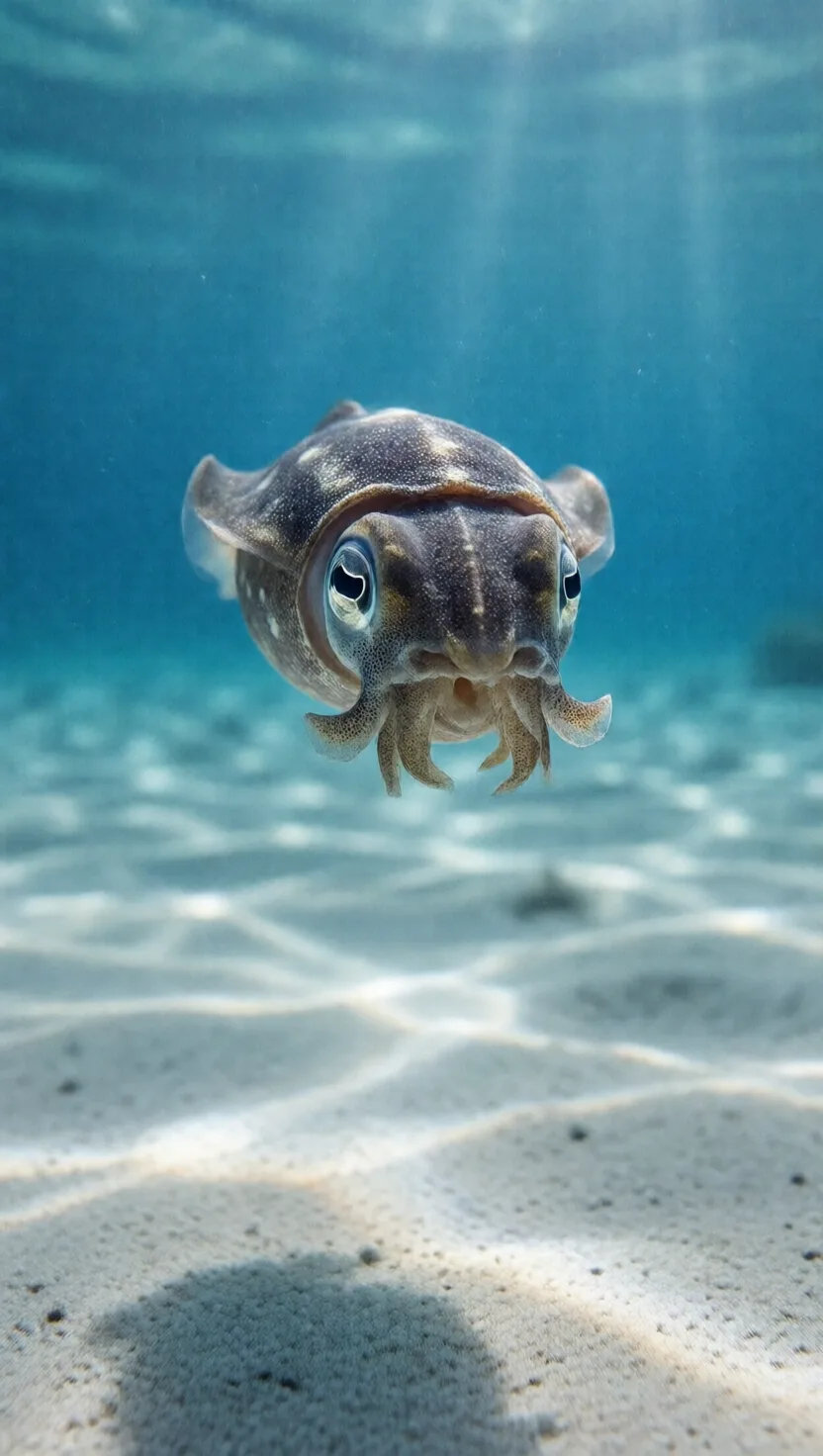
The Hawaiian bobtail squid houses luminous Vibrio fischeri bacteria in a light organ on its underside. At night the bacteria glow downward, matching the moonlight above so the squid casts no telltale silhouette to predators below. Each dawn the squid vents about 95 percent of its bacterial tenants, then lets the survivors regrow the colony by nightfall. The partnership has been studied as a model system since 1989.
A wild bird that doubles humans' odds of finding honey

A wild bird that doubles humans' odds of finding honey

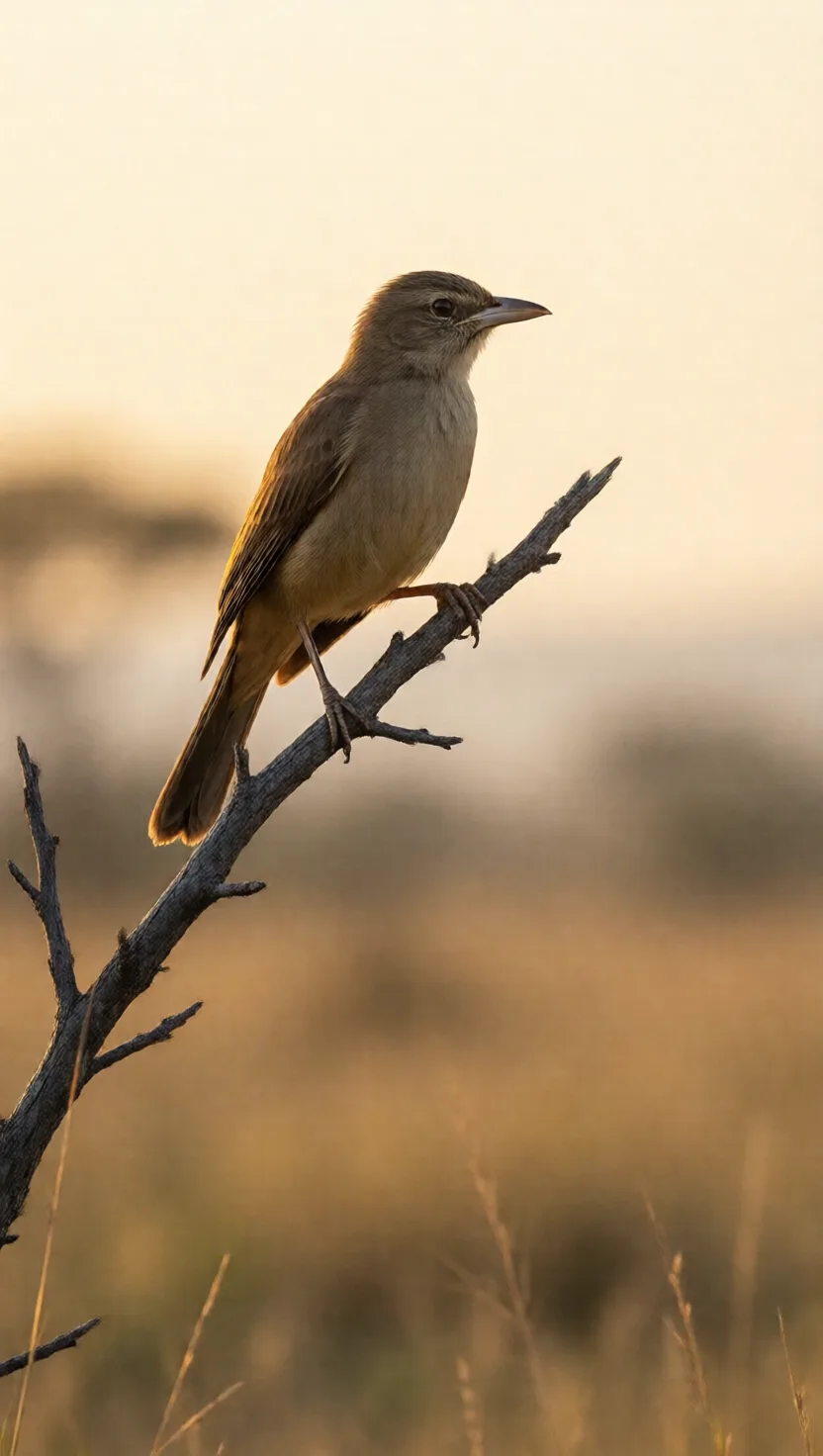
In northern Mozambique the greater honeyguide leads Yao honey-hunters to wild bee nests, then feeds on the wax left behind. People summon the bird with a trilled 'brrr-hm' call passed down for generations. A 2016 study in Science found that this specific call raised the chance of being guided to a nest from 17 percent to 54 percent compared with other human sounds, more than tripling success. The two species genuinely communicate.
The bird on a rhino's back is its alarm system

The bird on a rhino's back is its alarm system

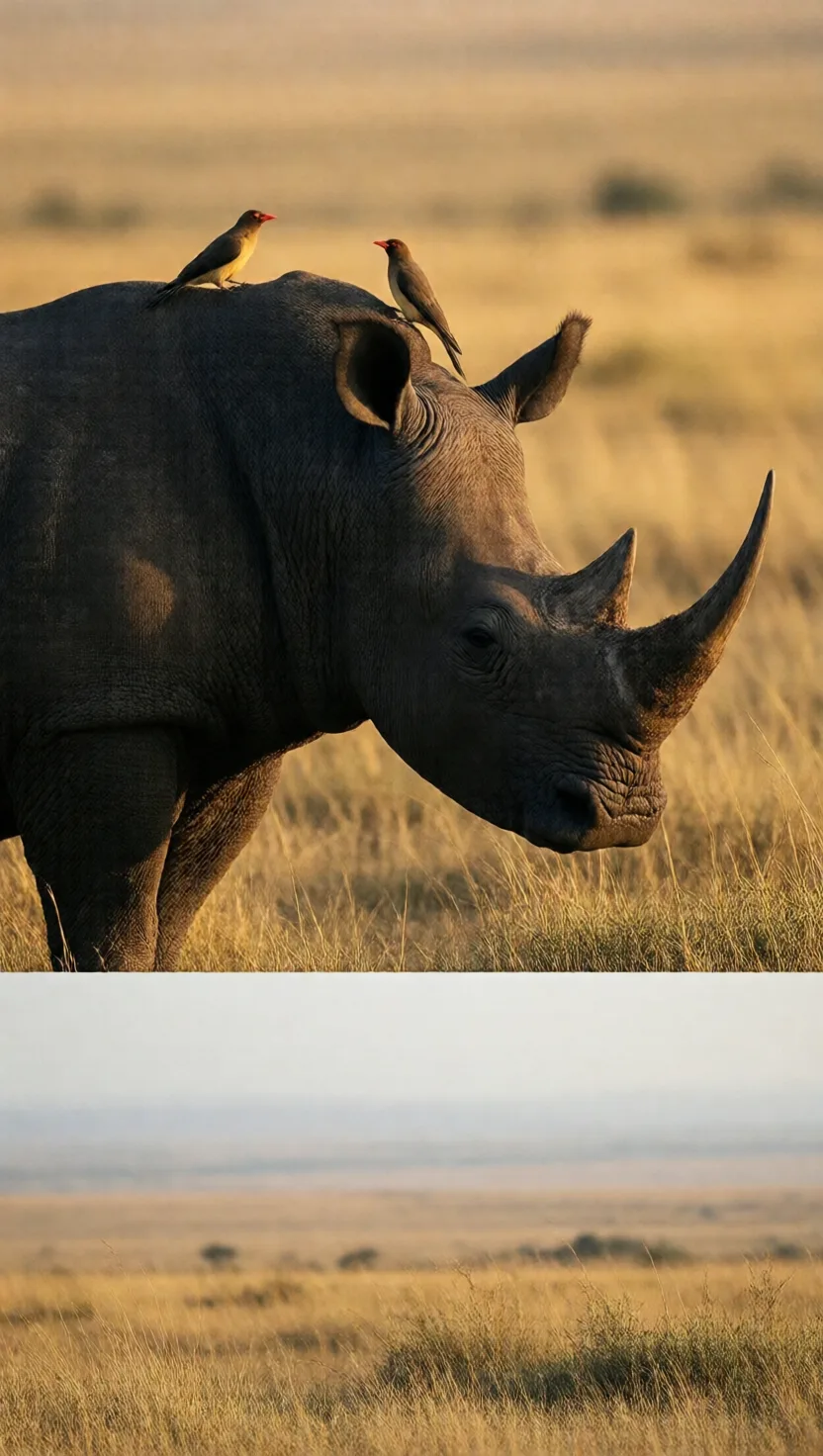
Red-billed oxpeckers ride black rhinos, eating ticks and wound-flesh, but they earn their keep another way: they hiss loudly when they spot a human. A 2020 study in Current Biology found rhinos carrying oxpeckers detected an approaching person 100 percent of the time, versus just 23 percent without the birds, and from roughly 61 meters away instead of 27. Nearly blind, the rhino borrows the bird's sharp eyes to evade hunters.
A near-blind digger and the fish that stands guard

A near-blind digger and the fish that stands guard

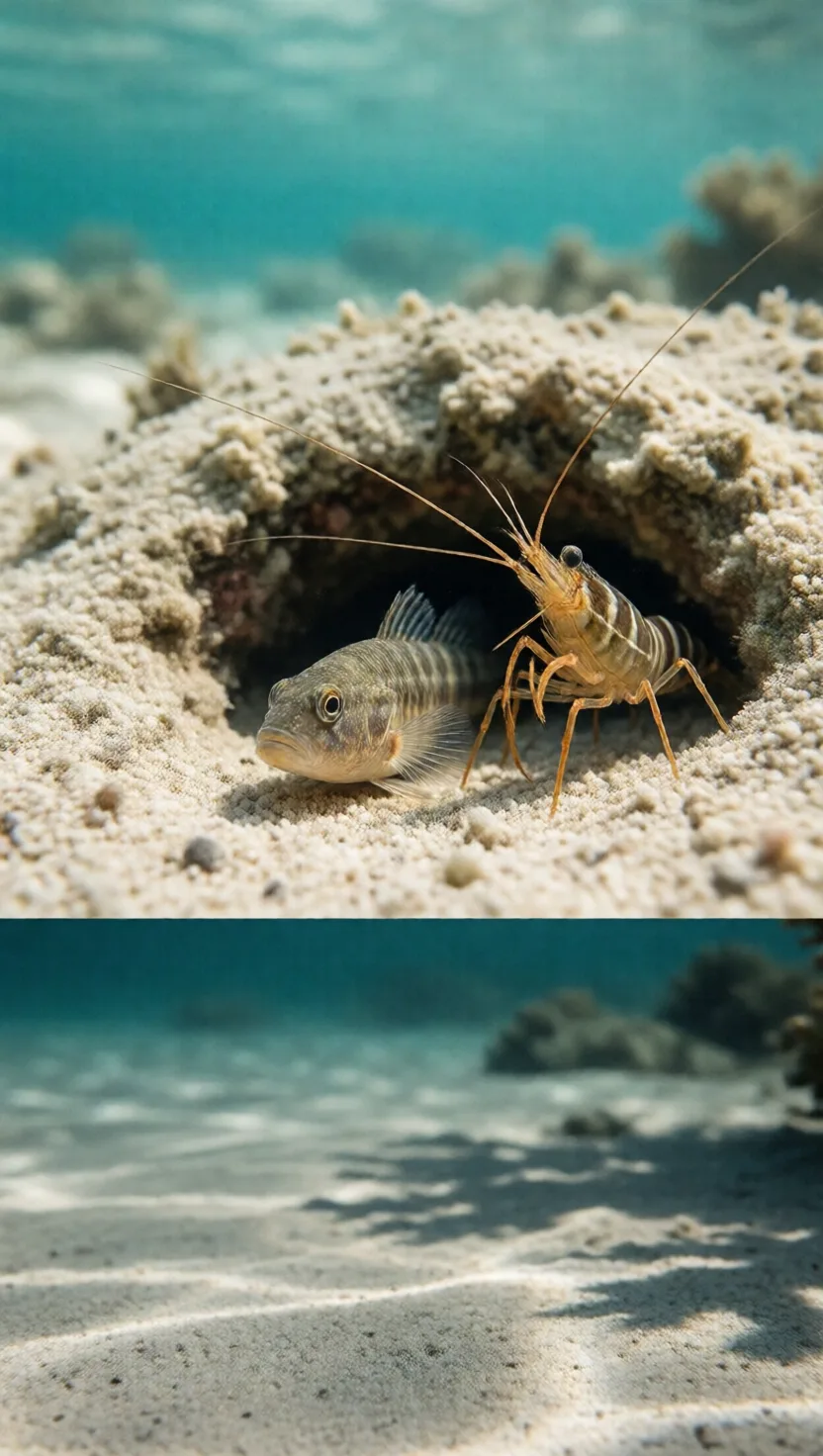
On tropical sand flats a snapping shrimp digs and maintains a shared burrow while a goby stands sentry at the entrance, since the shrimp has very poor eyesight. The shrimp keeps one antenna resting on the goby's tail; a flick of that tail sends both diving for cover. The same shrimp's claw can snap shut and collapse a cavitation bubble loud enough to reach about 218 decibels, stunning small prey near the door.
This moth pollinates by hand, then bills the plant in seeds

This moth pollinates by hand, then bills the plant in seeds

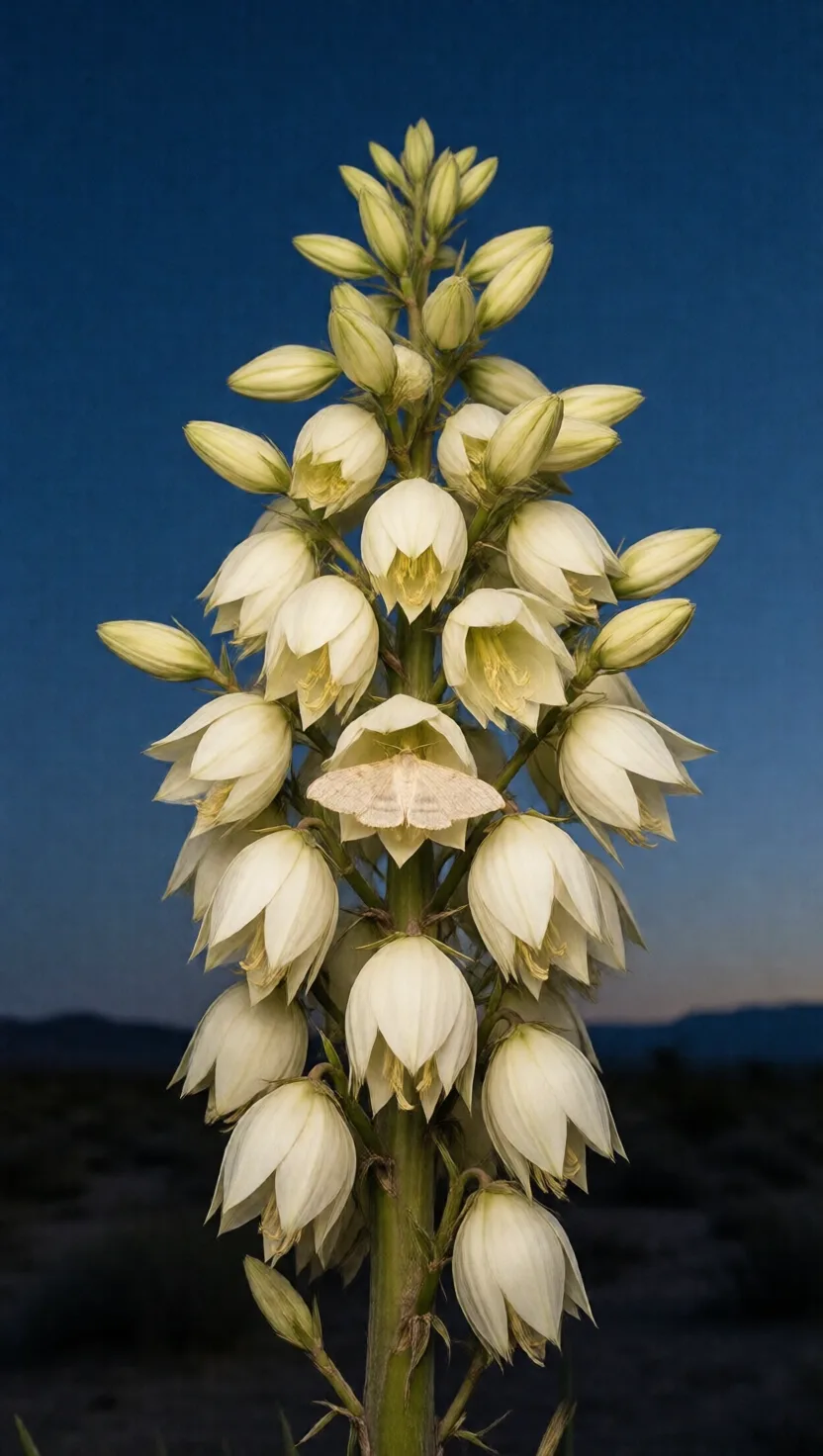
The yucca and its yucca moth need only each other. A female moth uses special mouth tentacles to gather a ball of pollen, flies to another yucca flower, and deliberately packs the pollen onto the stigma, then lays eggs in the same flower. Her larvae eat some developing seeds; the rest mature into the next plant generation. It is the yucca's only pollinator, a tightly locked mutualism dating back tens of millions of years.
This tree grows hollow horns to house its army

This tree grows hollow horns to house its army

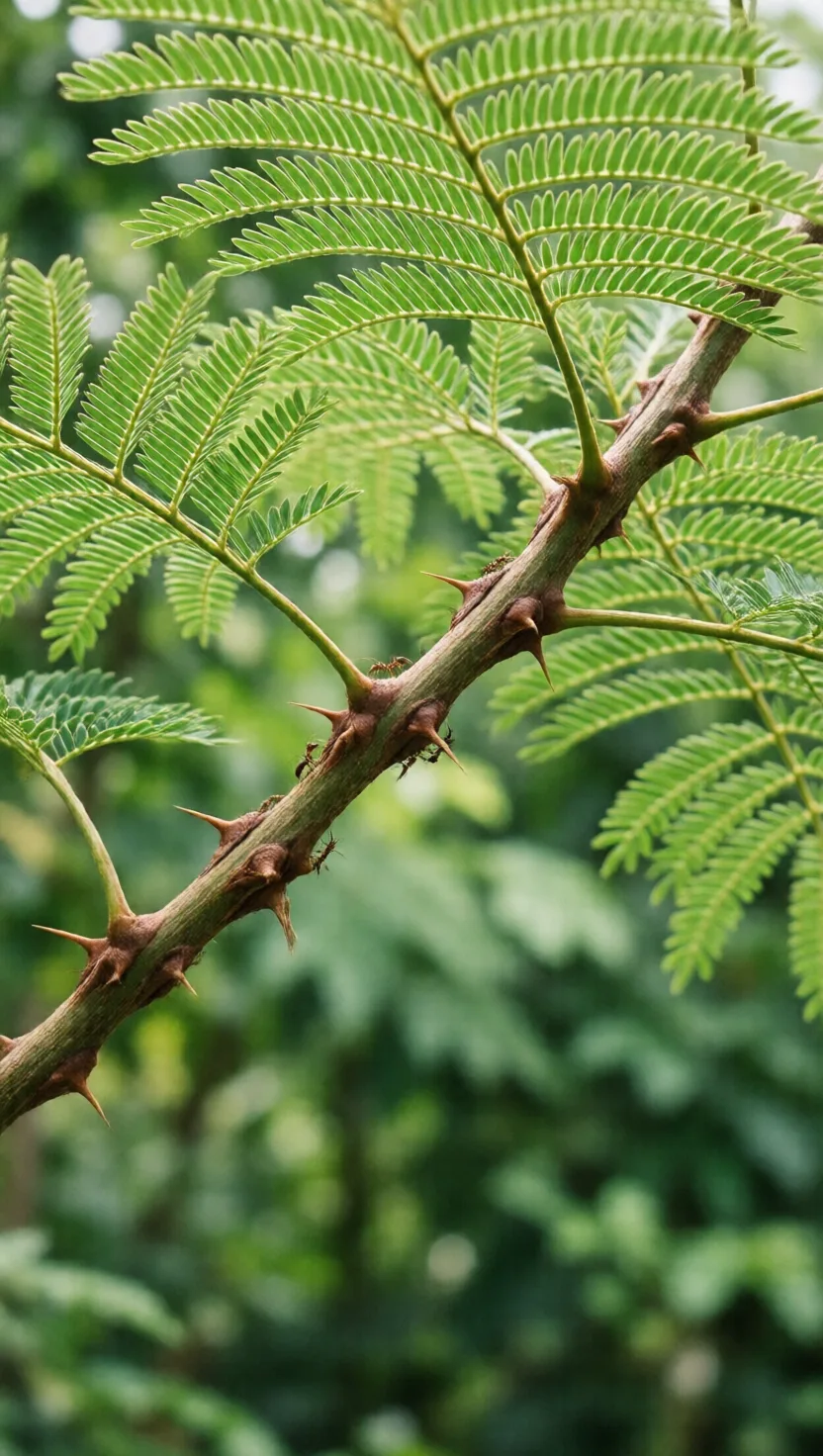
The bullhorn acacia builds its own defense force. It grows swollen hollow thorns for ants to nest in, drips nectar from leaf glands, and even produces protein-rich nubs called Beltian bodies for the ants to eat. In return, Pseudomyrmex ants attack browsing animals, bite off encroaching vines, and clear competing seedlings. A single tree can support a colony that grows to roughly 16,000 workers, and acacias stripped of ants are quickly overrun.
It fights with live anemones and clones them to match

It fights with live anemones and clones them to match

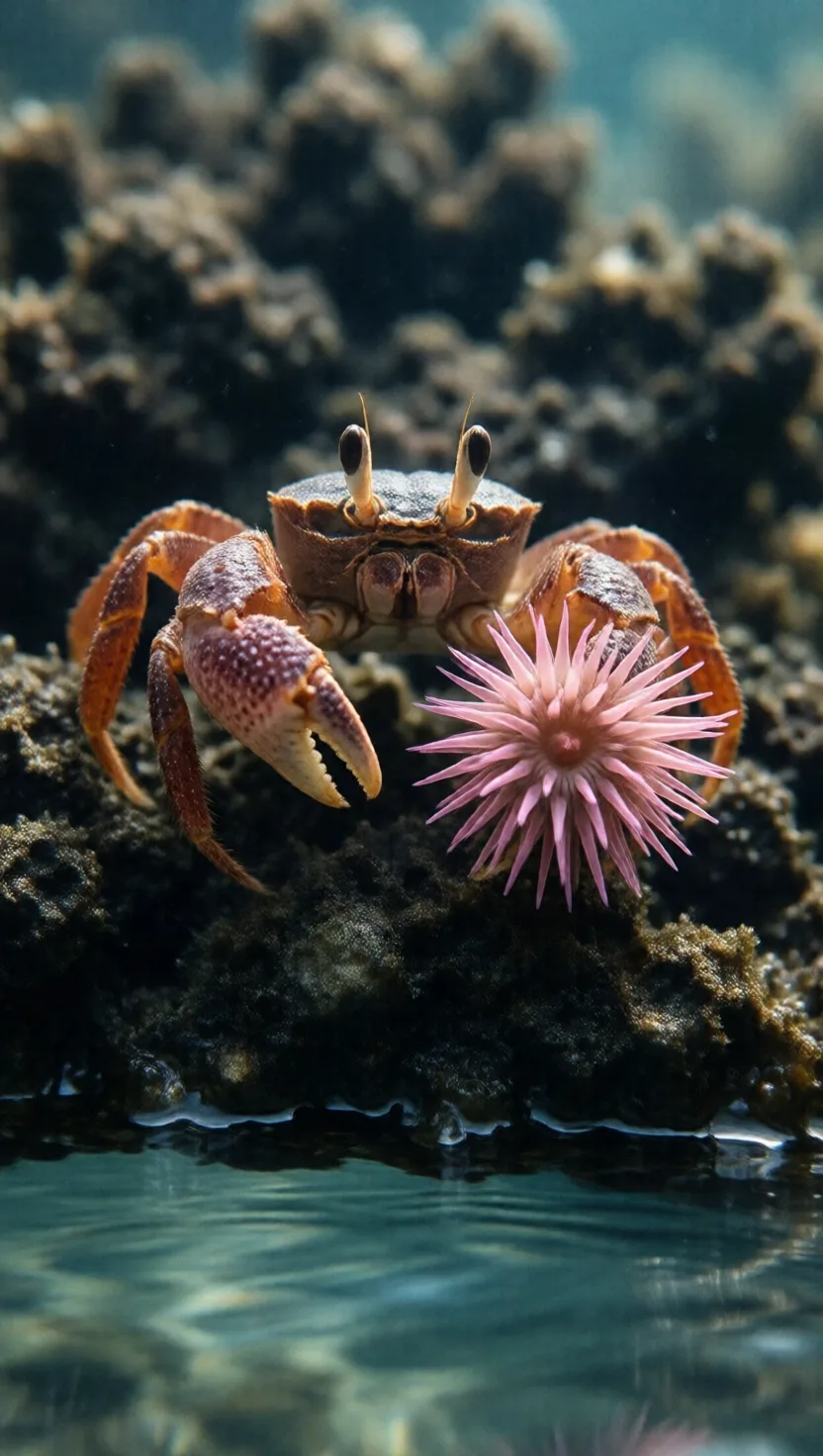
The tiny boxer crab, under an inch wide, carries a stinging sea anemone in each claw and waves them like pom-poms to fend off predators while the anemones snatch food scraps. If a crab loses one, researchers reported in 2017 that it will split its remaining anemone in two, prompting each half to regrow into a whole animal so the crab again holds a matched pair. Crabs were even seen stealing and tearing anemones to even up.
These ants farm fungus and grow their own antibiotic

These ants farm fungus and grow their own antibiotic

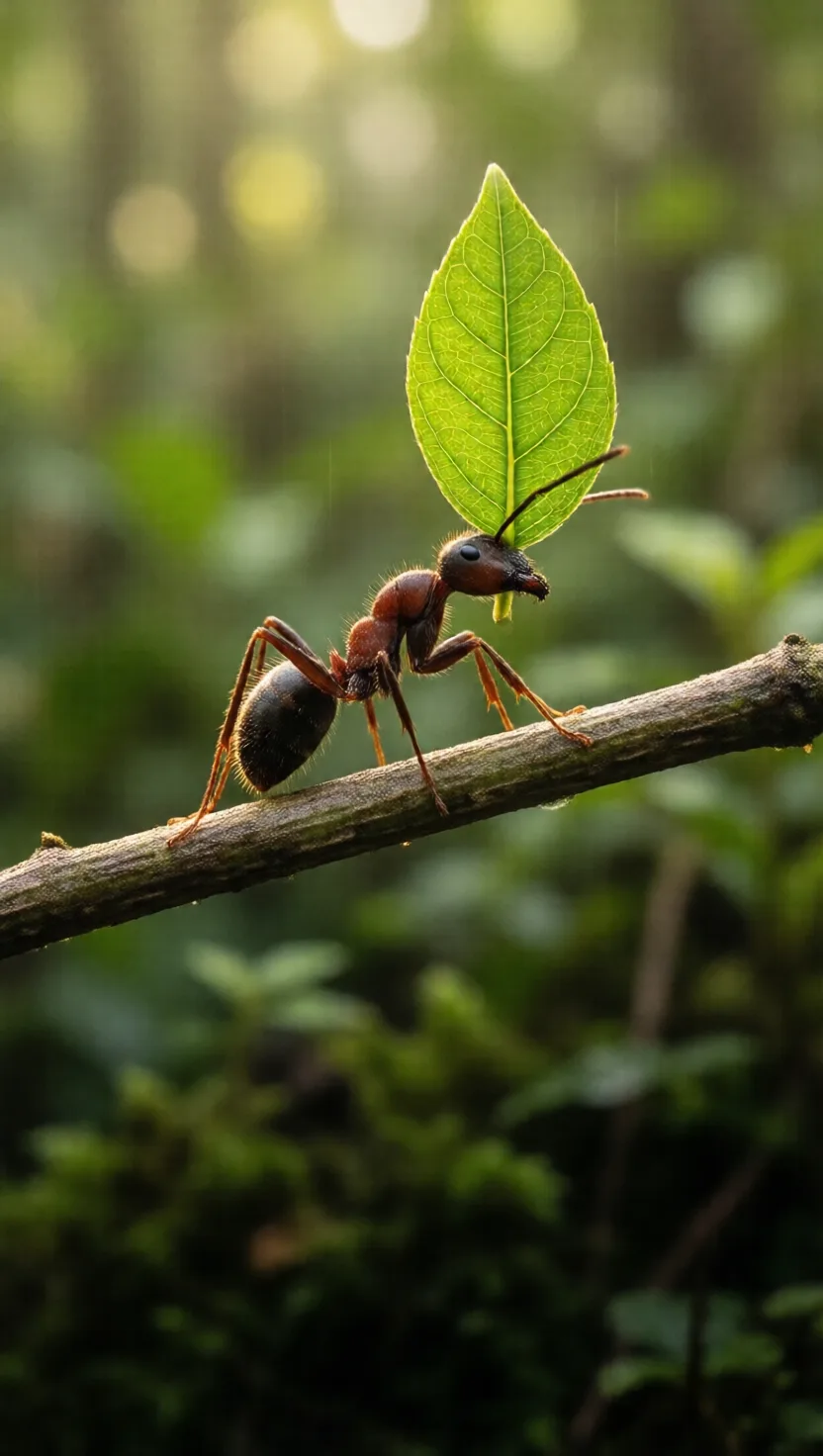
Leafcutter ants do not eat the leaves they carry; they feed them to an underground fungus that is their real crop and only food. To guard the garden from a parasitic mold called Escovopsis, the ants culture antibiotic-making Pseudonocardia bacteria on their own bodies. A 1999 Nature study revealed this third partner, making the system a farm, a pest, and a homegrown pesticide, an arrangement refined over roughly 50 million years.
tap →swipe ↑ for depthswipe ↓ to exit