Eight animals that cheat the killing cold

DC·86 Deep Cuts
This frog freezes solid, then hops away

This frog freezes solid, then hops away

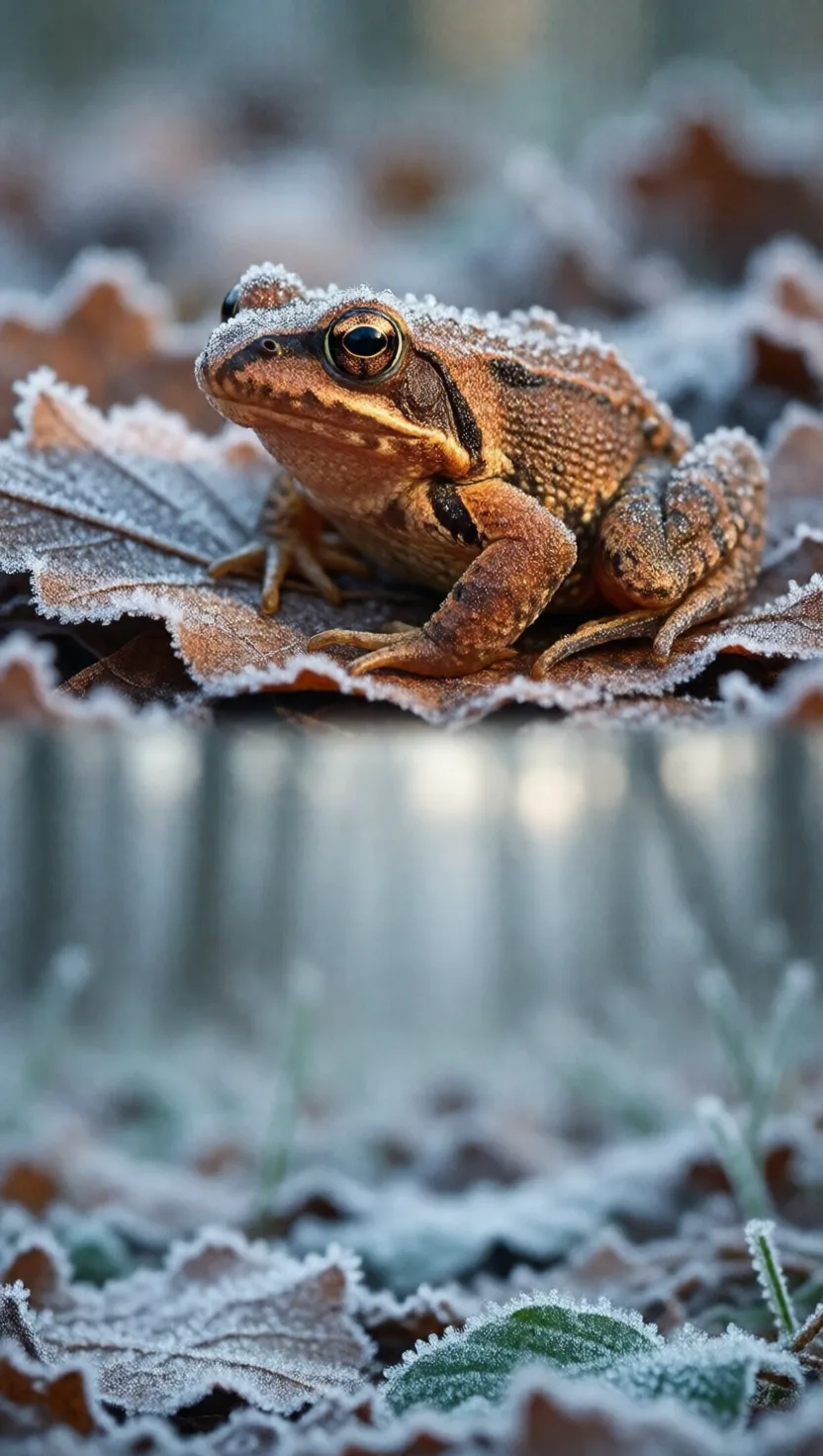
When winter comes the wood frog lets up to 70 percent of the water in its body turn to ice. Its heart stops, its breathing stops, and it does not stir for weeks; by any normal measure it is dead. Its liver has first flooded its cells with glucose to keep them from rupturing. In spring it thaws from the inside out, the heart restarts on its own, and within a day the frog leaps off as if nothing happened.
This fish has clear, ice-cold blood

This fish has clear, ice-cold blood

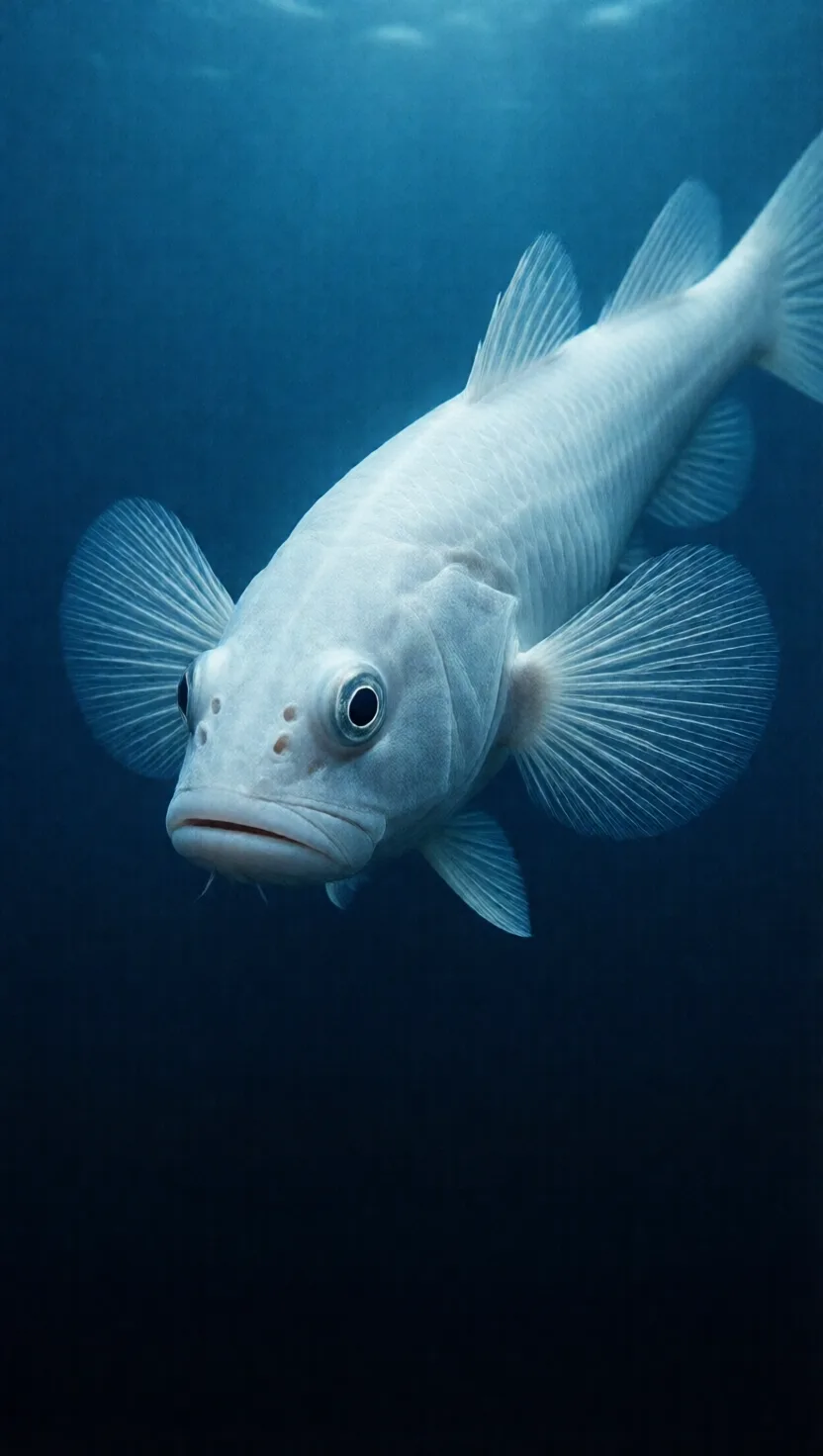
In the freezing Southern Ocean the crocodile icefish is the only vertebrate on Earth with no red blood cells and no haemoglobin; its blood runs as colourless as water. It absorbs oxygen straight from the frigid, oxygen-rich sea through huge gills and bare, scaleless skin, and fills its veins with antifreeze proteins that grip onto tiny ice crystals and stop them from ever growing larger.
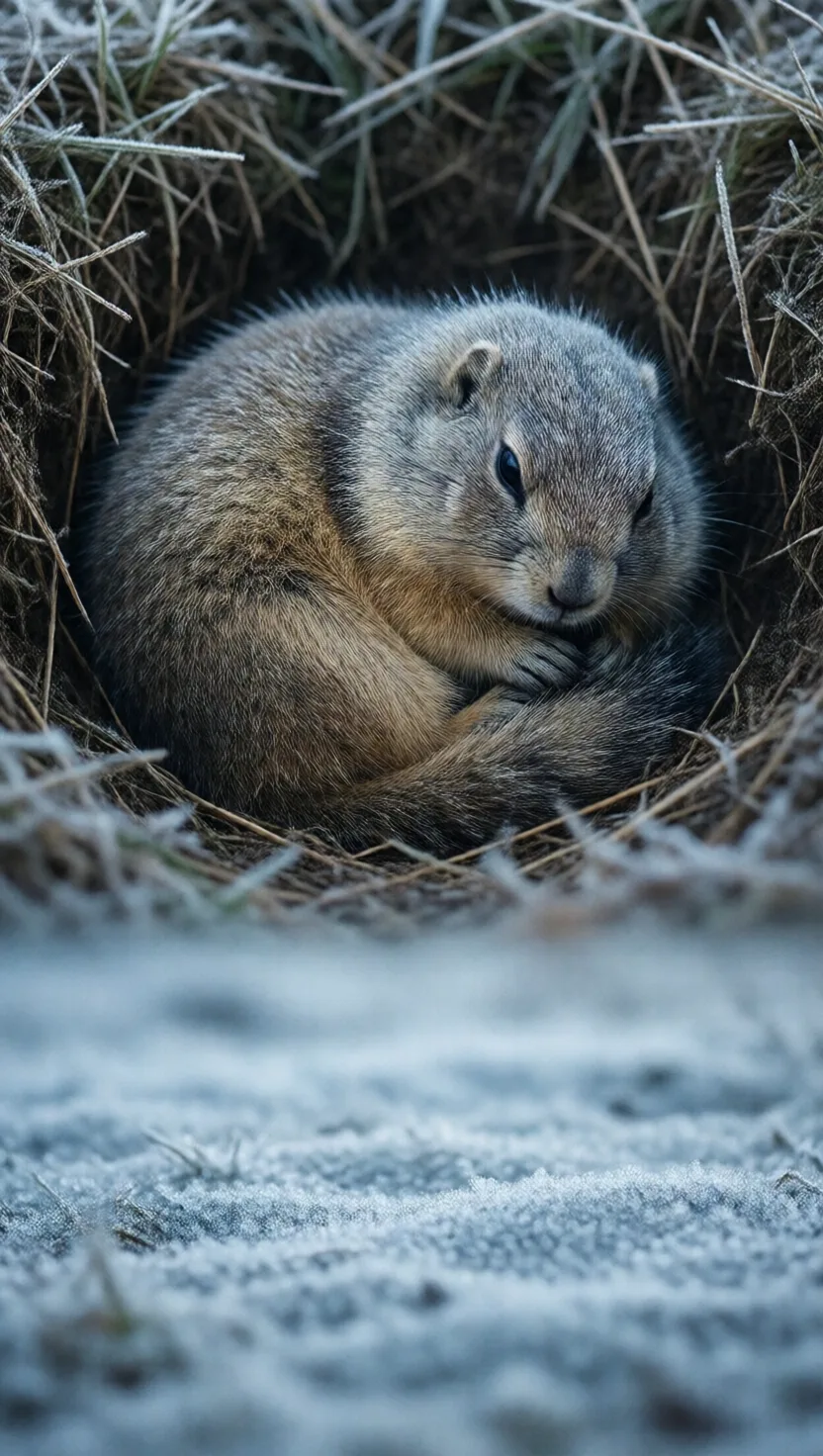
This squirrel chills below freezing, unfrozen

This squirrel chills below freezing, unfrozen

Hibernating through an eight-month Arctic winter, the ground squirrel lets its core drop to about minus 2.9 degrees Celsius, nearly three degrees below freezing and the lowest body temperature ever recorded in a mammal. Its blood stays liquid by supercooling, because it scrubs out the tiny specks that ice would crystallise around. Every few weeks it shivers itself warm again for a day, then sinks back below zero.
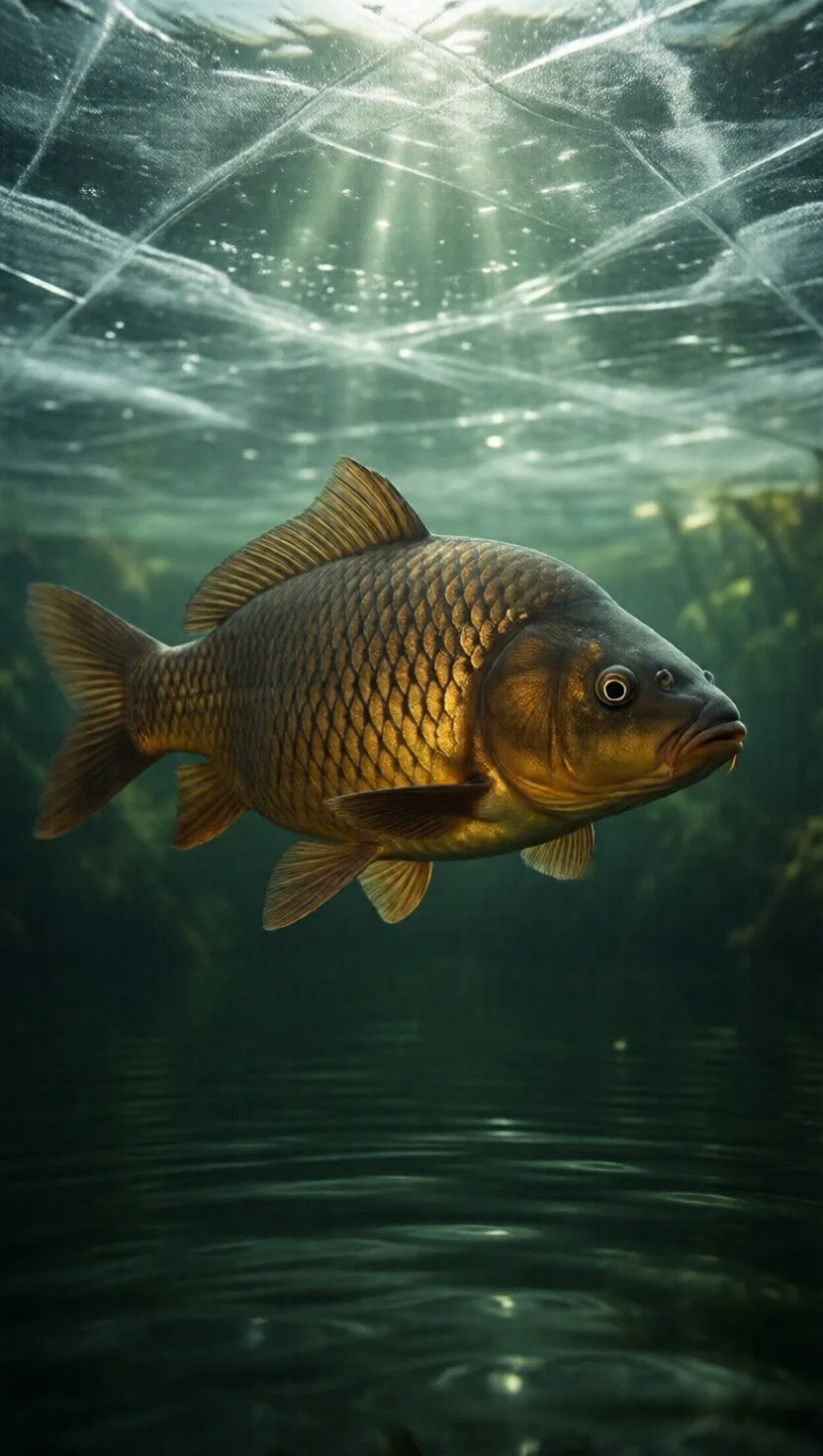
This fish brews alcohol to survive winter

This fish brews alcohol to survive winter

Sealed under the ice of an oxygen-starved pond, the crucian carp does what would kill almost any other animal: it keeps living for months with no air at all. Rather than let deadly lactic acid pile up, it converts the waste into ethanol and breathes the alcohol out through its gills. By late winter its blood can run above the drink-drive limit, the only fish that gets through the freeze by getting tipsy.
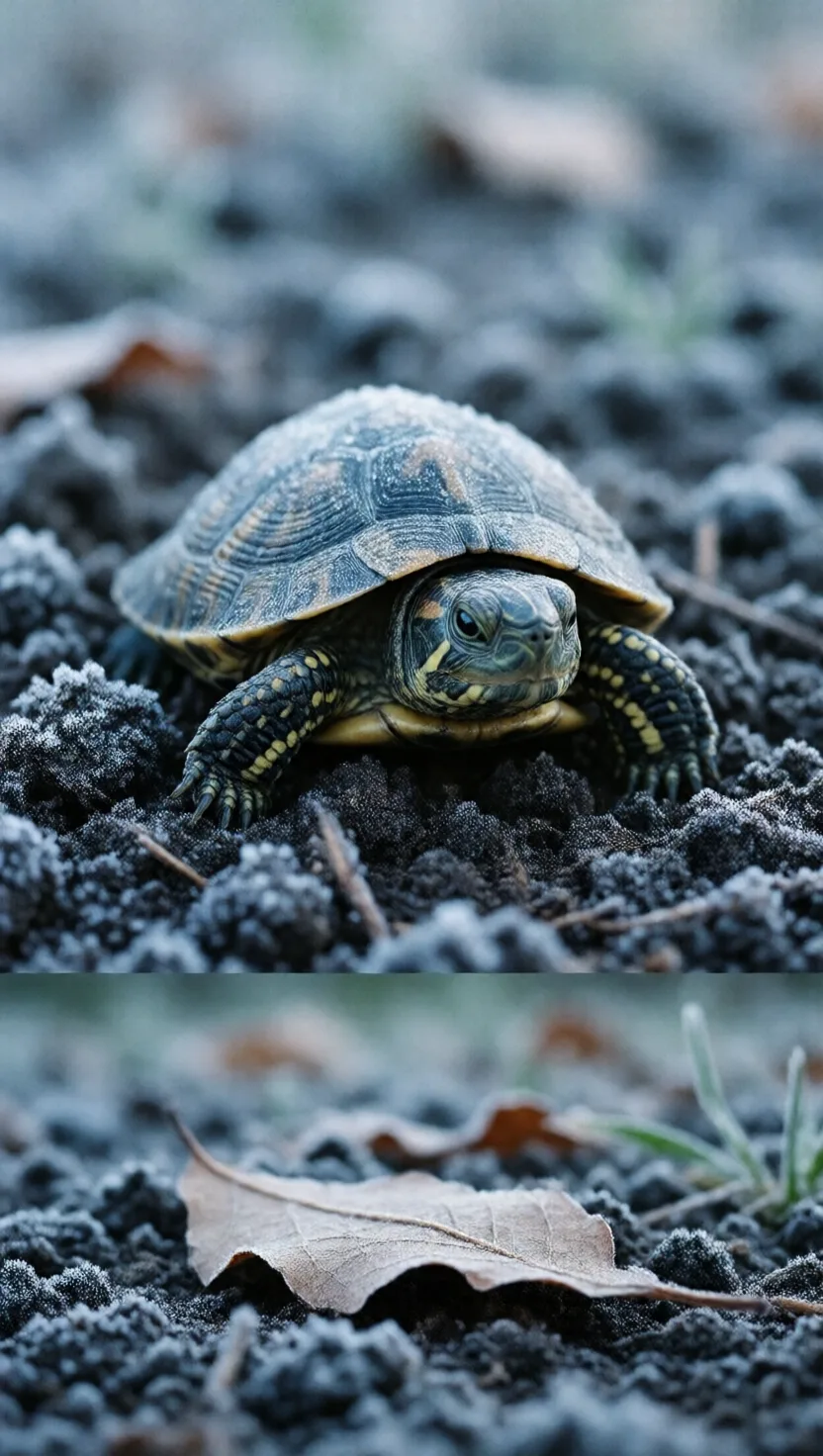
Newborn turtles overwinter frozen in the nest

Newborn turtles overwinter frozen in the nest

Painted turtles hatch in late summer but stay underground in the nest all winter, often supercooled below freezing without turning to ice. Buried where almost no air reaches, the hatchlings go months without oxygen and hold off the acid that builds up by dissolving minerals from their own shell and bones to neutralise it. When spring finally warms the soil, the tiny survivors dig their way up to the surface.
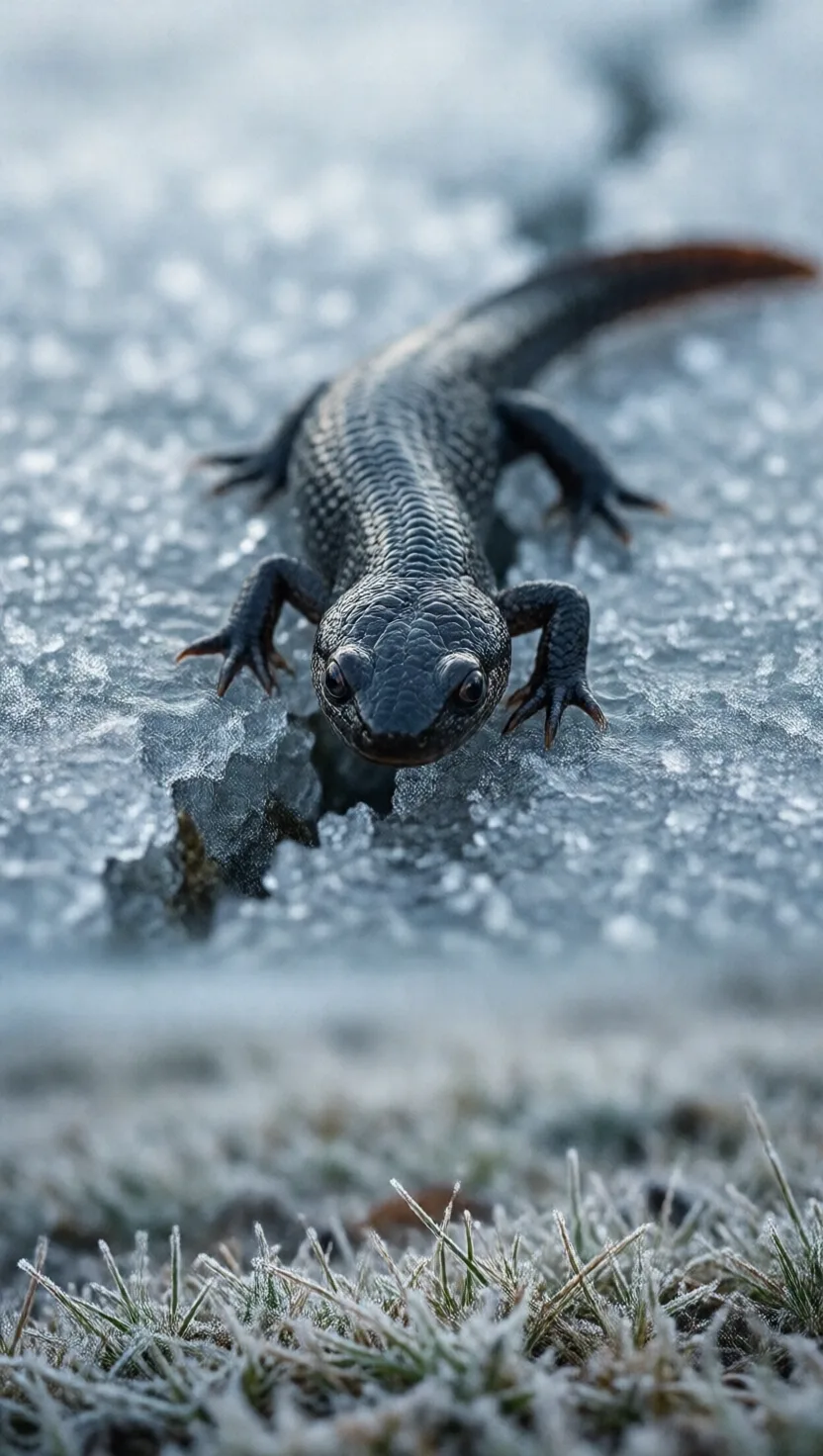
Thawed from the permafrost, it walks away

Thawed from the permafrost, it walks away

The Siberian salamander endures cold no other four-legged animal can, surviving freezing down to around minus 45 degrees Celsius by pumping its cells full of glycerol antifreeze. Animals dug out of the permafrost have thawed and crawled off after years locked in the frozen ground, with one disputed account claiming decades. When the ice finally lets go, the little salamander simply ambles away.
An alligator can freeze in, nose to the sky

An alligator can freeze in, nose to the sky

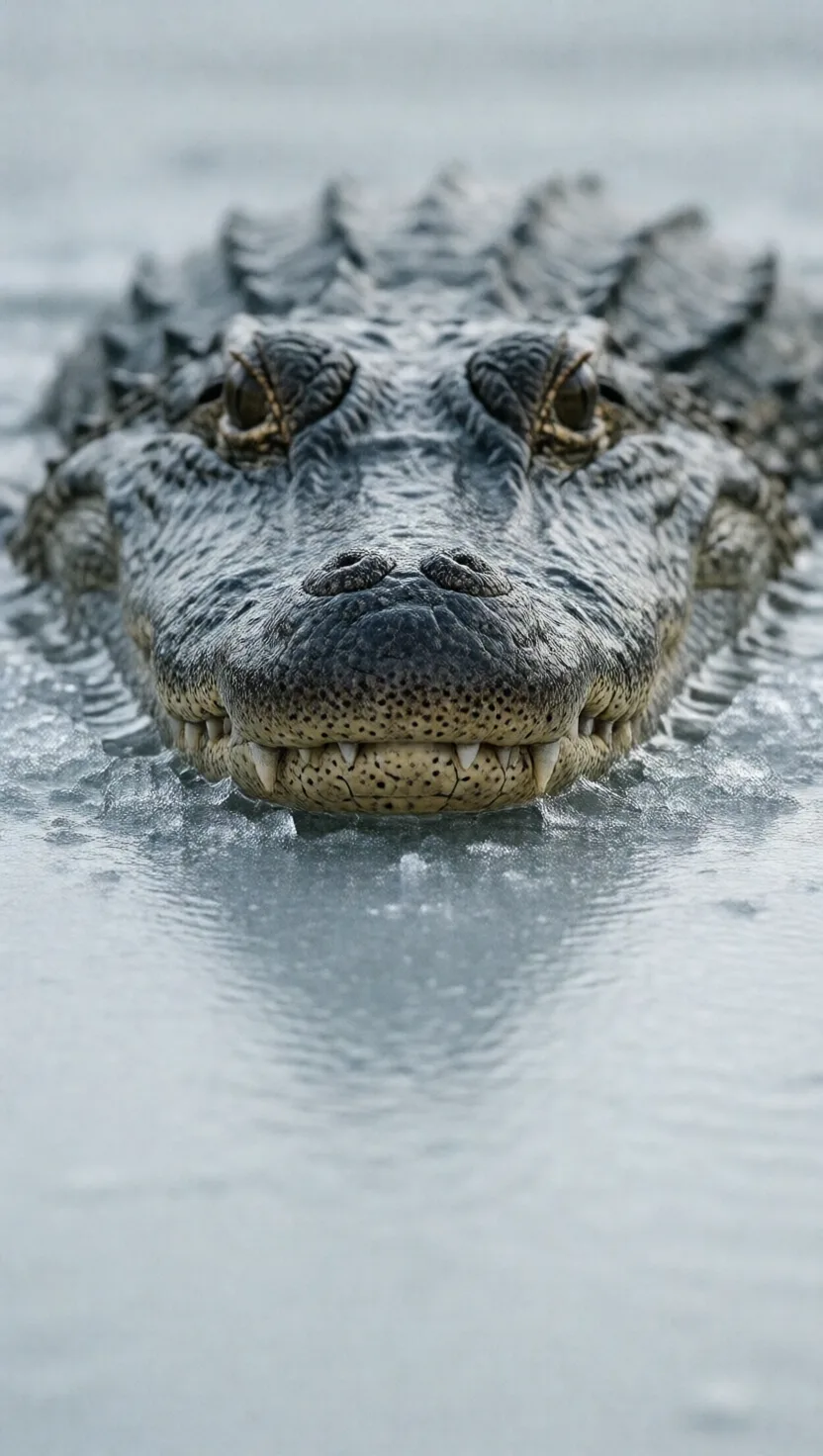
When a Southern pond freezes over, alligators do not flee. They sense the ice forming and hold their snouts up through the surface so the water locks around them with only their nostrils left clear. Stuck like that in a deep cold sleep called brumation, their hearts slowing to just a few beats a minute, they keep breathing through the ice for days until the thaw finally sets them loose.
The longest-lived animal runs on antifreeze

The longest-lived animal runs on antifreeze

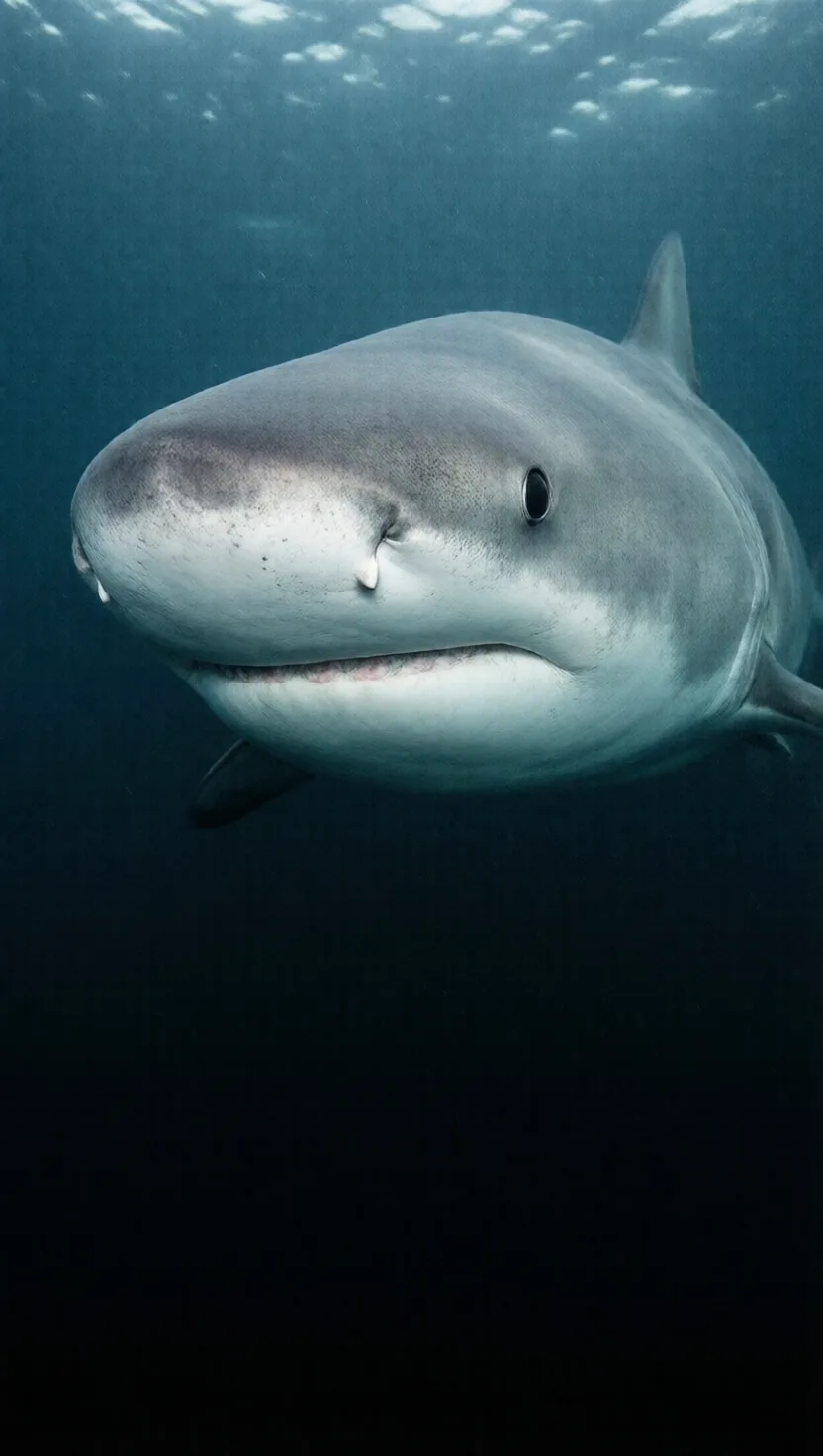
In water barely above freezing the Greenland shark may live more than 400 years, the longest-lived vertebrate known. Its flesh is steeped in a compound called TMAO, a natural antifreeze that keeps its proteins working in the cold and the deep, and that also makes the meat poisonous to eat fresh, fit for food only after months of fermenting. It grows about a centimetre a year and ages in no hurry at all.
tap →swipe ↑ for depthswipe ↓ to exit