Eight secrets hidden in a single feather

DC·85 Deep Cuts
No bird owns a drop of blue pigment

No bird owns a drop of blue pigment

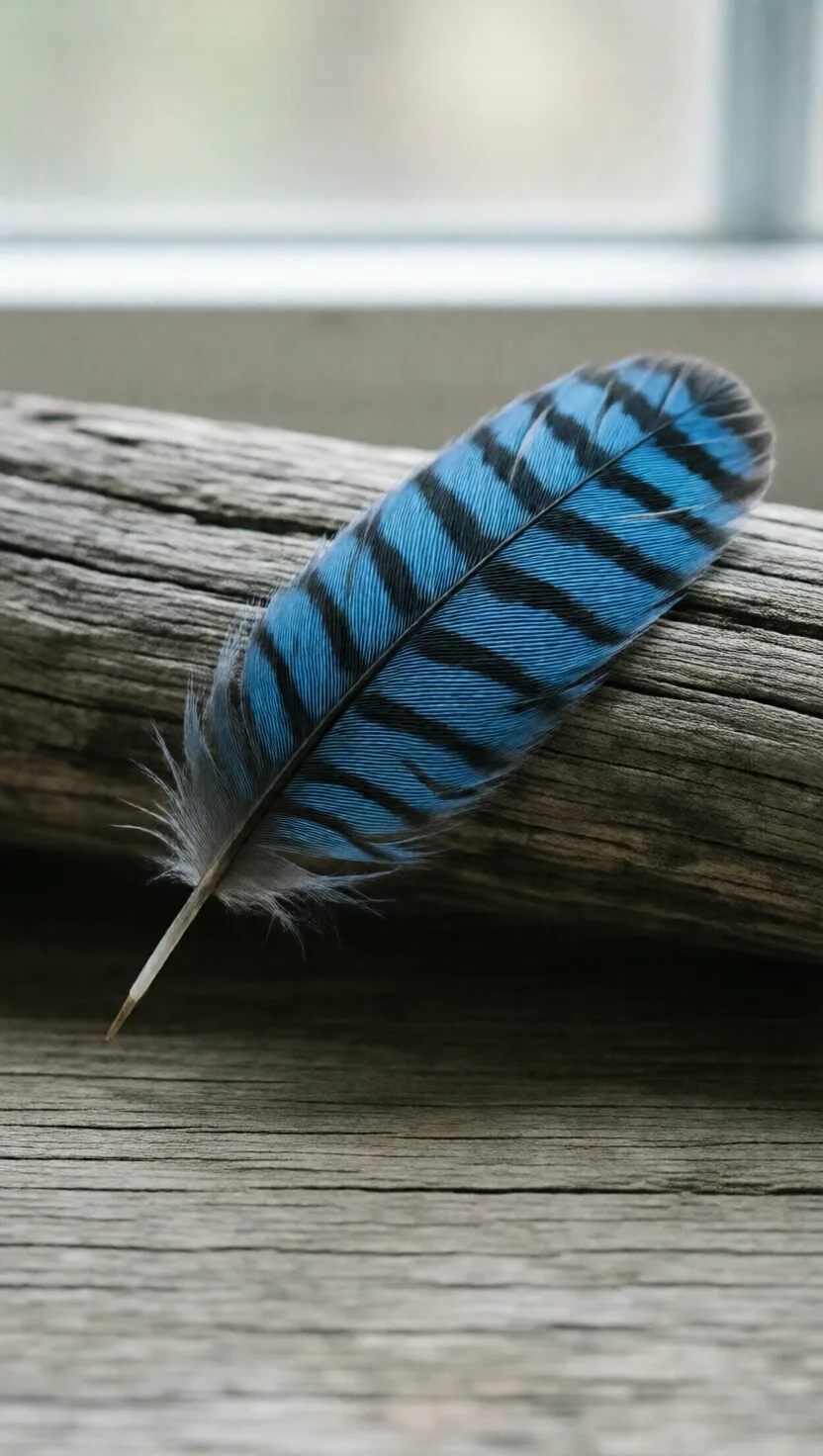
A blue jay, a peacock, a kingfisher: none of them holds a speck of blue colour. Their feathers are built of clear keratin riddled with air pockets about 150 nanometres across, a structure that scatters only blue light back to your eye while brown melanin underneath swallows the rest. Crush the feather and the architecture collapses; the blue vanishes and dull brown is all that is left.
An owl's wing erases its own sound

An owl's wing erases its own sound

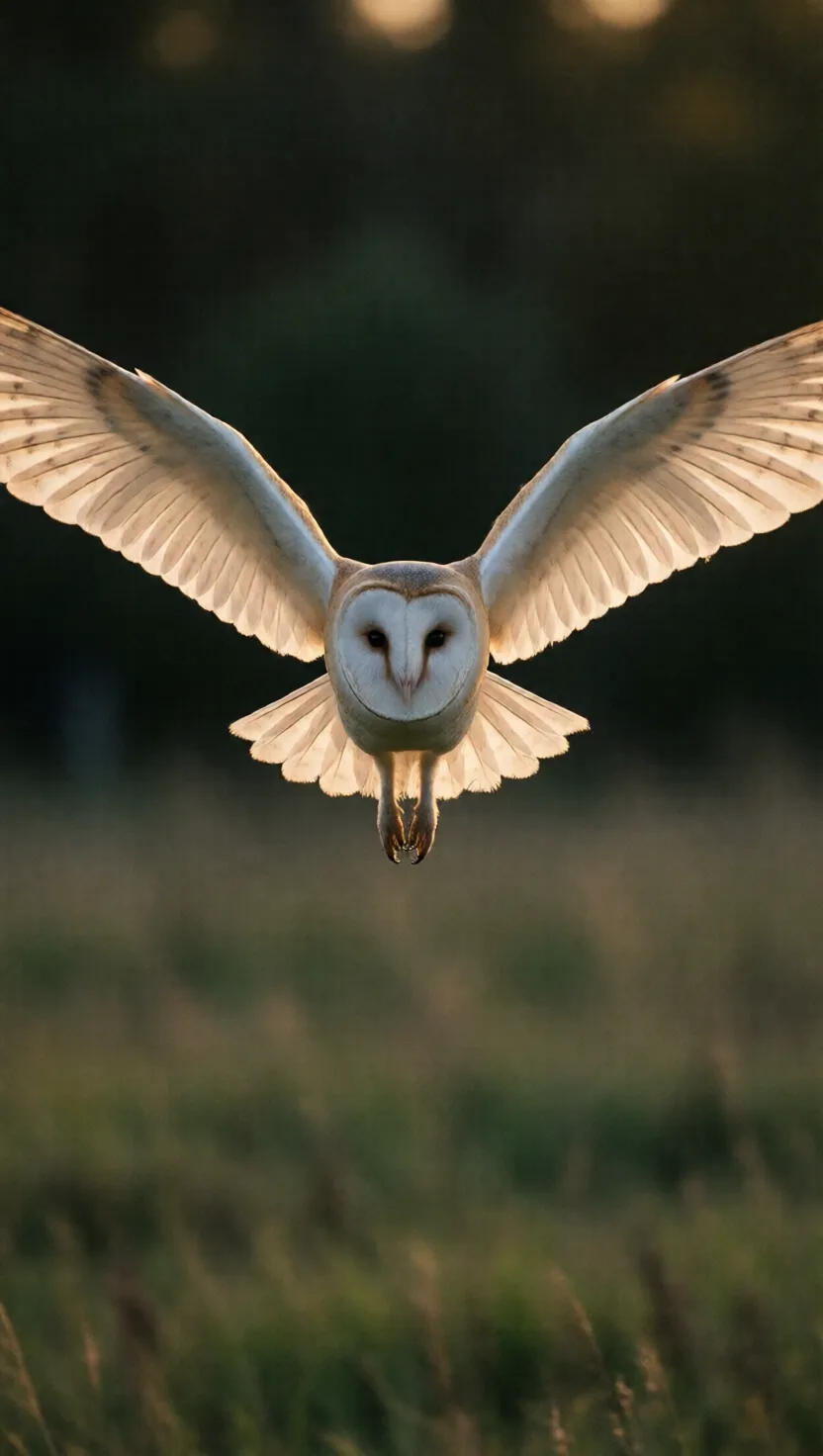
Owls hunt in near silence thanks to three tricks built into their feathers. A comb of stiff serrations along the leading edge shatters noisy turbulence into tiny quiet eddies, a soft velvety surface soaks up sound, and a ragged fringe at the trailing edge smooths the air away. Together they mute exactly the high frequencies a mouse can hear. Engineers now copy the design to quiet fans and wind turbines.
Every feather zips itself back together

Every feather zips itself back together

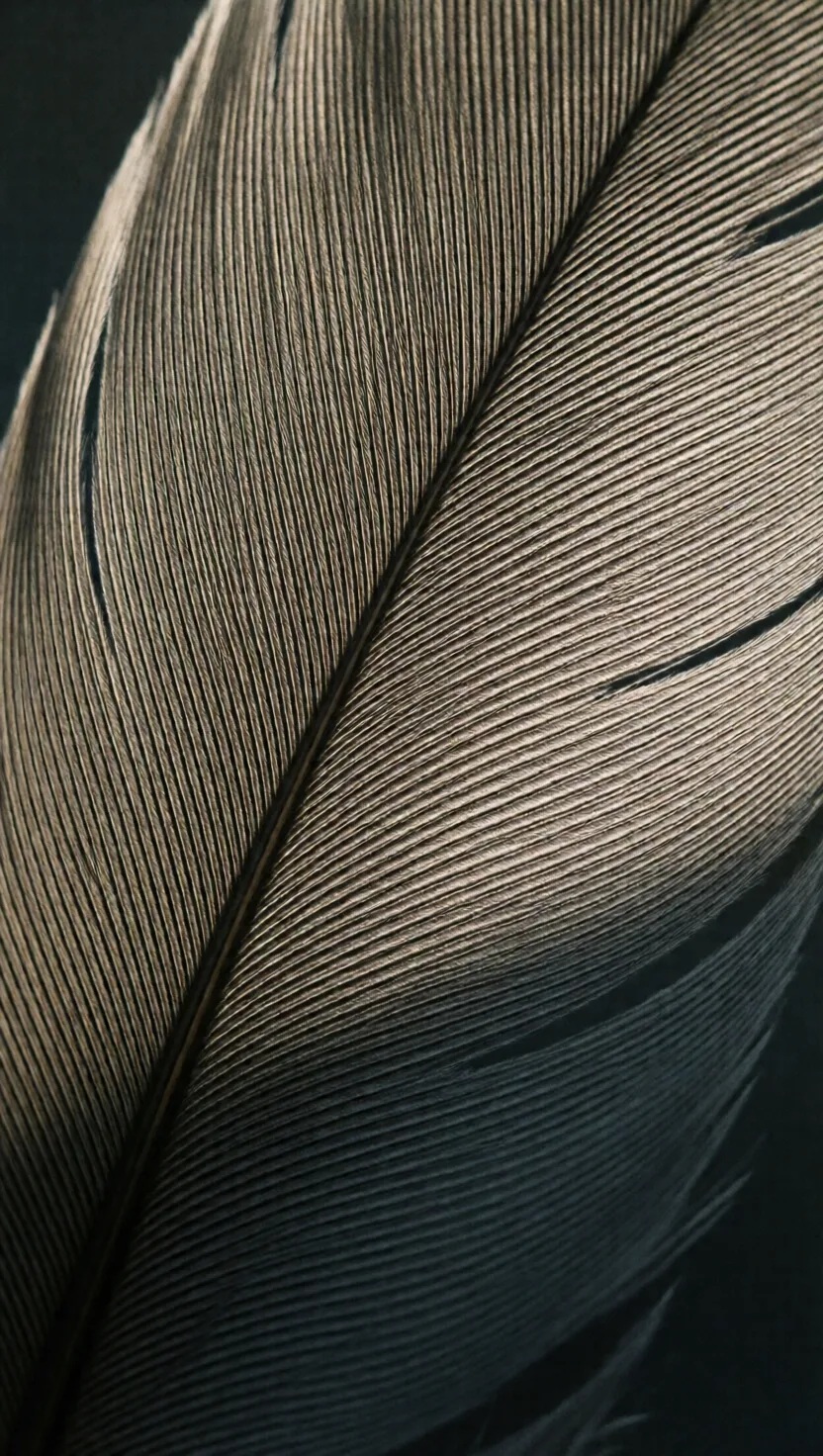
Pull a feather apart and it splits; stroke it and it heals. Each branch, called a barb, sprouts hundreds of smaller barbules, and those carry microscopic hooks that latch into grooves on the neighbouring barbs like a self-mending zip. A single flight feather can hold more than a million of these hooks. When a bird preens, it is re-zipping thousands of them back into one smooth, airtight blade.
Flamingos paint themselves pink, twice over

Flamingos paint themselves pink, twice over

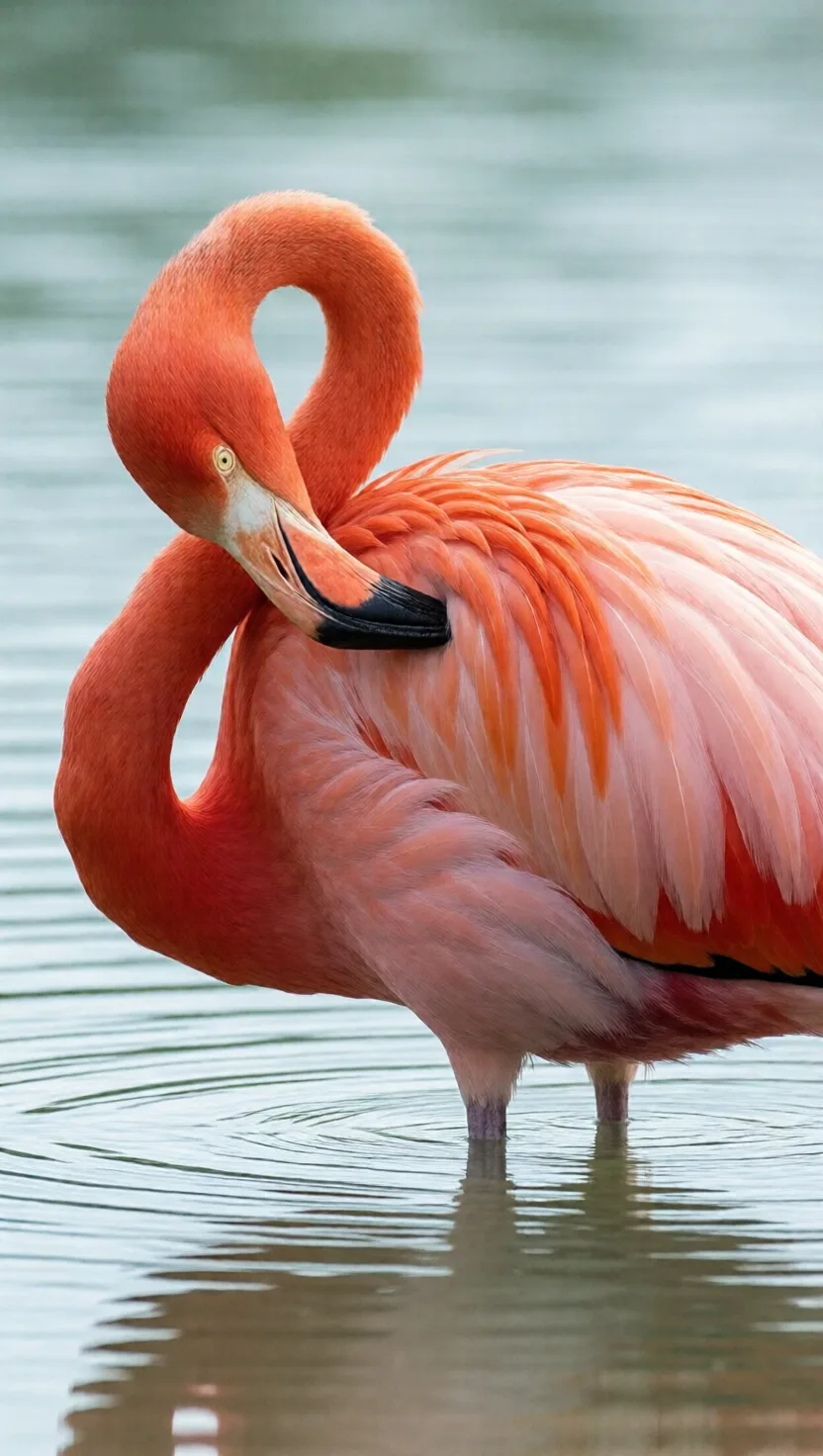
Flamingos hatch grey. They turn pink only by eating algae and brine shrimp loaded with carotenoid pigments, which they ferry into their growing feathers; cut off that diet and the colour fades back to white. Before courtship they go further, rubbing pigment-rich oil from a gland near the tail across their necks and backs like blusher, topping up a colour the sun is forever bleaching away.
Some birds grow feathers that turn to dust

Some birds grow feathers that turn to dust

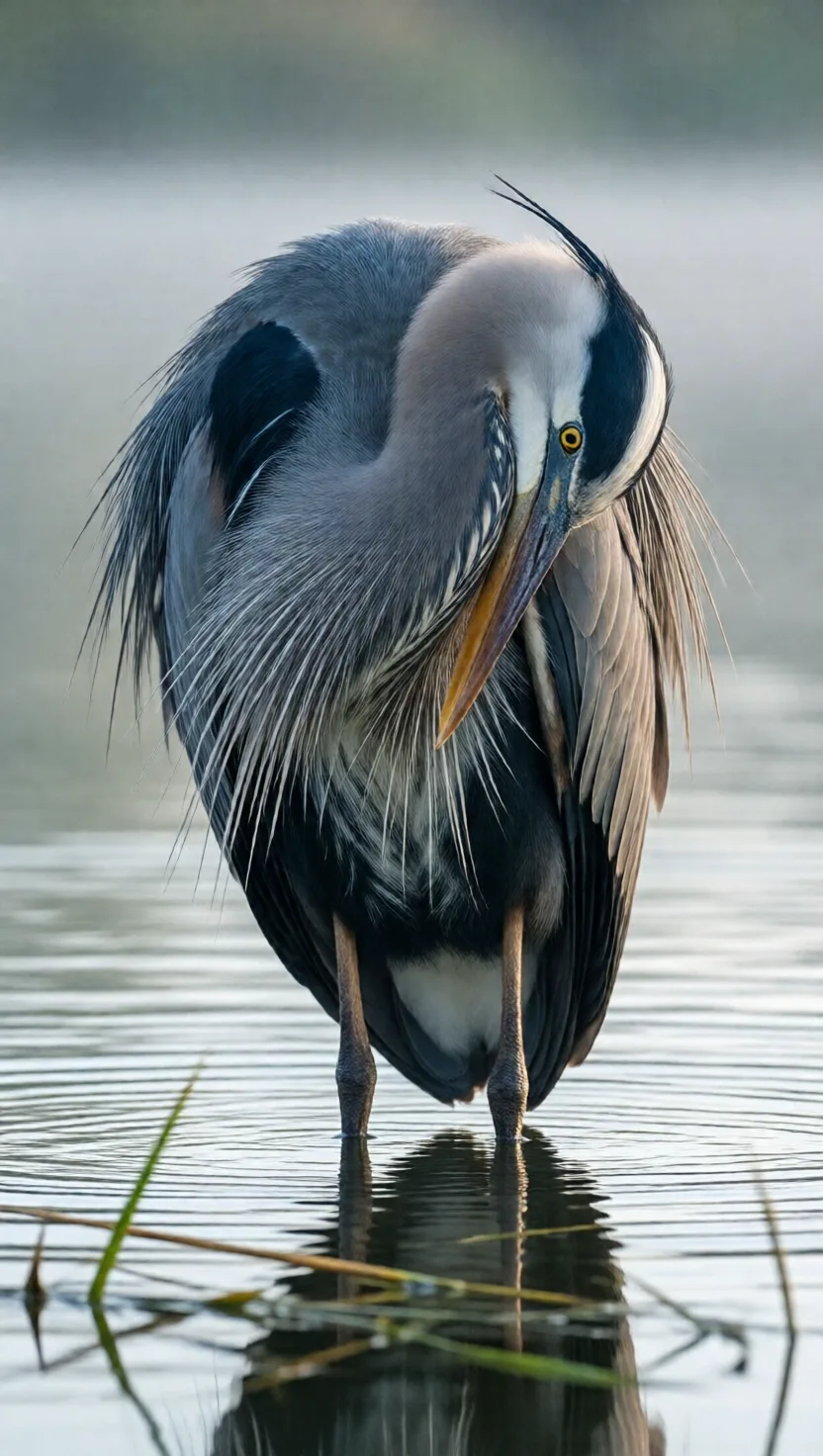
Herons carry patches of a strange feather that never stops growing and is never moulted: powder down. Its tips constantly crumble into a fine, talc-like keratin powder. The heron rakes this powder through its plumage with a special fringed claw to soak up fish slime and grime, then combs it back out. It is a built-in dry shampoo for a bird that spends its life wading in mud.
A feather's shape reveals if a bird could fly

A feather's shape reveals if a bird could fly

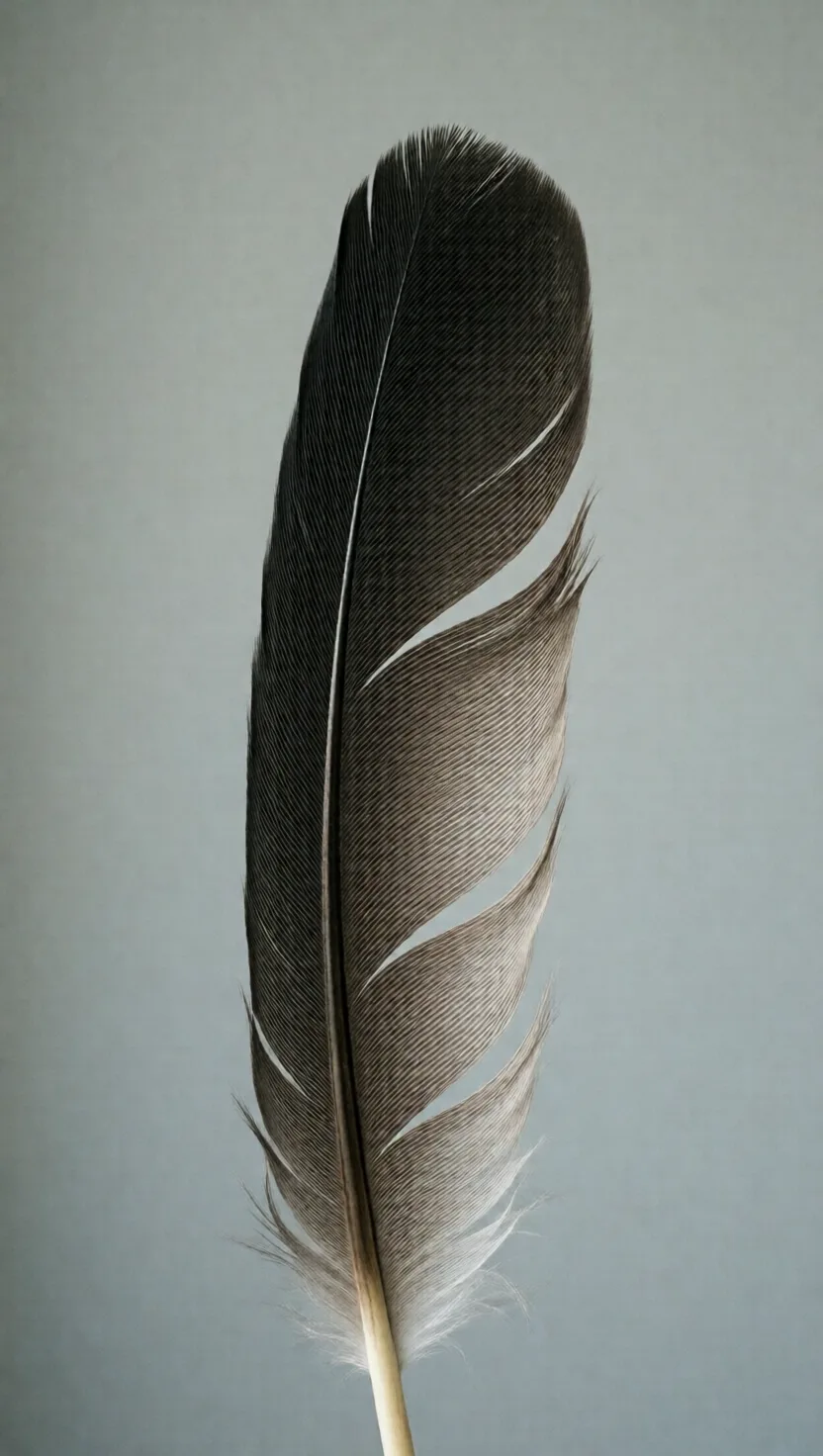
On a flying bird, each flight feather is lopsided, with a narrow leading edge and a wide trailing one, the cross-section of a tiny aerofoil. Flightless birds like the ostrich grow soft, even-sided plumes instead. That single clue let scientists read the 150-million-year-old feathers of Archaeopteryx: their clearly asymmetric vanes proved this ancient creature already had wings built to fly.
A penguin wears feathers, not fur

A penguin wears feathers, not fur

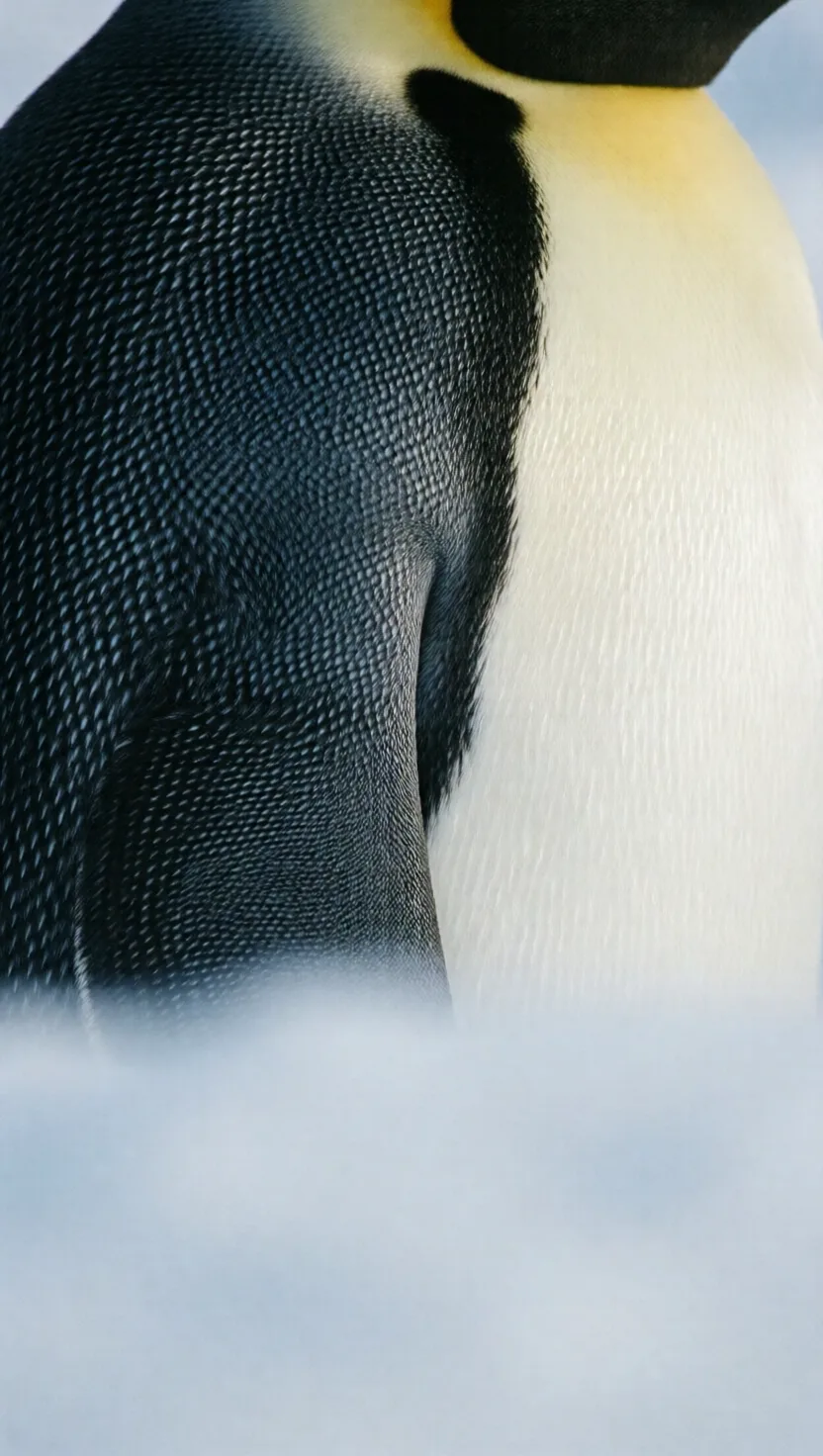
A penguin's coat looks like fur but is really thousands of short, stiff, densely packed feathers, each with a downy tuft at its base. Overlapping like roof tiles, they lock in a thin blanket of warmed air and shed water completely, working as a feathered wetsuit. Oiled and preened into place, this layer keeps the bird dry and warm in water that would kill an unprotected person in minutes.
The warmest down is gathered by hand, nest by nest

The warmest down is gathered by hand, nest by nest

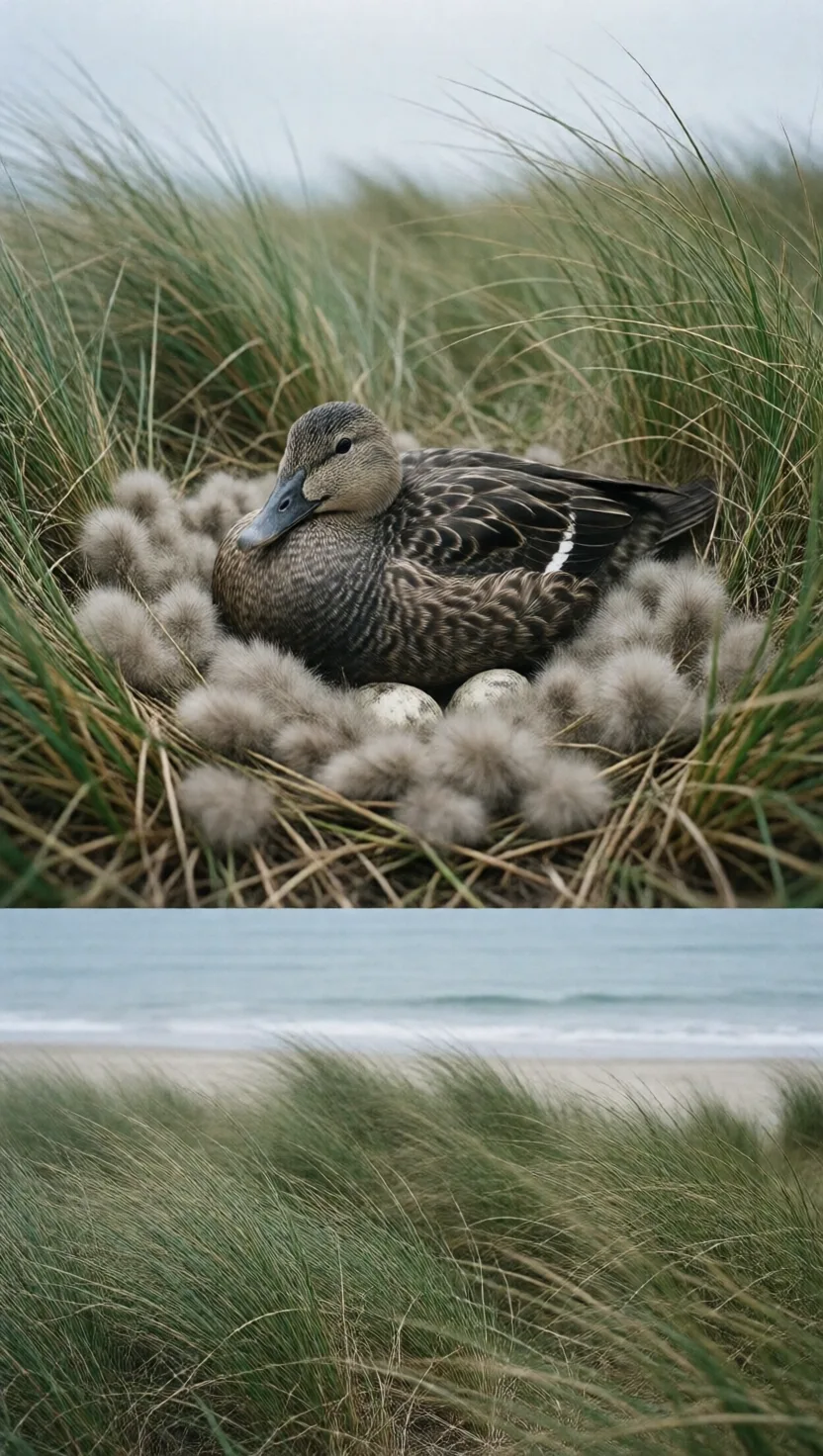
Eider ducks line their nests with down so fine that its filaments cling together into a springy three-dimensional mesh, trapping more air for its weight than any other down on Earth. It cannot be farmed: people gather it by hand from wild nests after the ducklings have left. It takes the down from about 66 nests, and some 65 hours of patient work, to fill a single kilogram.
tap →swipe ↑ for depthswipe ↓ to exit