Eight creatures that wield electricity

DC·84 Deep Cuts
The electric eel is not an eel

The electric eel is not an eel

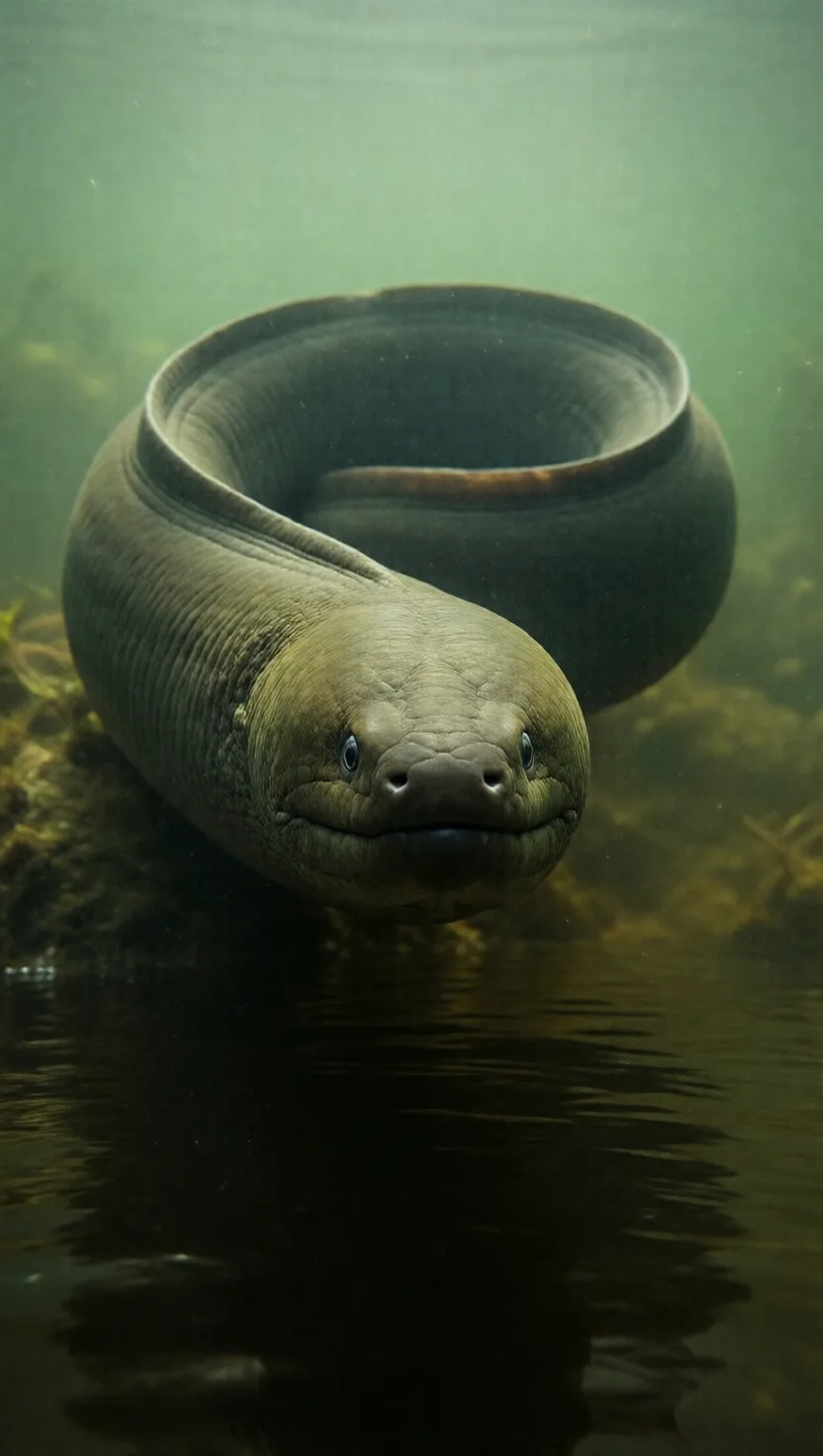
Despite the name, it is a knifefish, closer kin to catfish and carp than to any true eel. In 2019 scientists split it into three species, and one of them, named for Volta, can discharge up to 860 volts. That is the strongest jolt of any animal alive, roughly seven times a household socket, built up by thousands of tiny cells stacked end to end down the length of its body.
Cornered, the eel rises up to shock you

Cornered, the eel rises up to shock you

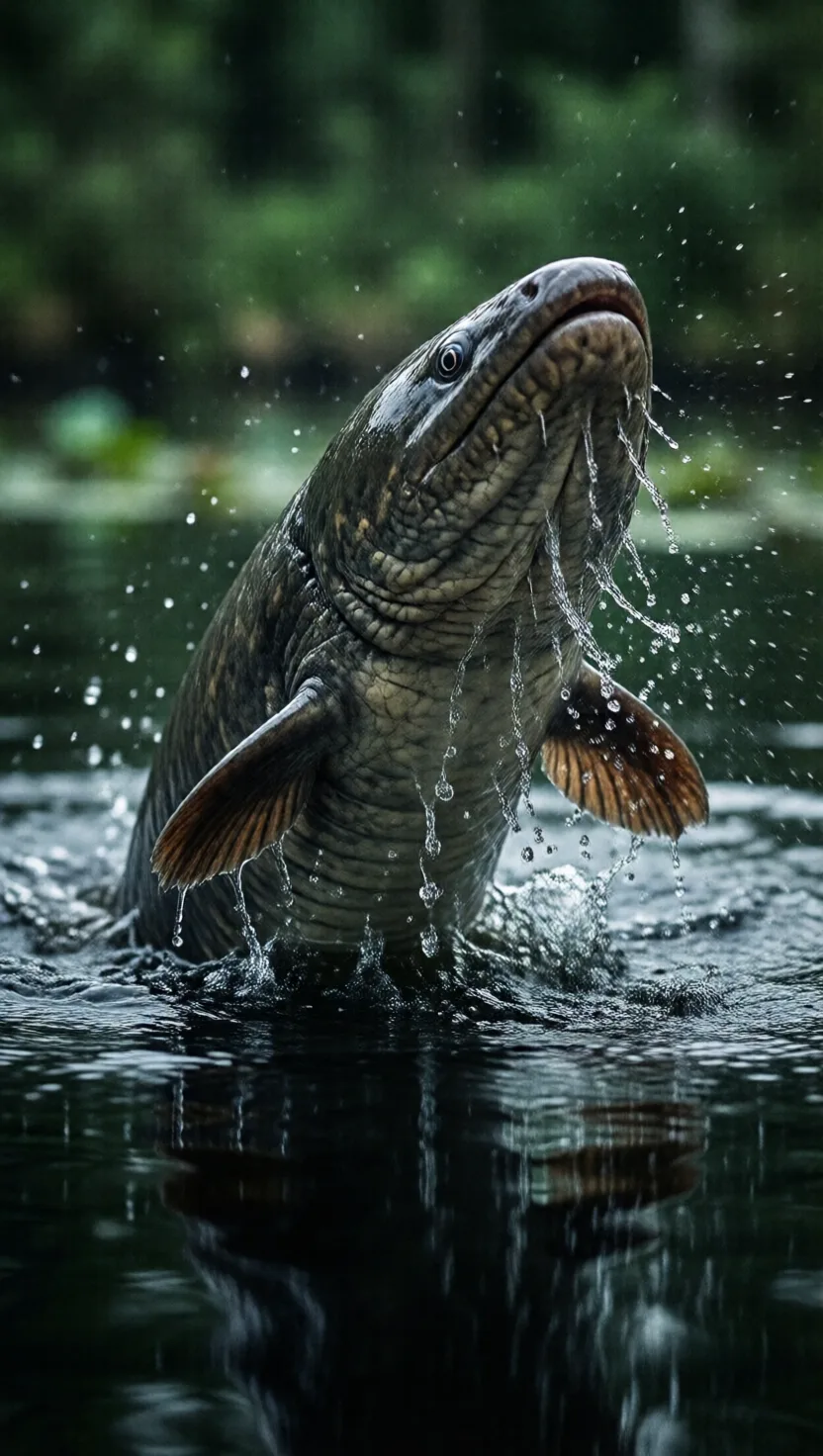
A biologist found by accident that a threatened electric eel will burst from the water and press its chin against the intruder, climbing higher to drive its current straight into the target instead of letting it bleed away into the pond. The higher it leaps, the more of the shock reaches the threat. He proved it by letting an eel strike a metal plate wired to electrical meters.
The first battery copied a living fish

The first battery copied a living fish

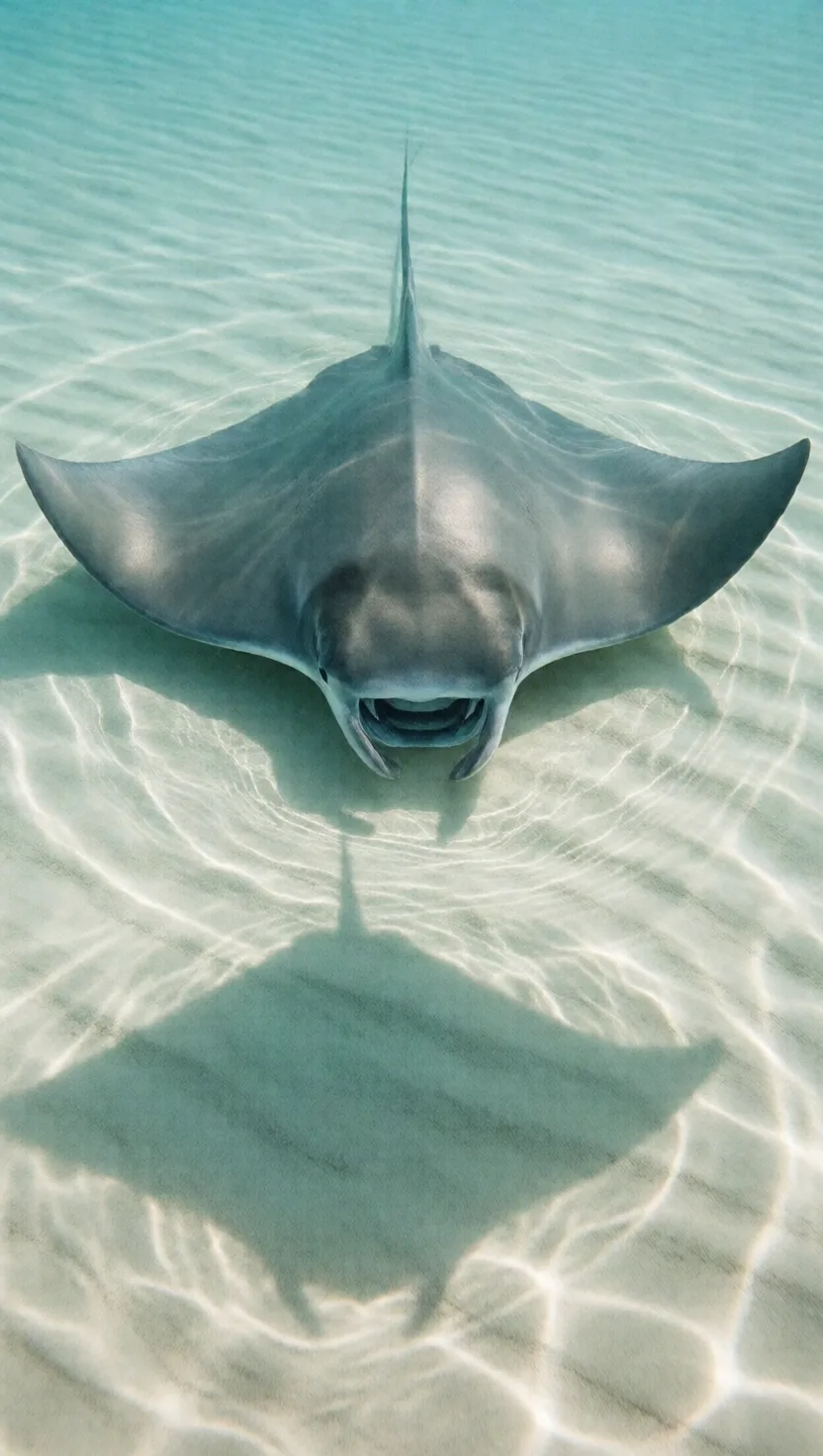
An electric ray stores its charge in electroplaques, flat cells stacked in columns like piles of coins. When Alessandro Volta built the first true battery in 1800, he stacked metal discs and brine-soaked card in the very same way and called his device an artificial electric organ. The torpedo ray had drawn up the blueprint hundreds of millions of years before any human thought of it.
The platypus hunts blind, feeling for sparks

The platypus hunts blind, feeling for sparks

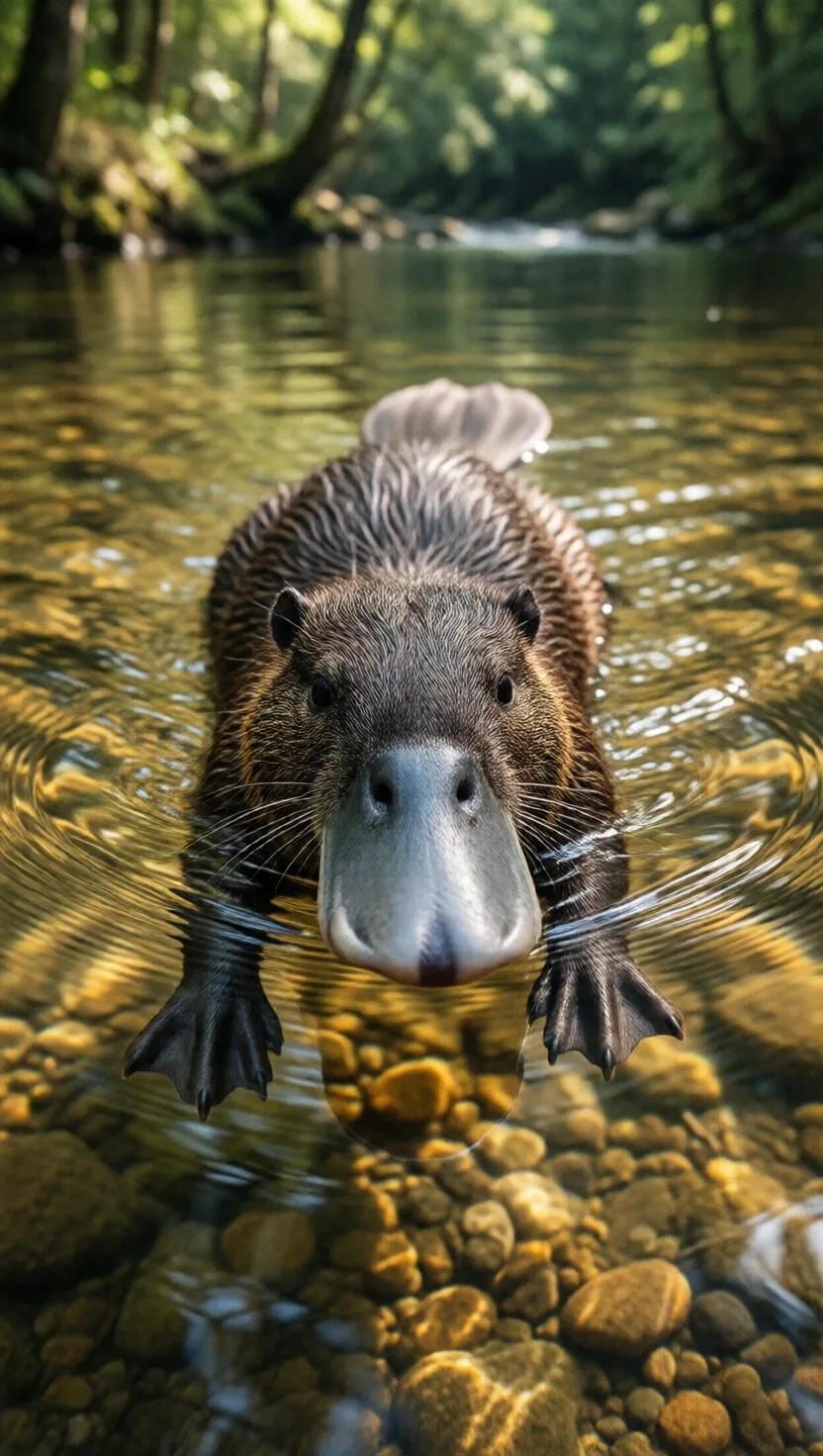
Underwater the platypus seals its eyes, ears and nostrils and hunts in complete sensory darkness. Its rubbery bill carries about 40,000 electroreceptors that pick up the faint electric fields thrown off by the muscle twitches of shrimp, worms and larvae, while separate sensors feel the push of moving water. Sweeping its head side to side, it pinpoints prey it can neither see nor smell.
A shark can feel a heartbeat in the sand

A shark can feel a heartbeat in the sand

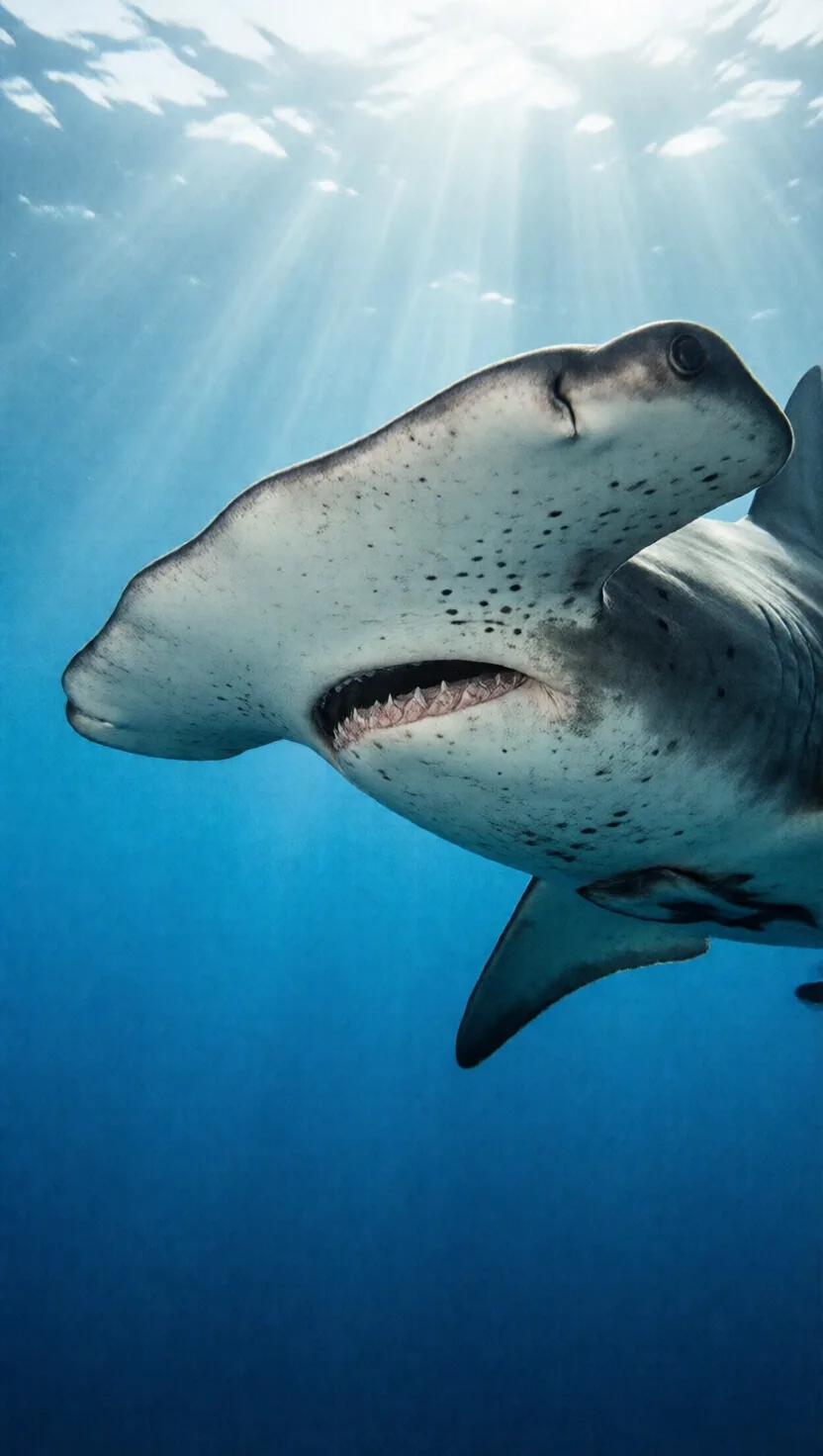
Around a shark's snout sit hundreds of jelly-filled pores called the ampullae of Lorenzini. They detect electric fields as weak as five billionths of a volt across a centimetre, the most sensitive electric sense known to science, keen enough to find a fish buried in sand by the faint current of its beating heart. It is like noticing a small battery wired across an entire ocean.
Rome's cure for gout was a live electric ray

Rome's cure for gout was a live electric ray

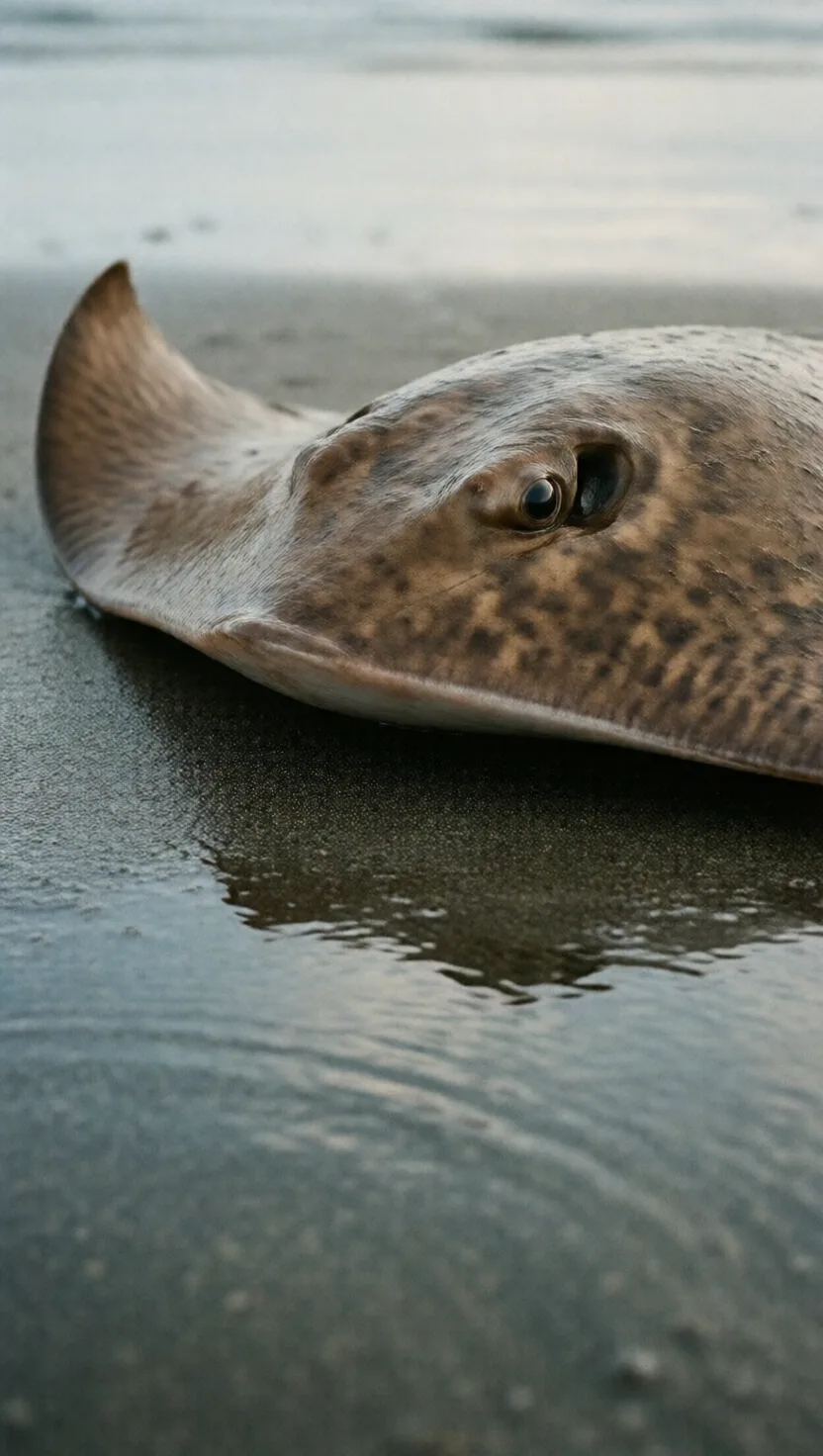
Around 47 AD the physician Scribonius Largus prescribed the torpedo, a numbing electric ray, as a painkiller. Held against the brow it dulled a stubborn headache; set under the feet it eased the burning of gout, each jolt leaving the skin numb. It was a form of electric shock therapy practised nearly two thousand years before anyone could build a machine capable of making a current.
This fish talks in pulses of electricity

This fish talks in pulses of electricity

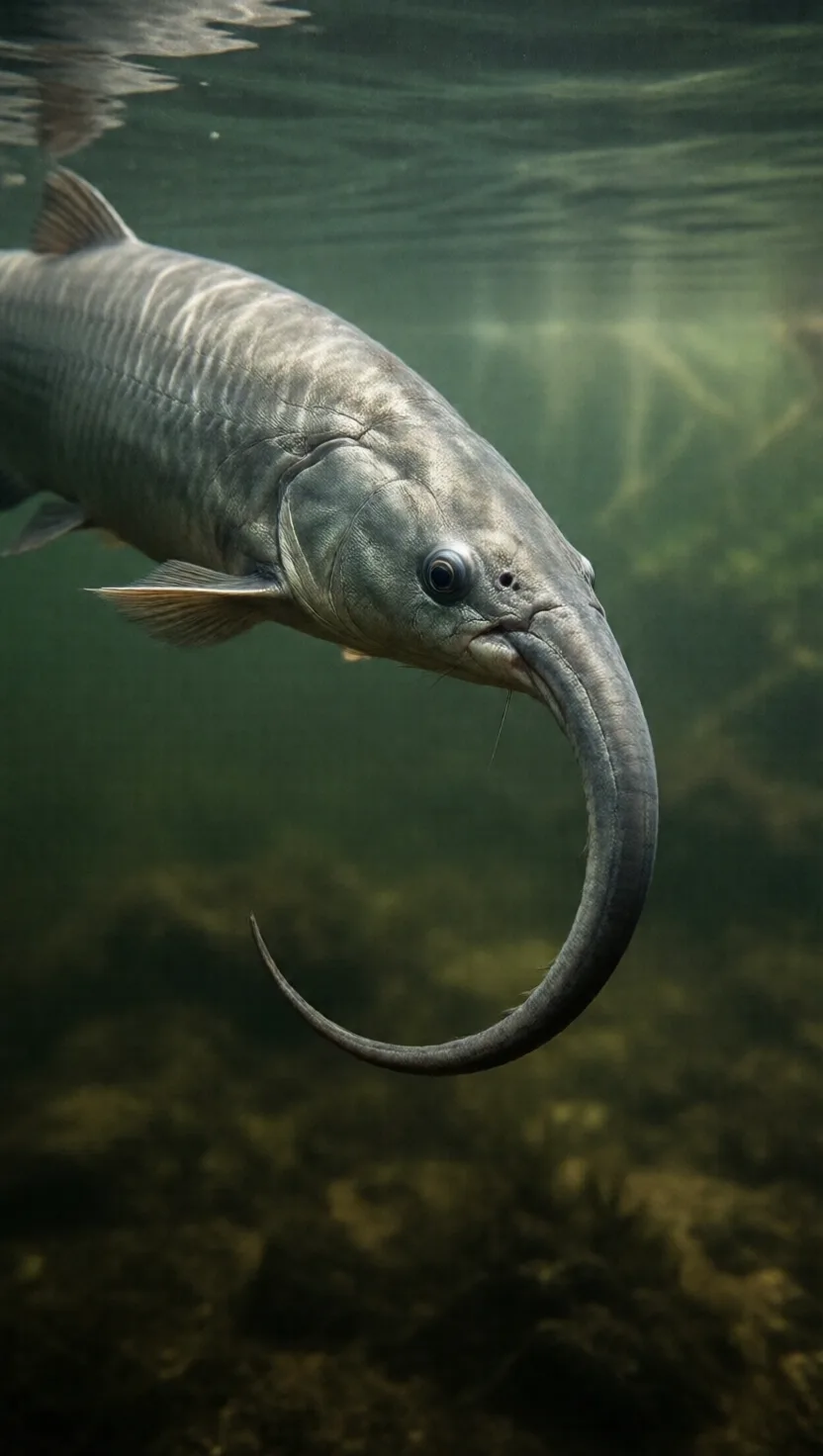
The elephantnose fish of African rivers floods the muddy water with a weak electric field and reads the ripples it makes, navigating like a bat in the dark. Each species, and even each individual, carries its own signature pulse, and the rhythm of those pulses signals aggression, courtship or submission. It is a private electric language flowing through water far too cloudy to see in.
Ancient Egyptians carved this shocking fish

Ancient Egyptians carved this shocking fish

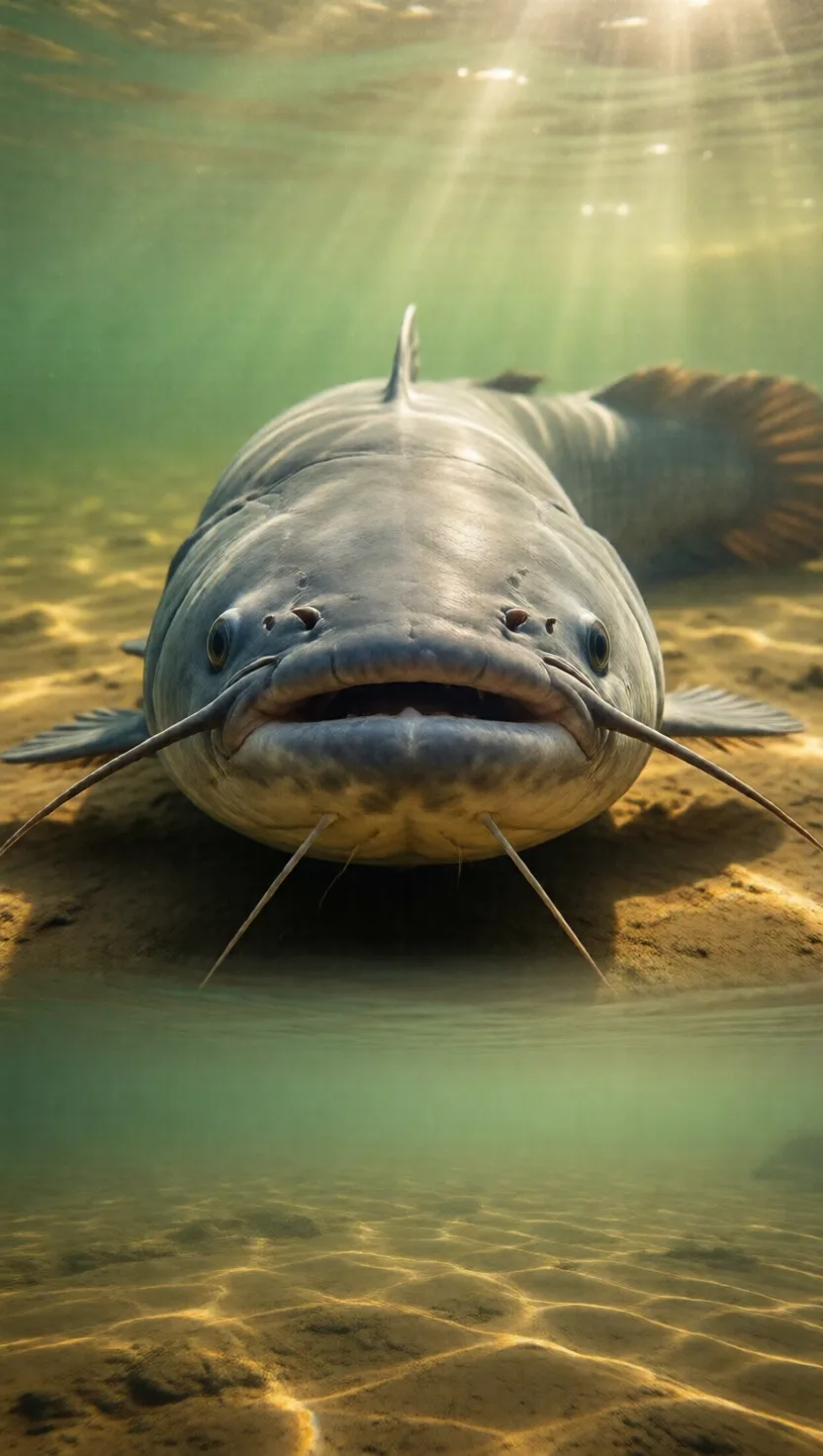
The electric catfish can deliver a jolt of up to 350 volts from an organ wrapped around its whole body. Egyptians knew it well: it appears, unmistakable, in a carved relief inside the tomb of Ti at Saqqara made around 2750 BC, one of the oldest known pictures of an electric animal. Fishermen along the Nile learned the hard way which catch in the net could knock a person flat.
tap →swipe ↑ for depthswipe ↓ to exit