Eight things a tongue can do

DC·83 Deep Cuts
A tongue that fires at 264 g

A tongue that fires at 264 g

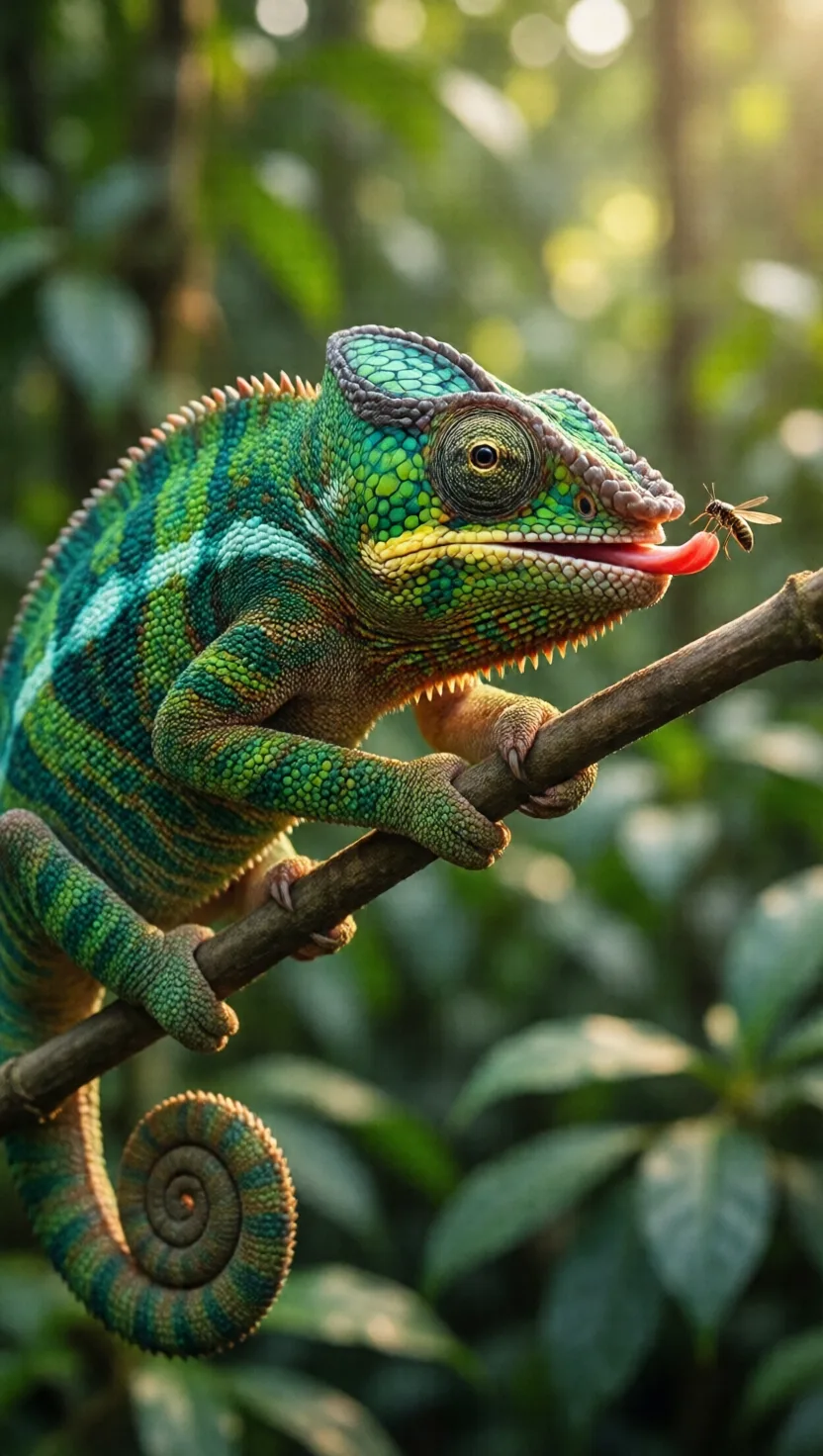
A chameleon's tongue isn't muscle-powered like ours. A ring of muscle compresses sheaths of collagen around a bony spike, then releases them like a loosed crossbow. In tiny rosette-nosed chameleons, the launch hits about 264 times the acceleration of gravity, faster than any car, and the sticky tip can reach 2.5 times the animal's body length to snatch an insect in a hundredth of a second.
This tongue is nearly half a metre long

This tongue is nearly half a metre long

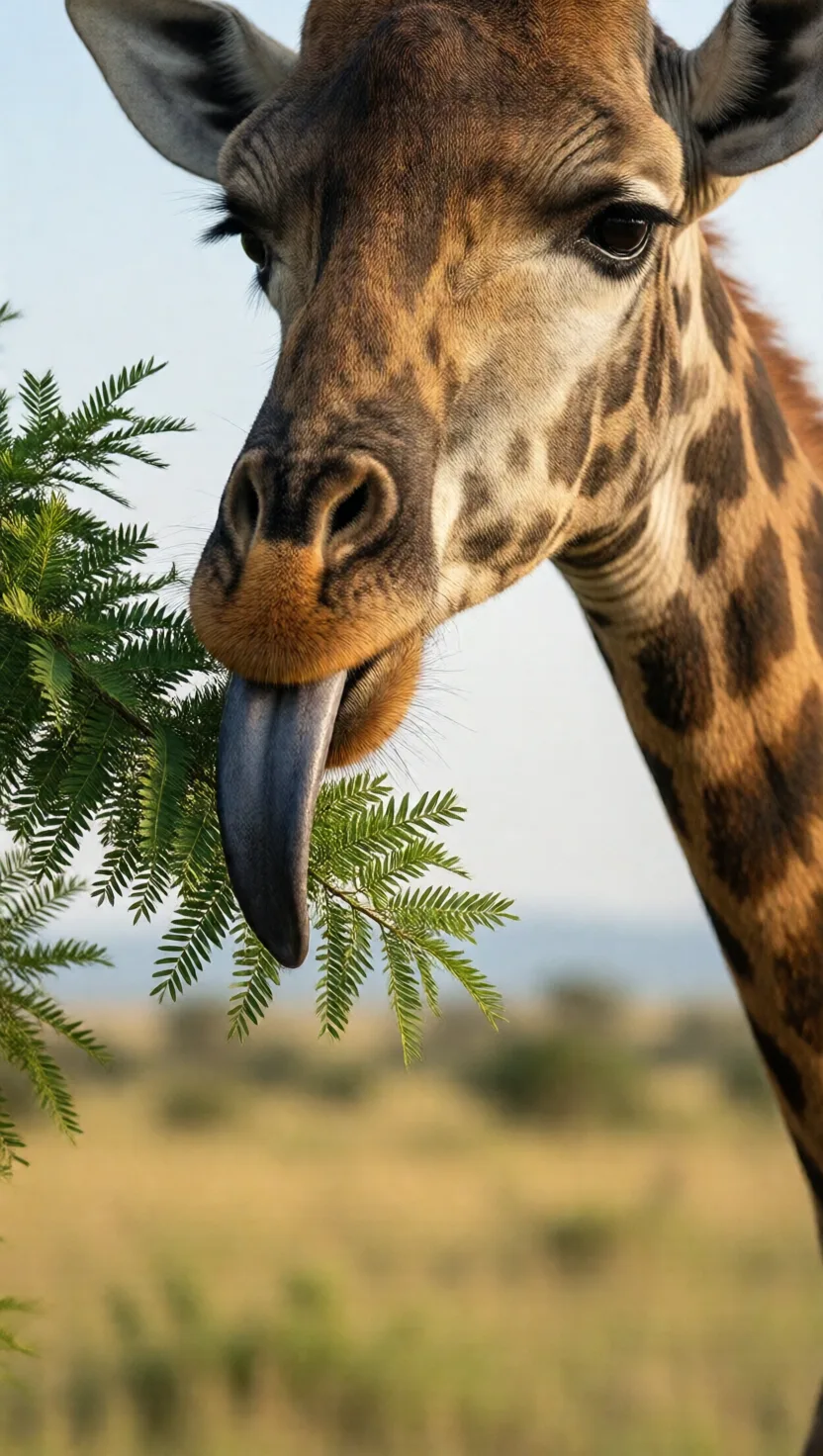
A giraffe browses among acacia thorns by reaching past them, not biting through. Its prehensile tongue stretches 45 to 50 centimetres and works like a careful extra hand, wrapping around twigs to strip leaves while dodging the spines. The dark, almost purple-black front colouring sets it apart from the pink base, a striking feature even biologists are still puzzling over.
Its tongue is longer than its whole body

Its tongue is longer than its whole body

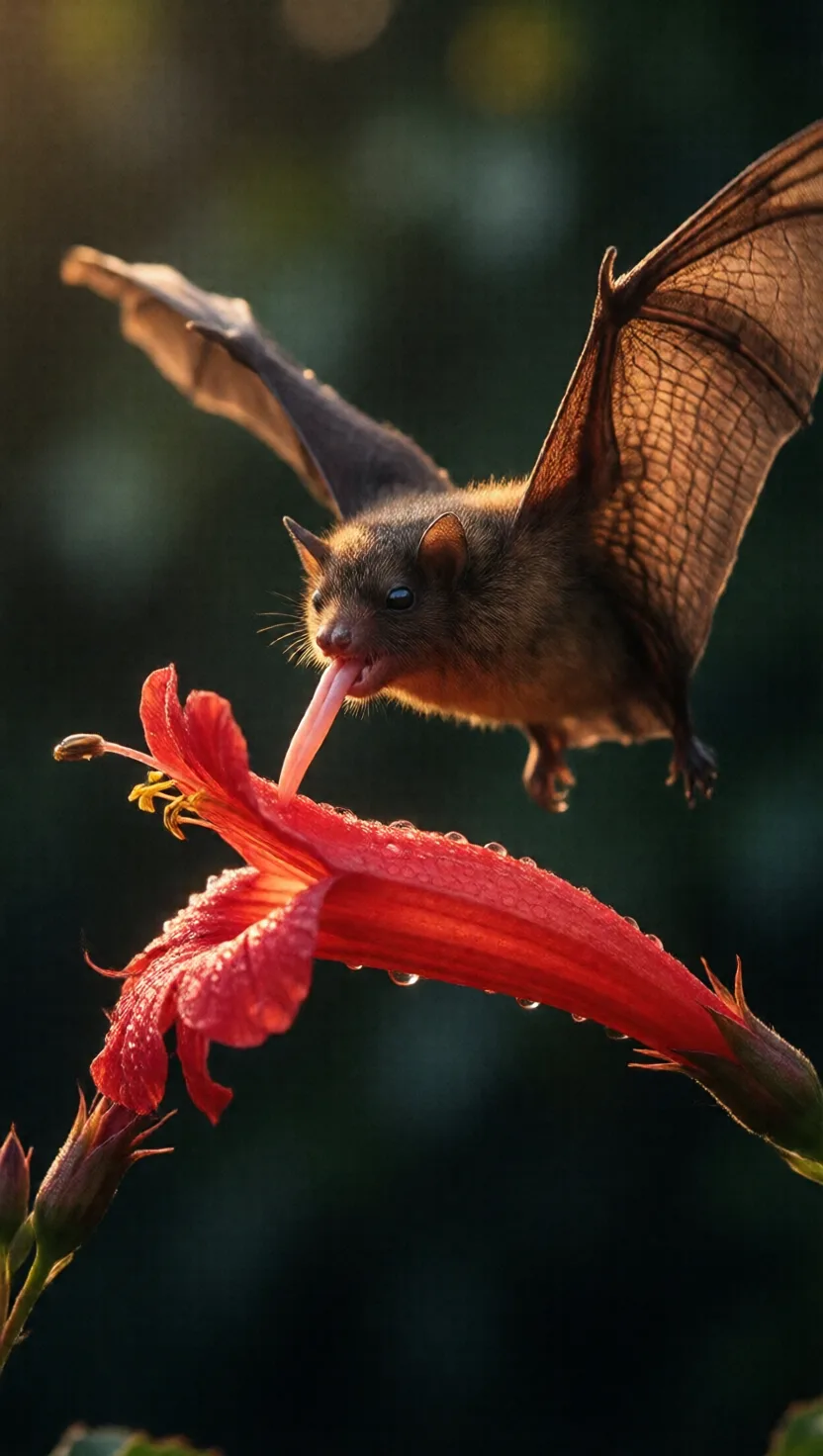
The tube-lipped nectar bat of the Andes feeds from a deep, narrow flower no other animal can drain. To reach the nectar, it evolved a tongue about 8.5 centimetres long, roughly 150 percent of its head-and-body length, the longest of any mammal relative to size. The tongue is so long it has nowhere to fold inside the mouth, so its base is stored down in the ribcage, between the heart and the sternum.
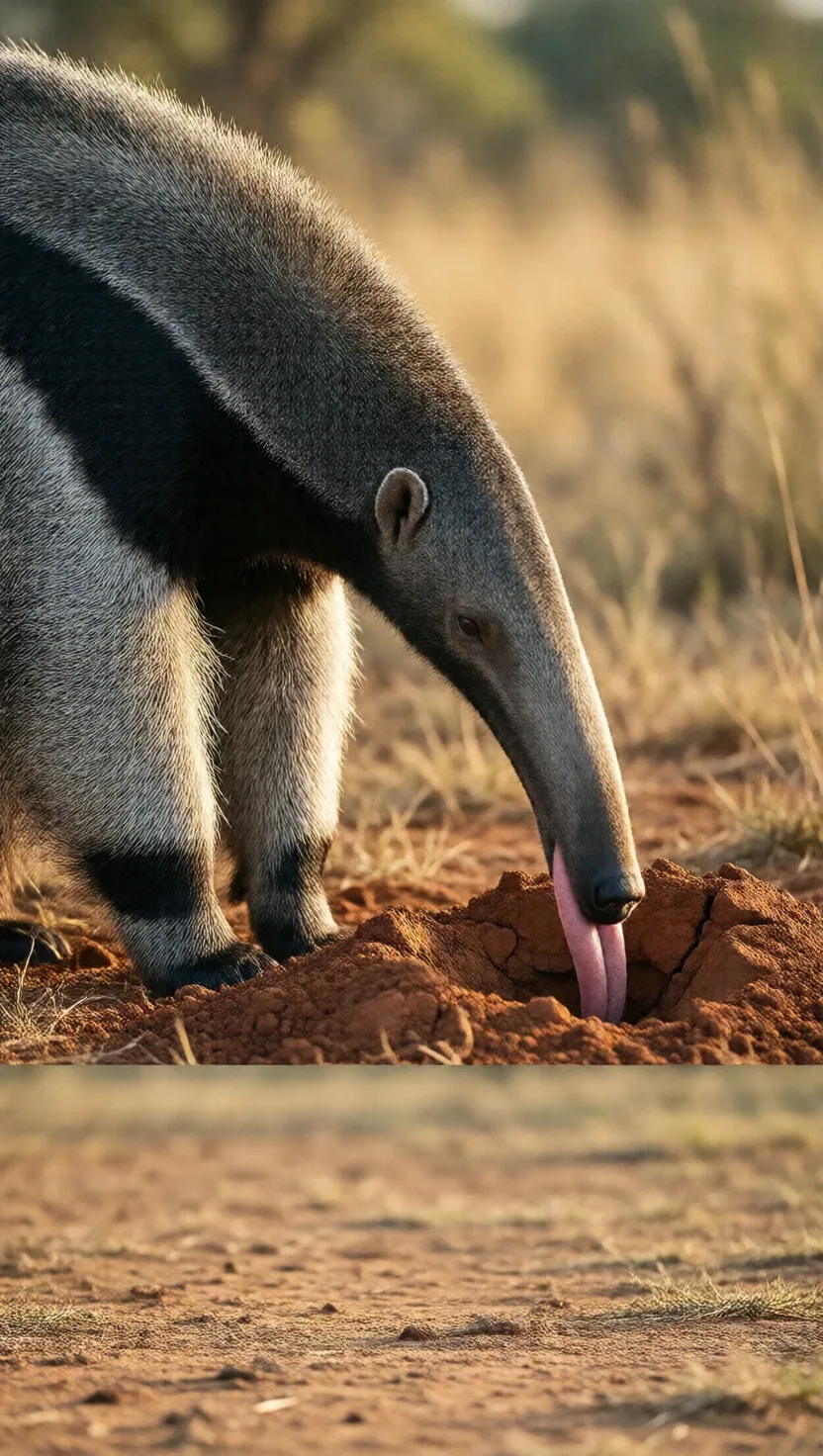
Flicks 150 times a minute, anchored to the chest

Flicks 150 times a minute, anchored to the chest

A giant anteater has no teeth, so its tongue does everything. Reaching about 60 centimetres, longer than its own skull, it is anchored not to the throat like ours but to a muscle running down to the breastbone, which lets it shoot deep into a termite mound. Coated in sticky saliva, it darts in and out as fast as 150 times a minute, trapping thousands of insects in a single feeding.
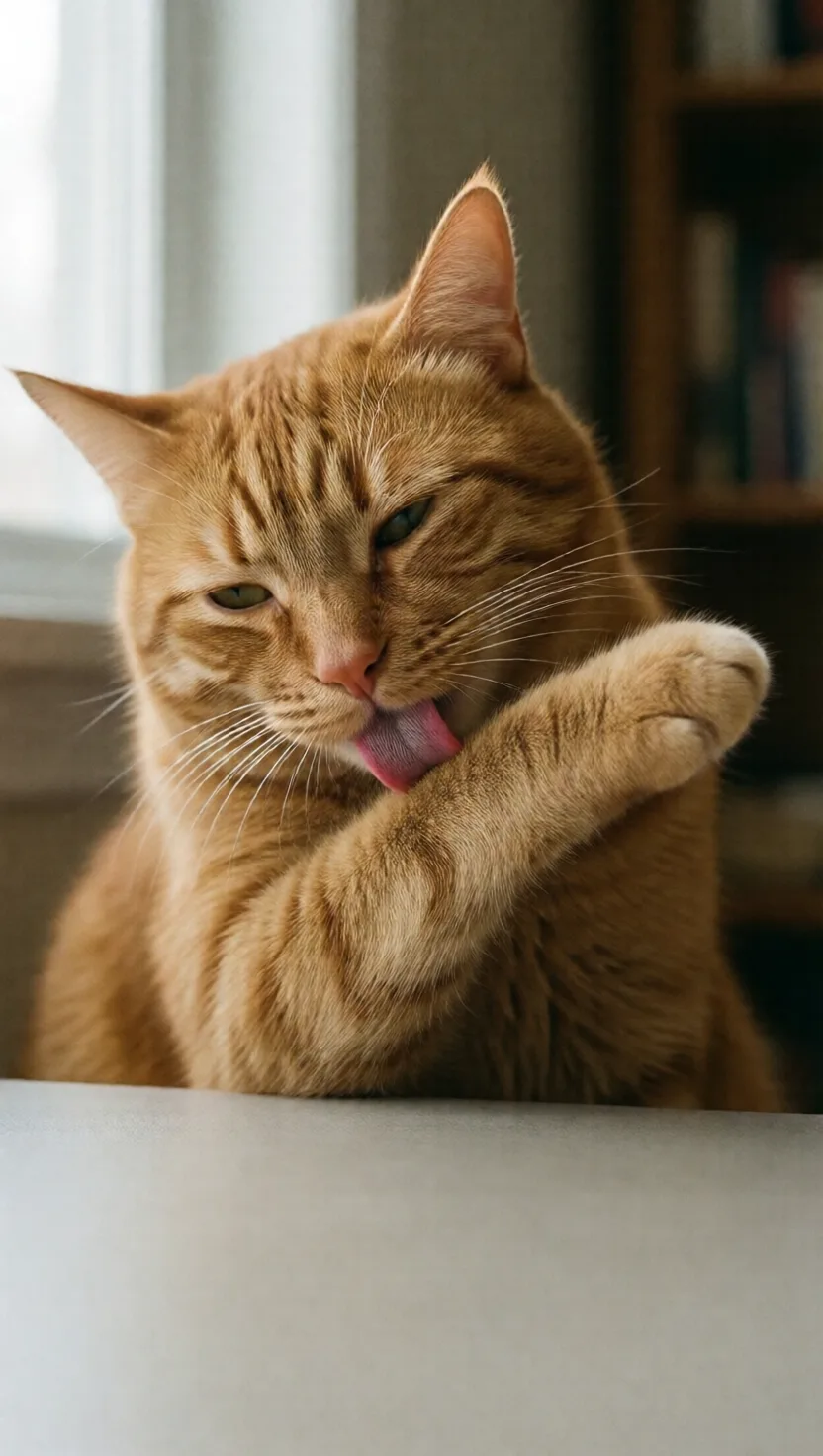
Nearly 300 tiny hollow scoops

Nearly 300 tiny hollow scoops

A cat's tongue feels like sandpaper because it is covered in roughly 290 backward-facing spines made of keratin, the same material as our fingernails. Each spine is hollow and scoop-shaped, so it draws saliva up by surface tension and then releases it deep into the fur during grooming. That wicking action cleans the coat and helps the cat stay cool as the spit evaporates.
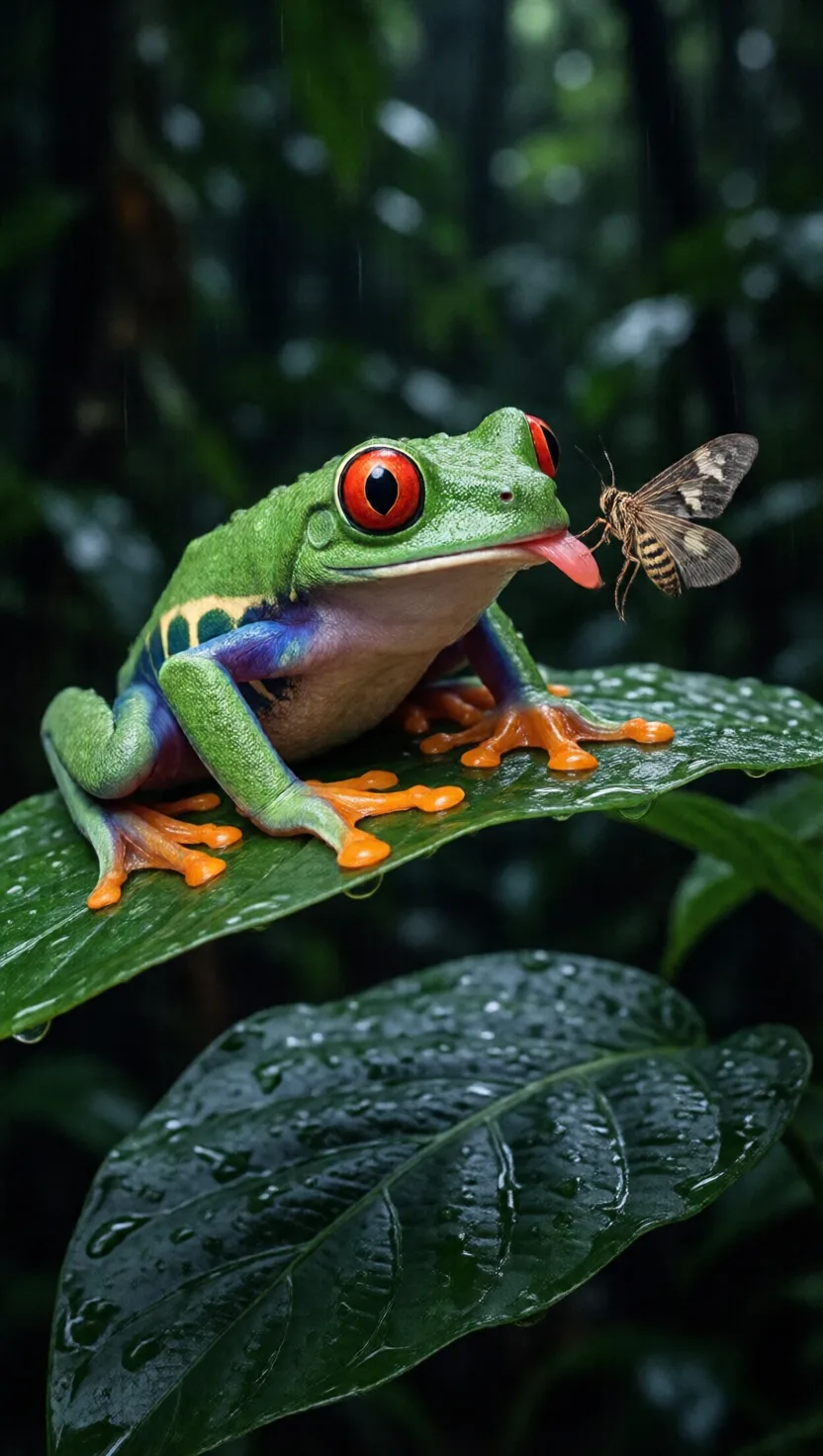
Spit that flips from water to glue

Spit that flips from water to glue

A frog catches prey with a tongue about ten times softer than a human's, soft enough to deform around an insect like memory foam and store energy as it stretches. Its saliva is the clever part: on impact it runs thin and watery to flood every crevice, then thickens to grip like honey on the snap back, and turns watery again to release the meal inside the mouth.
Not a straw, a tiny pump at 20 licks a second

Not a straw, a tiny pump at 20 licks a second

For nearly two centuries people thought hummingbirds drank nectar by capillary action, simple wicking up a tube. High-speed film proved otherwise. The forked tongue tip is squeezed flat by the beak, and when it touches nectar the grooves spring open and pull the fluid up like an elastic micropump. That trap-and-release mechanism lets the bird lap a flower up to 20 times per second.
A forked tongue smells in stereo

A forked tongue smells in stereo

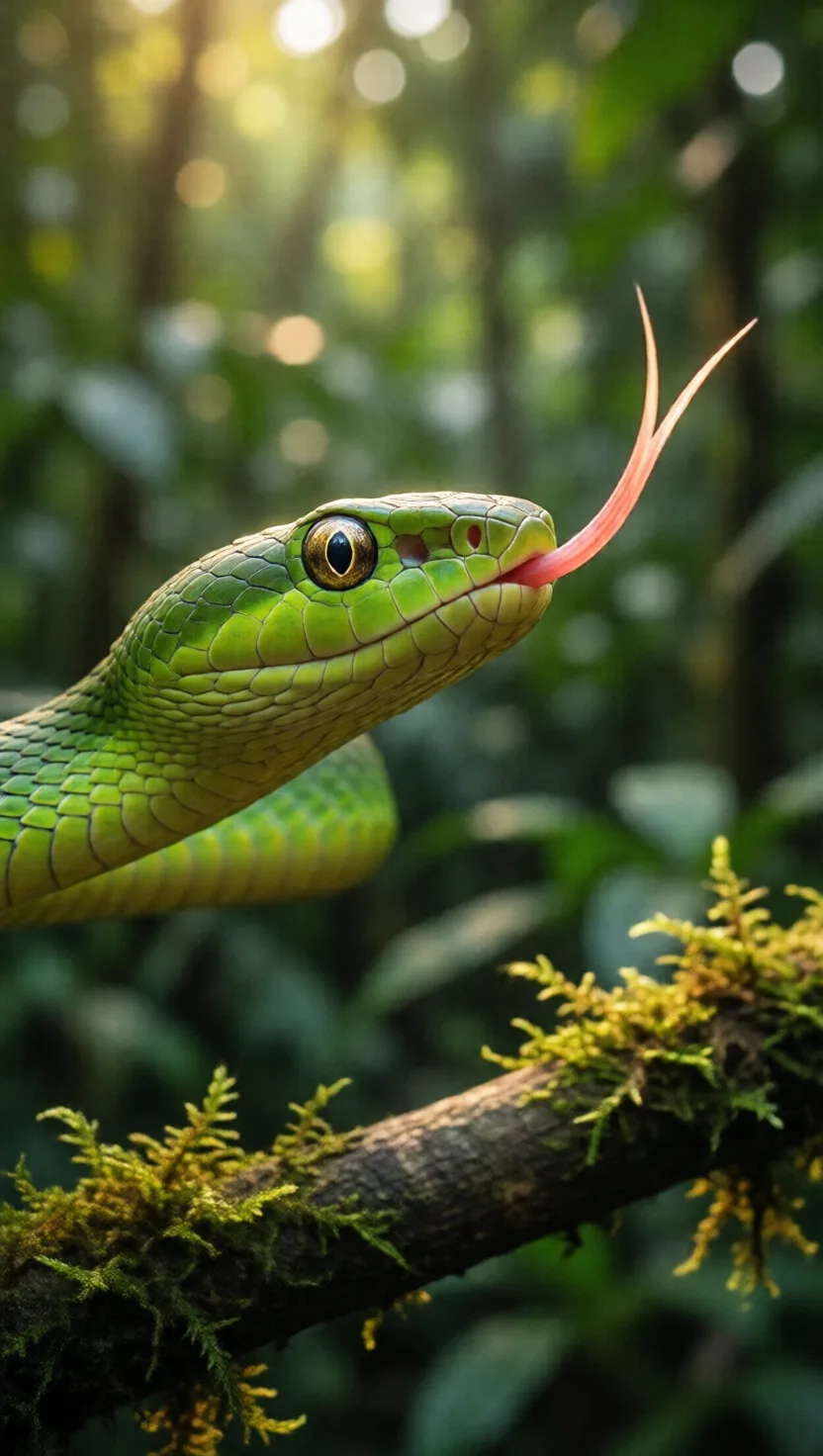
A snake's flicking tongue does not taste, it gathers scent particles from the air and ground and delivers them to a sensory organ in the roof of the mouth. The fork is the trick: the two tips spread apart to sample two points at once, so if the right tip picks up a stronger scent than the left, the snake knows the trail leads right. It smells direction, the way two ears hear it.
tap →swipe ↑ for depthswipe ↓ to exit