Eight things that refuse to let go

DC·82 Deep Cuts
A gecko sticks with zero glue and zero suction

A gecko sticks with zero glue and zero suction

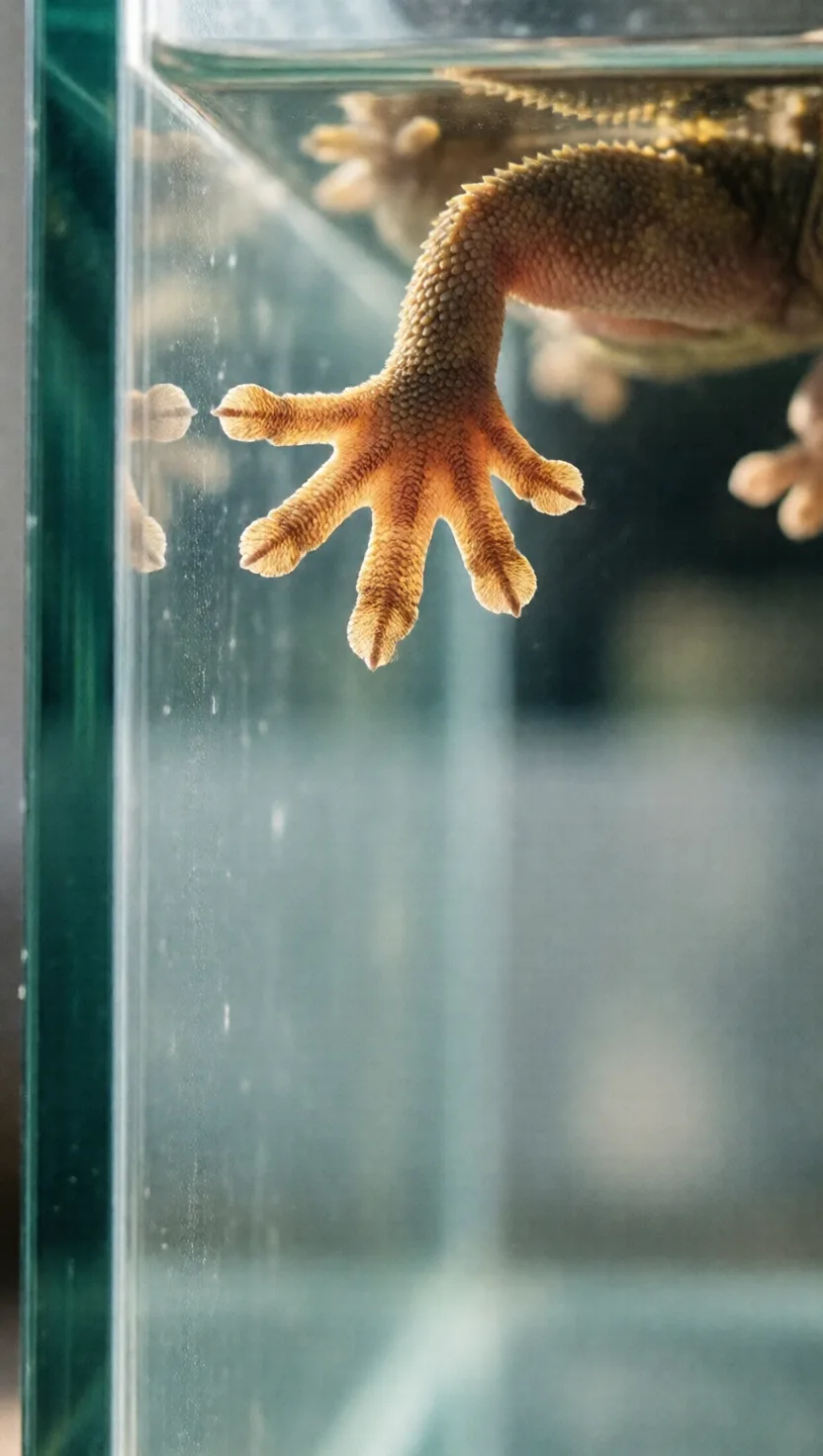
A gecko's foot is covered in roughly half a million microscopic hairs called setae, each splitting into about a thousand even finer tips, adding up to around a billion contact points per foot. They use neither glue nor suction. Instead the tips get so close to a surface that faint molecular attractions, van der Waals forces, take hold. A 2002 study showed a single hair gripped equally well on water-loving and water-hating surfaces, meaning the trick would even work in a vacuum.
This shell glues itself down with wet-proof protein

This shell glues itself down with wet-proof protein

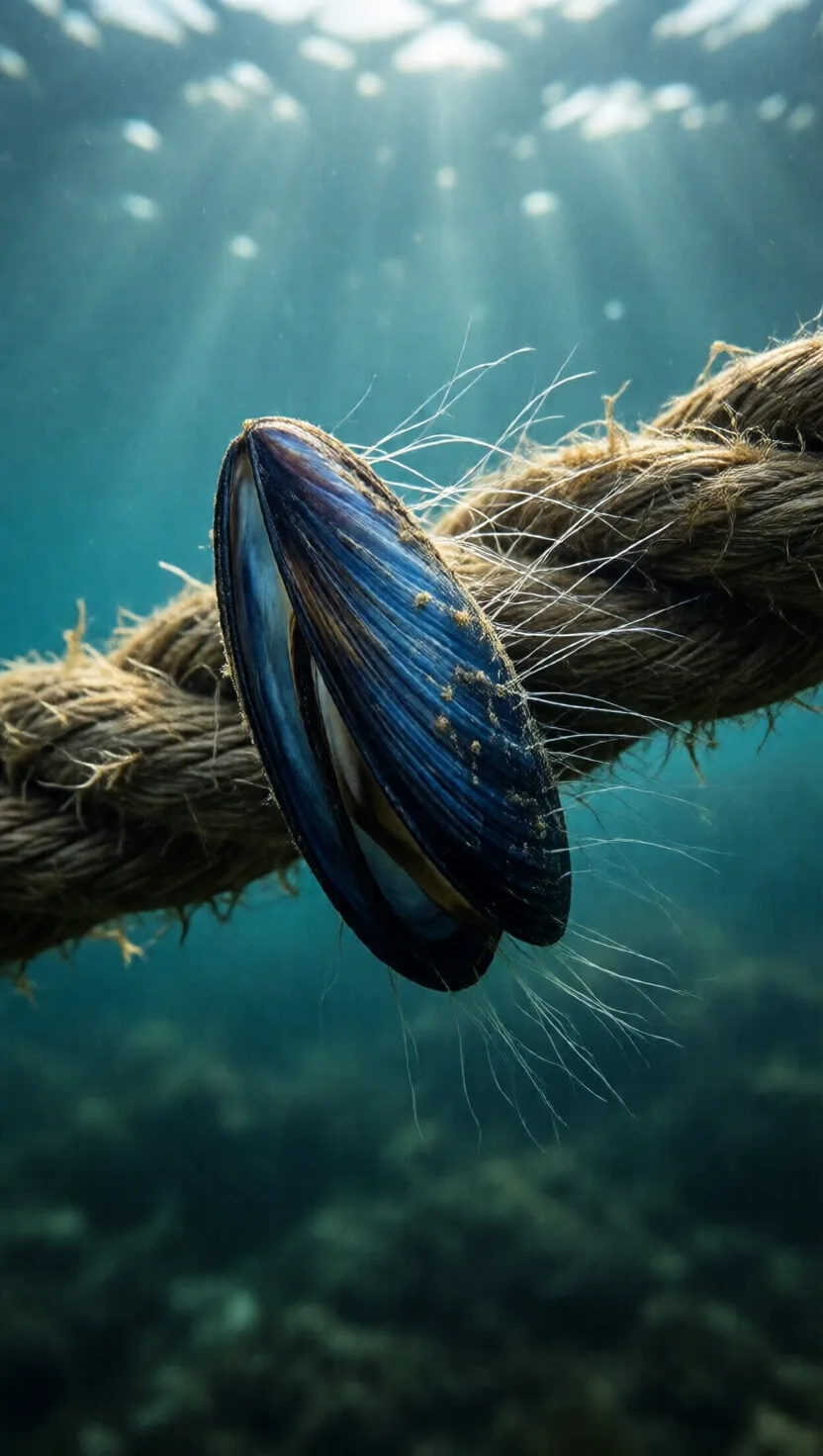
A mussel anchors to wet, wave-battered rock with a bundle of fine threads tipped by sticky plaques. The glue's secret is an unusual building block called DOPA, whose catechol chemistry shoves seawater off a surface and bonds straight to it, then hardens in place underwater. Most household glues fail when wet, which is why this protein adhesive, curing while fully submerged, has become a model for surgical and marine bonding research.
A barnacle's cement sets hard underwater

A barnacle's cement sets hard underwater

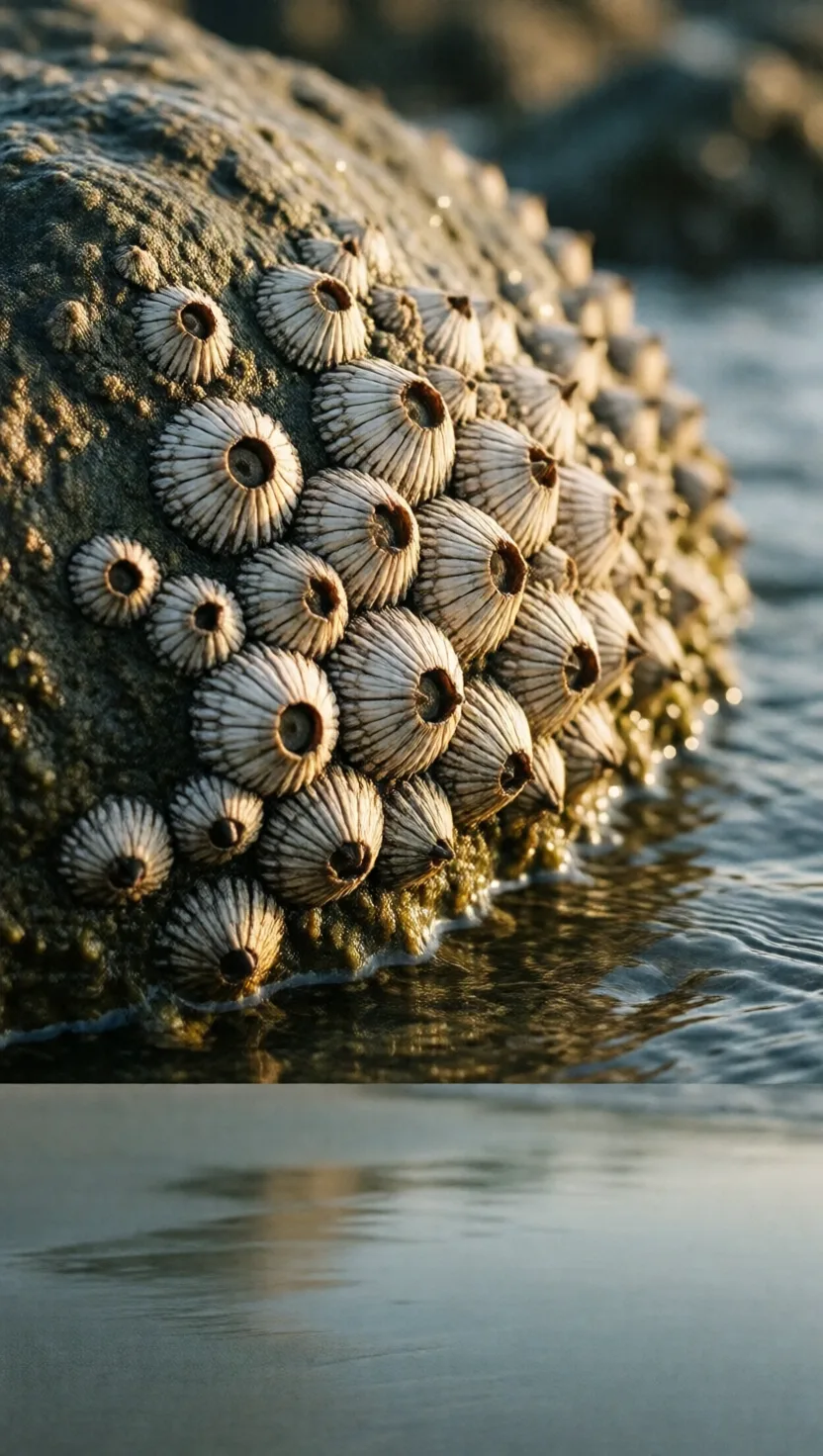
Once a barnacle picks its spot, it never moves again, gluing itself down for life with a protein cement that hardens in seawater. Measured bonds reach roughly 0.9 megapascals on hard natural surfaces, gripping strongest exactly where the household glues in your drawer would simply slide off. Because it cures while submerged and resists peeling, this cement is one of nature's most studied underwater adhesives.
This worm mixes underwater cement that sets in 30 seconds

This worm mixes underwater cement that sets in 30 seconds

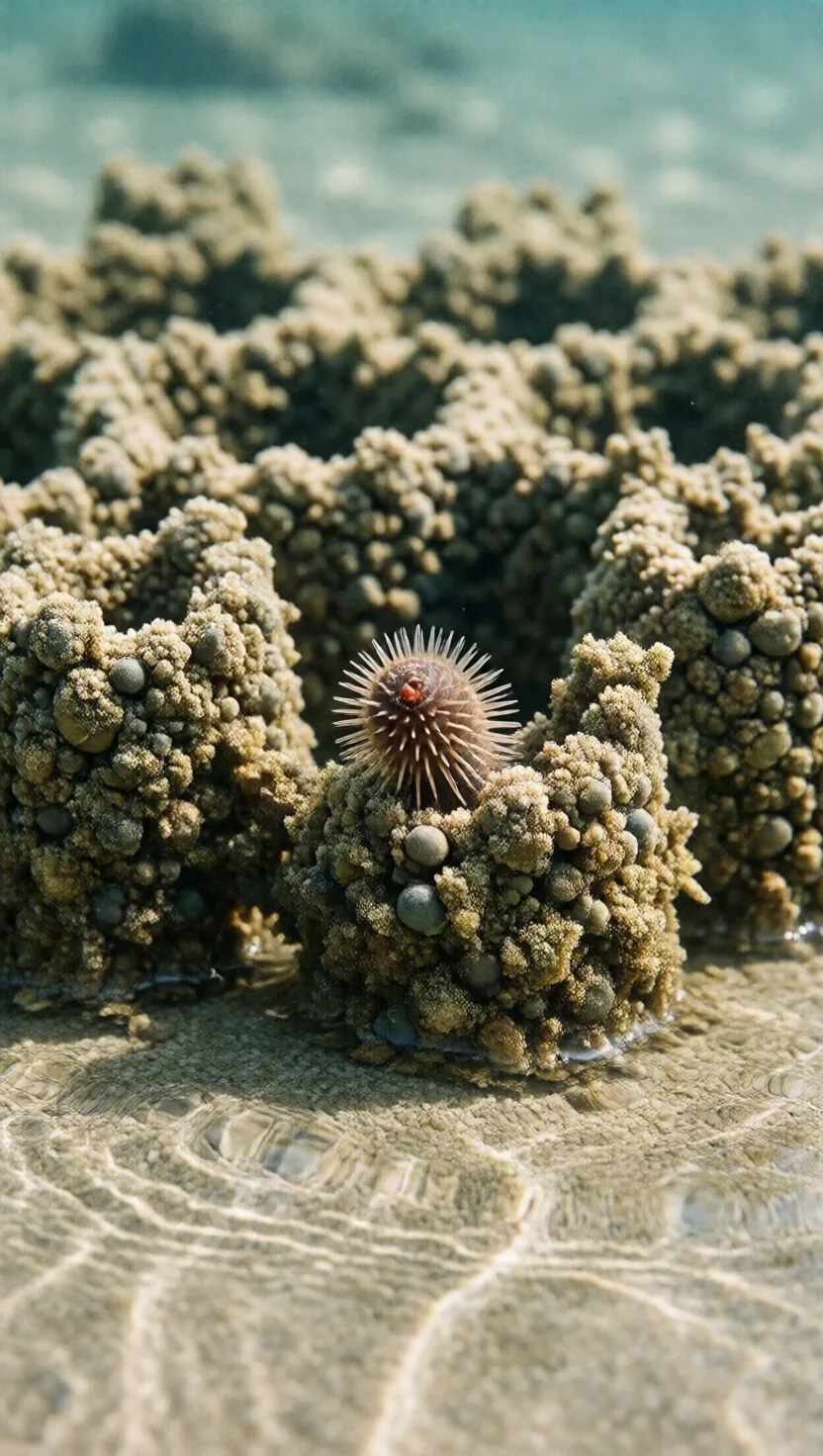
The sandcastle worm builds its tube one grain at a time, dabbing each piece of sand with a two-part protein cement squeezed out underwater. As the glue meets seawater the sudden jump in acidity triggers it, and it firms into a tough, leathery solid in about 30 seconds, then keeps curing for hours. Reef after reef of these glued grains can fuse into honeycombed mounds the size of a car.
It fires glue at 5 metres a second to net dinner

It fires glue at 5 metres a second to net dinner

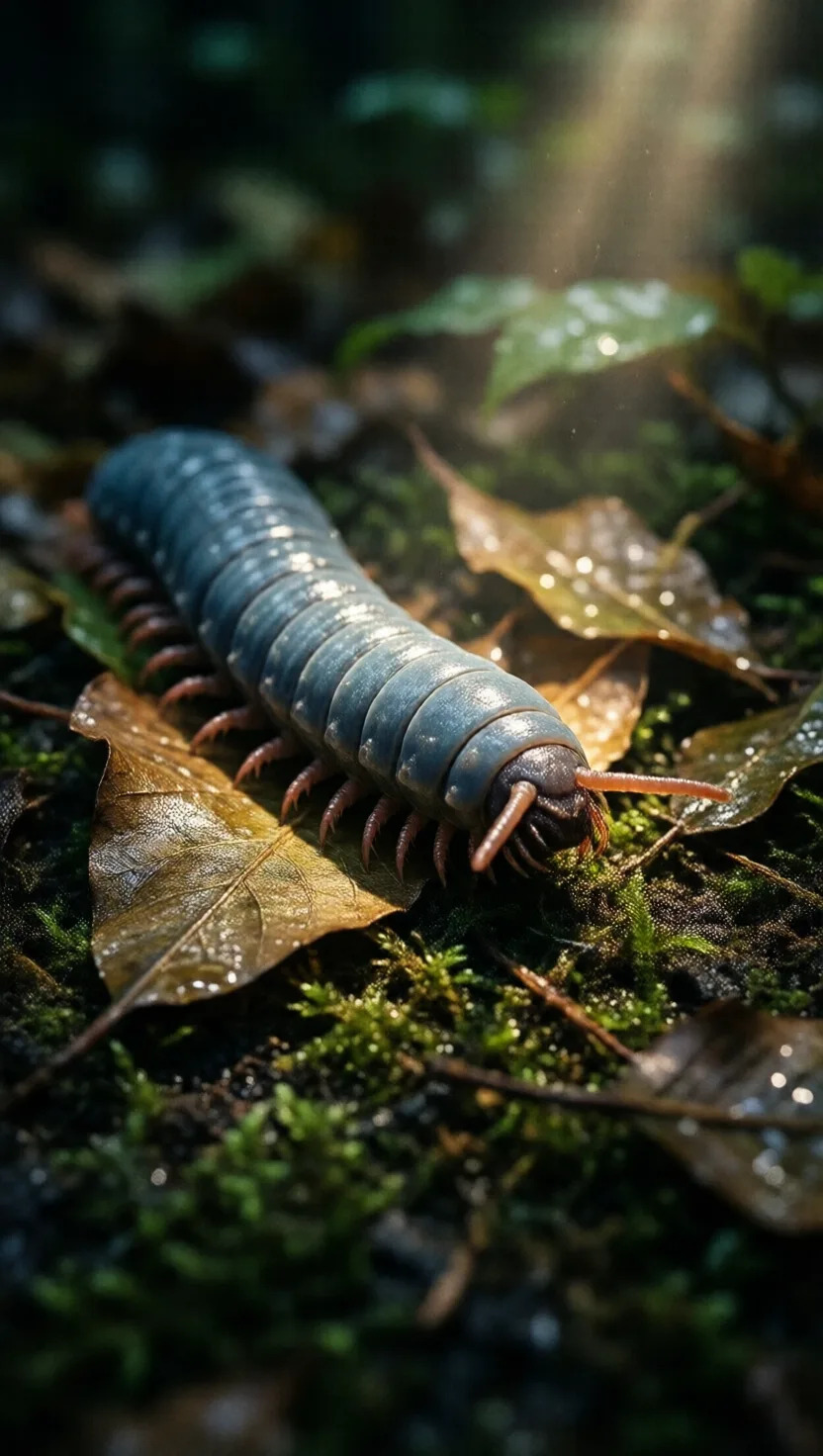
The velvet worm hunts by squirting twin jets of slime from nozzles beside its mouth at up to about 5 metres per second, whipping them side to side as they fly. The liquid threads wrap over the prey and, within seconds, harden from watery goo into a glassy, gluey net that pins the victim down. The worm then ambles over to feed, and later recycles the dried slime by eating it.
Snail slime is glue and grease at the same time

Snail slime is glue and grease at the same time

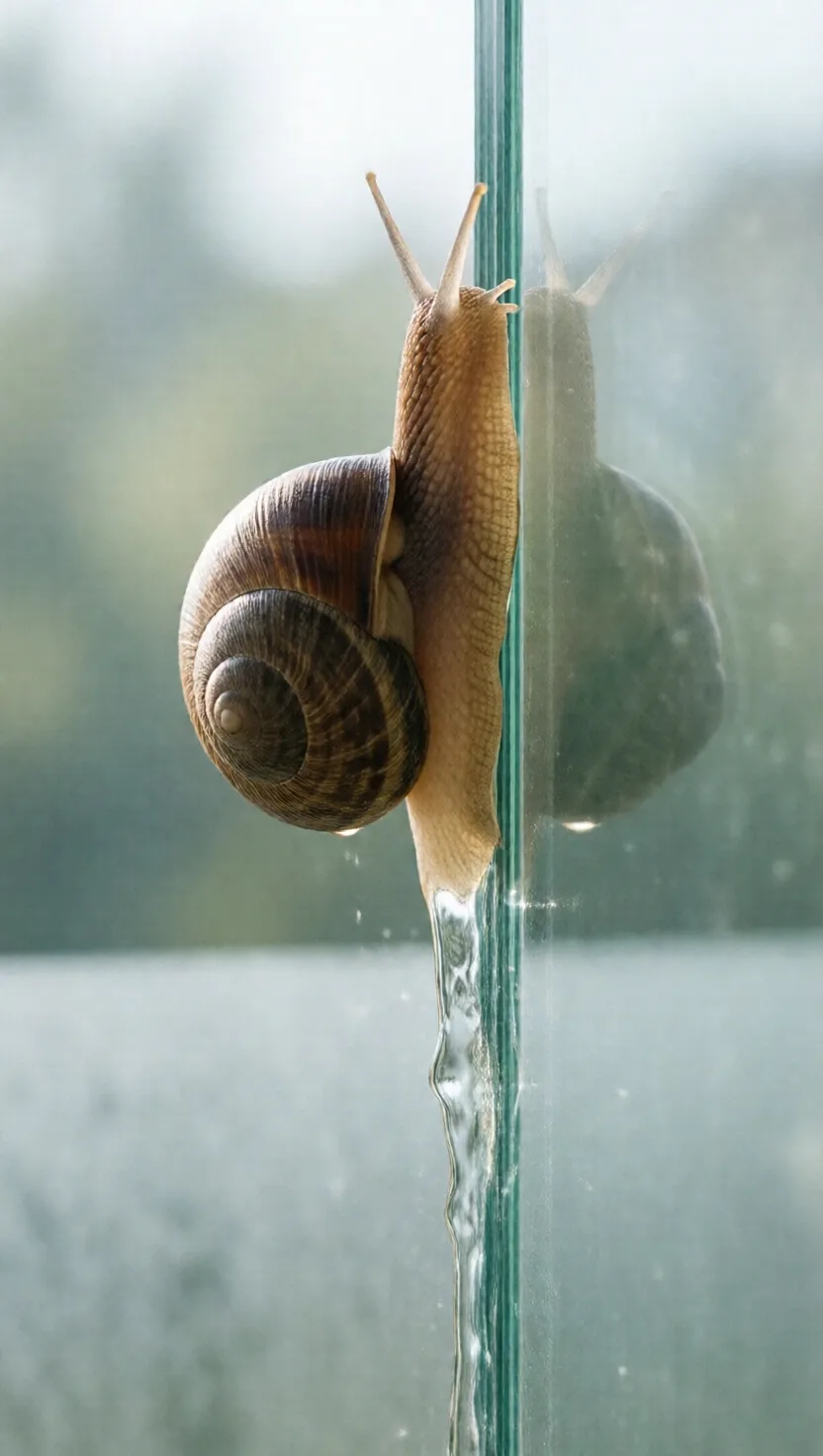
A snail crawls on a thin layer of mucus that does two opposite jobs at once. At rest it behaves like a solid glue, holding the animal fast to a vertical wall or even upside down. Press or shear it, as the muscular foot does in a moving wave, and it instantly liquefies to a slippery lubricant, then sets again the moment the force lifts. The trick is its makeup: 91 to 98 percent water held in a sparse web of large sugar-proteins.
This berry's goo stretches from a thumbnail to two metres

This berry's goo stretches from a thumbnail to two metres

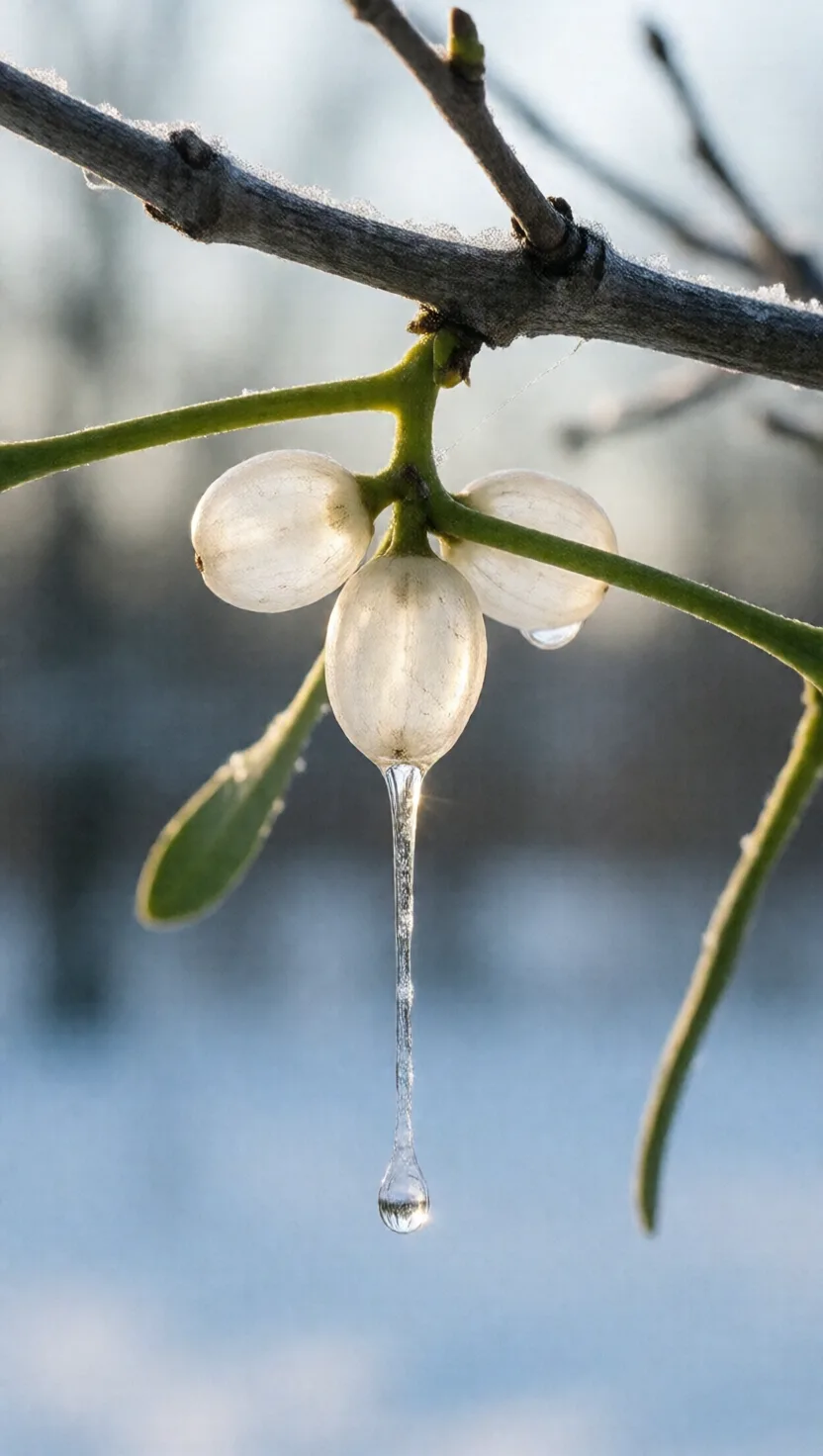
Crush a mistletoe berry and the seed comes wrapped in viscin, a clear sticky goo threaded with coiled cellulose fibres. Pull it and a blob about half a centimetre across can be drawn out into a thread over two metres long, then it dries stiff like cement. In the wild this glues seeds to a bird's beak or to a branch, where the next mistletoe takes root. The same fibres bond skin, wood and metal, making it of interest as a natural adhesive.
The oldest known glue is 200,000-year-old birch tar

The oldest known glue is 200,000-year-old birch tar

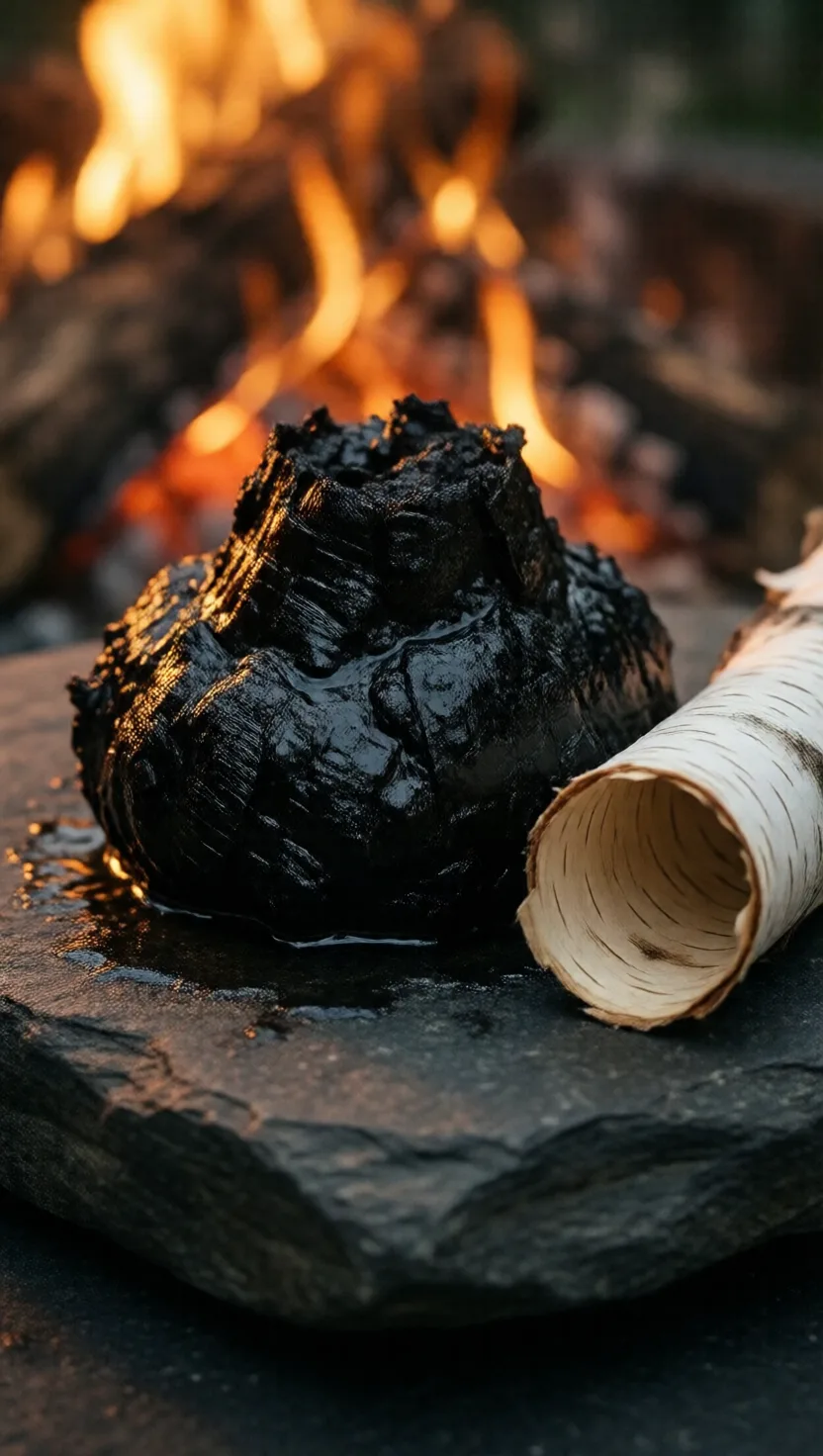
The earliest adhesive ever found is not a modern invention but birch-bark tar, made by Neanderthals as far back as about 200,000 years ago. Heating curls of white birch bark without much air drives out a dark, gummy pitch that cools into a hard, waterproof glue, used to fix stone points onto wooden handles. Making it takes real know-how, evidence that this kind of planning ran deep in our distant relatives.
tap →swipe ↑ for depthswipe ↓ to exit