Eight things that bite, sting, and inject

DC·81 Deep Cuts
Only the males carry a venomous heel-spur

Only the males carry a venomous heel-spur

Male platypuses grow a hollow, hardened spur on each hind ankle, fed by a gland that swells in the breeding season so rivals can be jabbed during mating fights. The venom won't kill a person, but the pain is extreme and can linger for days to weeks. In a documented 1991 case the wound's pain did not respond to morphine at all.
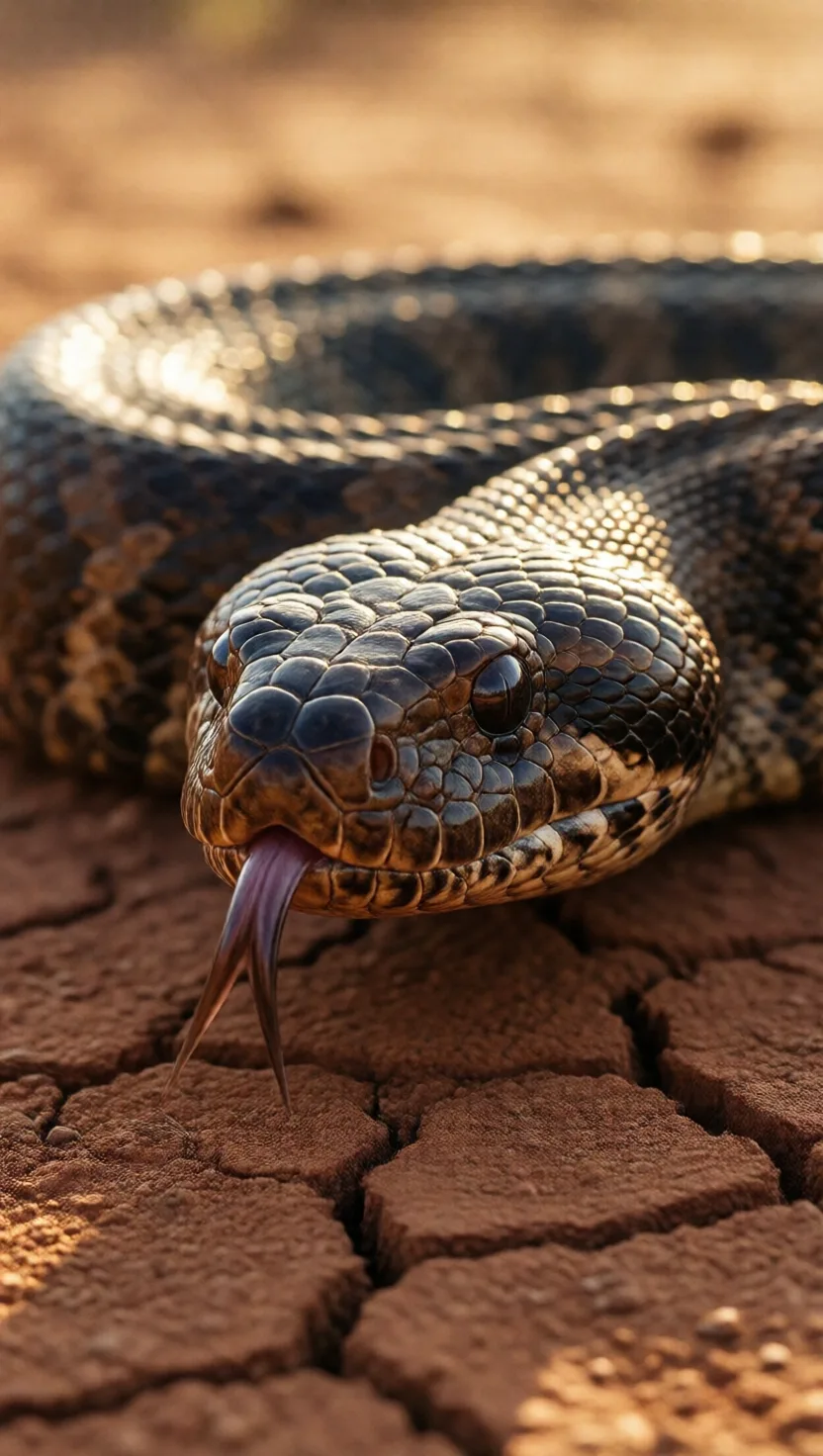
Drop for drop, the most toxic snake venom

Drop for drop, the most toxic snake venom

The inland taipan of arid Australia holds the record for the most toxic venom of any land snake, measured by lethal dose in mice. Its venom kills at a subcutaneous LD50 of about 0.025 mg per kilogram, far below the values for cobras or rattlesnakes. Despite this, the snake is shy and reclusive, and bites on people are extremely rare.
Its sting fires in under a millionth of a second

Its sting fires in under a millionth of a second

A box jellyfish stings with microscopic capsules called nematocysts packed into its tentacles. When triggered, each capsule turns inside out and drives a venom-loaded thread into the skin in as little as 700 nanoseconds, one of the fastest movements known in biology. The launch generates accelerations measured in the millions of g, which is why a brush against a tentacle injects venom instantly.
A lizard's venom became a diabetes medicine

A lizard's venom became a diabetes medicine

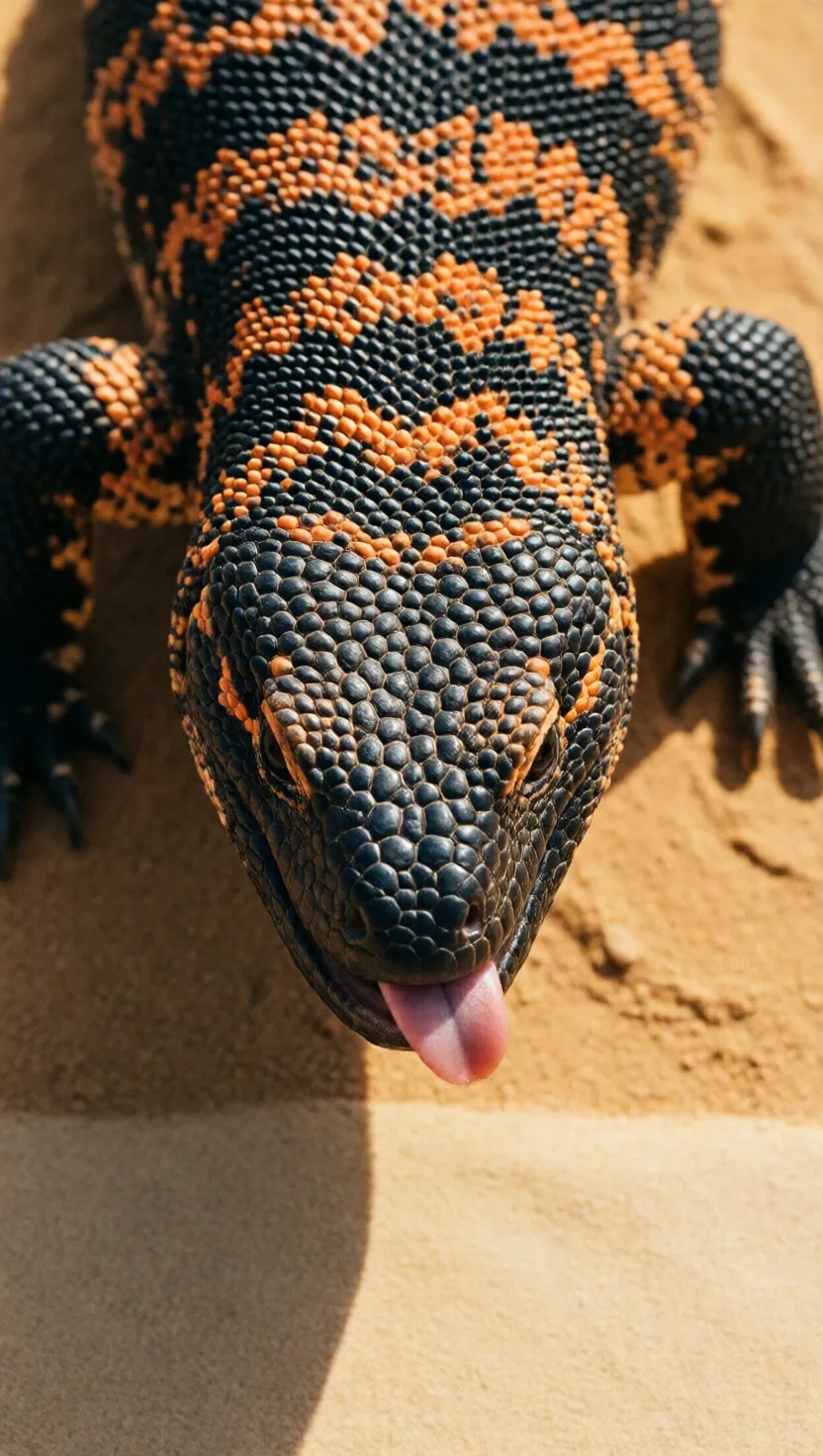
The Gila monster chews venom into its bite through grooved lower teeth, and its venom contains a hormone-like peptide called exendin-4. Because that peptide is roughly half-identical to a human gut hormone that prompts insulin release, but lasts far longer in the body, a synthetic version became an approved blood-sugar treatment in 2005. A slow desert hunter ended up reshaping how diabetes is managed.
This scorpion's venom seeks out tumors

This scorpion's venom seeks out tumors

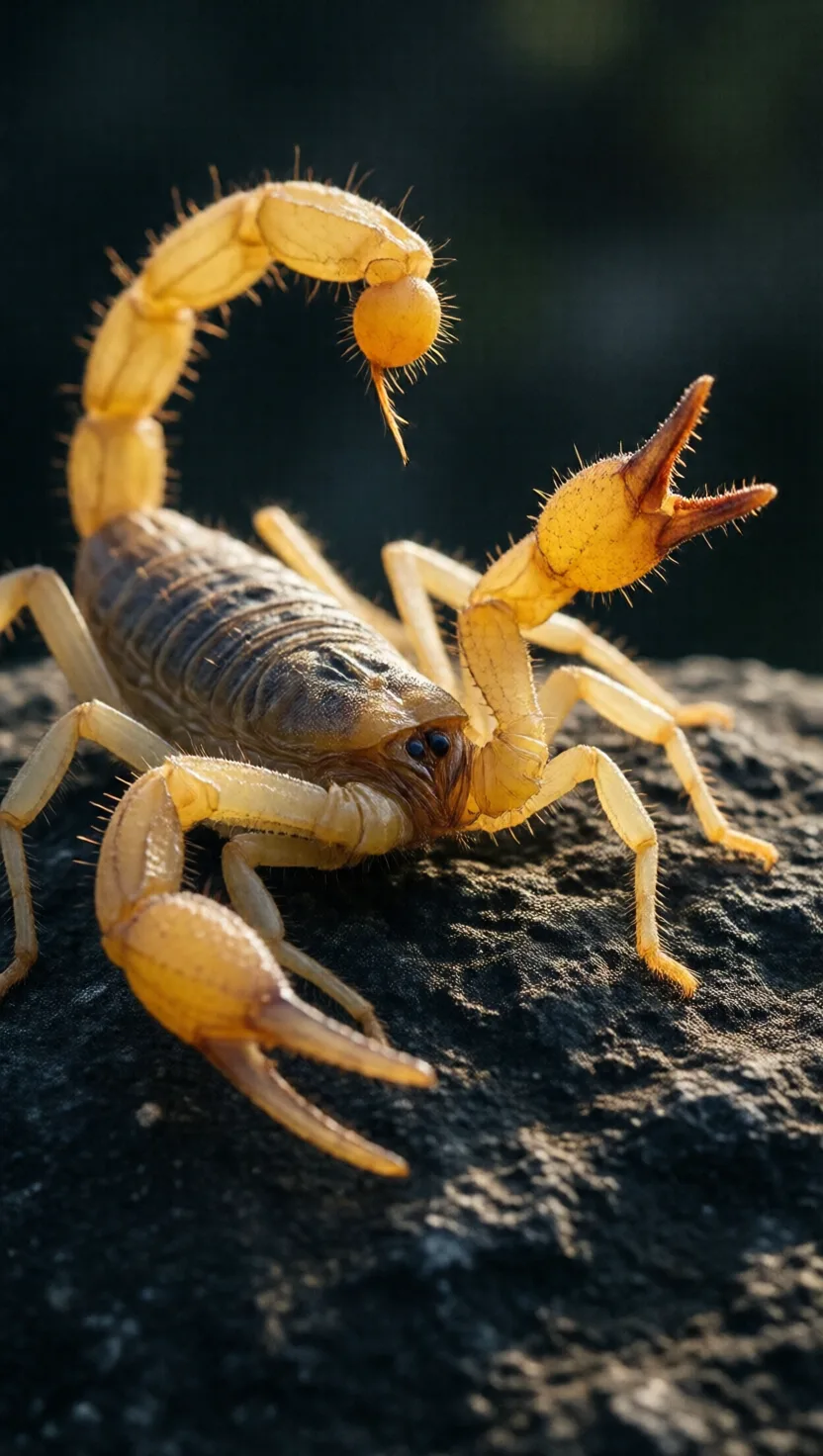
The deathstalker scorpion carries a small venom peptide called chlorotoxin, just 36 amino acids long, that happens to latch onto certain cancer cells while ignoring healthy tissue. Researchers linked it to a fluorescent dye so brain-tumor margins glow during surgery, helping surgeons see what to remove. A defense weapon for a desert scorpion turned into a way to light up cancer.
It aims for where your eyes will be next

It aims for where your eyes will be next

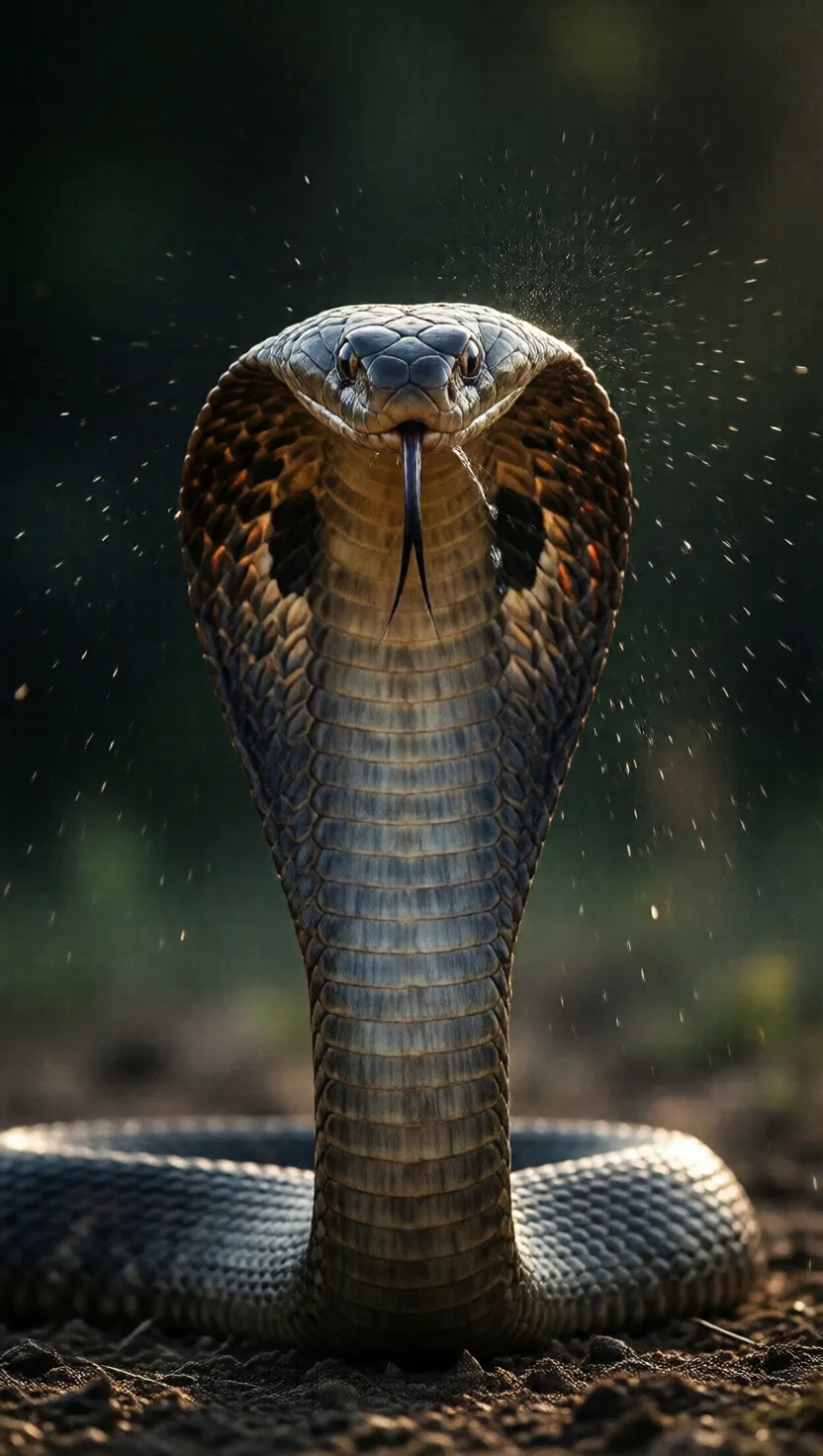
A spitting cobra defends itself by squeezing venom out of forward-facing fang openings, spraying toward a threat's face from several feet away. Researchers found it doesn't just aim at the eyes, it predicts where they will be about 200 milliseconds later and fires there, sweeping its head to widen the spray. The venom in the eyes causes intense pain and can threaten sight.
Thirteen venom spines hidden in plain sight

Thirteen venom spines hidden in plain sight

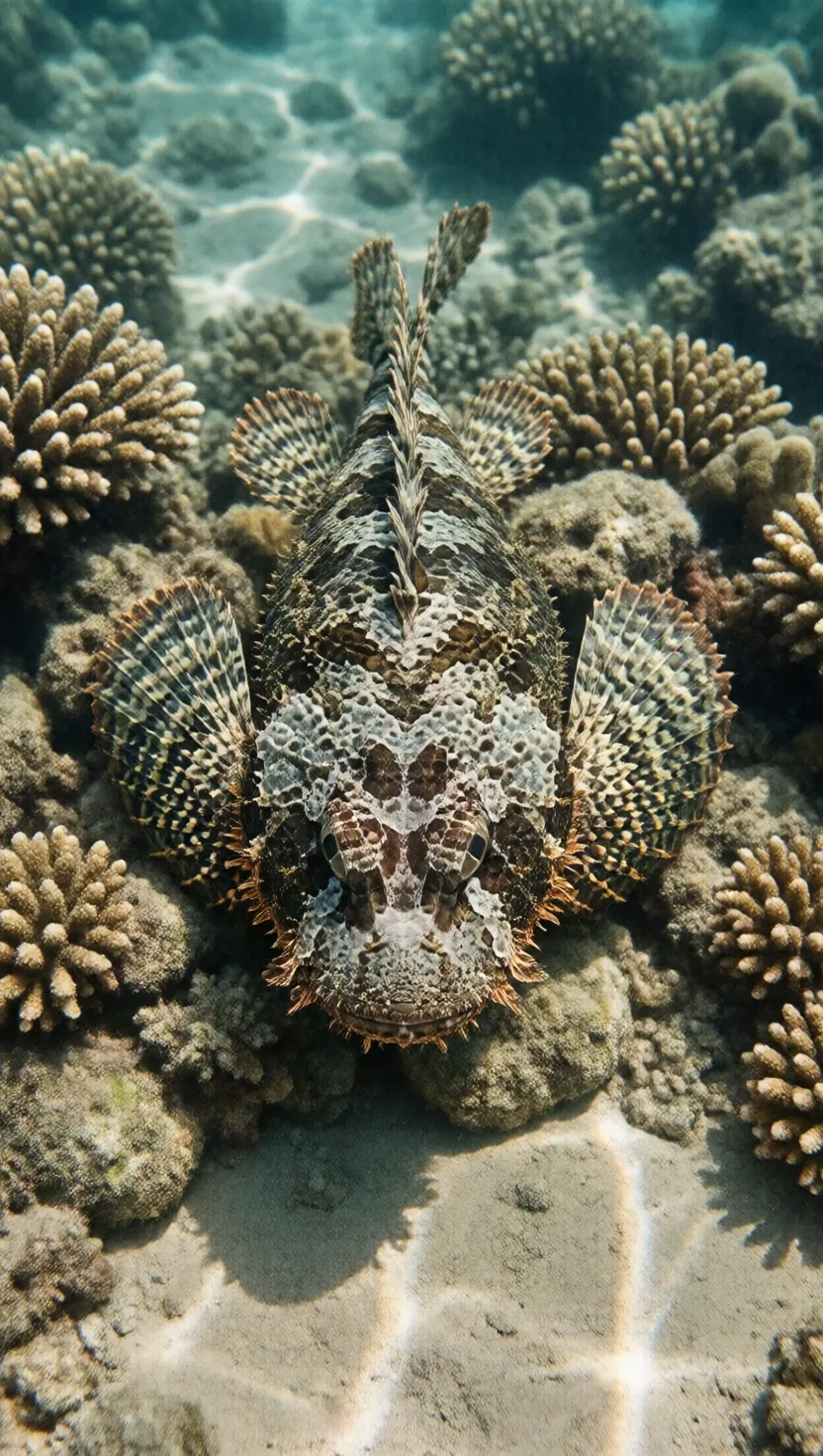
The reef stonefish looks like an encrusted rock on the seafloor, which is exactly the point. Along its back stand 13 stiff dorsal spines, each fed by a pair of venom glands. Step on one and the pressure ruptures the spine's sheath and forces venom into the wound, producing pain severe enough to need urgent care. The fish never has to chase anything; it simply waits to be stepped on.
The only primate that bites with venom

The only primate that bites with venom

The slow loris is the one primate known to be venomous. It produces an oily secretion from a gland on the inside of each elbow, then licks it so the secretion mixes with saliva to become active. Drawn up into a comb of sharp lower teeth, the venom is delivered by a bite that causes burning pain and swelling in people. Mothers even paint it onto their young as protection.
tap →swipe ↑ for depthswipe ↓ to exit