Eight things a coat of lacquer hides

DC·80 Deep Cuts
The mirror-black shine starts as poison

The mirror-black shine starts as poison

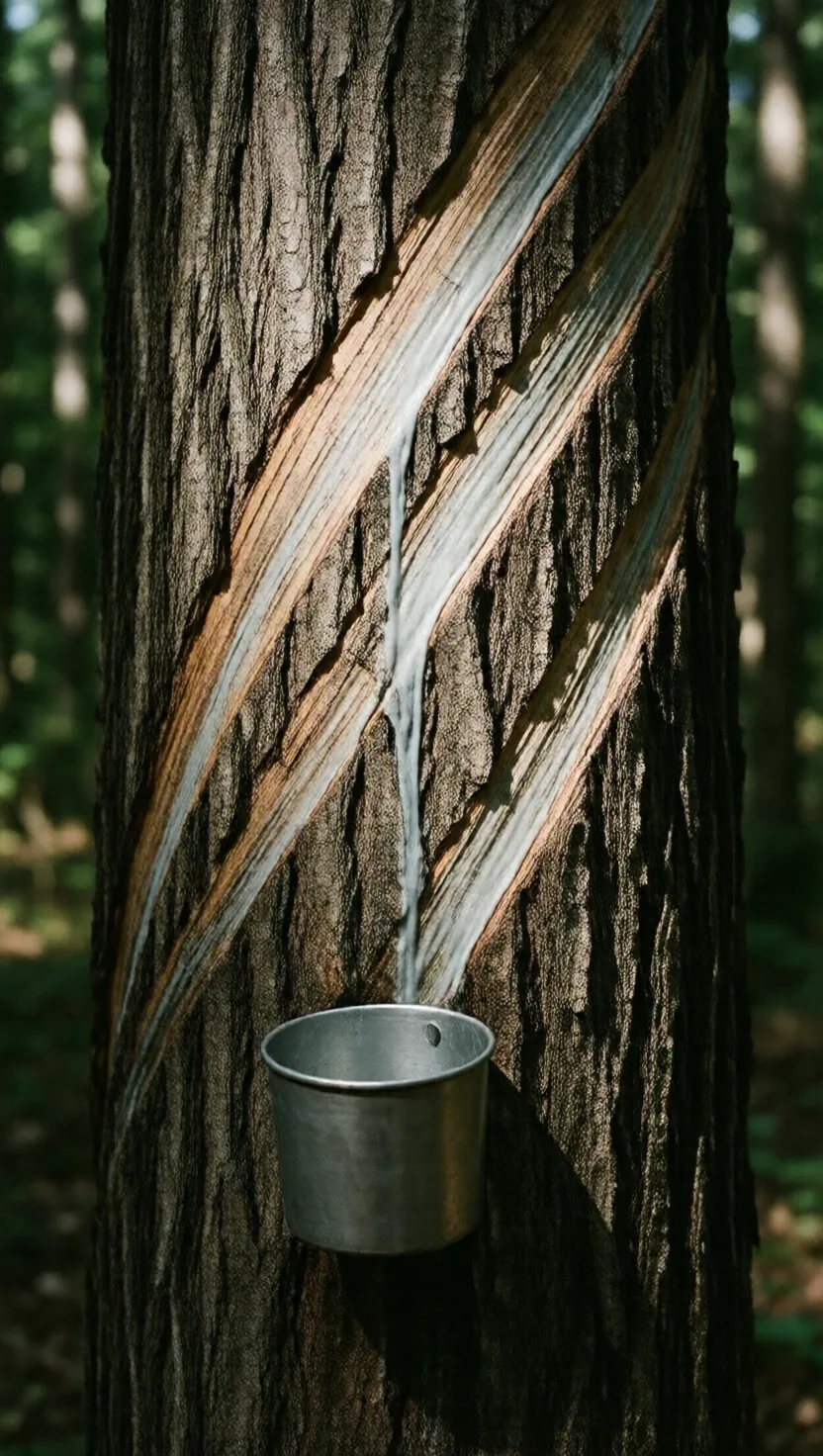
True lacquer is the sap of an Asian tree that is a close cousin of poison ivy, and it carries the very same irritant — urushiol. Tapped from the trunk in milky grey lines, the raw sap raises blistering rashes on the people who harvest and work it, and craftsmen build a tolerance over years. Cured into a hard film, though, it becomes utterly inert: a glassy, jewel-like skin that has lasted thousands of years.
This varnish dries in a damp box

This varnish dries in a damp box

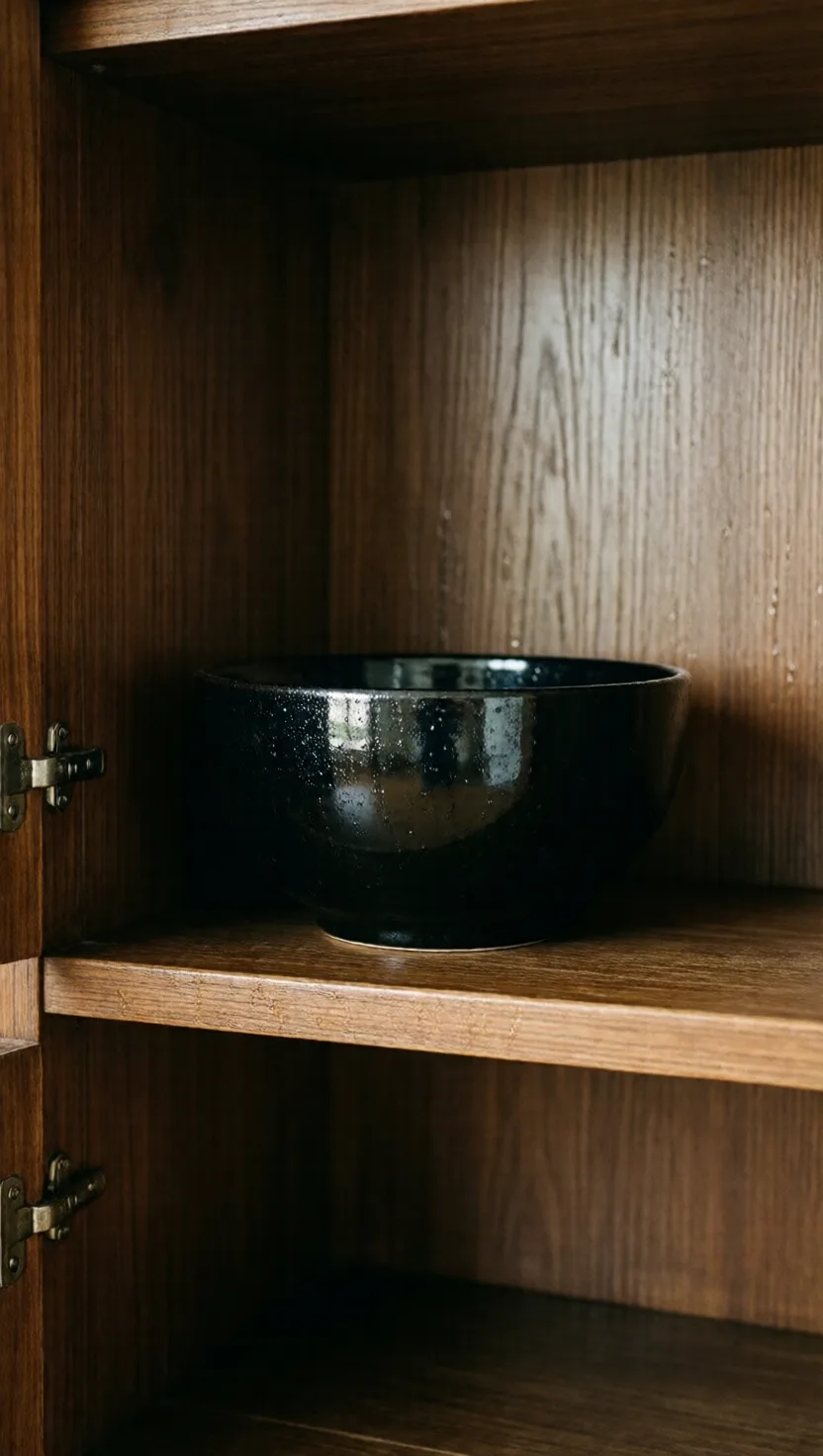
Lacquer breaks every rule about drying. It doesn't harden by losing water — it hardens by taking it on. An enzyme in the sap, laccase, knits the liquid into a solid only in warm, humid air, around 75 to 85 percent humidity. So finished pieces go into a 'muro', a wooden cabinet misted with water, where the damp wood and air set the coat hard. In dry air the same lacquer would stay sticky for weeks.
Lacquerware older than farming itself

Lacquerware older than farming itself

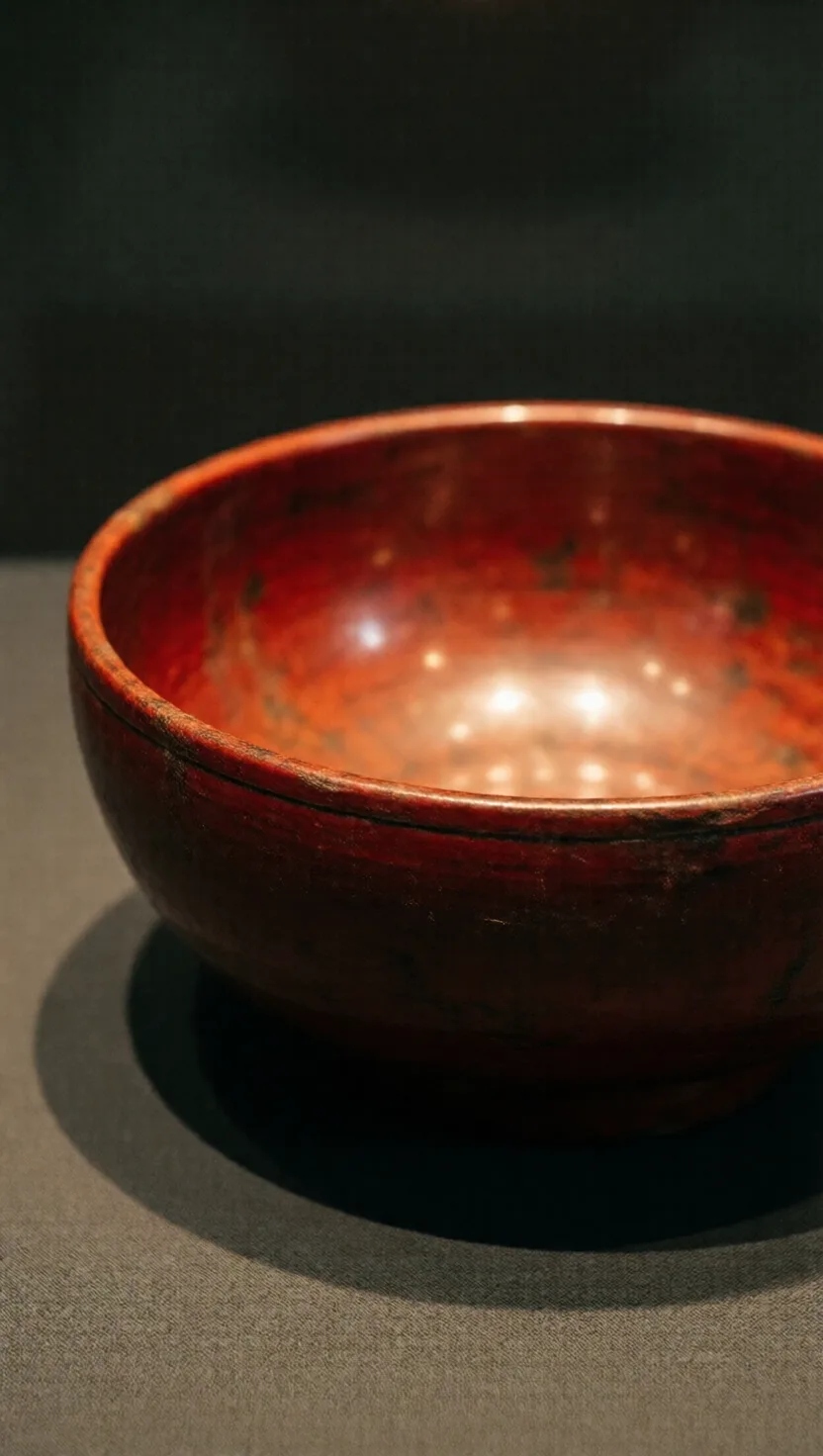
Lacquer is one of humanity's oldest crafts. The oldest known pieces — red-coated ornaments from a grave in northern Japan — are about 9,000 years old, made by hunter-gatherers before pottery wheels, metal or writing reached the islands. In China, red lacquer bowls from riverside villages run 7,000 to 8,000 years old. The coatings survive because cured lacquer shrugs off the water, acid and rot that destroyed everything else in the grave.
A carving made of two hundred coats

A carving made of two hundred coats

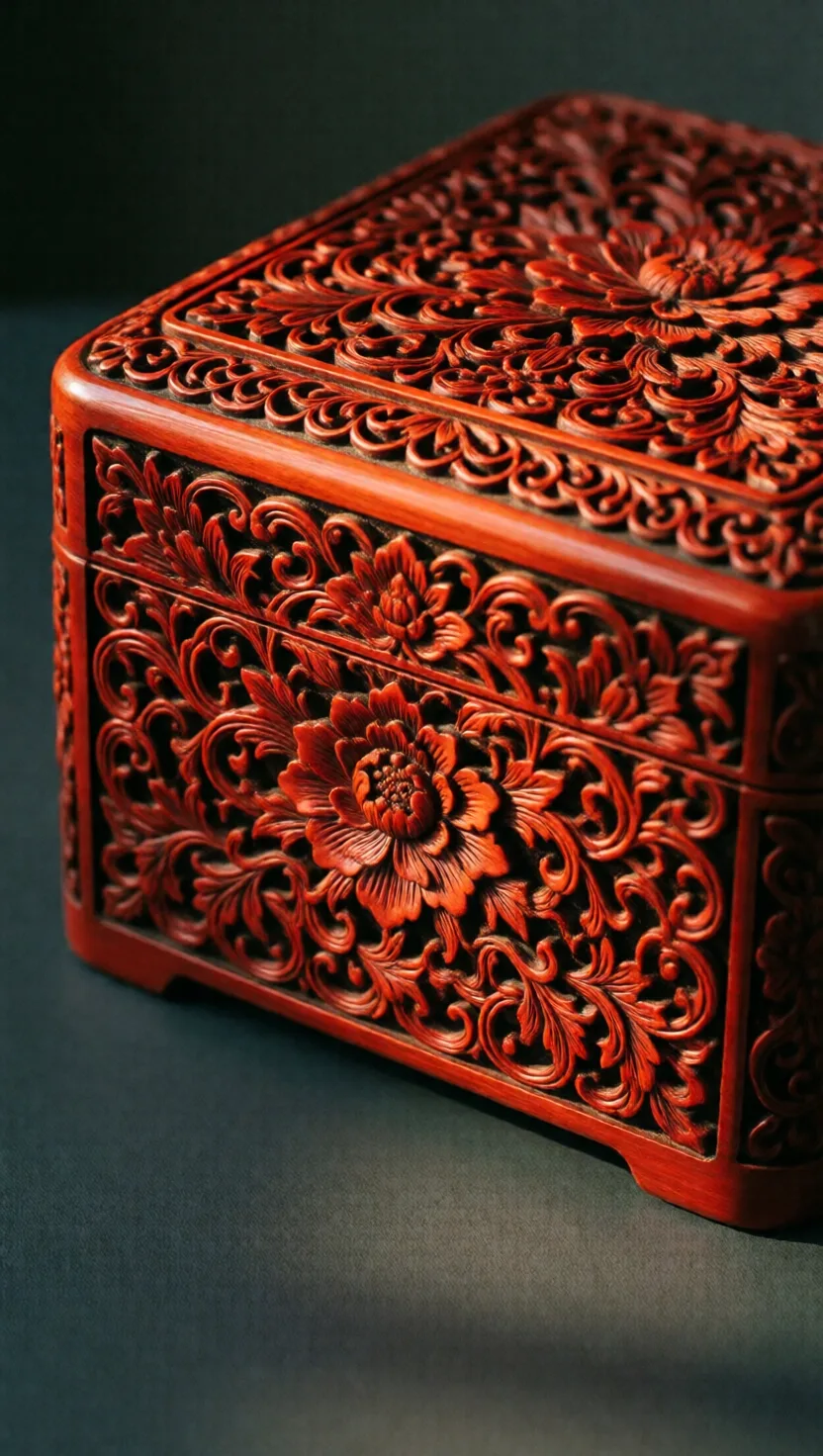
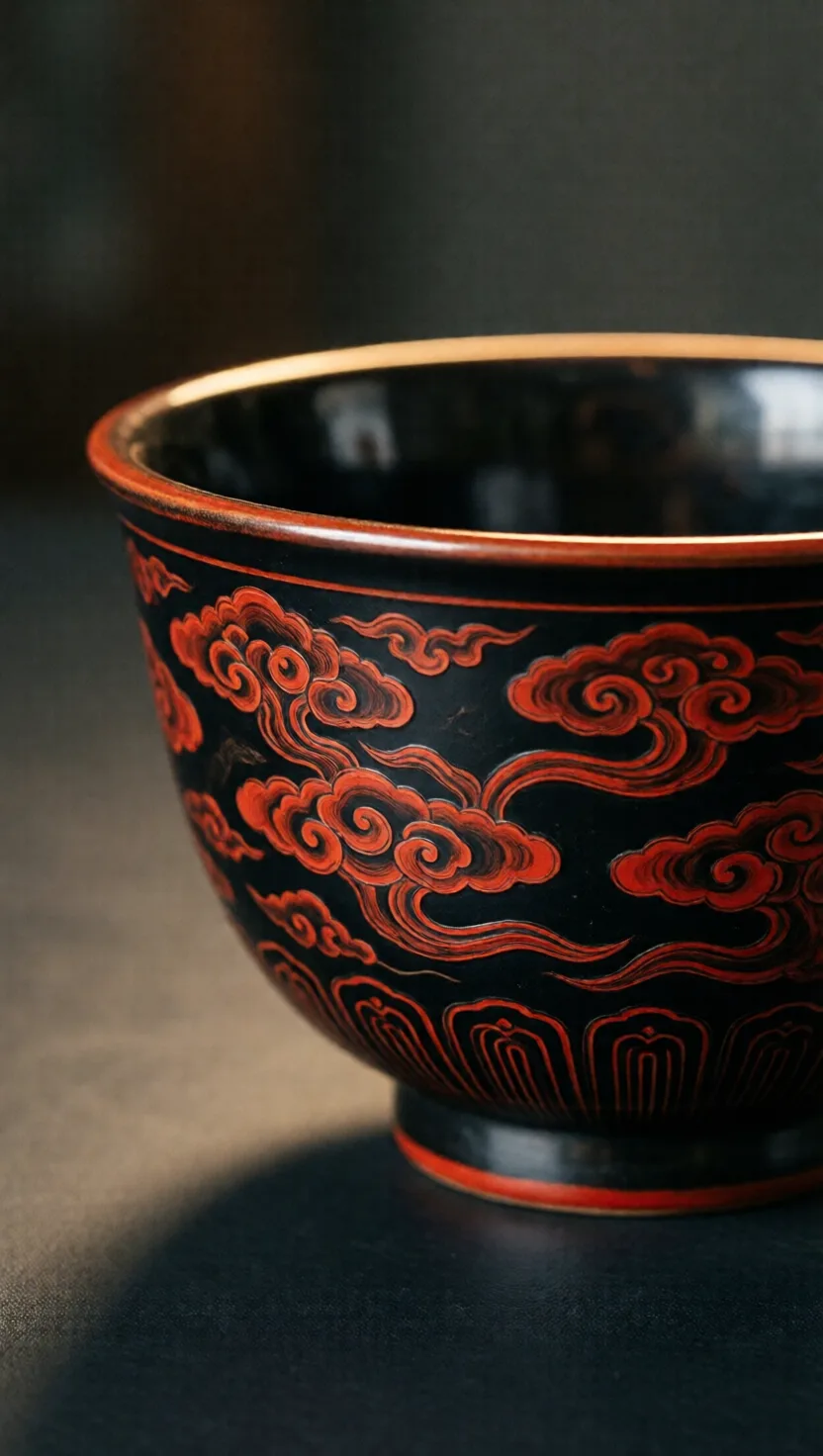
Carved red lacquer looks like cut stone but is built entirely from skin-thin layers of sap. Because each coat must fully cure in a humid box before the next, and each is no thicker than a hair, a panel deep enough to carve can take 100 to 200 separate layers laid over many months — the finest works, a year or two. Only then does the carver cut down through the solid block of colour to raise dragons and flowers in relief.
Gold pictures sprinkled onto wet sap

Gold pictures sprinkled onto wet sap

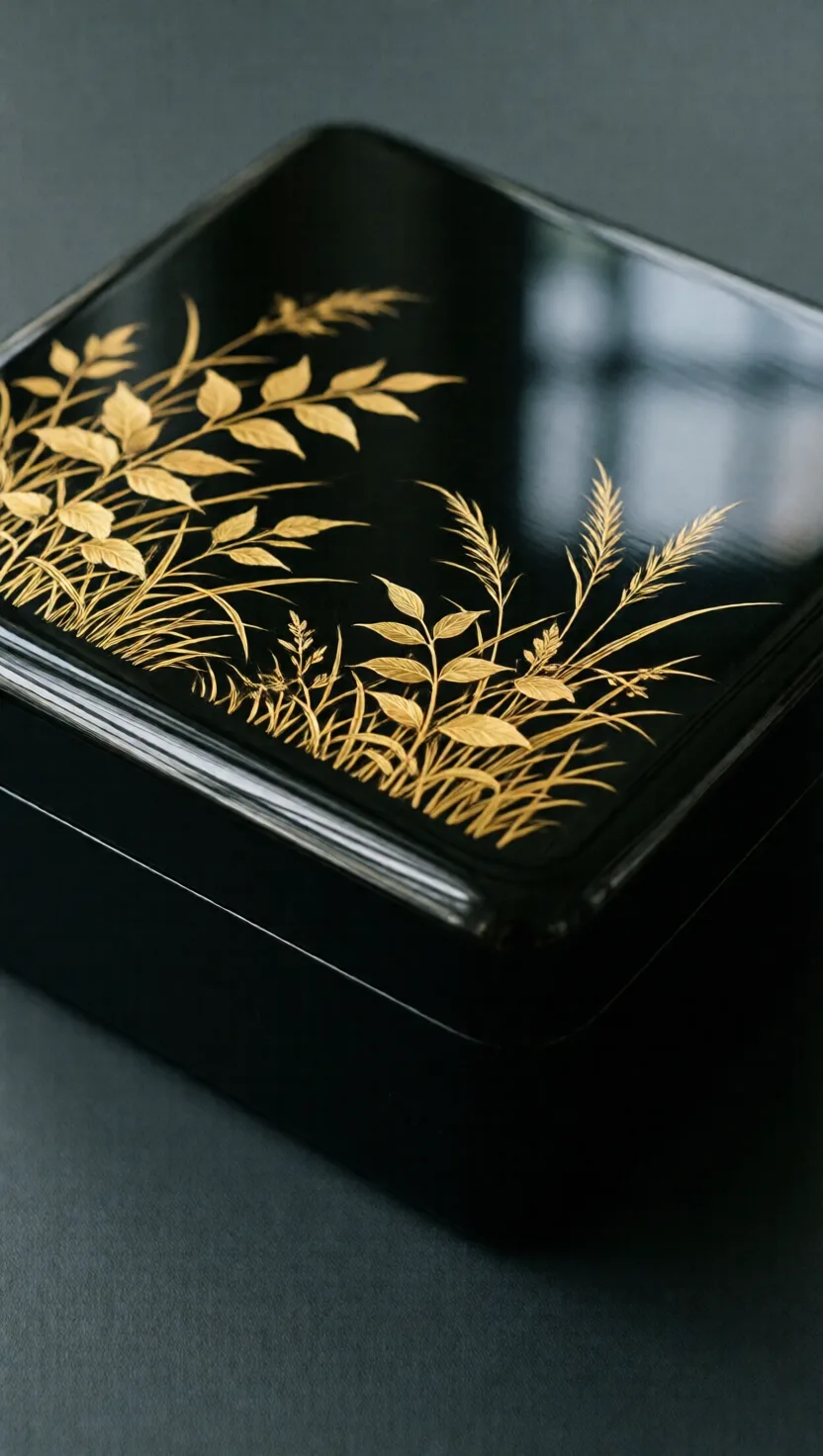
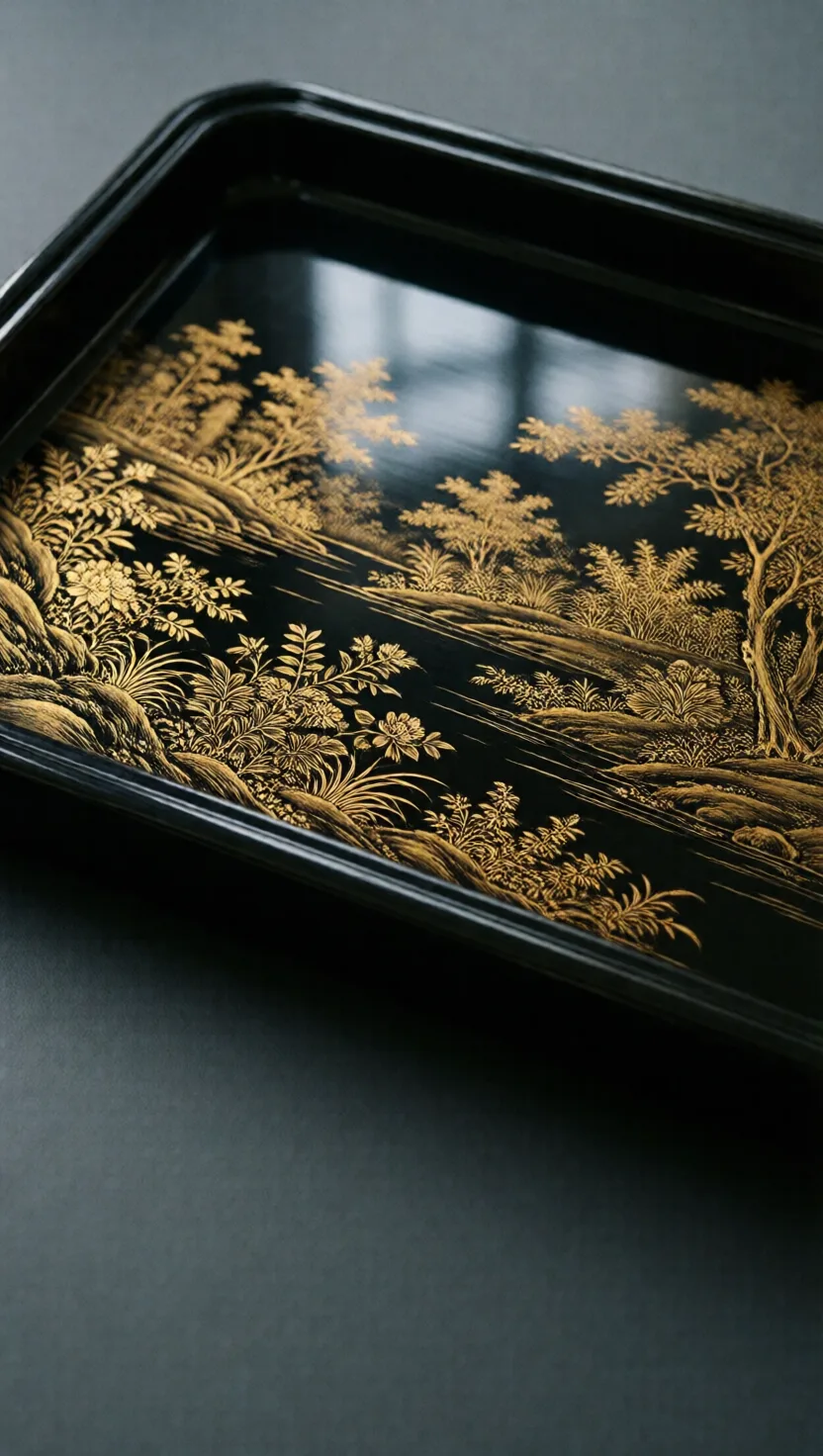
In maki-e — literally 'sprinkled picture' — the artist paints a design in wet lacquer, then, before it sets, dusts fine gold or silver powder onto the tacky surface through a little bamboo tube. The metal sinks in and locks as the lacquer cures, so the gold seems to float just beneath a glassy black skin. The craft has decorated swords, writing boxes and shrines for over a thousand years, each layer polished back by hand.
Broken pots mended with seams of gold

Broken pots mended with seams of gold

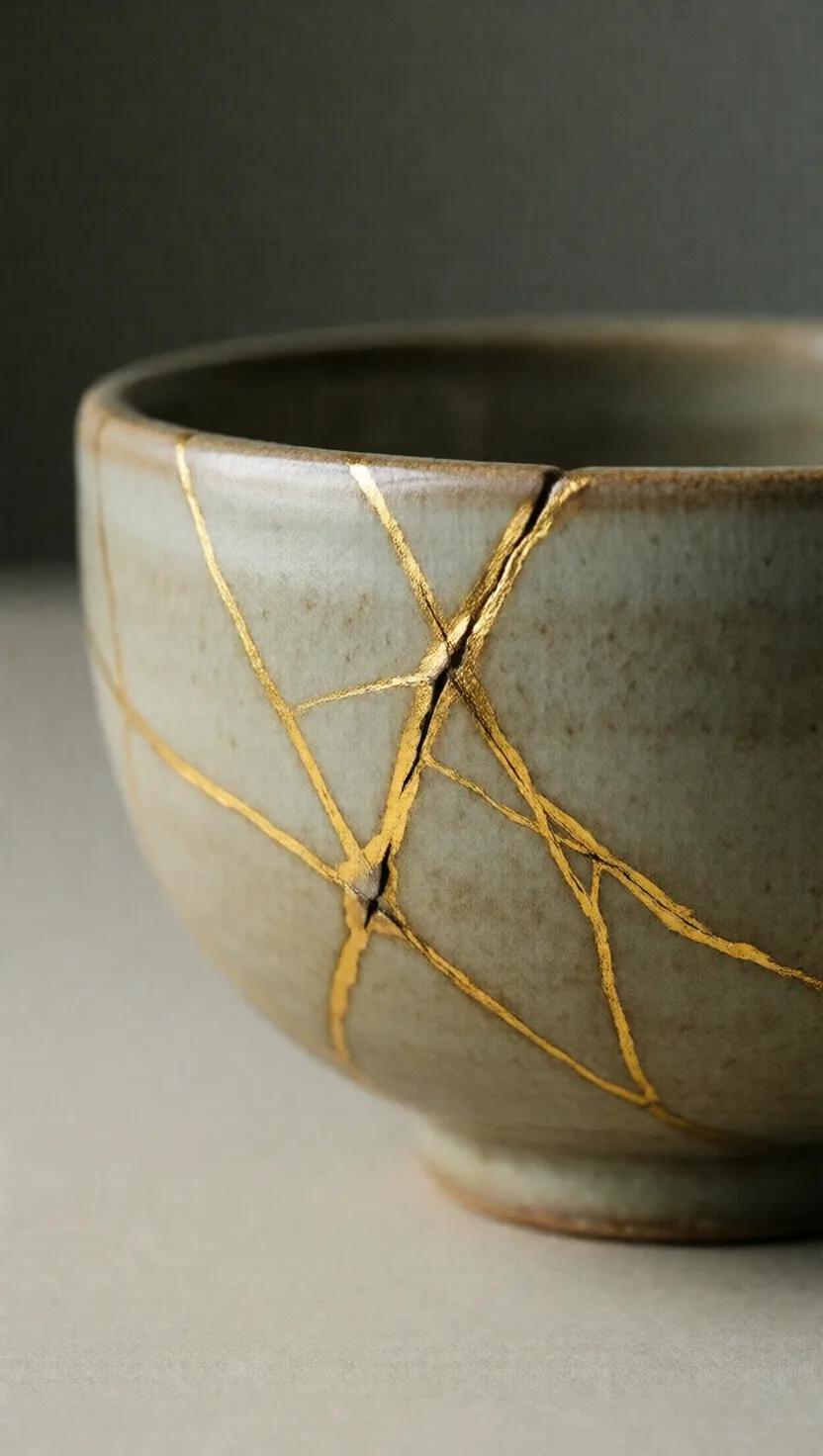
When a prized bowl shatters, the Japanese repair of kintsugi puts it back together with the same tree-sap lacquer used as glue, then traces every crack in gold dust — so the breakage becomes the most beautiful thing about it. The seams are real lacquer joinery, strong and watertight, not decoration laid on top. The idea, centuries old, is that a thing's history of damage and repair is worth showing, not hiding.
Lunchboxes that looked new after 2,000 years

Lunchboxes that looked new after 2,000 years

When a sealed Han-dynasty tomb was opened in China in the 1970s, its hundreds of lacquer cups, boxes and trays came out glossy and bright after more than 2,000 years underground — some still holding preserved food. Wood and silk around them had rotted to nothing, but the lacquer coatings were almost untouched. Cured lacquer is so resistant to water, acid and decay that it can outlast the very objects it was painted onto.
How Europe faked the East's black shine

How Europe faked the East's black shine

When glossy Asian lacquerware reached Europe in the 1600s it caused a sensation — but the lacquer tree wouldn't grow there, and the sap couldn't survive the voyage. So craftsmen faked it, layering varnishes of shellac and asphalt, heat-dried and polished to a deep black gloss. They called the imitation 'japanning', and the word stuck so hard that 'to japan' came to mean coating anything in hard, shiny black, from tea trays to iron.
tap →swipe ↑ for depthswipe ↓ to exit