Eight things the Moon does to the sea

DC·79 Deep Cuts
Tides that rise four storeys, twice a day

Tides that rise four storeys, twice a day

Twice a day the Bay of Fundy empties and refills with more water than every river on Earth combined, the tide climbing over 16 metres — the height of a four-storey building. It happens because the bay's length gives it a natural sloshing rhythm of about 13 hours, almost exactly the gap between tides. Each ocean tide arrives just as the water is swinging back, and like a child pumping a swing, the pushes stack up.
A wave that charges up the river

A wave that charges up the river

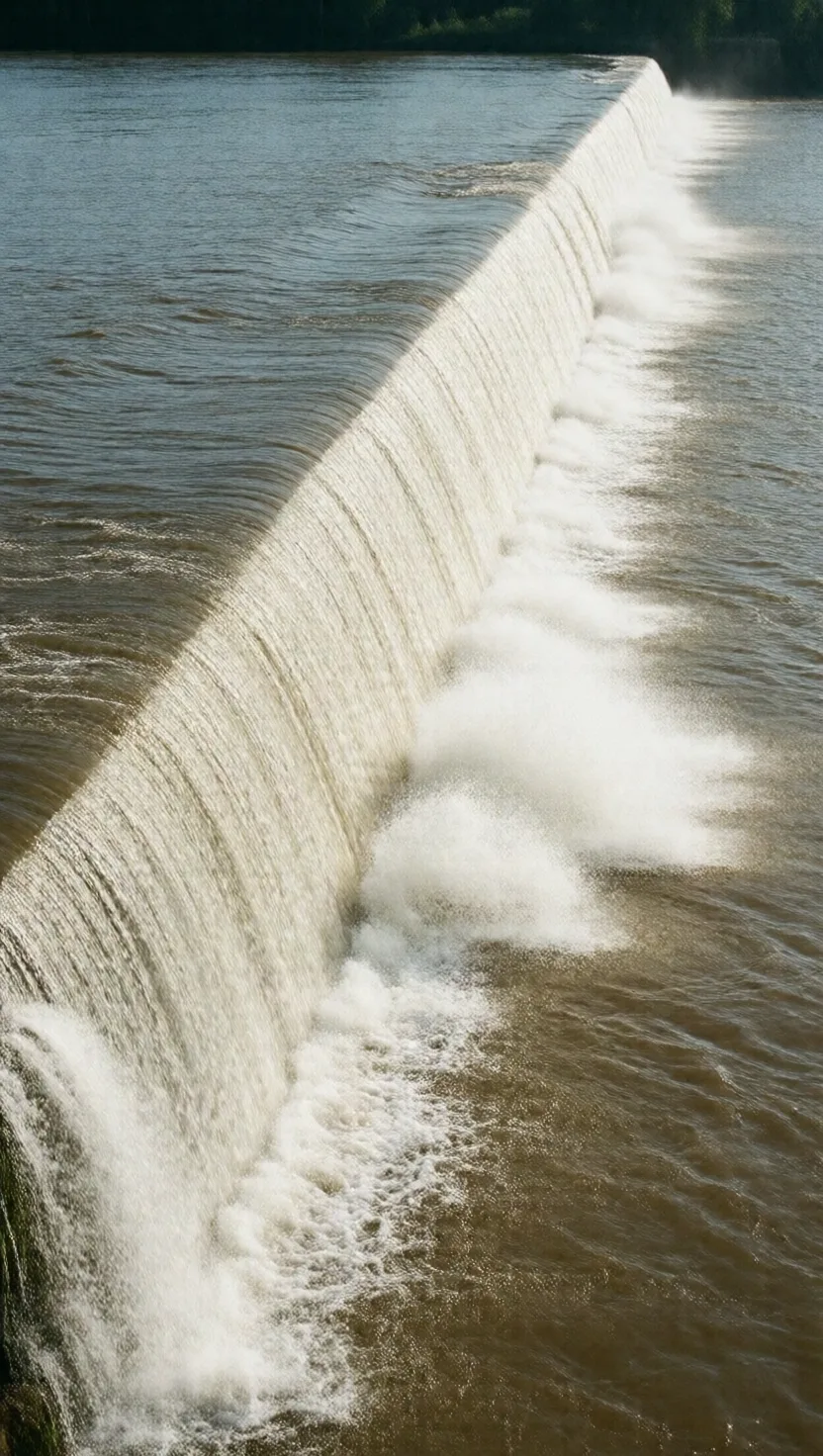
Most waves roll toward shore; this one runs the wrong way. When the great tide of Hangzhou Bay funnels into the narrowing Qiantang River, it stacks into a single wall of water — the 'Silver Dragon' — up to 9 metres tall, racing upstream at around 40 kilometres an hour against the current. It has drawn crowds for over a thousand years, and has swept careless watchers off the banks.
The tide that races in like a horse

The tide that races in like a horse

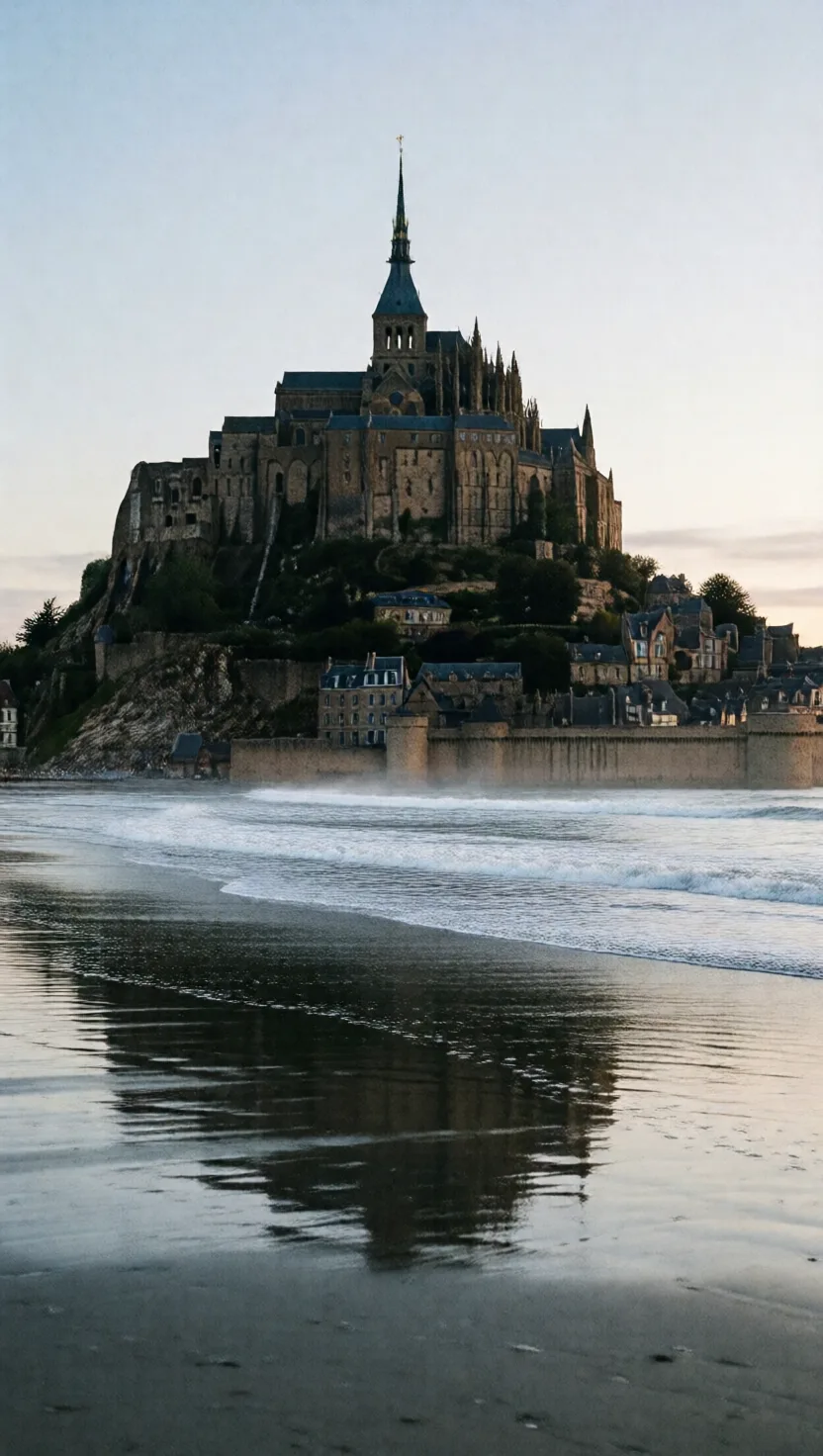
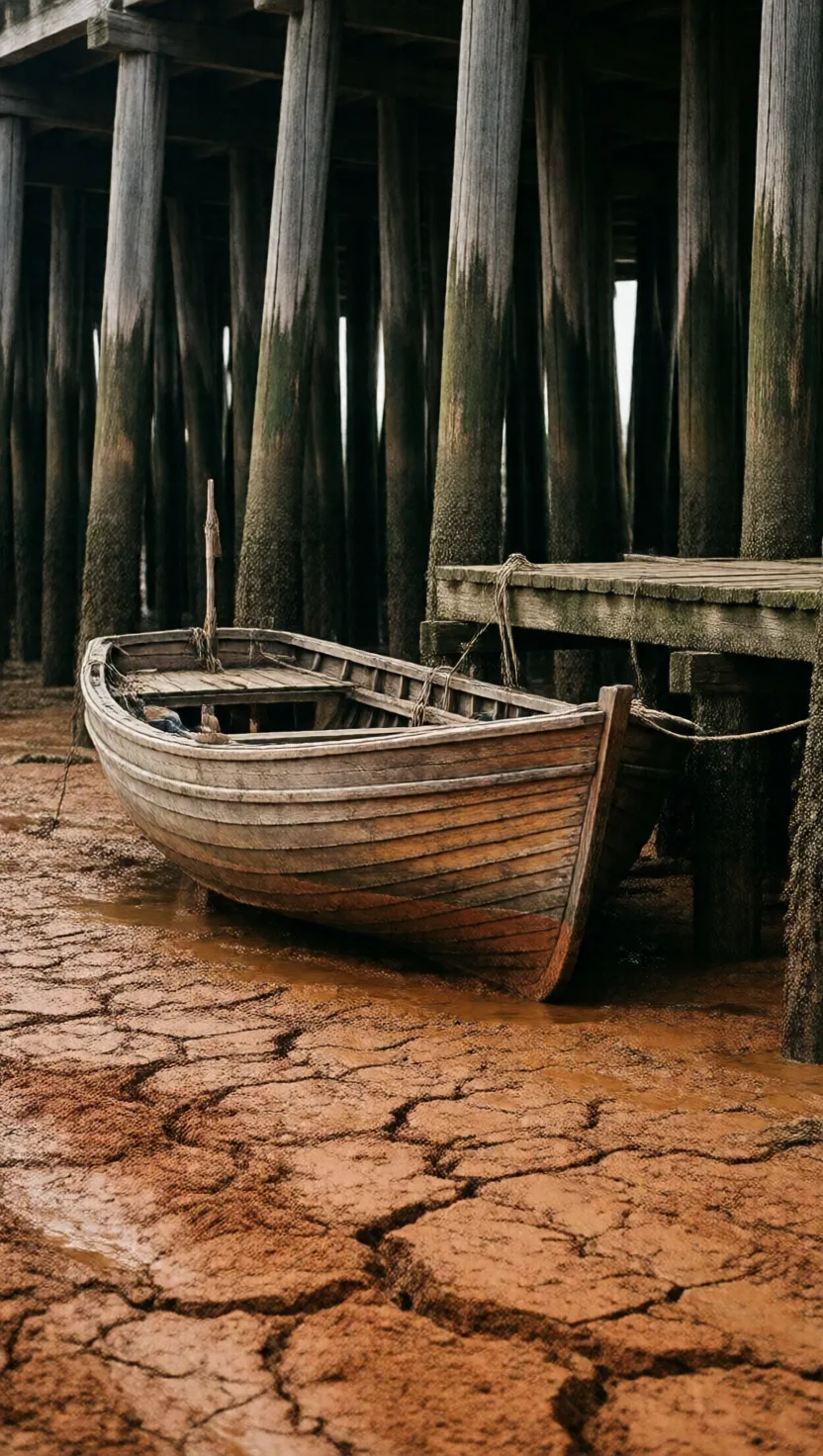
Victor Hugo wrote that the sea here returns 'as swiftly as a galloping horse', and the bay around this island abbey has one of Europe's largest tidal ranges — the water can retreat kilometres and come flooding back across the flats. The real front moves nearer a brisk walking pace, about 6 kilometres an hour, but on the vast level sand that is fast enough to cut off and strand anyone who has wandered too far out.
Why the Moon only shows one face

Why the Moon only shows one face

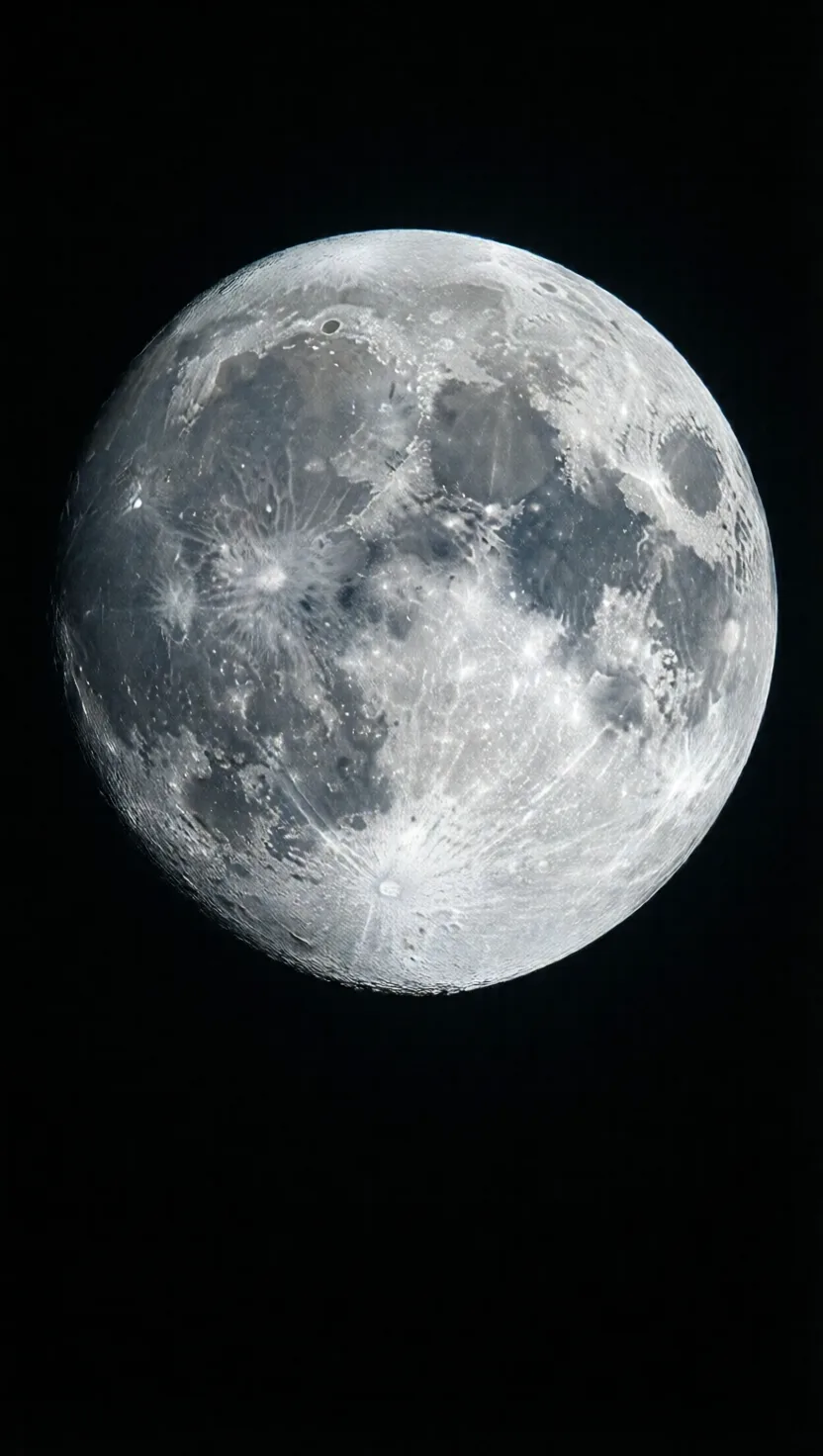
The Moon spins, but in perfect step with its orbit — one turn for every lap of Earth — so the same face is always turned toward us. Tides did it: Earth's pull stretched the young Moon and slowly braked its spin until it locked. We never see the far side from here, yet because the Moon rocks gently as it travels, peeking a little around each edge, careful watching over a month reveals about 59 percent of its surface.
Fish that spawn by the light of the Moon

Fish that spawn by the light of the Moon

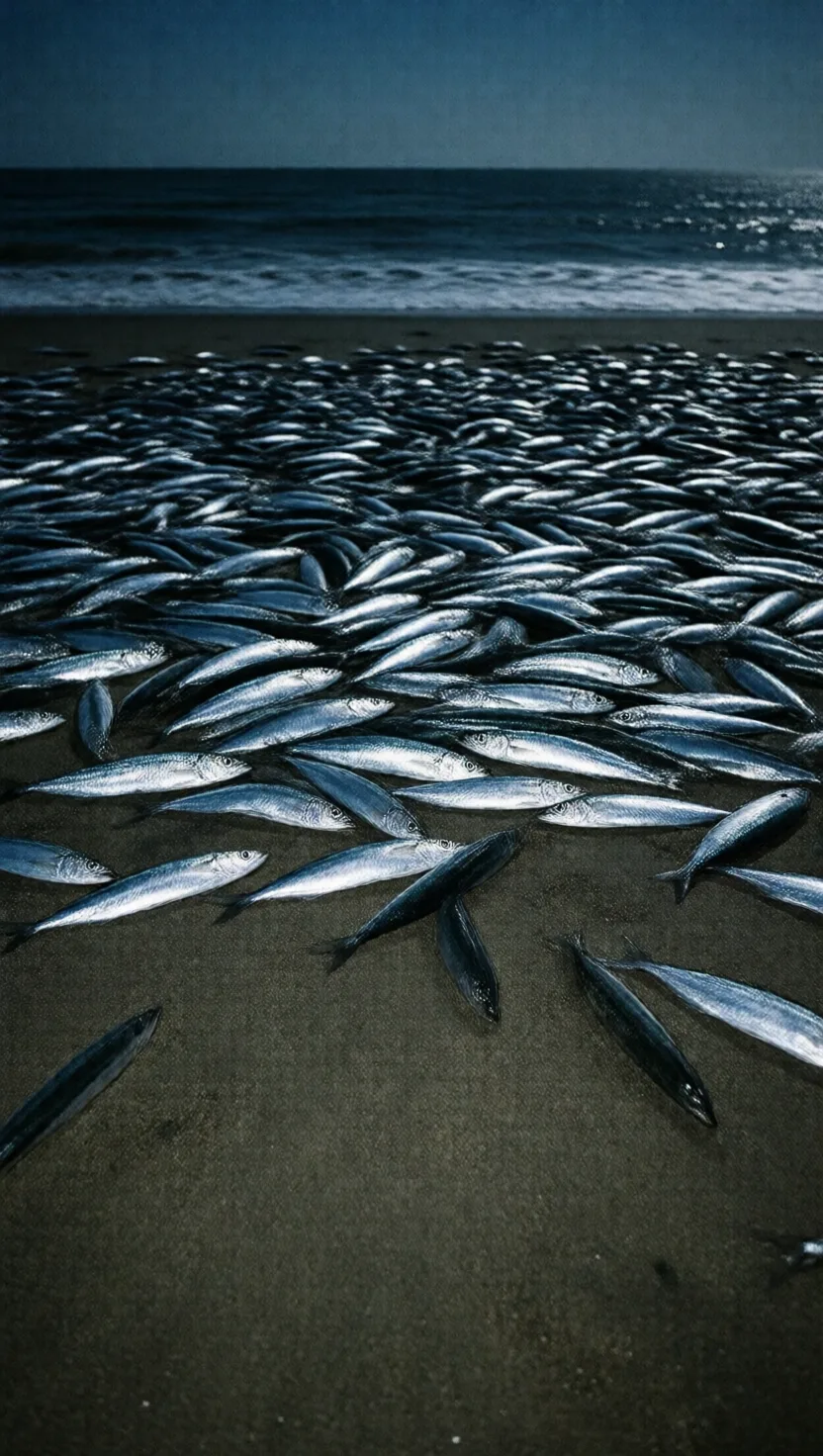
On a few nights after each full and new moon, California beaches shimmer as thousands of silver grunion ride the highest tides right out of the sea onto the wet sand. The females drill in tail-first to bury their eggs, the males curl around to fertilise them, and the whole run is timed to the falling tides so the next waves won't reach the nest — the eggs wait in the sand until a later high tide washes them free to hatch.
An ancient armour that spawns by the Moon

An ancient armour that spawns by the Moon

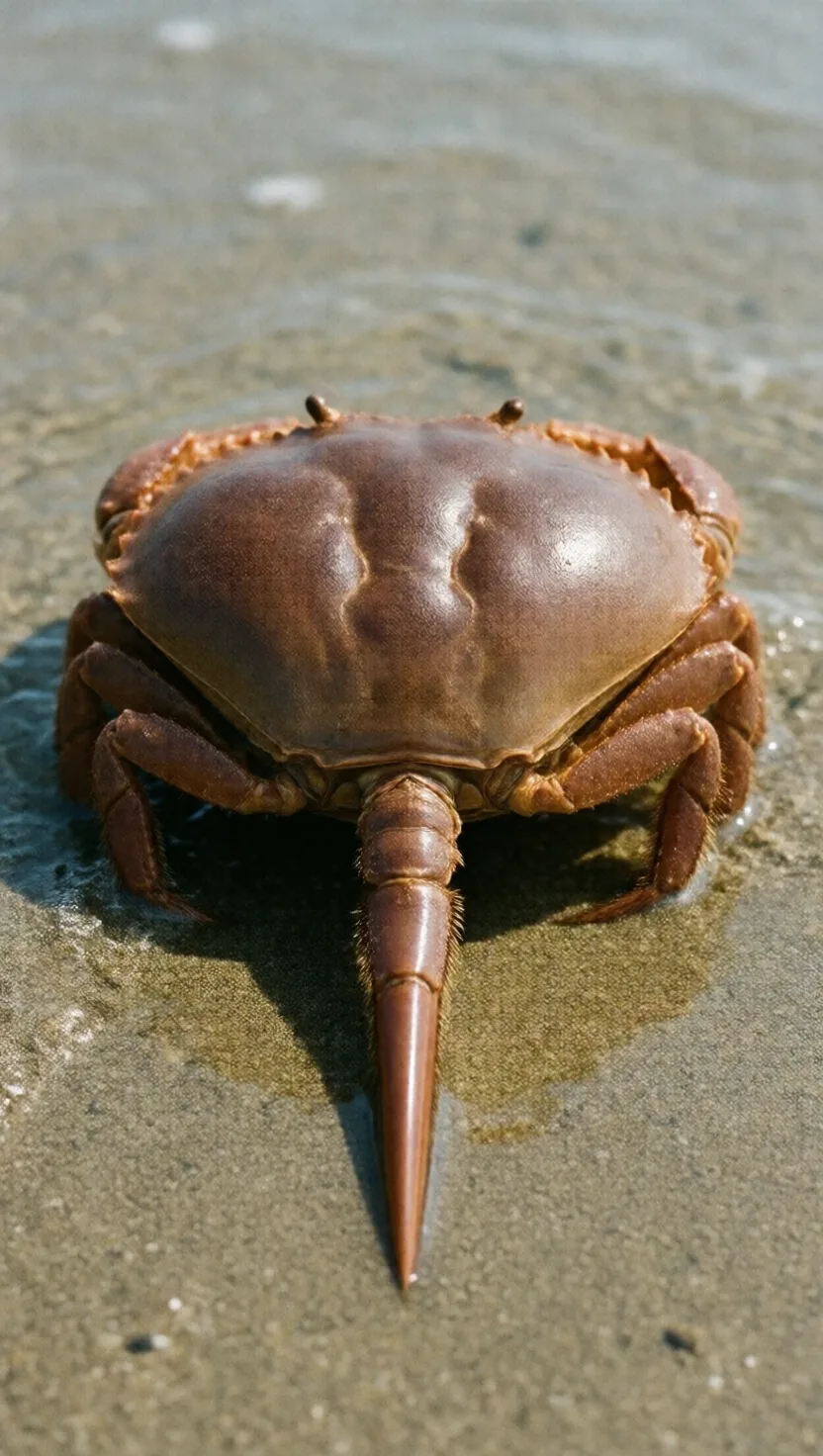
Every May and June, on the high tides of the new and full moon, Delaware Bay's beaches fill with horseshoe crabs hauling ashore to spawn — a ritual their kind has kept for more than 400 million years, since before the dinosaurs. A single female buries thousands of green eggs in the sand. Whole flocks of migrating shorebirds time their long flights from South America to arrive exactly as that feast appears.
A coral that remembers a 22-hour day

A coral that remembers a 22-hour day

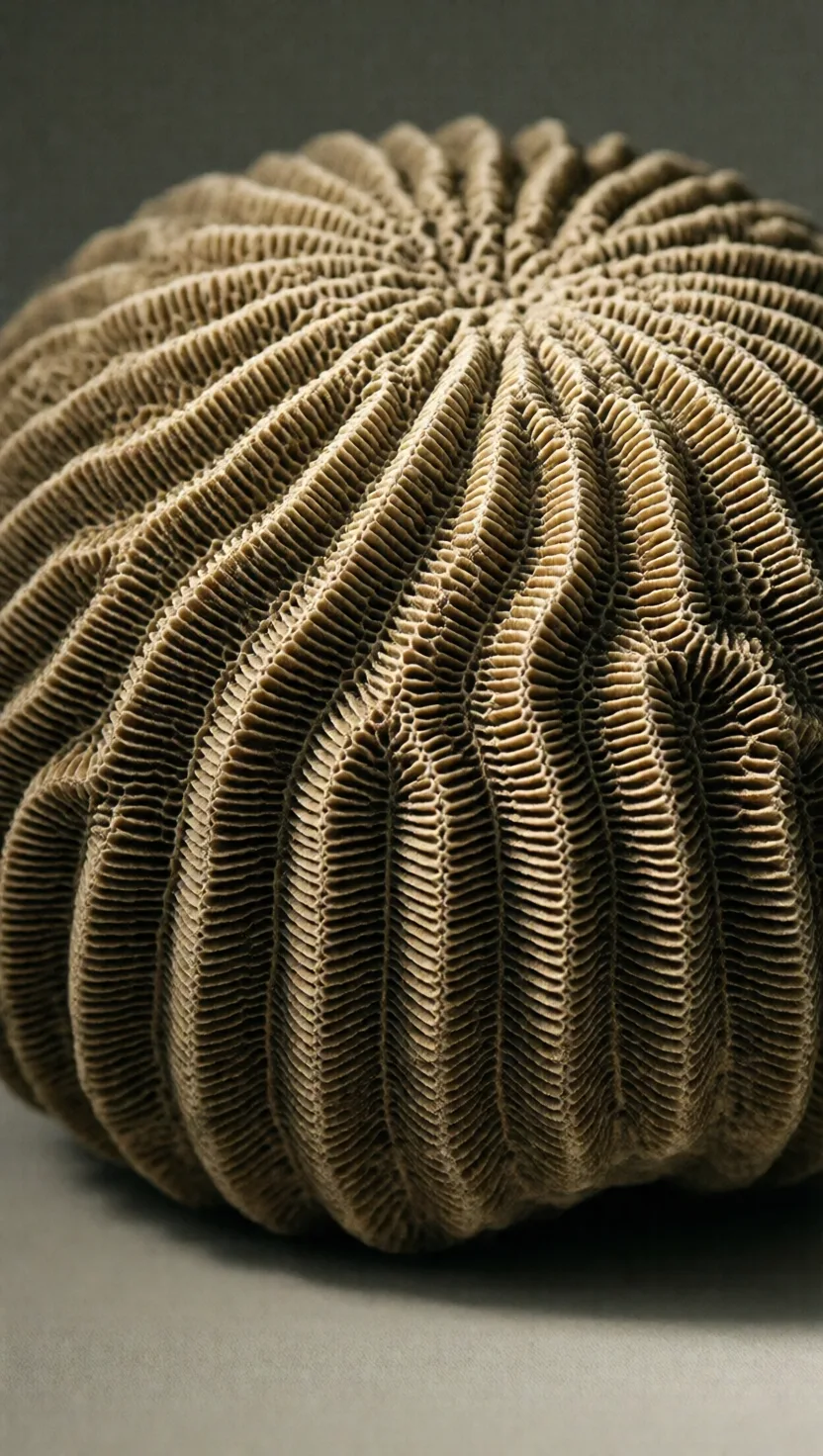
Earth's day is getting longer — the Moon's tides act as a brake, stealing a little of our spin each year. The proof is written in old coral. Like trees, corals lay down a fine growth line each day, bundled into yearly bands. Counting the lines on coral that lived about 385 million years ago, a scientist found roughly 400 days packed into one year — meaning back then a single day lasted only about 22 hours.
Shore creatures keep tide time in the dark

Shore creatures keep tide time in the dark

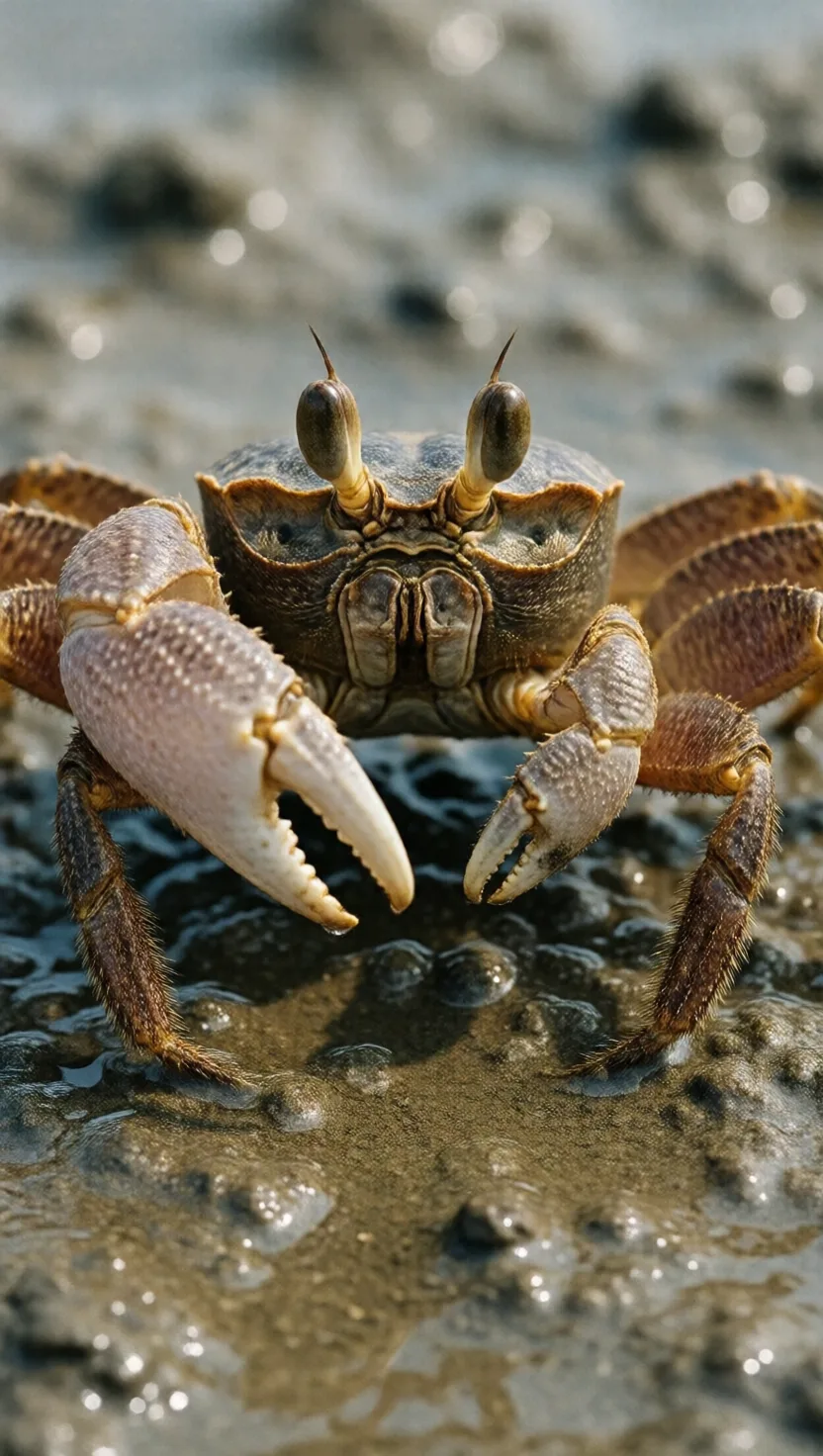
Life between the tidemarks runs on a clock set to the sea, not the sun — a rhythm of about 12.4 hours, the gap between high tides. Crabs, snails and tiny shore crustaceans grow active right on the tidal beat. The remarkable part: scoop one into a black, still tank with no tide at all, and for days it keeps stirring on schedule, proof that the timer is built into the animal itself rather than read from the water.
tap →swipe ↑ for depthswipe ↓ to exit