Eight ways the world navigates by echo

DC·78 Deep Cuts
The loudest voice on Earth is a click

The loudest voice on Earth is a click

A sperm whale's head is mostly a sound gun. It pushes air through clappers called phonic lips, and the click ricochets back through a barrel of waxy spermaceti oil that focuses it into a beam. Measured close up, those clicks reach about 230 decibels underwater — the loudest sound any animal makes. The whale uses them to find squid a kilometre down in total black.

A dolphin listens with its jaw

A dolphin listens with its jaw

A dolphin's ears don't open to the water — sealing them keeps sound from blurring. Instead, returning echoes enter through a thin, oil-filled panel in the lower jaw, the 'pan bone', and a channel of fatty tissue pipes them straight to the inner ear. The ear bones float in foam-filled sinuses, acoustically cut off from the skull, so each ear hears on its own and the animal can pin down exactly where an echo came from.
The bird that flies by clicks, not sight

The bird that flies by clicks, not sight

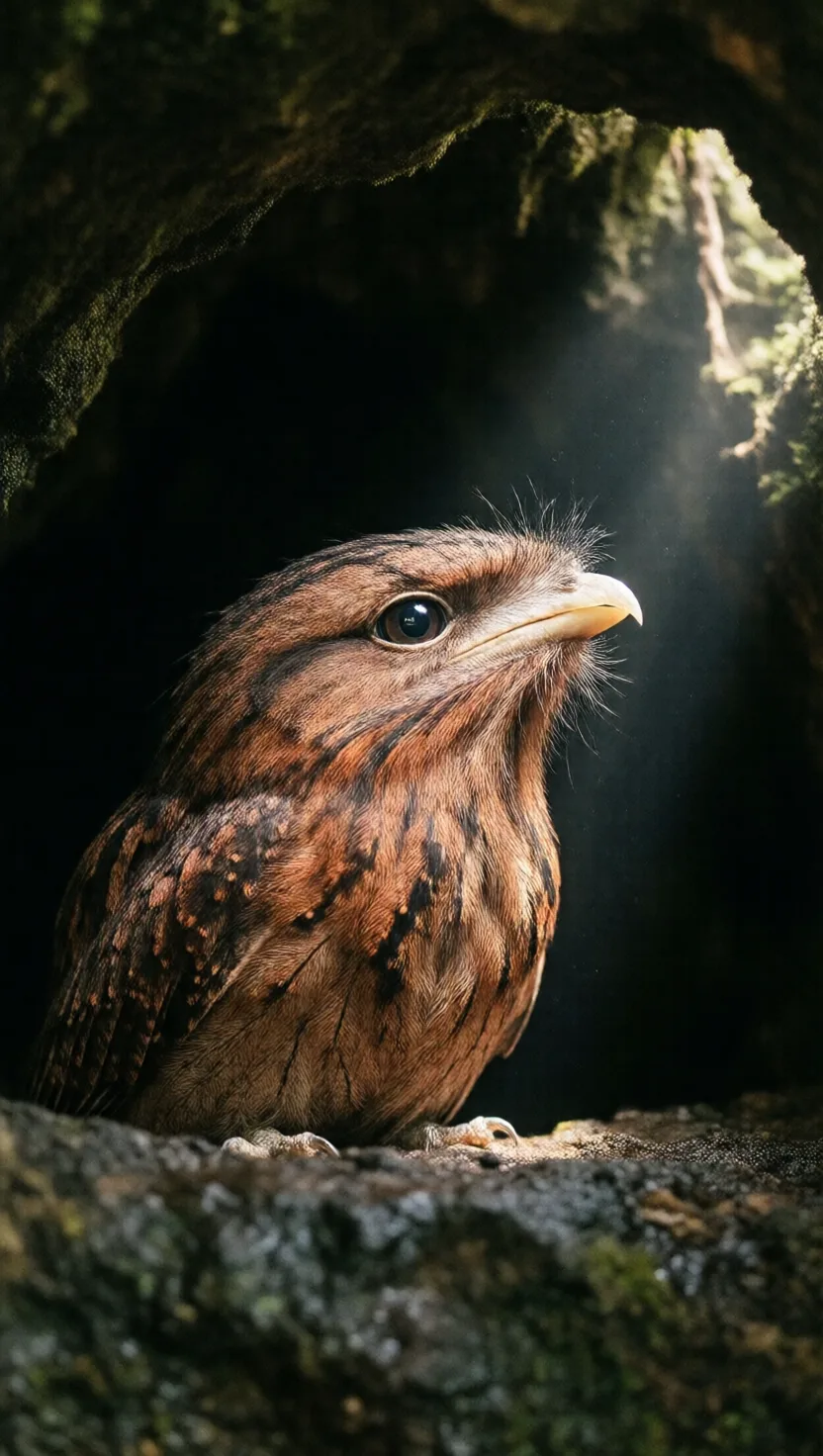
Deep in pitch-black caves, the oilbird navigates the way a bat does — firing rapid clicks and listening for the echo. But its clicks sit around 2,000 hertz, well inside human hearing, so you can stand in the cave and hear the bird 'see'. Only two bird groups echolocate at all — oilbirds and some cave swiftlets — and an oilbird can dodge an obstacle as thin as 20 centimetres in complete darkness.
A moth that jams a bat's sonar

A moth that jams a bat's sonar

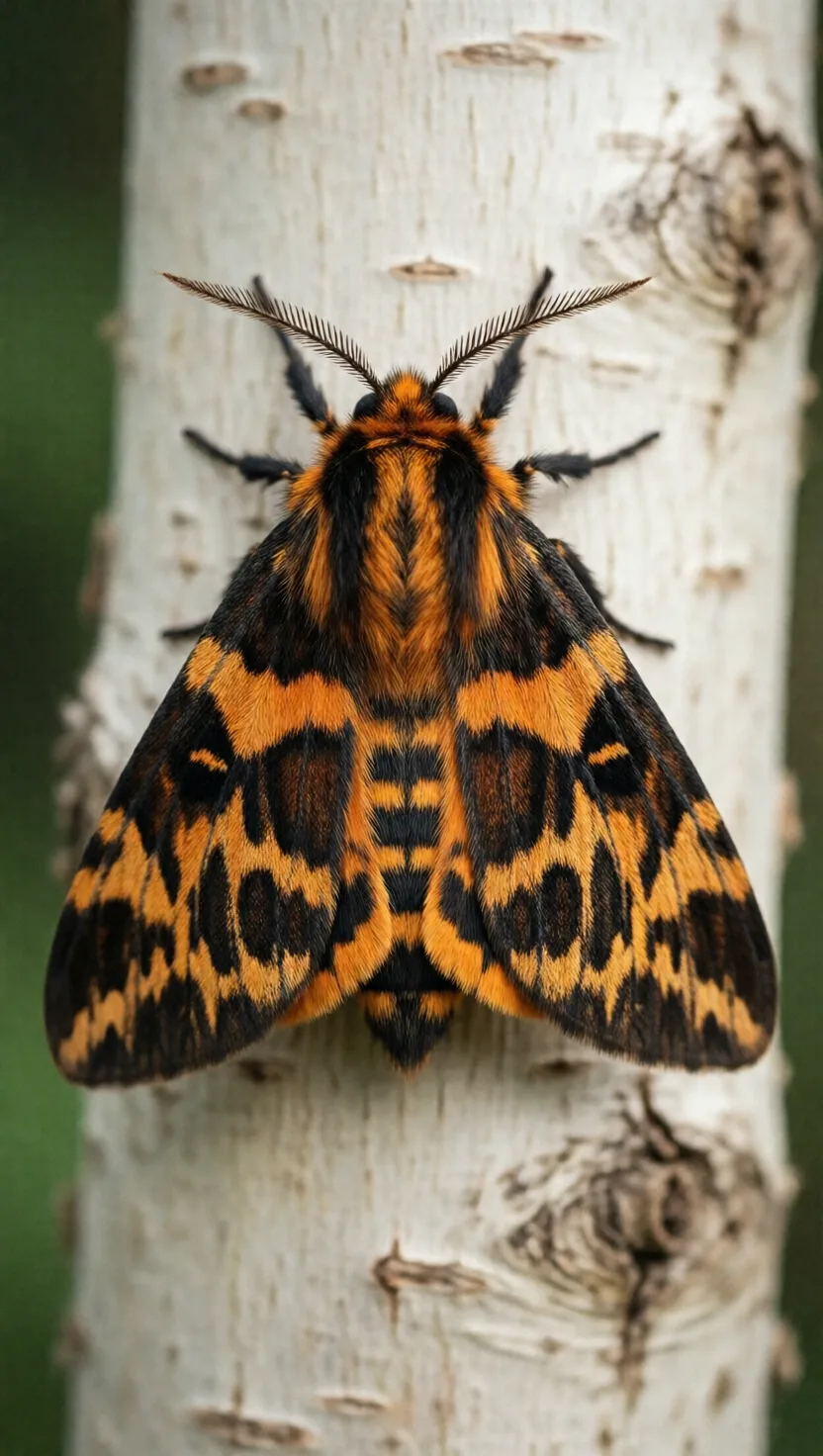
When a tiger moth hears a hunting bat closing in, it answers with its own ultrasonic fire — thousands of clicks a second from a buckling patch of cuticle on its sides called a tymbal. The bursts land in the split-millisecond window the bat needs to read its echo and scramble it, like static over a radio. In flight tests, jamming moths slipped attack after attack; moths with the organ silenced were almost all caught.
Spinning tails that fool a hunter's ear

Spinning tails that fool a hunter's ear

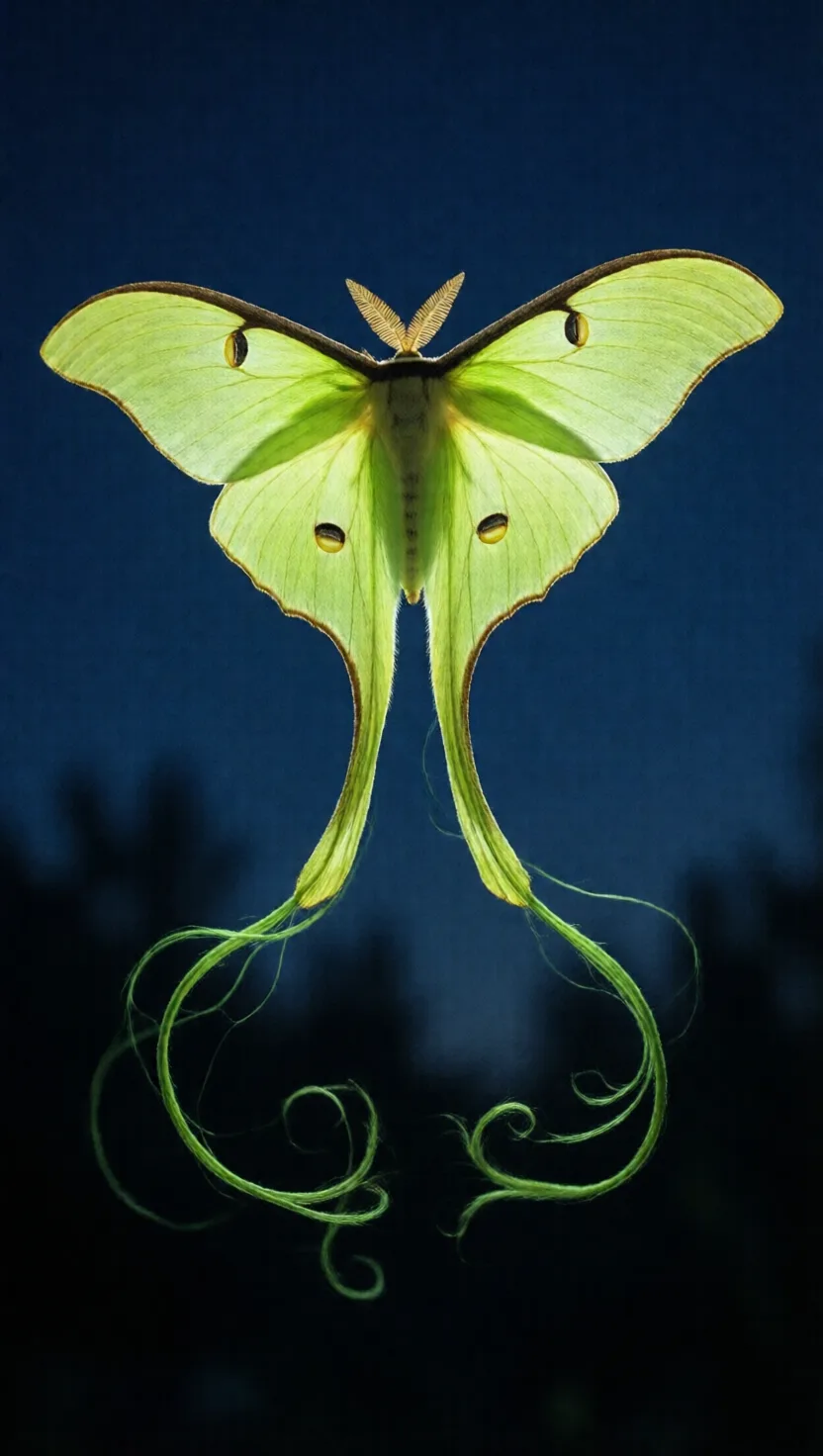
The long twisted streamers on a luna moth's hindwings aren't just for show. As the moth flies they whirl and flutter, throwing back a confusing second echo that a bat's sonar mistakes for the moth's body. The bat lunges at the spinning tail instead — and the moth loses a harmless scrap of wing and lives. In flight trials, the tails pulled the strike off target most of the time and raised survival by roughly 47 percent.
This bat aims its sound with its nose

This bat aims its sound with its nose

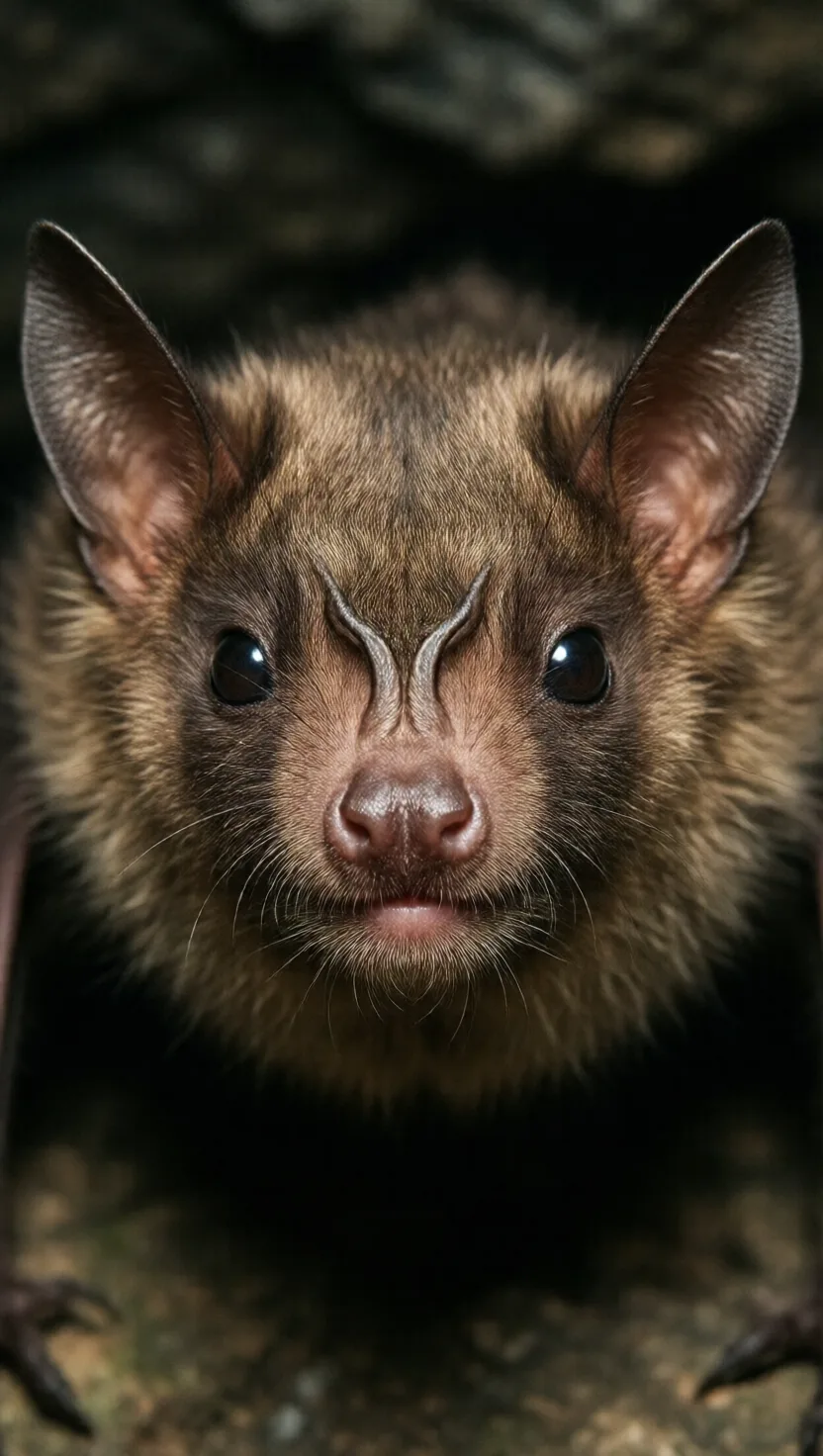
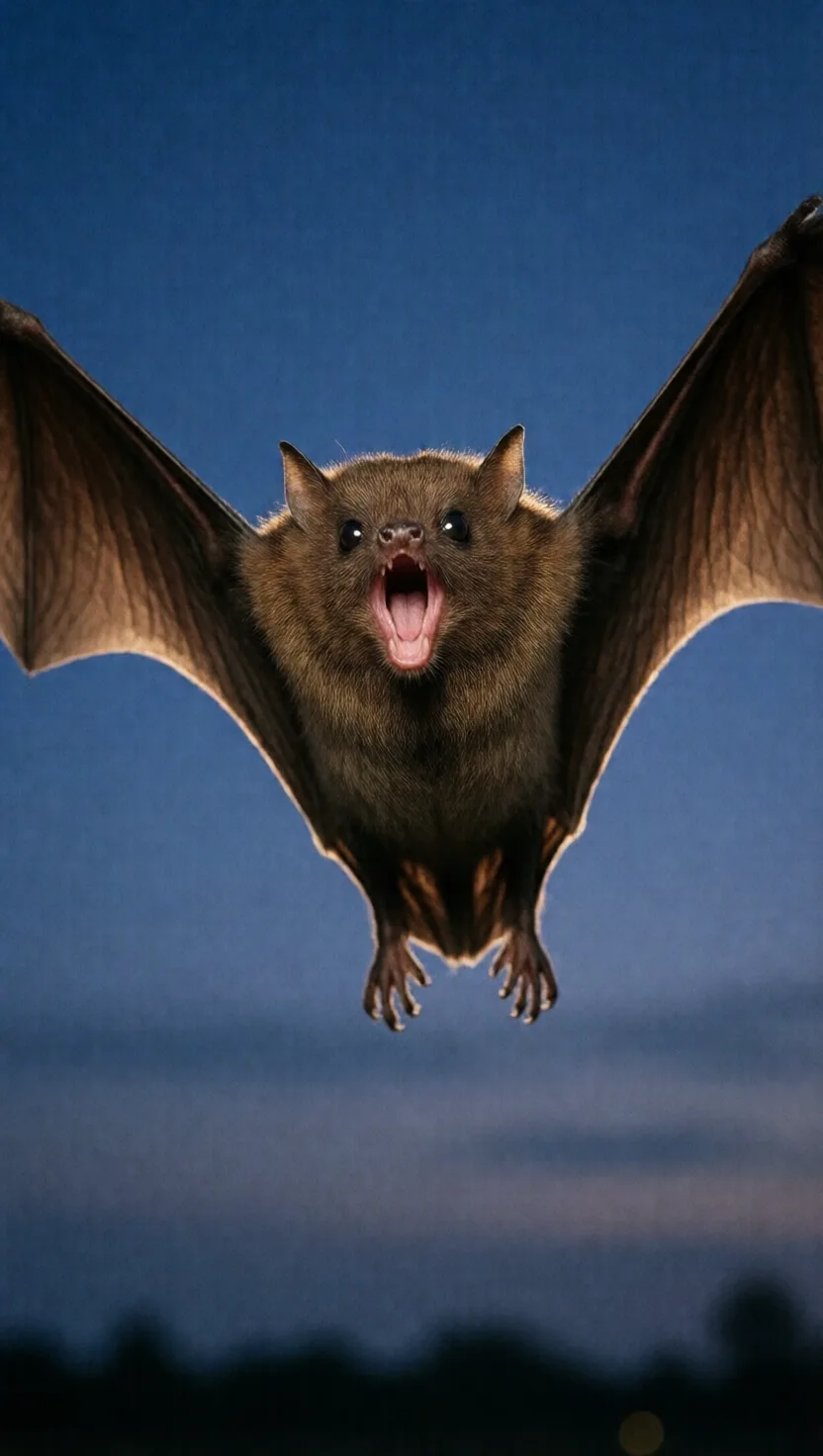
A horseshoe bat sings through its nose, and the fleshy folds around its nostrils — the 'nose-leaf' — work like a sculpted megaphone that aims the beam. It holds one long, pure tone and, as it flies, constantly tweaks the pitch so the returning echo stays fixed at the exact frequency its ear is tuned to. That trick lets it pick out the tiny flicker of an insect's beating wings against a wall of clutter.
A bat goes deaf to hear its own echo

A bat goes deaf to hear its own echo

An echolocating bat shouts louder than a smoke alarm held to your ear — over 130 decibels. To keep from deafening itself, a tiny muscle in its middle ear, the stapedius, clenches a few thousandths of a second before each call, pulling the ear bones apart so the blast barely registers. The instant the call ends the muscle lets go, and the ear snaps back to full sensitivity just in time to catch the faint returning echo.
A moth wears a coat that eats sound

A moth wears a coat that eats sound

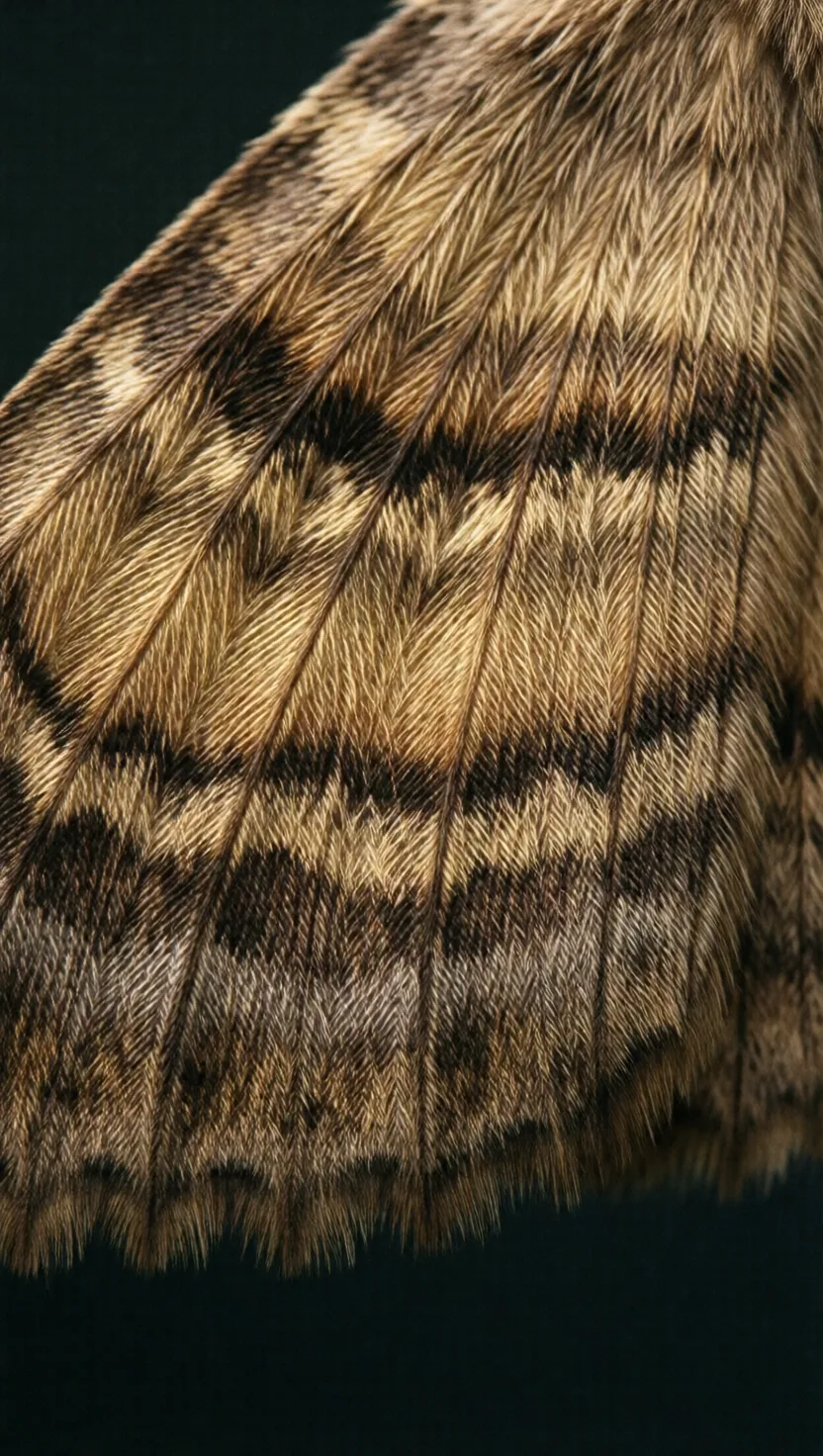
Some moths carry the first known natural acoustic camouflage. Their wings and bodies are covered in tens of thousands of tiny scales, each tuned like a microscopic tuning fork to a different pitch. When a bat's ultrasound hits them they flex and twist, swallowing the energy instead of bouncing it back — soaking up as much as 72 percent of the sound, so the moth half-vanishes from the bat's sonar screen.
tap →swipe ↑ for depthswipe ↓ to exit