Eight things made of stuff that never existed in nature

DC·76 Deep Cuts
The first true plastic held nothing from nature

The first true plastic held nothing from nature

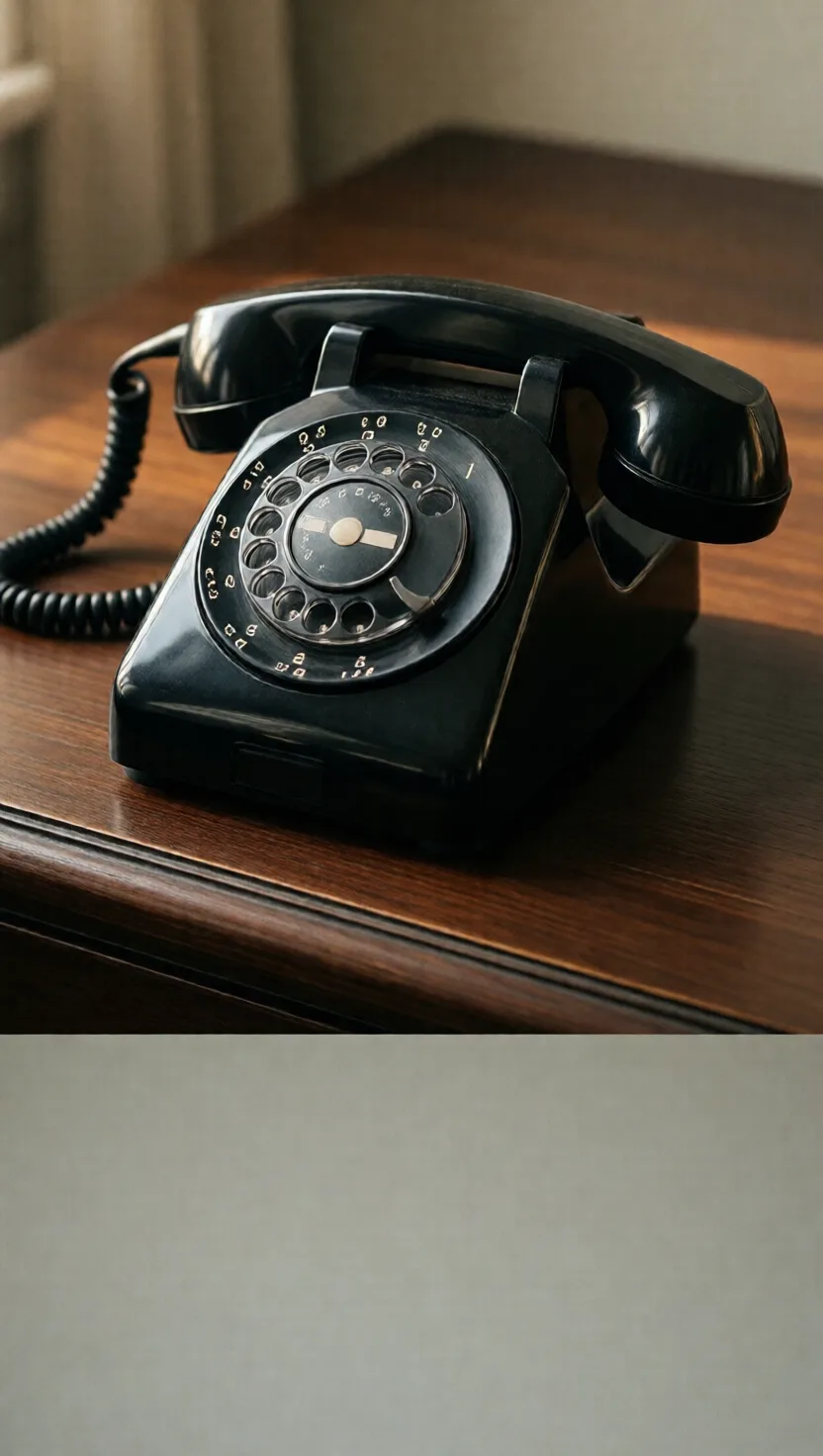
In 1907 the chemist Leo Baekeland heated phenol and formaldehyde under pressure inside a steel cooker he called the Bakelizer, about 1.5 metres tall. Out came the first plastic with no natural material in it at all, built entirely from molecules assembled in the lab. Hard, heat-resistant and a fine insulator, it shaped the early electrical age — radios, telephones, switches.
A 'dud' gas cylinder hid a slippery miracle

A 'dud' gas cylinder hid a slippery miracle

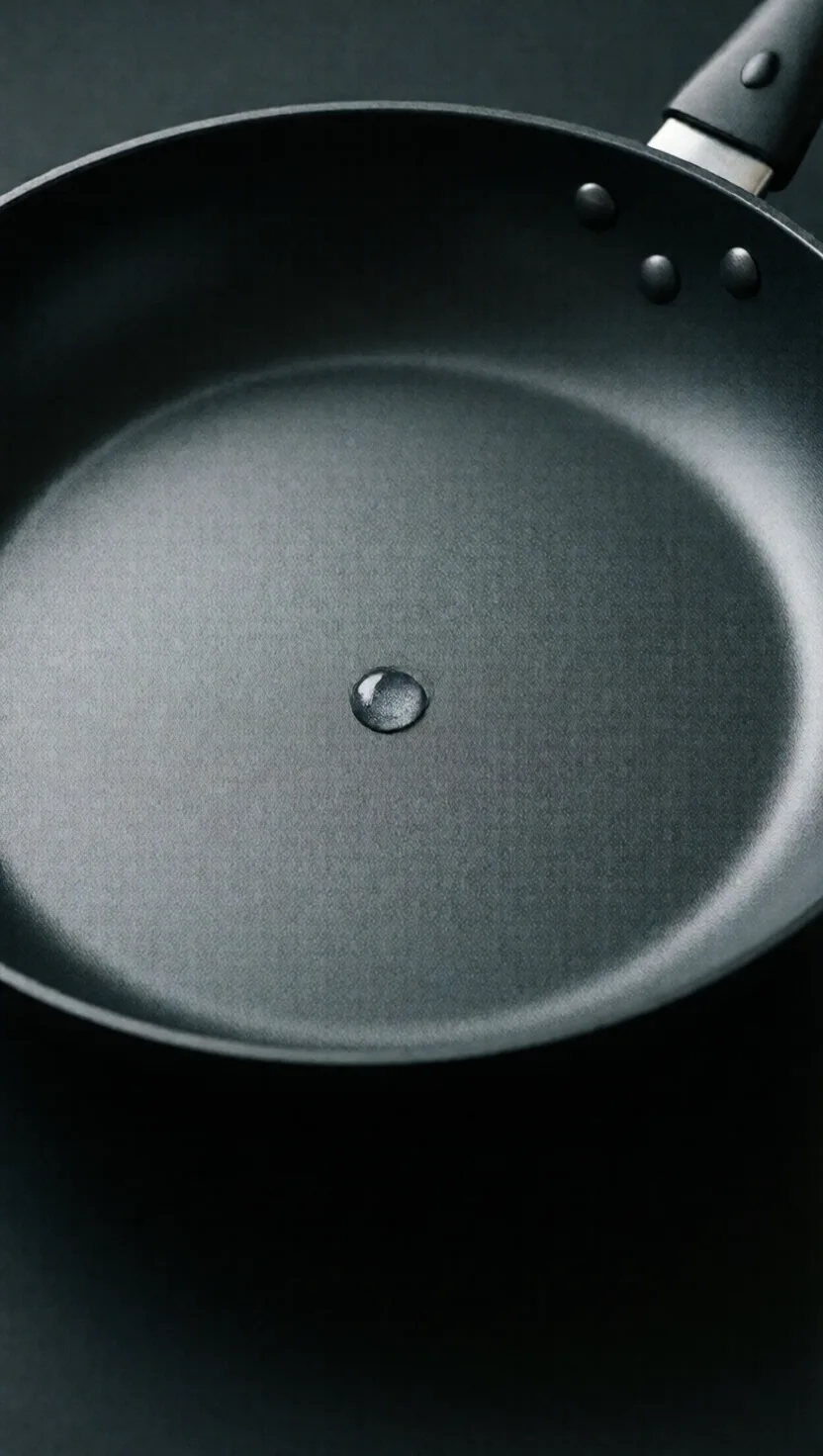
On 6 April 1938 a chemist opened a pressurised cylinder of tetrafluoroethylene gas that weighed full yet hissed out nothing. Sawing it apart, he found the gas had turned itself into a waxy white powder — a polymer so slippery that almost nothing sticks to it, with one of the lowest friction coefficients of any solid, around 0.05. Theory of the day said it should not have formed. Today it coats nonstick pans.
A fiber 5x stronger than steel, from a ruined batch

A fiber 5x stronger than steel, from a ruined batch

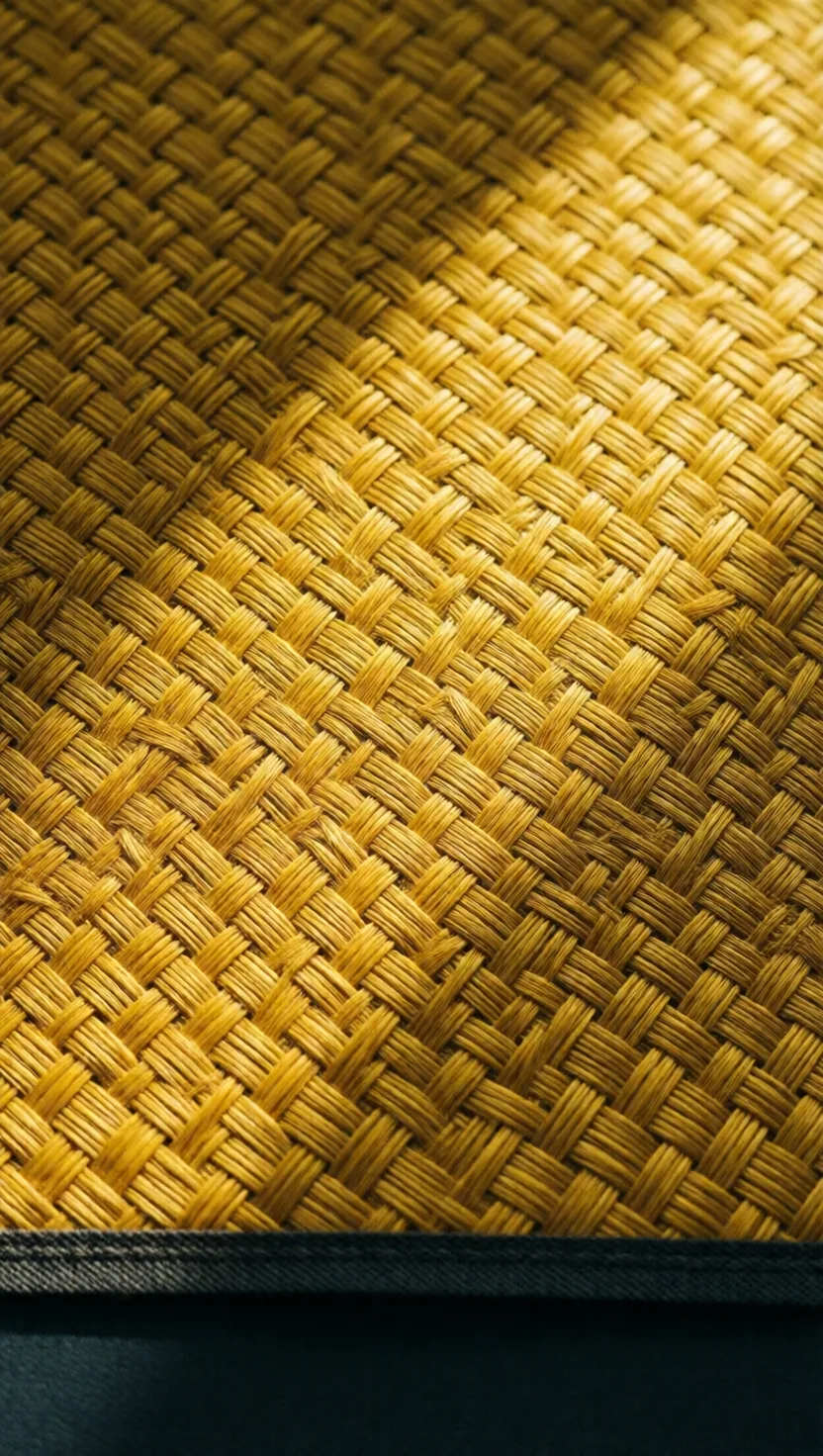
In 1965 a chemist spun a thin, cloudy liquid that most labs would have poured down the drain. The fibre it formed lined up its molecules like rigid rods, giving it a strength five times that of steel by weight. Light and almost uncuttable, the golden cloth went on to stop bullets in body armour and line the cabins of race cars.
This everyday plastic was a wartime radar secret

This everyday plastic was a wartime radar secret

In March 1933 two chemists in a British lab squeezed ethylene gas to hundreds of atmospheres; a tiny oxygen leak set it polymerising into a white waxy solid — polyethylene, now the world's most common plastic. It proved such a good insulator at high frequencies that wartime Britain kept it secret and used it to insulate the cables of its new radar.
Soda destroyed plastic bottles until 1973

Soda destroyed plastic bottles until 1973

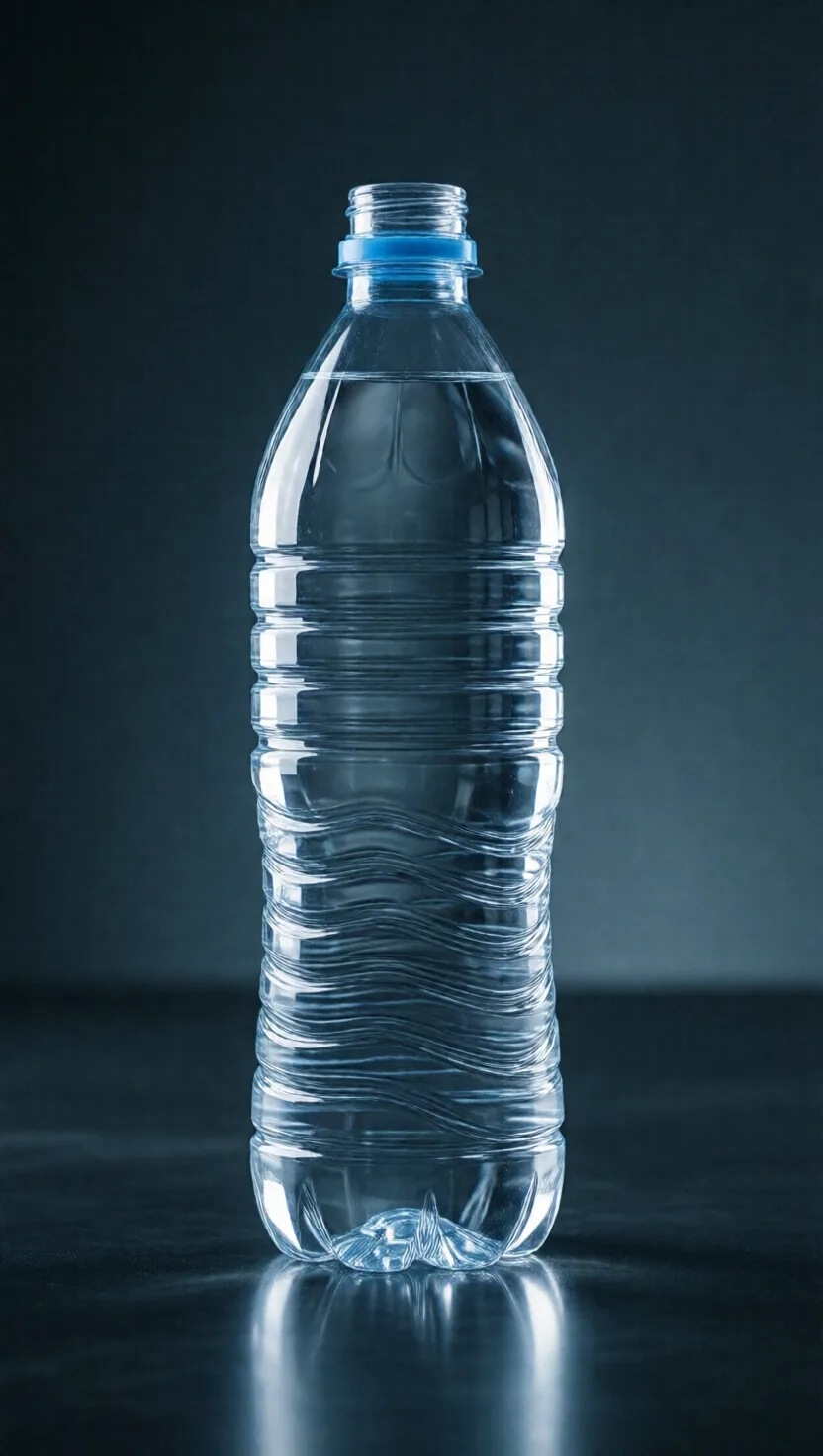
Early plastic bottles ballooned and burst under the pressure of a fizzy drink. An engineer, Nathaniel Wyeth, spent years stretching the plastic in two directions at once so its molecules locked into a strong, gas-tight web. The result, patented in 1973, was the first plastic bottle able to hold carbonation — the clear lightweight bottle now used for nearly every fizzy drink.
Surgeons once glued wounds shut with this in the field

Surgeons once glued wounds shut with this in the field

Cyanoacrylate was stumbled on in 1942 by a chemist trying to make clear plastic gun sights; it stuck to everything and was shelved, then rediscovered in 1951. Its grip is near-instant — it hardens the moment it meets the faint moisture on a surface. Field surgeons in the Vietnam War sprayed it onto open wounds to stop bleeding in seconds.
Bubble wrap began as ugly 3-D wallpaper

Bubble wrap began as ugly 3-D wallpaper

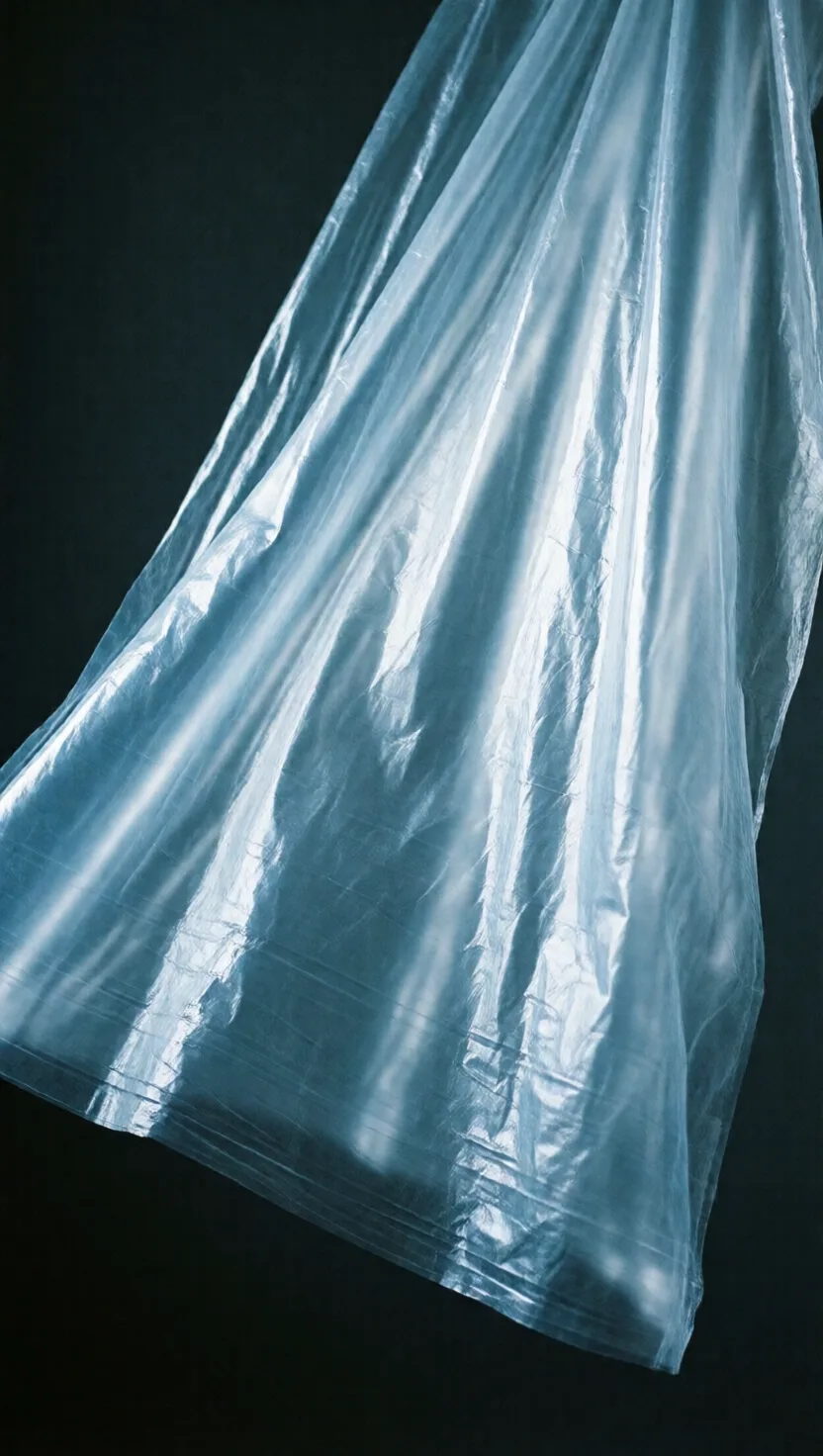
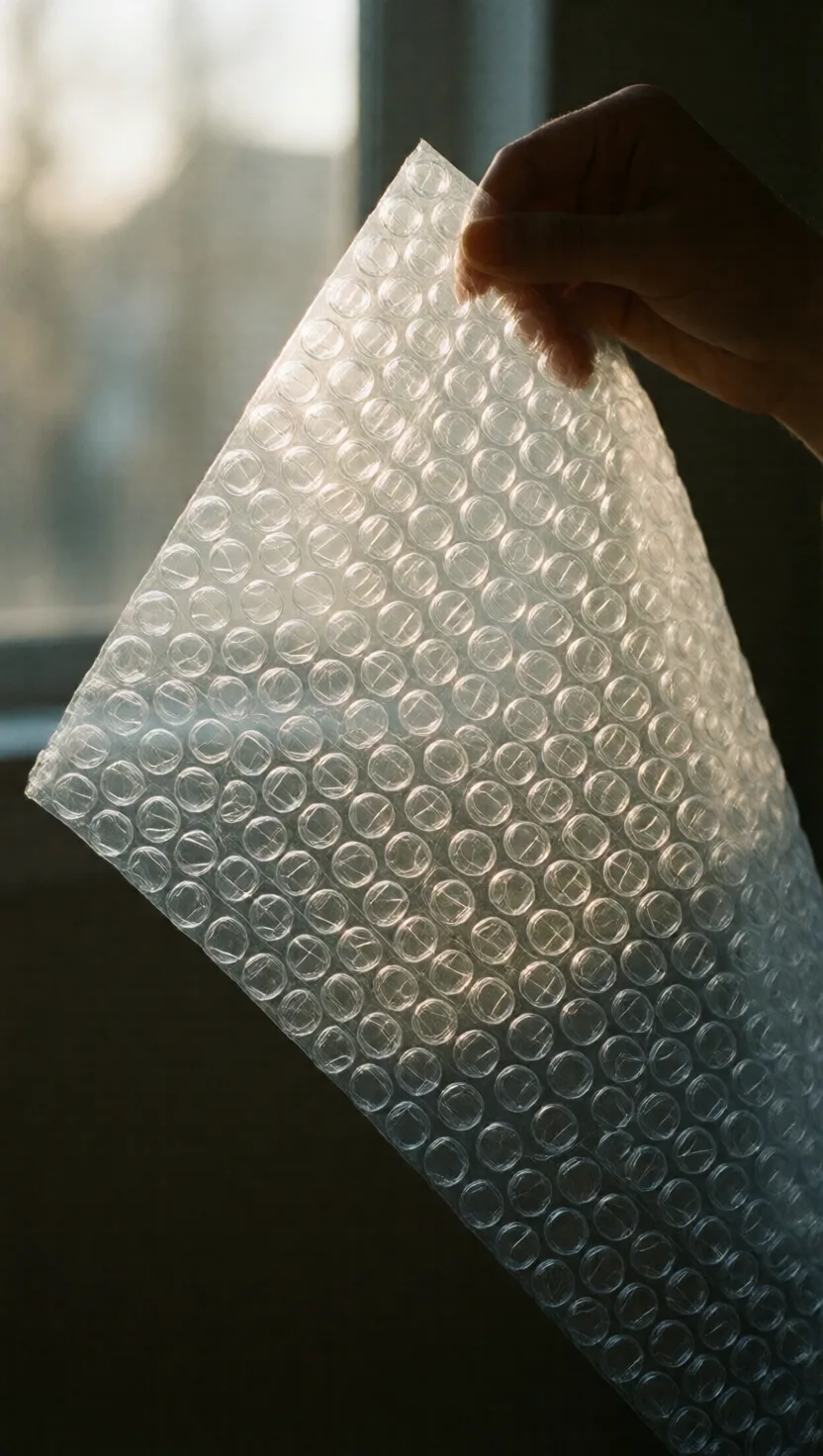
In 1957 two engineers sealed two plastic shower curtains together, trapping a grid of air bubbles, hoping to sell it as textured 3-D wallpaper. Nobody wanted it. The flop found its calling in 1961 as protective packaging, first used to ship a room-sized computer. Each bubble is a tiny sealed air cushion that flattens to absorb a shock.
The lens in millions of eyes began as fighter glass

The lens in millions of eyes began as fighter glass

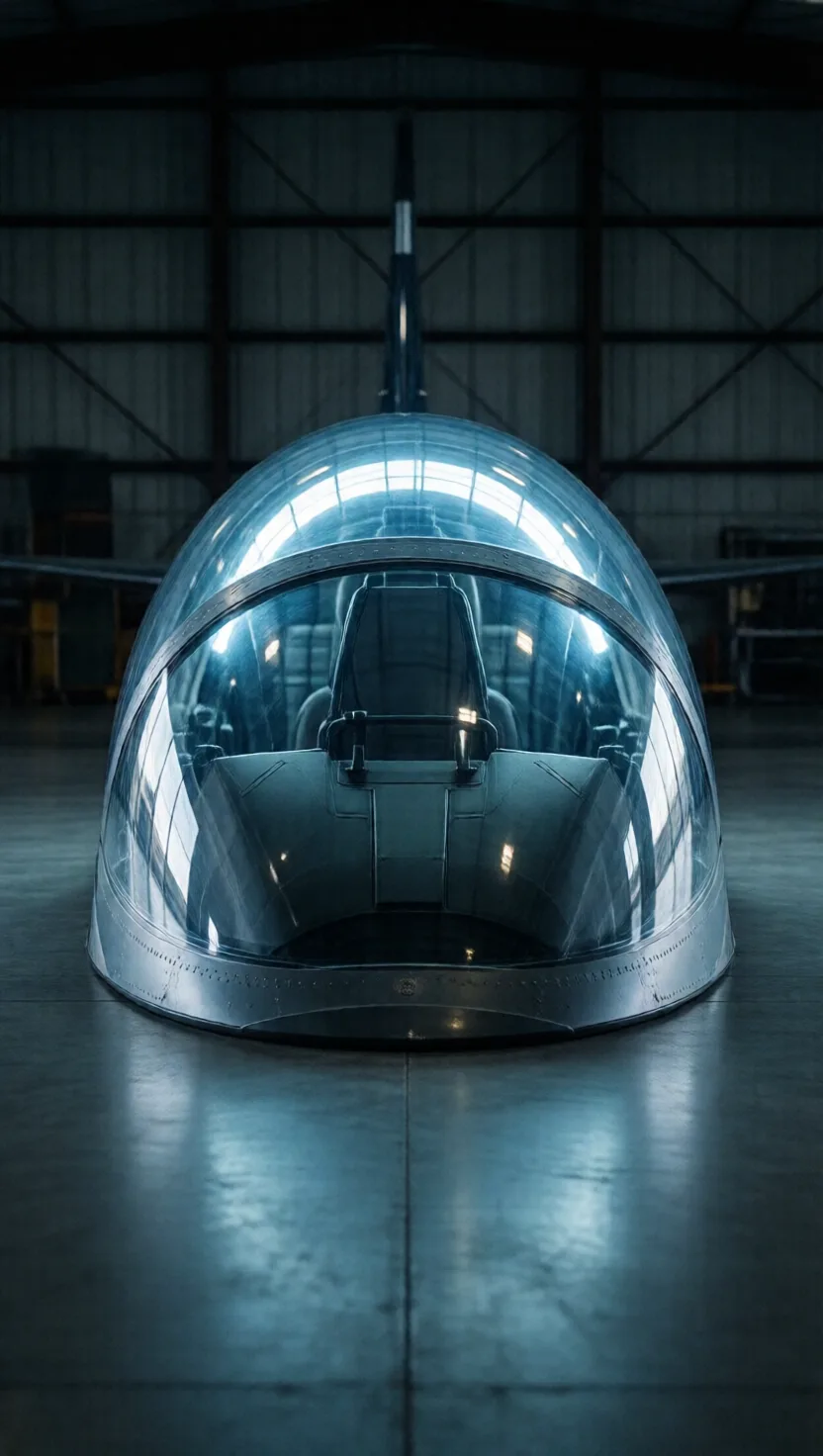
During the Second World War a surgeon noticed that splinters of acrylic cockpit canopy lodged in pilots' eyes caused no rejection — the body simply tolerated the clear plastic. That led him to the artificial lens implant; he placed the first one on 29 November 1949. Today the same material, acrylic glass, restores sight to millions after cataract surgery.
tap →swipe ↑ for depthswipe ↓ to exit