Eight things hiding in a spoonful of sugar

DC·75 Deep Cuts
Sugar doesn't melt — it quietly falls apart

Sugar doesn't melt — it quietly falls apart

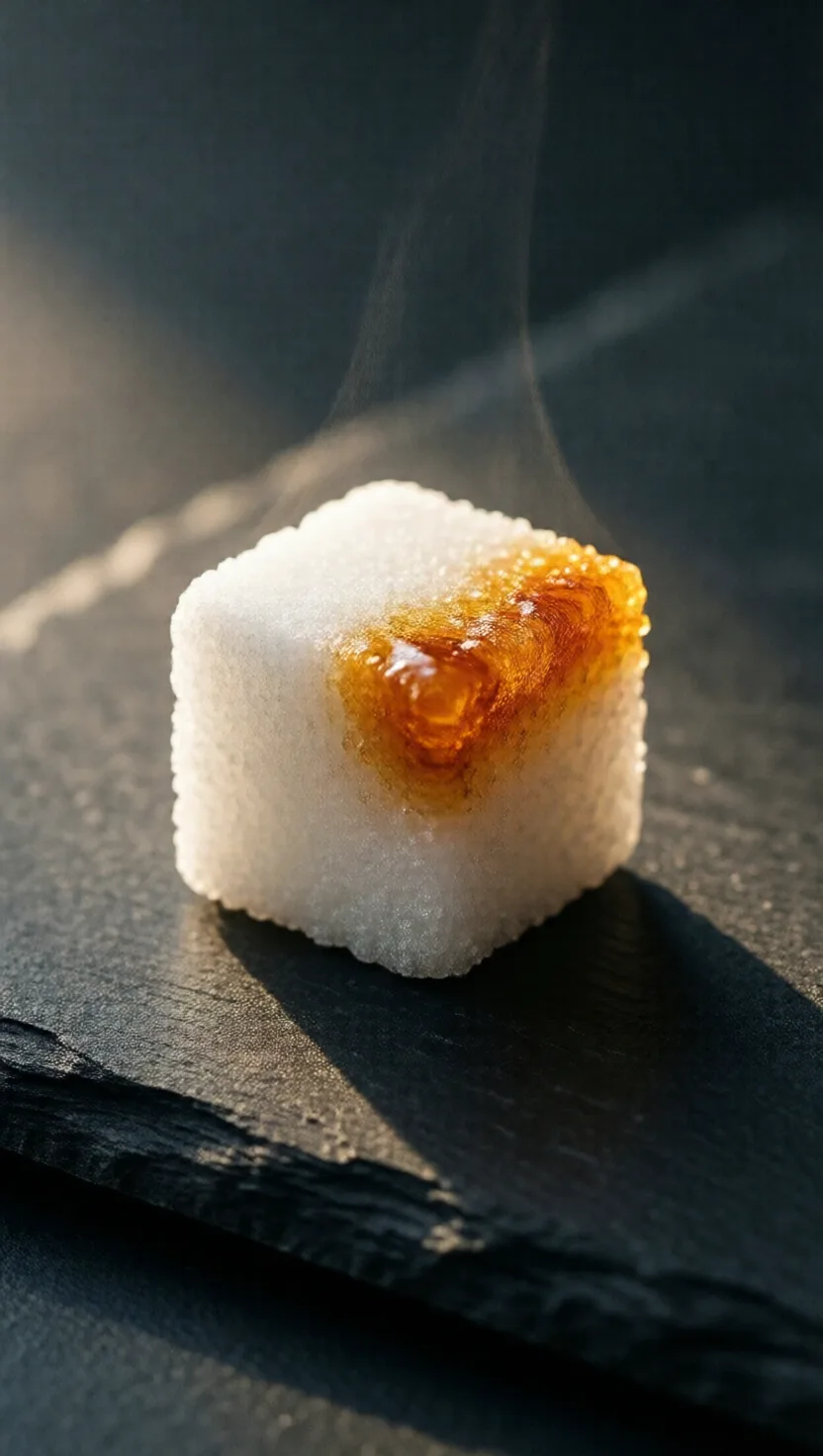
Sucrose has no true melting point. Heat it slowly and it changes form at one temperature; heat it fast and at another — proof there is no single fixed transition. Food chemists showed in 2011 that what looks like melting is really the molecule breaking apart into glucose and fructose as its crystal lattice collapses. They named it 'apparent melting,' beginning around 160°C.
Crush this mint in the dark and it sparks blue

Crush this mint in the dark and it sparks blue

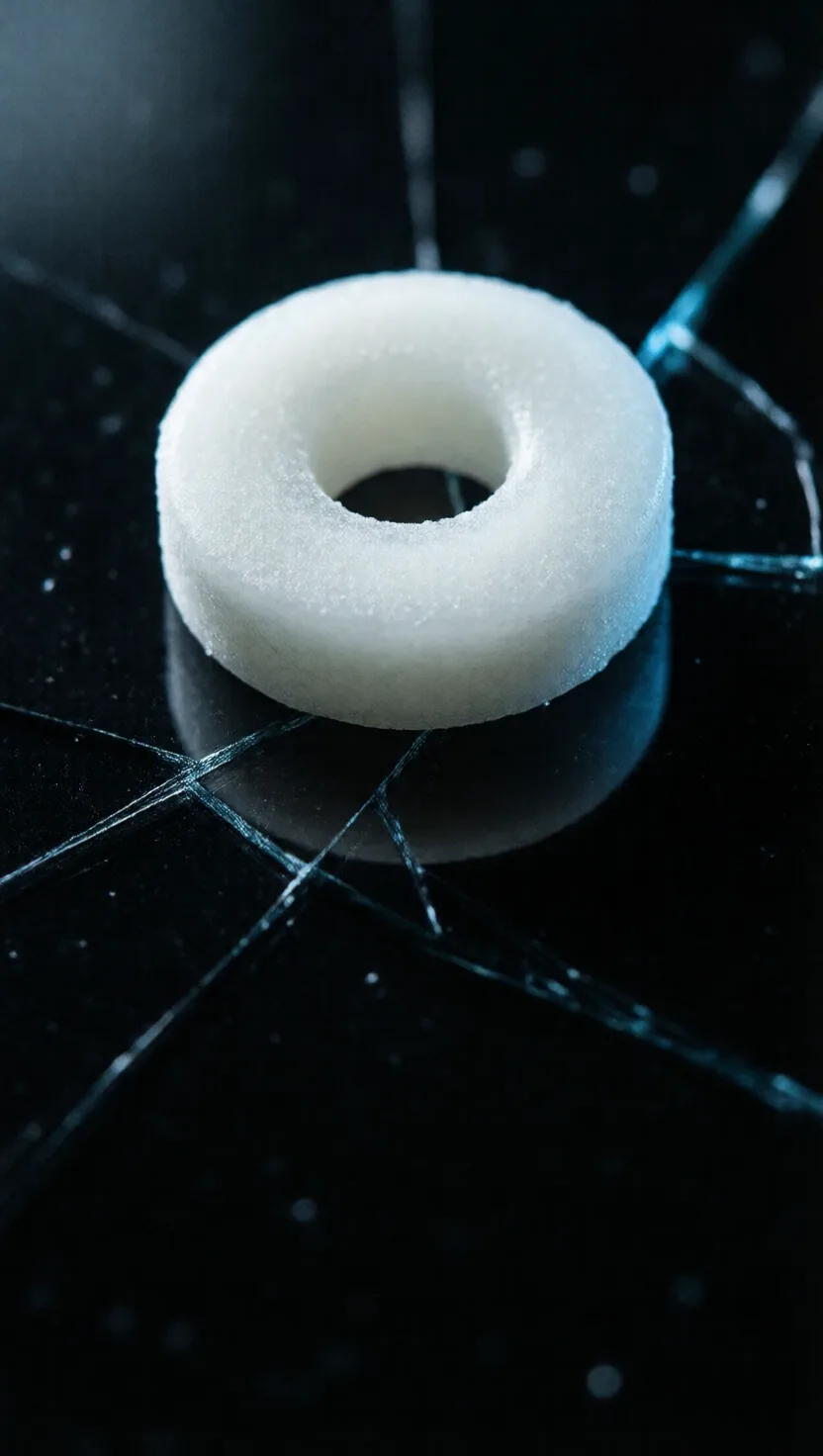
Bite a wintergreen mint in a dark room and you'll see faint blue flashes. Snapping the sugar crystals tears electric charge apart; when it jumps back across the gap it excites nitrogen in the air, which glows mostly in invisible ultraviolet near 337 nm. The wintergreen oil, methyl salicylate, soaks up that UV and re-emits it as visible blue light — a sugar crystal acting as a tiny spark gap.
A wall of molasses once raced a city at 35 mph

A wall of molasses once raced a city at 35 mph

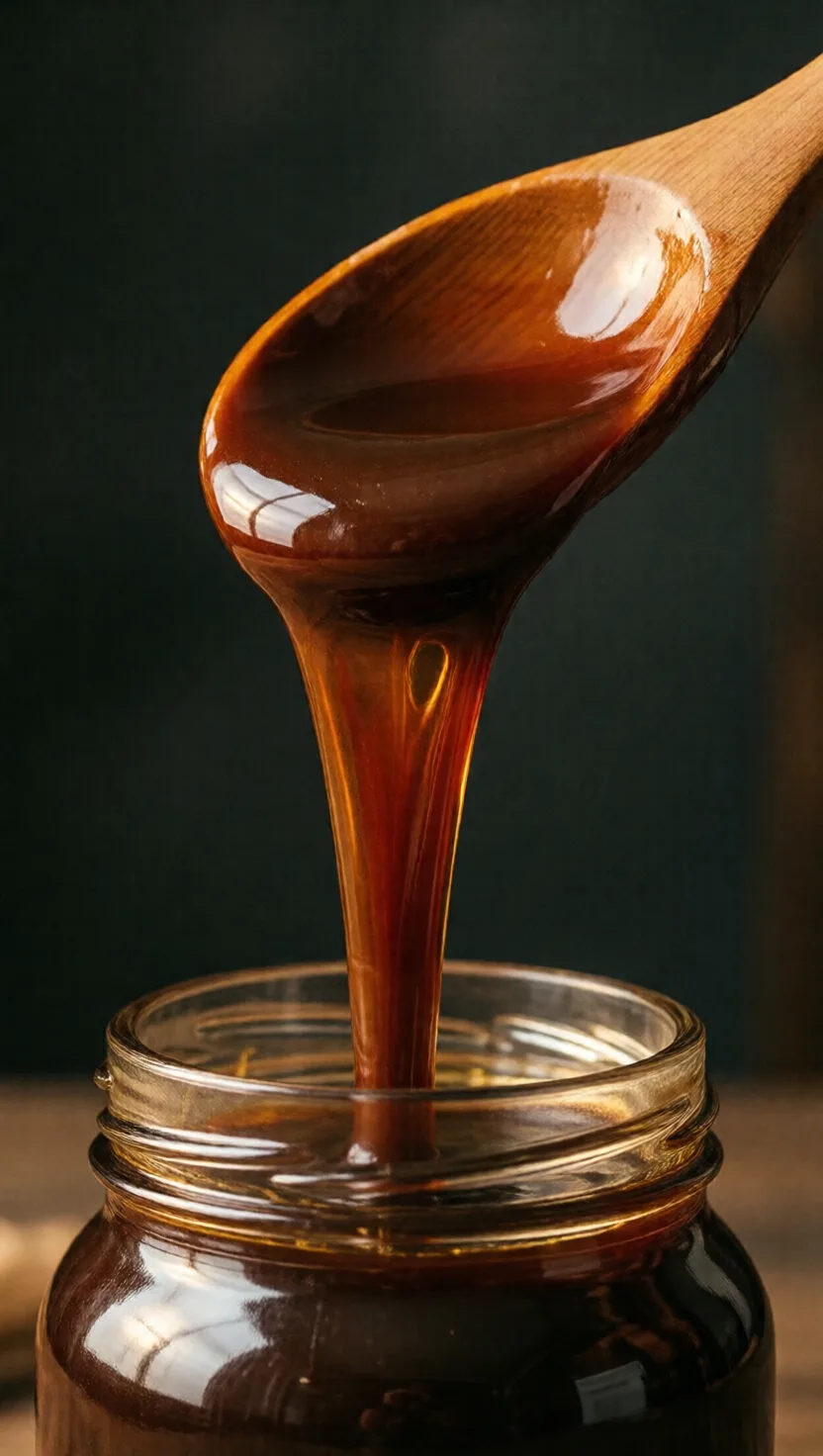
On 15 January 1919 a steel tank in Boston's North End split open and released 2.3 million US gallons of molasses. The wave stood up to 25 feet high and tore through the streets at about 35 mph, killing 21 people and injuring 150. A 2016 study found the winter cold thickened the molasses as it spread, trapping victims who could not pull free.
Cotton candy was invented by a dentist

Cotton candy was invented by a dentist

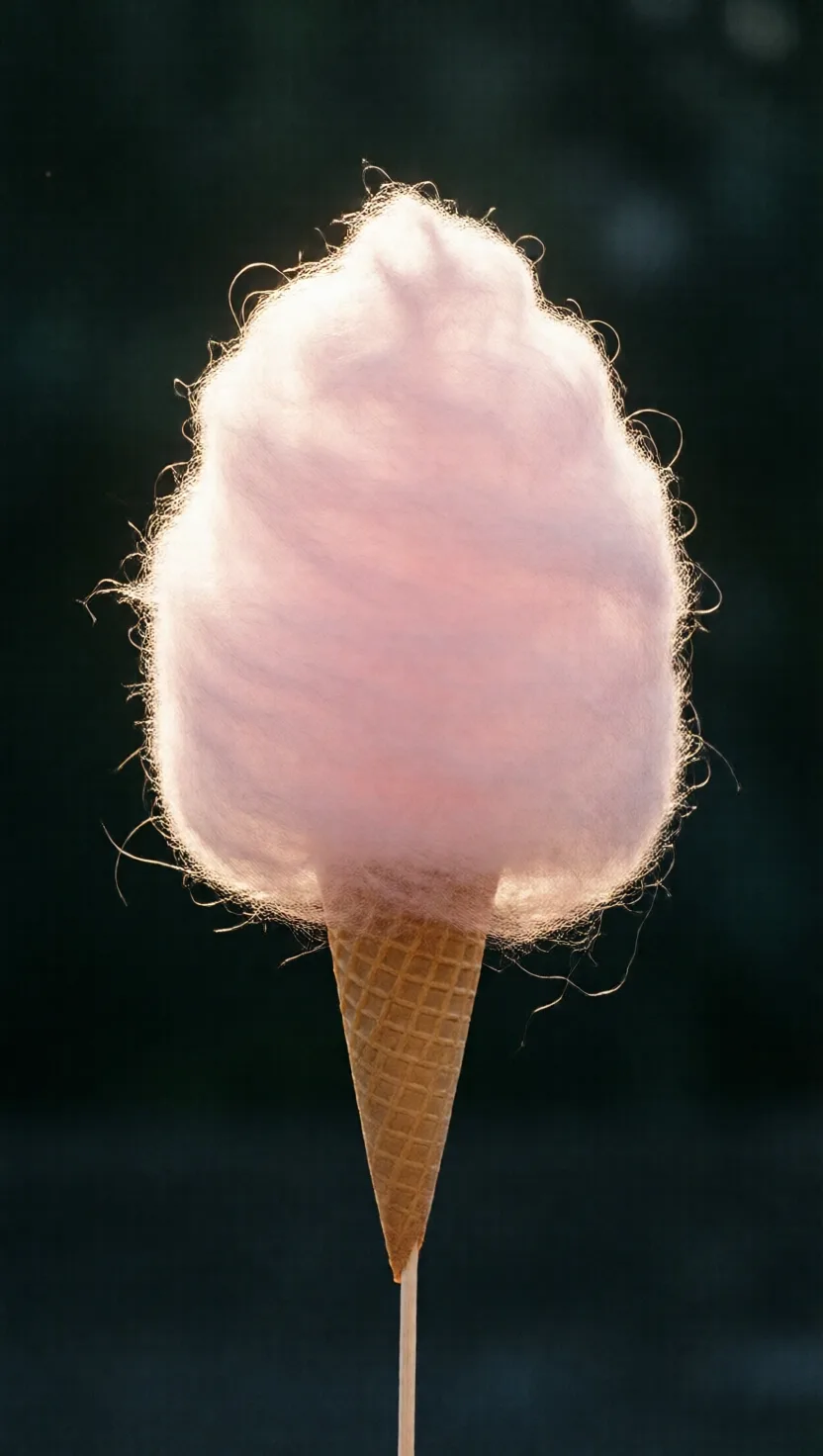
The machine that spins sugar into floss was patented in 1897 by a dentist, William Morrison, working with confectioner John Wharton. It melts sugar and flings it through tiny holes, where the threads cool instantly into a cloud. At the 1904 World's Fair they sold nearly 70,000 boxes of 'fairy floss' at 25 cents each — about half the price of admission.
A cut finger gave us the sugar cube

A cut finger gave us the sugar cube

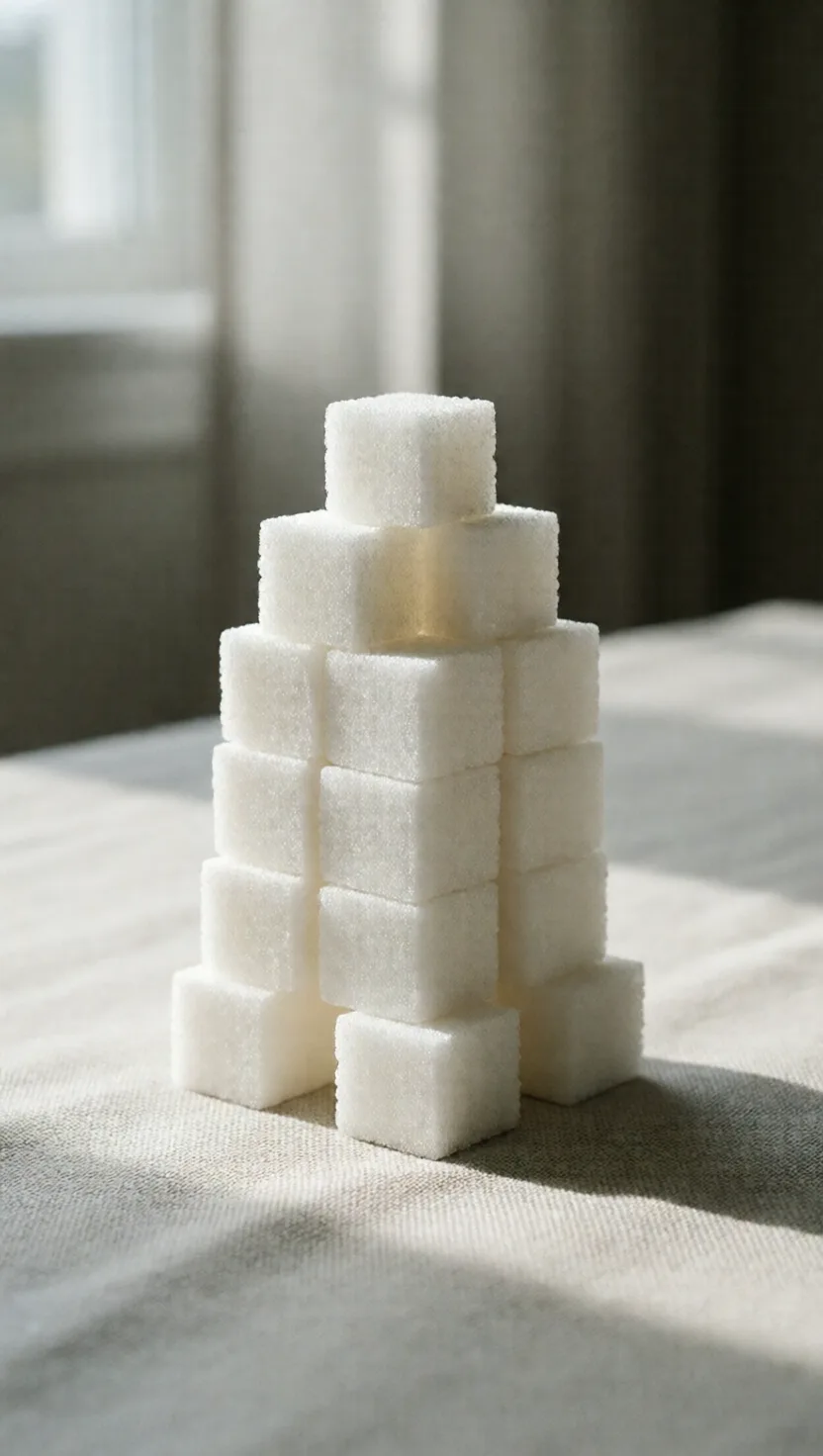
Until the 1840s sugar came as a hard cone called a loaf, hacked apart with iron nippers. In 1841 Juliana Rad cut her finger doing exactly that; her husband Jakob, who ran a refinery, built a press that turned refined sugar into tidy pre-cut blocks. He was granted a five-year patent on 23 January 1843 — and the sugar cube was born.
A lollipop is the same kind of solid as glass

A lollipop is the same kind of solid as glass

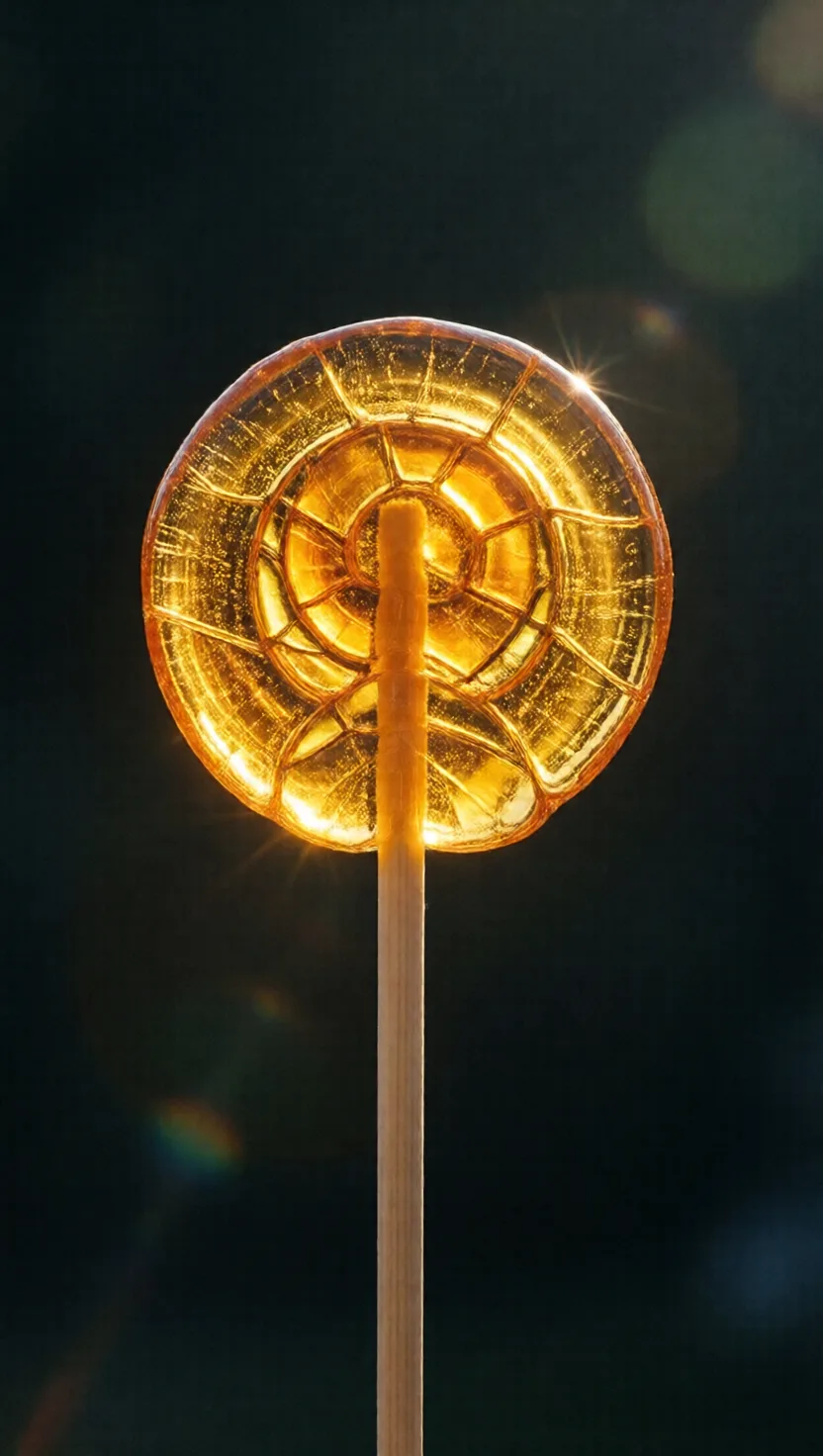
Boil sugar syrup to about 150°C — the 'hard crack' stage — and you drive the water down to roughly 1%. The sugar is now so concentrated that on cooling it cannot organise into crystals; it freezes into a random, rigid jumble. That makes hard candy an amorphous solid, the same class of material as window glass, only built from sugar instead of silica.
Your white sugar may be filtered through bone

Your white sugar may be filtered through bone

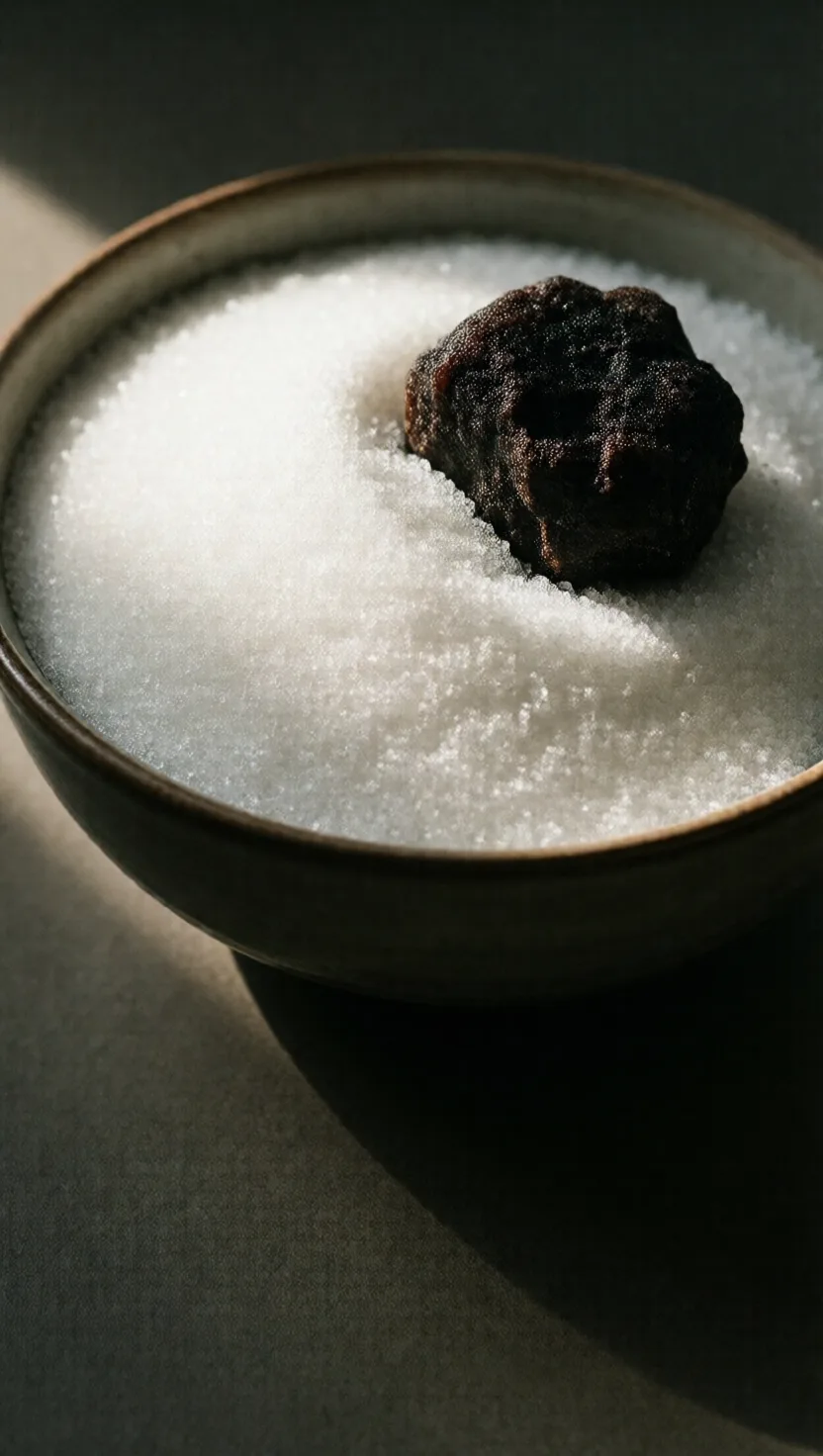
Much cane sugar gets its bright white colour by trickling the syrup through bone char — cattle bones roasted above 700°C until they become a porous black granular carbon. The char strips out colour and impurities; none remains in the finished sugar. It is why some cane sugar is not vegan, while beet sugar, refined differently, never touches bone.
Boiling water swallows 5x its weight in sugar

Boiling water swallows 5x its weight in sugar

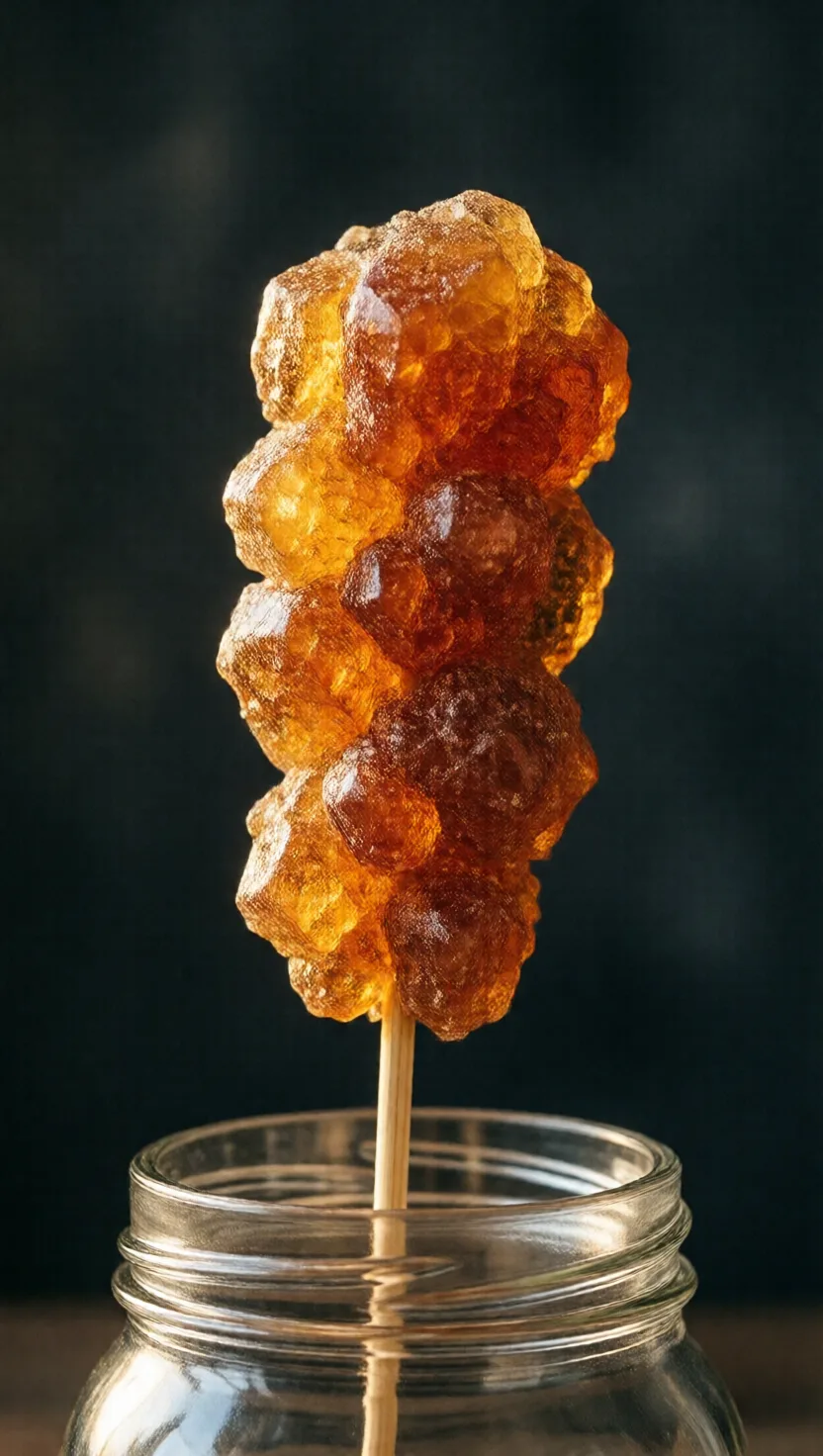
Water at 20°C dissolves about 200 grams of sugar per 100 millilitres; heat it to 100°C and it takes more than 487 grams — nearly five times its own weight. Let that scalding syrup cool and it becomes supersaturated, holding more sugar than it should. Over about a week the surplus latches onto a string and grows into chunky rock-candy crystals.
tap →swipe ↑ for depthswipe ↓ to exit