Eight things this giant grass does

DC·74 Deep Cuts
This plant can grow nearly a metre in a day

This plant can grow nearly a metre in a day

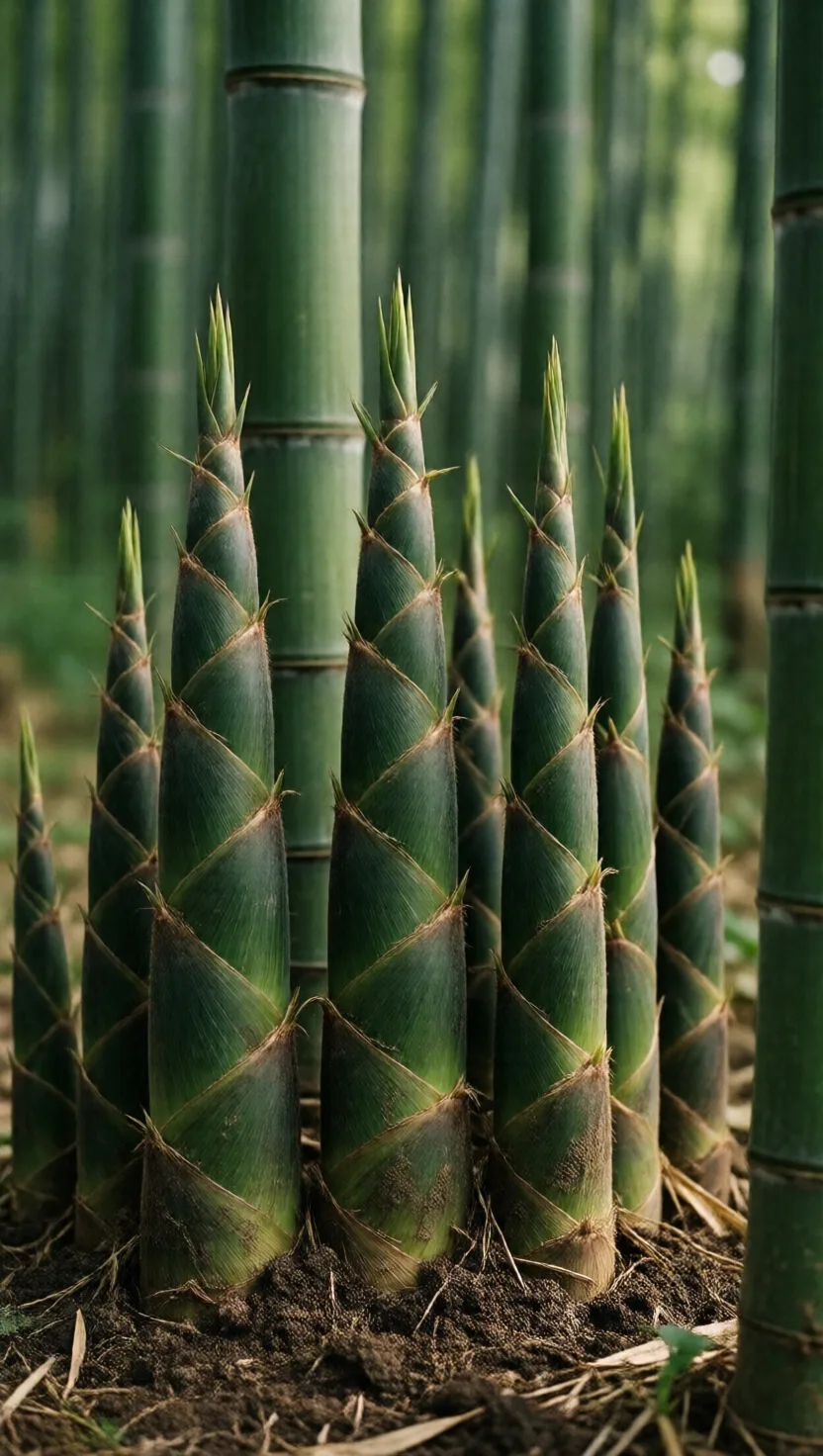
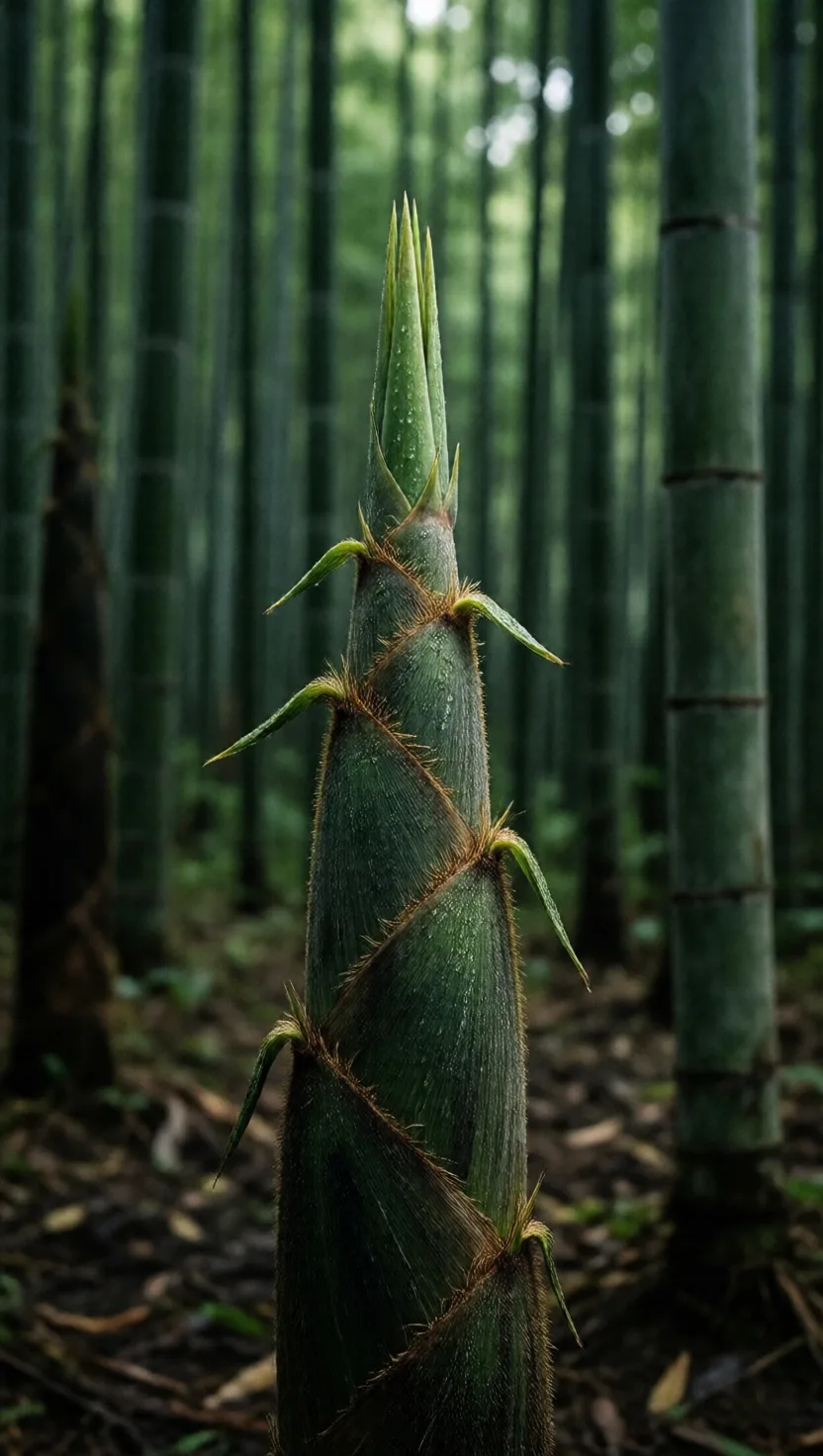
Bamboo is the fastest-growing plant on Earth. The trick is that a new shoot already holds every segment it will ever have, pre-formed and folded underground; growth is just those cells stretching, fed by a vast store of energy in the roots. Under the right conditions moso bamboo has been measured shooting up about 91 centimetres in a single day, and one record clocked nearly 120 centimetres in 24 hours.
The tallest grass on Earth isn't a tree

The tallest grass on Earth isn't a tree

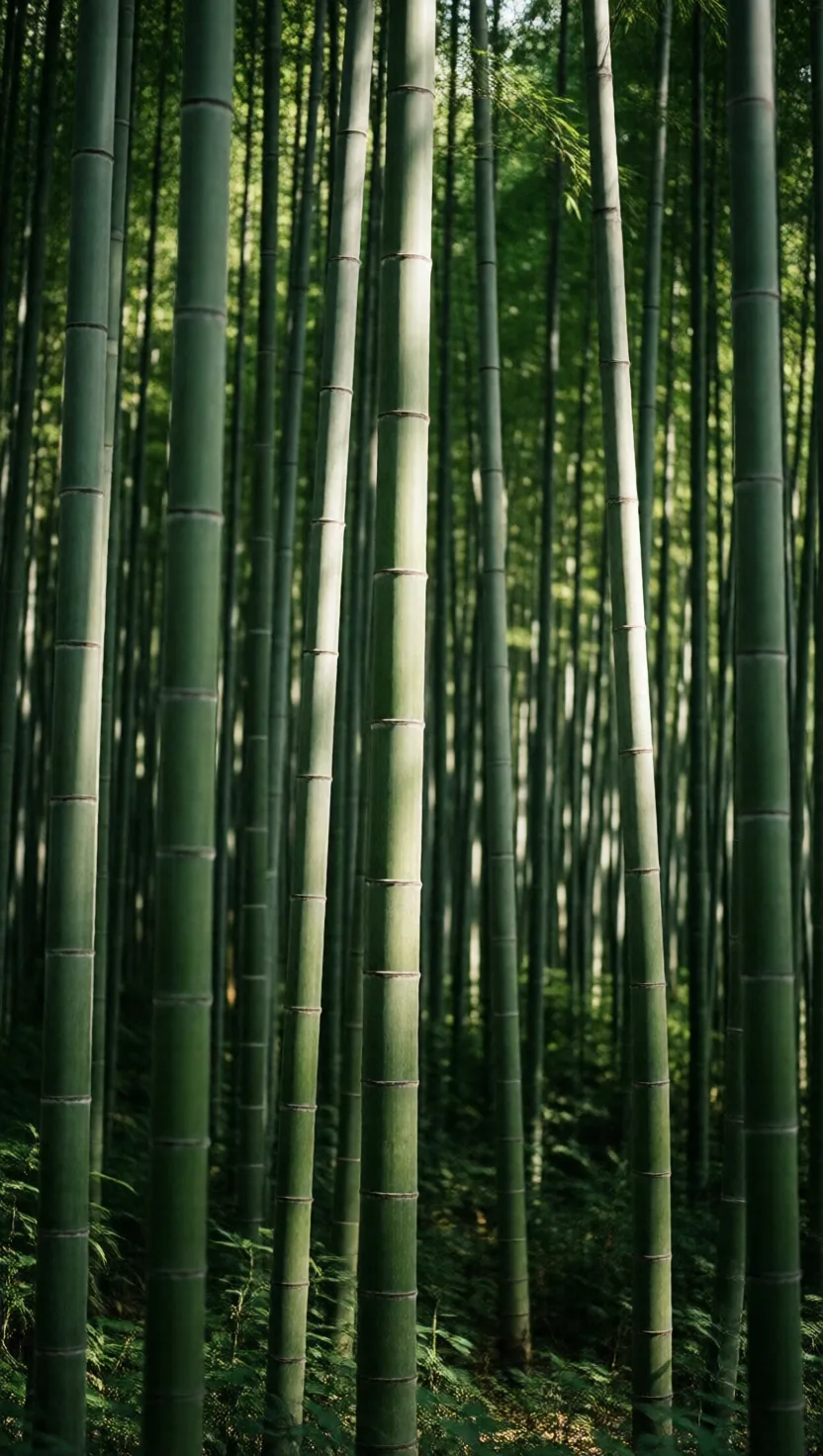
For all that it looks like timber, bamboo is a grass, a member of the same family as wheat and lawn turf, not of trees. It has the giveaways of grass: a hollow jointed stem, growth from the base, and roots that creep as rhizomes. It simply happens to be a grass that can tower over a house. That hollow, segmented build is also what makes it so light and so strong for its weight.
A bamboo cane is born as thick as it'll ever be

A bamboo cane is born as thick as it'll ever be

A tree trunk thickens year by year, adding rings. Bamboo never does. A cane pushes out of the ground already at its full width and simply elongates to its final height in a couple of months, then stays exactly that thick for the rest of its life. Bamboo has no cambium, the growth layer that lets trees widen, so a pencil-thin cane stays pencil-thin and a stout one was stout from day one.
A whole bamboo species can flower once, then die

A whole bamboo species can flower once, then die

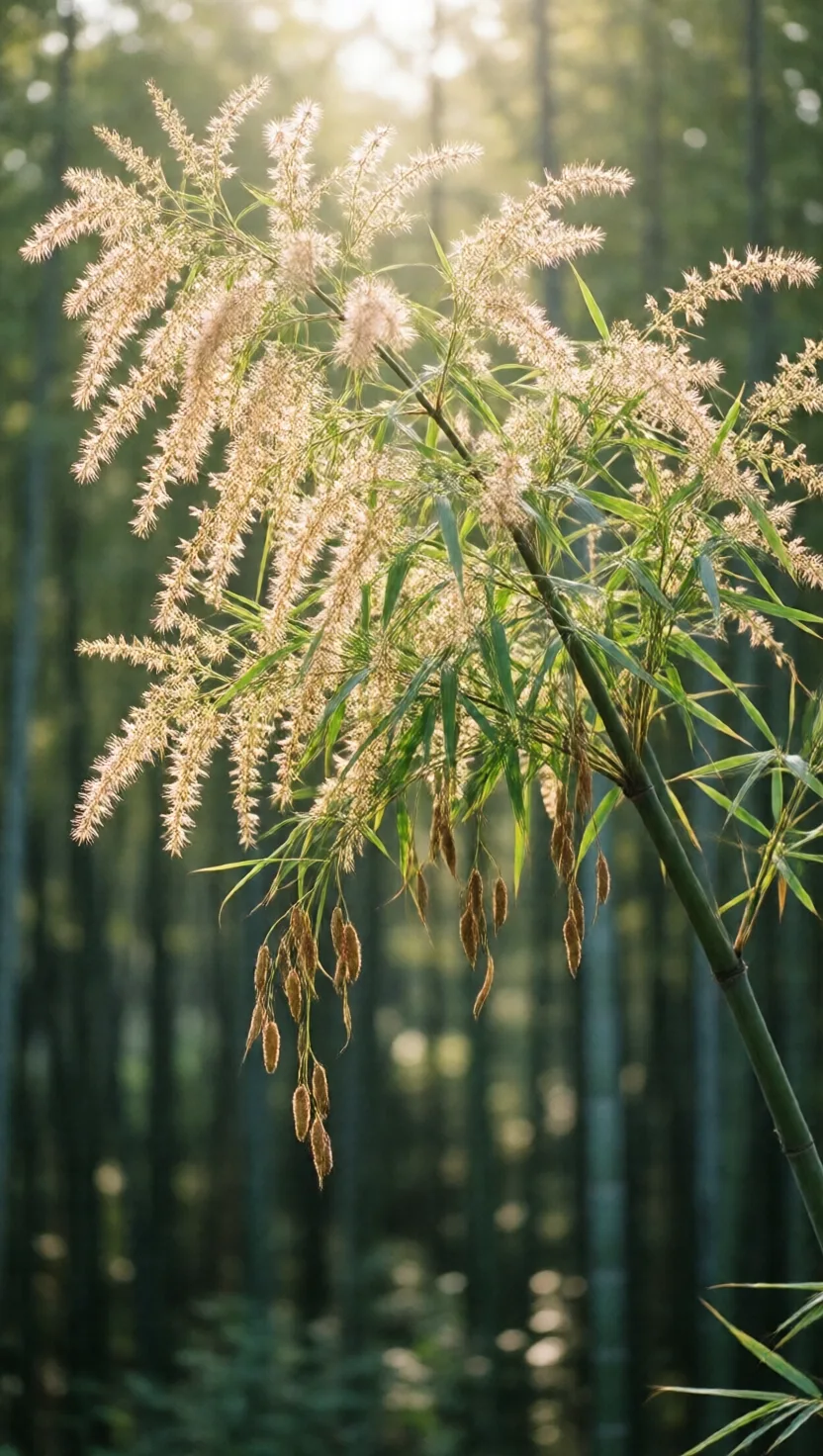
Many bamboos flower on a clock measured in human lifetimes. One species blooms only about every 120 years, and when it does, plants of that kind flower almost simultaneously across the world, set seed, and then die together, spent. This once-and-done strategy, called monocarpic flowering, means a grove can stand green and flowerless for over a century before its sudden, synchronised end.
When this bamboo fruits, a famine follows

When this bamboo fruits, a famine follows

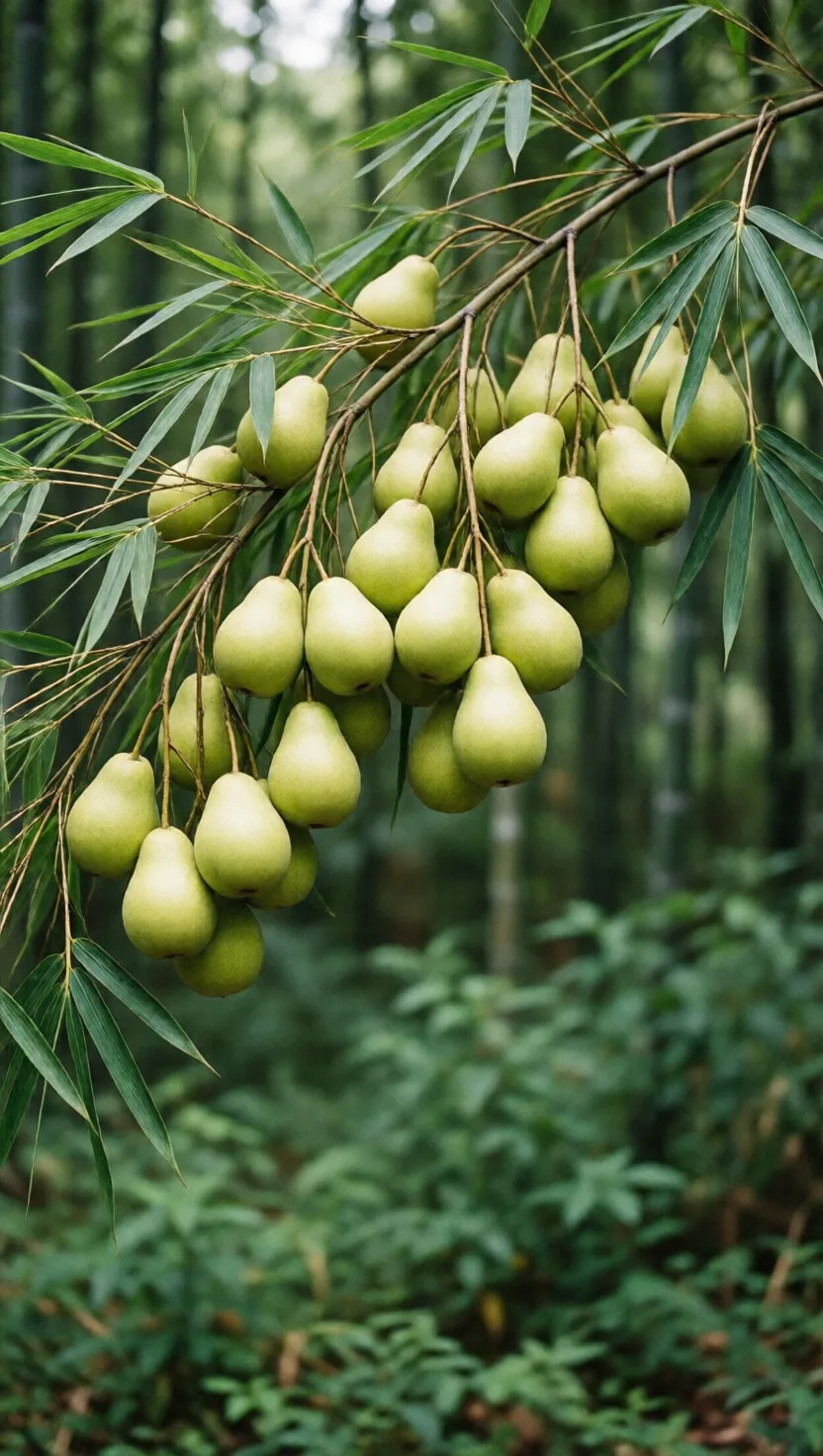
In the hills of northeast India a bamboo flowers roughly every 48 years, and its mass of fruit triggers disaster. Rats gorge on the sudden glut of seed and breed explosively; when the seed runs out the swollen rat army turns on the farmers' crops and granaries. The cycle, called mautam, has struck on schedule in 1863, 1911, 1959 and 2007, each time bringing rat plagues and hunger.
The first firecracker was just bamboo on a fire

The first firecracker was just bamboo on a fire

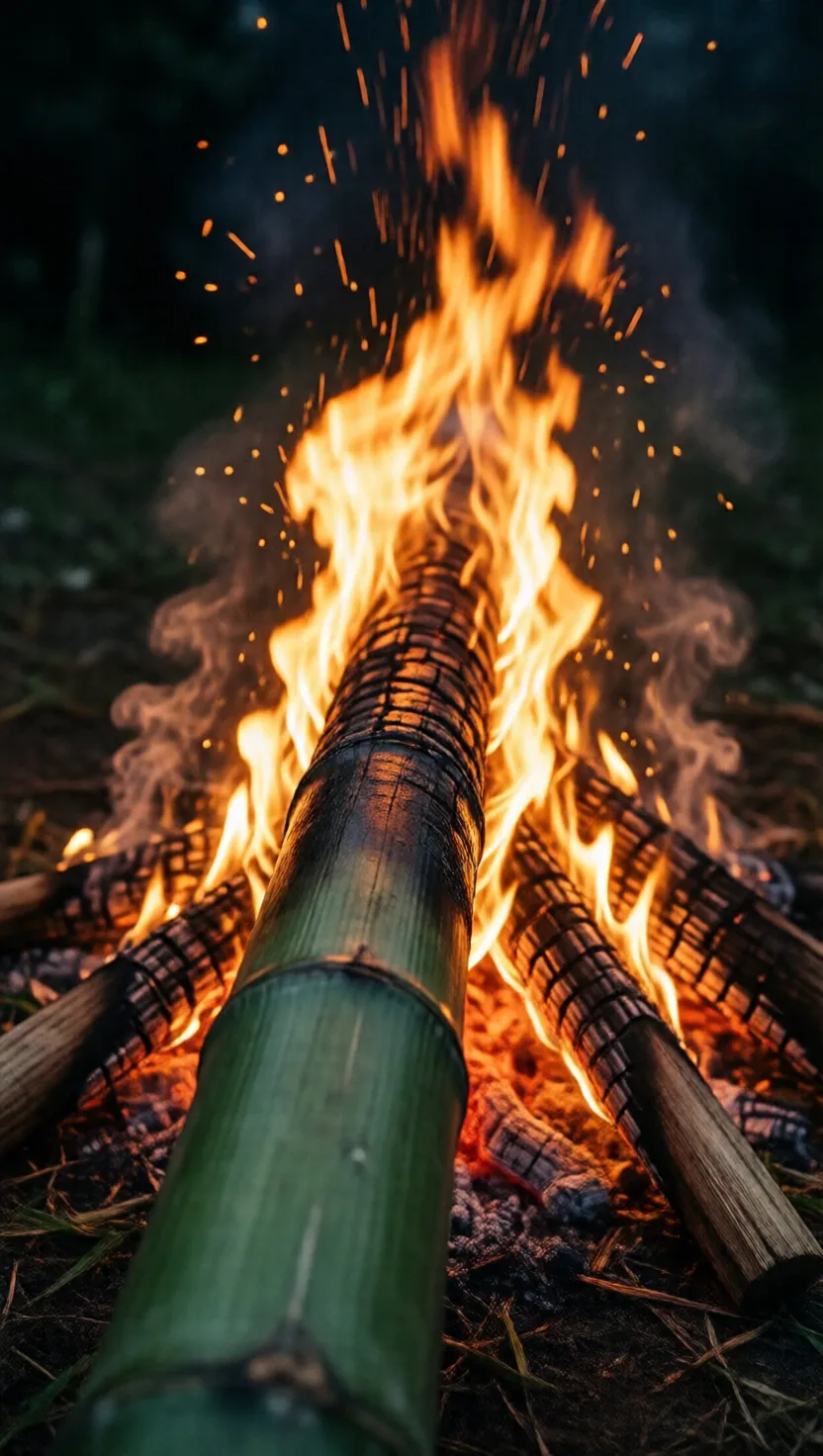
Long before gunpowder, people threw lengths of green bamboo into the fire and got a bang. Sealed air and sap trapped inside each hollow segment heat up, build pressure, and burst the cane with a loud crack. The Chinese word for firecracker still means exploding bamboo, and the early bangs were set off to scare away bad luck. When gunpowder tubes arrived later, they simply kept the old name.
Skyscrapers still get wrapped in bamboo poles

Skyscrapers still get wrapped in bamboo poles

Bamboo's hollow, walled-off segments make a tube that is light yet stiff and springy, nature's own scaffolding pole. In Hong Kong, crews still lash bamboo into towering scaffolds around skyscrapers, tying it by hand with no bolts. Against steel it goes up about six times faster and comes down twelve times faster, costs a fraction as much, and bends in a typhoon where rigid steel might fail.
One grass grows as tall as a ten-storey building

One grass grows as tall as a ten-storey building

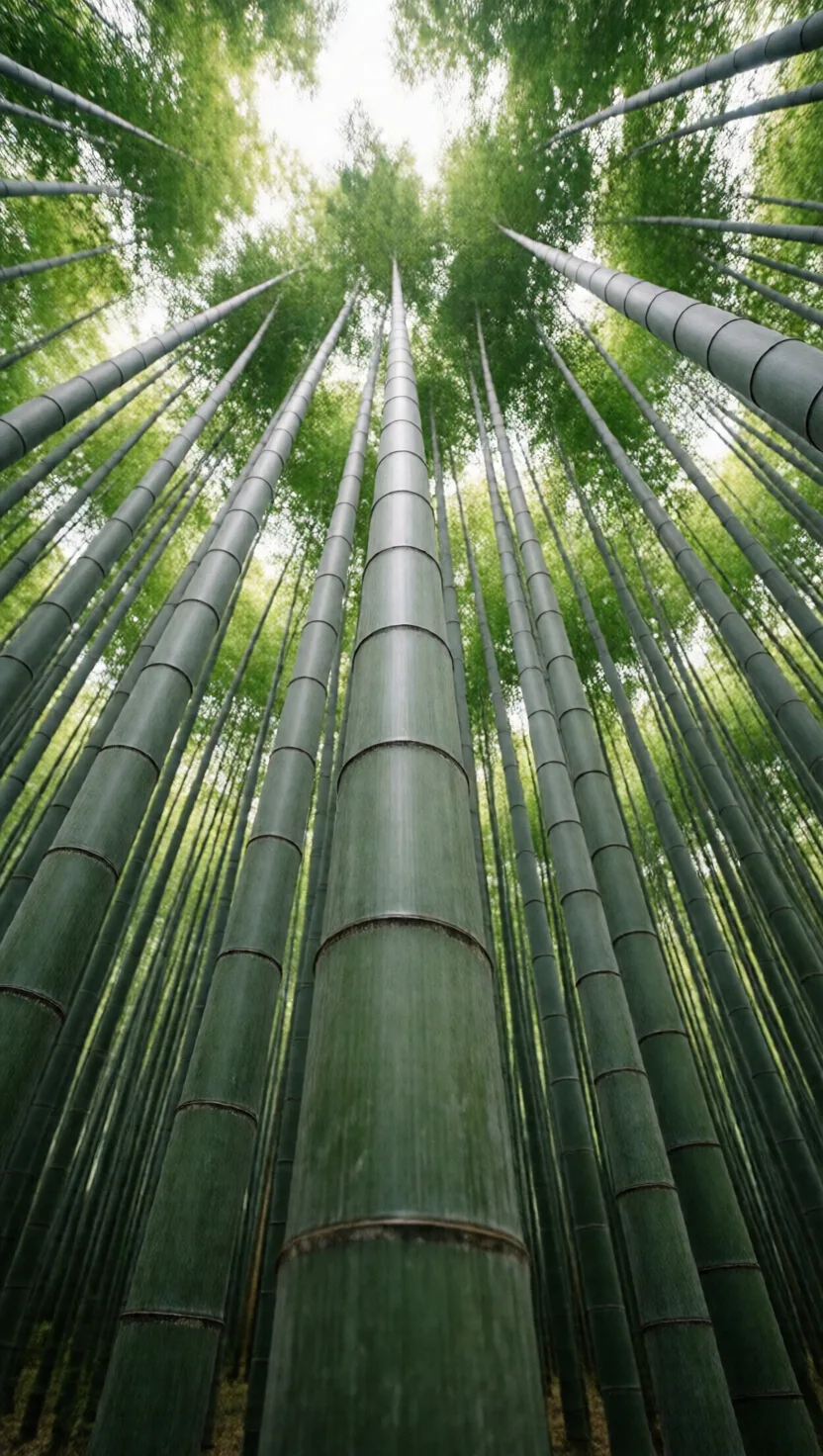
The giant bamboo of Southeast Asia is the largest grass alive. Its woody canes routinely reach about 30 metres, ten storeys, and grow as thick as a dinner plate, up to 28 centimetres across. One clump in northeast India was measured at 42 metres. Standing in a grove of it, you are looking up at a single overgrown blade of grass that towers over most of the trees around it.
tap →swipe ↑ for depthswipe ↓ to exit