Eight things hidden in white stone

DC·72 Deep Cuts
White marble is just limestone, cooked

White marble is just limestone, cooked

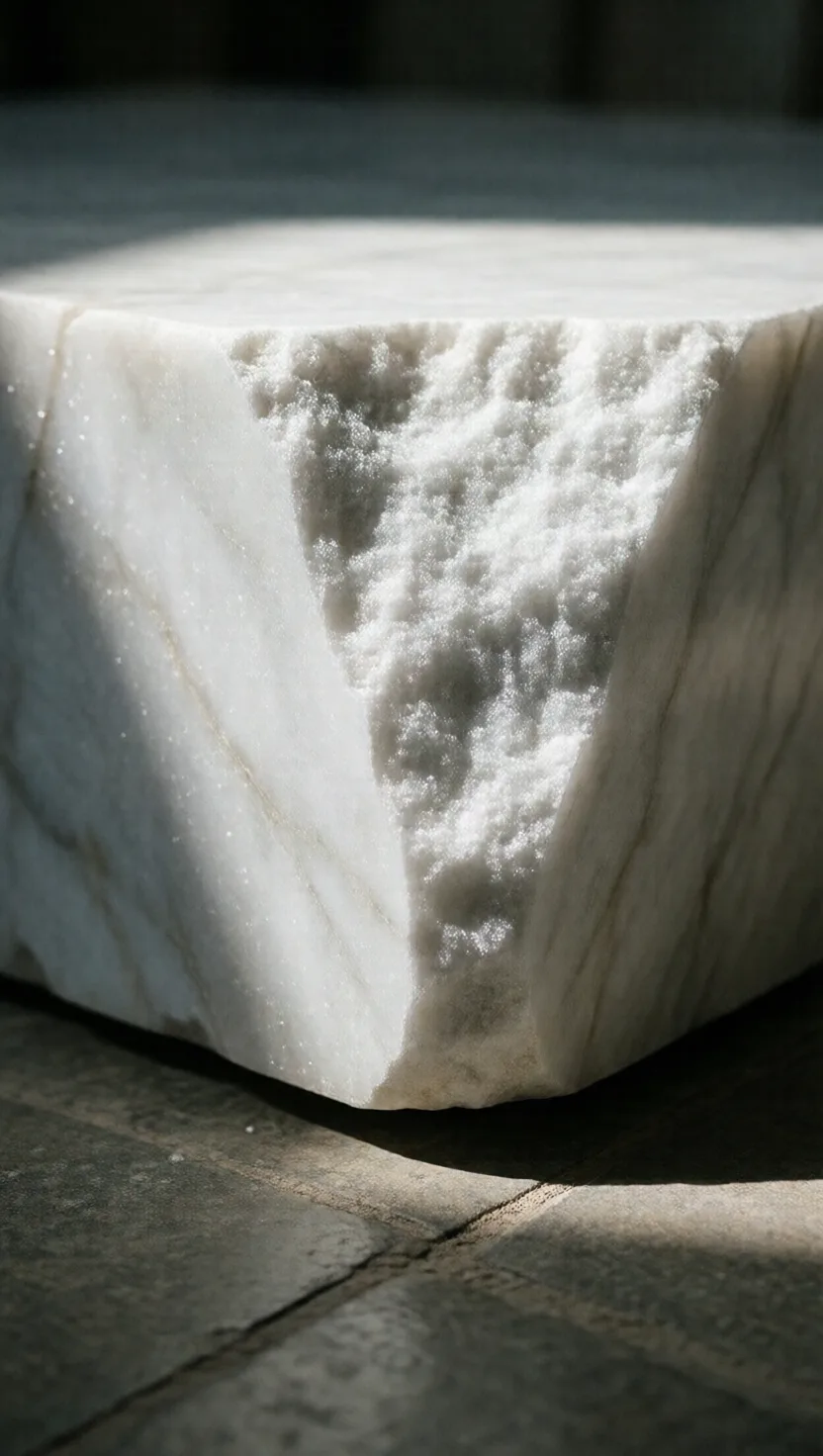
Marble starts as ordinary limestone, a seabed of mud and shells. Bury it deep, add heat and pressure, and the calcite recrystallises into a dense web of interlocking crystals. That remelt erases the fossils and the layers entirely, which is why a clean block of statuary marble shows no shells, no bedding, nothing but a uniform sparkling grain. Same chemistry as the chalk it began as, just rebuilt from the inside.
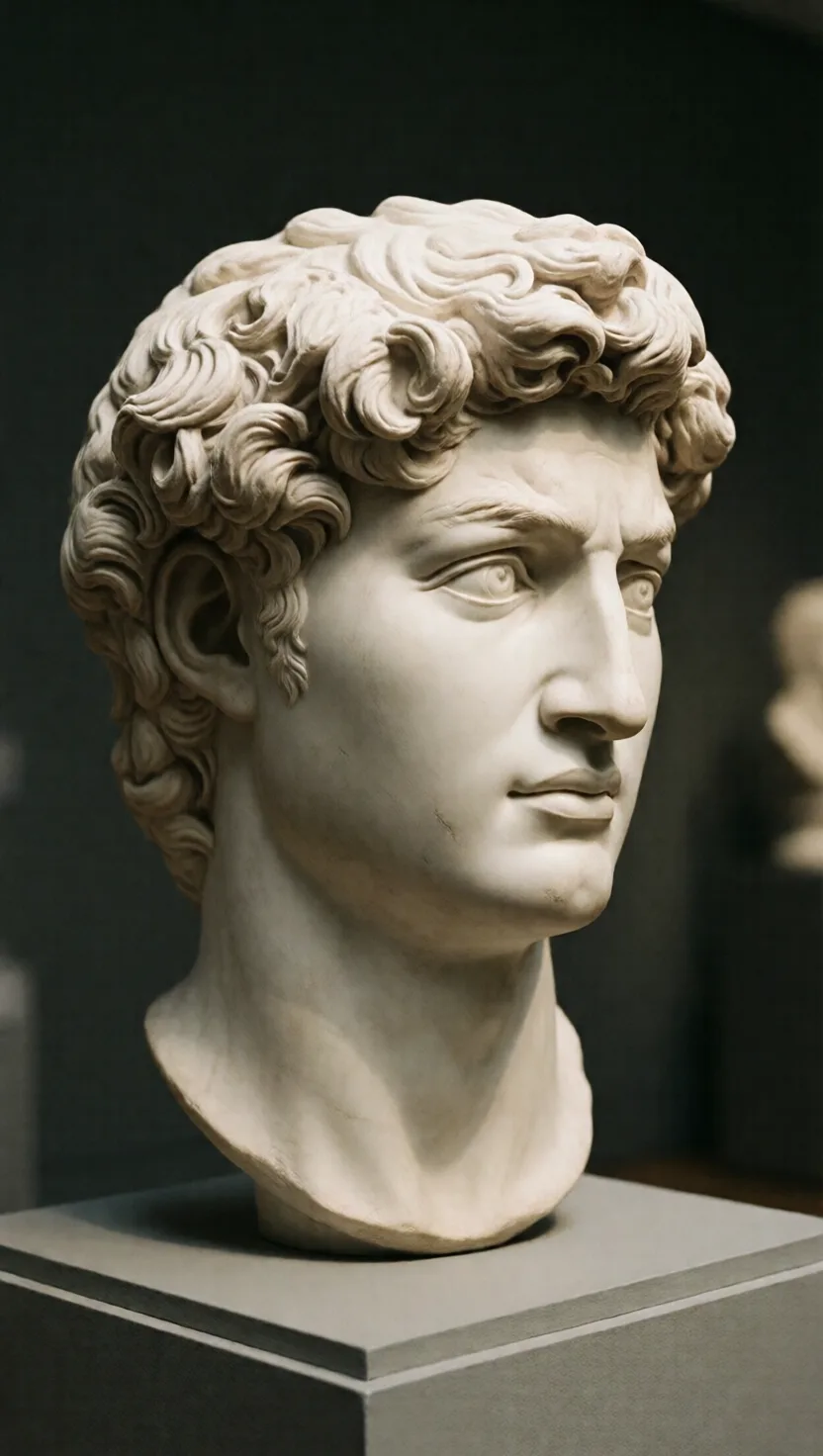
Light sinks into marble like it does skin

Light sinks into marble like it does skin

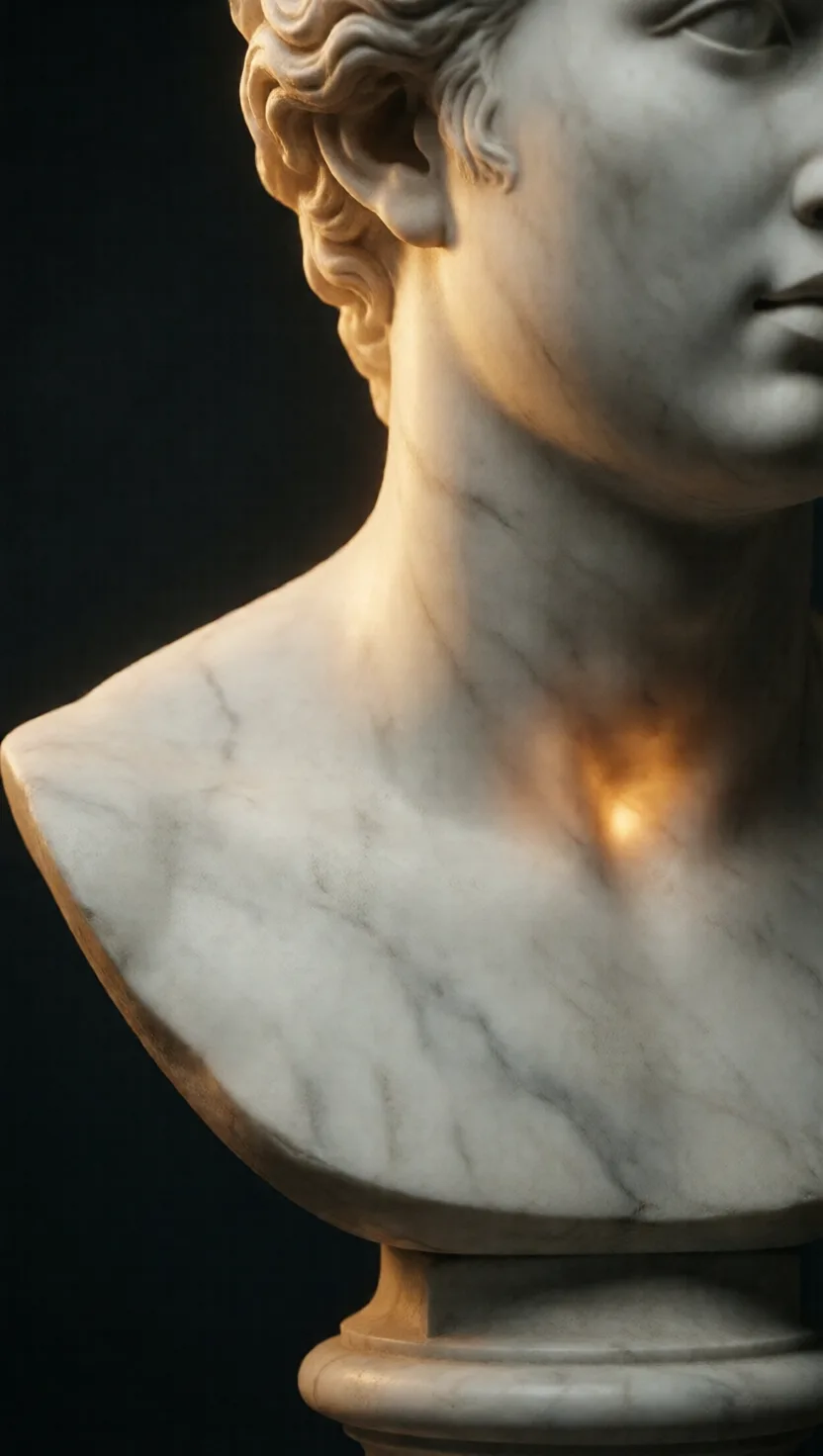
Marble isn't quite opaque. Light slips a few millimetres into the surface, bounces around among the calcite crystals, and glows back out, the same subsurface scattering that gives human skin its soft, lit-from-within look. Among common stones only marble does this to a useful degree, which is exactly why sculptors chose it for flesh. A granite nude looks like rock; a marble one seems to breathe.
Those pure white statues were once painted loud

Those pure white statues were once painted loud

The blank white marble we link with antiquity is an accident of time. Greek and Roman statues were originally painted in strong colours: skin tones, red lips, patterned robes, dark eyes. The paint simply weathered away over the centuries. Using raking light and ultraviolet photography, researchers have spent more than forty years finding the faint pigment ghosts still clinging to the stone and rebuilding the garish originals.
He carved marble fingers that sink into a thigh

He carved marble fingers that sink into a thigh

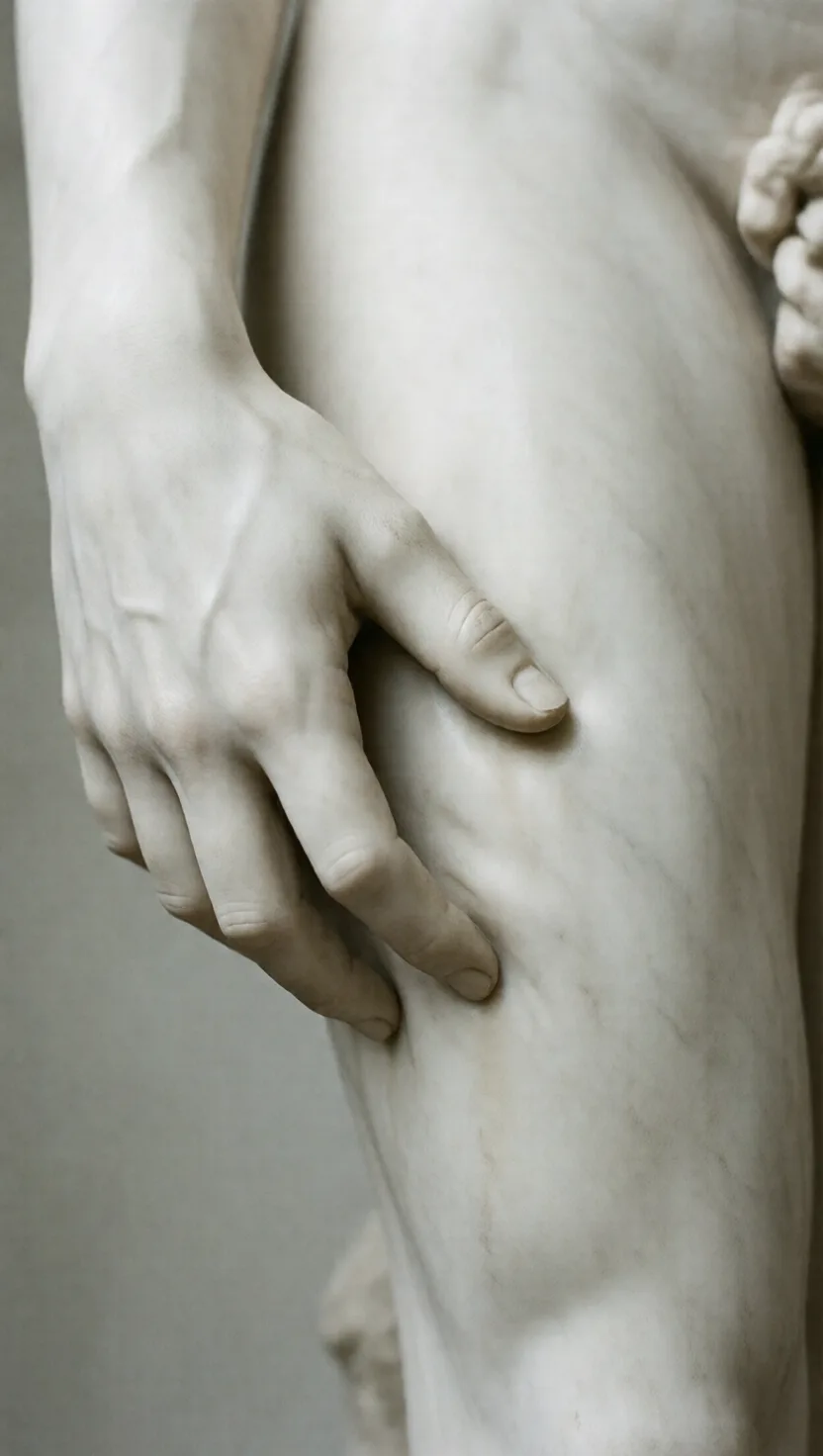
In a single block, a 23-year-old sculptor made cold stone look like yielding flesh. Where one hand grips a thigh, the fingertips press in and the surface dimples around them, four small hollows and a crease behind the thumb, as if the skin were soft. It was the trick that made his name: from then on he could render marble as wax, cloth, or a wet tear. The piece dates to 1621 and 1622.
Acid rain slowly eats marble back to blur

Acid rain slowly eats marble back to blur

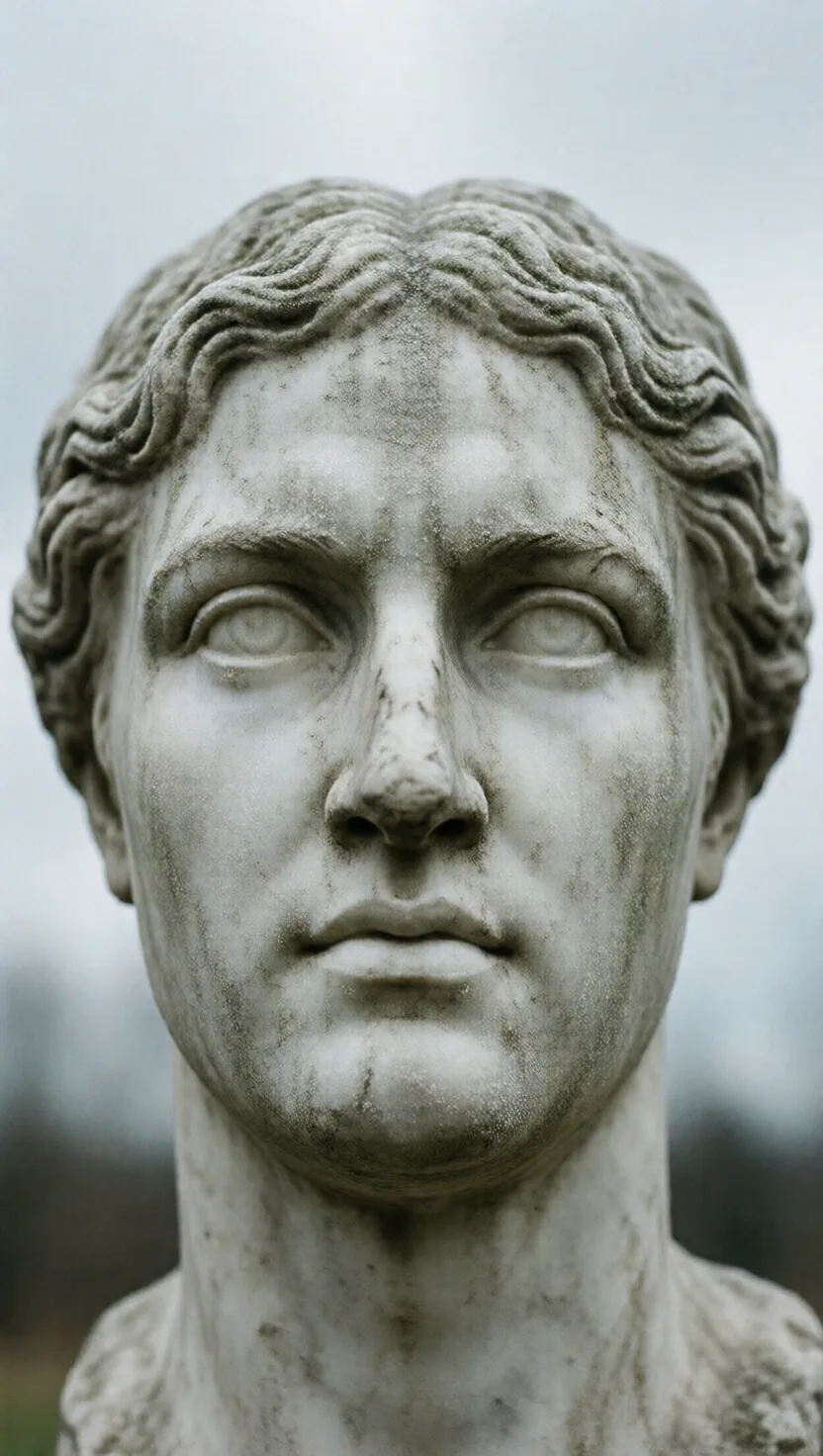
Marble is almost pure calcium carbonate, and acid dissolves it. Rain carrying sulphuric and nitric acid from polluted air reacts with the stone, turning the surface into soluble gypsum that washes off. The first thing to go is the fine detail: sharp lips and crisp inscriptions soften and smear, a slow surrender called sugaring. It is why exposed statues lose their faces over a century or two while sheltered ones stay crisp.
The Parthenon's marble turns gold as it ages

The Parthenon's marble turns gold as it ages

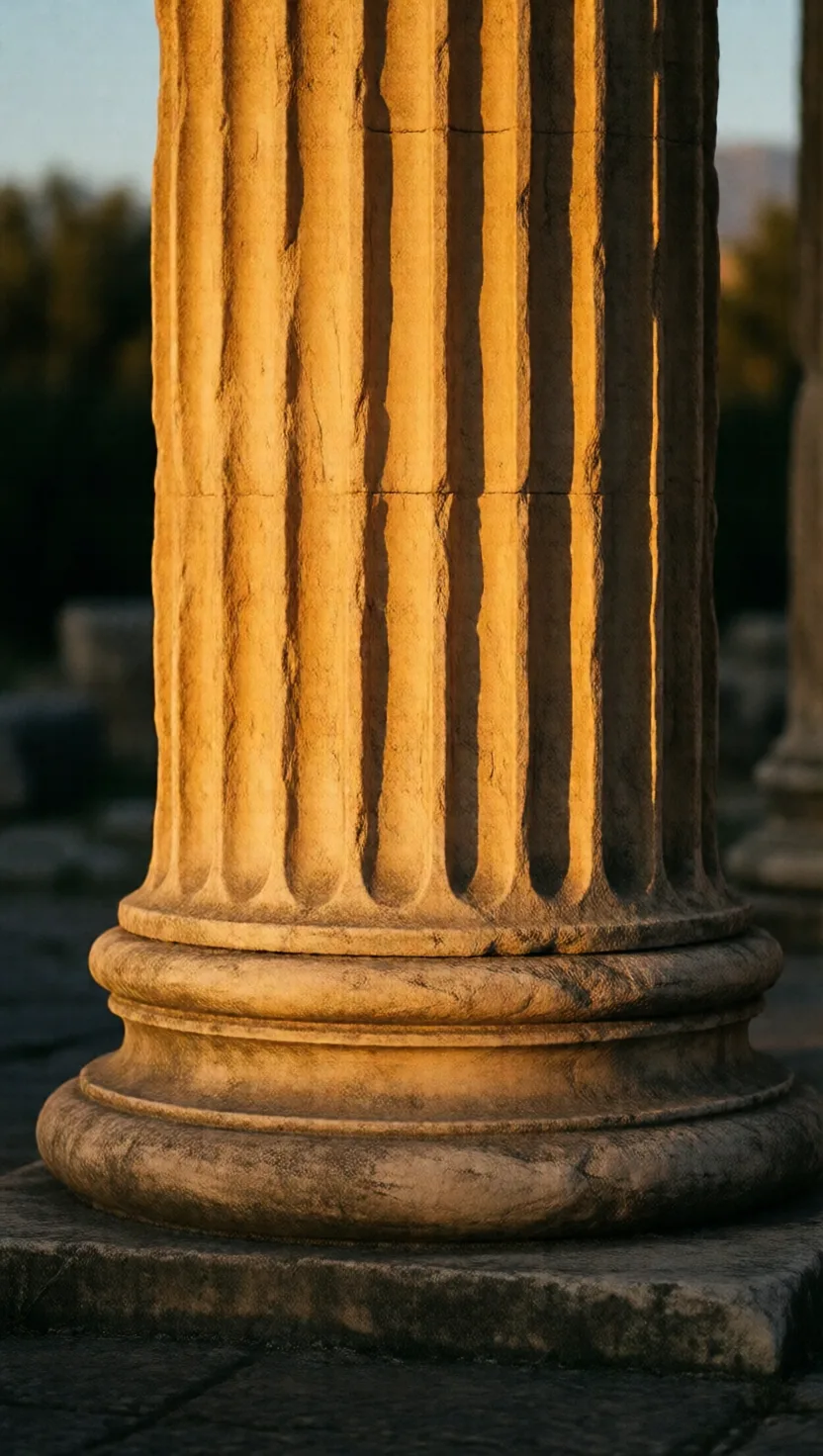
The stone of the Parthenon, quarried from Mount Pentelicus, holds tiny specks of iron. Over centuries in the open air that iron slowly rusts, washing the surface with a warm honey-gold tint. Fresh-cut Pentelic marble is stark white; aged Pentelic marble is honeyed. The colour is so distinctive that experts use it to tell this marble apart from every other white stone of antiquity.
These figures are frozen climbing out of the rock

These figures are frozen climbing out of the rock

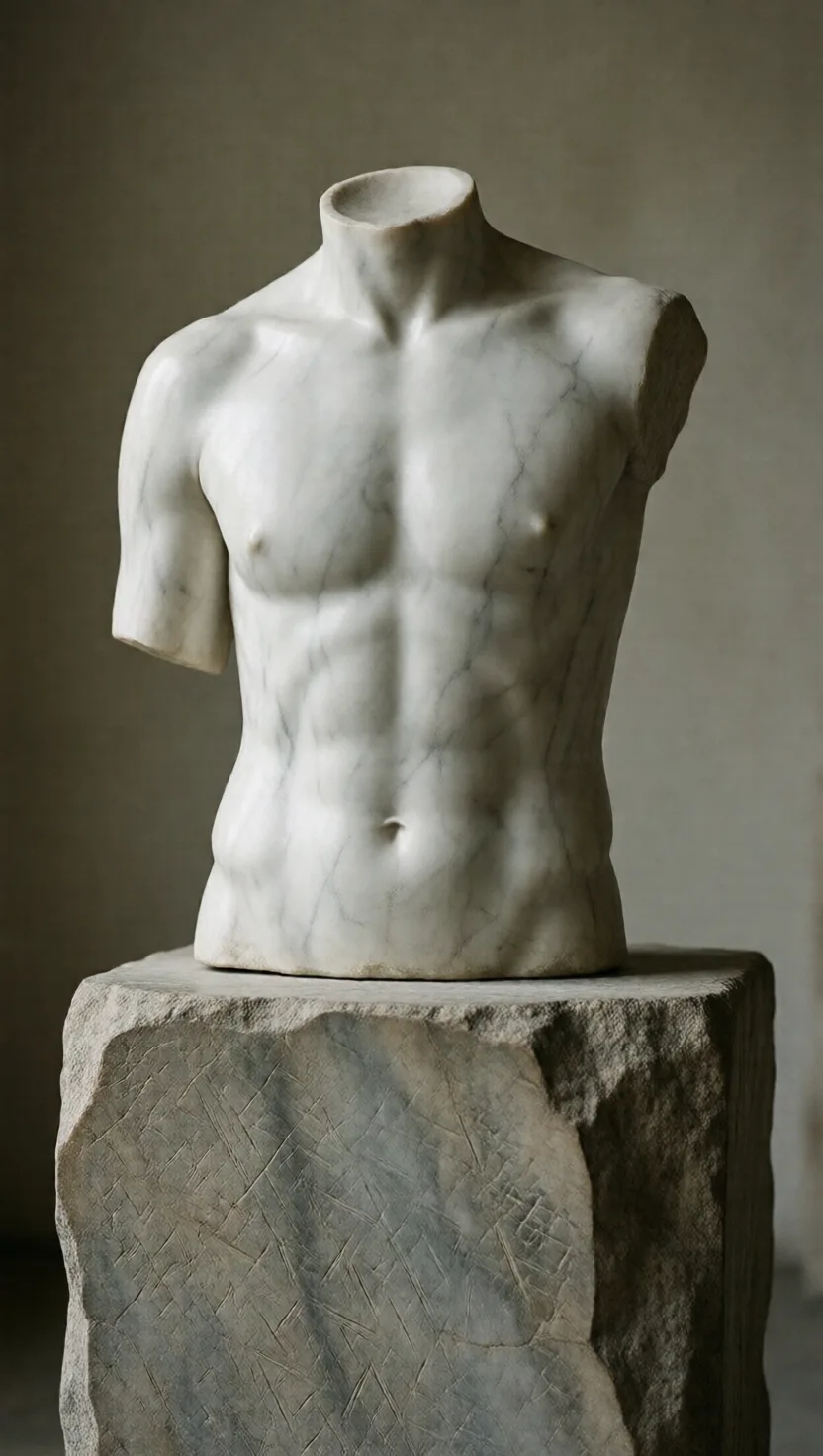
A set of unfinished marble figures seem to be struggling free of the raw block, half-carved torsos rising out of rough, chisel-scarred stone. Their maker often left work in exactly this state, called non-finito, Italian for unfinished, and held that the form was already trapped inside the marble, the sculptor's job only to cut away what hid it. The four best known were begun for a pope's tomb around 1519 to 1534.
The finest marble was mined by lamplight, underground

The finest marble was mined by lamplight, underground

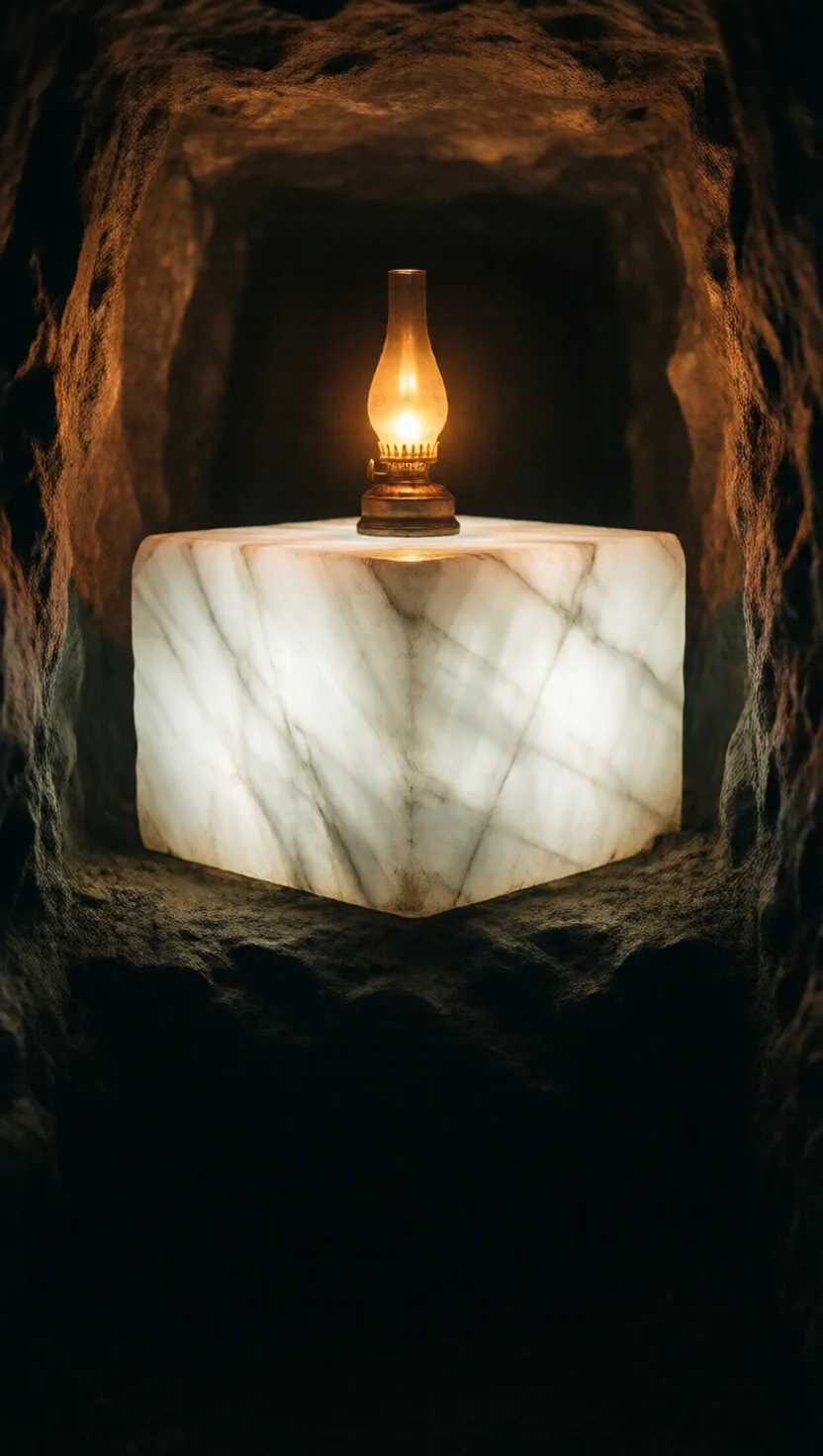
The most prized marble of the ancient Greek world came from tunnels driven deep into the island of Paros. Miners cut it by the light of oil lamps far from daylight, so the stone earned the name lychnites, from the Greek word for lamp. It was treasured for being unusually clear: light passes about 3.5 centimetres into Parian marble, deeper than into Carrara, giving carved skin an exceptional inner glow.
tap →swipe ↑ for depthswipe ↓ to exit