Eight things hidden inside the post

DC·69 Deep Cuts
Britain's red postboxes started out green

Britain's red postboxes started out green

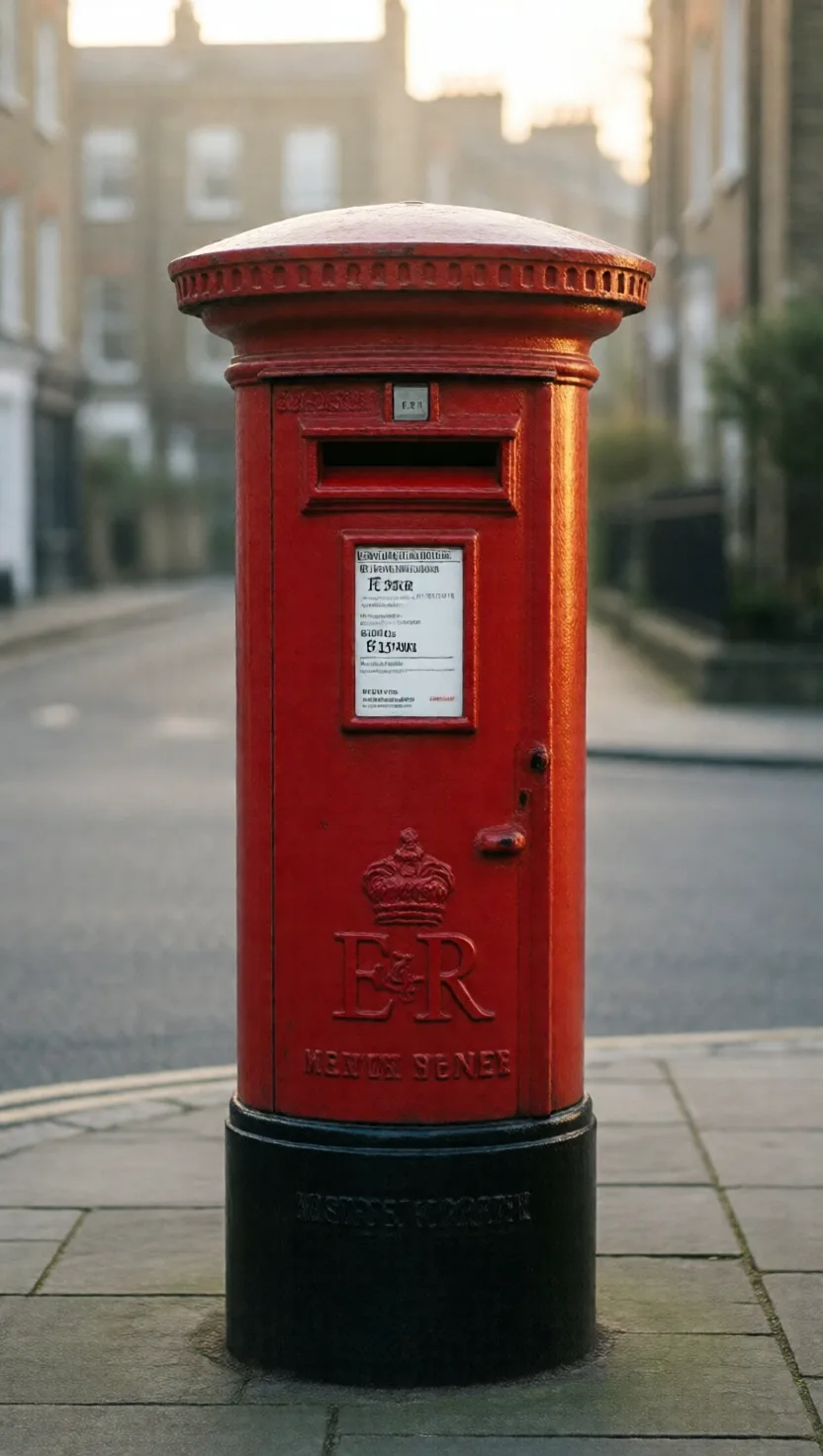
The roadside posting pillar was brought to Britain by the novelist Anthony Trollope, who worked for the Post Office and saw the idea abroad; the first went up in Jersey in 1852. The early boxes were painted a quiet bronze green and people kept walking into them or failing to find them. From 1874 they were repainted the bright red we know now, a changeover that took about a decade to finish.
Once it was the person receiving a letter who paid

Once it was the person receiving a letter who paid

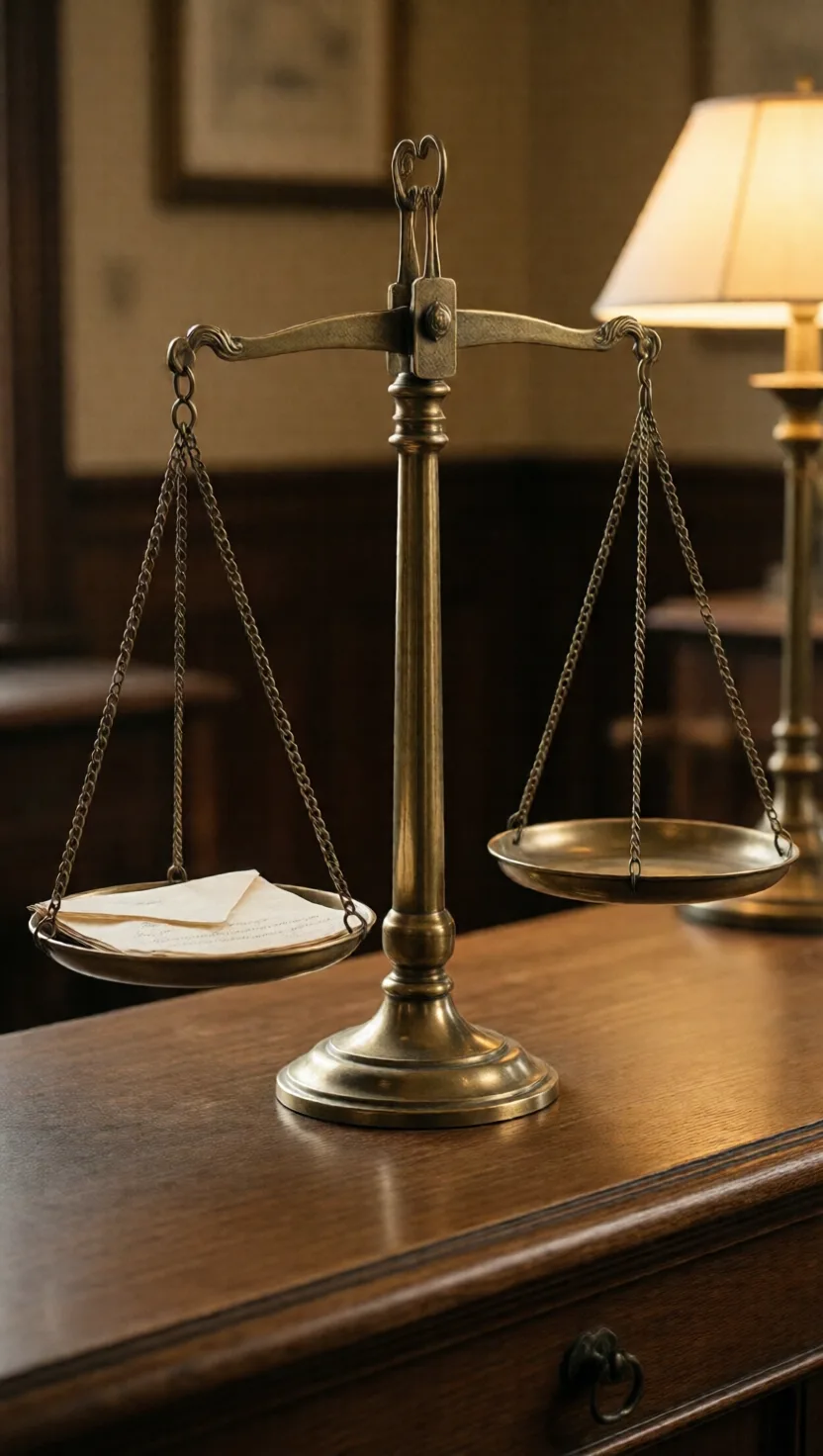
Before 1840 the cost of a letter fell on the person receiving it, and the price climbed with both the distance traveled and the number of sheets of paper. People dodged the charge by refusing letters at the door, and crammed more onto one sheet by cross-writing, turning the page sideways and writing over their own lines. Rowland Hill's reform fixed it: a flat penny, paid in advance by the sender.
The first stamps were cut apart with scissors

The first stamps were cut apart with scissors

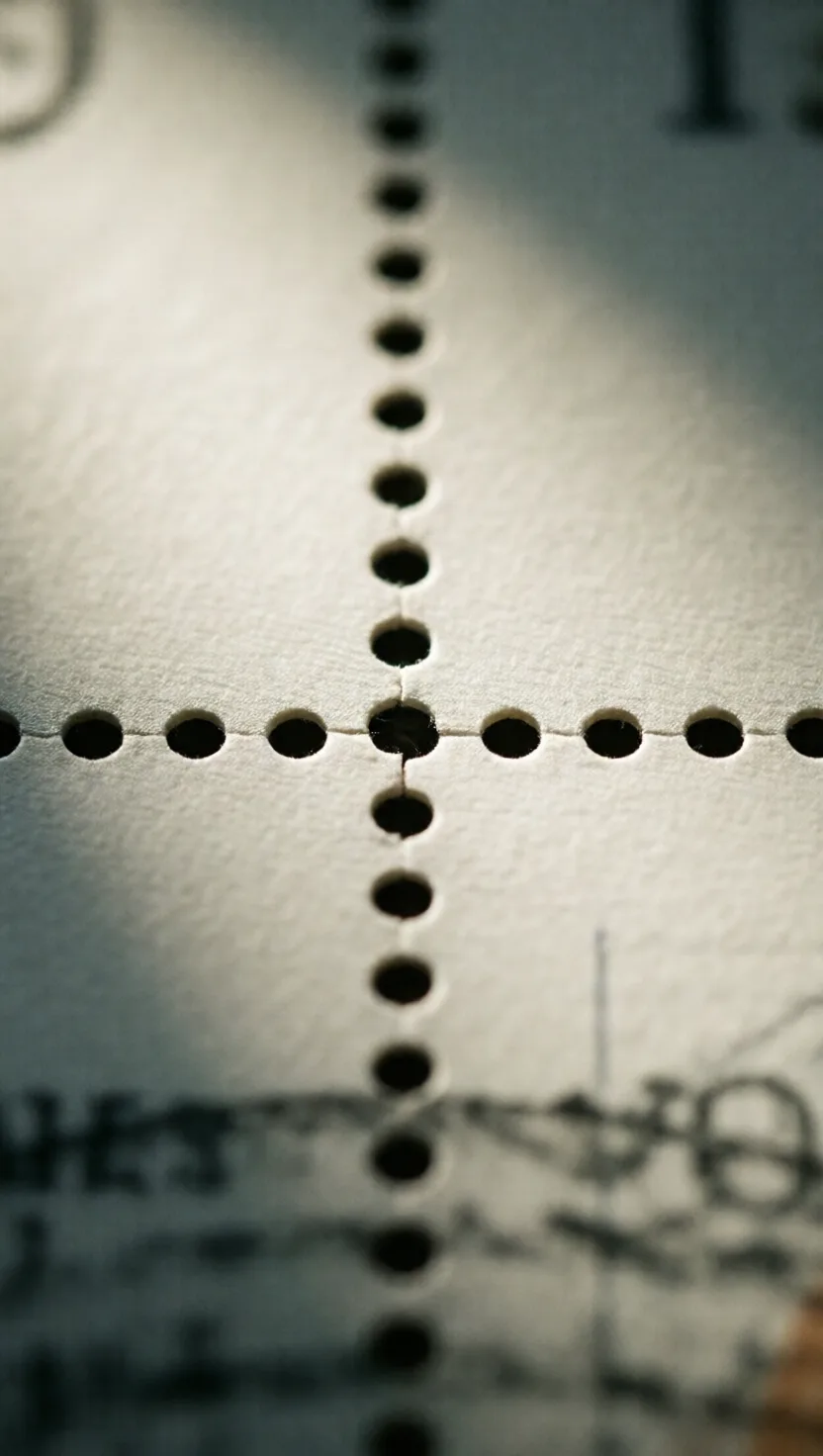
When adhesive stamps arrived they were printed in solid sheets with no gaps, so a clerk had to snip each one free with scissors, leaving ragged edges. An Irishman, Henry Archer, spent years building a machine to punch neat rows of little holes between the stamps so they would tear apart cleanly. Britain put perforated stamps in the public's hands in 1854, and the torn-edge stamp has looked the same ever since.
The postmark exists to ruin the stamp

The postmark exists to ruin the stamp

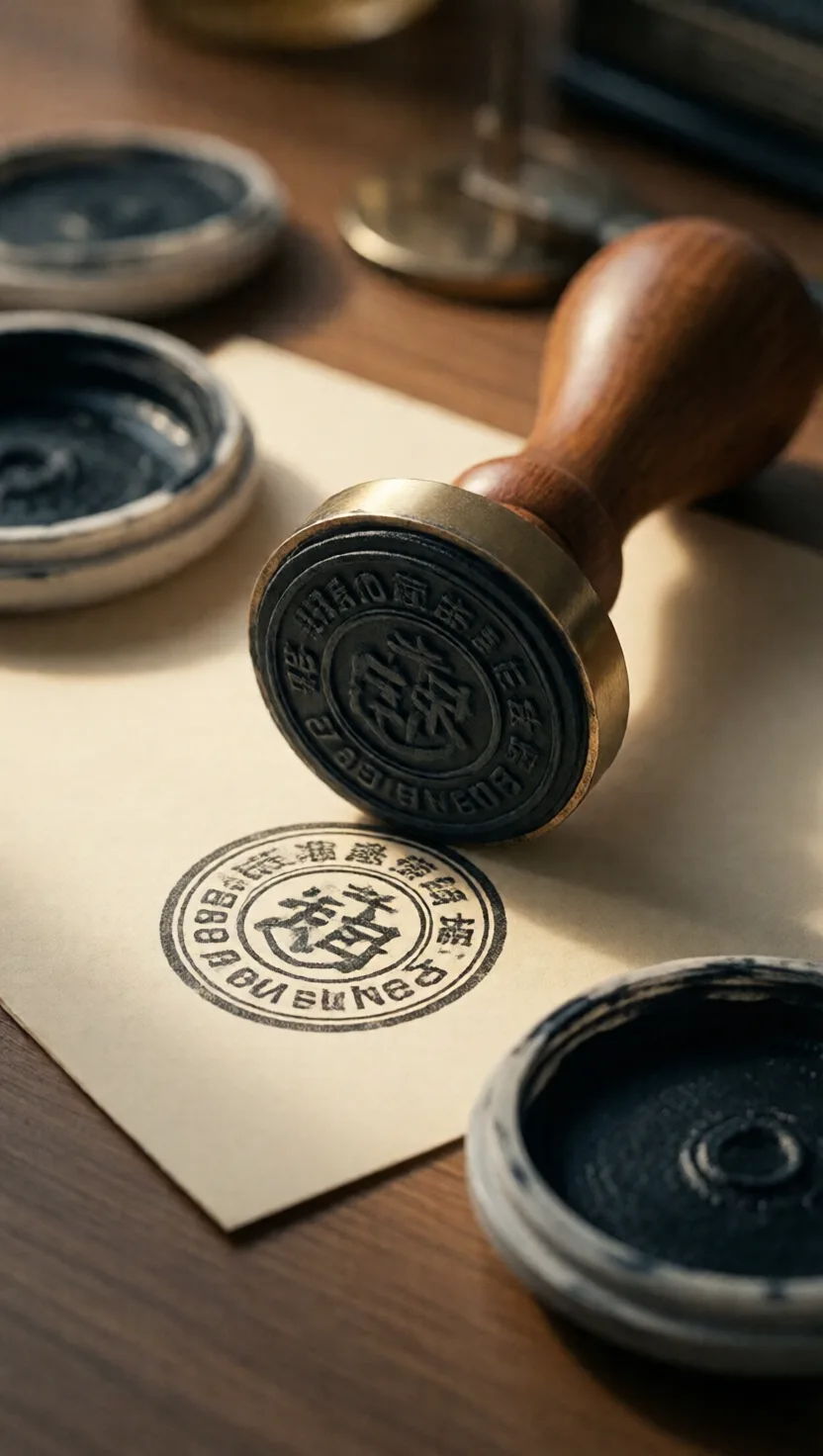
A postmark is not just a date stamp; its real job is to deface the stamp so nobody can peel it off and use it again. The first official canceller for the Penny Black was a Maltese-cross mark in red ink, but red wiped off too easily, so the post switched to a stamp that took permanent black ink instead. Heavy obliterating marks like this were even nicknamed killers.
One treaty turned the whole planet into one mailbox

One treaty turned the whole planet into one mailbox

Before 1874 a letter crossing several borders needed stamps from each country it passed through, settled by tangled accounts between postal services. The Treaty of Bern bundled the world's mail systems into a single postal territory, so a letter now travels anywhere on one country's stamp. The neat trick that makes it work: each country simply keeps the postage it sells, and skips the bookkeeping.
London ran a driverless railway just for letters

London ran a driverless railway just for letters

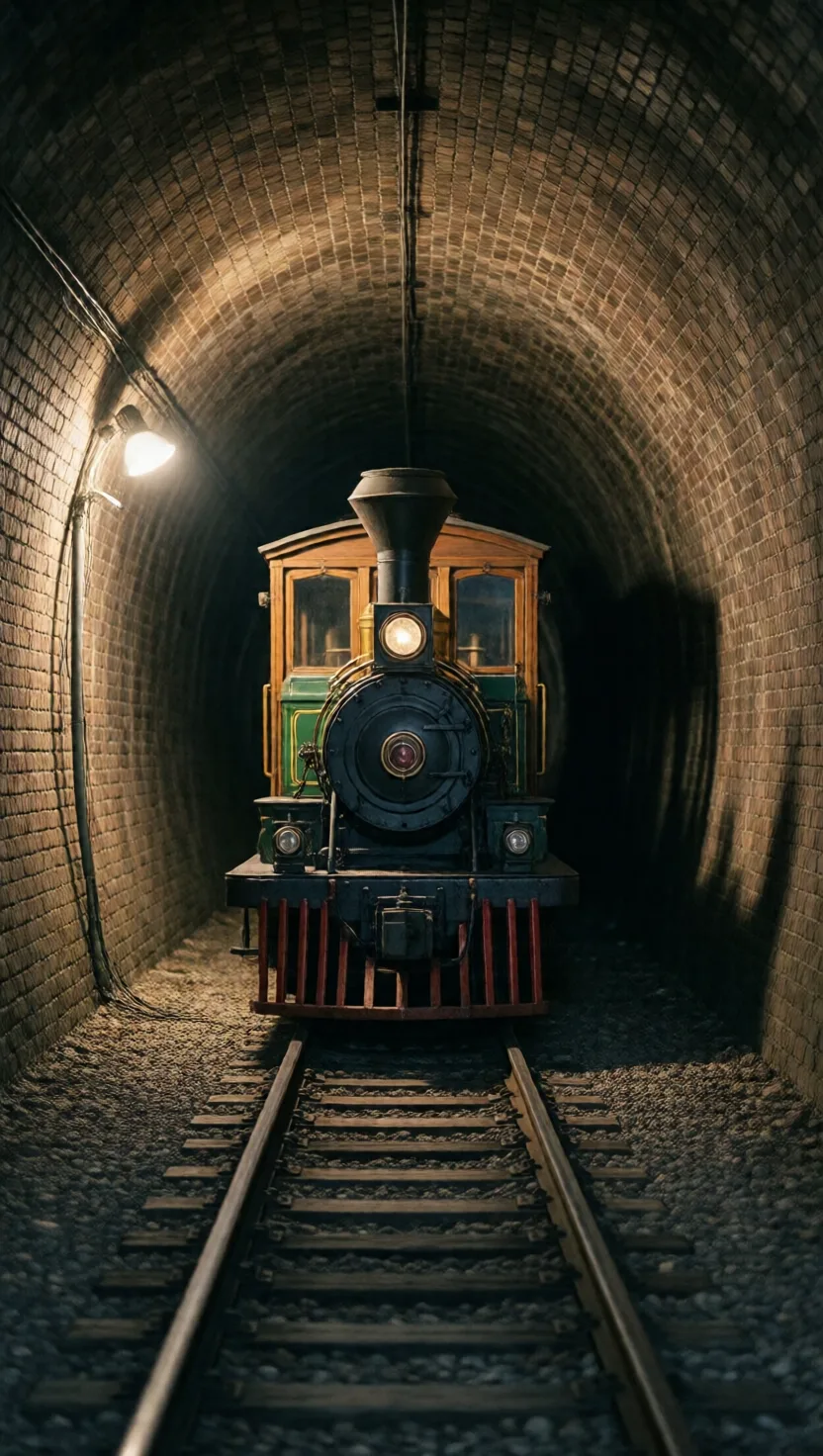
To beat the city's gridlocked streets, the Post Office dug its own railway deep under London. From 1927 to 2003 small driverless electric trains carried mail through narrow tunnels about 21 meters down, running roughly 10 kilometers between sorting offices. No passengers, no drivers, just sacks of letters whirring along in the dark beneath everyone's feet for seventy-six years.
Giant ground arrows once guided the mail by night

Giant ground arrows once guided the mail by night

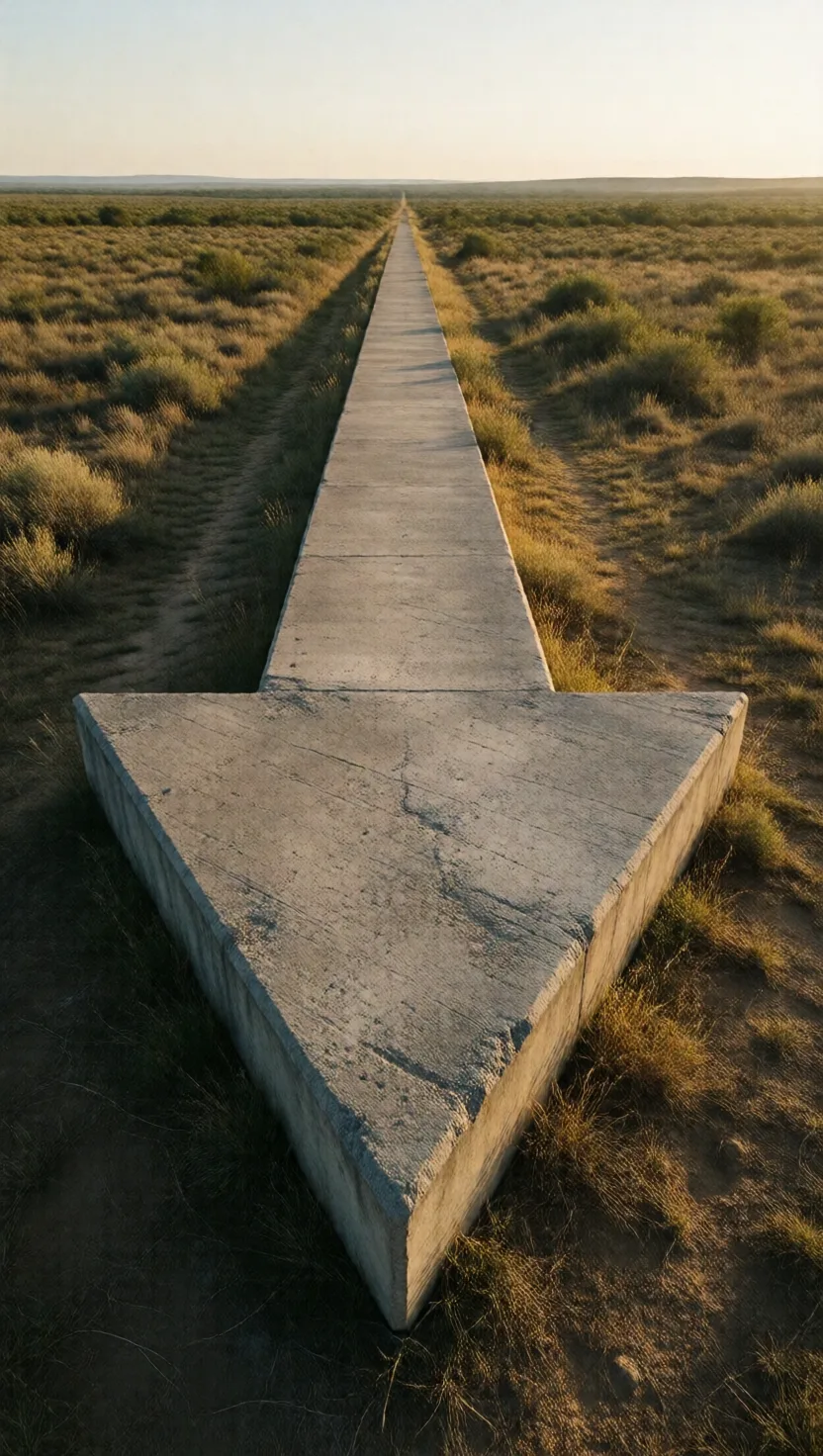
In the 1920s, before radio navigation, the United States poured a chain of huge concrete arrows across the country to steer airmail pilots. Each arrow, around 15 to 21 meters long and painted bright yellow, pointed at the next lit beacon tower roughly every 16 kilometers, so a flier could hop from arrow to arrow after dark. Many of the concrete arrows still lie out in the landscape today.
The slot in your door is a side effect of cheap stamps

The slot in your door is a side effect of cheap stamps

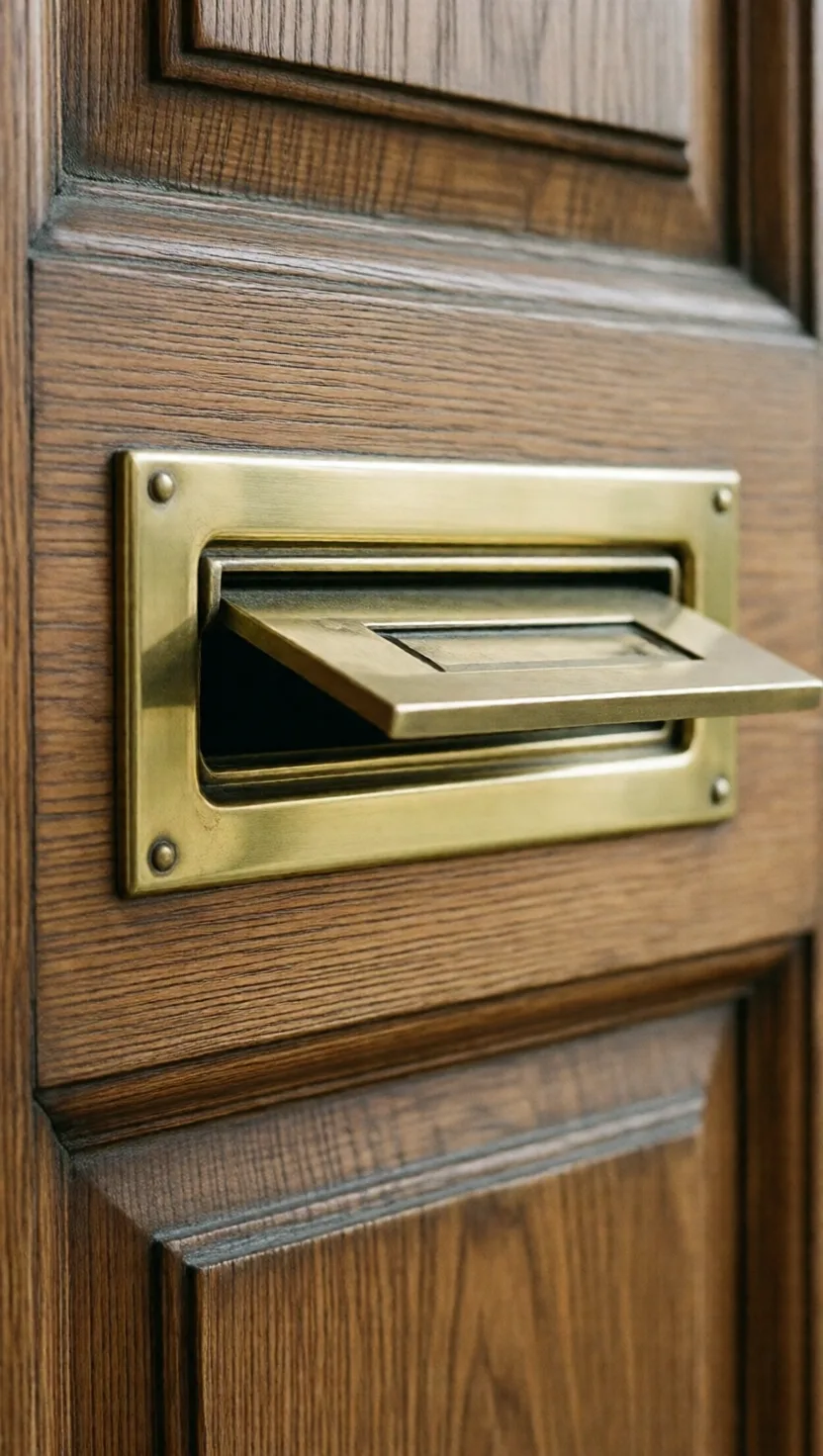
The letter slot cut into a front door only makes sense once the sender has already paid. In the old system a carrier had to knock and wait to collect the fee in person. Prepaid penny postage swept that away and buried postmen in mail, so in 1849 the British Post Office began urging households to fit a slot in the door, and within a decade the door letterbox was everywhere.
tap →swipe ↑ for depthswipe ↓ to exit