Eight things about the black stuff underfoot

DC·68 Deep Cuts
A blob of tar has been falling since 1927

A blob of tar has been falling since 1927

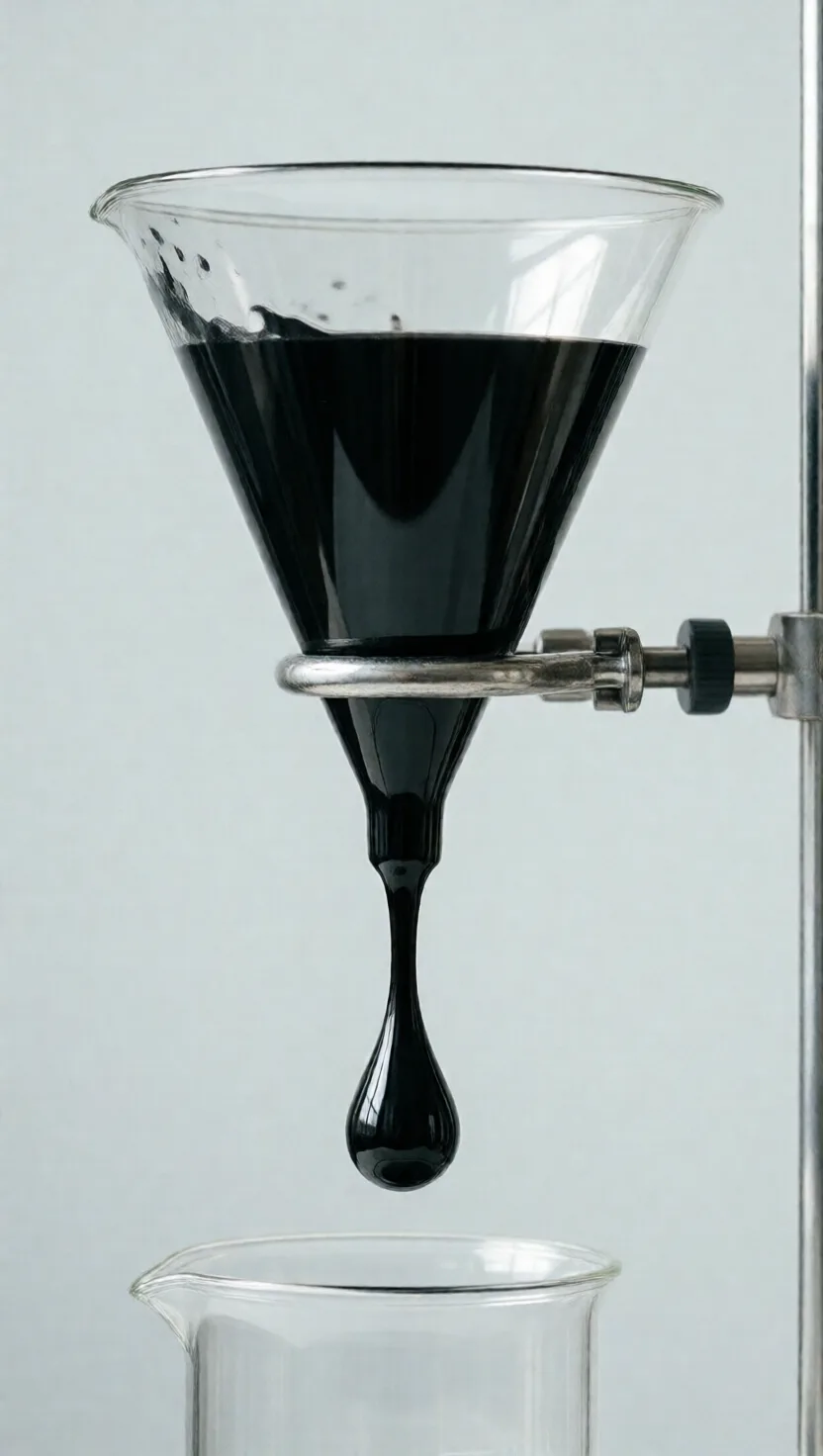
In 1927 a physicist sealed a lump of pitch in a glass funnel to prove a point: this brittle black stuff that shatters like glass under a hammer is actually a liquid, just an absurdly slow one — about a hundred billion times thicker than water. Once the funnel's stem was cut in 1930 it began to drip. Nearly a century on, only nine drops have fallen; the ninth let go in April 2014. It is the longest-running laboratory experiment on Earth.
The famous tar pits are really asphalt — and still hungry

The famous tar pits are really asphalt — and still hungry

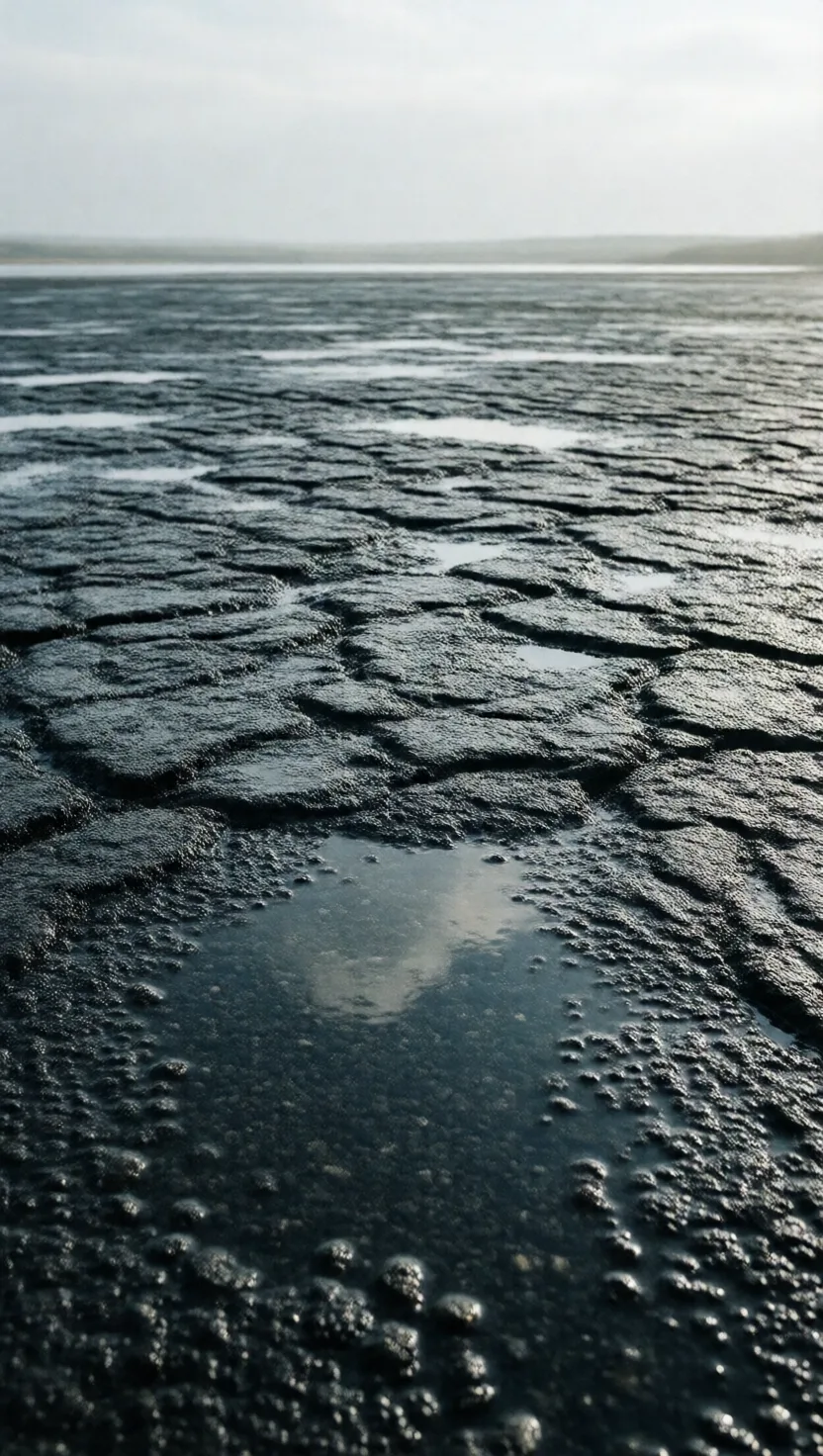
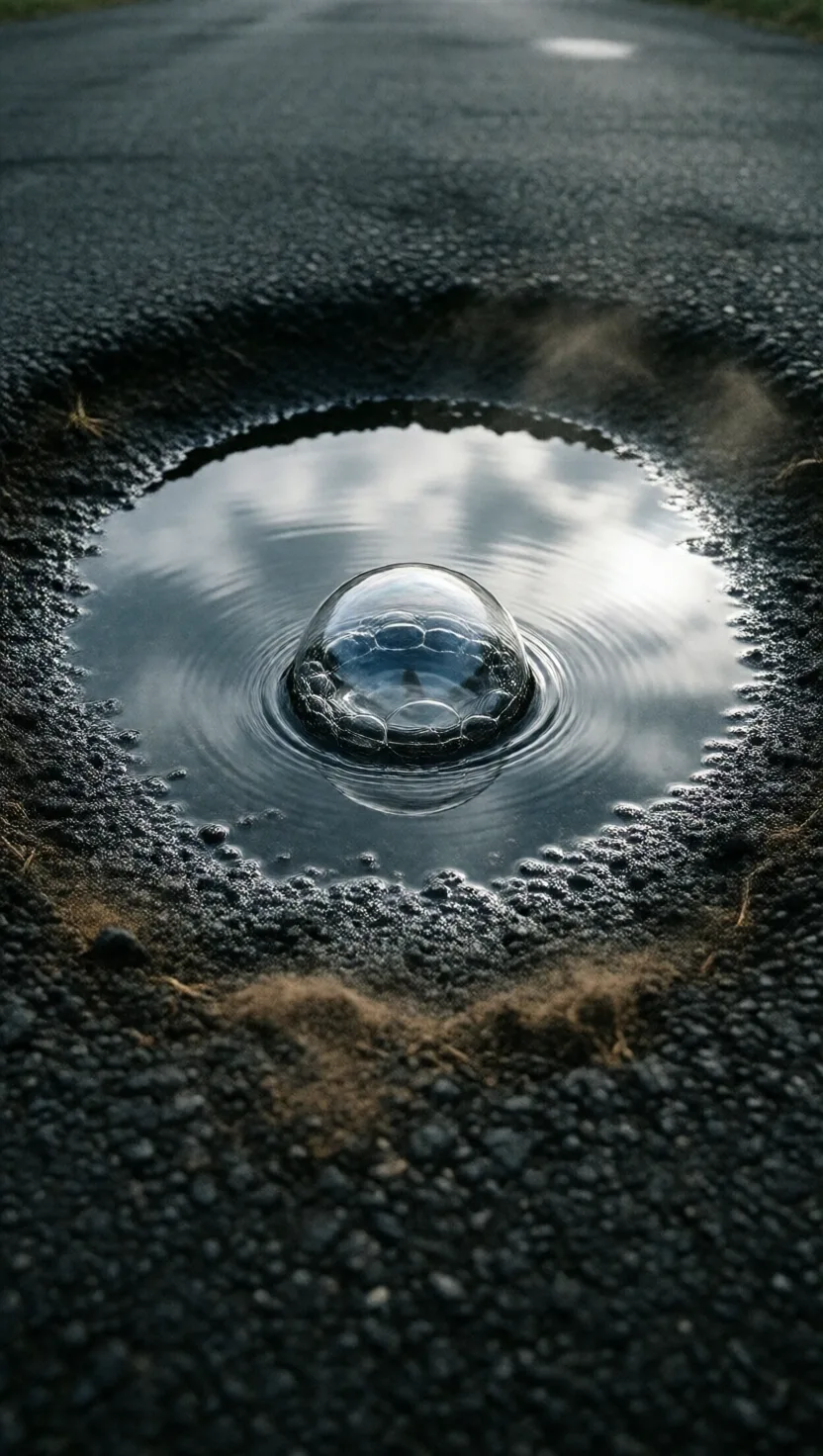
The Los Angeles tar pits aren't tar at all but asphalt, the heaviest dregs of crude oil seeping up through faults from a reservoir below. For fifty thousand years it has worked as a trap: animals stepped in, stuck fast, and were preserved. More than 3.5 million fossils, from mammoths to sabre-tooths and dire wolves, have come out of it. The seeps are still active in the middle of the city, bubbling as methane gas pushes up through the black ooze.
There's a lake of asphalt that refills itself

There's a lake of asphalt that refills itself

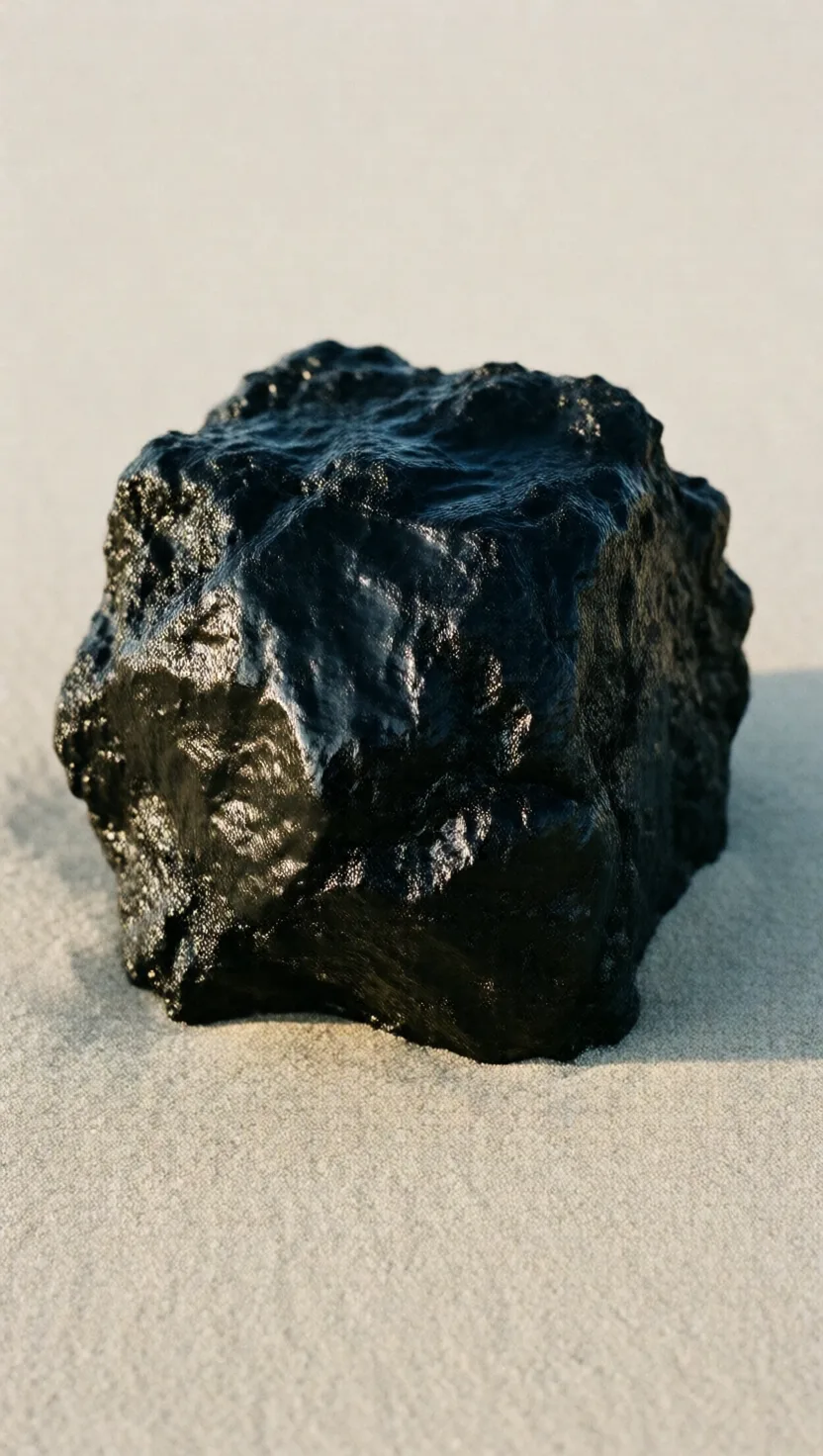
On the island of Trinidad lies the world's largest natural asphalt deposit — about forty hectares of black pitch, some seventy-five metres deep, holding an estimated ten million tonnes. An explorer caulked his ships from it in 1595, praising pitch that "melteth not with the sun." It has been mined for over a century, yet it keeps refilling: a deep fault pushes oil-rich material up from below, so the lake slowly heals its own scars.
Smooth roads were invented from a burst barrel of tar

Smooth roads were invented from a burst barrel of tar

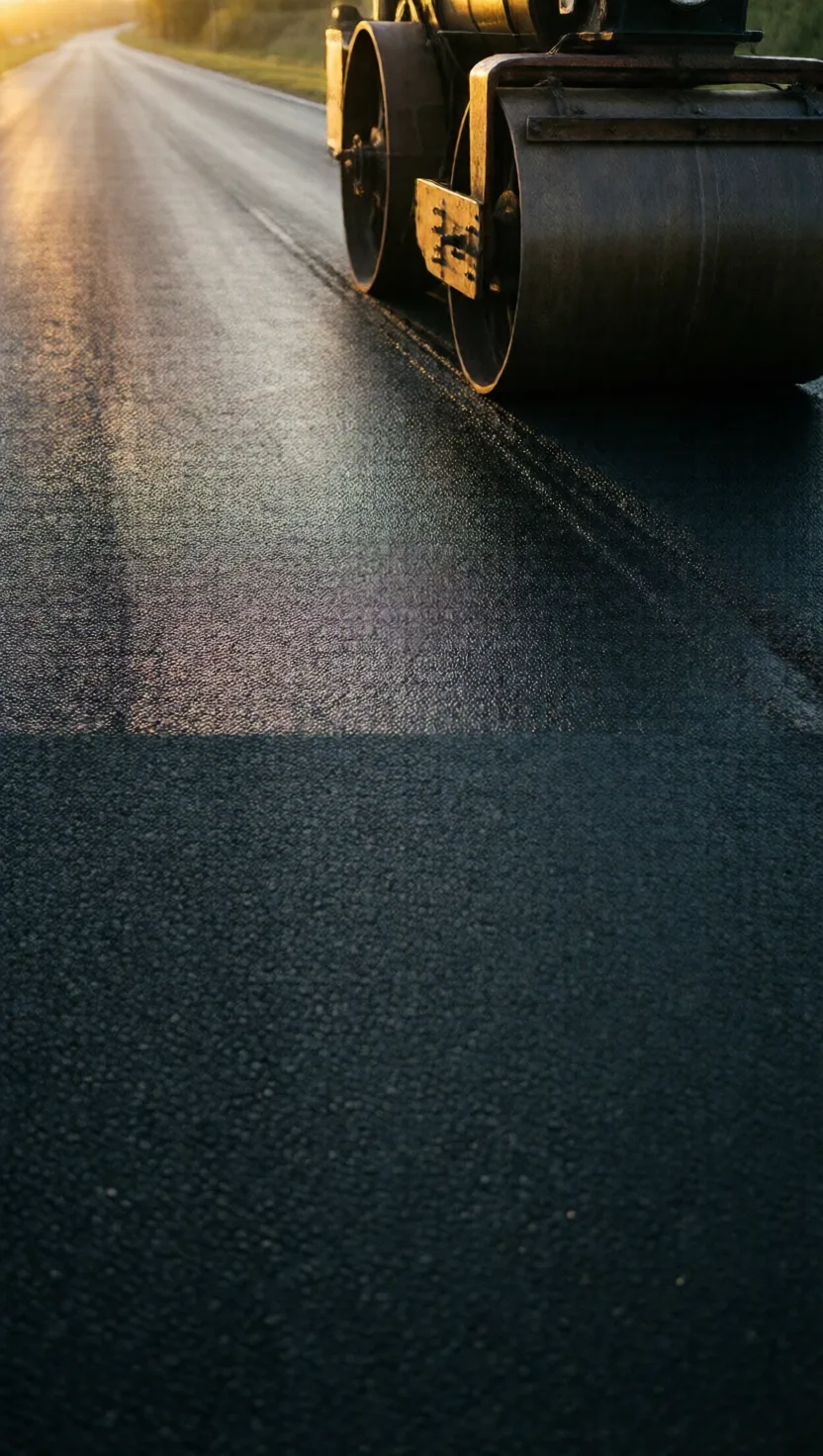
The tarred road came from a happy accident. In 1901 an engineer passed a spot near an ironworks where a barrel of tar had fallen off a cart and split open, and someone had thrown furnace slag over the sticky mess. He noticed that stretch was dust-free and unrutted while the rest of the road was a churned mire. He patented the method of mixing tar with crushed slag the next year, and the dust-choked gravel highway began to vanish.
Navies ran on tar cooked from pine stumps

Navies ran on tar cooked from pine stumps

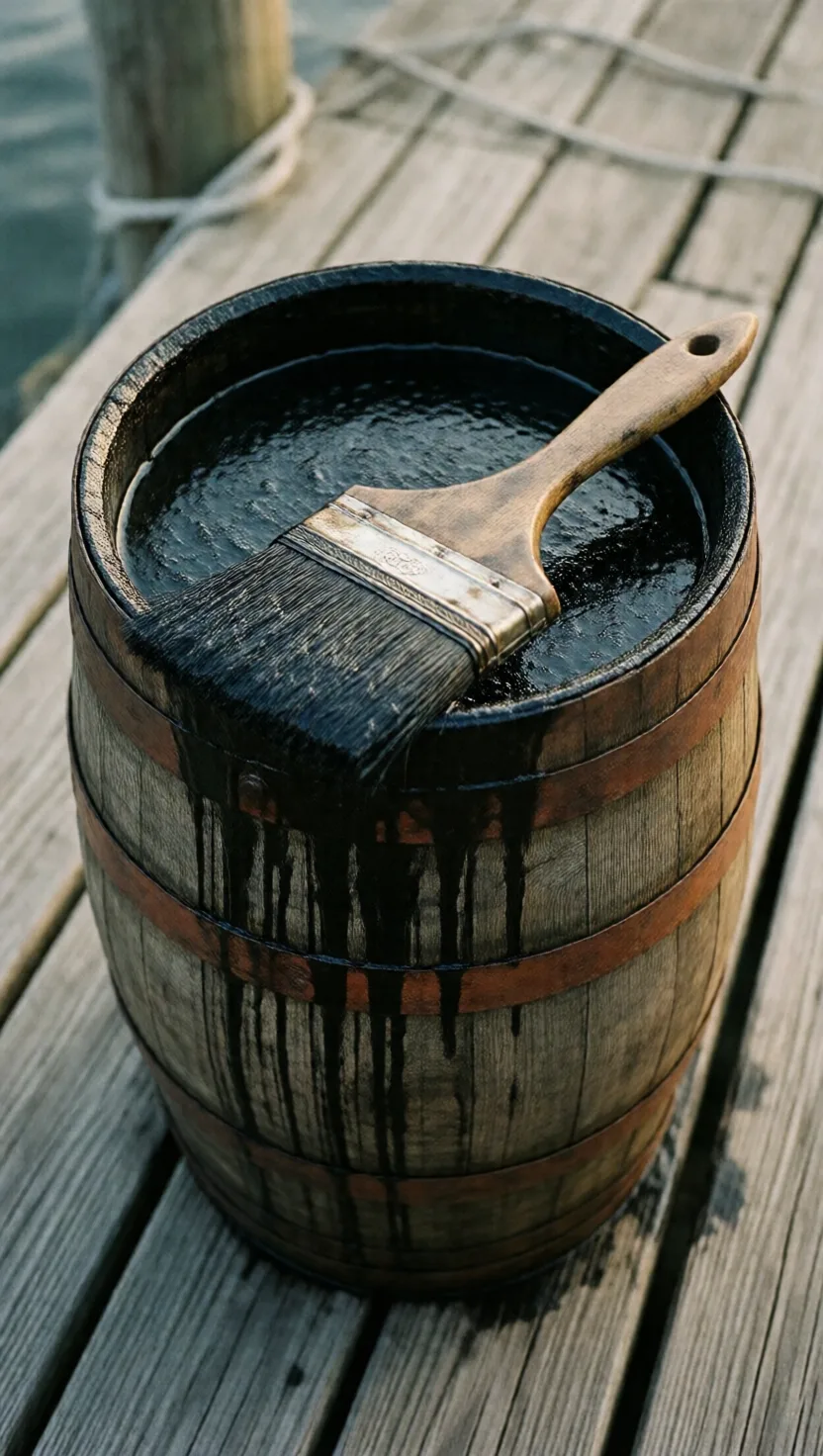
Before petroleum, the tar that waterproofed wooden ships came from the forest. Resin-rich pine stumps and roots were stacked in earth kilns and smouldered slowly with almost no air, sweating out a dark tar that was caught and barrelled. Graded through one northern port, the finest became known as Stockholm tar. It sealed hulls, decks and rigging against rot, and by the late 1600s tar was Sweden's third most valuable export.
Railway sleepers can outlive the people who laid them

Railway sleepers can outlive the people who laid them

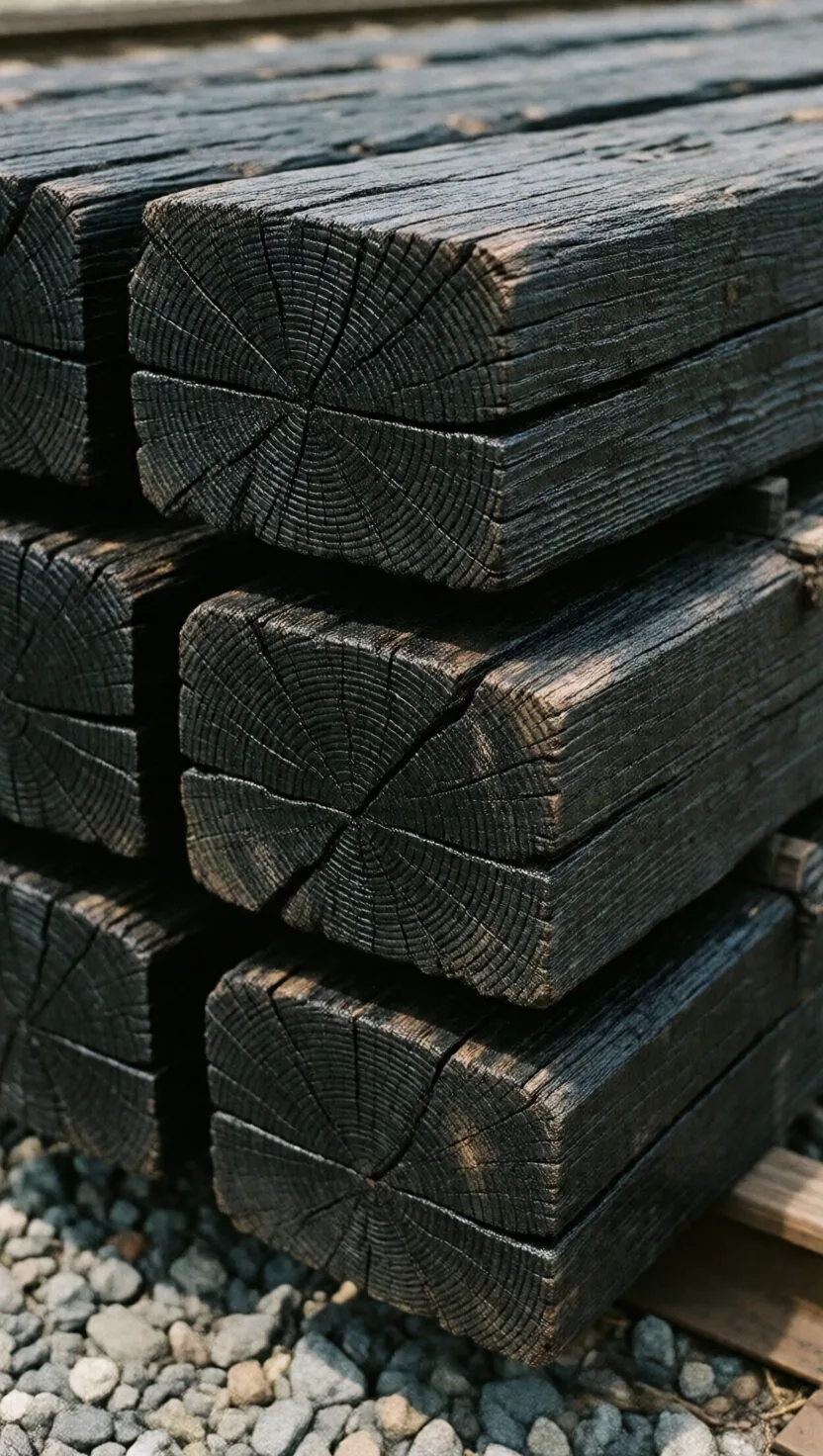
The black, acrid coating on old railway sleepers and telegraph poles is creosote, distilled from coal tar and used to preserve timber since the 1830s. Driven deep into the wood, it poisons the fungi and insects that would rot it, so a treated sleeper or pole shrugs off decades of weather. The average treated pole lasts around seventy-three years; the oldest one on record was still standing after a hundred and fifty-four.
The first waterproofing came from natural tar seeps

The first waterproofing came from natural tar seeps

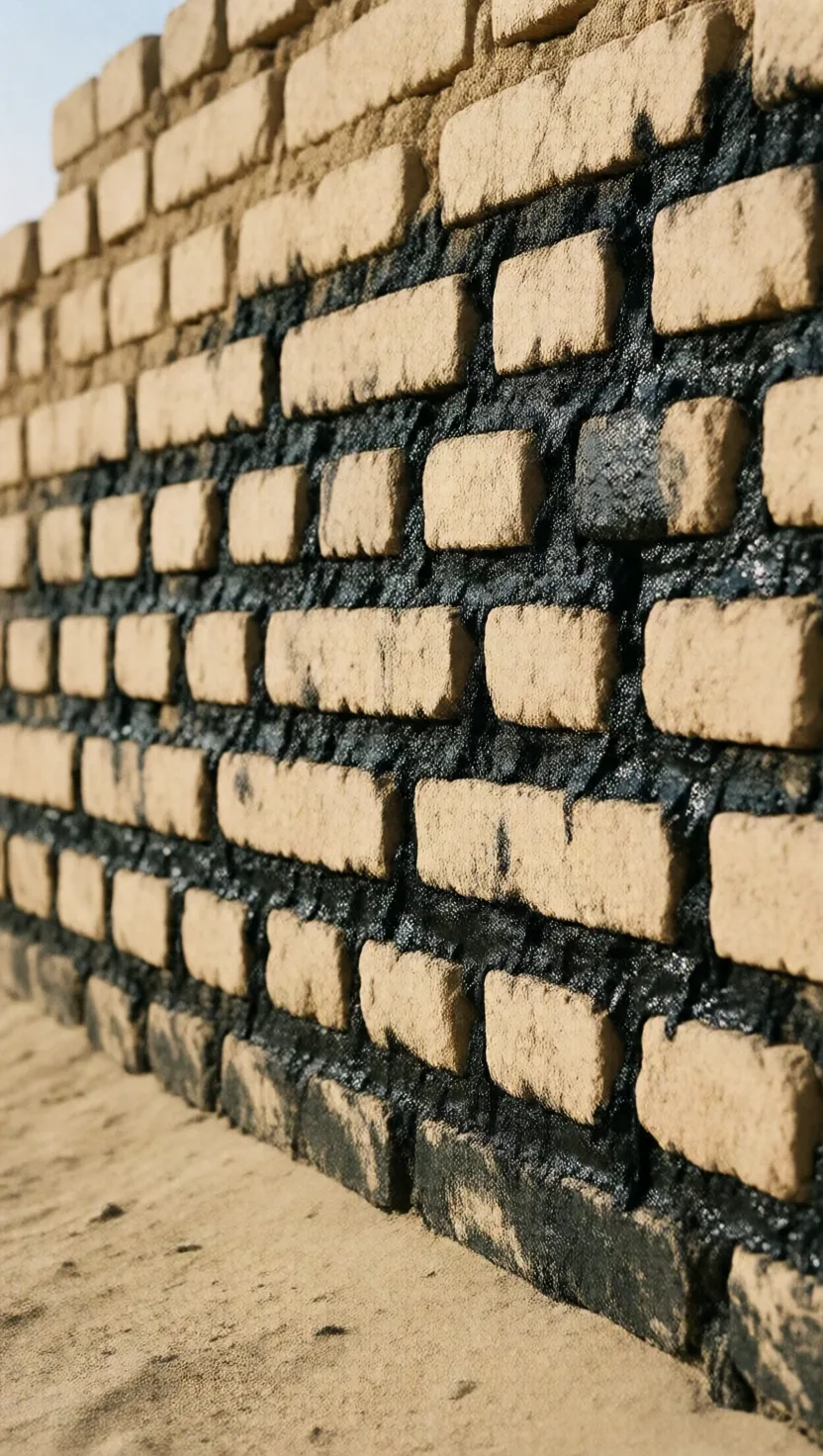
Long before refineries, bitumen welled up naturally along the Tigris and Euphrates, and the people of Mesopotamia put it to work. They mixed it into brick mortar to make walls stronger and watertight, raising ziggurats with it, and smeared it inside and out on reed boats to seal the fragile hulls. A bitumen-coated reed boat found in Kuwait dates to around 5000 BC — among the oldest known waterproofing anywhere on Earth.
Ancient Mexico sealed its canoes with natural tar

Ancient Mexico sealed its canoes with natural tar

Half a world away from Mesopotamia, natural asphalt seeped up along Mexico's Gulf coast, and the Olmec and the peoples after them prized it. They used the black pitch to waterproof canoes and rafts, to glue and decorate objects, and even as incense and chewing gum. A lump about twelve centimetres across, buried beside a body more than three thousand years ago, shows it was carried and traded as a valuable good.
tap →swipe ↑ for depthswipe ↓ to exit