Eight things between the pod and the bar

DC·67 Deep Cuts
Chocolate's flowers grow straight out of the tree trunk

Chocolate's flowers grow straight out of the tree trunk

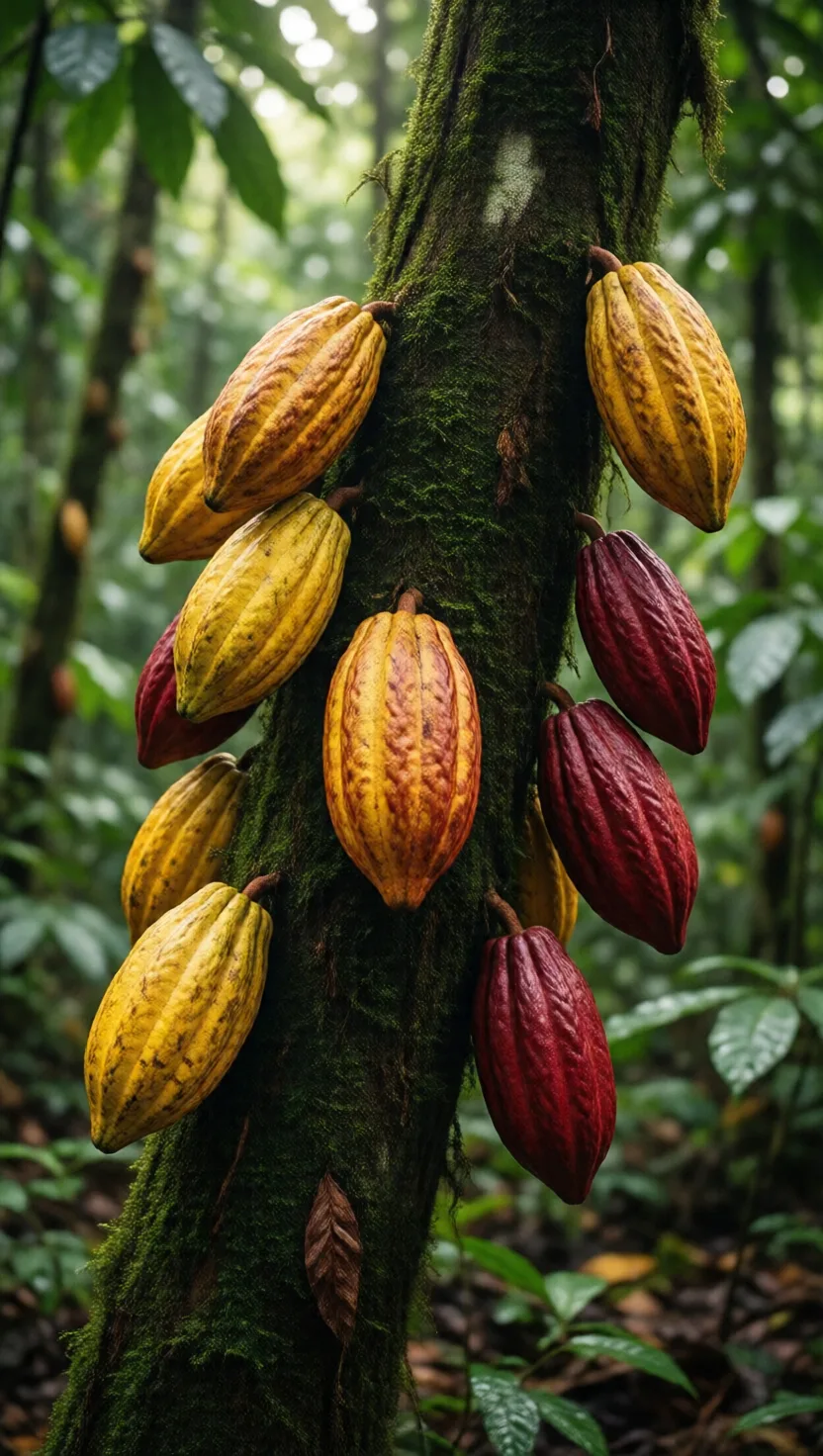
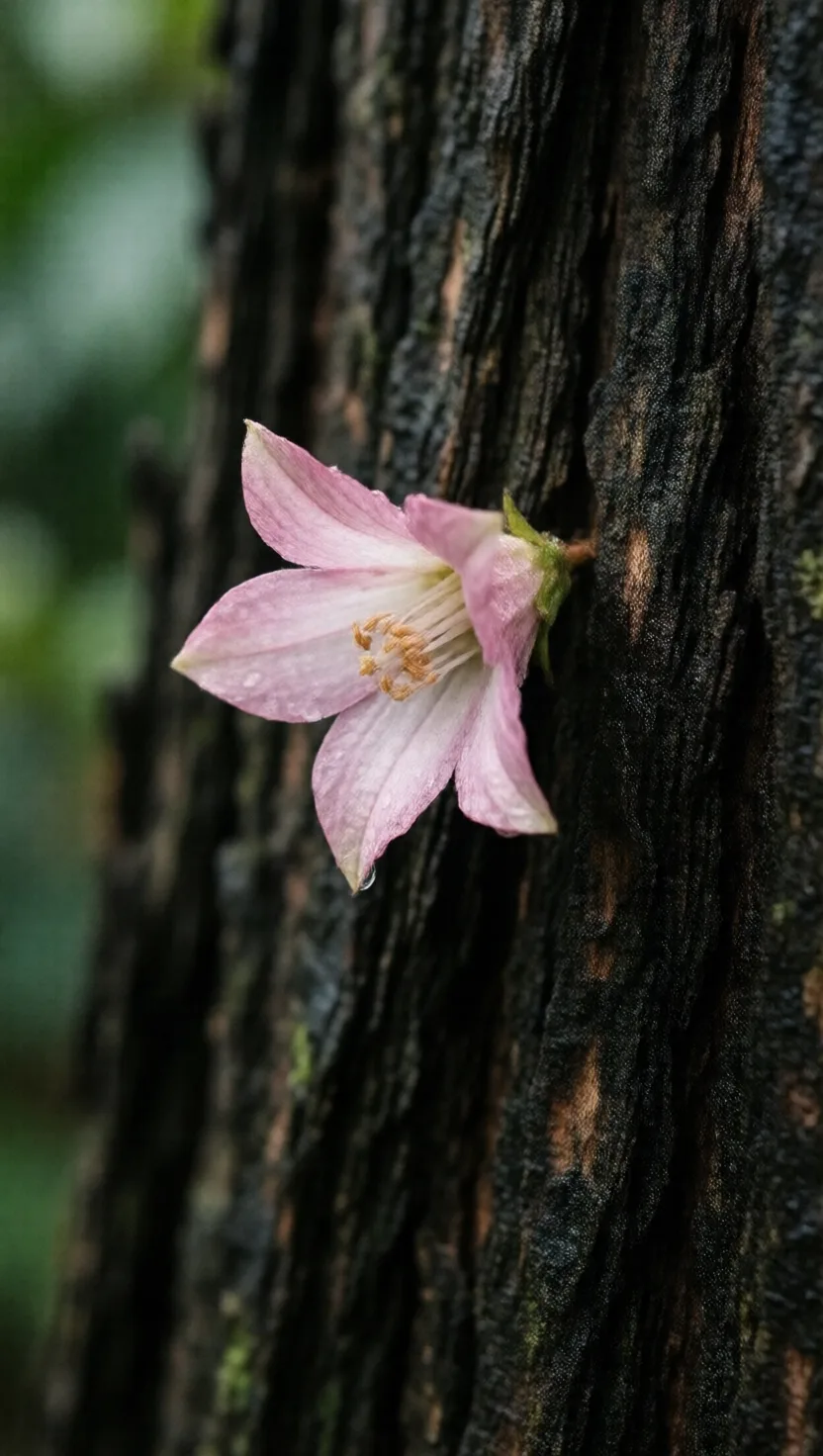
The cacao tree breaks the usual rule that flowers sit at the tips of branches. Its tiny pink-and-white blooms, and the heavy pods that follow, sprout directly from the bare trunk and oldest limbs, a habit called cauliflory. There's a structural reason: a ripe pod can weigh up to half a kilogram, far too much for a slender twig to bear. The same tree often carries flowers, young pods and ripe fruit at once, all year round.
Your chocolate depends on a midge the size of a pinhead

Your chocolate depends on a midge the size of a pinhead

Cacao flowers are almost impossible to pollinate. They are tiny, intricate, and hang facing downward, and bees largely ignore them. The work falls instead to midges no bigger than a pinhead, which crawl in at dawn and dusk. Even then they fail most of the time — on many farms only a few percent of flowers, sometimes well under one percent, ever turn into pods. A single tree may open thousands of blooms and ripen only a few dozen.
Good chocolate snaps because of one crystal shape

Good chocolate snaps because of one crystal shape

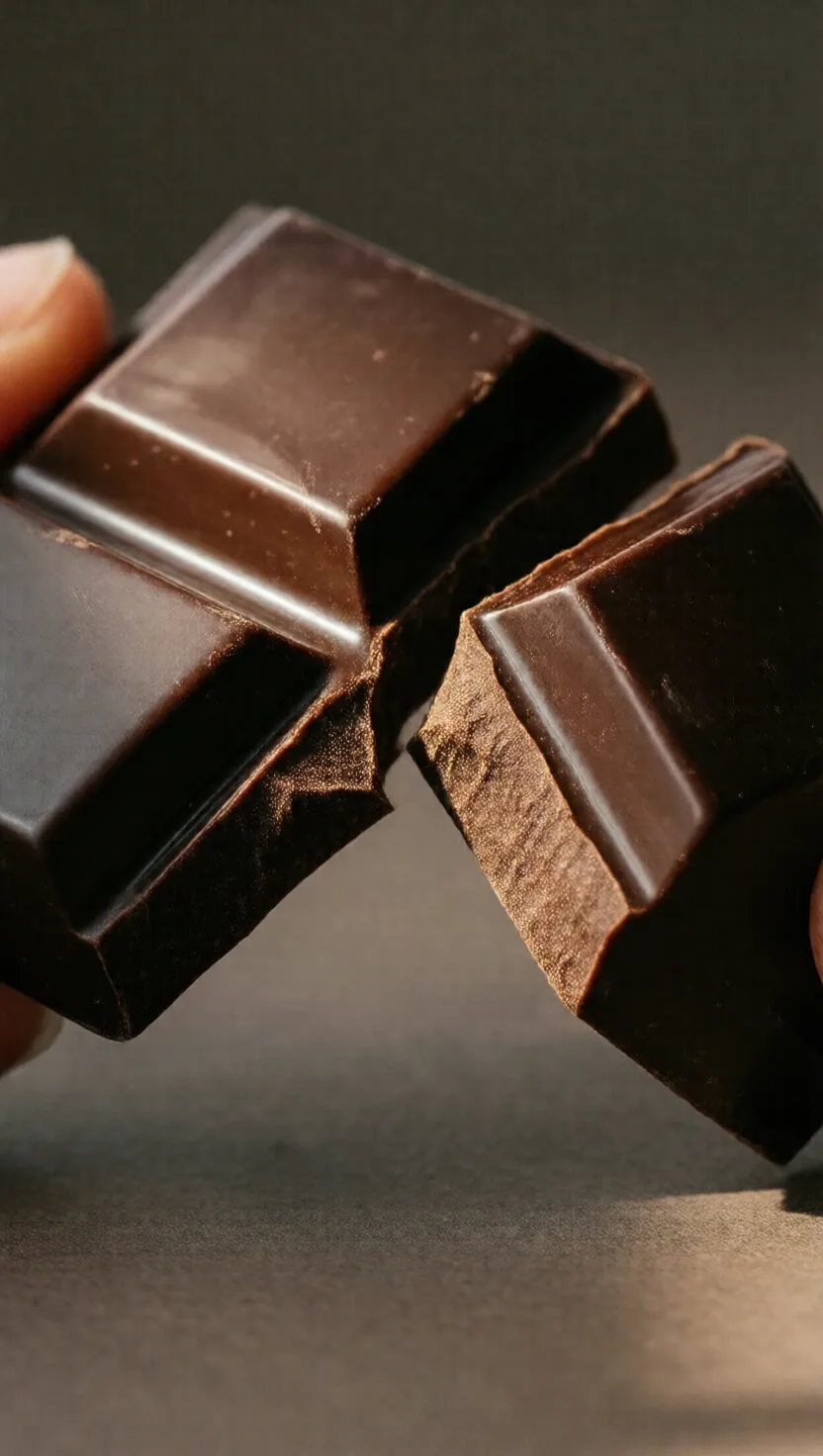
Cocoa butter can freeze into six different crystal structures from the very same fat. Only one of them, known as form five, gives chocolate its glossy sheen, its firm snap, and the way it melts cleanly just below body temperature. Tempering is the patient heating and cooling that coaxes the fat into that one form. Get it wrong and the other crystals take over, leaving a dull, crumbly bar that smears and melts in the hand.
Chocolate was a drink for almost all of its history

Chocolate was a drink for almost all of its history

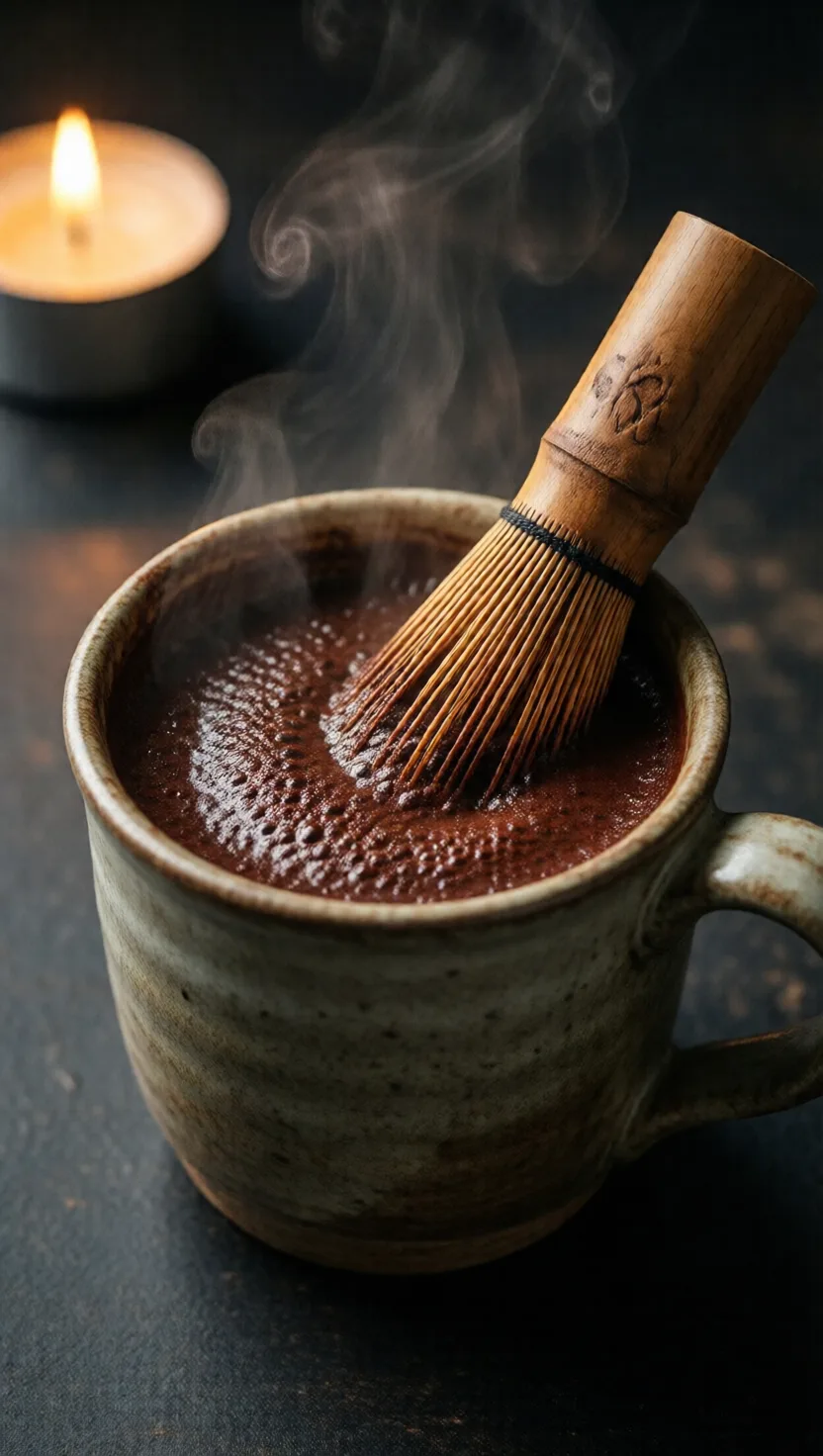
For most of its roughly four thousand years, chocolate was something you drank, not chewed — a bitter, frothy beverage in Mesoamerica, then a sweetened luxury drink in the courts of Europe. The solid eating bar is a newcomer. Only in 1847 did a British maker find that stirring extra cocoa butter back into cocoa and sugar made a paste firm enough to cast in a mould. The bar in your pocket is younger than the steam railway.
The white film on old chocolate isn't mould

The white film on old chocolate isn't mould

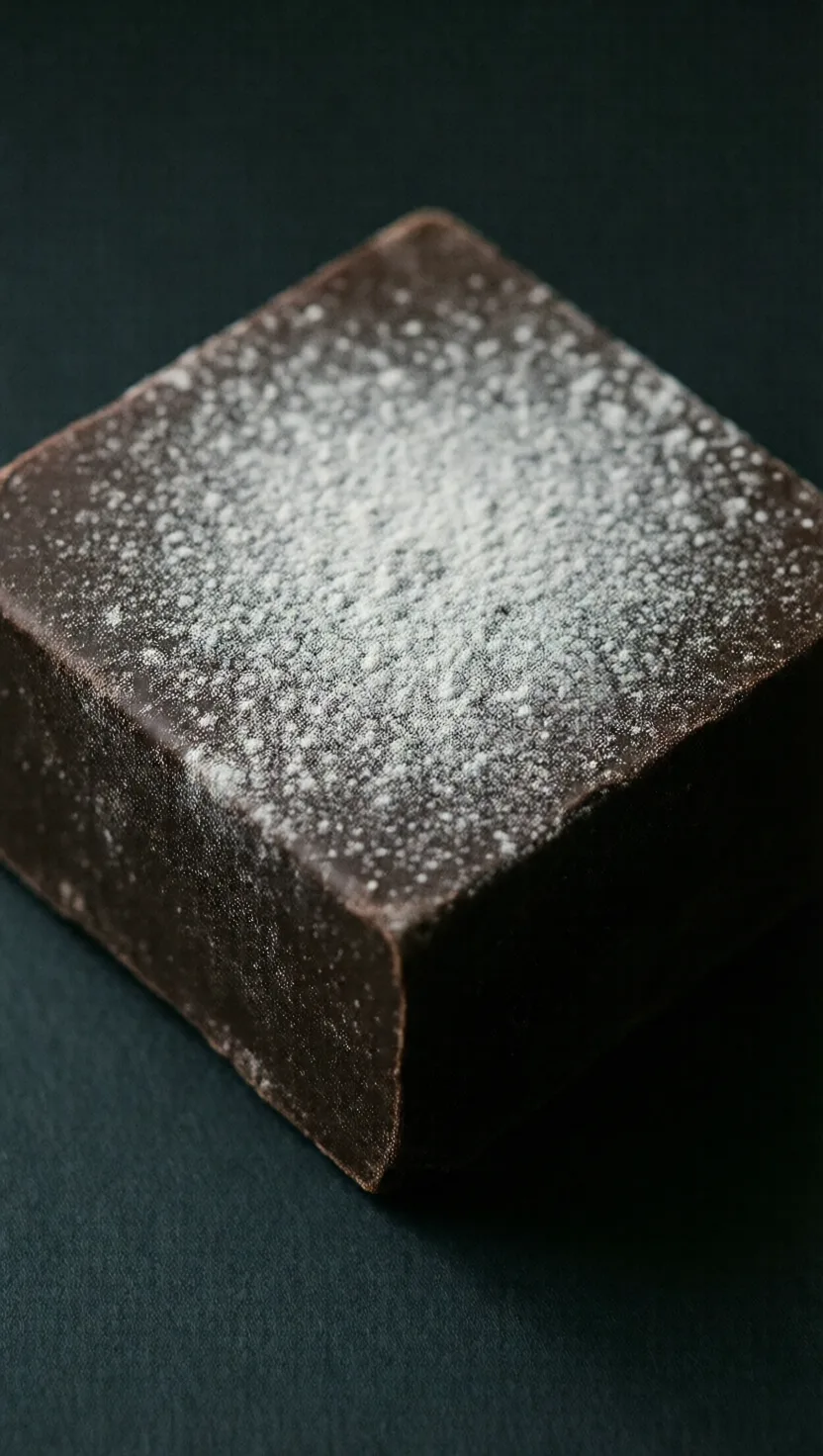
A grey-white haze on a forgotten chocolate bar looks like mould but isn't — it's the chocolate's own fat. When a bar warms and then cools again, some cocoa butter melts and recrystallises in an unstable form, then migrates to the surface as a dull bloom. It's completely harmless; the coating is simply an ingredient that was always inside, risen to the top. A gentle re-melt and proper tempering brings the shine straight back.
Smooth chocolate was an accident left stirring overnight

Smooth chocolate was an accident left stirring overnight

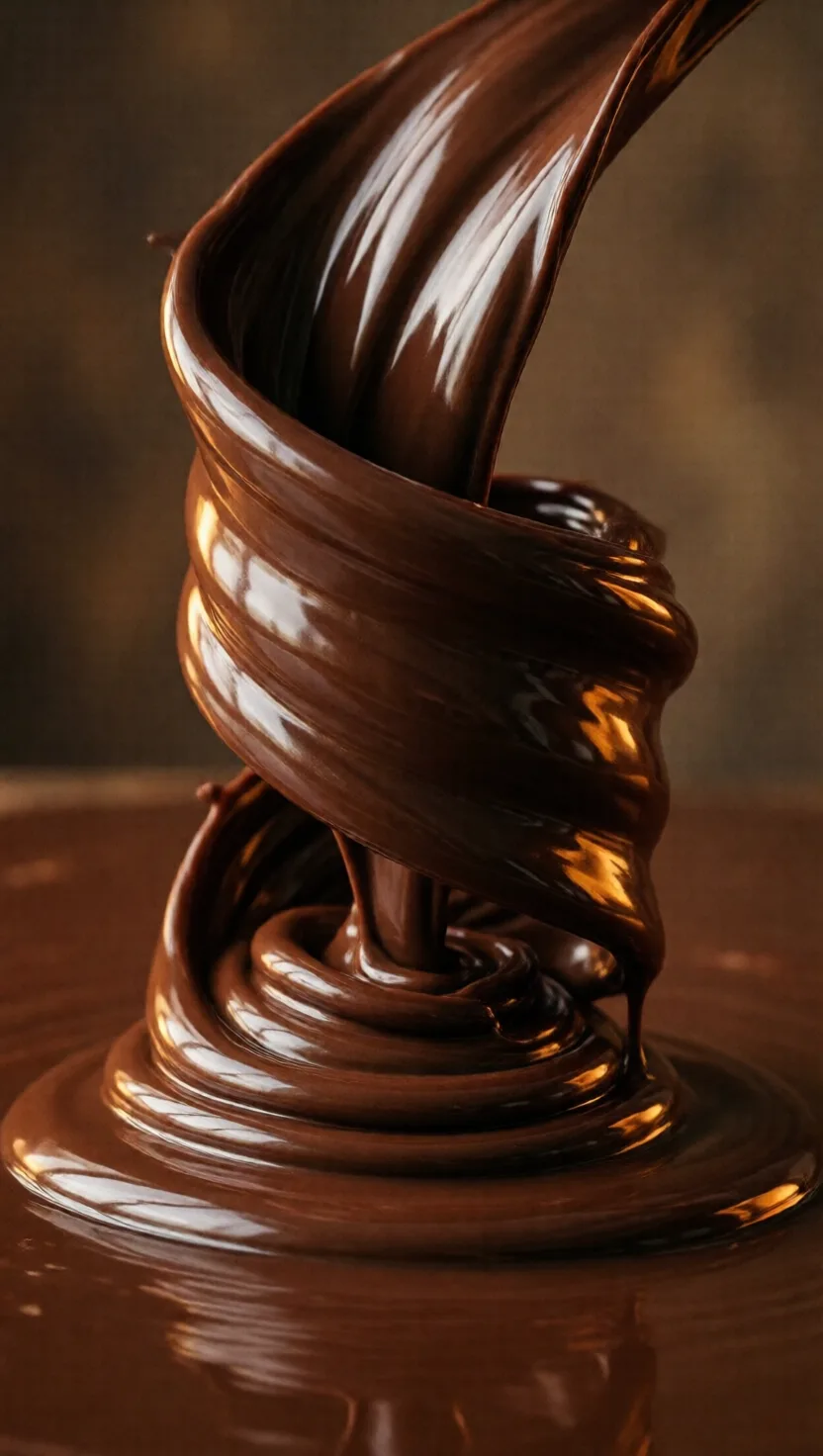
Early chocolate was gritty on the tongue. In 1879 a Swiss maker in Bern left a grinding machine running far longer than intended — by some accounts right through a weekend — and found the chocolate had turned silky, glossy and mellow. The long slow stirring, now called conching, grinds the particles down until the tongue can no longer feel them and lets harsh sour notes evaporate. Fine chocolate is still conched for up to three days.
Fresh cacao beans don't taste of chocolate at all

Fresh cacao beans don't taste of chocolate at all

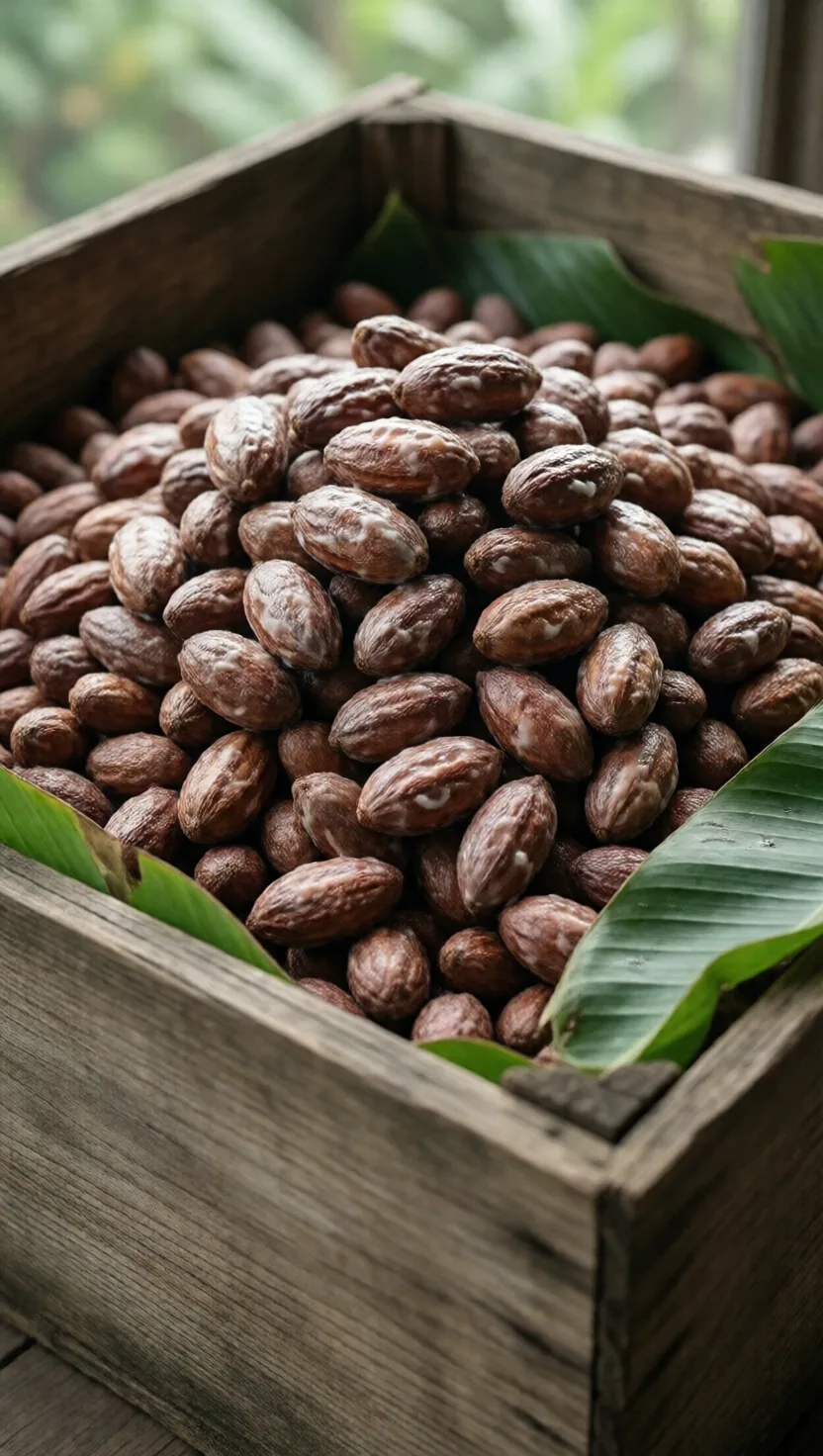
Straight from the pod, cacao beans have almost no chocolate flavour. That taste is built by controlled rot. The beans are heaped up still wrapped in their sweet white pulp and left for about five to seven days while wild yeasts and bacteria ferment the pulp, heat the pile, and set off reactions inside each bean that create flavour precursors. Only later, in the roaster, do those precursors become chocolate. Skip the fermenting and the beans stay bitter and blank.
A ripe cacao pod won't fall — and its colour lies

A ripe cacao pod won't fall — and its colour lies

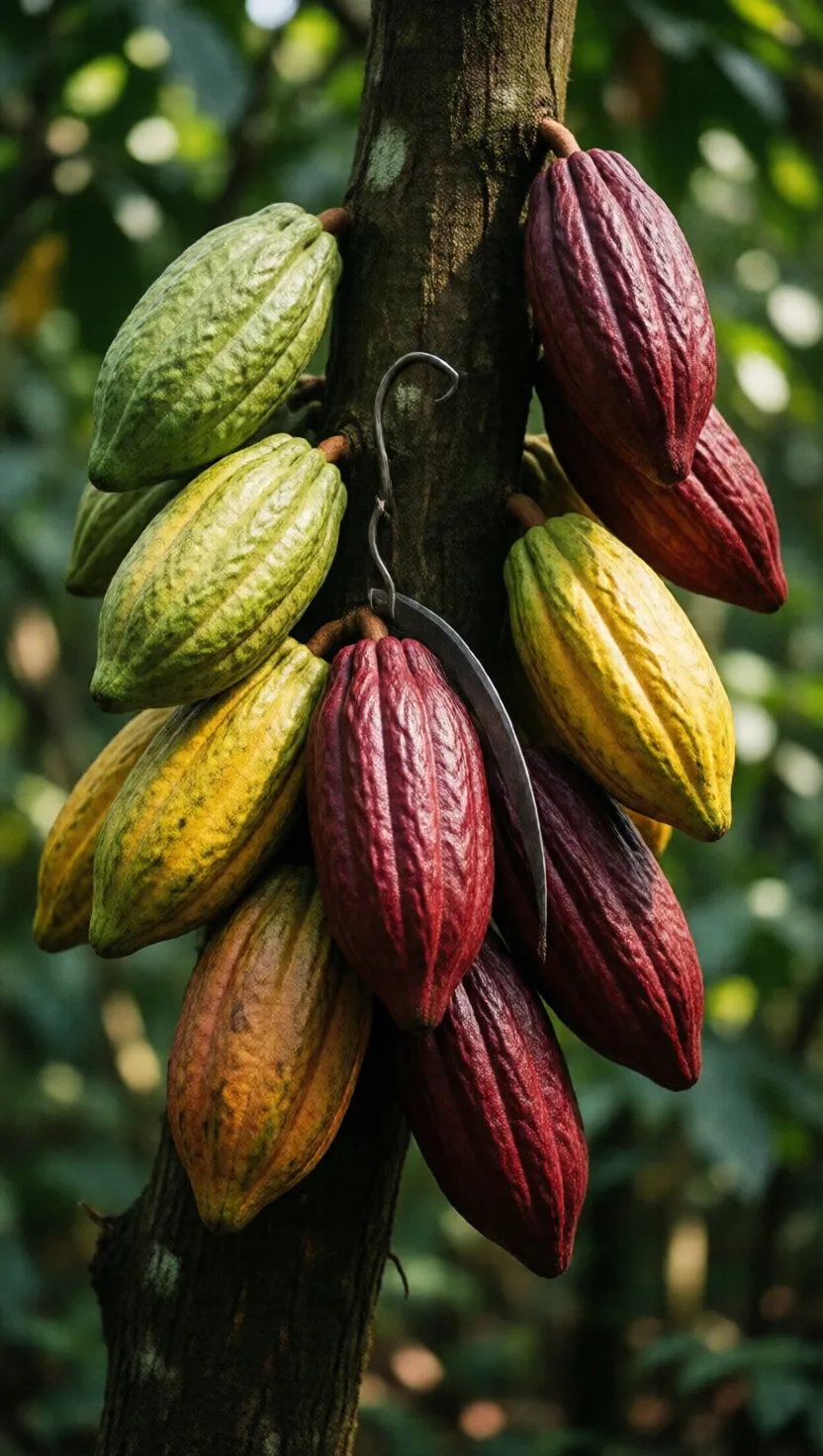
Unlike most fruit, cacao pods don't drop when they are ready; they cling to the trunk until a worker cuts each one free by hand with a blade. Colour is no help in judging ripeness either, because it depends on the variety — some pods ripen green, others yellow, orange, red or deep purple. Pickers often knock on a pod and listen instead: a hollow sound means the loose beans have pulled away from the husk inside.
tap →swipe ↑ for depthswipe ↓ to exit