Eight things hiding in the spice rack

DC·66 Deep Cuts
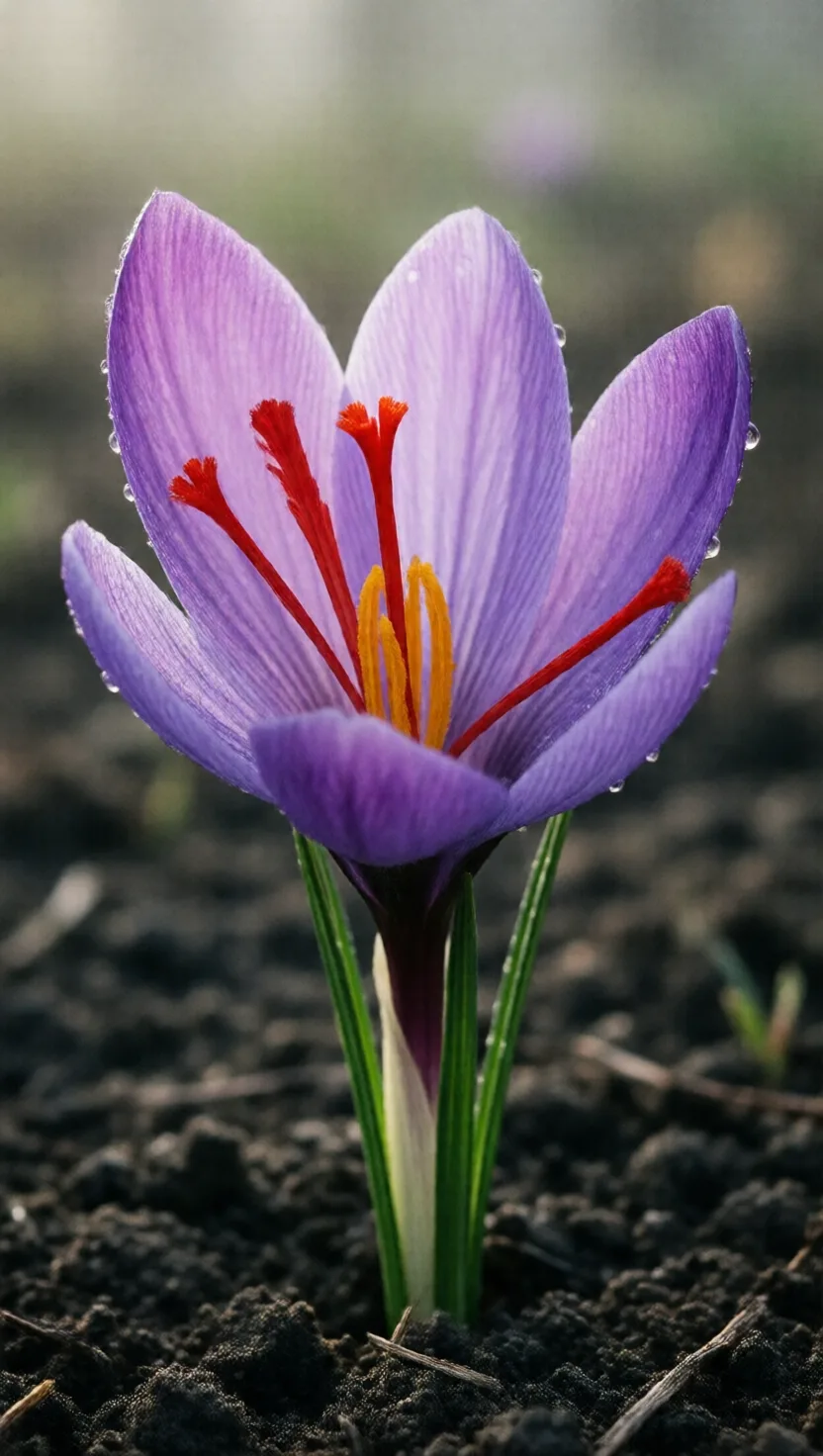
Every saffron flower is a clone, not a child

Every saffron flower is a clone, not a child

Saffron crocus is a sterile triploid — it carries three sets of chromosomes that can't pair properly, so the purple flowers never set viable seed. The plant cannot reproduce on its own. For roughly 3,500 years it has spread only because people dig up the underground corms, split off the seven or eight cormlets each one grows, and replant them by hand. Every saffron plant alive is a cutting of the same ancient lineage.
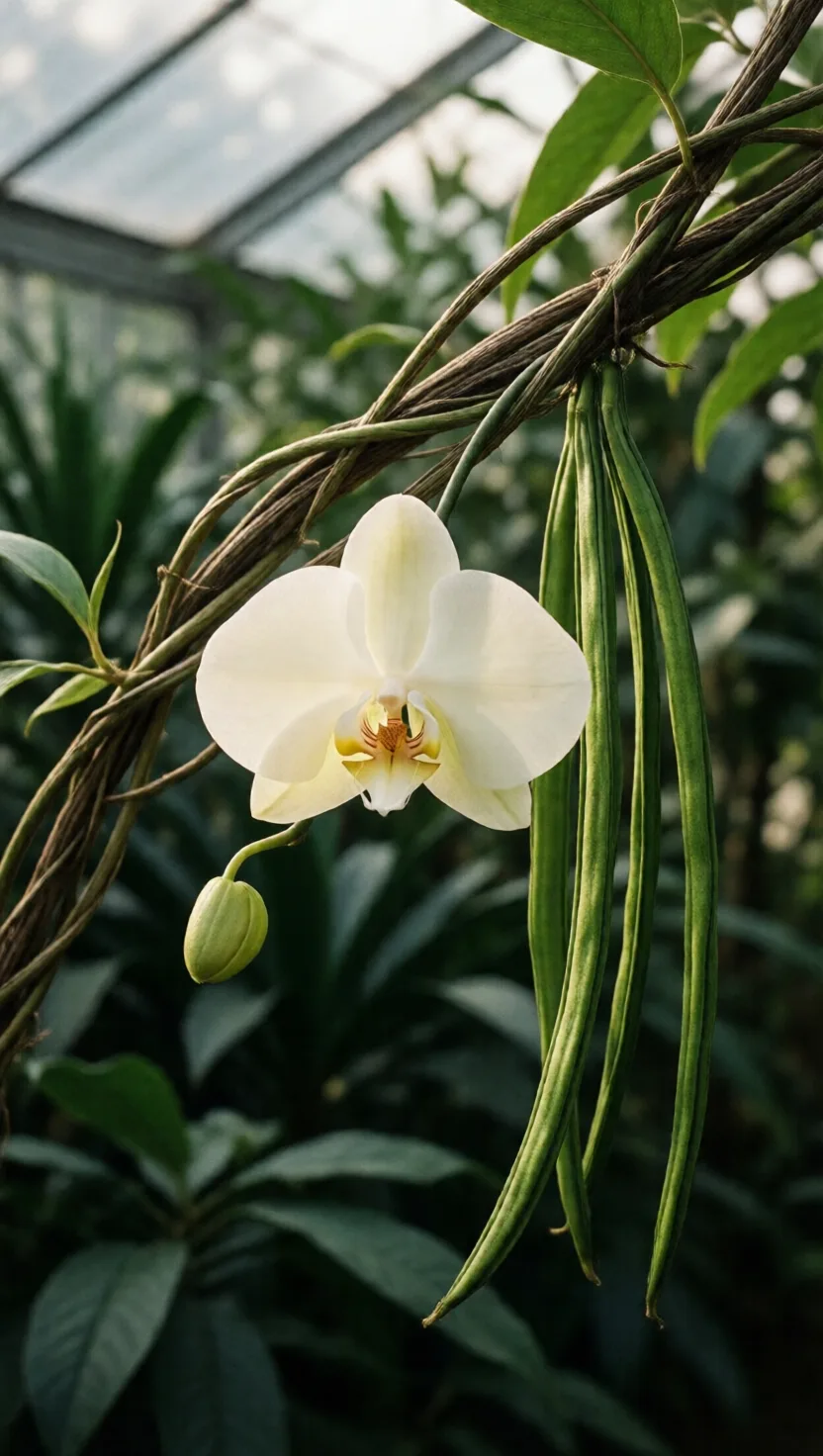
Almost every vanilla pod was pollinated by hand

Almost every vanilla pod was pollinated by hand

Outside one corner of Mexico the vanilla orchid has no natural pollinator, so across the rest of the world it sets no fruit on its own. In 1841 a twelve-year-old enslaved boy on the island of Réunion worked out the trick: lift the flap that separates the flower's male and female parts with a thin sliver of bamboo, then press them together with a thumb. The bloom opens for only a single day, so it must be done that morning. His gesture is still how nearly all vanilla on Earth is pollinated.
This pepper sets your lips buzzing 50 times a second

This pepper sets your lips buzzing 50 times a second

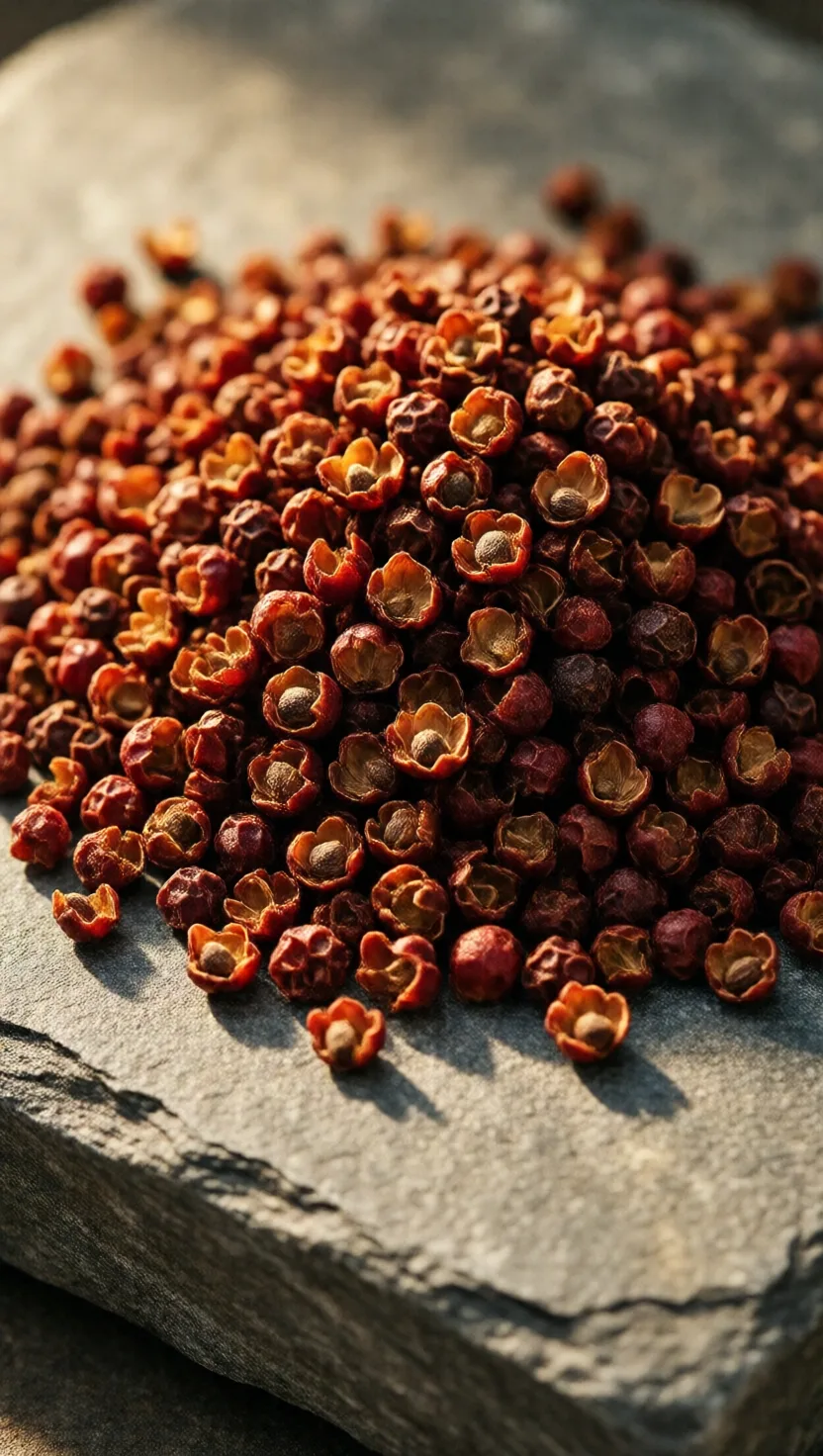
The tingle from Sichuan pepper isn't taste or heat — it's touch. A compound called hydroxy-alpha-sanshool switches on the nerve fibres that normally sense light vibration, making them fire as though your lips were fluttering about fifty times a second. In lab tests people matched the sensation to a real buzzing probe and landed near 50 Hz. Chilli heat triggers pain receptors; this one hijacks your sense of touch instead.
A clove is a flower that never got to bloom

A clove is a flower that never got to bloom

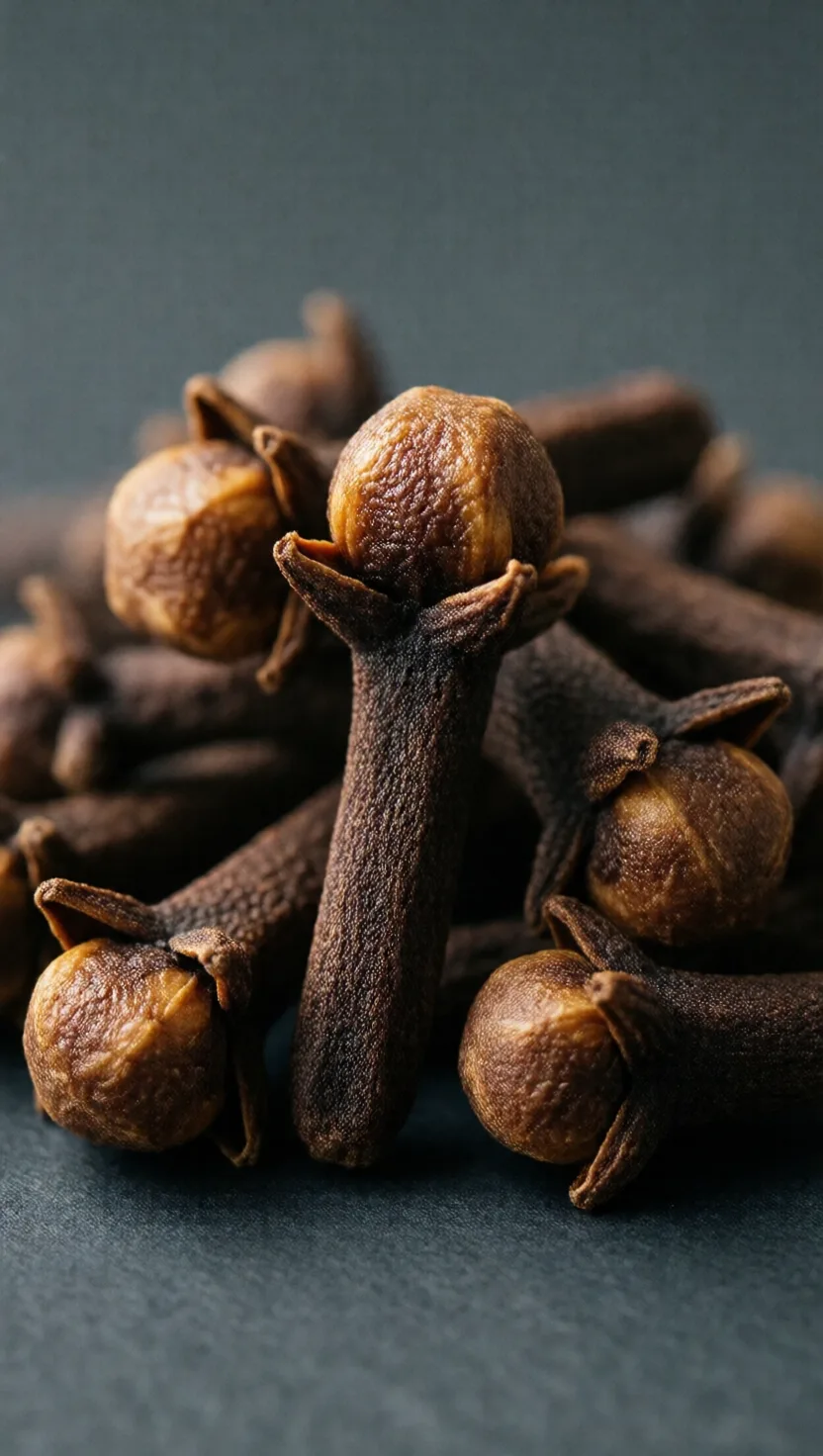
Each clove is a flower bud, picked and dried before it can open — the familiar nail shape is the unopened petals capping a tiny stem. Its punch comes from eugenol, which makes up 80 to 90 percent of clove oil and acts as a genuine local anaesthetic, numbing nerves in much the way a dentist's injection does. That's why a clove pressed against a sore tooth dulls the ache, and why the smell of an old dental surgery was really the smell of cloves.
Two different spices grow inside one fruit

Two different spices grow inside one fruit

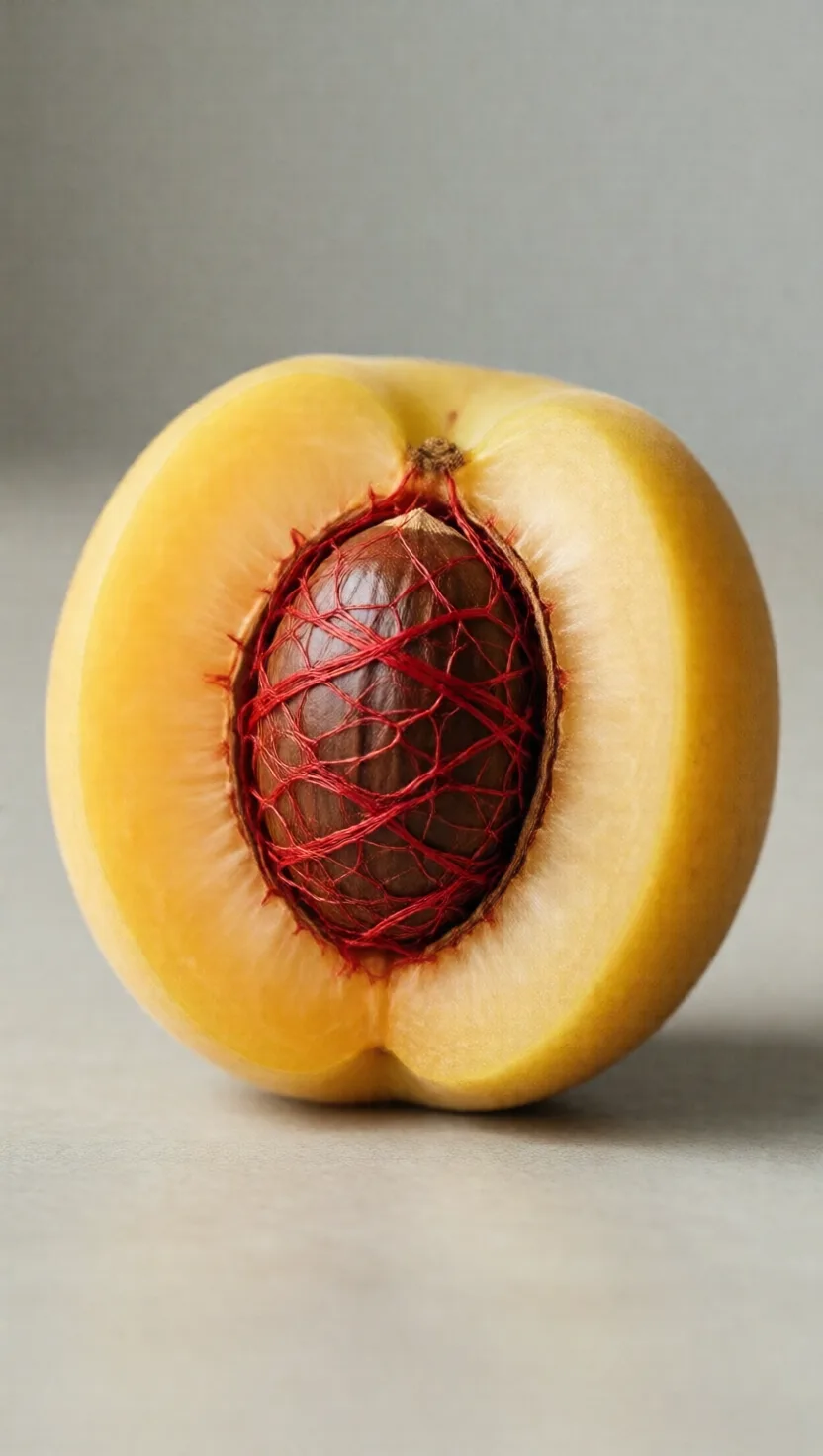
Nutmeg and mace aren't cousins — they're the same fruit. When the apricot-like fruit of the nutmeg tree splits open, inside sits a single glossy brown seed, the nutmeg, wrapped in a lacy crimson cage. That bright red netting is mace; it is peeled away, flattened and dried until it fades to orange. One harvest yields both spices, with mace the rarer of the two because there is only a thin web of it around each seed.
Rome once bought off an invading army with pepper

Rome once bought off an invading army with pepper

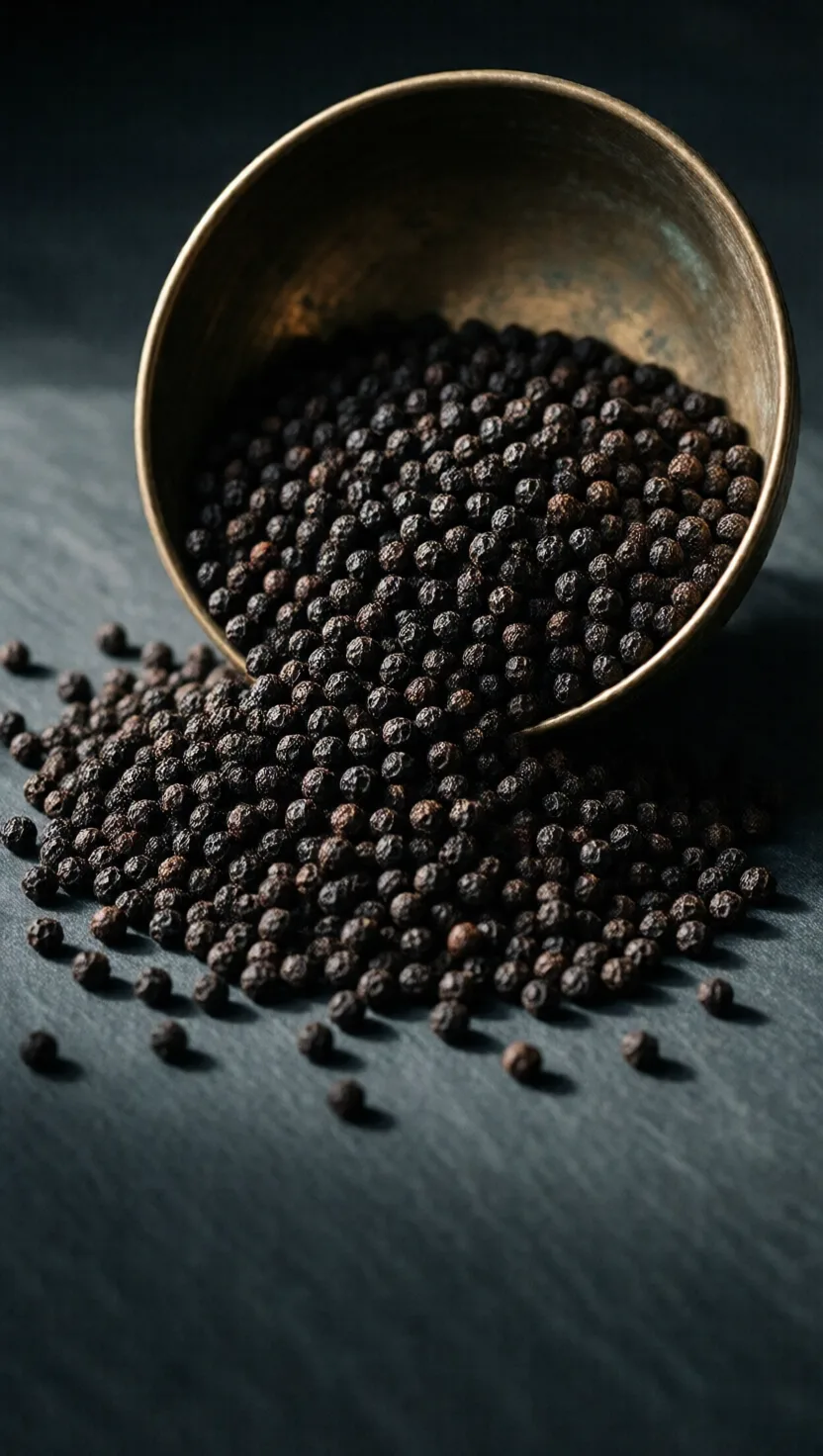
When the Visigoths besieged Rome in late 408, the ransom demanded to lift the blockade wasn't only gold and silver. The list set down by the historian Zosimus also included three thousand pounds of pepper. The peppercorn had travelled overland and by sea from India and was scarce enough in the Mediterranean to rank as treasure alongside precious metal. The senate emptied the city's coffers and even melted statues to pay it.
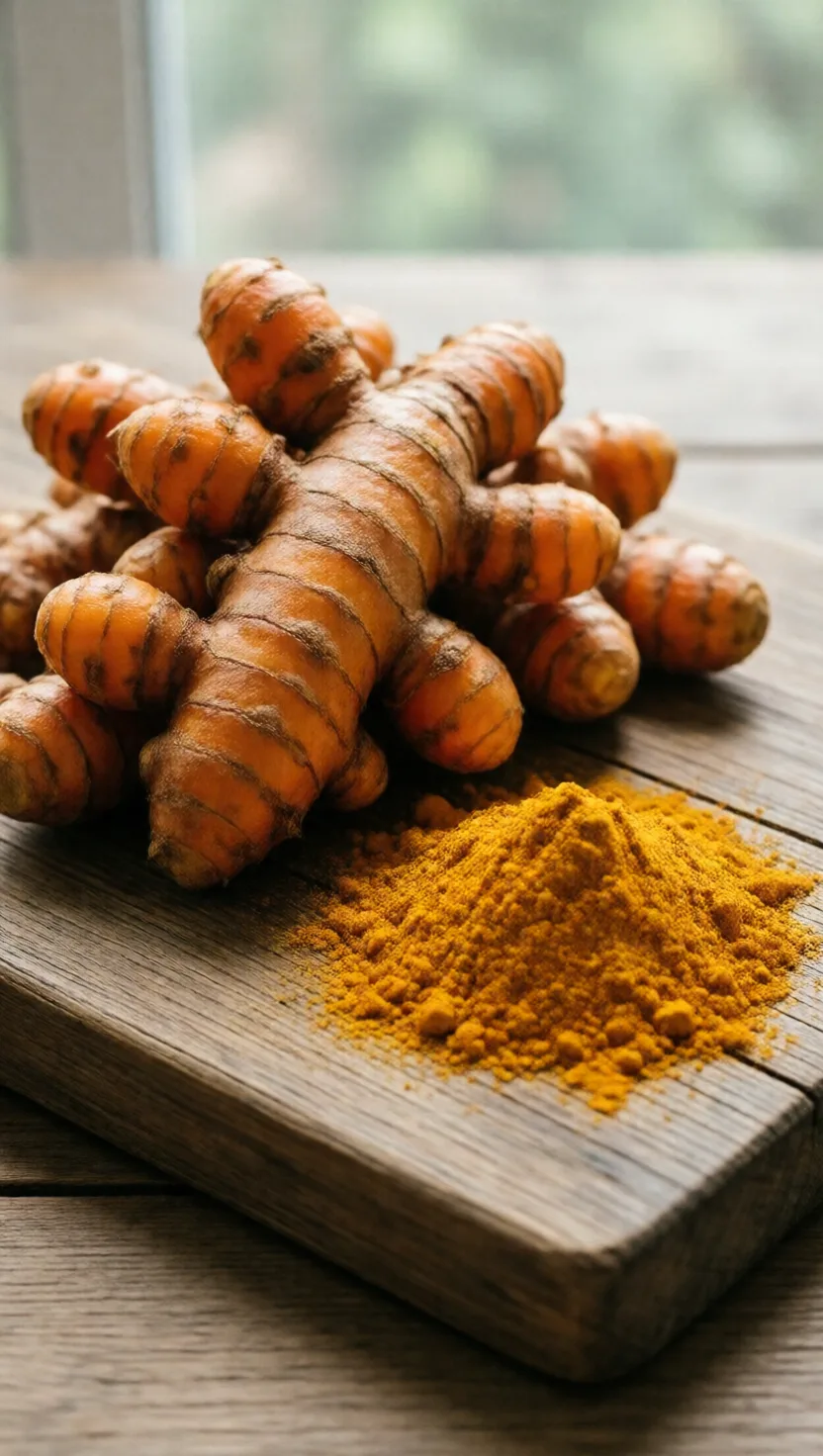
Turmeric is a chemistry-lab test in disguise

Turmeric is a chemistry-lab test in disguise

The yellow in turmeric comes from a pigment called curcumin, and it is a working pH indicator. In anything acidic or neutral it stays gold, but above a pH of about 8.6 it flips to a deep red-brown as the alkali rearranges the molecule. Paper brushed with turmeric and dried becomes a test strip — drip soap or baking soda on it and the yellow turns red. It's the same trick a school litmus test uses, growing on a kitchen shelf.
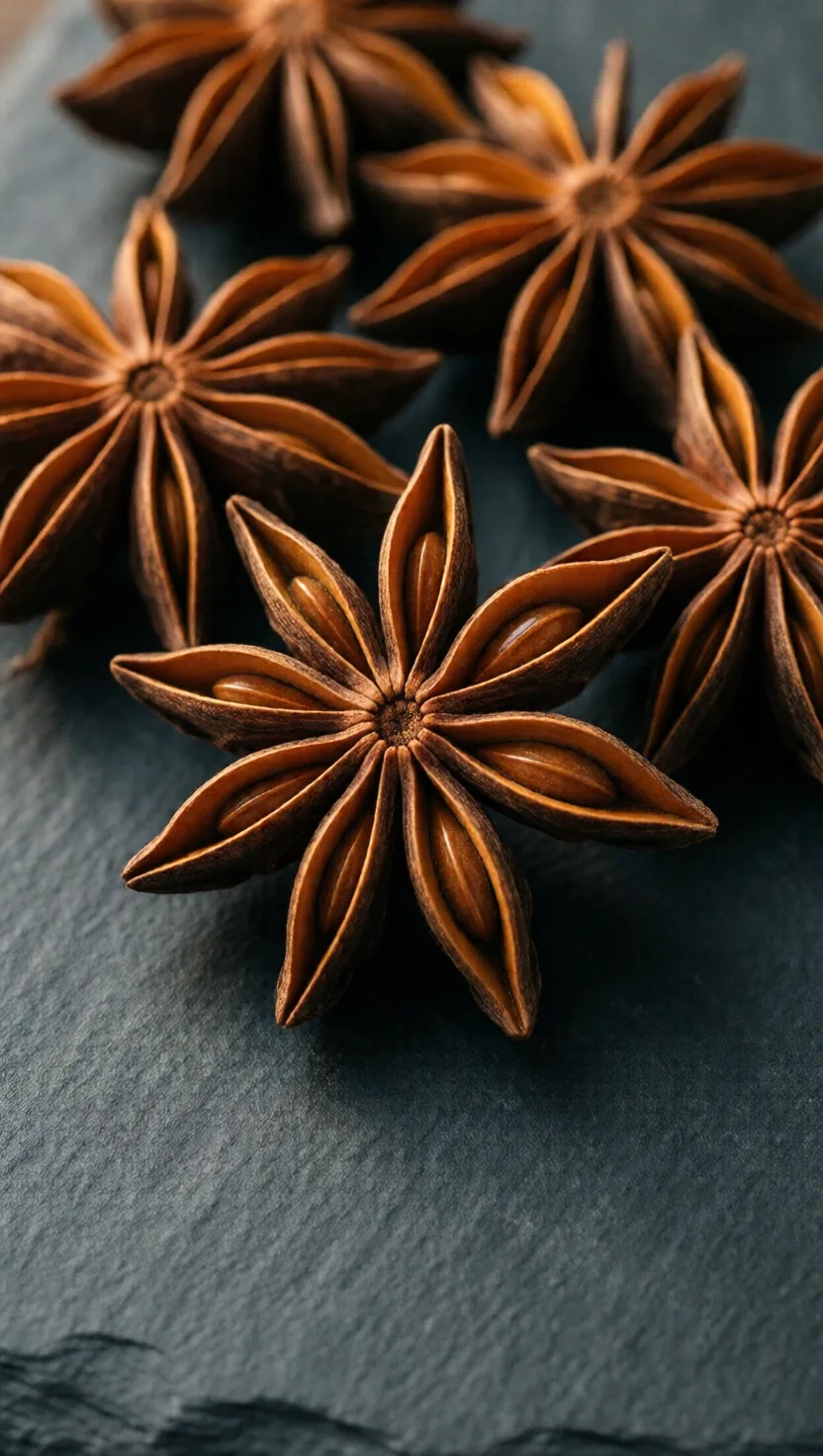
A flu drug was once distilled from this little star

A flu drug was once distilled from this little star

The eight-pointed star anise pod is the main natural source of shikimic acid, the starting molecule for a major antiviral flu medicine. During the bird- and swine-flu scares of the 2000s the drug's maker was using an estimated 90 percent of the world's star anise harvest. Since the tree takes about six years to bear fruit, supply couldn't keep up, and chemists later learned to brew the same acid using engineered microbes instead.
tap →swipe ↑ for depthswipe ↓ to exit