Eight things sealed inside fossil resin

DC·65 Deep Cuts
Amber is a tree's wound, frozen for ages

Amber is a tree's wound, frozen for ages

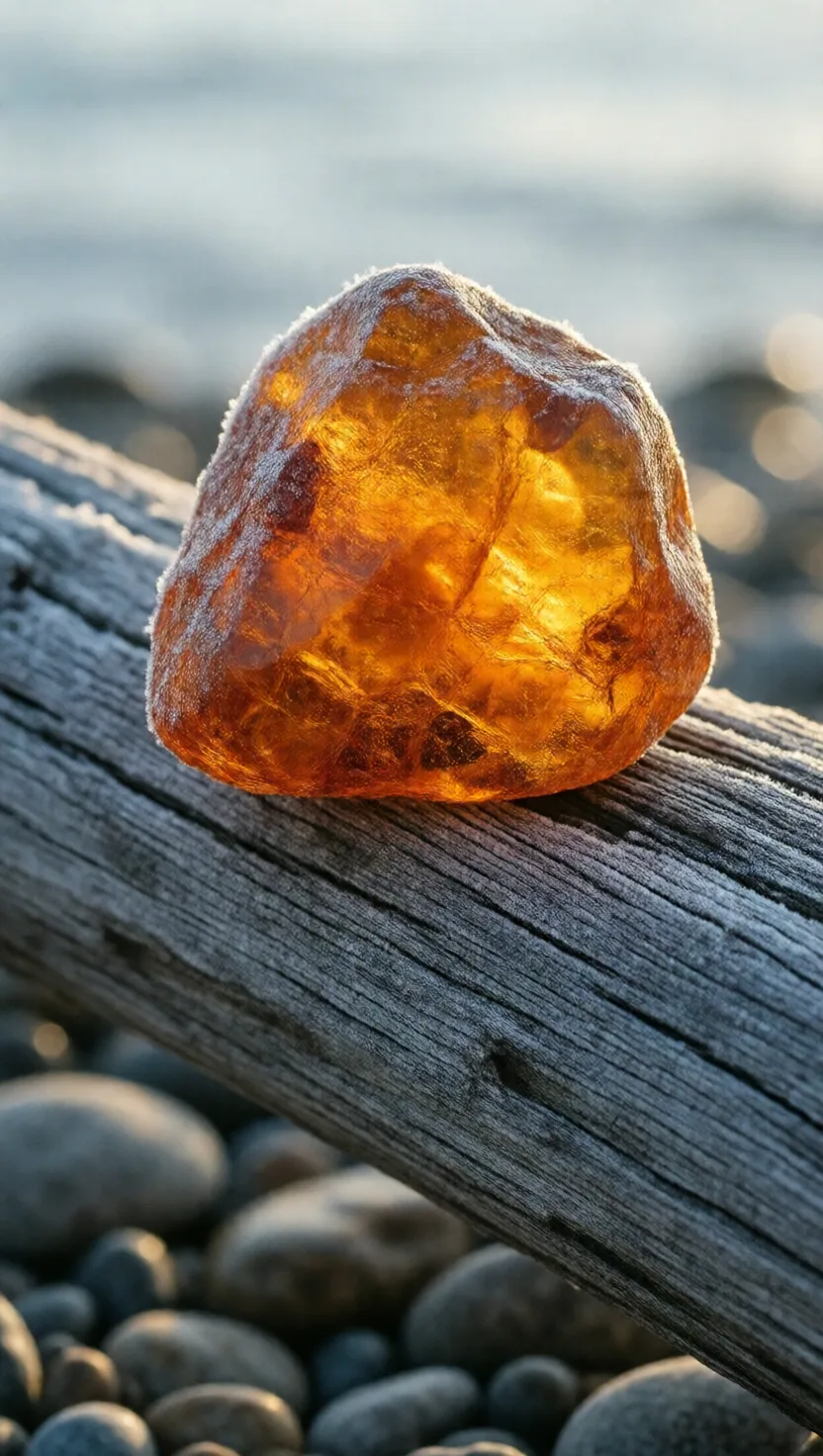
Amber is not sap but resin, the thick fluid a tree oozes to seal injuries and trap invaders. Over tens of millions of years the resin loses its volatile oils and hardens into a fossil. Most Baltic amber dates to about 44 million years ago, when vast resin-bleeding forests covered northern Europe. A single piece can preserve a moment from before the first primates existed.
Hold amber under black light and it burns blue

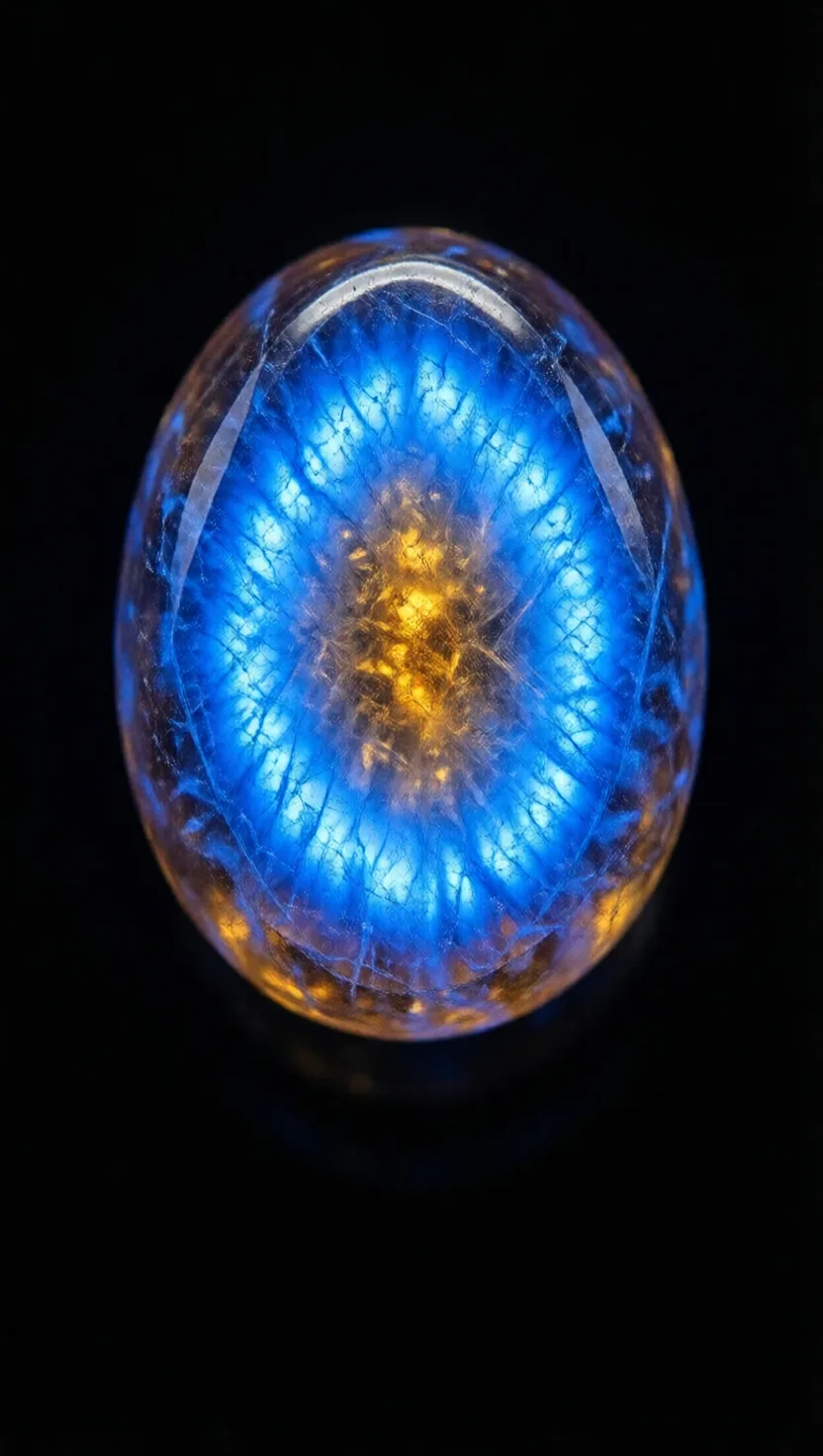
Hold amber under black light and it burns blue

Under ultraviolet light, genuine amber fluoresces, glowing milky blue, green, or even violet instead of its usual warm gold. The effect comes from aromatic compounds locked in the fossilized resin that absorb UV and re-emit it as visible light. Collectors use this glow as a quick authenticity test, since most plastic and glass imitations stay dull and dark under the same lamp.
Real amber floats in salt water, fakes sink

Real amber floats in salt water, fakes sink

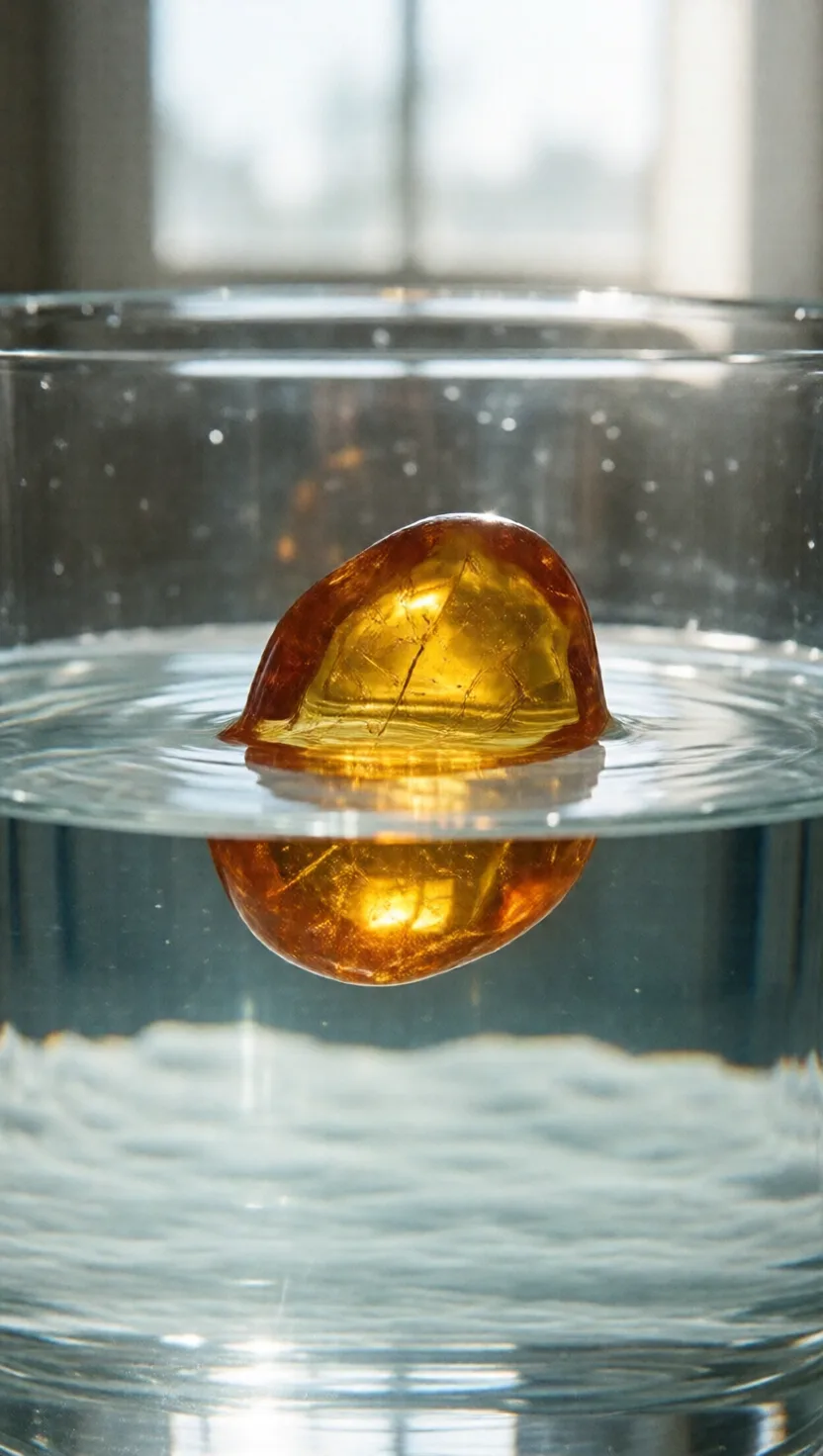
Amber is remarkably light, with a specific gravity around 1.05 to 1.10, barely denser than fresh water. Drop it in a strong salt solution, roughly one part salt to four parts water, and true amber bobs to the surface while denser glass and most plastics sink. This is why sea storms tear amber from the seabed and wash it onto Baltic beaches, where it has been gathered for thousands of years.
A drop of solvent tells young resin from ancient

A drop of solvent tells young resin from ancient

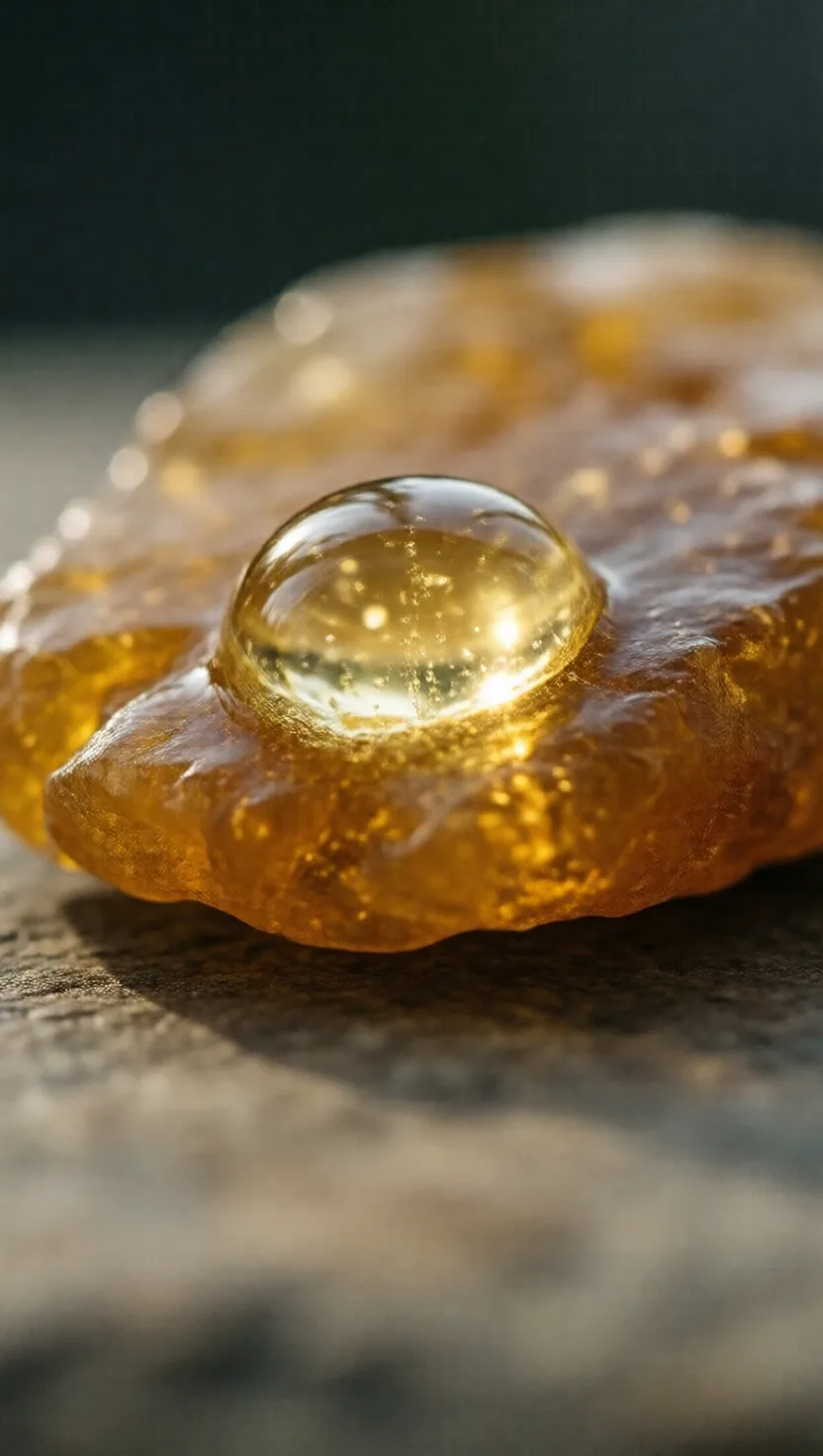
Not all golden resin is amber. Copal is resin only thousands to a few hundred thousand years old, not yet fully fossilized. Place a drop of acetone or alcohol on it and copal turns tacky and sticky within seconds as its surface begins to dissolve, while true amber, hardened over tens of millions of years, shrugs it off. The test routinely exposes cheap copal sold as genuine amber.
A room made entirely of amber vanished in the war

A room made entirely of amber vanished in the war

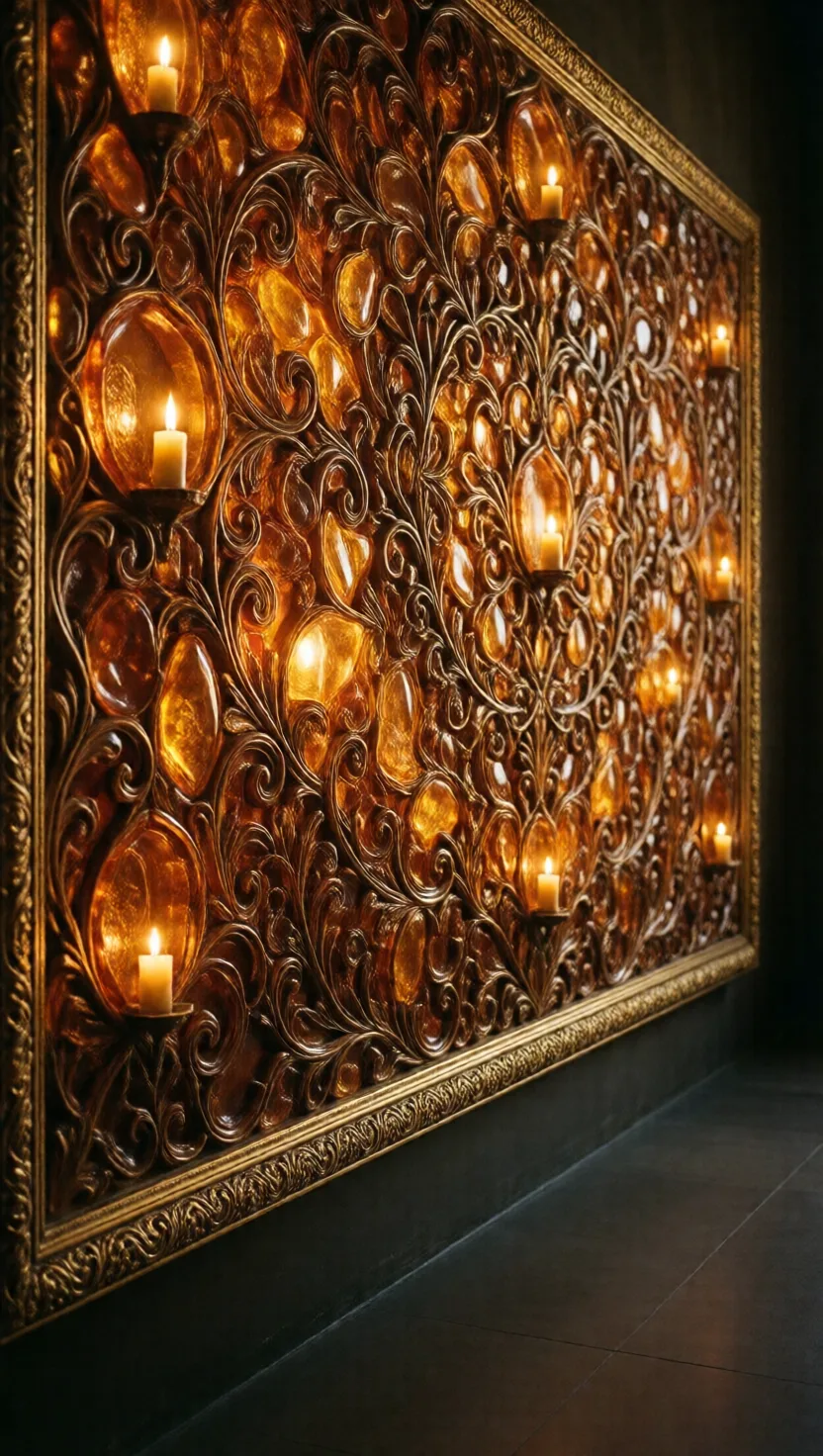
The Amber Room was a chamber paneled floor to ceiling in carved amber backed with gold leaf and mirrors, built in the 1700s for a Russian palace and once called the eighth wonder of the world. Looted by retreating forces in 1941, it disappeared and has never been found. A painstaking reconstruction took over two decades and around 11 million dollars before its dedication in 2003.
Bubbles in amber are samples of ancient air

Bubbles in amber are samples of ancient air

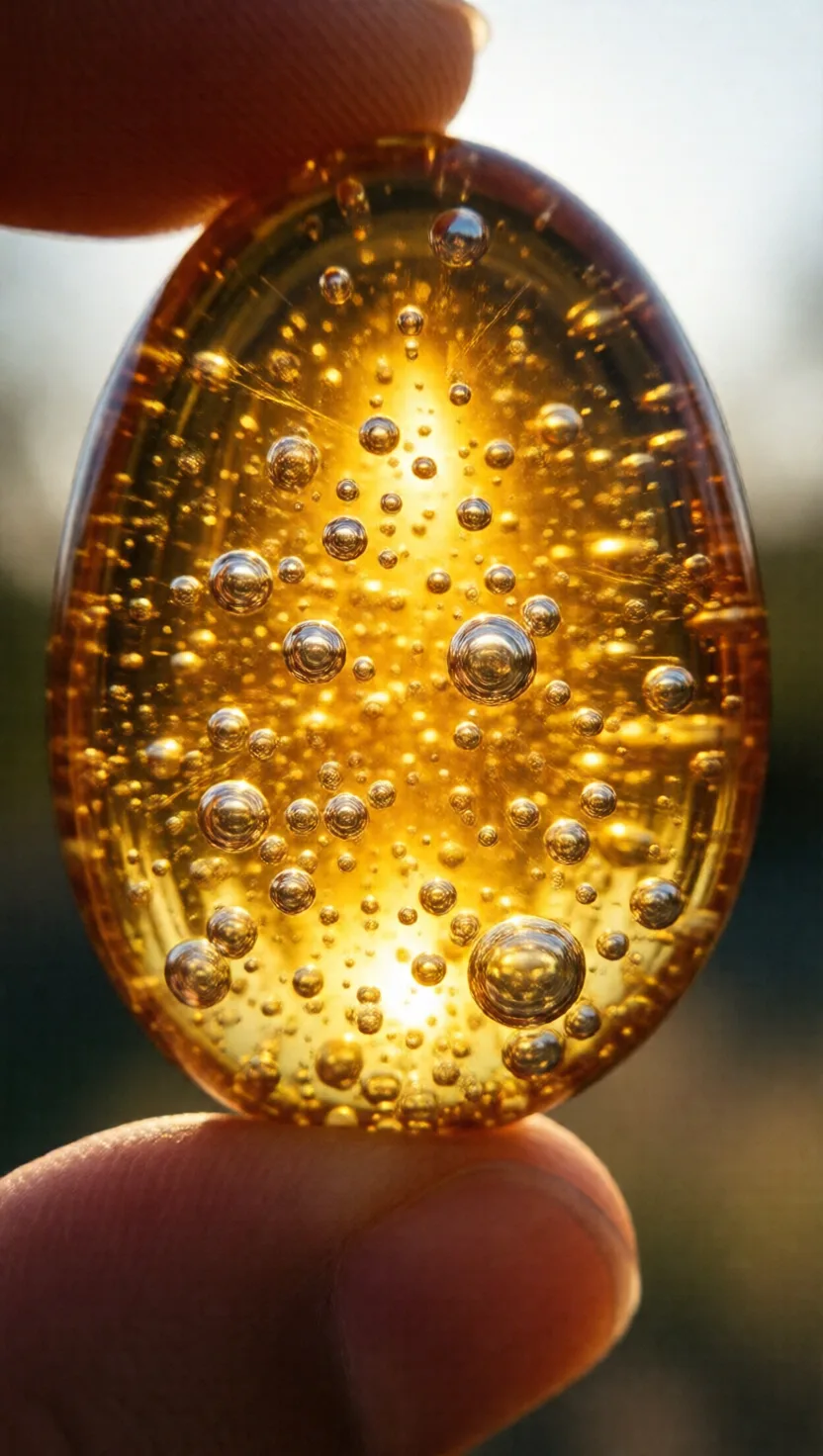
When resin flowed over a surface it sometimes sealed tiny bubbles of the atmosphere inside. Trapped for tens of millions of years, these bubbles let scientists sample prehistoric air directly. Early studies of bubbles in Cretaceous amber suggested the ancient atmosphere held a far higher share of oxygen than today's 21 percent, a debated finding that may help explain why some insects of that era grew so large.
Some amber holds creatures dead 100 million years

Some amber holds creatures dead 100 million years

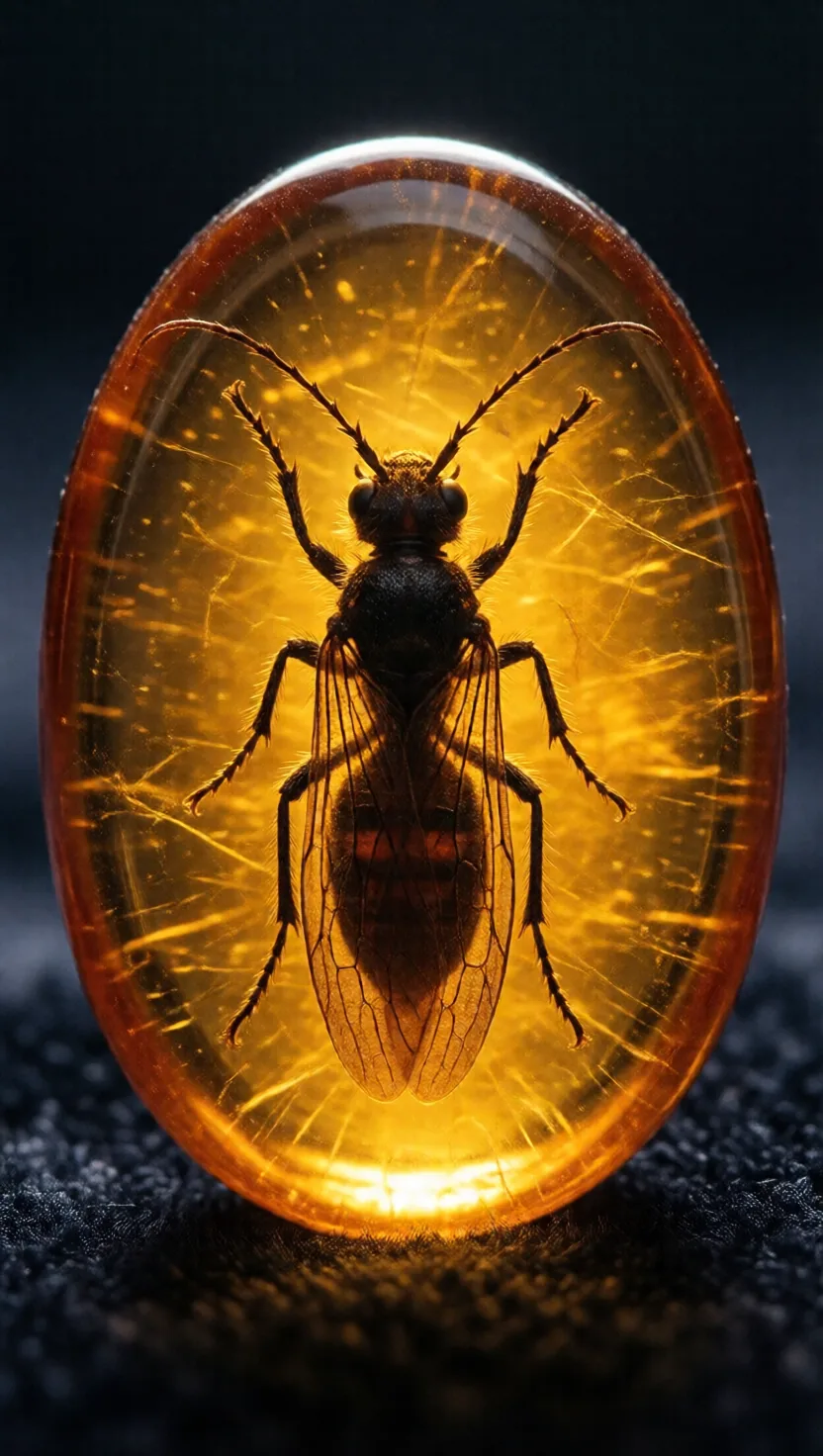
As sticky resin oozed down a trunk it engulfed insects, spiders, flowers, and even small lizards, entombing them in exquisite three-dimensional detail. Burmese amber from Myanmar, around 99 million years old, has yielded ticks, ants, and frogs from the age of dinosaurs. The resin's antiseptic compounds and airtight seal can preserve fine hairs and wing veins that would rot away in any other setting.
The word electricity comes from Greek for amber

The word electricity comes from Greek for amber

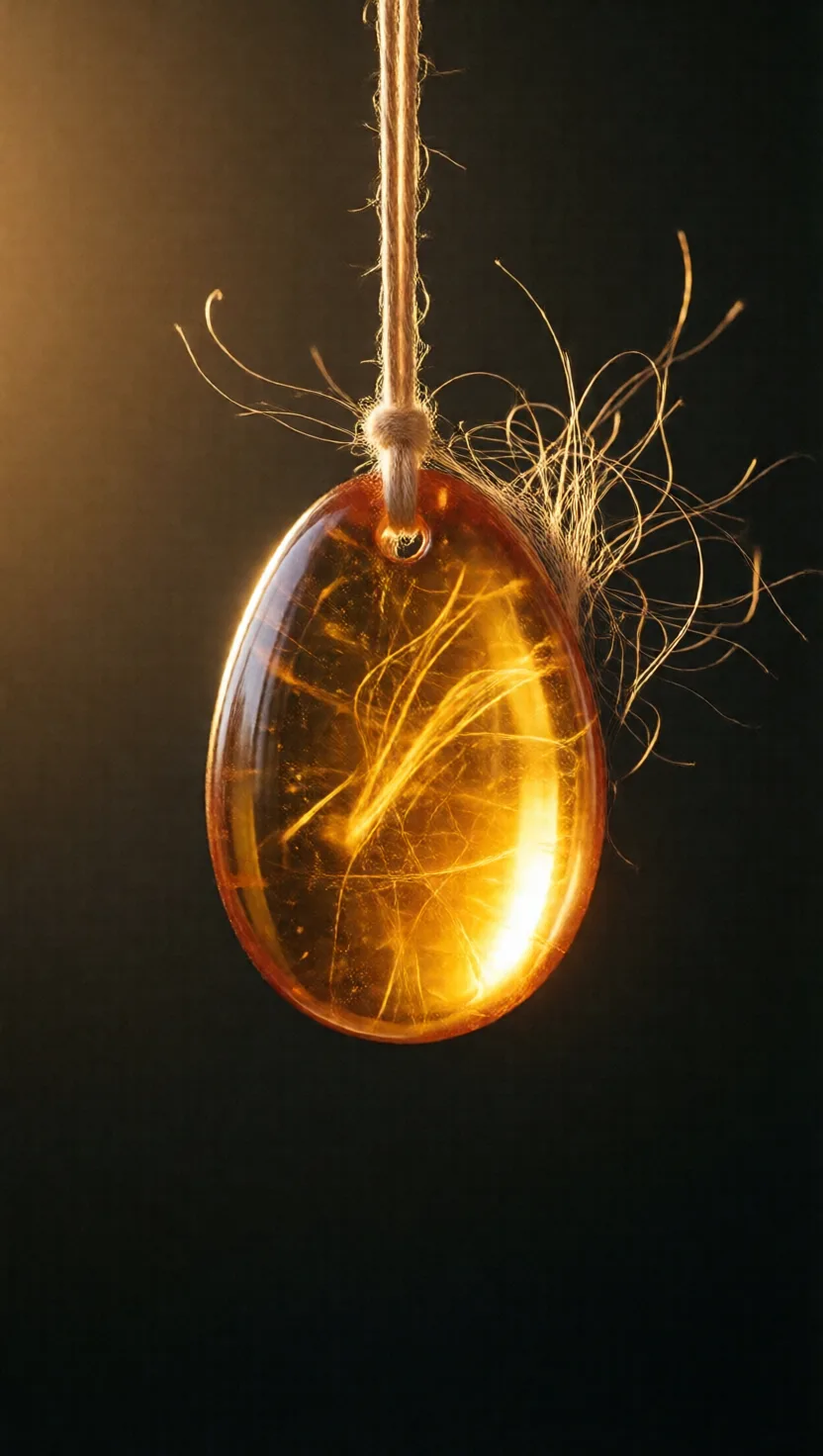
Rub a piece of amber on wool and it crackles, attracting hair, dust, and bits of straw. The ancient Greeks noticed this around 600 BC and called amber elektron. Centuries later, when scientists studied this strange attractive force, they coined the word electric from that root. The everyday word electricity traces directly back to a glowing fossil resin and a parlor trick of static cling.
tap →swipe ↑ for depthswipe ↓ to exit