Eight things the first cameras did

DC·62 Deep Cuts
The first photos were developed in mercury fumes

The first photos were developed in mercury fumes

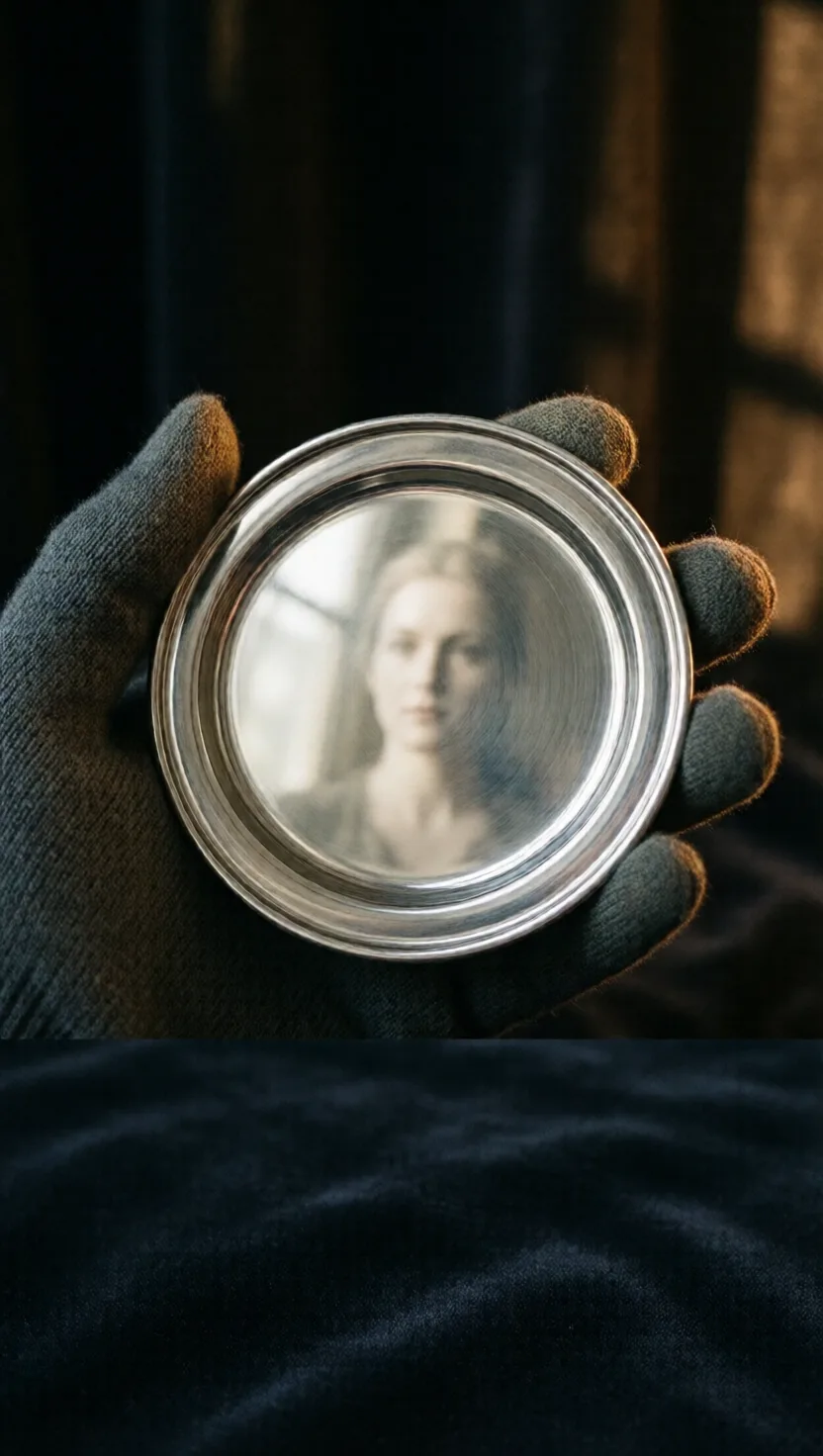
On a silvered copper plate, the camera leaves an image you cannot see. To make it appear, the plate is held over a cup of mercury heated to about 60-80 C; the vapour clings only where light struck, building a frosty silver-mercury amalgam. The result is a one-of-a-kind mirror with no negative - tilt it and the picture flips between positive and shadow. The process was announced in January 1839.
A busy boulevard that looks deserted - one man stood still

A busy boulevard that looks deserted - one man stood still

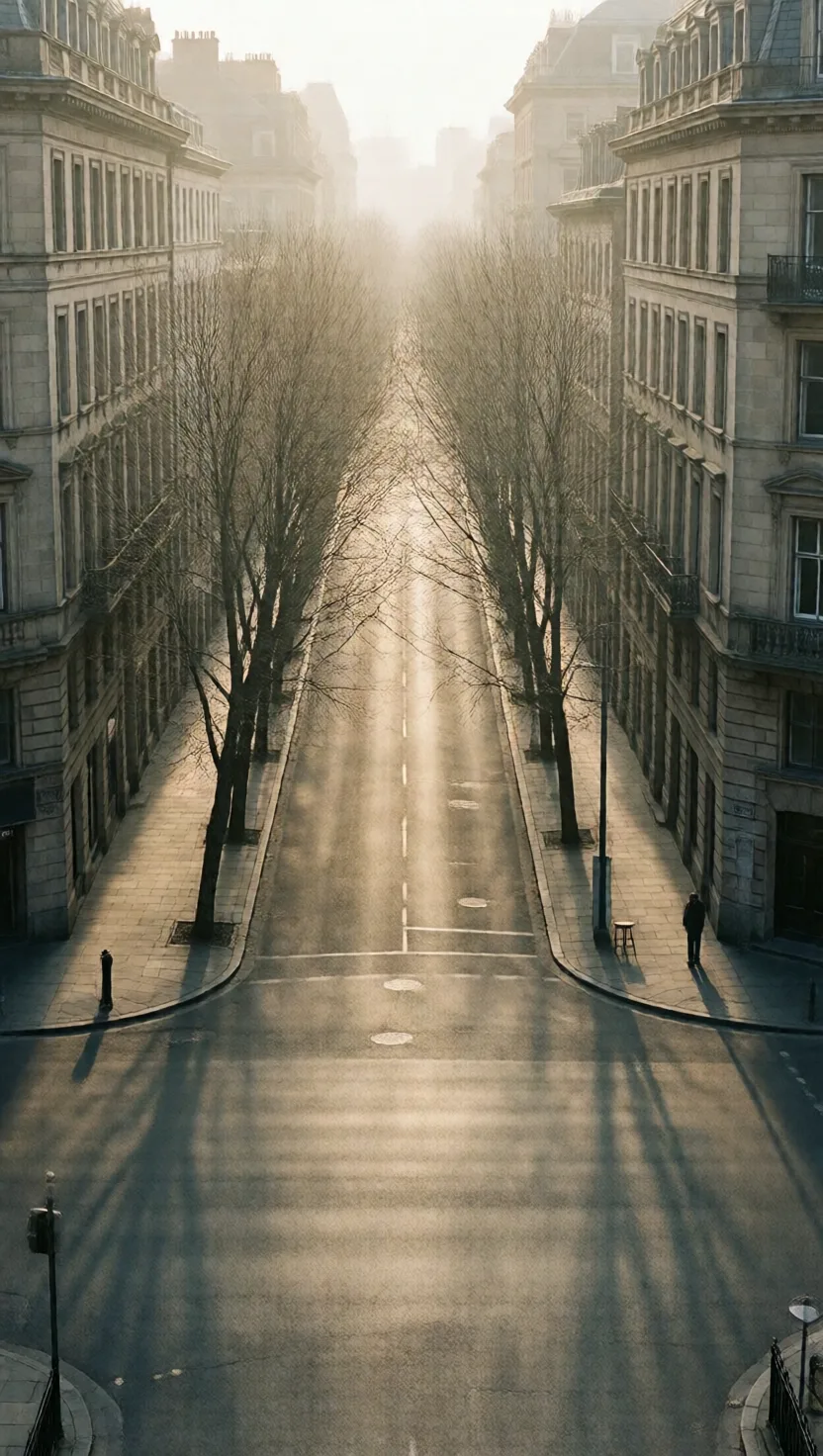
This 1838 street view is thought to hold the earliest photograph of a person. The plate needed roughly 7 minutes of exposure, far too long to catch moving carriages and crowds, so the bustling boulevard records as empty. Only one figure survives clearly: a man who paused to have his shoes shined and happened to stand motionless long enough for the silver to register him.
The first book of photographs was printed in pure blue

The first book of photographs was printed in pure blue

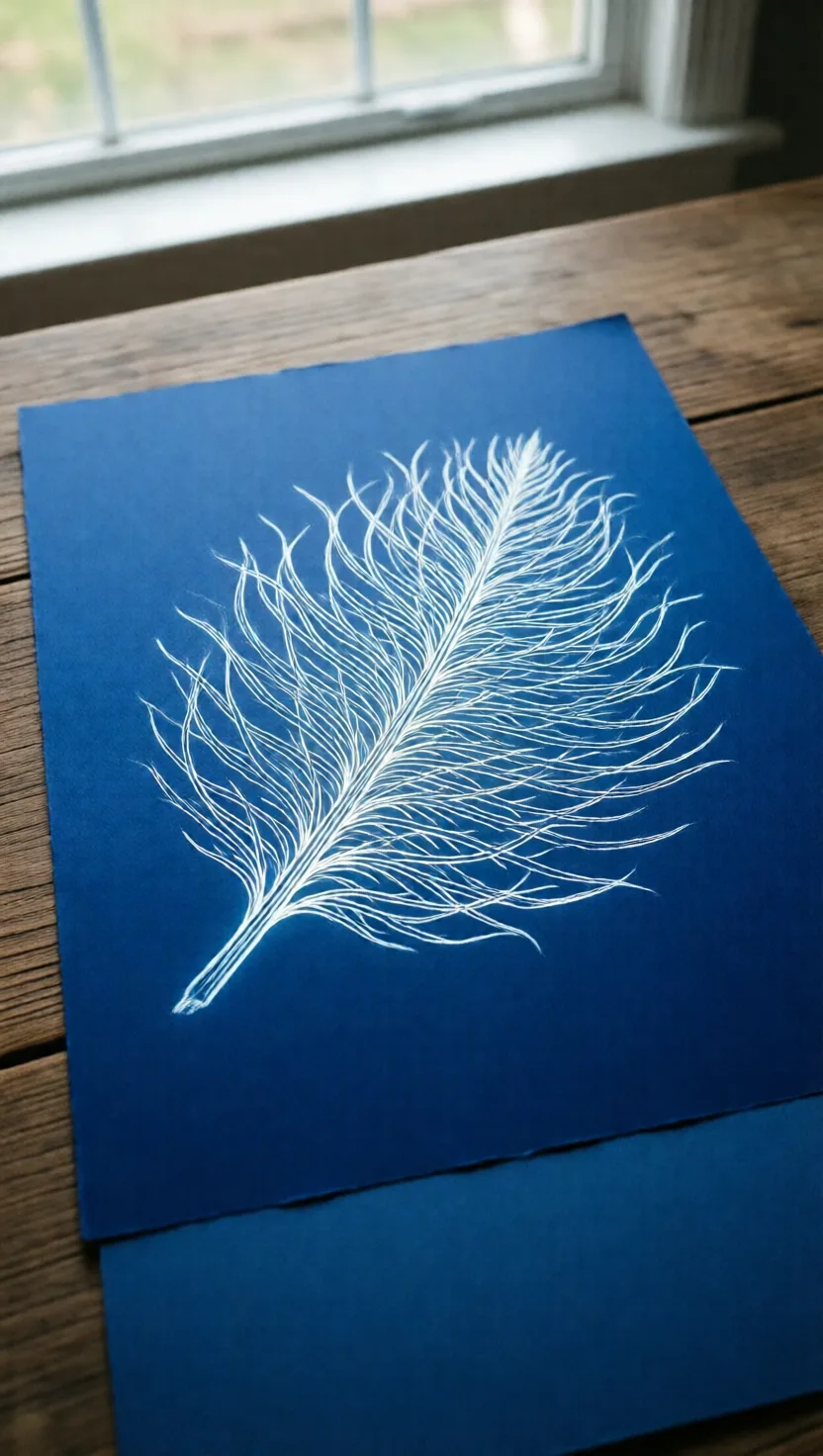
In 1843 a botanist began self-publishing pages of deep Prussian-blue prints, widely held to be the first book illustrated with photographs. She laid each seaweed specimen on paper brushed with iron salts and left it in the sun; the exposed paper turned vivid blue while the algae blocked the light, leaving a crisp white silhouette. Over a decade she made more than 400 such plates.
Photographers raced a drying plate - 15 minutes flat

Photographers raced a drying plate - 15 minutes flat

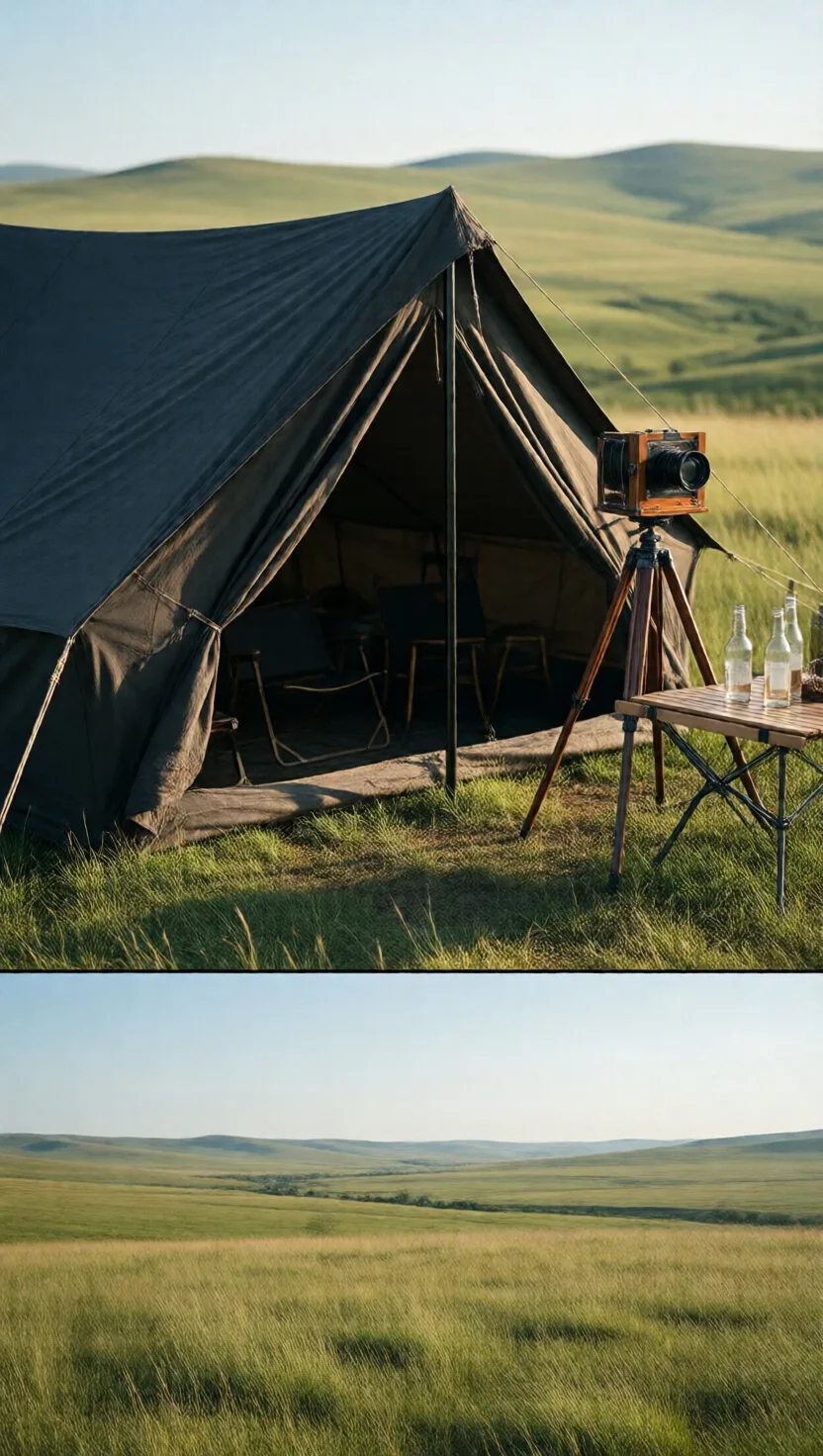
The wet collodion plate only worked while still moist. From coating the glass, to dipping it in silver, to exposing it and developing it, everything had to finish within about 15 minutes before the syrupy collodion dried and went dead. Outdoors that meant hauling a portable darkroom - a light-tight tent or wagon - to every scene, mixing chemicals at the roadside.
One simple bath stopped photos from fading to black

One simple bath stopped photos from fading to black

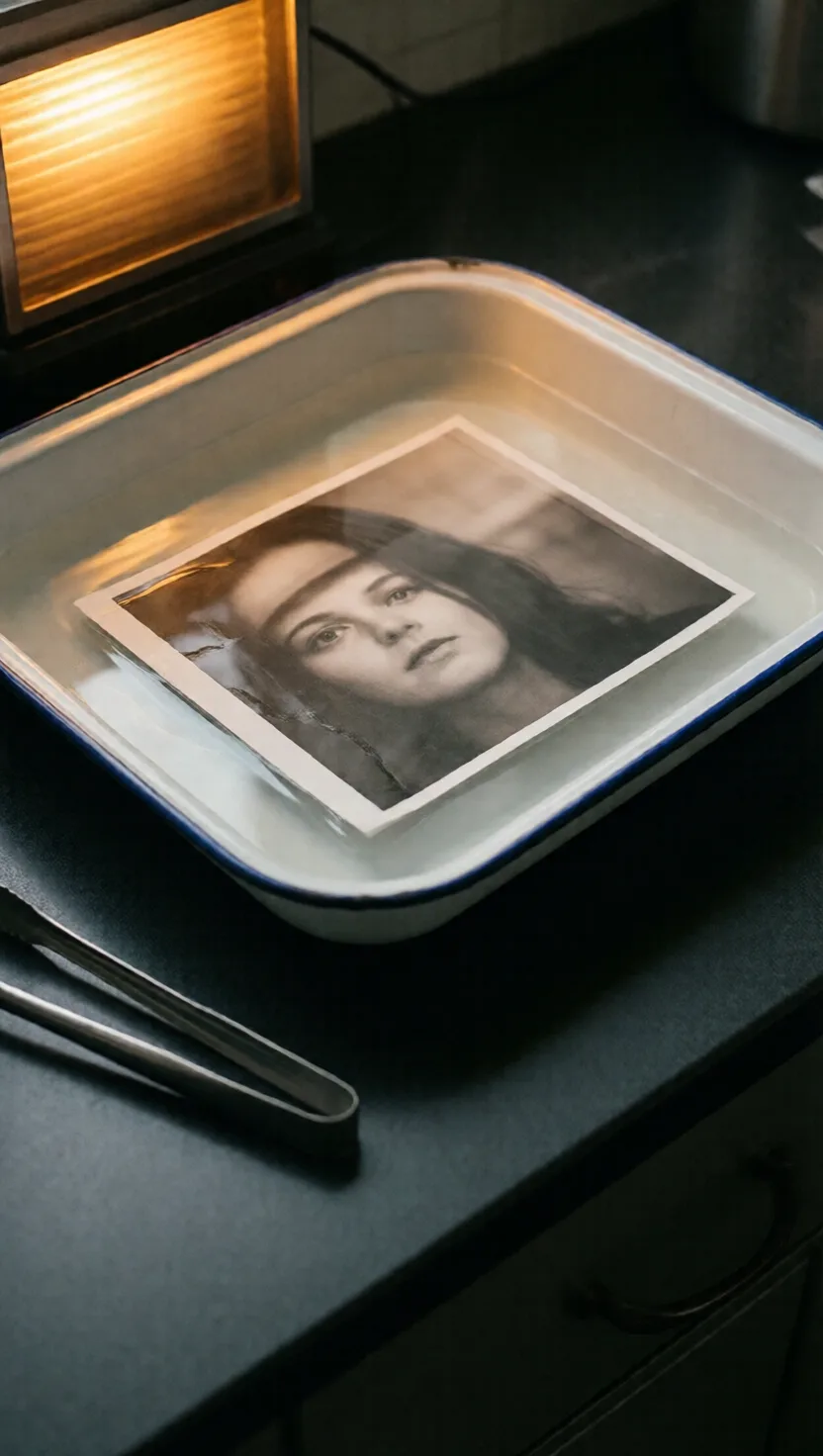
Early images kept darkening because unexposed light-sensitive salts stayed in the paper. The fix came from an astronomer who in 1819 noticed that hyposulphite of soda - sodium thiosulfate, nicknamed hypo - dissolves silver salts. In 1839 he applied it to photographs, washing away the leftover salts so the picture became stable in light. Hypo stayed the standard fixer for over a century.
A keepsake portrait made on a sheet of black iron

A keepsake portrait made on a sheet of black iron

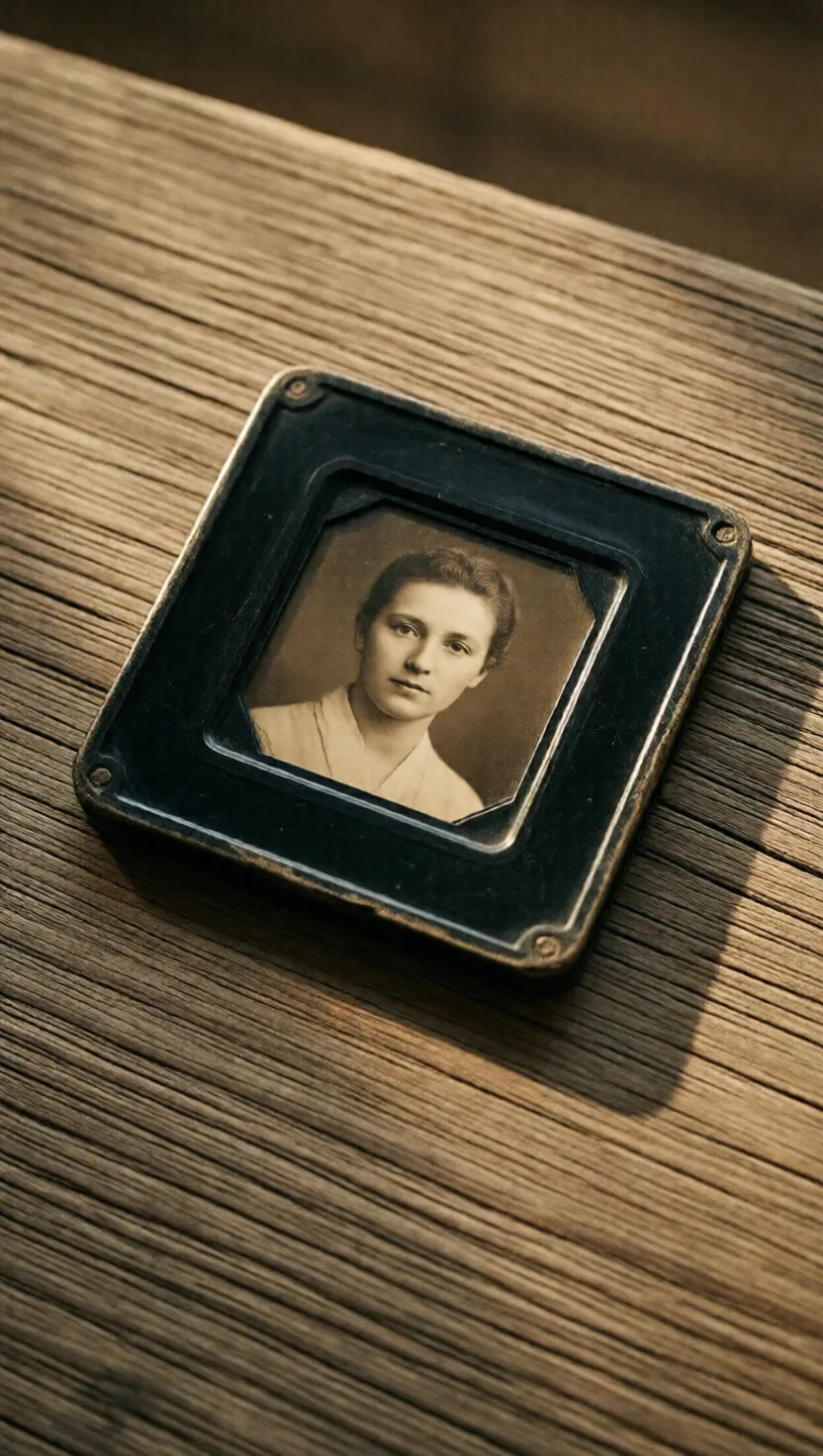
The tintype skipped paper and glass entirely. A thin iron sheet was coated with black lacquer, then with wet collodion, and exposed in the camera. The faint silver image reads as a positive because its pale tones sit against the black metal behind them - the dark areas simply show the lacquer through. Cheap, sturdy and ready in minutes, tintypes were popular from about 1855 into the early 1900s.
Early colour photos were filtered through potato starch

Early colour photos were filtered through potato starch

The first widely sold colour process, marketed in 1907, used a glass plate dusted with microscopic grains of potato starch dyed red-orange, green and blue-violet - roughly four million grains per square inch. The grains acted as a tiny mosaic of colour filters in front of a black-and-white emulsion, so viewing the developed plate by transmitted light rebuilt the scene's colours in a soft, grainy, pointillist glow.
Old film was blind to red, so red things went black

Old film was blind to red, so red things went black

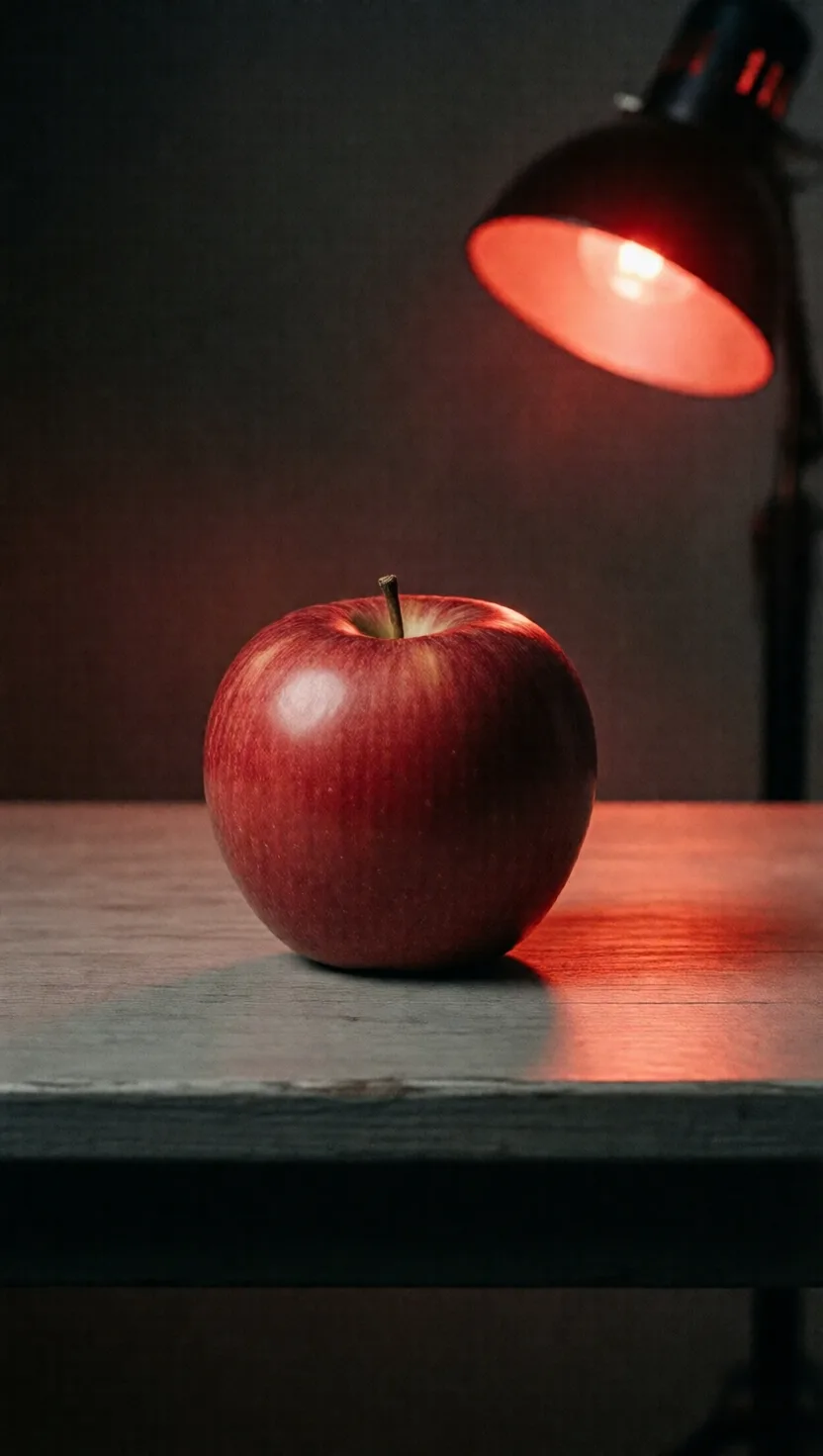
Before fully colour-balanced emulsions, orthochromatic film recorded only blue, green and yellow light, ignoring wavelengths past about 600 nm. Red objects, unable to register, came out nearly black, while blue skies recorded so strongly they often washed out to blank white. Because the film could not see red, photographers worked safely under a red darkroom lamp.
tap →swipe ↑ for depthswipe ↓ to exit