Eight things happening inside your glass

DC·58 Deep Cuts
A bubbly bottle holds 3x a car tyre's pressure

A bubbly bottle holds 3x a car tyre's pressure

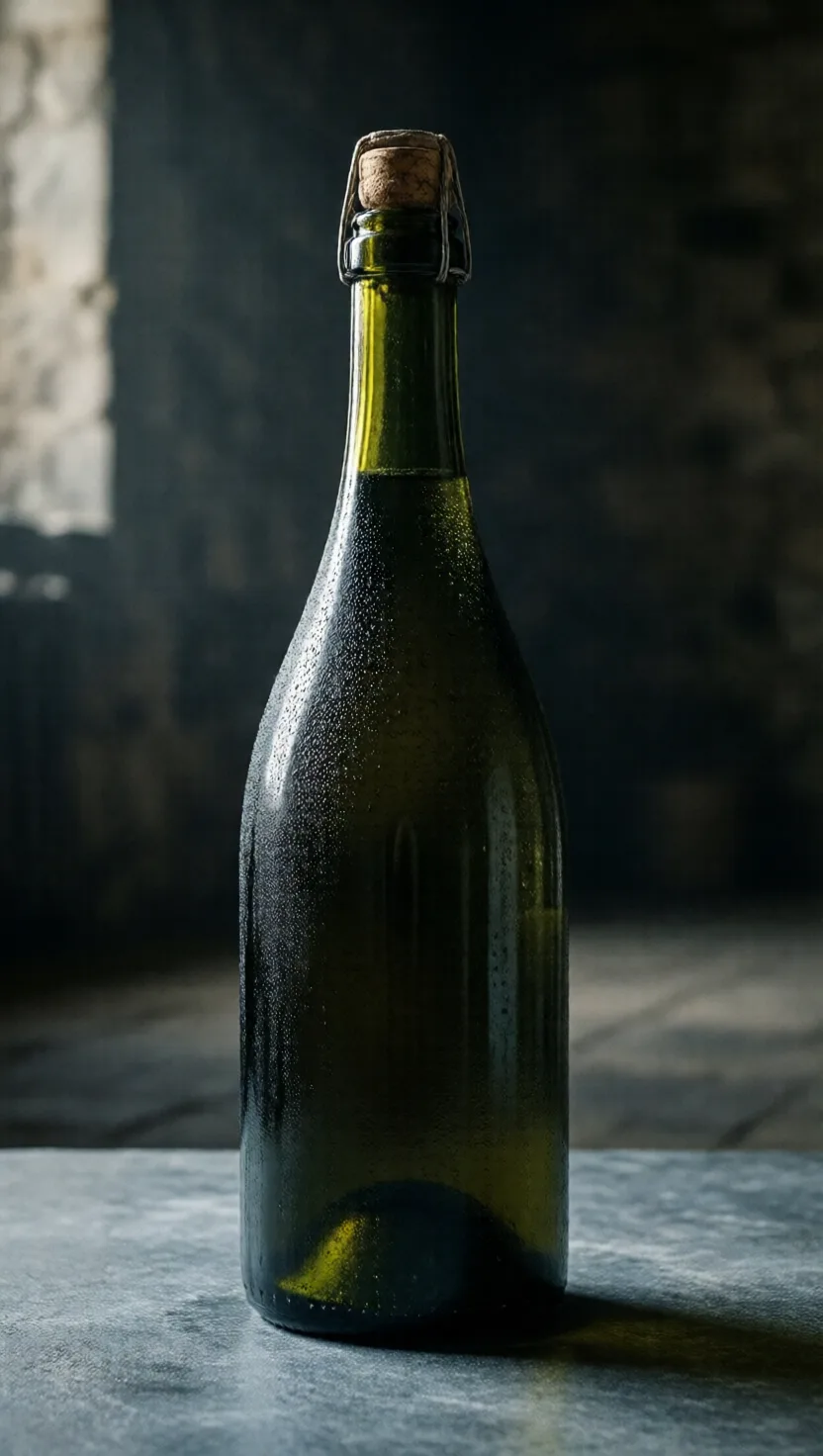
A sealed bottle of sparkling wine carries roughly 5 to 6 atmospheres of pressure, about three times what is in a car tyre. That force comes from carbon dioxide trapped during a second fermentation inside the glass: the dissolved gas would expand to around 5 litres at normal pressure if released. When you ease the cork out, that pressure is what drives the rush of escaping gas and the streams of bubbles that follow.
A popped cork can fly out at 50 km/h

A popped cork can fly out at 50 km/h

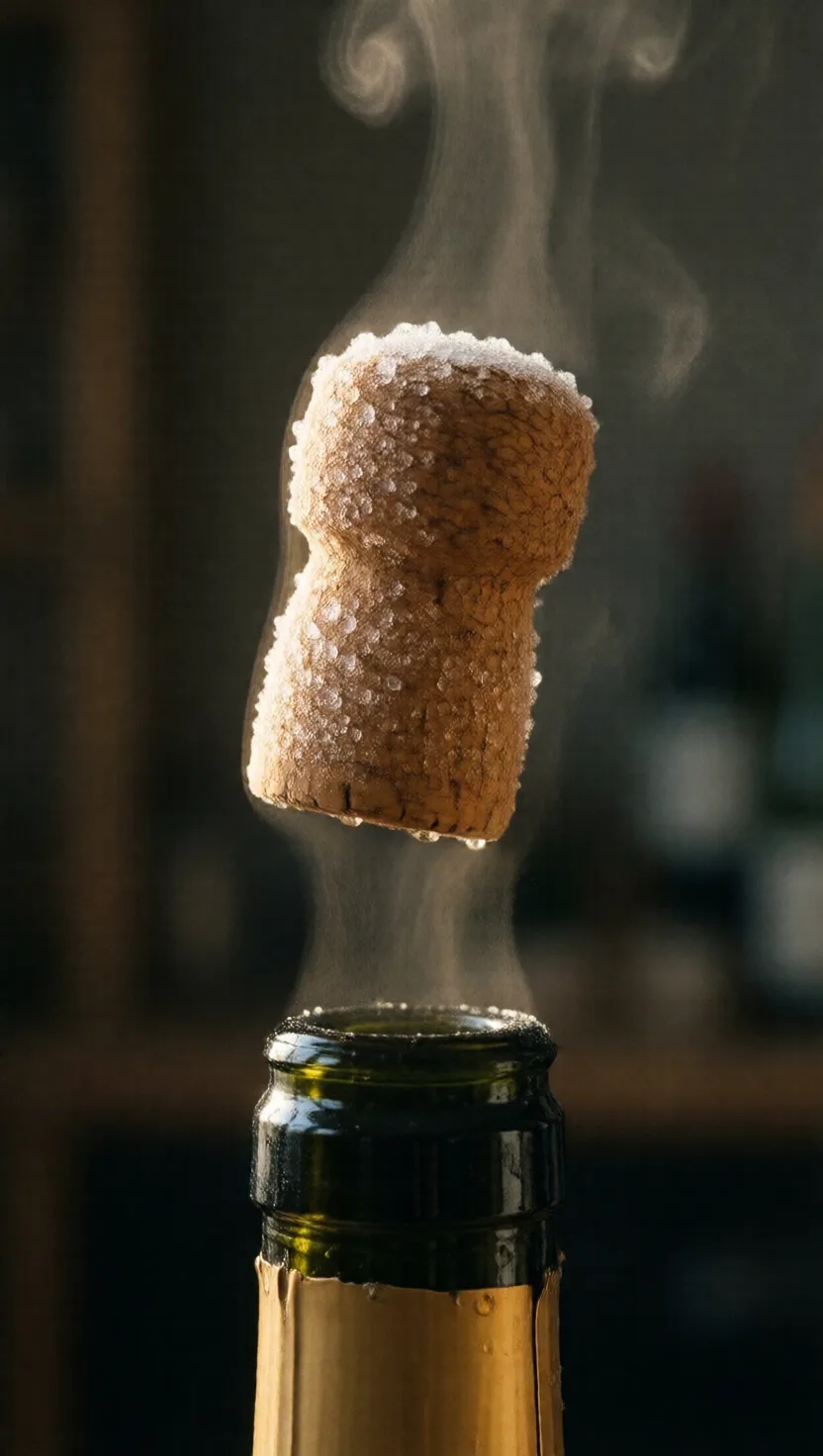
The gas pressure behind a sparkling-wine cork can launch it at more than 50 km/h, and the speed climbs with temperature because warm liquid holds far less dissolved carbon dioxide, raising the pressure inside. High-speed infrared imaging has shown that the bottle neck briefly acts like a rocket nozzle, with the jet of escaping gas reaching supersonic speed for a fraction of a millisecond. Chilling the bottle to about 8 to 10 C keeps the launch slower and safer.
Wine 'tears' climb the glass, defying gravity

Wine 'tears' climb the glass, defying gravity

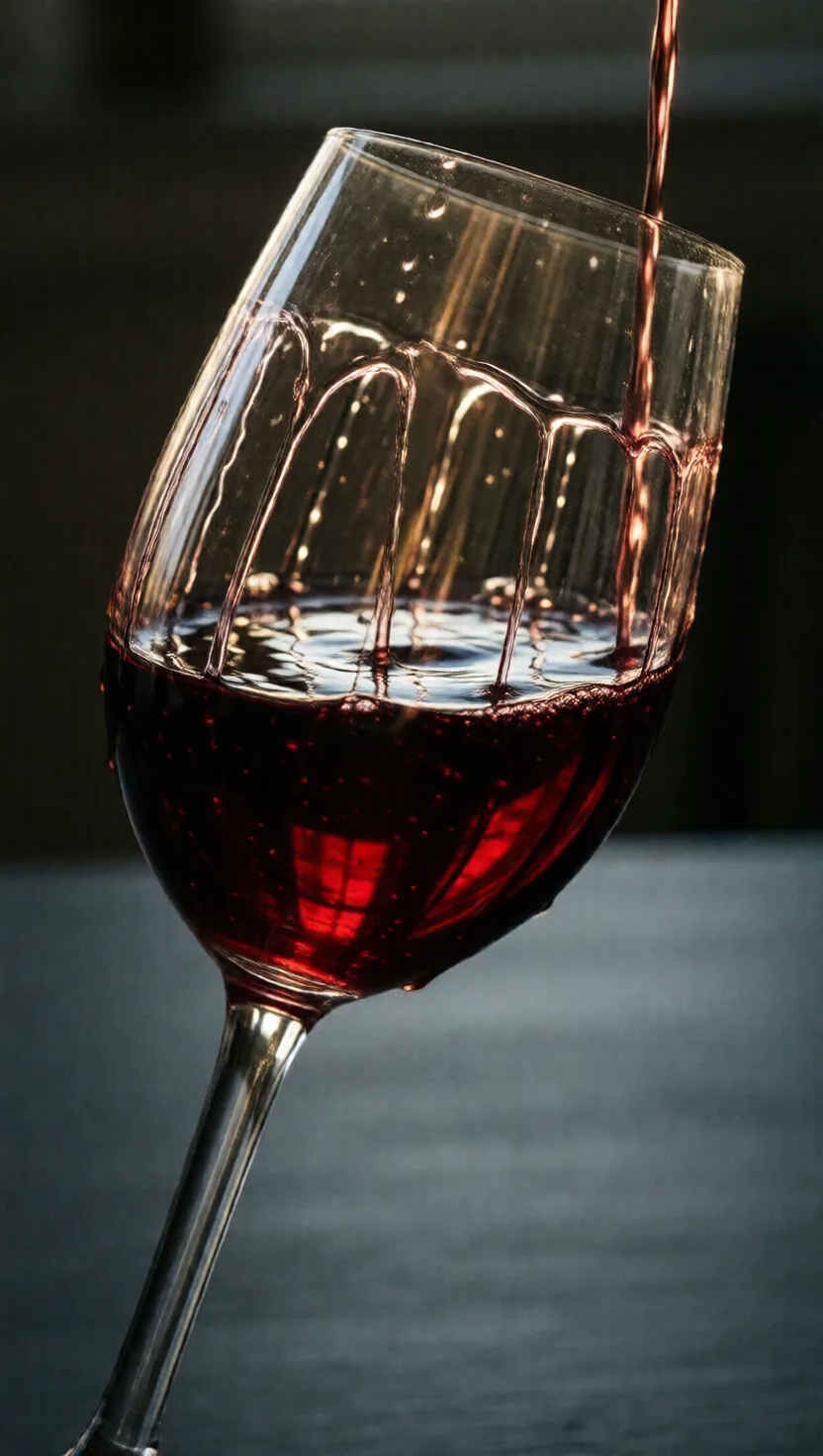
Swirl a glass of wine and a thin film creeps up the inside, beads into droplets, then slides back as 'legs' or tears. It is the Marangoni effect: alcohol evaporates faster than water and has lower surface tension, so the upper film loses alcohol, its surface tension rises, and the higher tension drags more liquid upward against gravity. Evaporative cooling sharpens the effect. Cover the glass to stop evaporation and the tears vanish entirely.
Beer foam survives thanks to a barley protein

Beer foam survives thanks to a barley protein

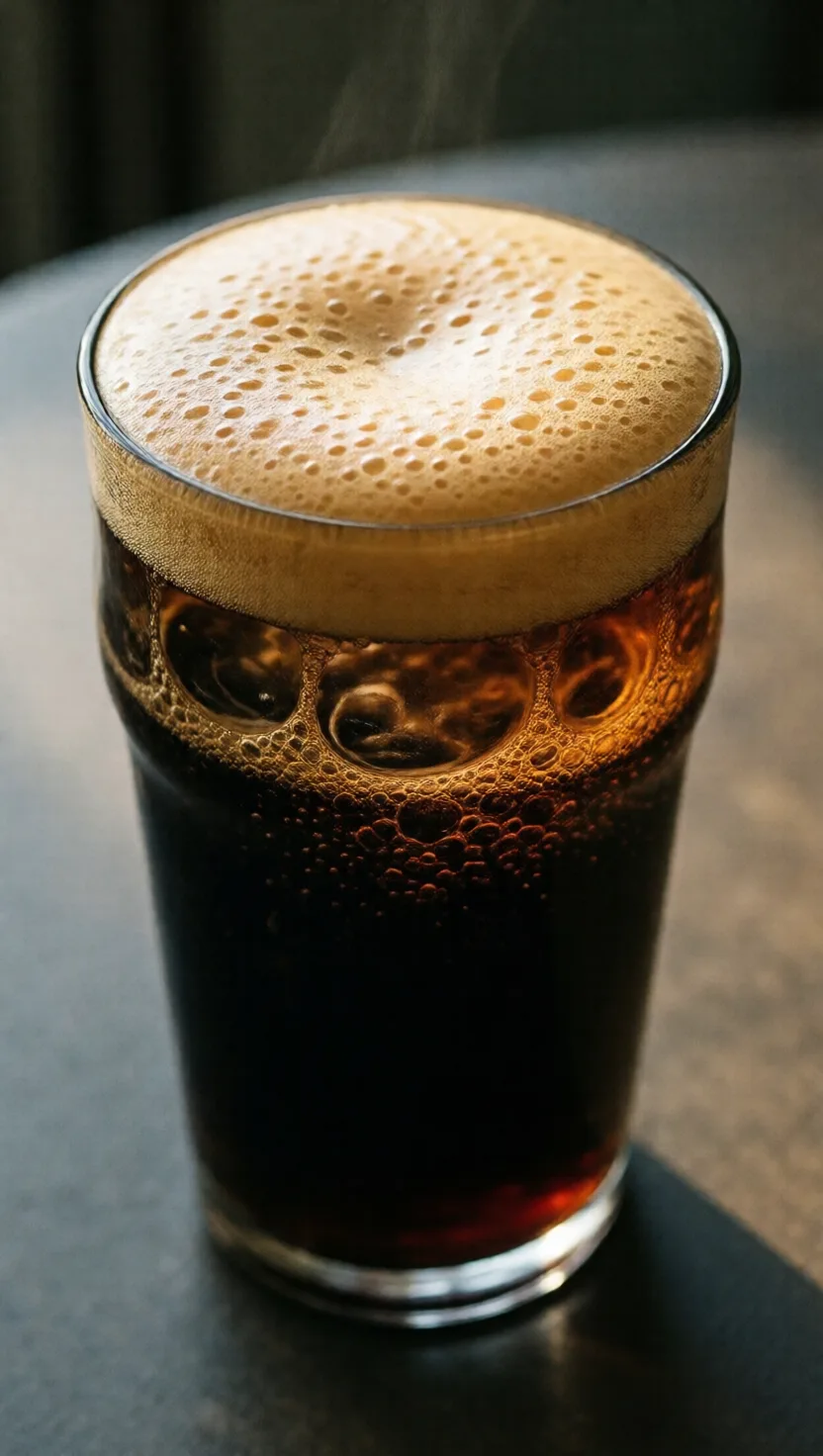
A beer's head lasts because of a tiny, tough barley protein called lipid transfer protein 1. It survives the heat of brewing and gathers at the surface of bubbles, where it teams up with bitter iso-alpha acids from hops to hold the foam together. Fats are the enemy: free fatty acids collapse a head fast, and part of this protein's job is to bind those foam-killing lipids so the froth and its clinging lacing endure.
Lager yeast's wild parent hid in Patagonia

Lager yeast's wild parent hid in Patagonia

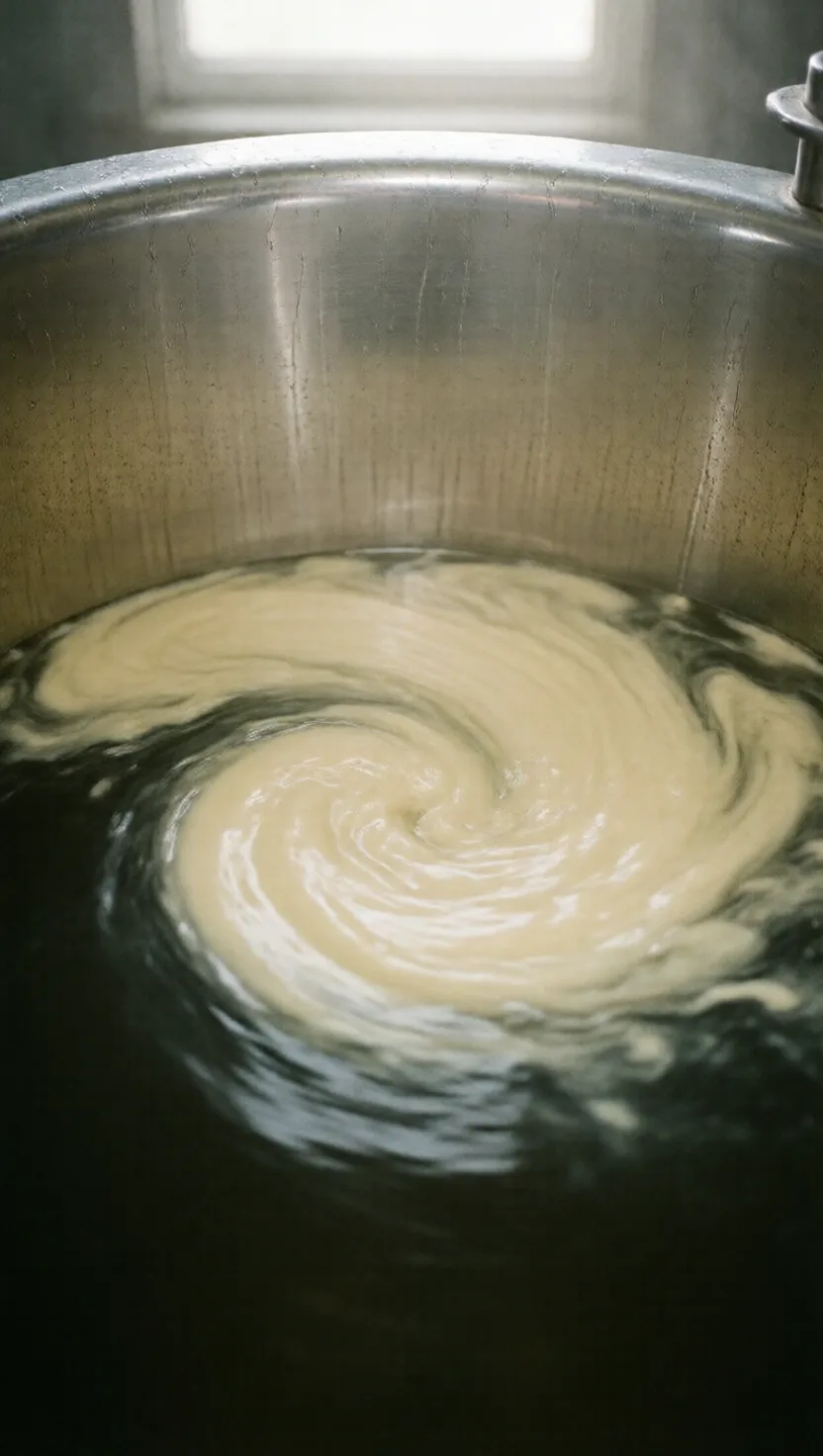
Lager is brewed with a cold-loving yeast that is a hybrid: a cross between common ale yeast and a mysterious cryotolerant species. That second parent was a missing link until 2011, when it was found living wild on southern beech trees in the forests of Patagonia and named Saccharomyces eubayanus. The hybridisation, which happened roughly a thousand years ago, gave brewers a yeast that ferments cleanly in the cold of cool cellars.
A 'noble rot' fungus makes the sweetest wines

A 'noble rot' fungus makes the sweetest wines

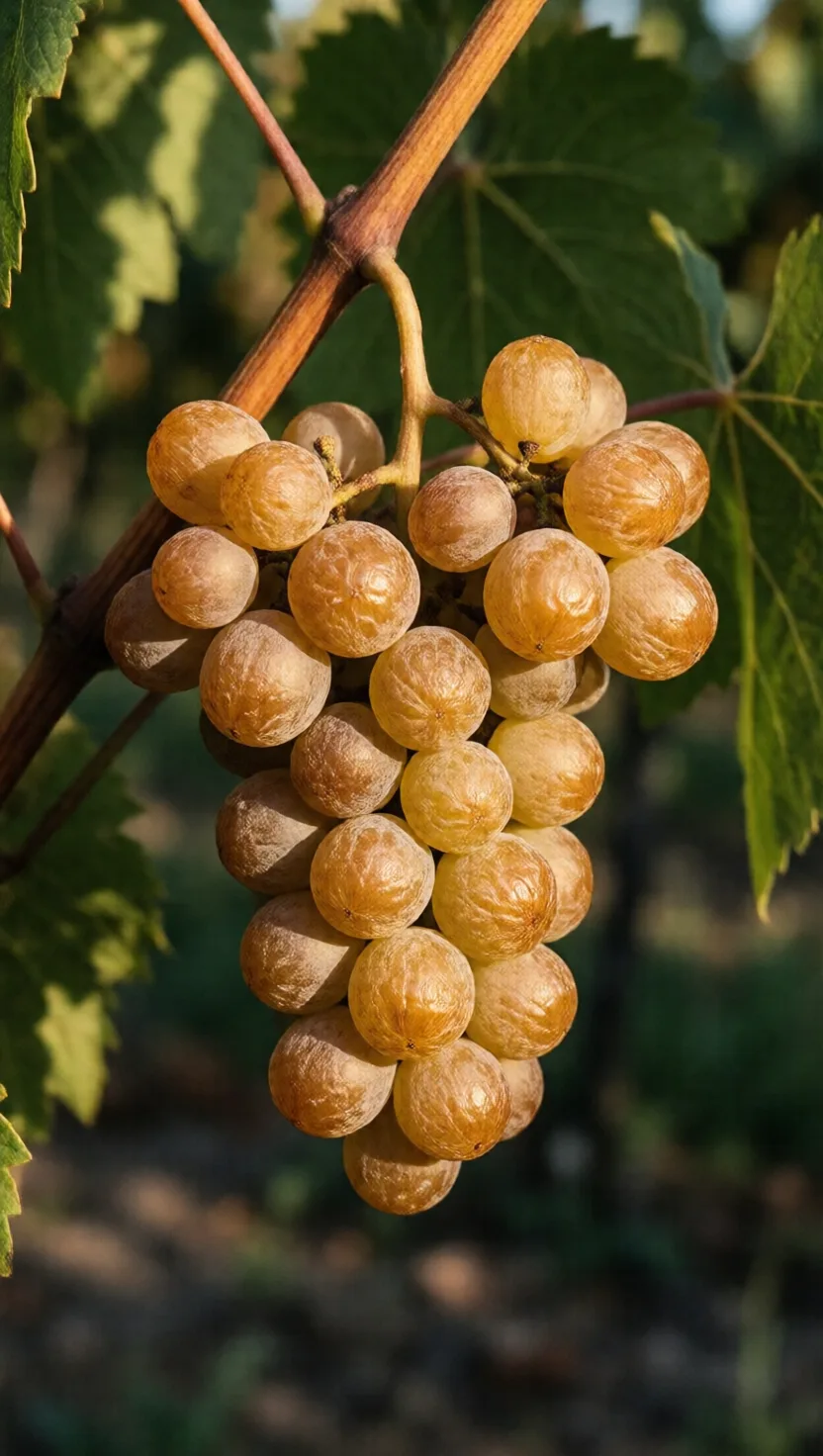
The world's great sweet wines depend on a fungus rotting the grapes. Botrytis cinerea, called noble rot, pierces ripe thin-skinned grapes and lets their water evaporate, shrivelling them toward raisins. Berries can lose up to about 60 percent of their weight, concentrating the sugars, acids and glycerol left behind. Misty mornings followed by dry afternoons make the rot 'noble' rather than destructive, yielding tiny amounts of intensely sweet juice.
Ice wine is pressed from grapes frozen solid

Ice wine is pressed from grapes frozen solid

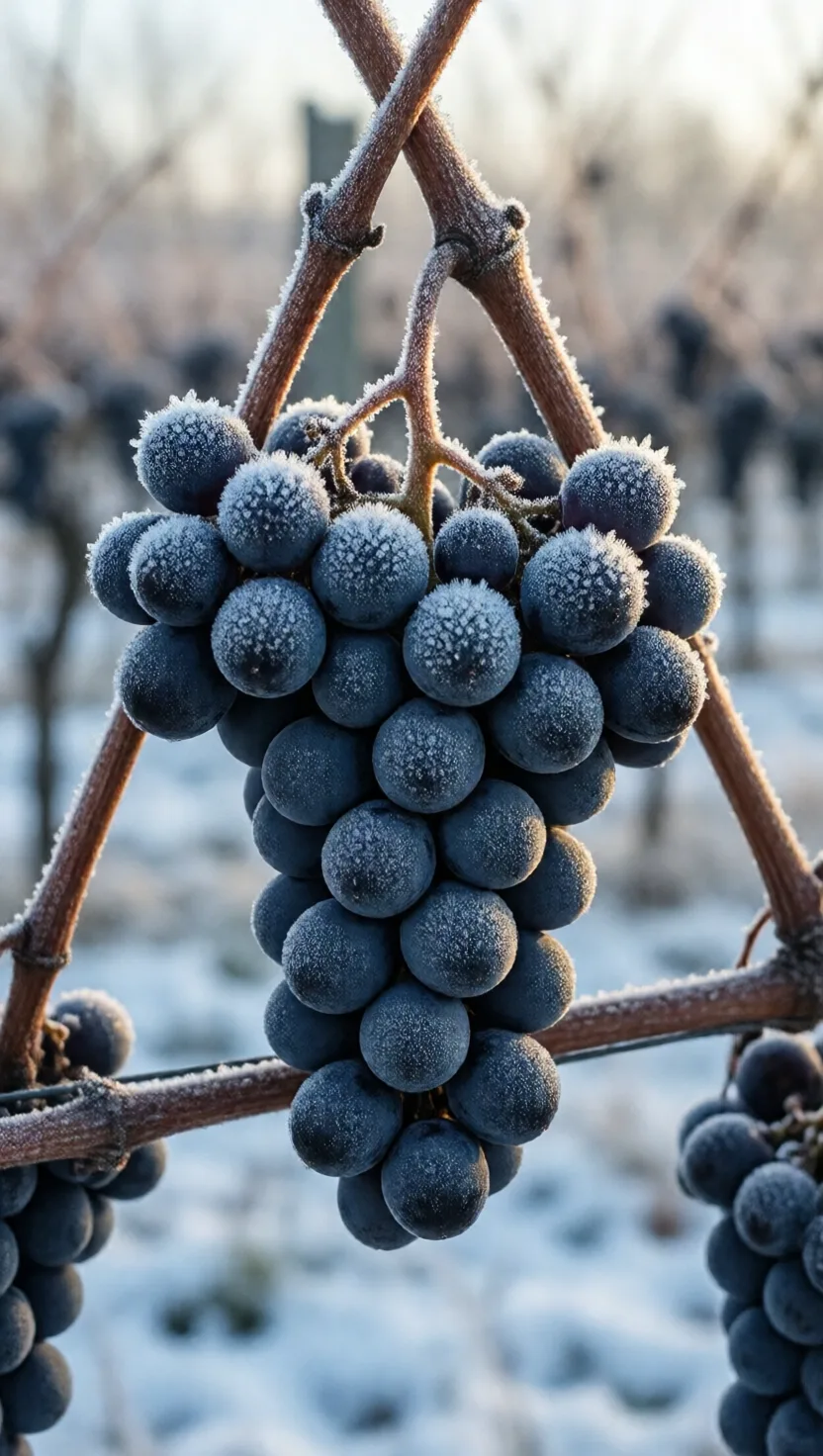
Ice wine is made by leaving grapes on the vine into winter and picking them only once they freeze, at about minus 7 to minus 8 C or colder. The frozen berries are pressed while still icy, so the water stays behind as ice crystals on the press and only a trickle of intensely sweet, concentrated juice flows out. The result is a syrupy must that can reach over 30 degrees Brix in sugar, made from a fraction of each grape's liquid.
Sparkling wine's yeast is frozen and fired out

Sparkling wine's yeast is frozen and fired out

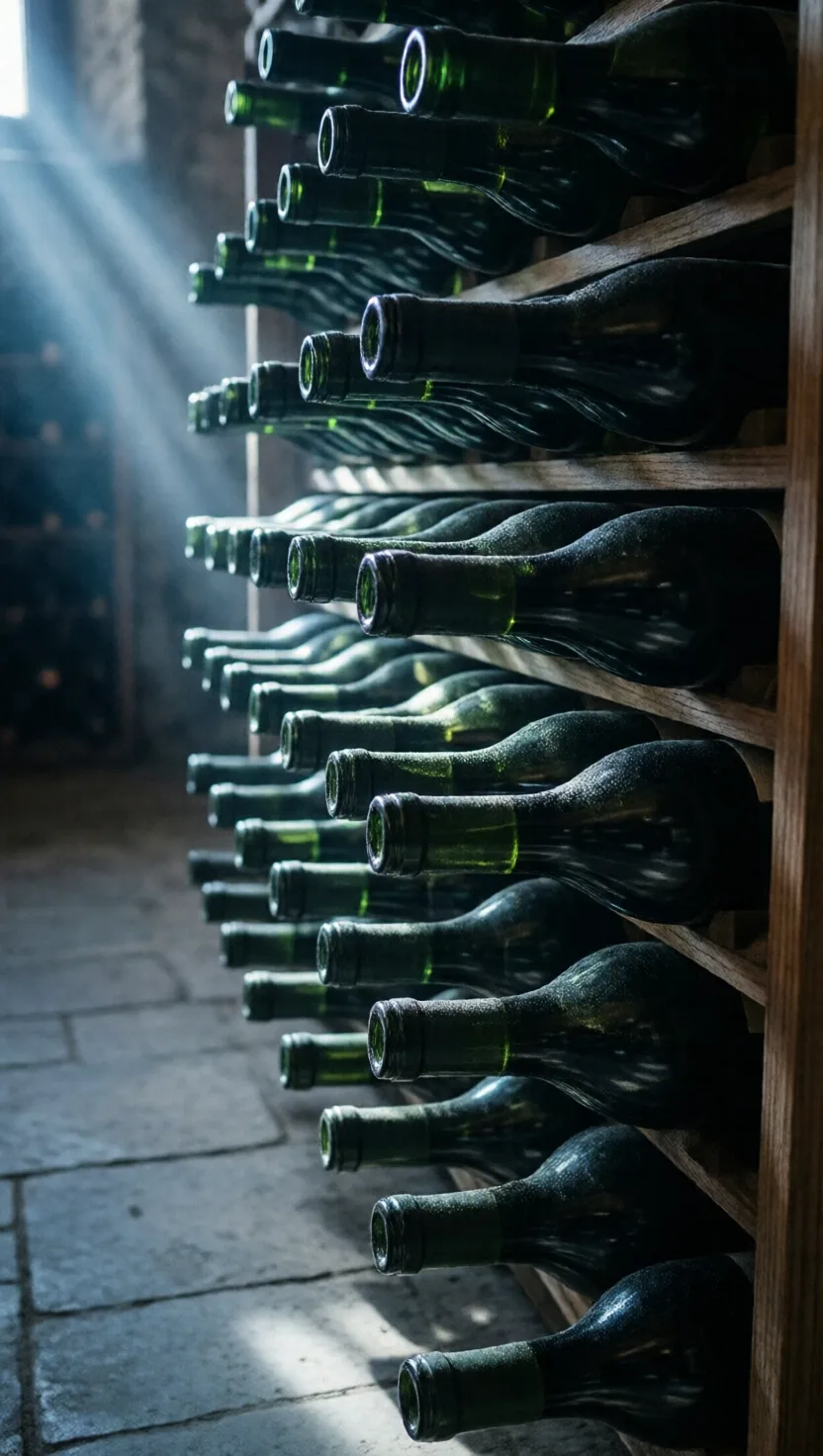
After its second fermentation, a bottle of sparkling wine is cloudy with spent yeast. The bottles are tilted neck-down and turned so the sediment slides into the neck, then the neck is dipped in a freezing brine around minus 25 C to lock the deposit into a small ice plug. When the cap is flicked off, the bottle's own internal pressure shoots the frozen plug out cleanly, leaving clear wine. This step is called disgorgement.
tap →swipe ↑ for depthswipe ↓ to exit