Eight things steeping in your cup

DC·55 Deep Cuts
Green, black, white tea — all one plant

Green, black, white tea — all one plant

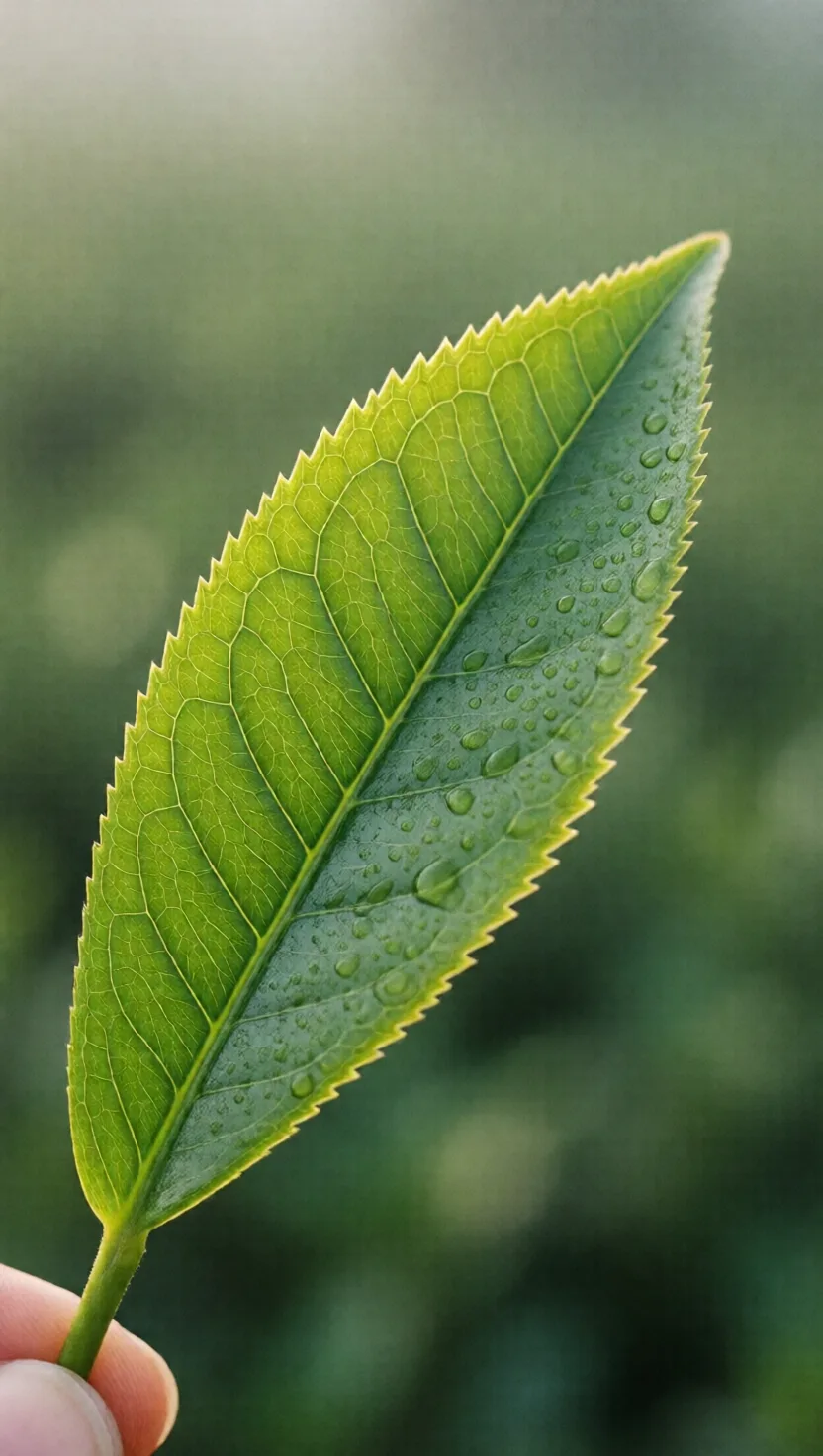
Black tea, green tea, white tea, oolong: it is easy to assume they grow on different bushes. They don't. Every true tea is made from the leaves of a single evergreen species, Camellia sinensis. What separates them is only what happens after picking, above all how long the leaves are allowed to oxidise in air. Green is stopped almost at once; black is taken nearly all the way.
Black tea isn't fermented — it's bruised and oxidised

Black tea isn't fermented — it's bruised and oxidised

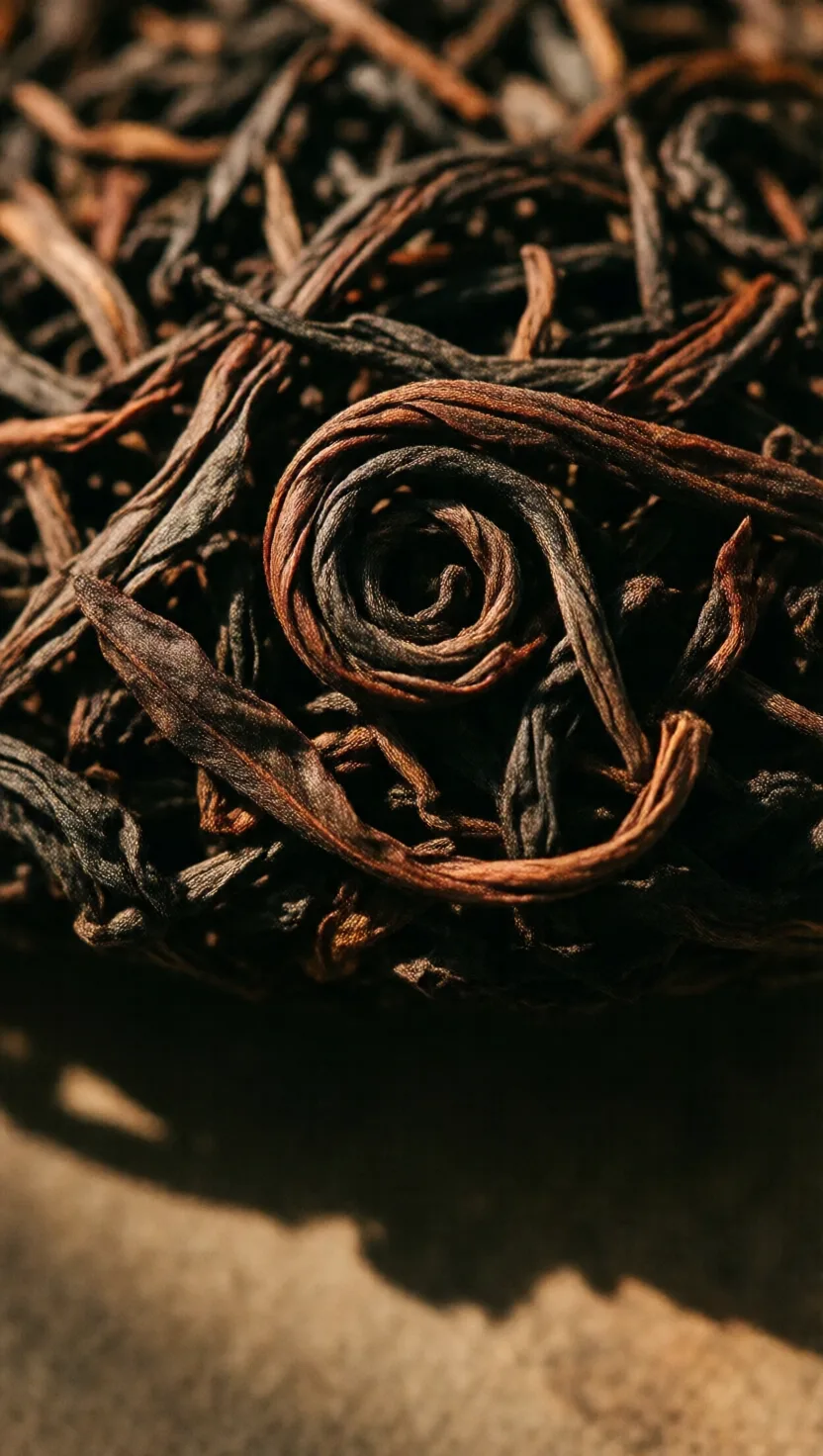
Tea makers call it fermentation, but black tea never meets a microbe. Rolling the leaves ruptures their cells and releases an enzyme that reacts the leaf's compounds with oxygen, the same browning you see in a cut apple. That enzymatic oxidation builds the dark colour and malty flavour. Only one tea, pu-erh, is truly fermented, aged with real moulds and bacteria over months or years.
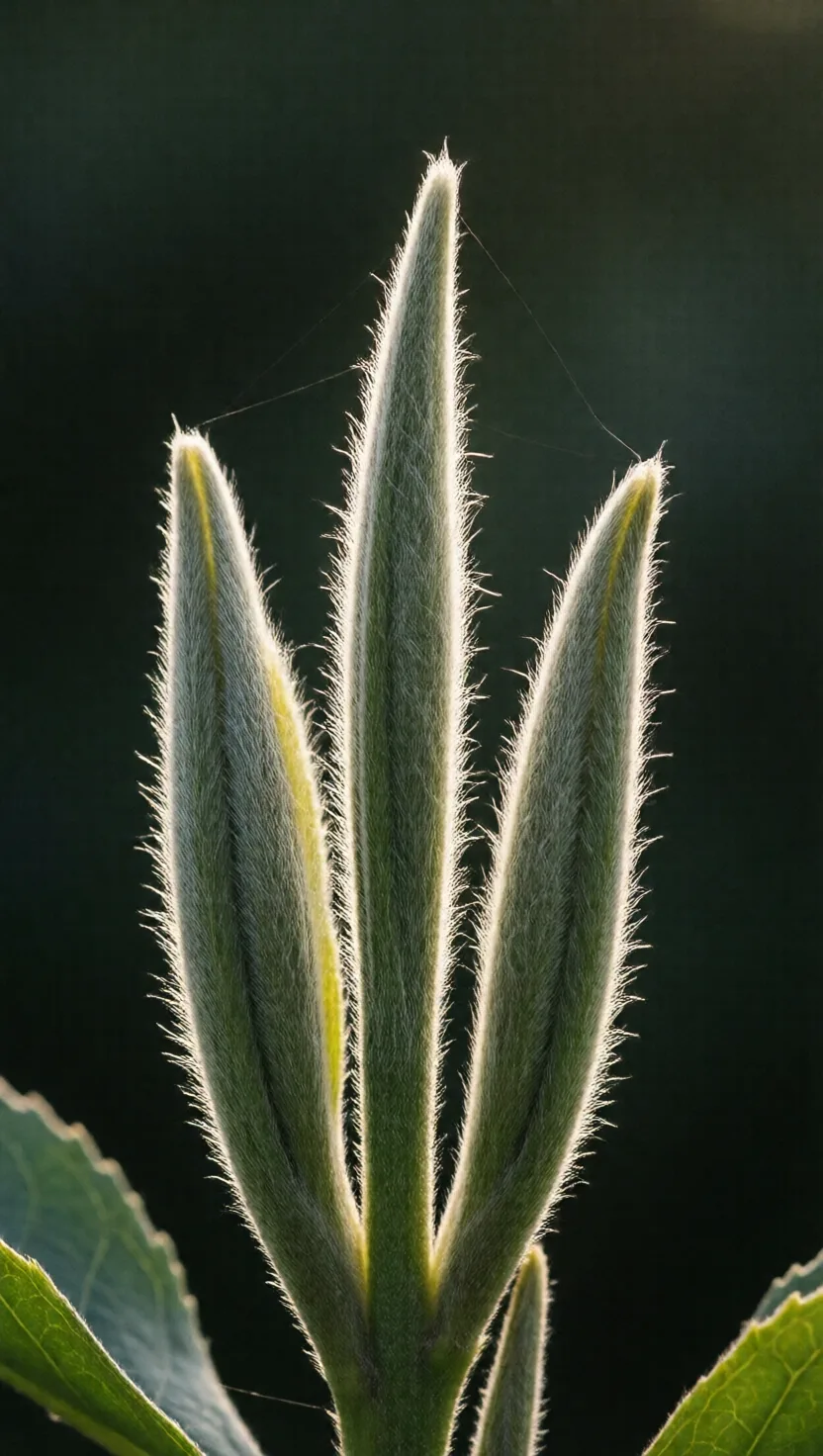
The 'white' in white tea is silvery fuzz

The 'white' in white tea is silvery fuzz

White tea isn't pale because it is bleached or barely brewed. The finest kind is made only from the youngest unopened buds, picked in a short spring window before they unfurl. Each bud is sheathed in a dense coat of fine silvery hairs called trichomes, the plant's own sunscreen and insect armour. Dried whole, those hairs catch the light and give the leaf its soft silver shimmer.
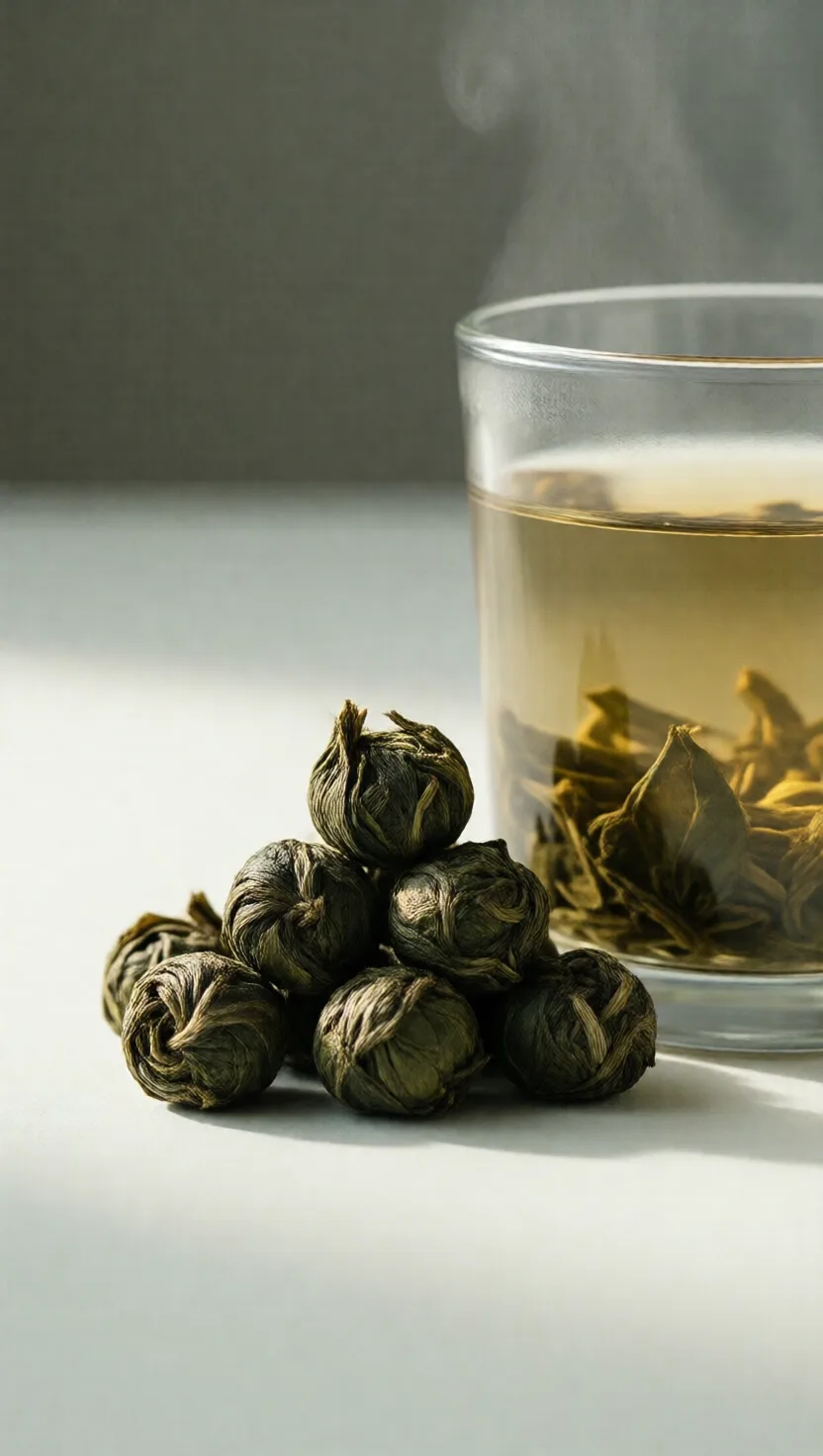
These tea pellets unroll in the cup

These tea pellets unroll in the cup

Gunpowder tea is green tea whose leaves have each been withered, steamed, and rolled into tight little pellets, hard as shot. The shape is not just for looks: rolled tea holds its freshness and aroma far longer than loose leaf. Drop the pellets into hot water and they slowly unfurl back into whole leaves, releasing flavour as they open. The name comes from their likeness to old gunpowder grains.
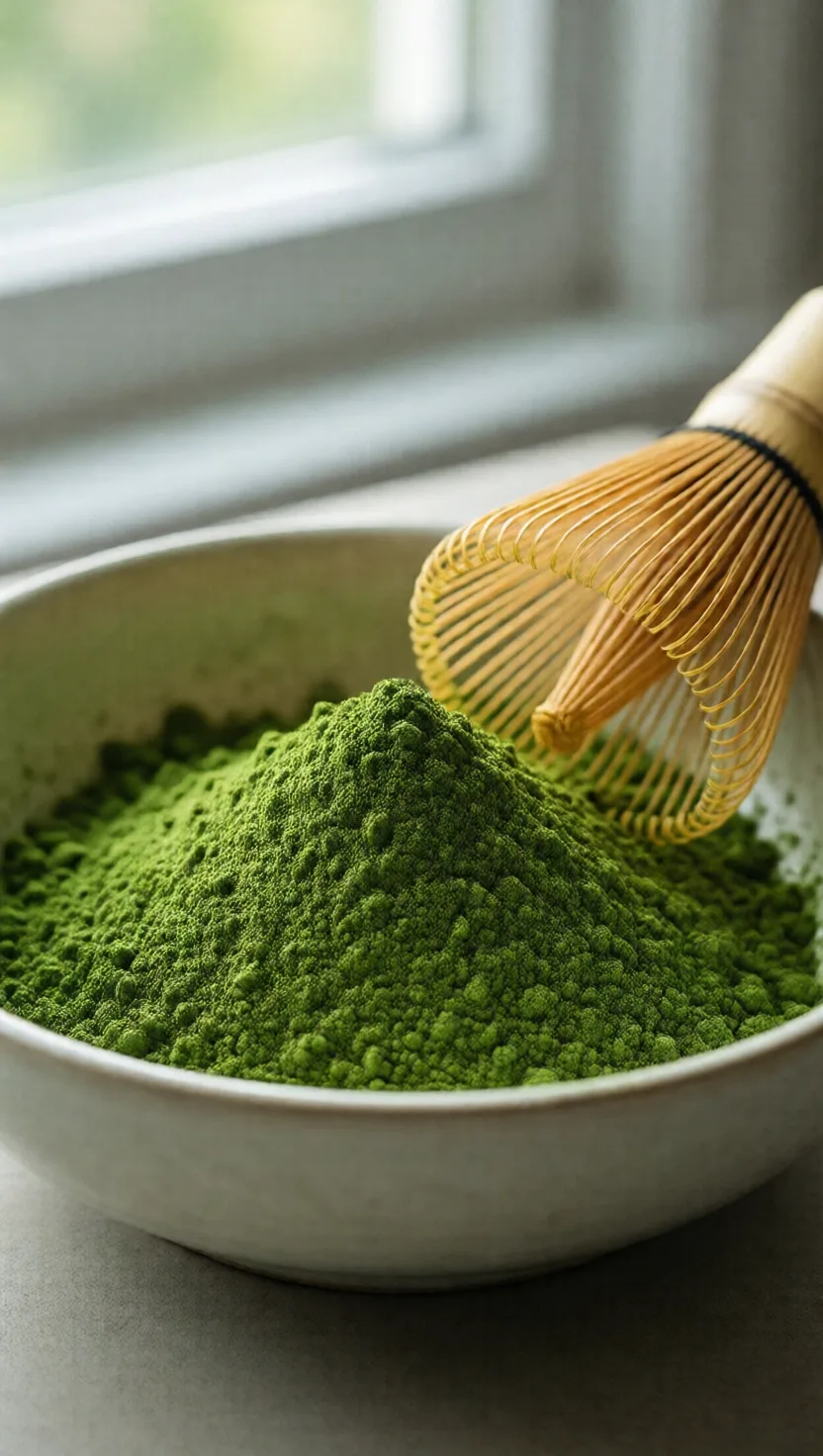
Matcha is grown in the dark on purpose

Matcha is grown in the dark on purpose

For a few weeks before harvest, matcha plants are covered to starve them of sunlight. Deprived of light, the leaves flood themselves with extra chlorophyll, turning vivid green, and build up more of an amino acid called theanine, which lends a savoury sweetness. The shaded leaves are then steamed, dried, and slowly stone-ground into a powder so fine the whole leaf is drunk, not just an infusion.
Tea's calm comes from an amino acid, not less caffeine

Tea's calm comes from an amino acid, not less caffeine

Tea and coffee both carry caffeine, yet tea rarely brings the same jittery edge. The reason is theanine, an amino acid found almost nowhere else in nature. It nudges the brain toward alpha waves, the rhythm of relaxed, wakeful focus, and softens caffeine's sharper effects. The pairing produces a state often described as calm alertness: awake and clear, but settled rather than wired.
Sailing ships once raced across the world for tea

Sailing ships once raced across the world for tea

In the 1800s the first clipper to reach London with each new season's crop earned a premium and great prestige, so the ships raced. The most famous duel, in 1866, sent several clippers flying from a Chinese port around the globe. After 99 days at sea the leaders docked within 38 minutes of one another, and the two front-runners agreed to split the prize. It was the last year such a bonus was offered.
The tea 'bush' is really a tree kept small

The tea 'bush' is really a tree kept small

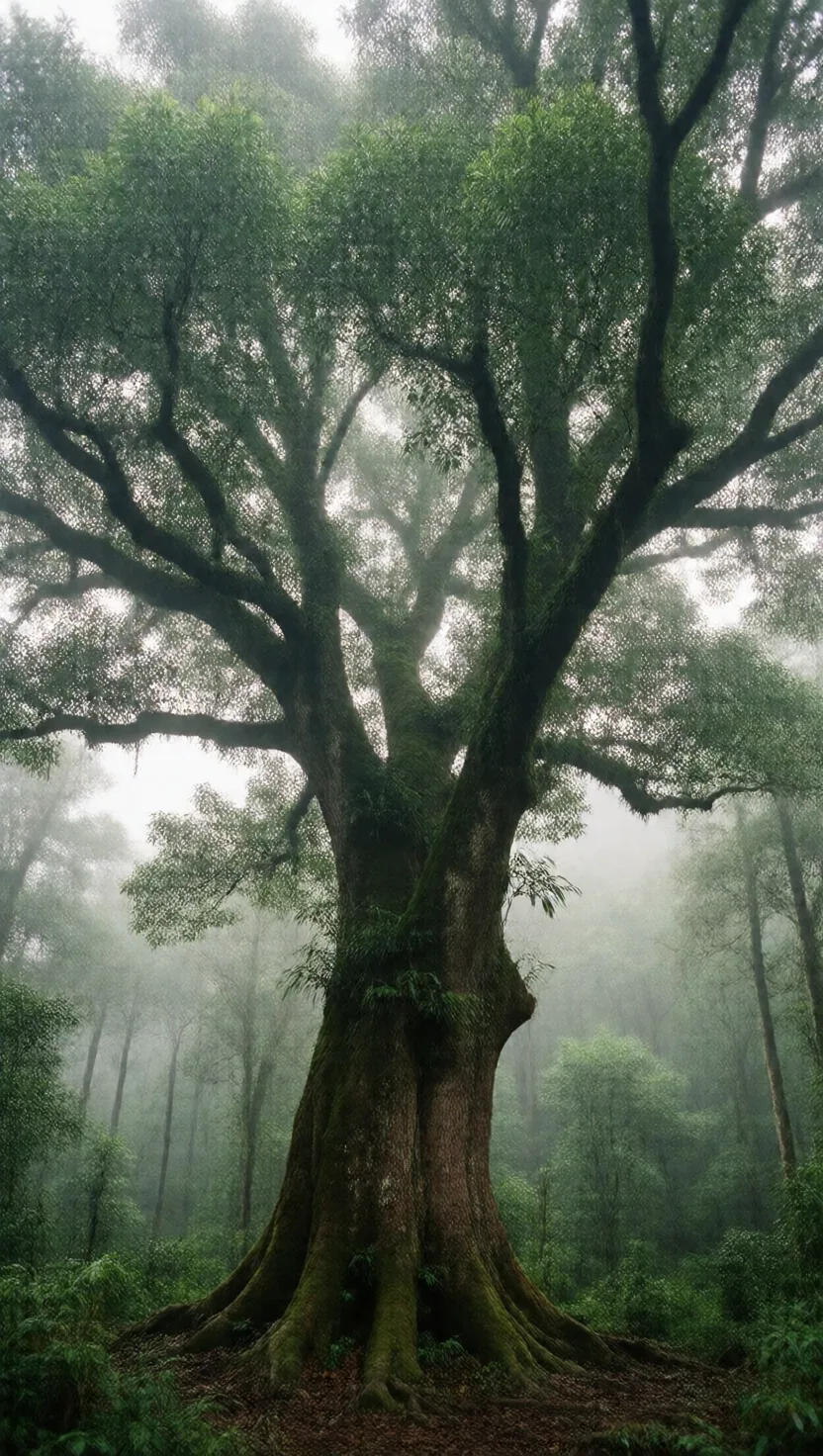
On plantations tea grows as neat waist-high hedges, easy to pluck. Left alone, though, the same plant is a tree. In the forests of Yunnan, China, wild and ancient tea trees rise five to ten metres tall on thick trunks, and a few are reckoned to be over a thousand years old. The tidy bush is simply the wild tree disciplined by constant pruning into a convenient picking table.
tap →swipe ↑ for depthswipe ↓ to exit