Eight things about how we made colour.

DC·49 Deep Cuts
This dye is yellow in the vat — air turns it blue

This dye is yellow in the vat — air turns it blue

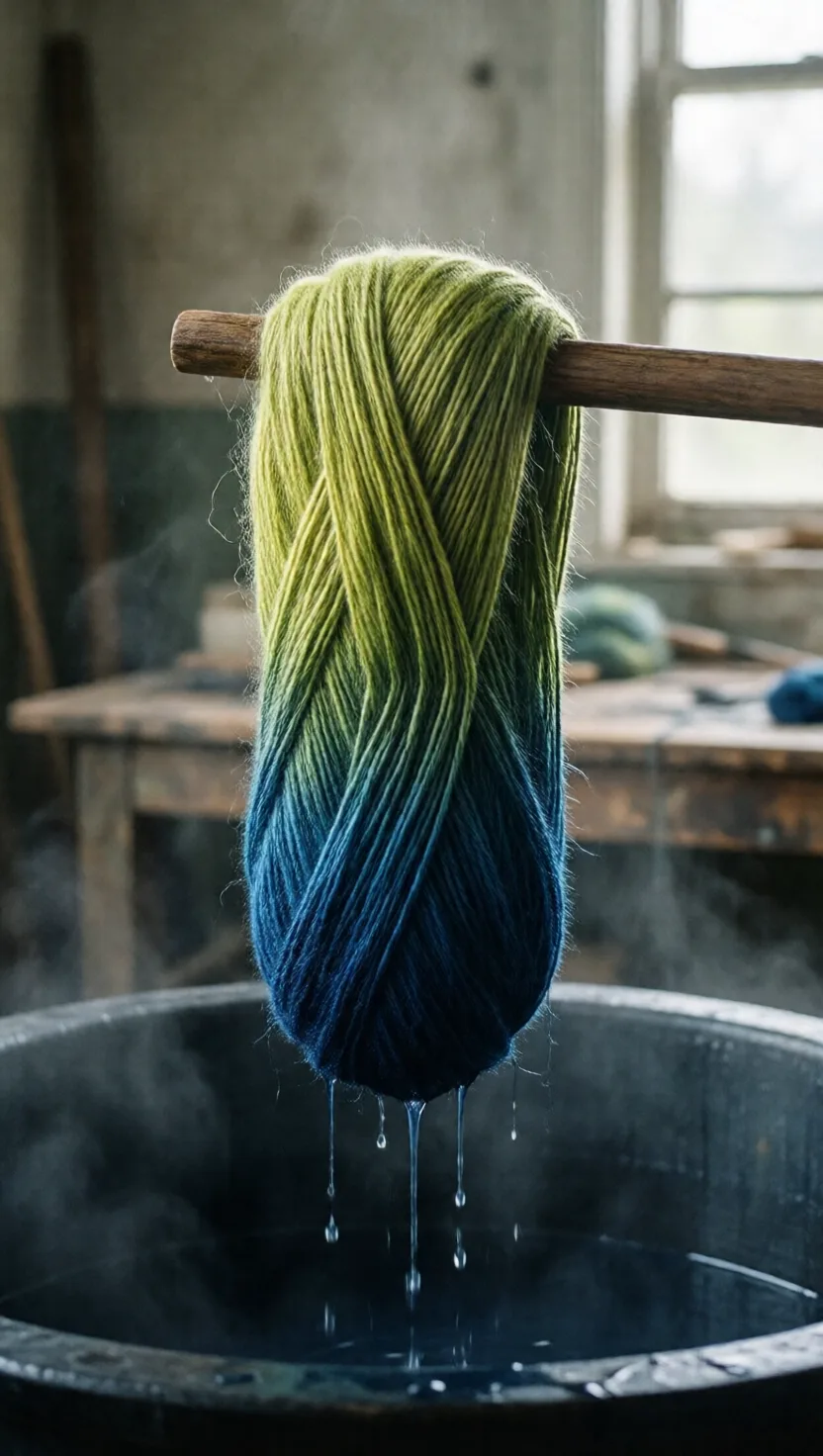
Indigo won't dissolve in water, so dyers chemically reduce it in an alkaline vat into a soluble, near-colourless yellow-green form. Cloth pulled from the vat comes out yellowish, then visibly turns through green to deep blue within minutes as oxygen in the air reattaches and locks the pigment into the fibre. The blue you see was never blue in the bath — it is built by the air itself.
The first synthetic dye came from coal tar, by mistake

The first synthetic dye came from coal tar, by mistake

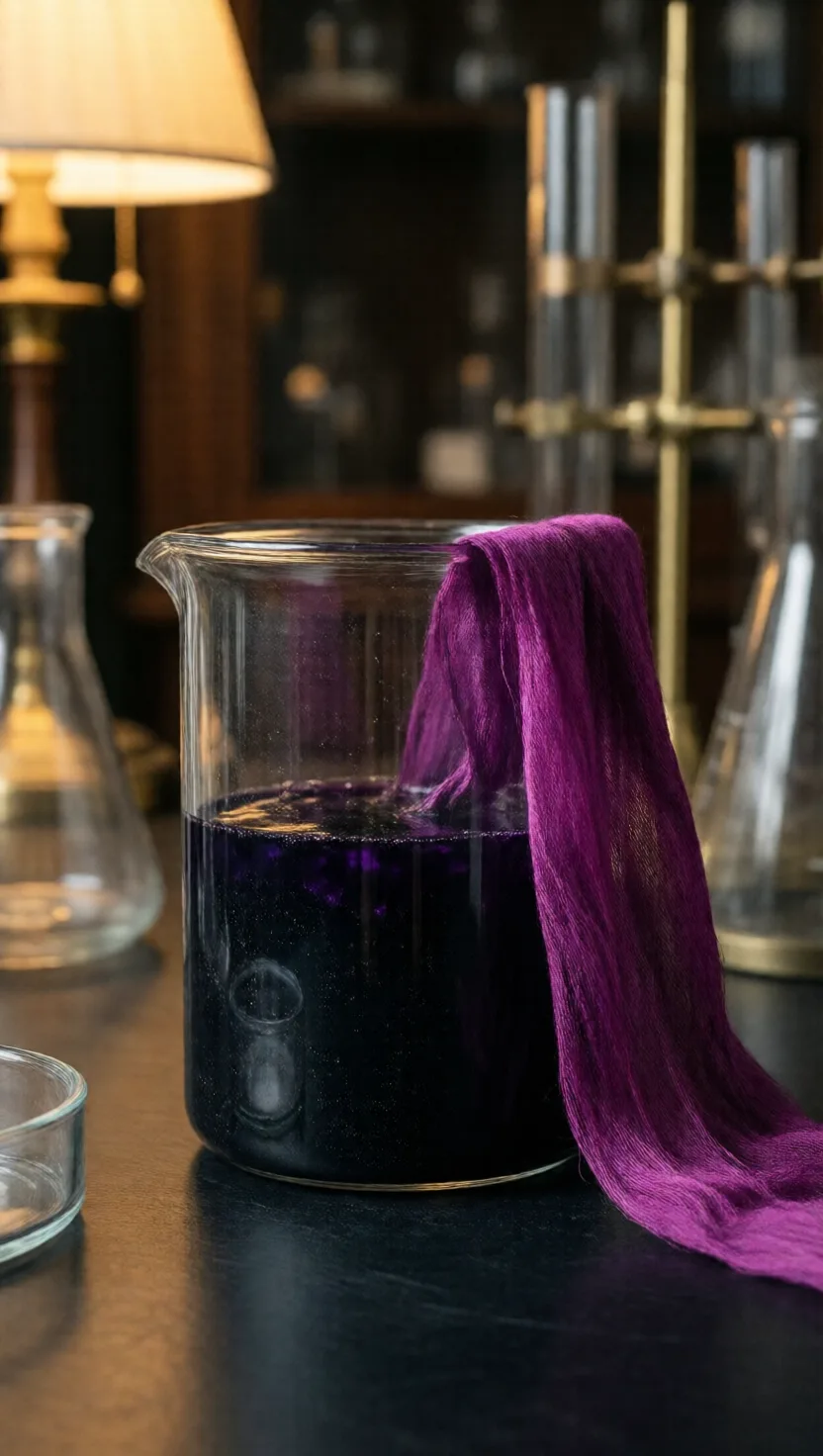
In 1856 an 18-year-old chemistry student, trying to synthesise the malaria drug quinine, instead left a dark sludge in his flask. Rinsing it, he noticed it stained silk an intense purple. The colour came from aniline in coal tar, a waste product of gas lighting. That accident produced the first mass-made synthetic dye and seeded the modern dye and pharmaceutical industries, freeing bright colour from rare plants and shellfish.
This blue was worth more than gold, gram for gram

This blue was worth more than gold, gram for gram

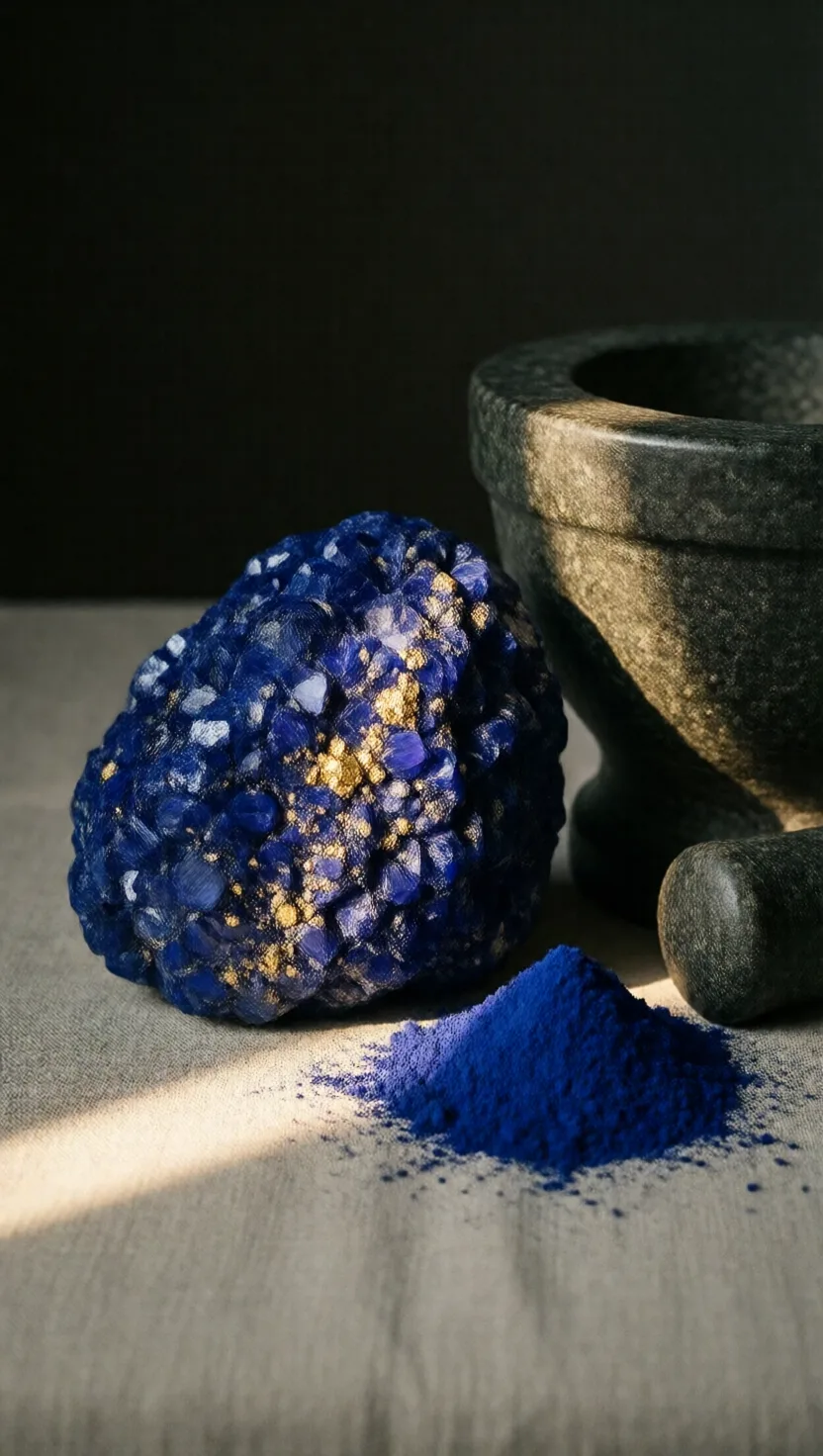
True ultramarine was made by grinding lapis lazuli, a stone carried thousands of miles from distant mines, then painstakingly washing the blue lazurite free of grey rock. By weight it cost more than gold during the Renaissance, so patrons wrote into contracts exactly where it could go. Painters hoarded it for the most sacred figure on the panel — most often the robe of the Virgin Mary.
One kilo of this dye needs 150,000 flowers

One kilo of this dye needs 150,000 flowers

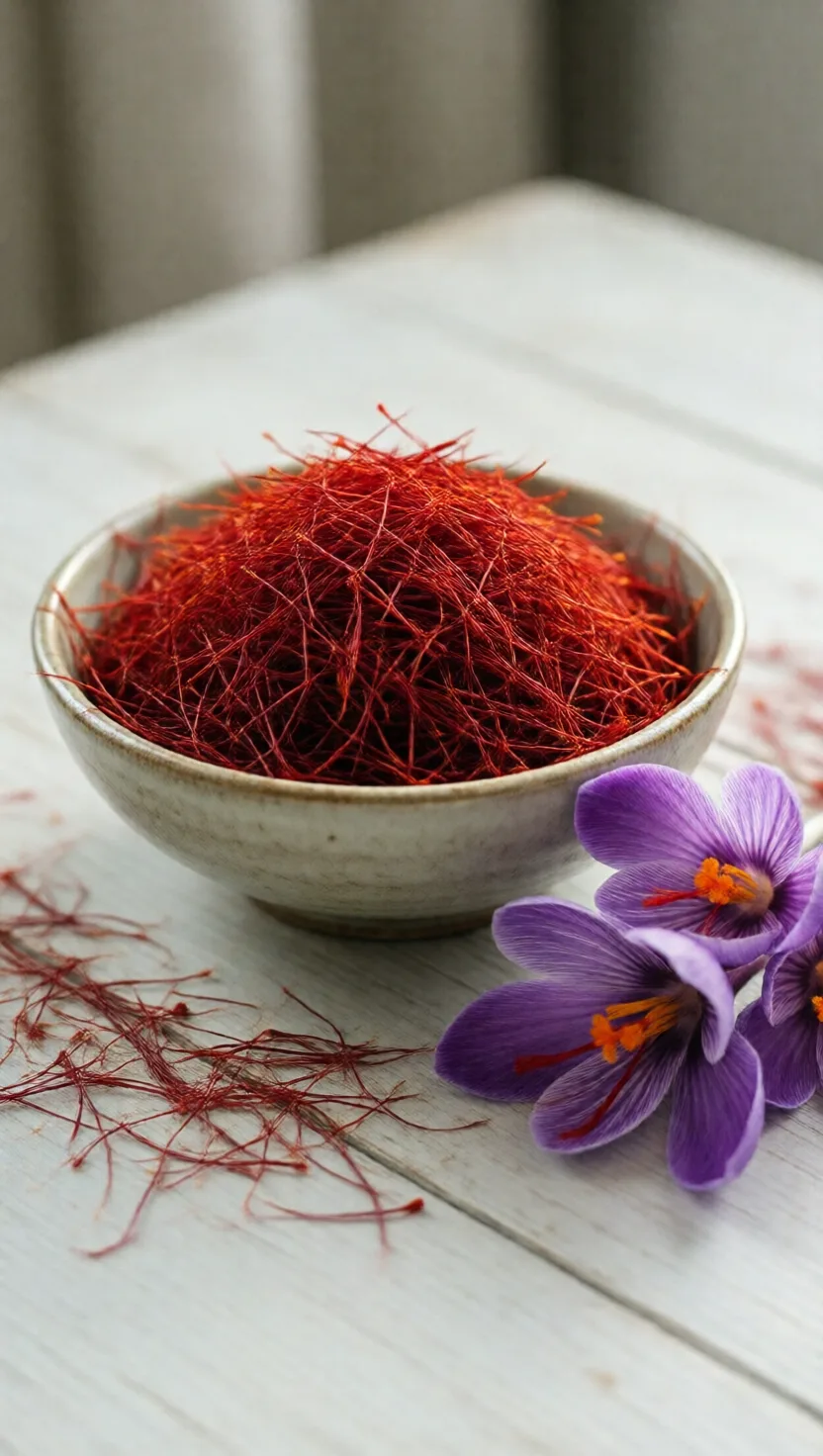
Saffron's golden colour comes from crocin, held in just three crimson stigmas inside each crocus flower. The stigmas must be plucked by hand at dawn during a brief autumn bloom. Because each flower gives so little, it takes around 150,000 flowers to yield a single kilogram of dried saffron — which is why it has long been worth more, weight for weight, than almost any other dyestuff.
This bright green wallpaper poisoned its rooms

This bright green wallpaper poisoned its rooms

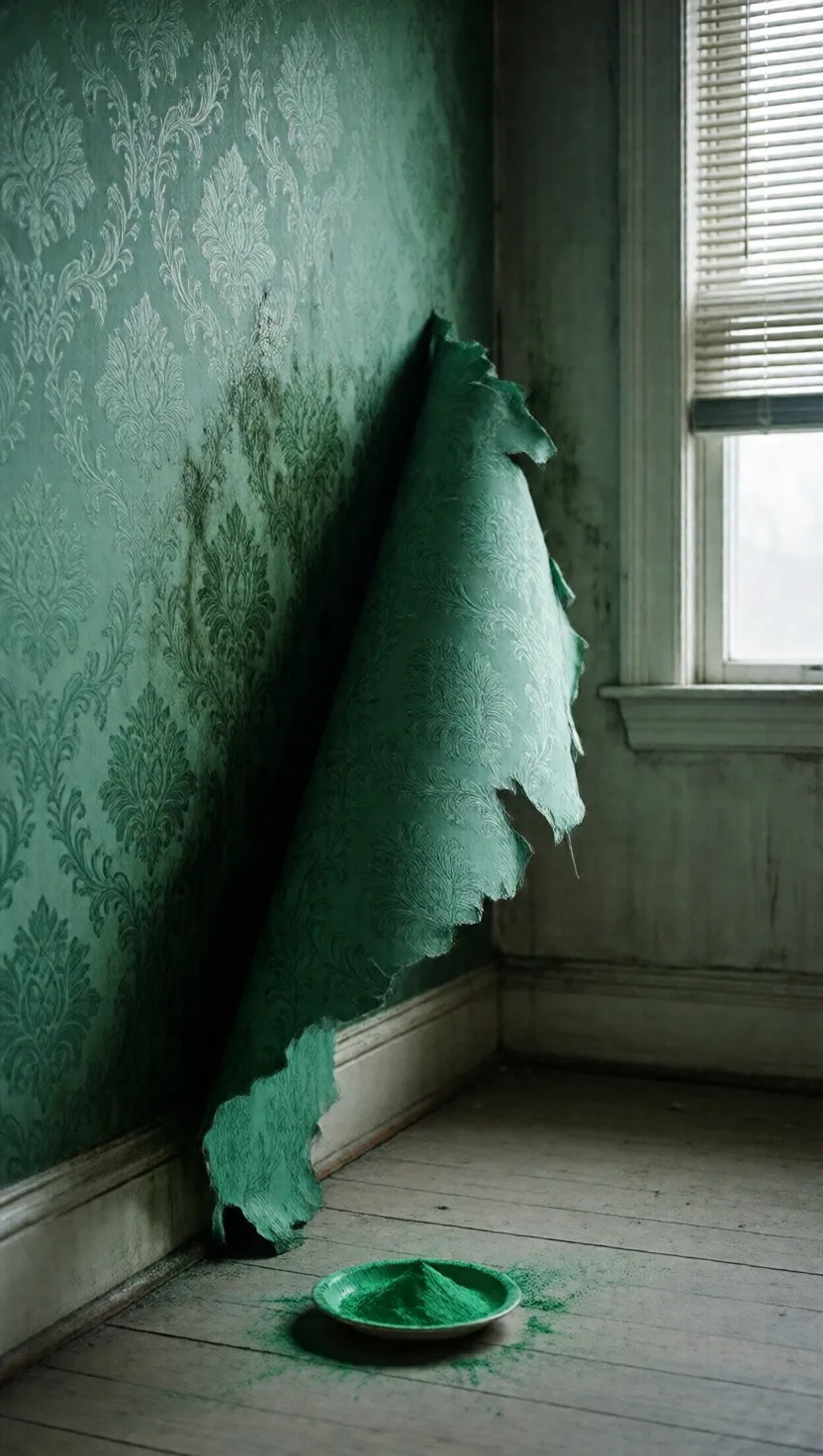
First made in 1775, Scheele's green was a copper-arsenic compound prized for its vivid, cheap colour and splashed across wallpapers, fabrics, even sweets. In damp rooms, household mould could feed on the pigment and release arsenic-laden gases into the air, sickening the people who lived there. The same arsenical green coloured the walls where Napoleon died in exile, and his hair was later found laced with arsenic.
A 1700s painter's blue is now a poison antidote

A 1700s painter's blue is now a poison antidote

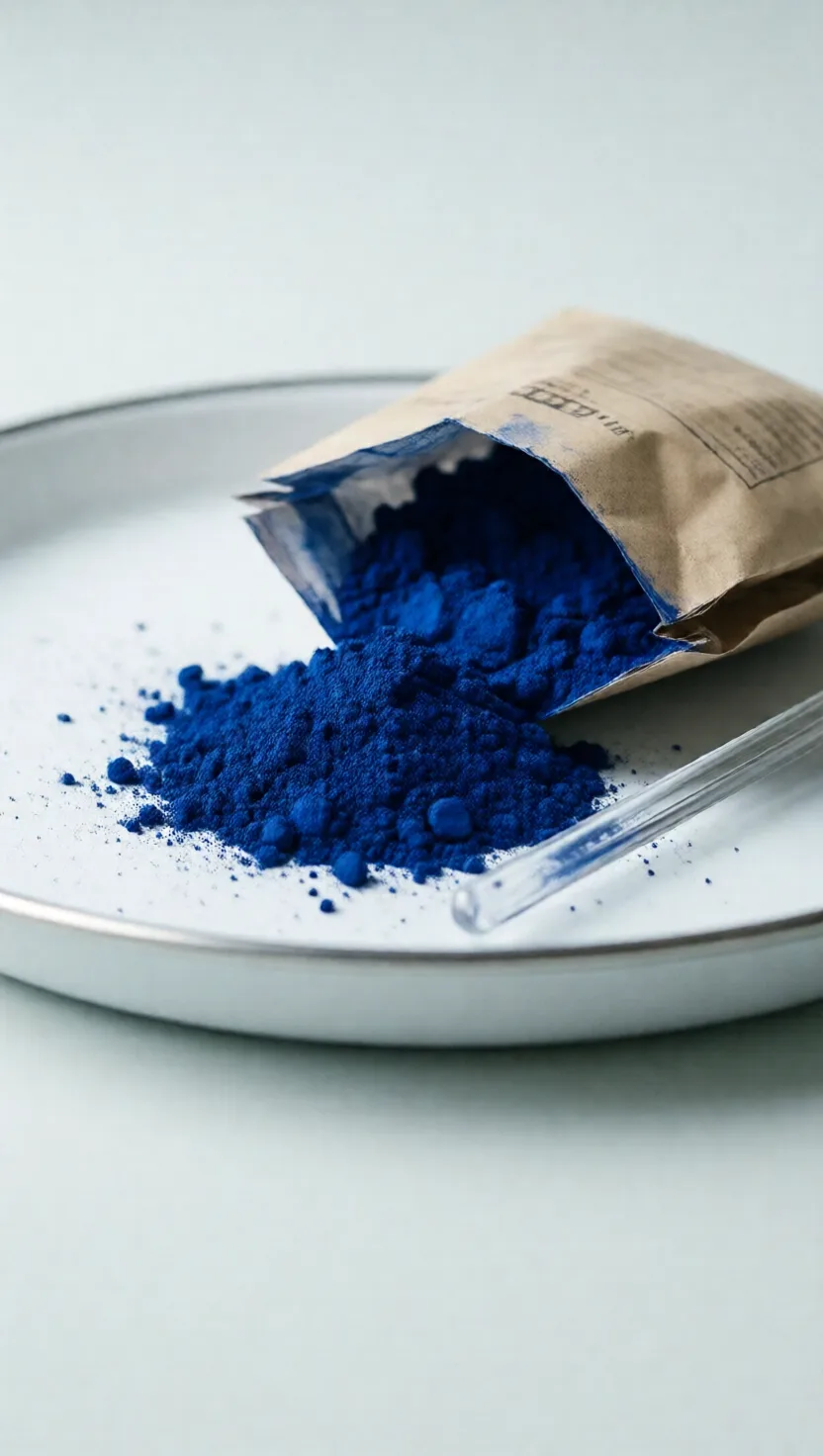
Prussian blue appeared around 1706, born by accident when a pigment-maker's batch was contaminated and turned an intense blue instead of red — the first modern synthetic pigment. Centuries later chemists found its crystal cage traps certain metal ions. Today it is a recognised medicine, given by mouth to capture thallium and radioactive caesium in the gut so the body can safely pass them out.
A pirate-prized dyewood still stains hospital slides

A pirate-prized dyewood still stains hospital slides

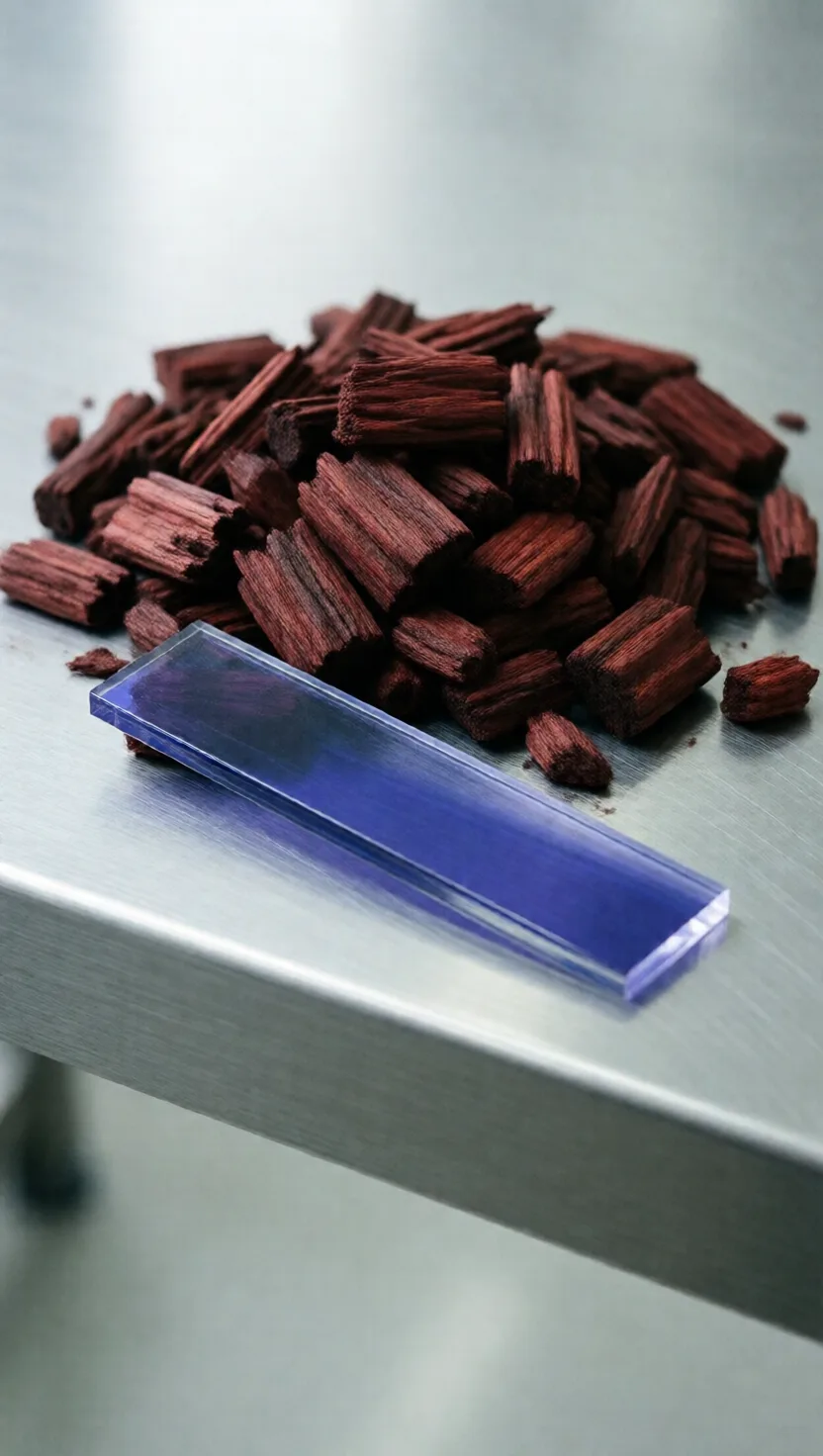
Logwood from Central America gives haematoxylin, a dye once so valued its trade drew pirates and sparked colonial disputes. Oddly, haematoxylin itself is nearly colourless; oxidised and bound with a metal mordant, it stains cell nuclei a deep blue-violet. For over a century it has been the backbone of the standard tissue stain — still the most common way pathologists colour human tissue under the microscope today.
This cotton red took weeks and over 20 steps

This cotton red took weeks and over 20 steps

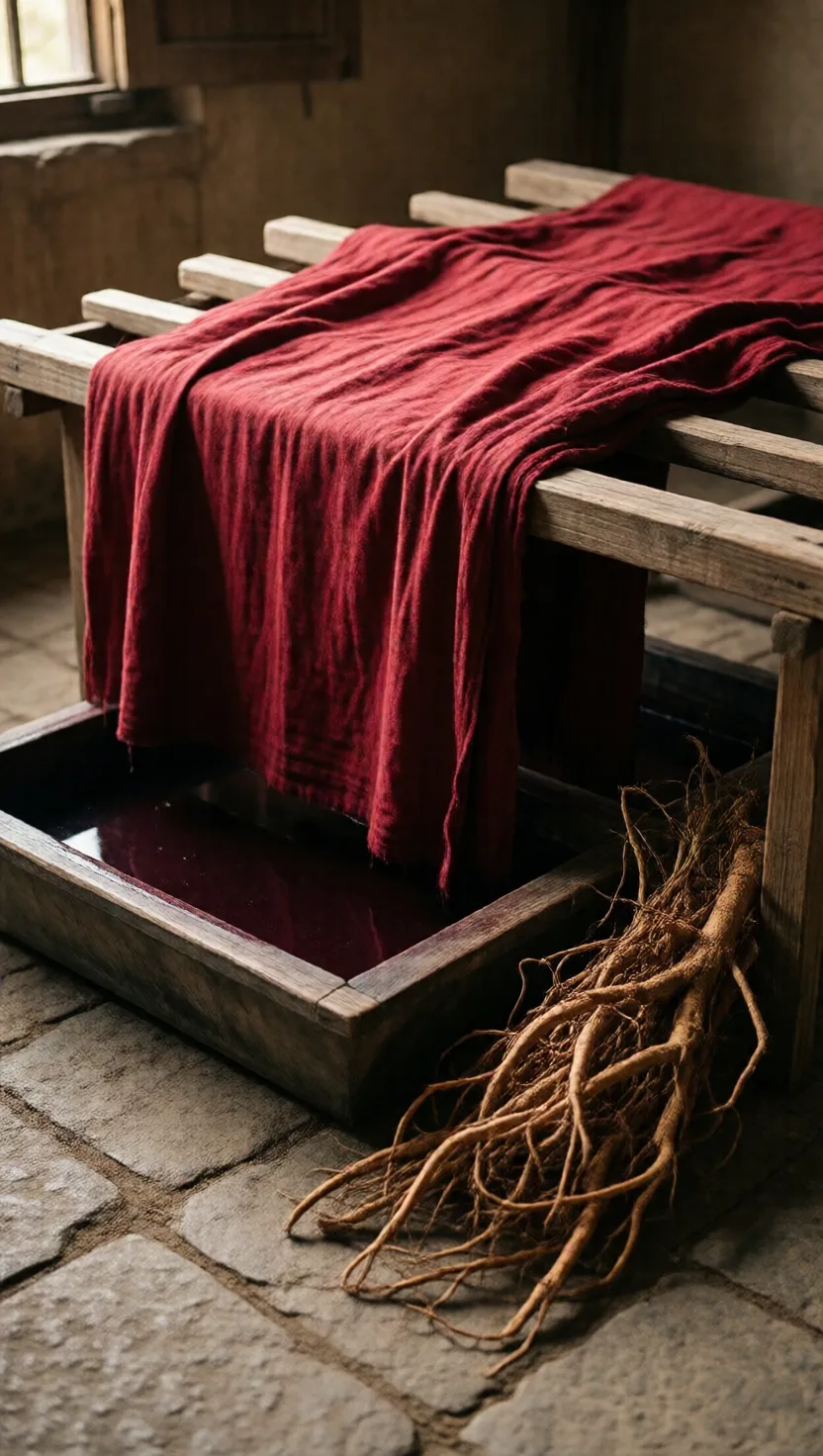
Turkey red, the brilliant fast red on cotton, was a guarded secret carried from master to apprentice for generations. Getting madder's dye to bond and resist fading meant soaking the cloth through more than twenty repeated stages over weeks — steeped in rancid oil, alkali and animal dung, then mordanted, dyed and finished. The smell and labour were the price of a red that would not wash out or fade in the sun.
tap →swipe ↑ for depthswipe ↓ to exit