Eight things hiding in your morning cup.

DC·48 Deep Cuts
Your cup is a 600,000-year-old genetic accident

Your cup is a 600,000-year-old genetic accident

Arabica coffee isn't an ancient pure species — it's a natural hybrid. Long ago two other coffee species crossed and doubled their chromosomes, fusing two genomes into one. The result carries 44 chromosomes, twice the 22 of each parent. That founding event happened roughly 350,000 to 610,000 years ago, leaving today's arabica with strikingly narrow genetic diversity.
A fungus turned a coffee island into tea country

A fungus turned a coffee island into tea country

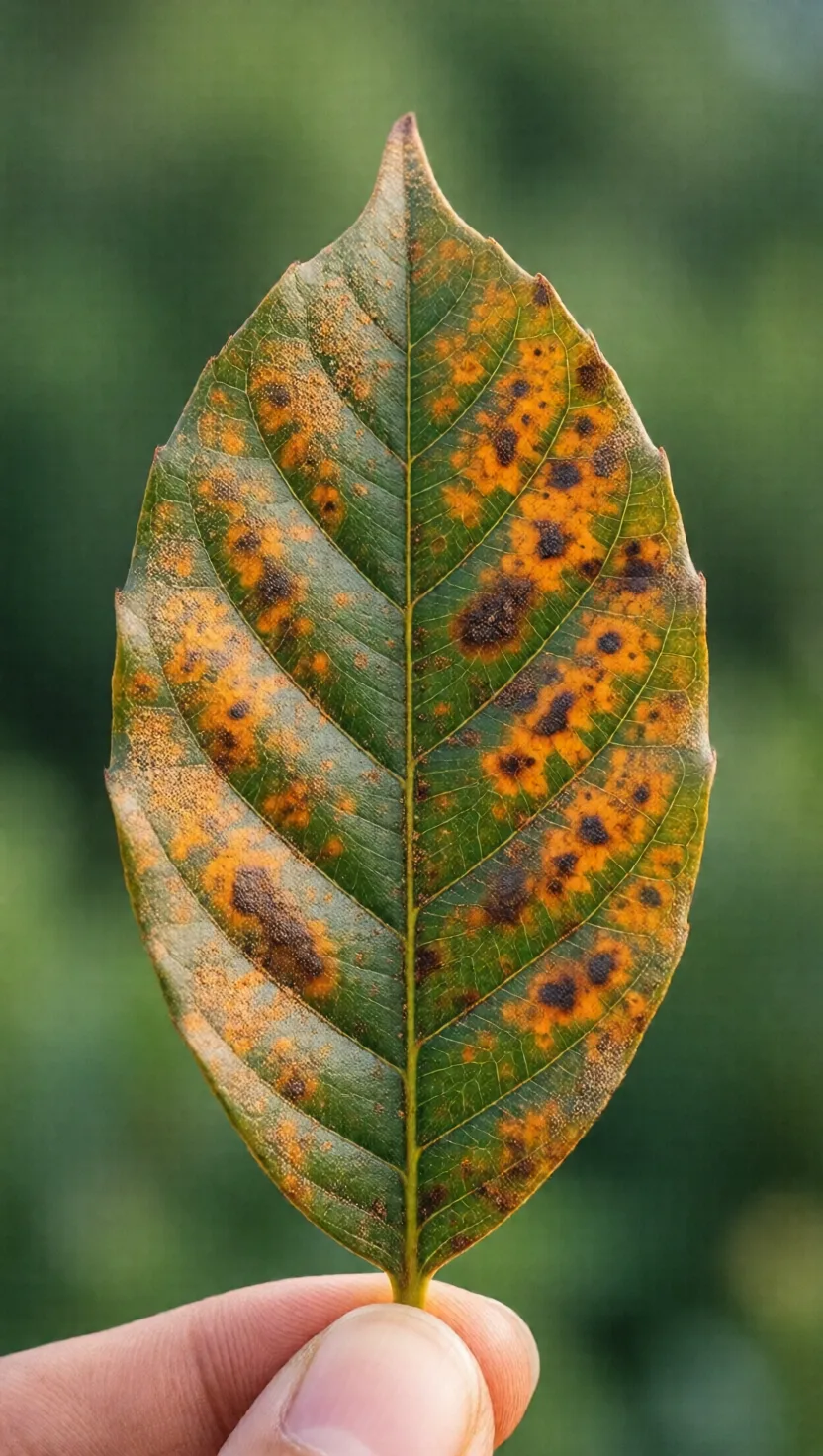
In 1869 orange spots appeared on coffee leaves in Ceylon — coffee leaf rust, caused by the fungus Hemileia vastatrix. The island was a top global coffee producer, exporting just over one million hundredweight a year around 1870. Within a decade yields had roughly halved, and plantations were abandoned and replanted with tea, which the rust did not attack. That is why the island became synonymous with tea.
Golden crema is gas escaping at nine-bar pressure

Golden crema is gas escaping at nine-bar pressure

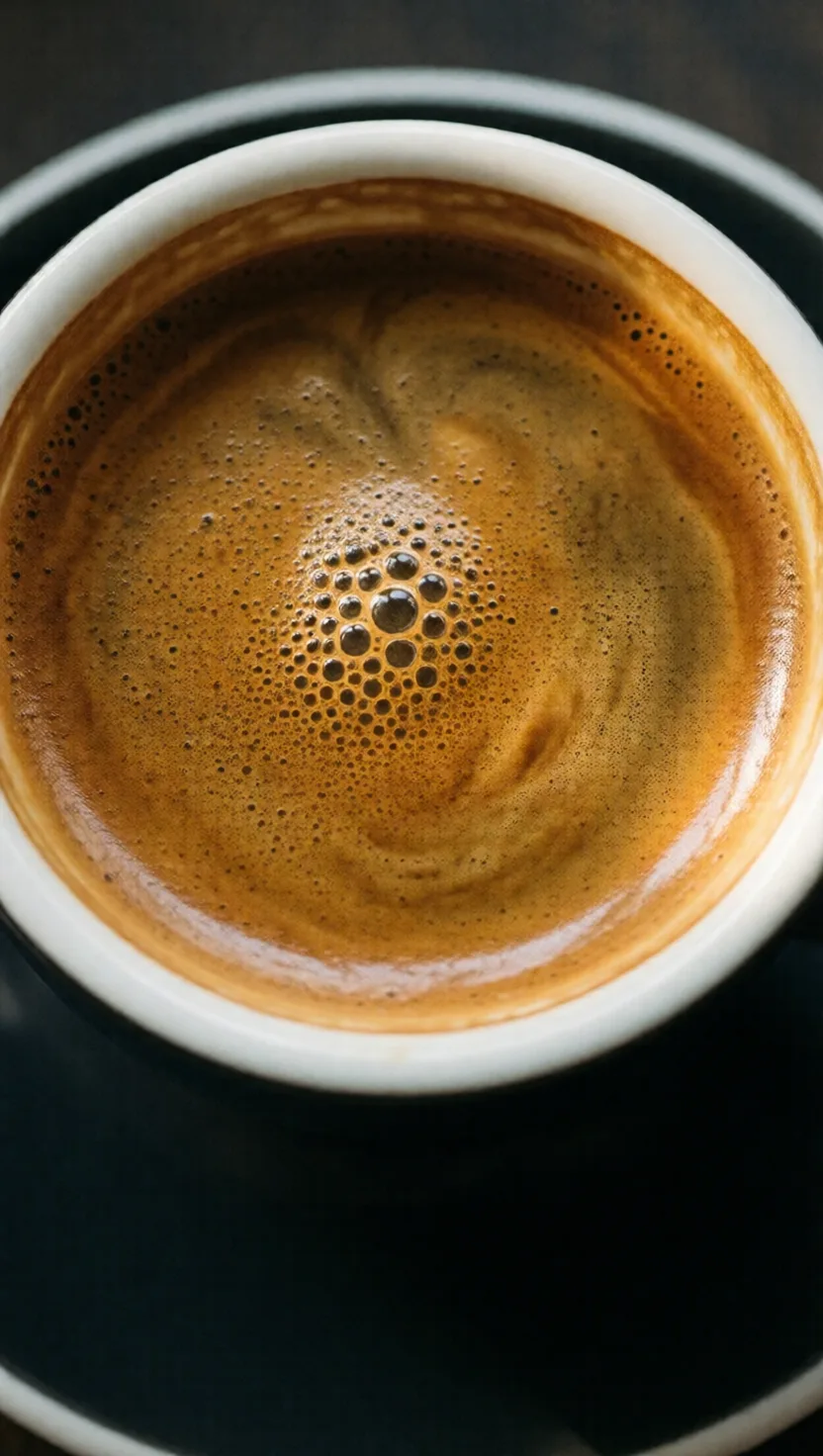
Crema isn't a sign of cream or sugar — it's physics. Espresso machines force water through the grounds at about 9 bar, roughly nine times atmospheric pressure. At that pressure carbon dioxide trapped in fresh coffee dissolves and oils emulsify into the liquid. When the brew leaves the spout and pressure suddenly drops, the dissolved CO2 expands into millions of tiny oil-coated bubbles, forming the stable tan layer on top.
Sometimes a cherry grows one bean instead of two

Sometimes a cherry grows one bean instead of two

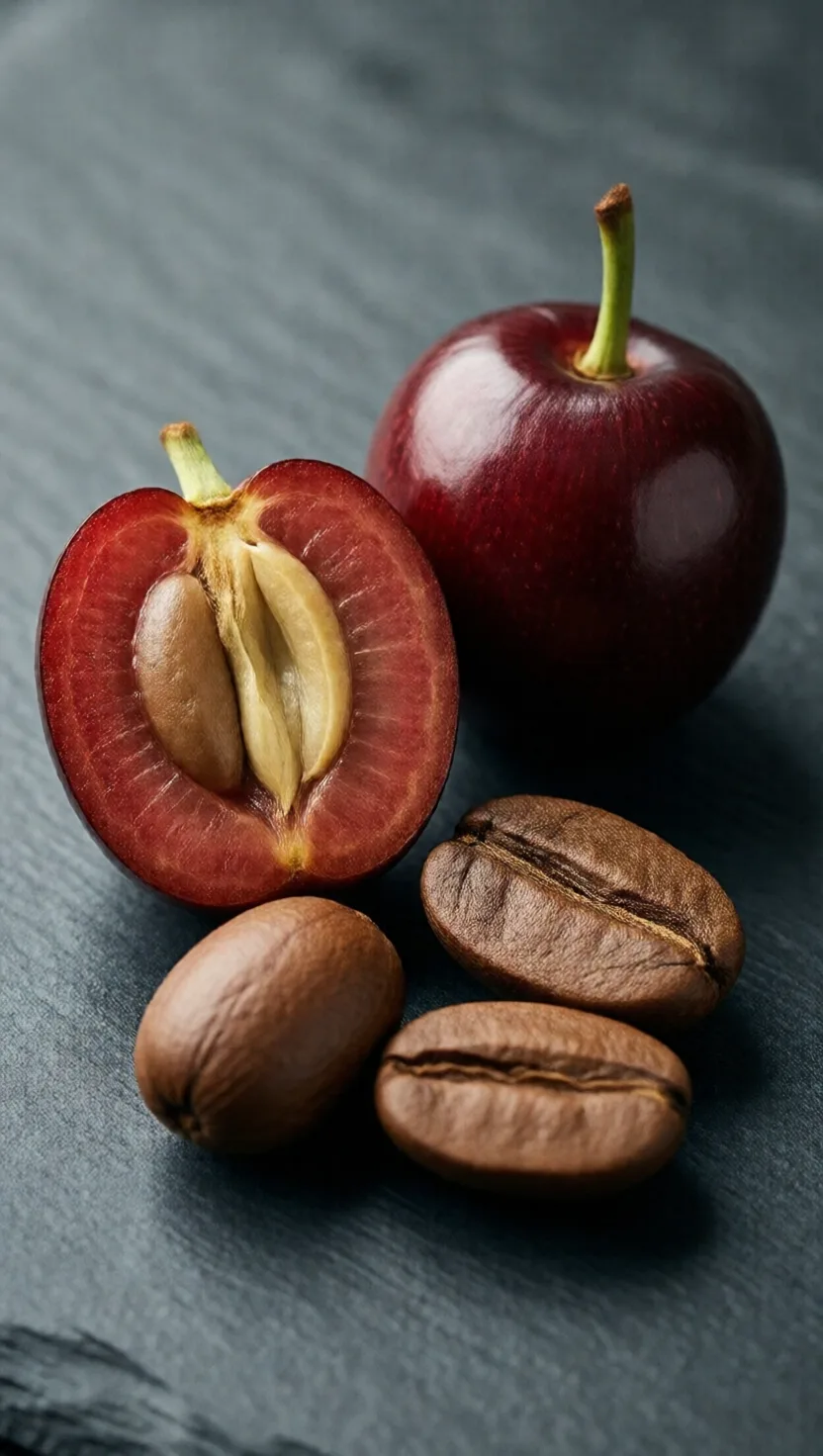
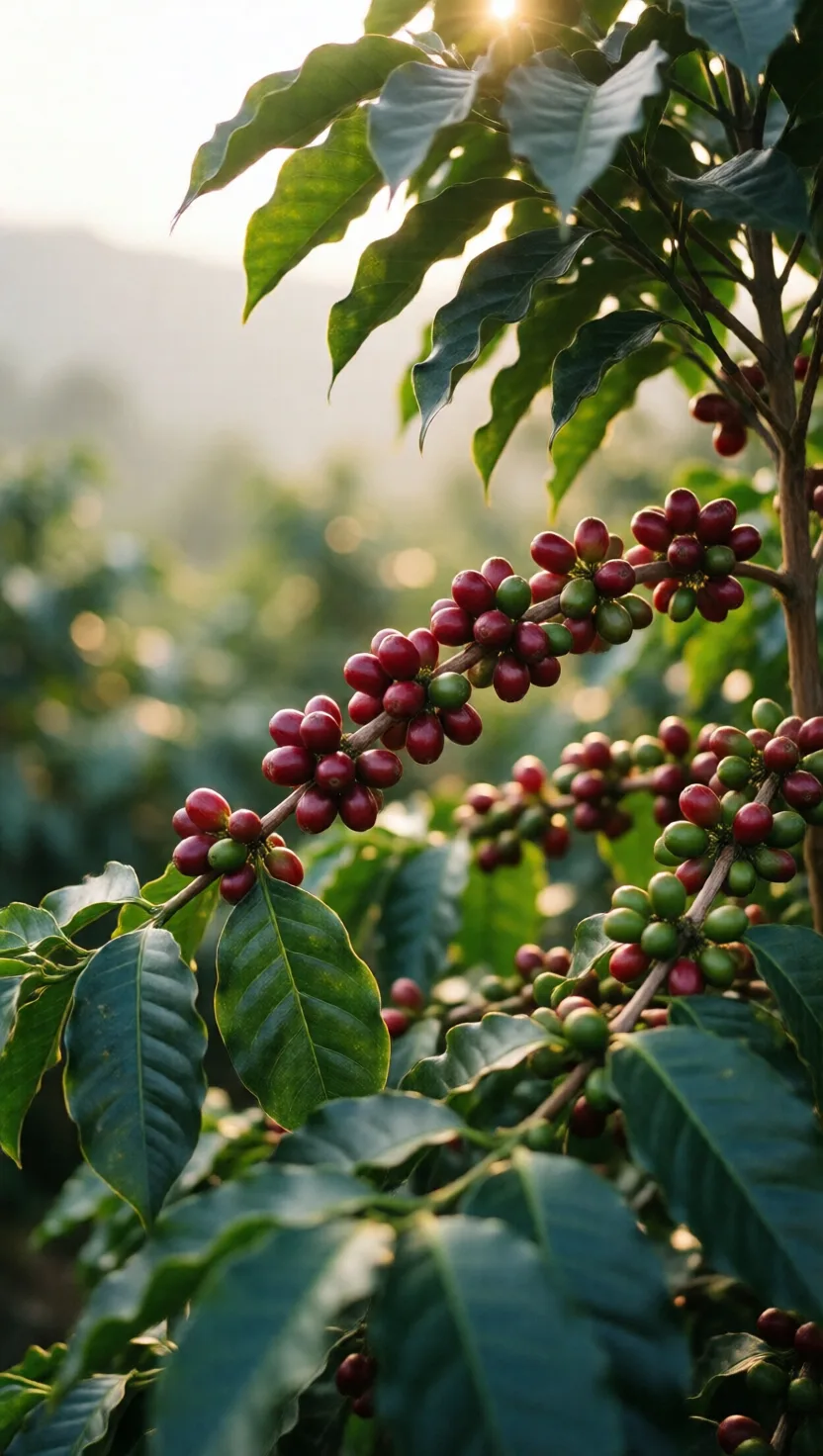
A coffee cherry is a fruit, and inside it normally holds two seeds pressed flat face-to-face — the shape of the bean you know. But when only one of the two ovules develops, the survivor grows unconstrained into a single rounded seed called a peaberry. These rounder beans make up only about 5 to 10 percent of a harvest and are usually sorted out by size, since their shape roasts a little differently.
Coffee blooms smell like jasmine and last a day

Coffee blooms smell like jasmine and last a day

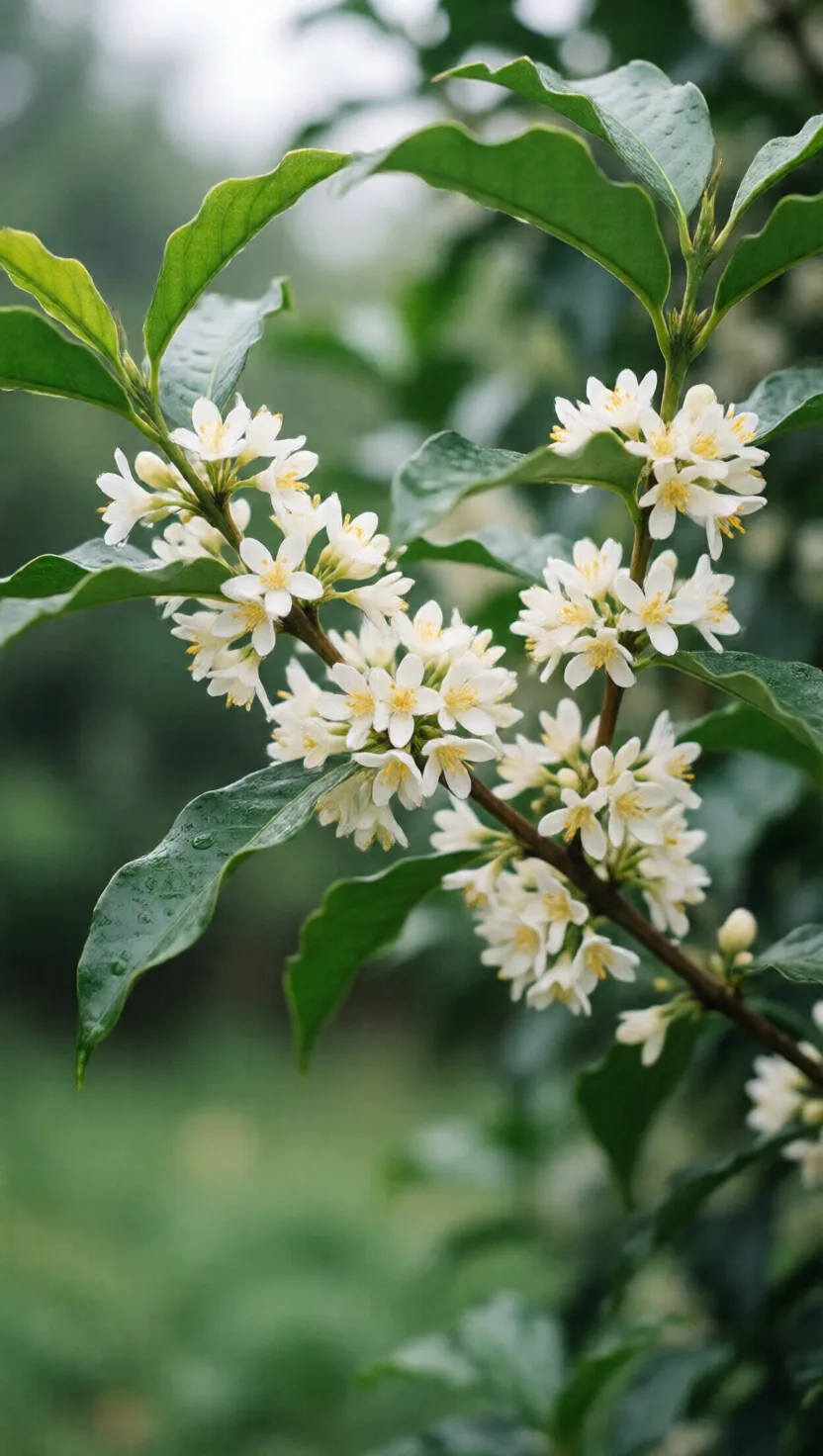
Before any cherry forms, the coffee plant flowers — small, white, star-shaped blossoms clustered along the branch with a sweet scent often compared to jasmine. The bloom is fleeting: the flowers open and then wither and drop within only a day or two. Arabica can self-pollinate, but visits from bees raise fruit set, so those brief, fragrant days quietly decide much of the coming harvest.
The tougher bean packs double the caffeine, as armor

The tougher bean packs double the caffeine, as armor

Caffeine is a pesticide the plant makes for itself. Robusta grows hot and low where insects thrive, so it loads its beans with caffeine — about 1.7 to 3.5 percent by weight — as a chemical defense. Arabica, native to cooler high-altitude forests with less pest pressure, settles around 0.8 to 1.4 percent. That makes robusta on average roughly twice as caffeinated, and noticeably harsher and more bitter in the cup.
Roasters listen for a crack to time the roast

Roasters listen for a crack to time the roast

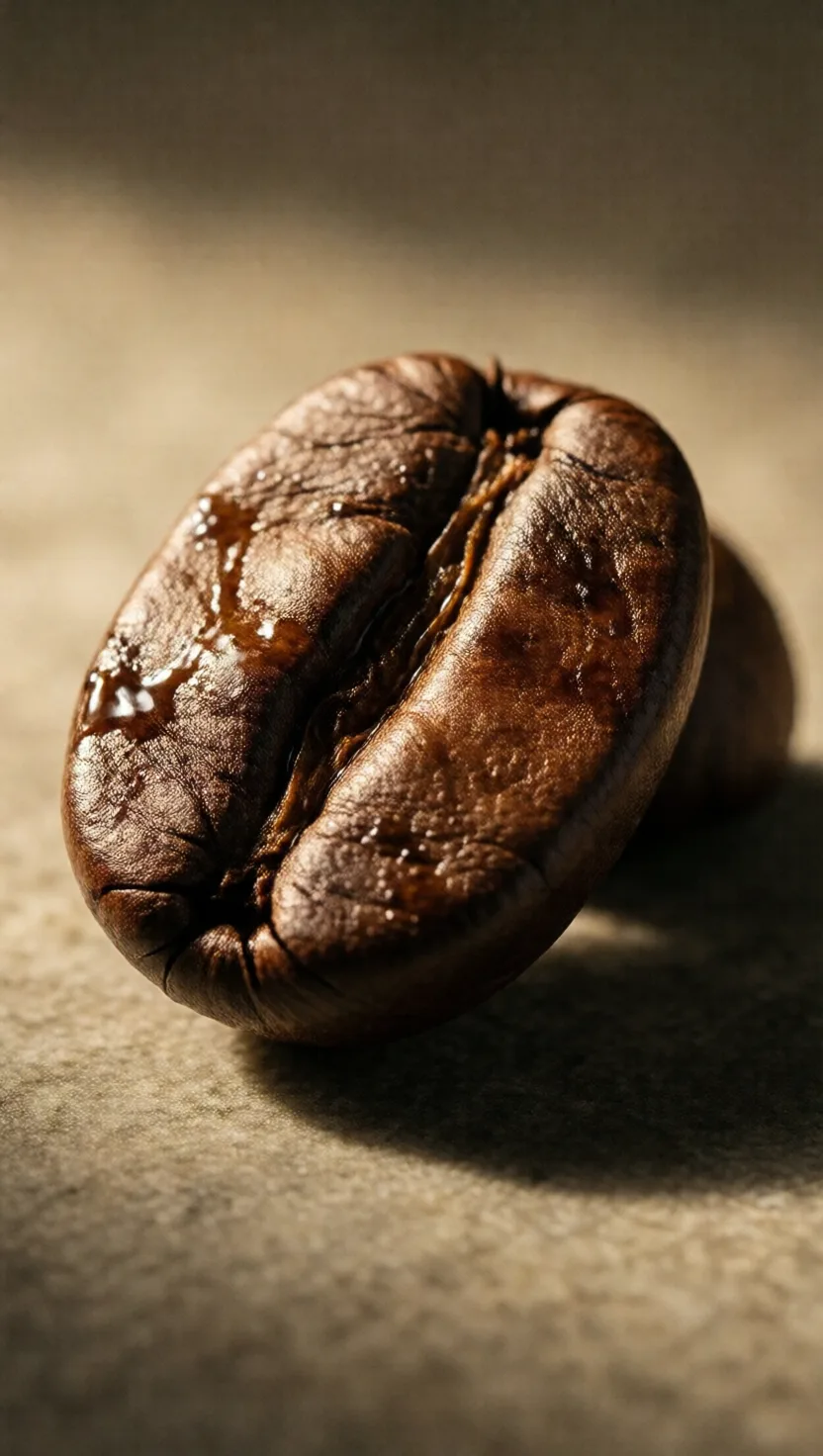
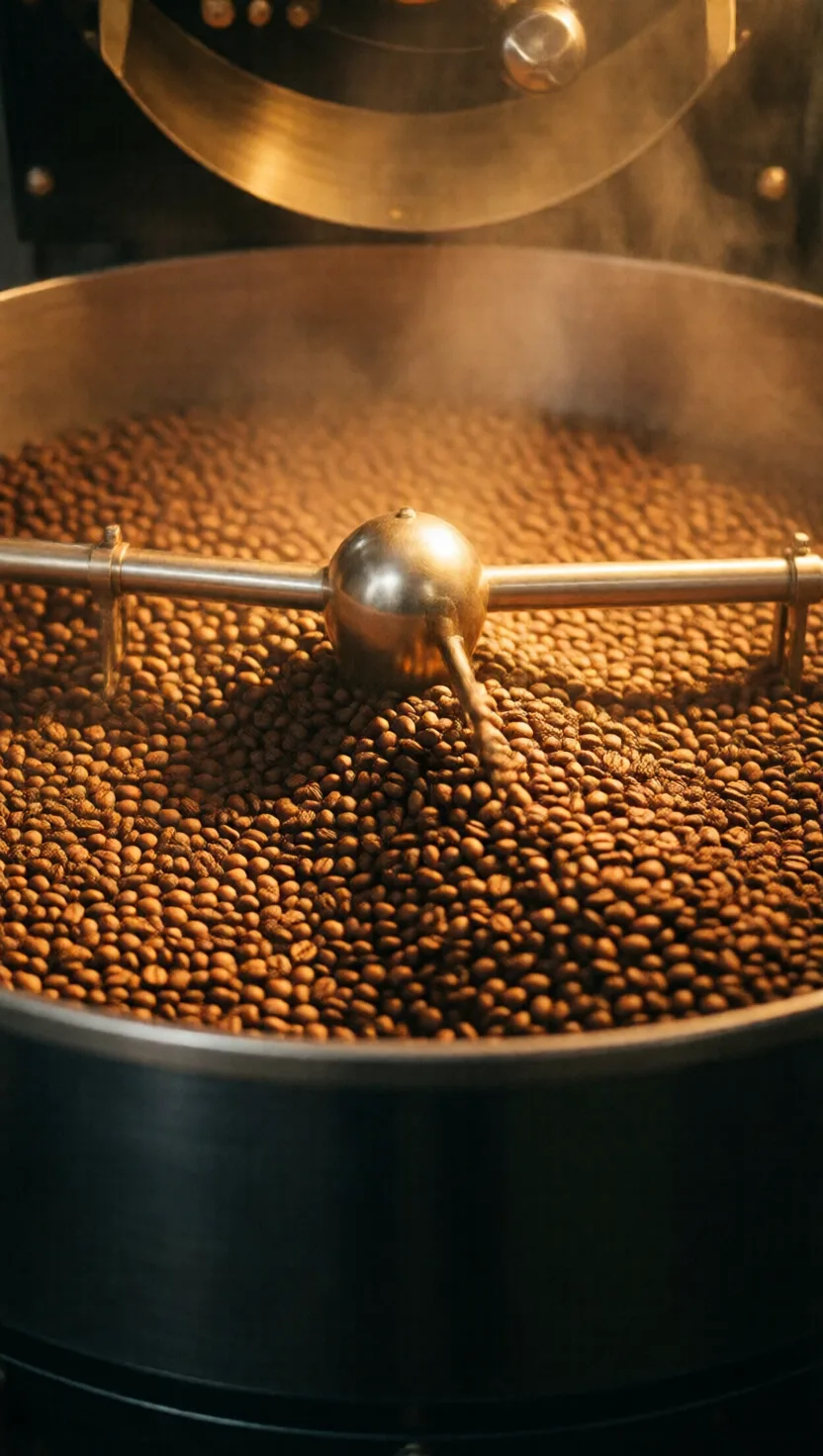
As green beans heat, the water and carbon dioxide trapped inside build enormous internal pressure. Around 196 degrees Celsius that pressure finally splits the bean's cell walls, releasing a sharp pop — 'first crack,' which sounds much like popcorn. It marks the moment a bean becomes drinkable coffee; roasters use it as an audible clock, pulling lighter roasts just after it and darker roasts well beyond.
Decaf can be made with the gas that fizzes soda

Decaf can be made with the gas that fizzes soda

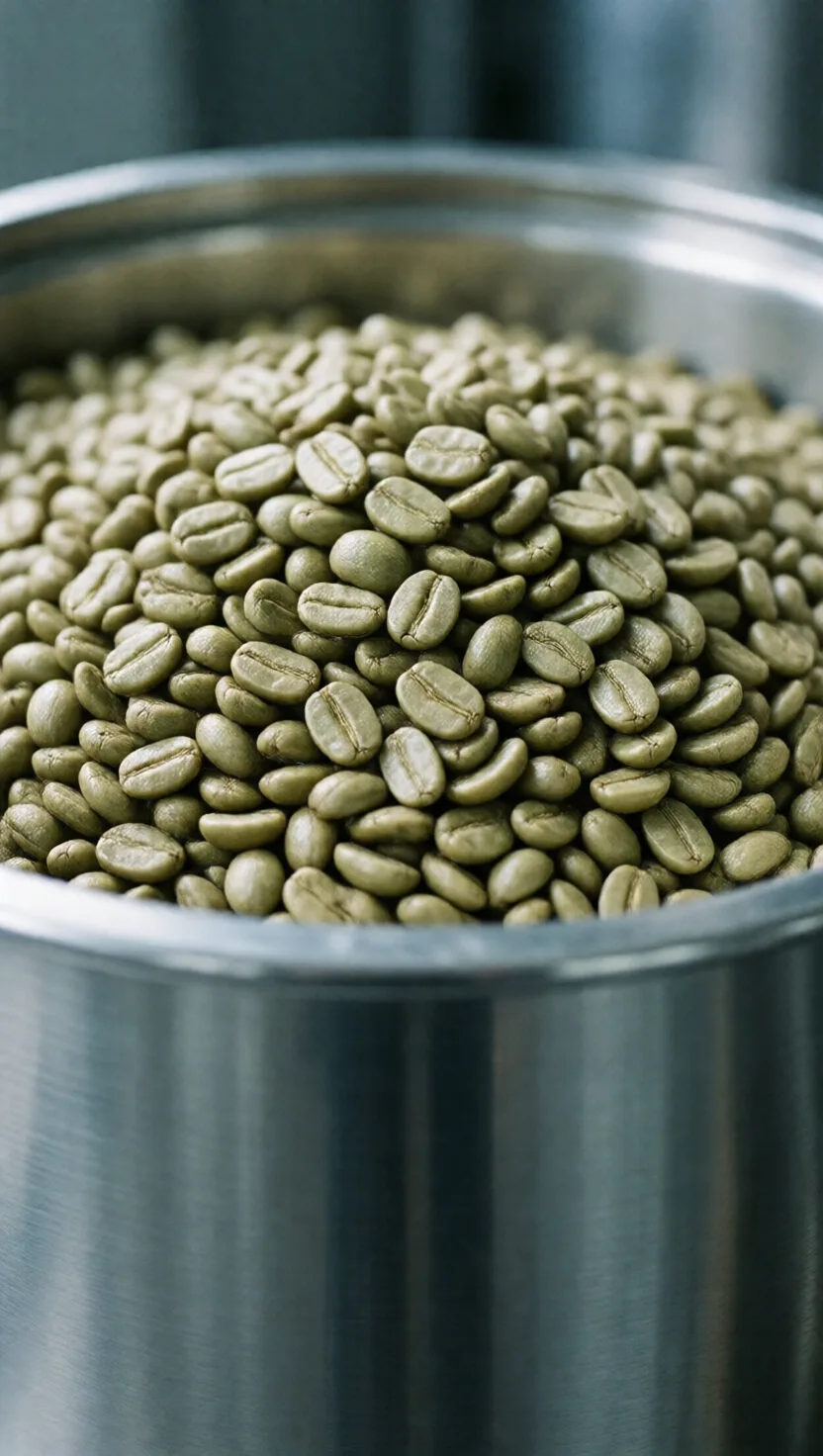
One clean way to remove caffeine uses carbon dioxide. Squeezed above about 31 degrees Celsius and very high pressure, CO2 turns 'supercritical' — flowing like a gas but dissolving like a liquid. Pumped through moistened green beans at roughly 250 to 300 bar, it selectively grabs caffeine while leaving the larger flavor and aroma molecules behind. The caffeine-laden CO2 is then drained off, and the beans dried and roasted as usual.
tap →swipe ↑ for depthswipe ↓ to exit