Eight things skin learns when it becomes leather

DC·46 Deep Cuts
The oldest leather is soaked in tree bark for a year

The oldest leather is soaked in tree bark for a year

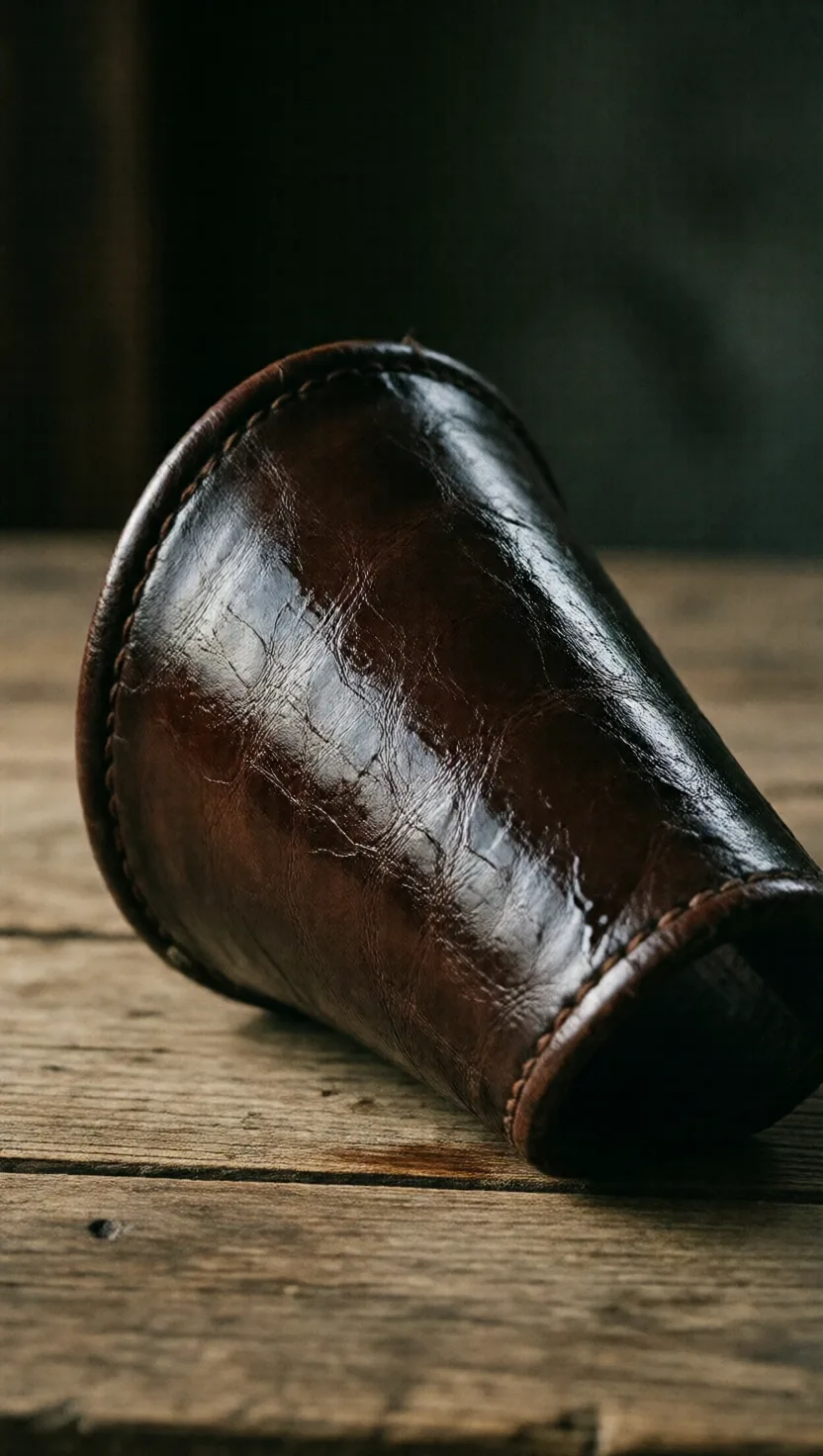
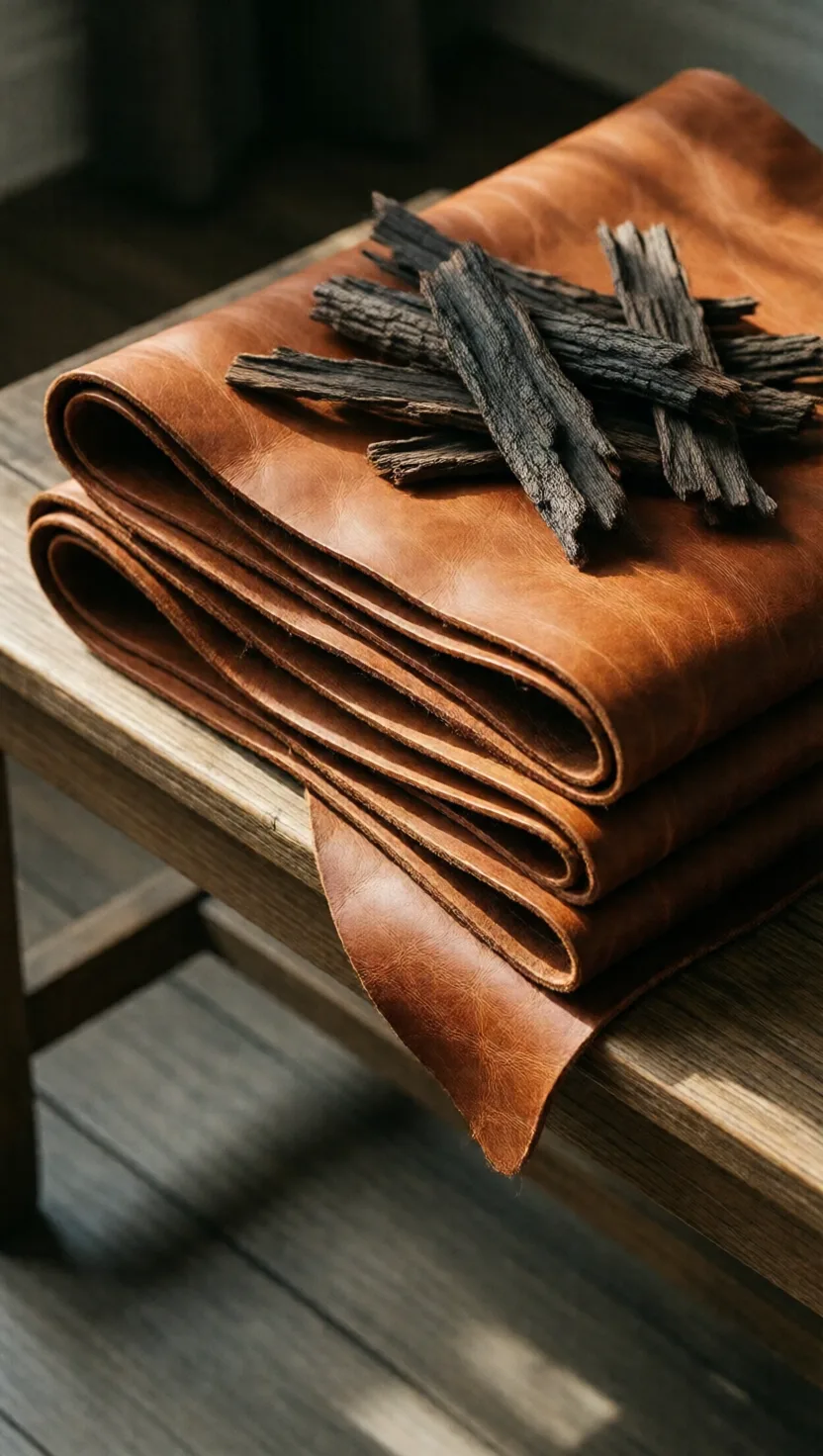
Vegetable tanning turns raw skin into leather using nothing but tannins leached from bark — oak, chestnut, hemlock. Hides are layered with crushed bark in pits and left to steep, and the tannins creep in slowly, latching onto the collagen fibres and locking them so they can no longer rot. For thick sole leather the steeping can run nine to eighteen months, pit after pit of ever-stronger liquor. The result is firm, warm-brown, and lasts generations.
Every animal carries enough brain to tan its hide

Every animal carries enough brain to tan its hide

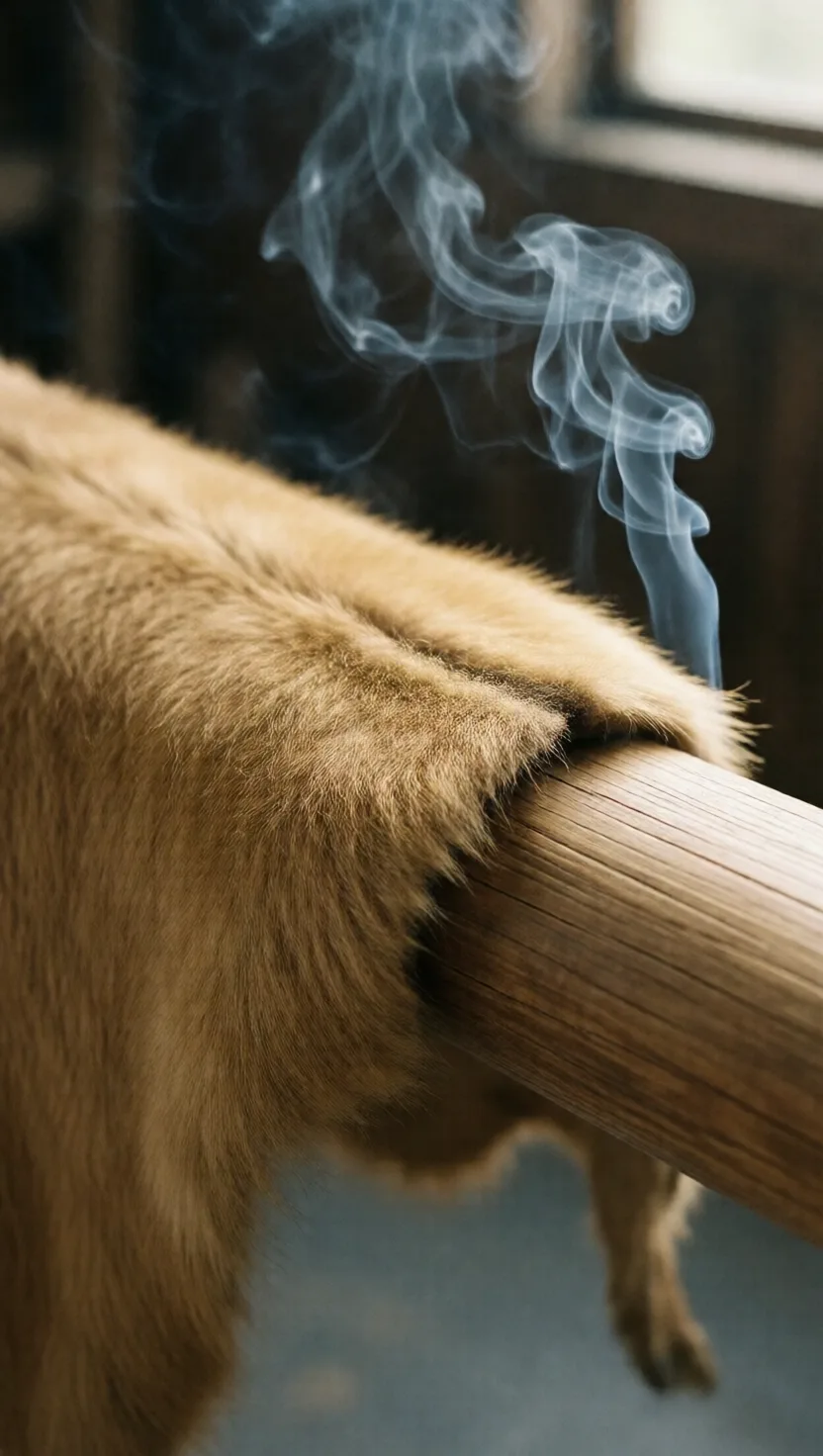
Old hide-workers swore that every animal is born with just enough brains to tan its own skin — and it is nearly true. Brain tissue is rich in lecithin and fatty oils, natural emulsifiers, and when that grey slurry is worked warm into a scraped hide it slips between the collagen fibres and lubricates them apart, leaving them soft. Smoke the hide over a low fire afterward and the buckskin stays supple even after a soaking. No bark, no chemicals — just the animal's own head.
Boil leather and it hardens like armor

Boil leather and it hardens like armor

Drop thick vegetable-tanned leather into hot water or molten wax and something strange happens: the collagen shrinks, thickens and sets rigid as it cools. Medieval armourers used the trick — cuir bouilli, 'boiled leather' — to mould helmets, greaves and shields far lighter and cheaper than steel. A few seconds in boiling water shrank a piece to two-thirds its size and roughly doubled its thickness, hard enough to turn a glancing blow if not a gunshot.
The original non-slip grip was untanned sharkskin

The original non-slip grip was untanned sharkskin

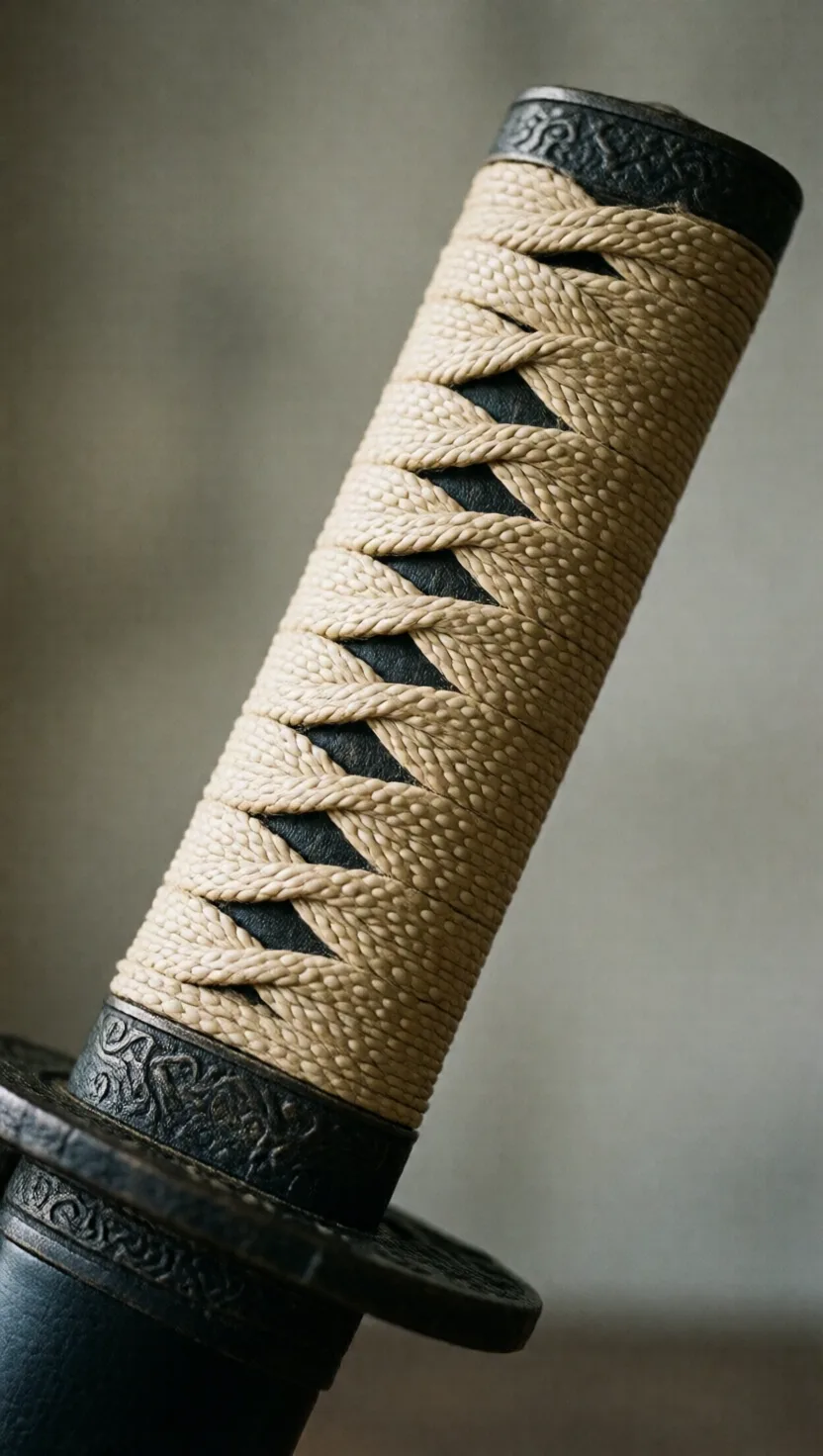
Before rubber, sword-makers reached for shagreen — rawhide from shark or ray skin, left untanned so its surface keeps thousands of tiny calcified bumps called dermal denticles. Wrapped around a sword hilt, those hard pebbled scales bite into a sweaty palm and refuse to slip, which is why samurai bound their grips and scabbards with pale rayskin for centuries. Dried flat, the same gritty skin doubled as sandpaper for polishing wood.
The smoothest leather hides under a horse's rump

The smoothest leather hides under a horse's rump

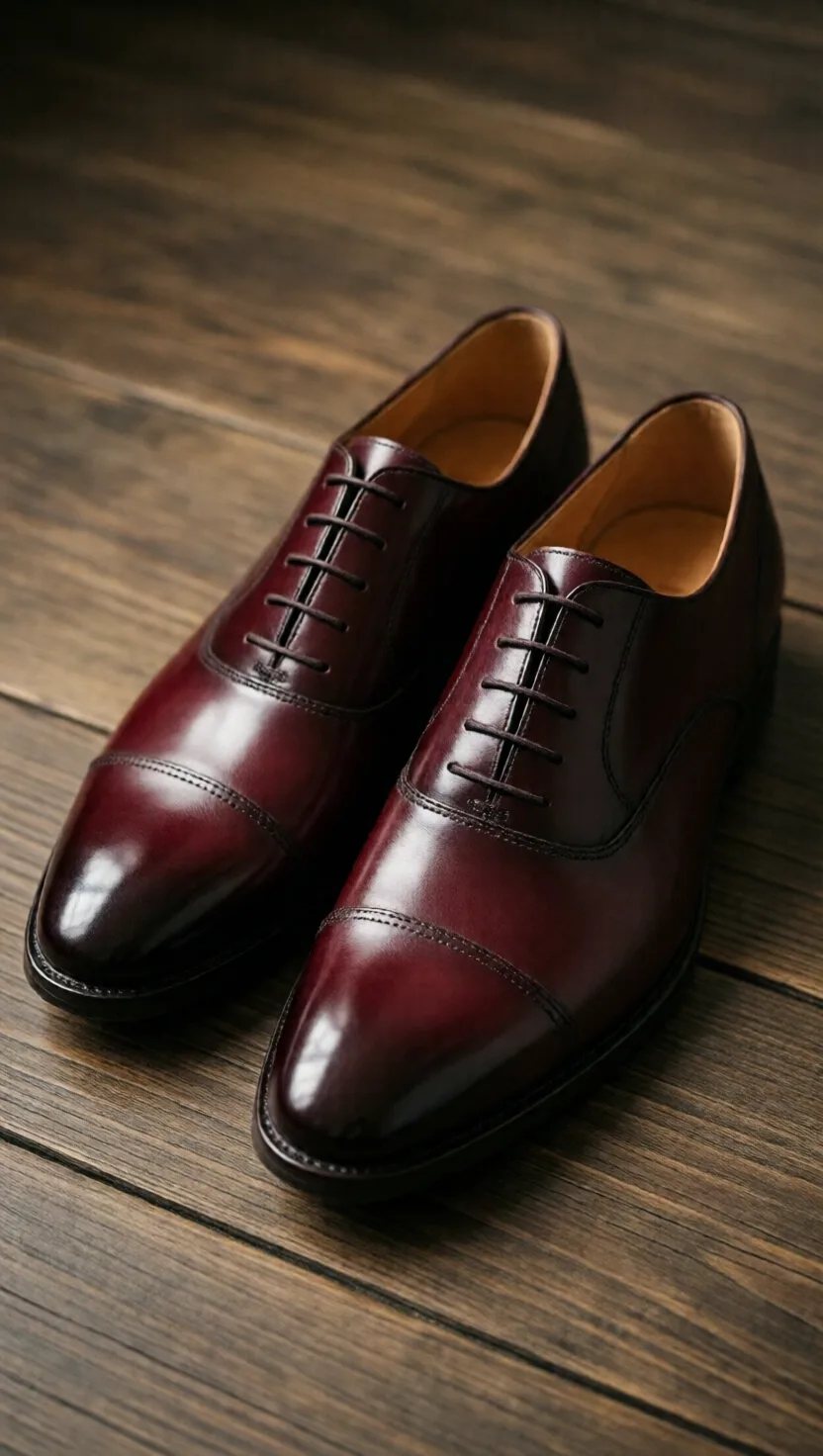
Shell cordovan isn't the horse's outer skin at all but a dense oval membrane buried beneath the hide of the rump — one shell from each side. Tanners spend six months coaxing it, soaking, pressing and oiling, because the fibre is so tight it has almost no grain. Worn in, it never cracks into fine creases like ordinary leather; instead it rolls into soft, glossy ripples. Two small shells are all a single horse can give.
Leather sank in 1786 — and came up still usable

Leather sank in 1786 — and came up still usable

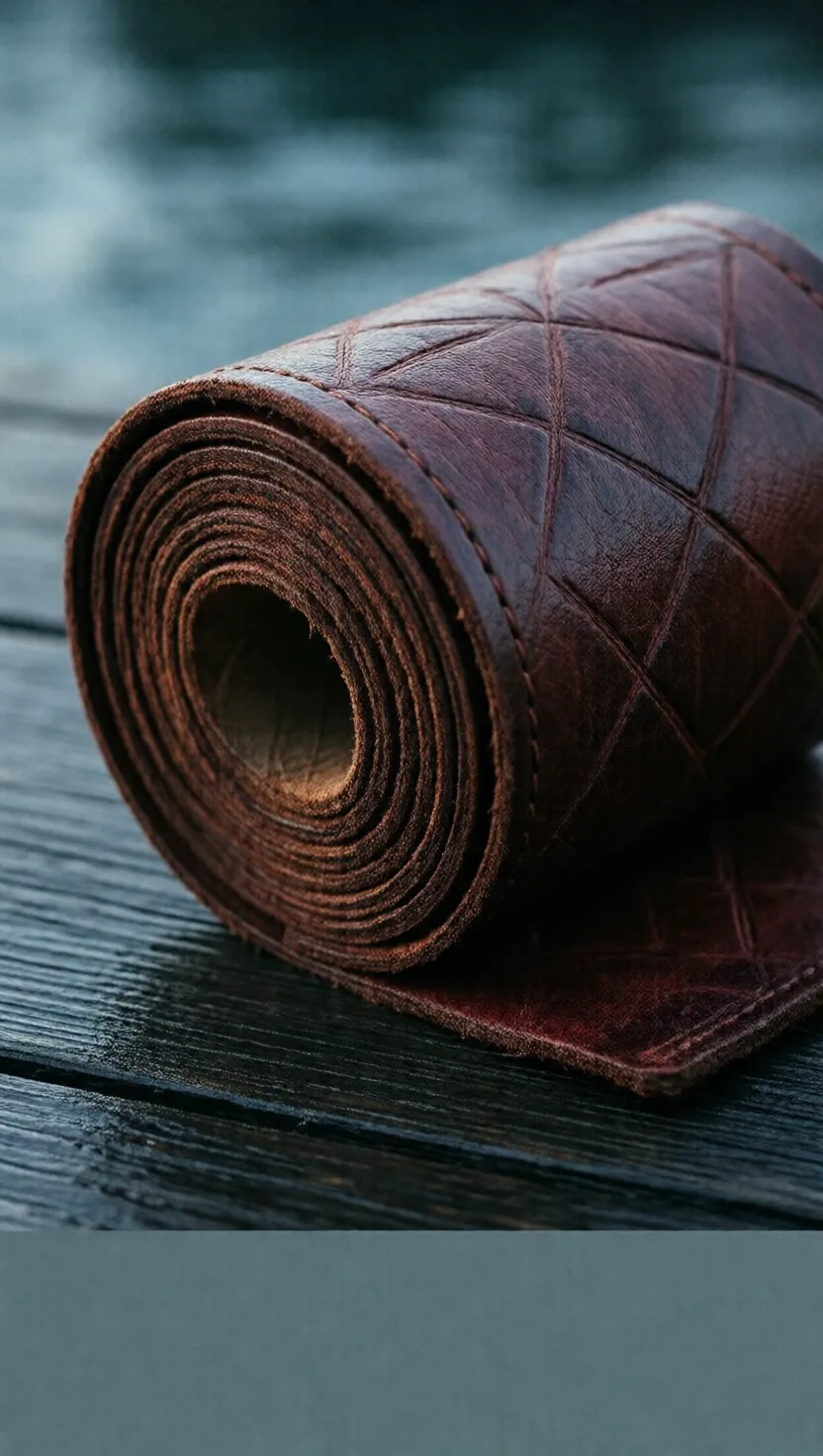
In 1786 the ship Die Frau Metta Catharina went down off Plymouth carrying bundles of Russian reindeer hide, tanned with willow bark and dressed with aromatic birch-tar oil. Divers found the wreck in 1973, and the leather had survived nearly two centuries in cold seabed mud — its birch oil had kept water, rot and worms at bay. Craftsmen still buy the salvaged hides today to make shoes and bags from leather older than most nations' constitutions.
One chemical cut tanning from a year to a day

One chemical cut tanning from a year to a day

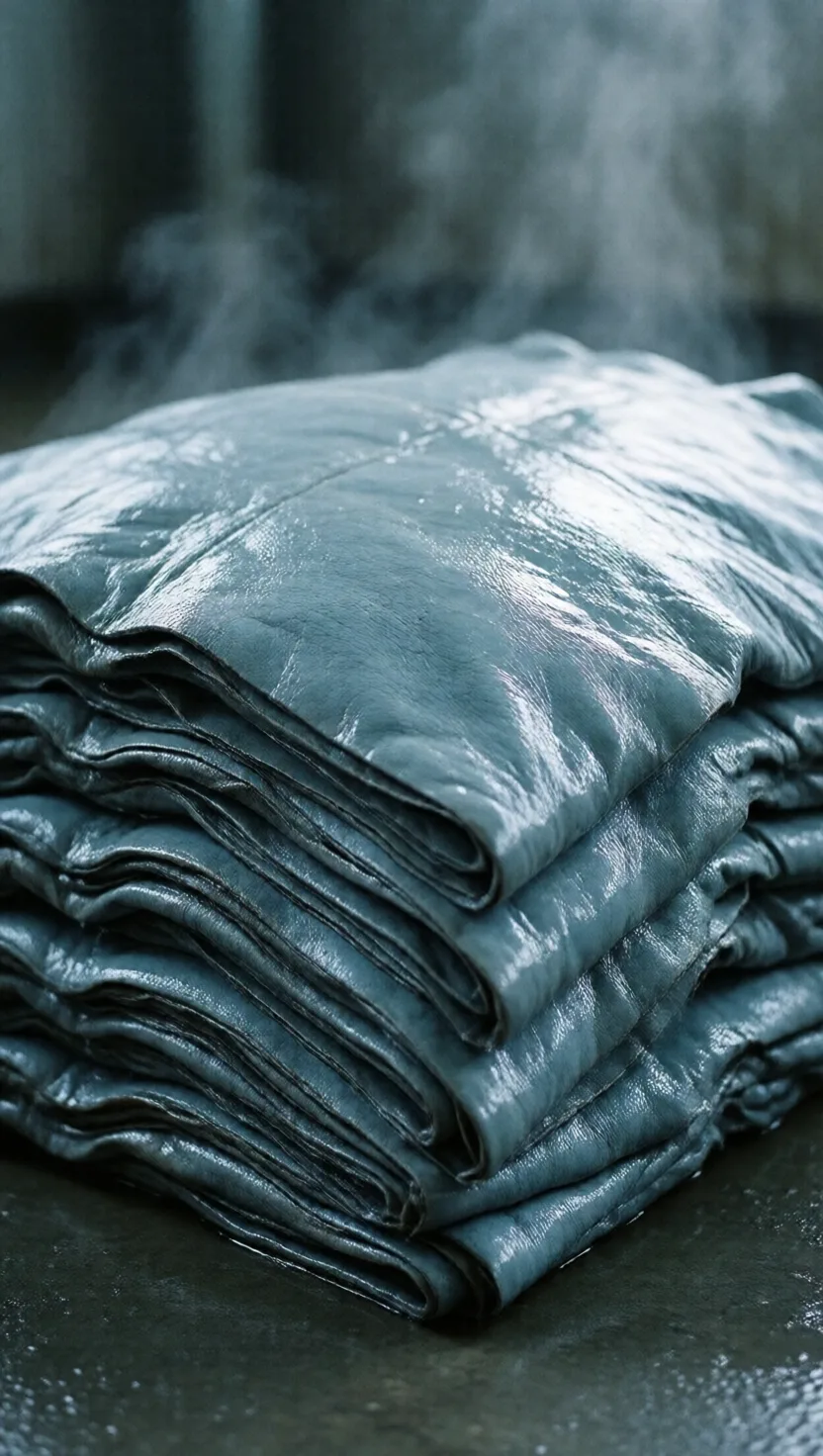
For millennia leather meant months of bark and patience. Then in 1858 came chrome tanning: soak hides in chromium salts and the same fibre-locking that once took a year happens in roughly a day. Chrome-tanned hides emerge a pale blue-grey — 'wet blue' — soft, supple and water-resistant, and the speed reshaped the whole trade. Around 85% of the world's leather is now made this way; the slow bark pits survive only for the firmest goods.
The leather on fine books is sumac-tanned goat

The leather on fine books is sumac-tanned goat

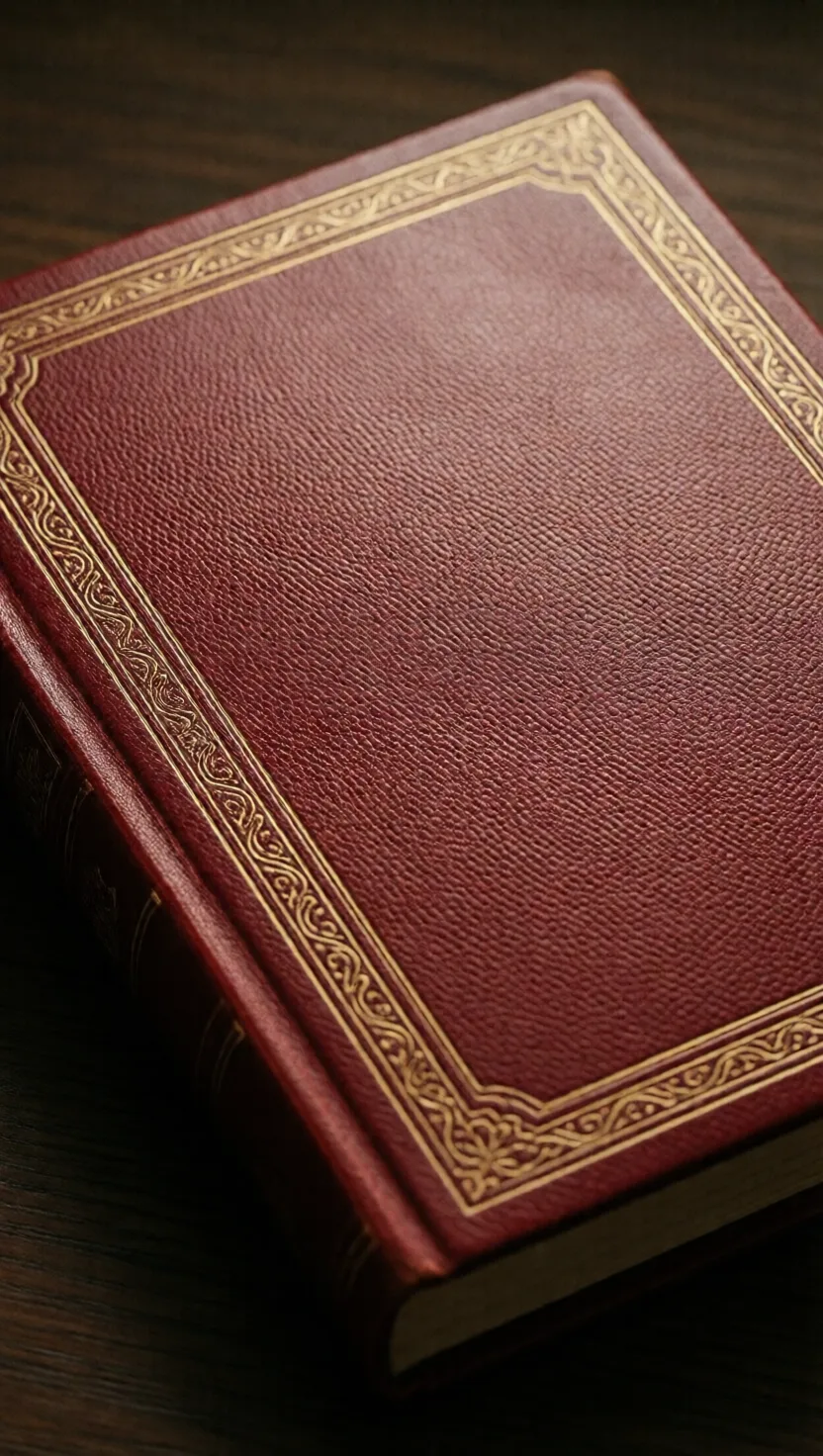
The supple, beautifully pebbled leather on old gilt-edged books is Morocco — goatskin tanned not with bark but with sumac leaves, which keep it pale and eager to take bright dye. Goat hide has a tight, knotted grain that survives folding over a spine for centuries and sets off gold tooling like little else. The finest binders sourced their skins from the Hausa cities of northern Nigeria and from Anatolia, and 'full morocco' still names the best binding.
tap →swipe ↑ for depthswipe ↓ to exit