Eight things hidden inside the hive

DC·45 Deep Cuts
Wax costs a bee eight times its weight in honey

Wax costs a bee eight times its weight in honey

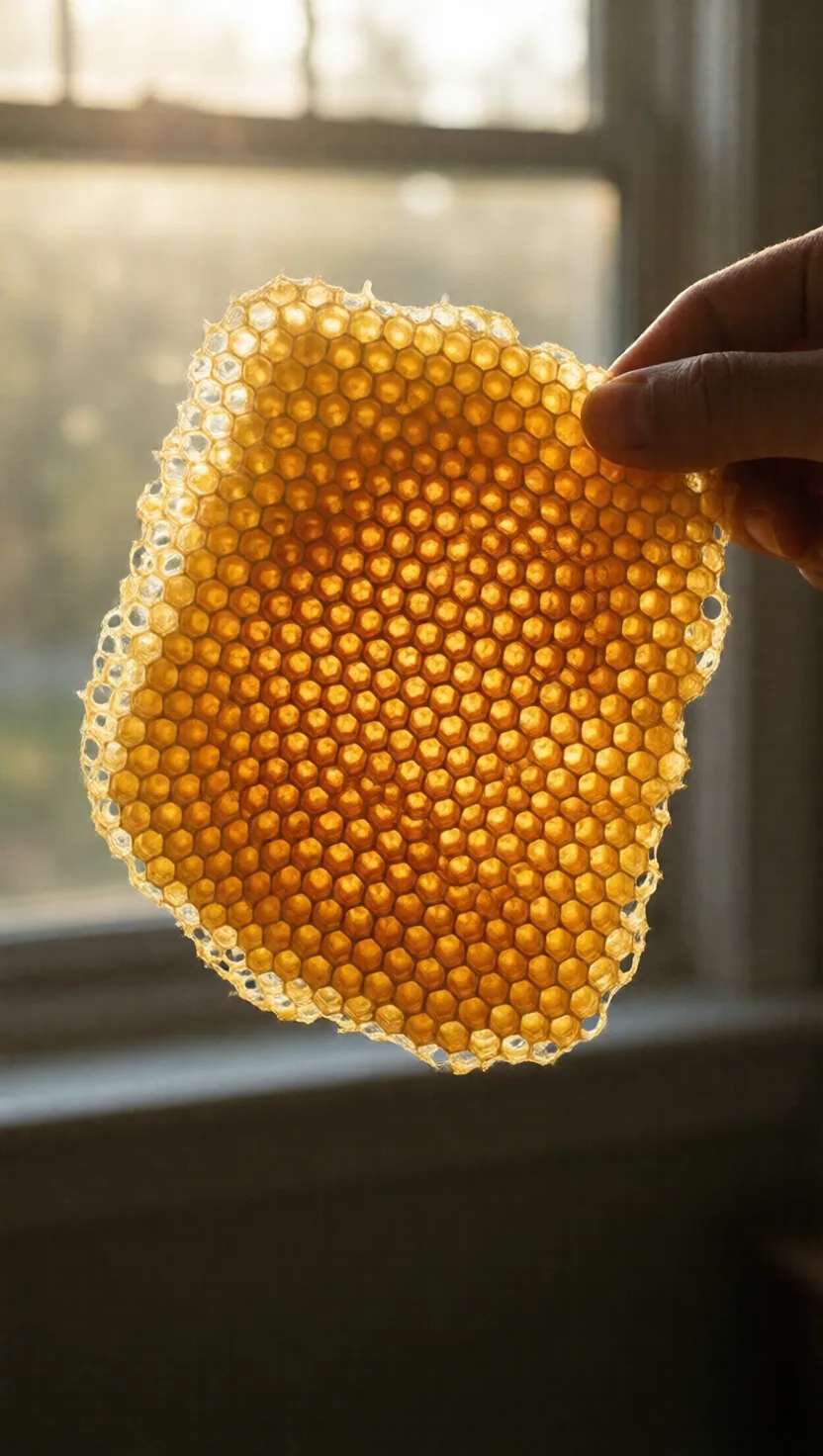
To sweat out a single flake of wax, a young worker first has to eat honey — and it takes roughly eight pounds of honey, burned as fuel, to build one pound of beeswax. The flakes ooze from glands on the underside of her belly, each no bigger than a pinhead, and she chews them soft before pressing them into comb. A whole colony's labour goes into the pale scaffolding before a single drop of honey is ever stored.
Bees build round cells — physics makes them hexagons

Bees build round cells — physics makes them hexagons

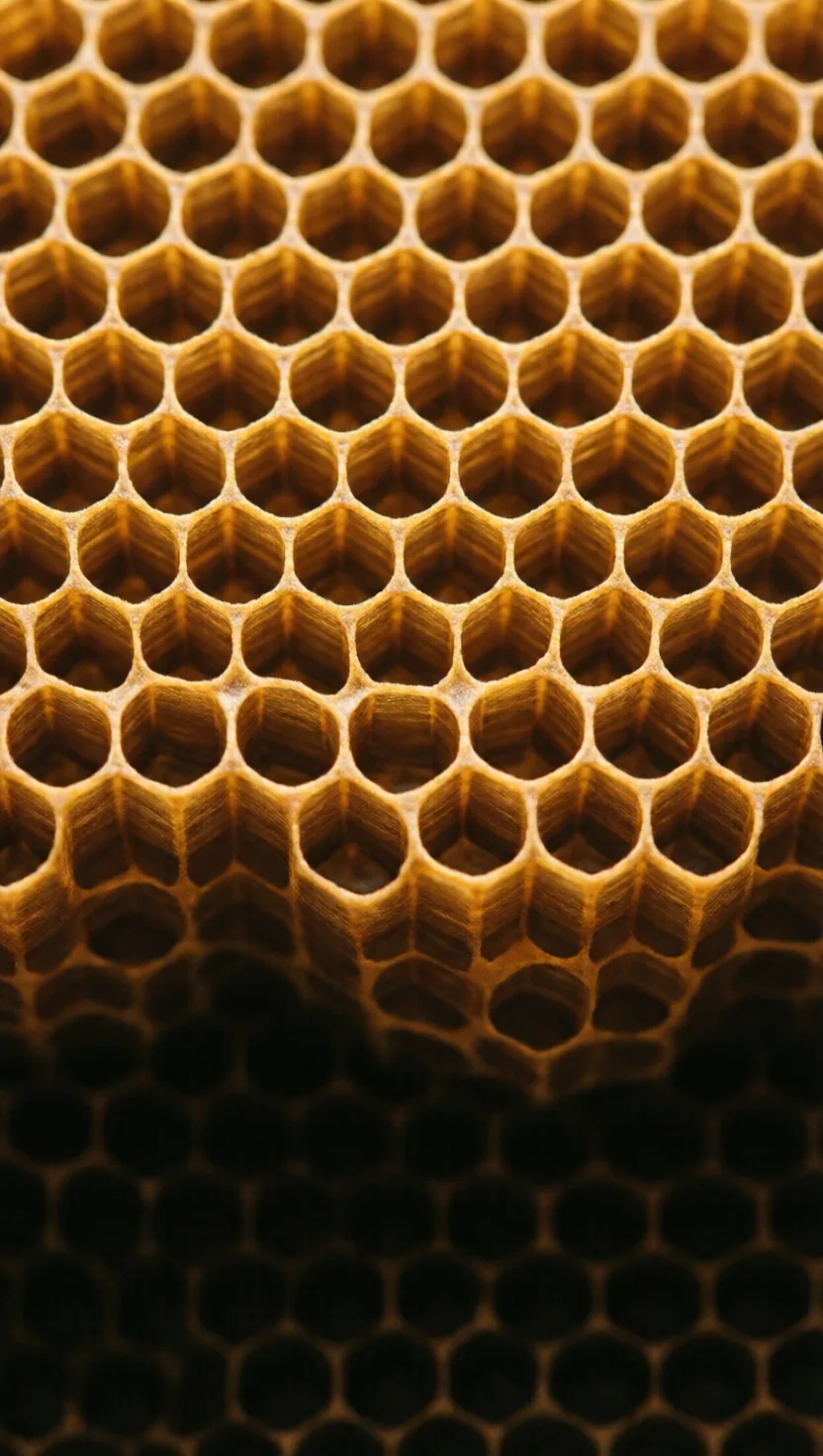
Look at a comb just begun and the cells are round, not six-sided. Bees build circular tubes using their own bodies as the template, packed side by side. Then their muscles keep the wax near 40°C, soft and flowing, and where three walls meet, surface tension pulls them into neat 120° junctions. The circles settle into a honeycomb of rounded hexagons — the shape that walls off the most space with the least wax.
Honey makes its own slow trickle of peroxide

Honey makes its own slow trickle of peroxide

Bees fold an enzyme called glucose oxidase into raw honey. Sealed and thick, it does little, but the moment honey is diluted — on a wound, in a wet cell — the enzyme wakes and turns glucose into gluconic acid and a slow drip of hydrogen peroxide, the same antiseptic sold in brown bottles. Add honey's acidity (pH around 3.2–4.5) and its sugar-thirst for water, and few microbes survive. Surgeons still dress wounds with medical-grade honey.
One honey grows from flowers that poison it

One honey grows from flowers that poison it

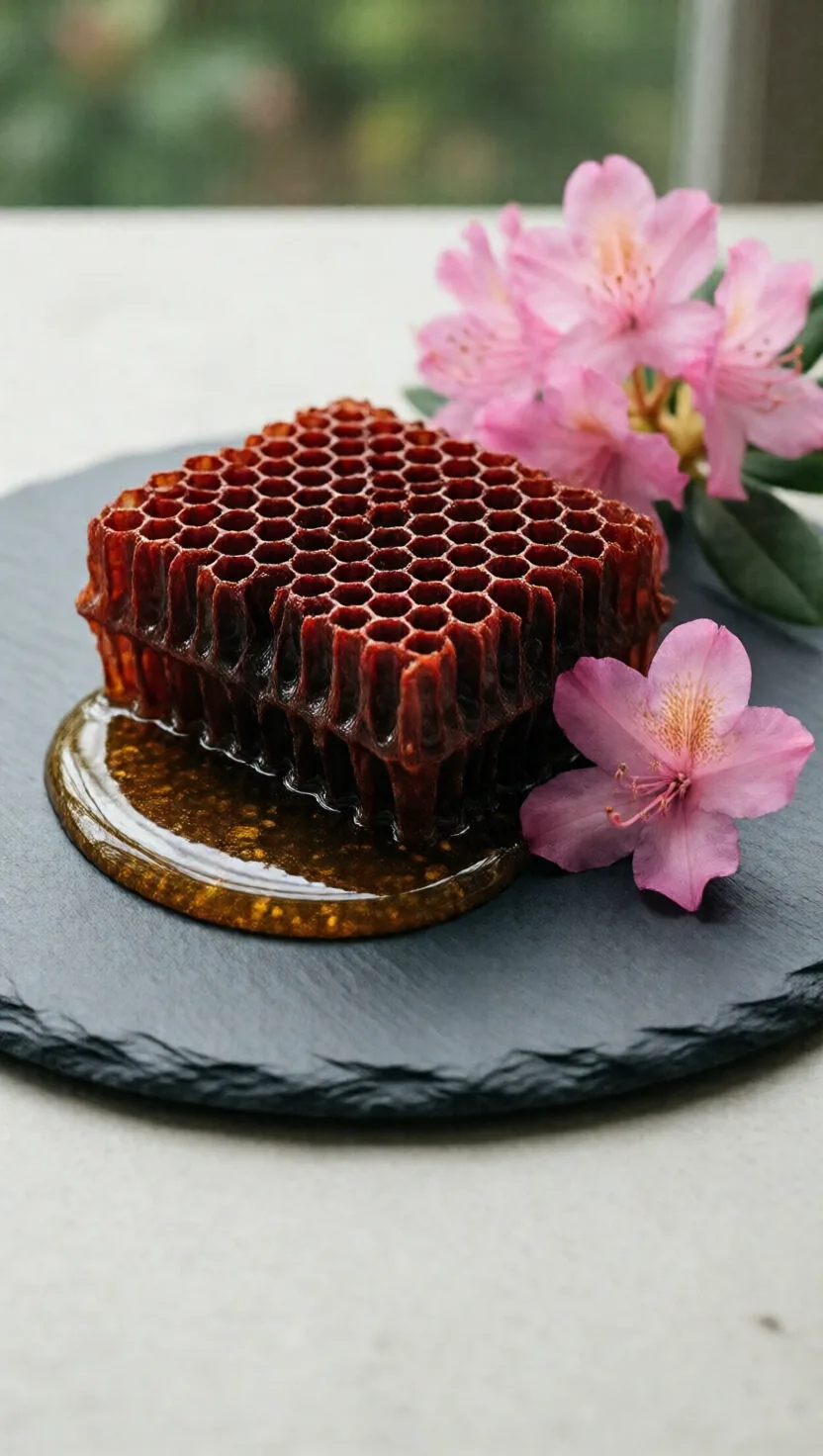
Where rhododendrons blanket the hills around the Black Sea, bees gather a nectar laced with grayanotoxins, and the honey — Turkish 'deli bal,' mad honey — turns reddish and dangerous. A spoonful brings tingling, dizziness and a crawling, slowed heartbeat. In 401 BCE Xenophon watched thousands of Greek soldiers eat it near Trabzon and collapse like drunk men, recovering only the next day. It is still scraped from cliffside hives and sold by the spoon.
A hive holds 35°C with no thermostat

A hive holds 35°C with no thermostat

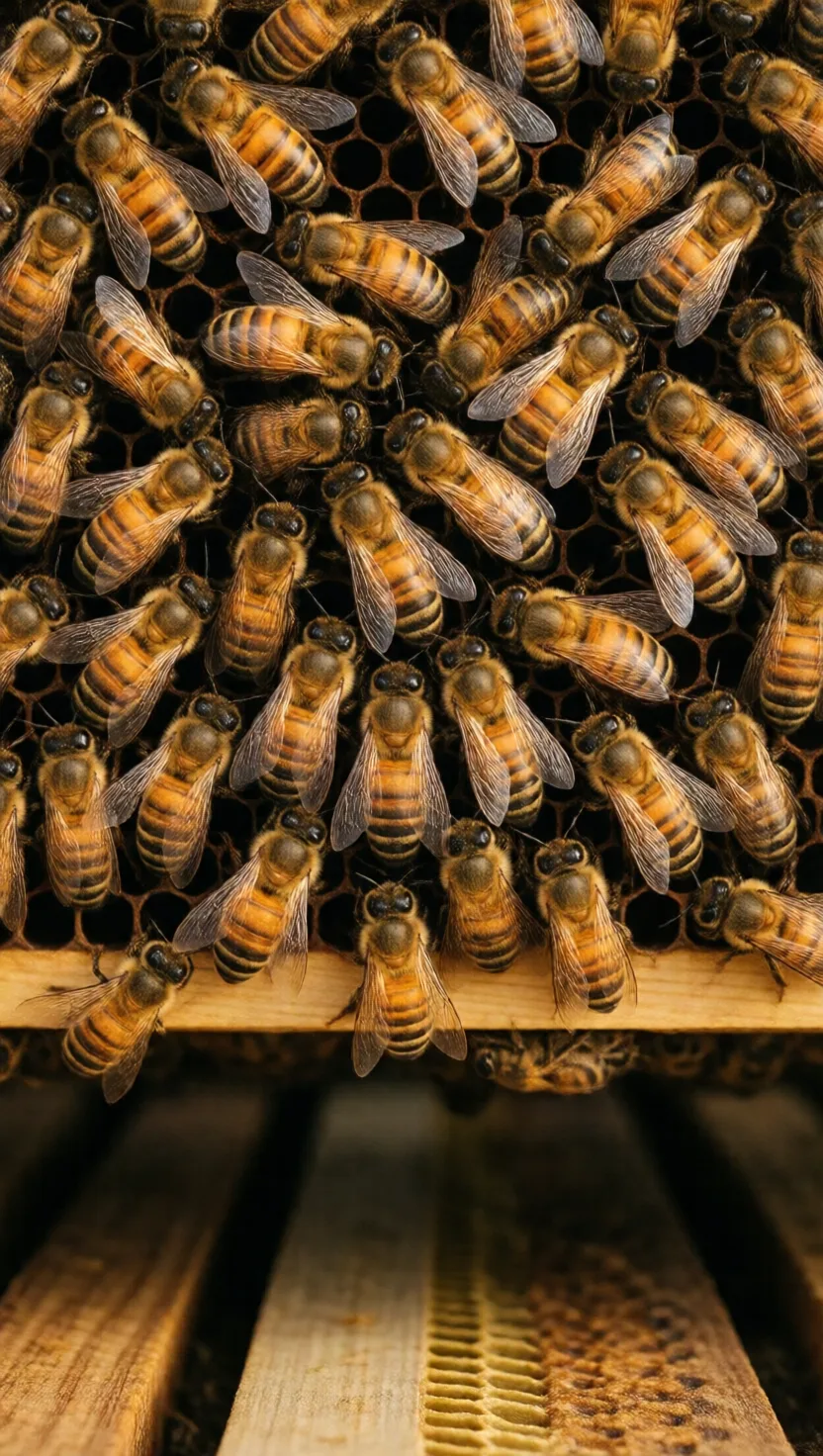
A bee colony keeps its nursery at a steady 35°C year-round, and no single bee is in charge. When it cools, 'heater bees' unhook their wings and shiver their flight muscles to glow with warmth against the brood. When it heats, others fetch droplets of water, smear them through the comb and fan their wings until evaporation cools the air. Each bee simply reacts to the temperature on her own antennae — and the crowd holds the line.
Same larva: queen or worker, set by diet alone

Same larva: queen or worker, set by diet alone

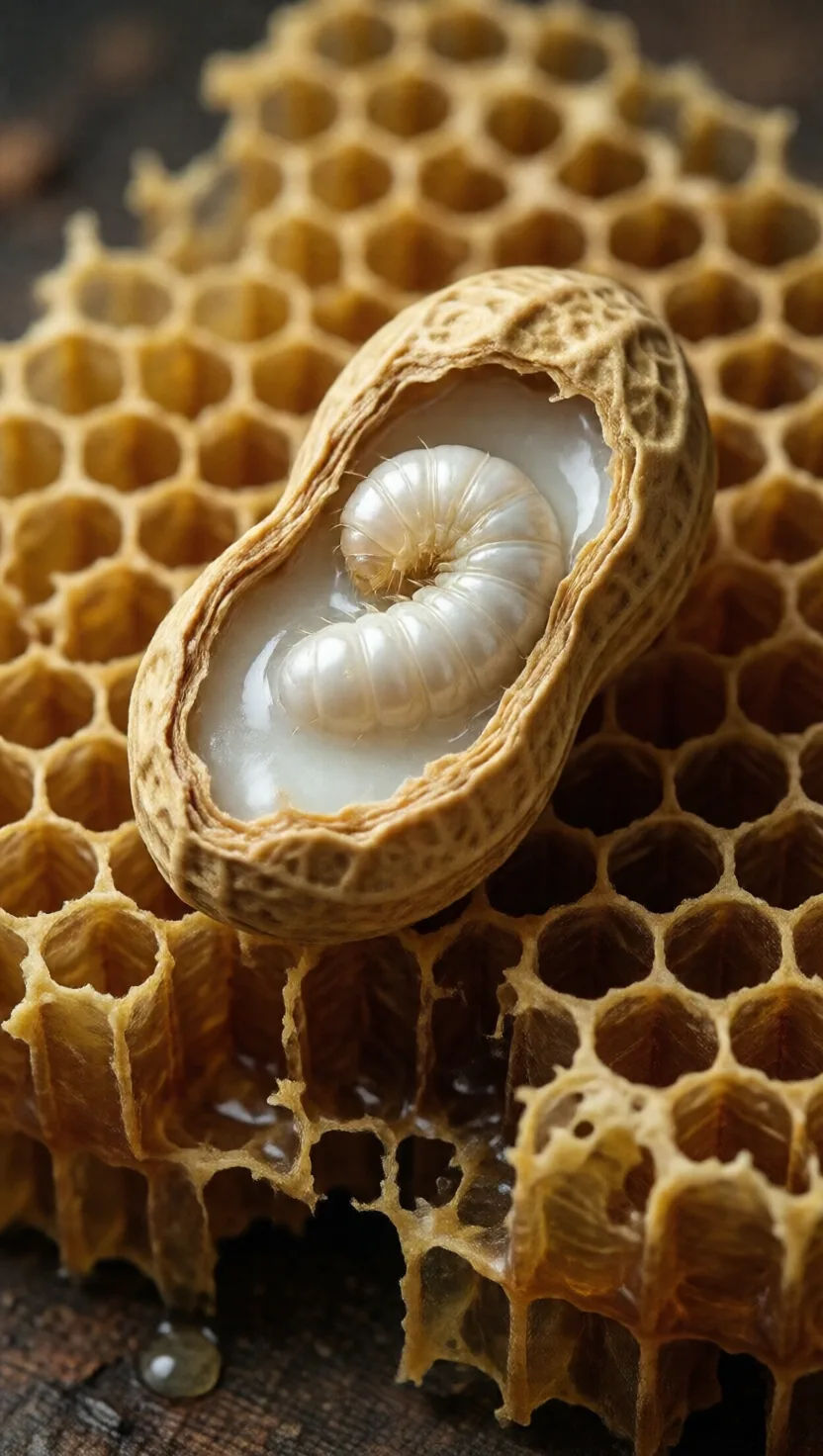
Two female larvae can carry identical genes and become utterly different bees. Feed one ordinary worker jelly and she grows into a small, sterile worker living weeks. Flood the other with royal jelly and she becomes a long-lived queen with working ovaries, twice the size. The jelly works by stripping chemical tags off her DNA — lowering methylation so queen genes switch on. Nothing in the code changes; only which lines are read.
Bees mummify the mouse they can't carry out

Bees mummify the mouse they can't carry out

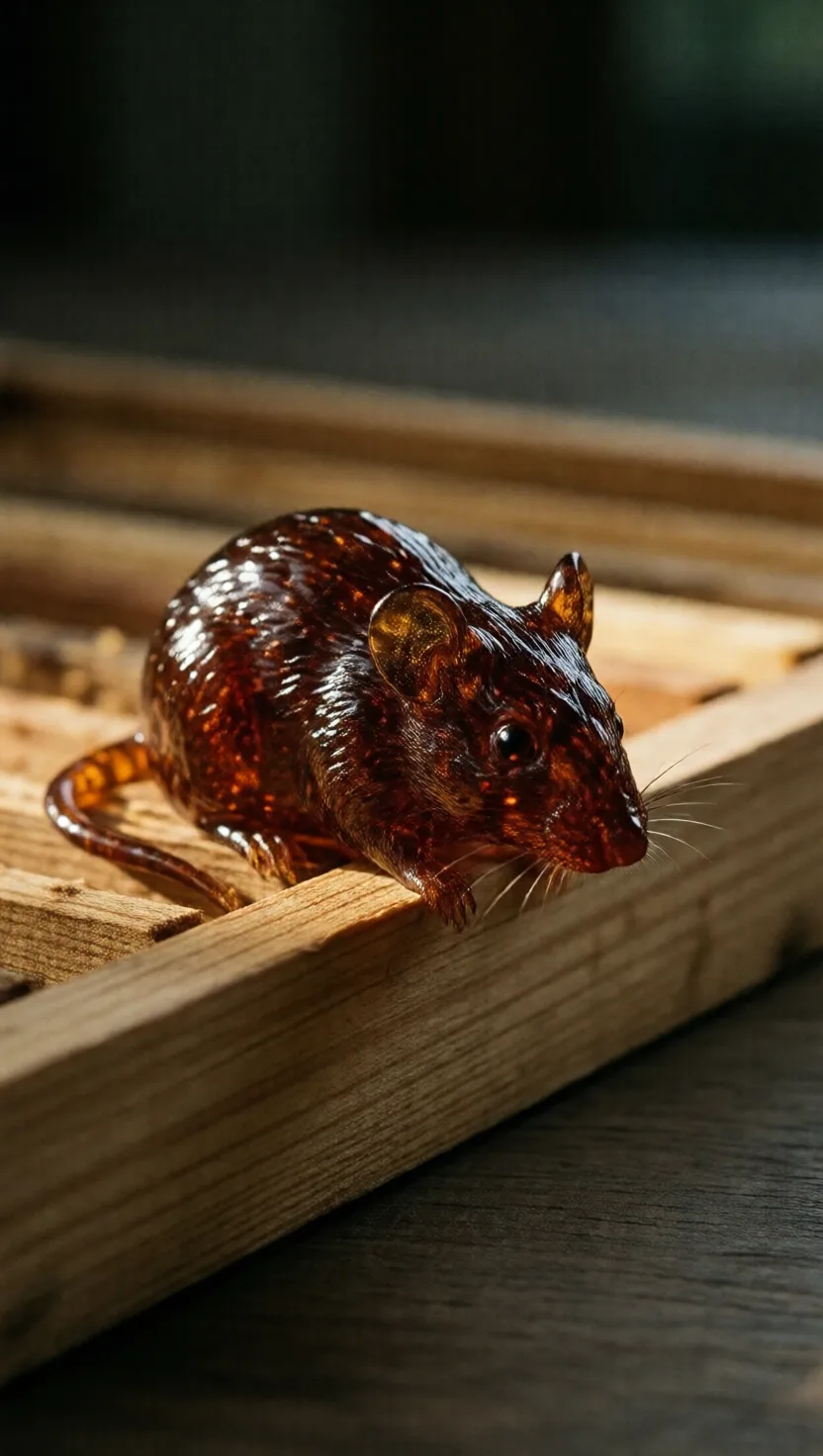
When a mouse creeps into a hive and the bees sting it dead, they face a body far too heavy to drag outside. So they embalm it. Working in layers, they coat the corpse in propolis — a resin scraped from tree buds, antimicrobial and airtight — until it is sealed in a hard, varnished shell. The mouse never rots and never fouls the colony; it simply becomes a lacquered statue set into the wall, intact for years.
A bee's whole life makes 1/12 of a teaspoon

A bee's whole life makes 1/12 of a teaspoon

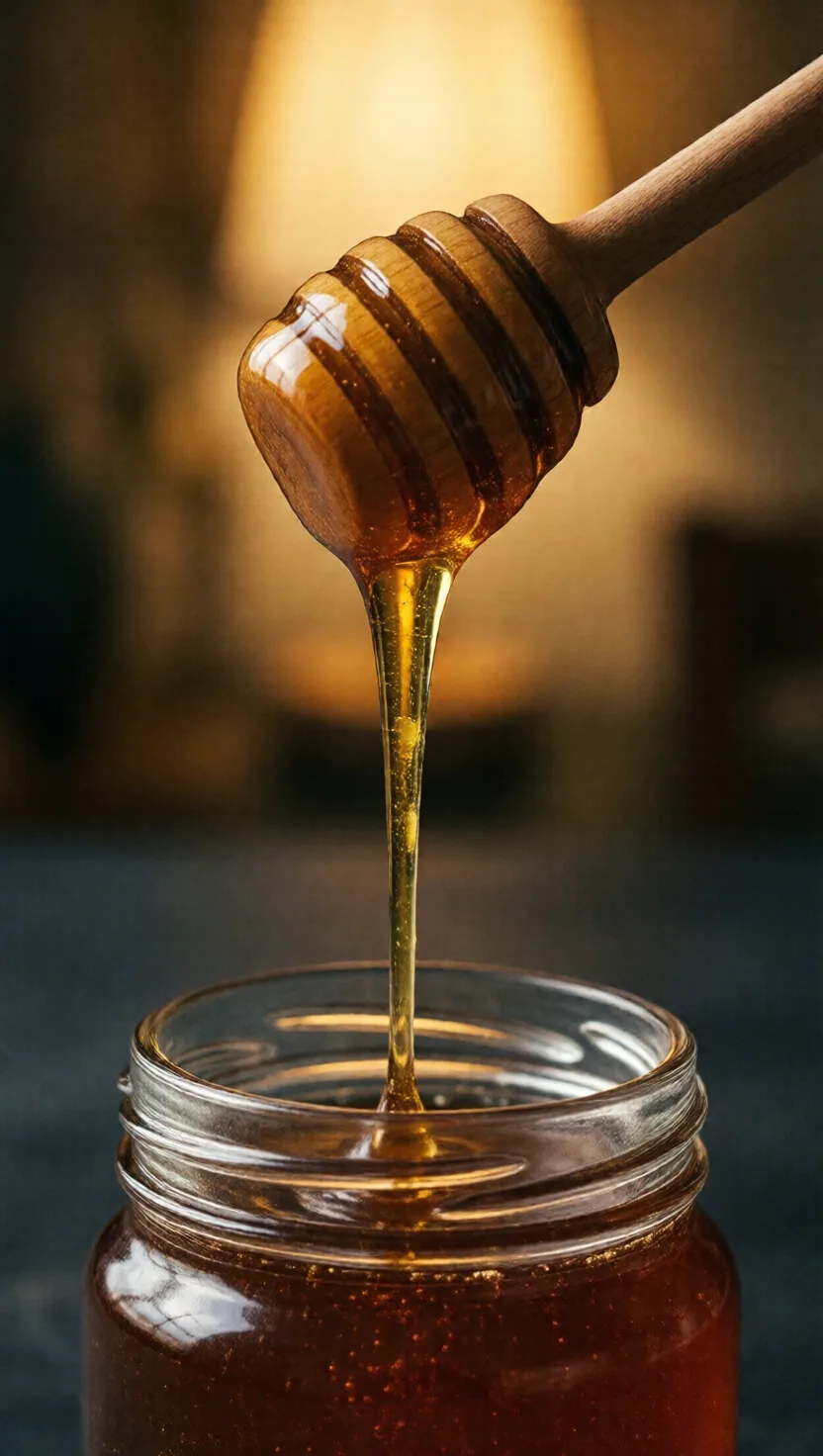
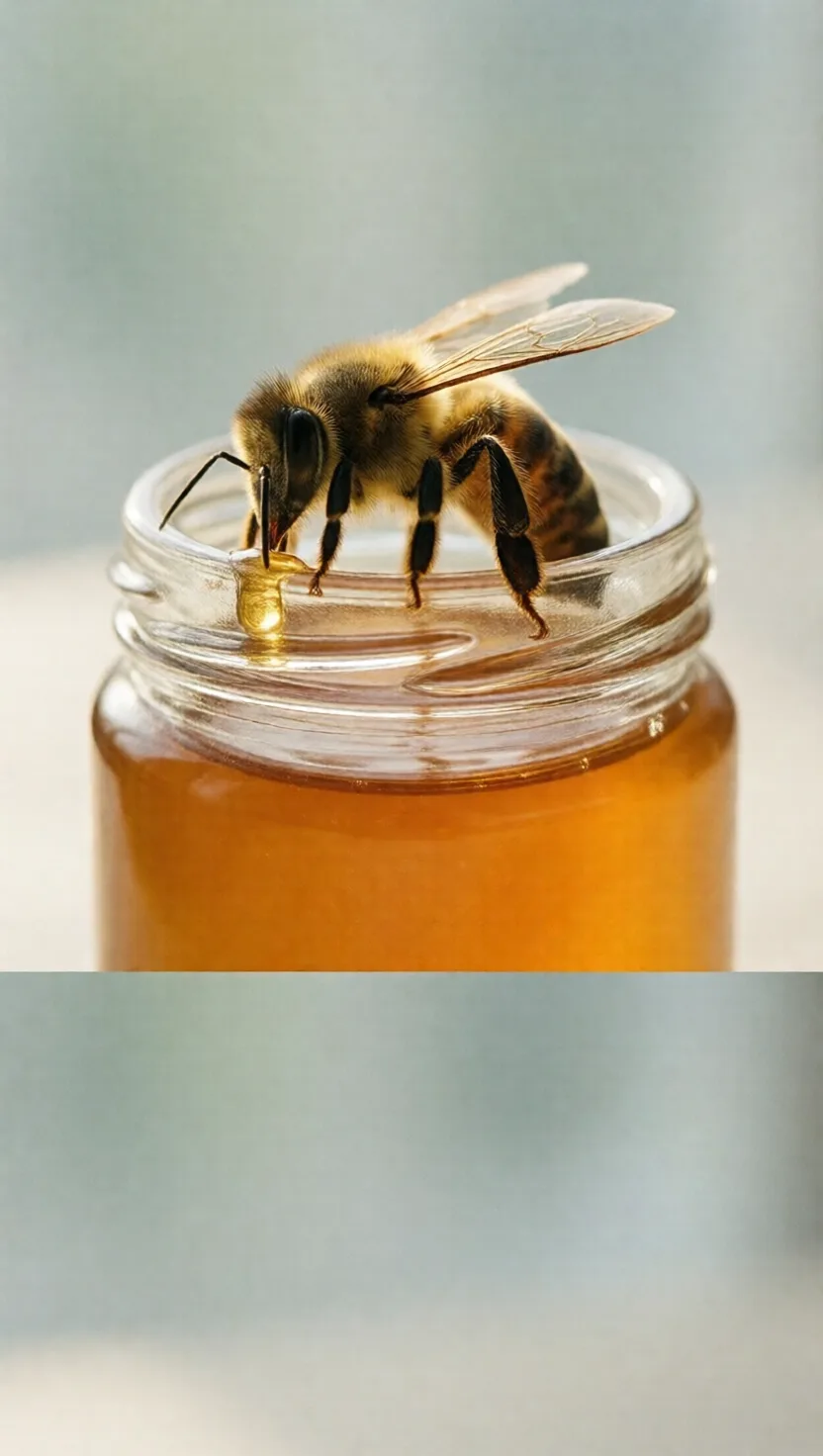
Tot up everything a single worker gathers across her short foraging life and it comes to about one-twelfth of a teaspoon of honey — barely a glistening bead. Fill a one-pound jar and you are holding the flight of a colony to roughly two million flowers and more than 55,000 miles of wing-work, twice the distance around the planet. Every spoonful is the savings of thousands of lives.
tap →swipe ↑ for depthswipe ↓ to exit