Eight things rope and knots quietly know

DC·42 Deep Cuts
Three rope wraps cut the pull to a thousandth

Three rope wraps cut the pull to a thousandth

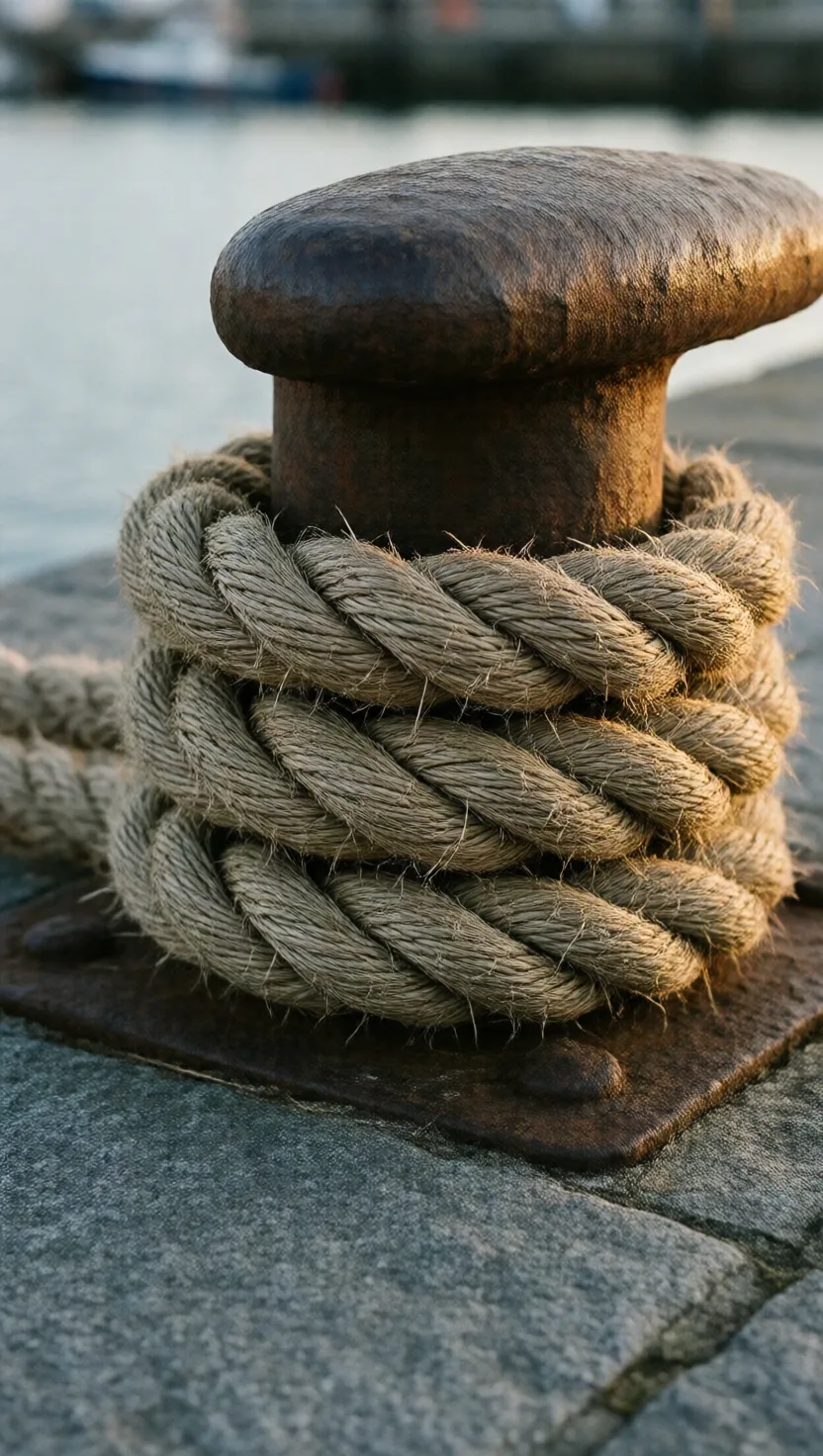
A line around a post obeys the capstan equation: the holding force rises exponentially with the wrap angle. With ordinary friction a single turn around a bollard cuts the force you must hold to roughly a tenth, two turns to a hundredth, three turns to about a thousandth. That is why a dockworker can check a ship's strain with a few lazy turns and one hand, and why sheets are rarely wound more than three times around a winch.
A parting mooring line whips back near 800 km/h

A parting mooring line whips back near 800 km/h

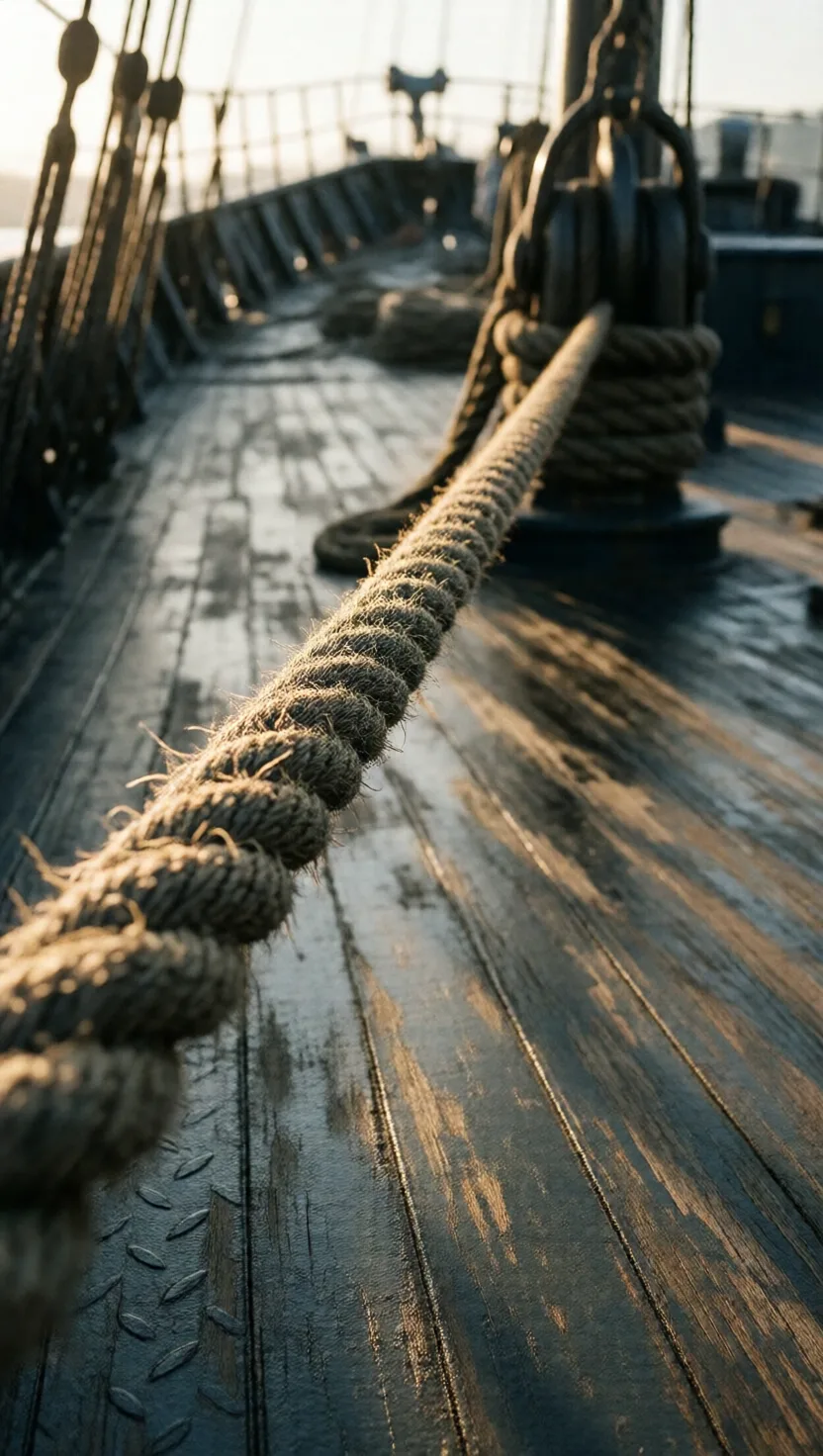
A stretched synthetic mooring line stores enormous elastic energy; nylon and polyester lengthen far more than steel, so they hold more. When a line parts, that energy releases at once and the rope snaps back toward its fixings at speeds reported up to about 800 km/h, far faster than anyone can dodge. Marine insurers attribute roughly 53% of mooring accidents to this snapback, with about one in seven proving fatal. Hence the painted snapback zones on working decks.
A knot costs half your rope's strength; a splice none

A knot costs half your rope's strength; a splice none

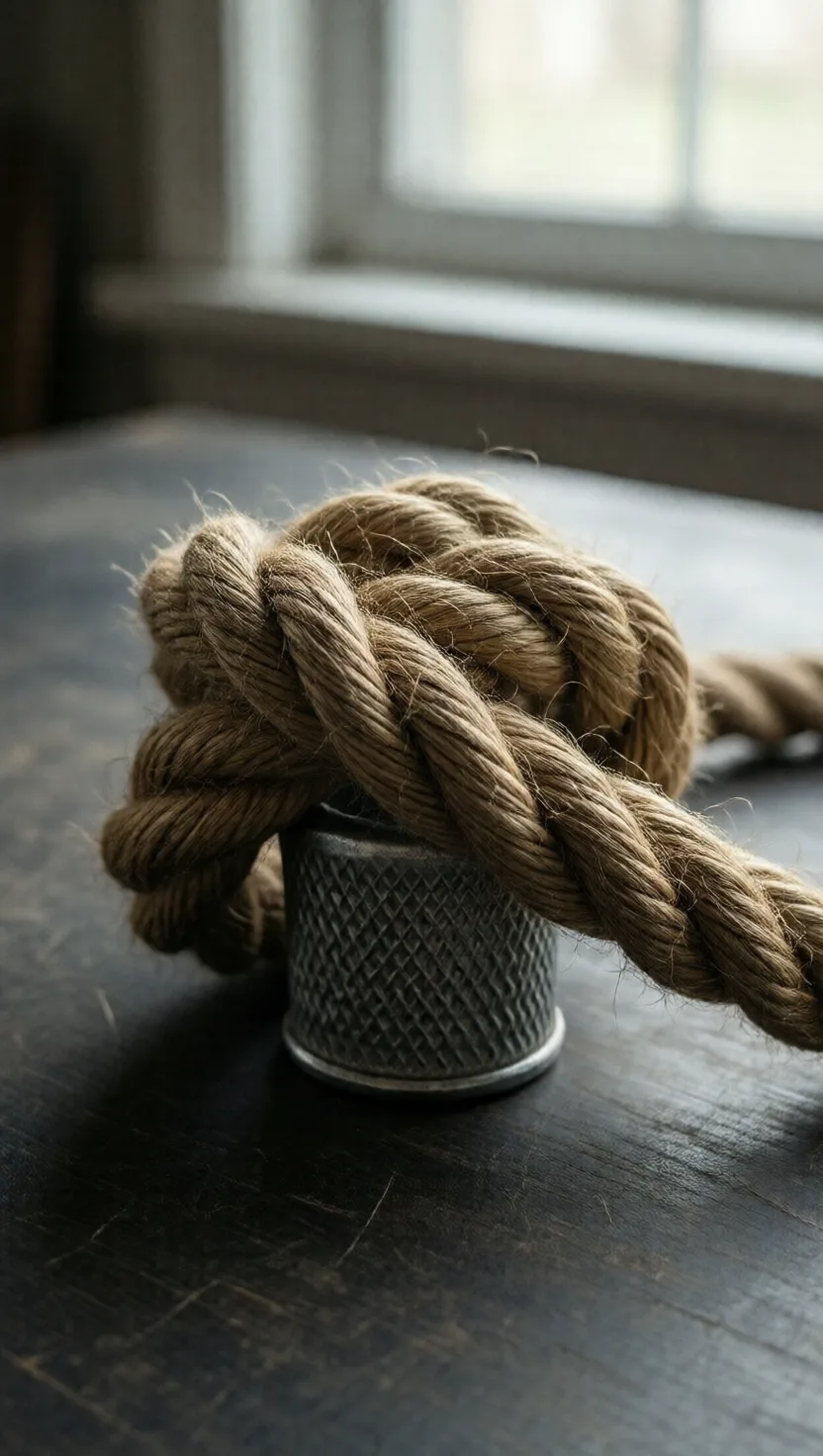
Bending a rope into a knot crushes and unevenly loads the fibers at the curve, so most knots leave a typical nylon or polyester line holding only about 50% of its rated strength. A splice instead weaves the strands back into the rope's own lay, spreading the load gradually; a well-made eye splice keeps roughly 90 to 95% of full strength. That is why rigging that really matters is spliced, not knotted.
Rope holds because every layer twists the other way

Rope holds because every layer twists the other way

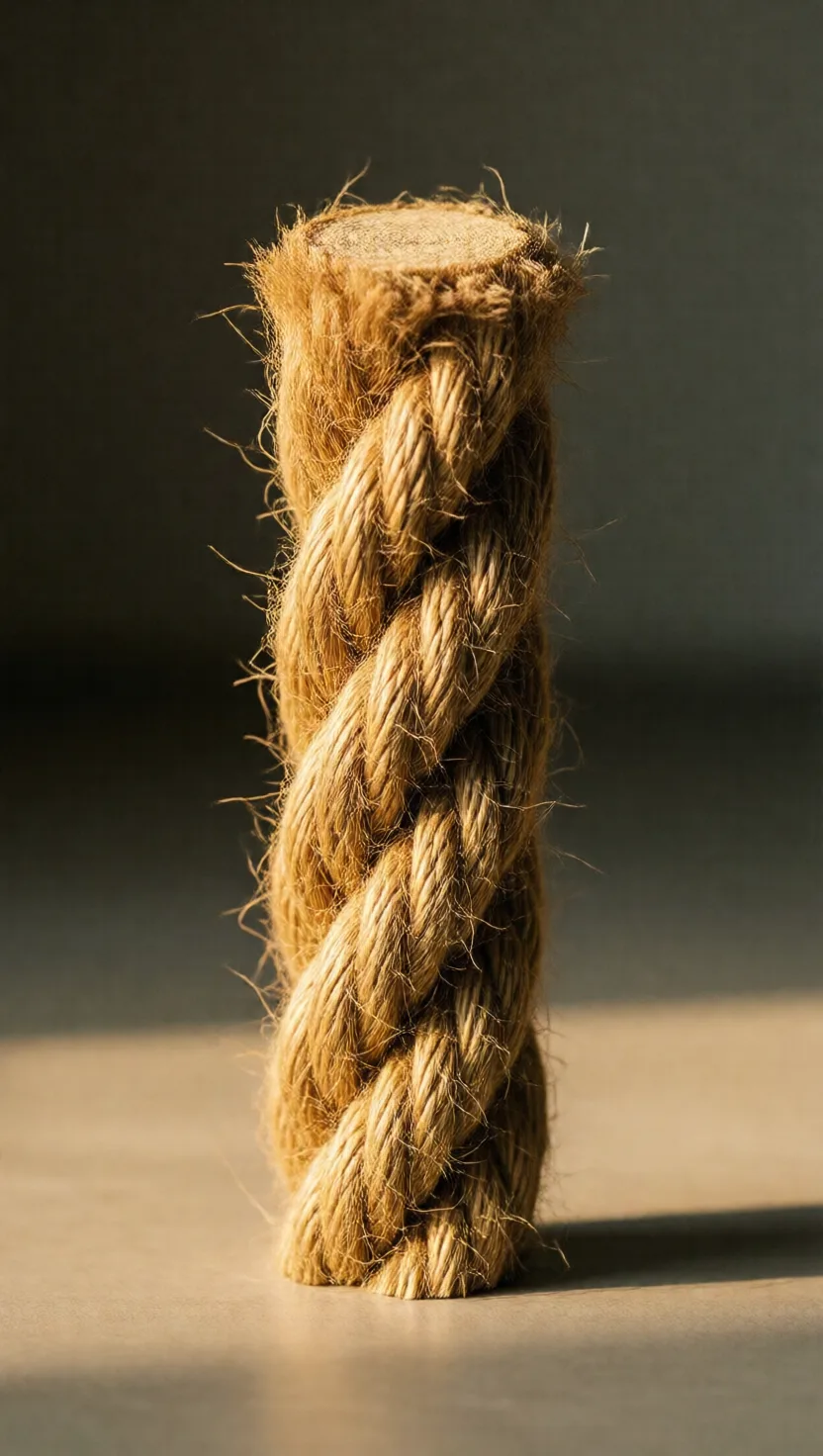
A traditional laid rope is built from opposing twists. Fibers are spun one way into yarns, the yarns twisted the opposite way into strands, and the strands laid up the opposite way again into rope. Each layer constantly tries to untwist, and because the neighbouring layer winds against it, those forces lock instead of releasing. This counter-twist, not glue or stitching, is the only thing keeping a three-strand hawser a single stable object.
"Manila hemp" is banana, with no hemp in it

"Manila hemp" is banana, with no hemp in it

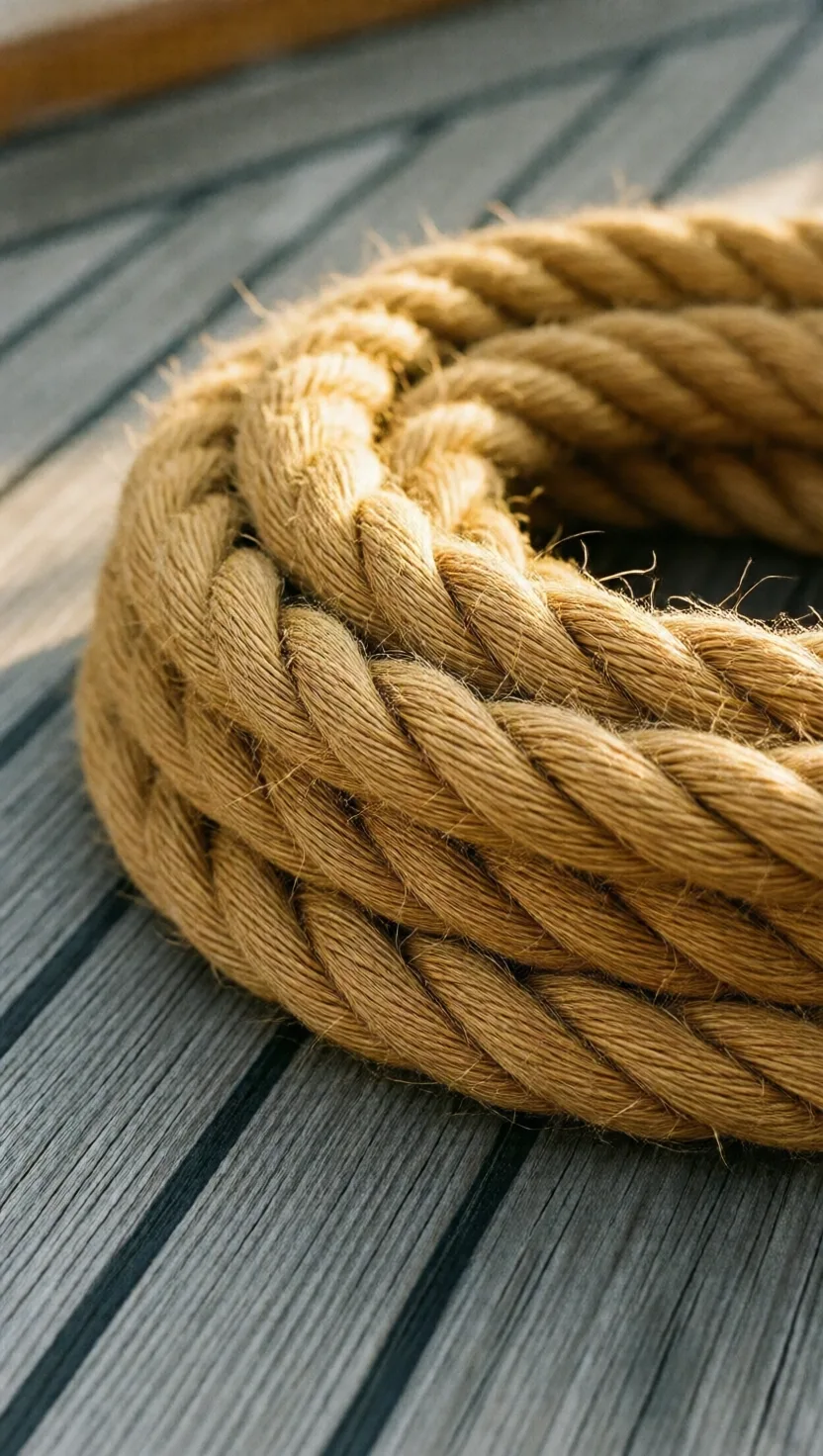
Manila rope is not hemp at all. Its fiber comes from abaca, a banana relative native to the Philippines, stripped from the plant's leaf stalks. The hemp name is only a trade nickname from the era when hemp meant rope. Abaca is prized at sea because it resists salt water and floats; a one-inch manila rope can take around 4 metric tons before breaking, which kept it standard ship's cordage for generations.
The oldest known string was twisted by Neanderthals

The oldest known string was twisted by Neanderthals

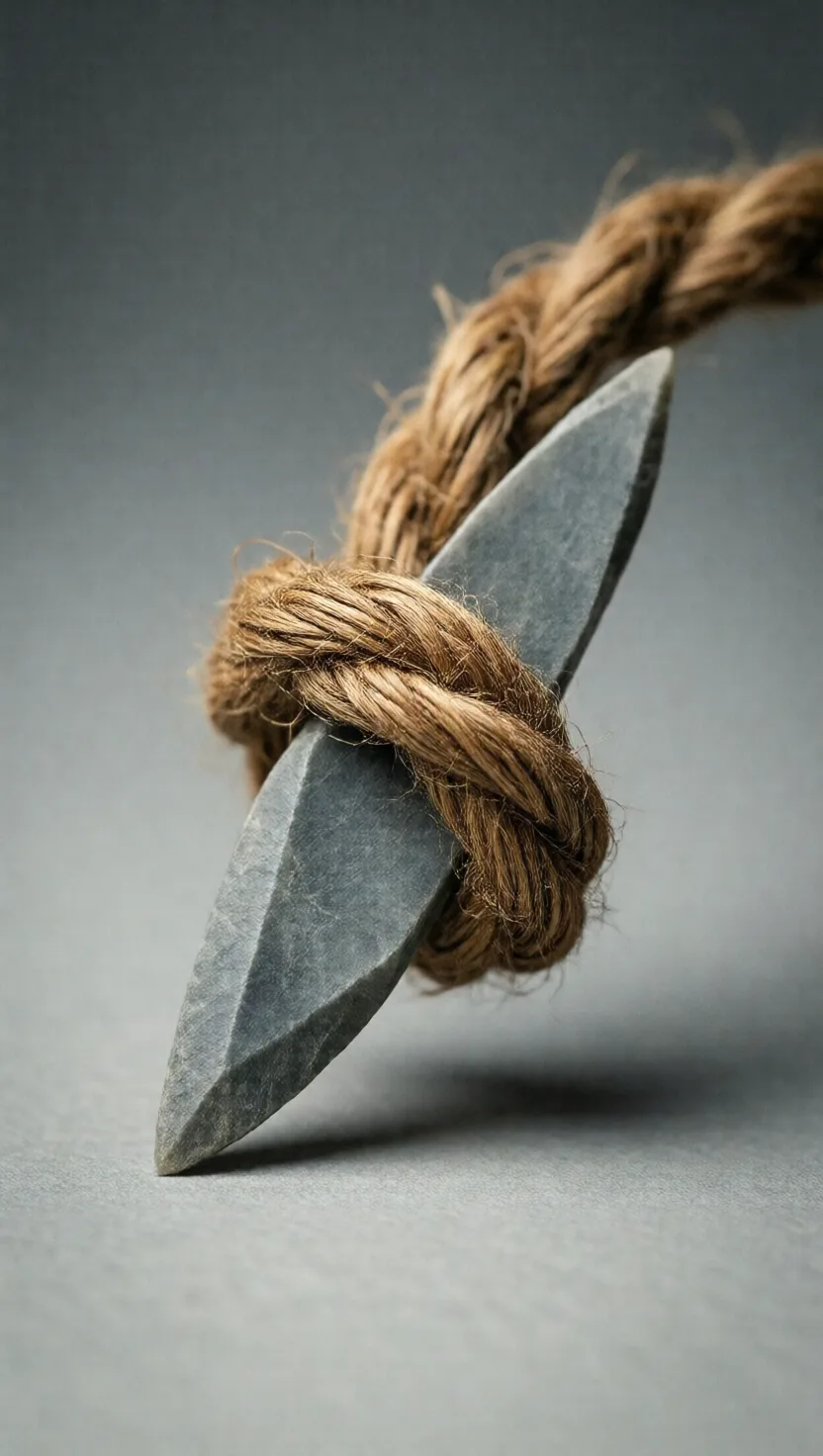
On a stone flake from Abri du Maras in France lies the oldest direct evidence of cordage: a fragment about 6.2 mm long, dated to roughly 41,000 to 52,000 years ago. Under the microscope it is three bundles of conifer inner-bark fibers, each spun with one twist, then plied together the opposite way into a true 3-ply cord. Making it demanded the same counter-twist trick used in rope today, hinting Neanderthals grasped that structure long before us.
Prisoners shredded old rope to caulk the navy's ships

Prisoners shredded old rope to caulk the navy's ships

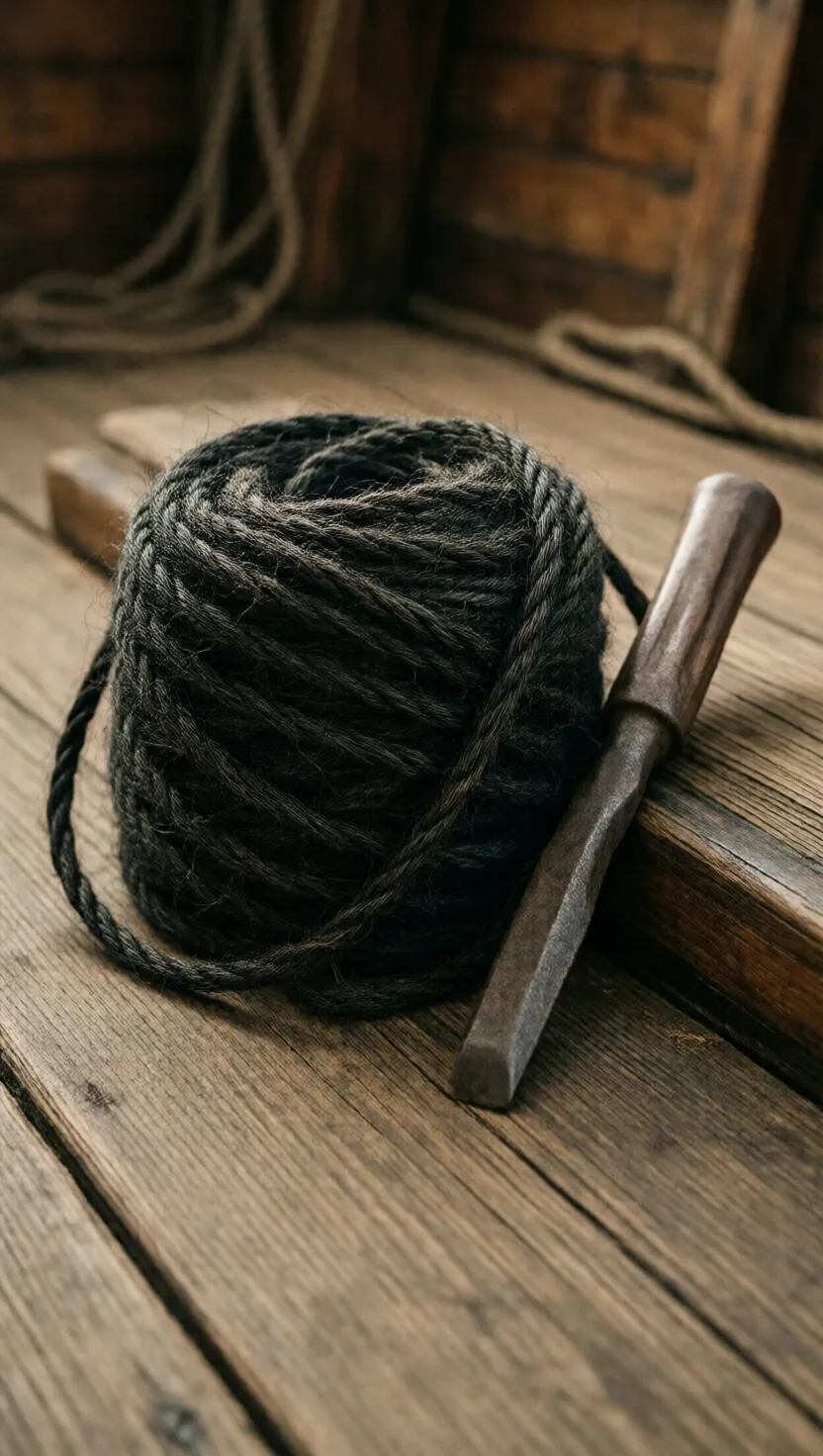
Oakum is loose fiber teased out of worn tar-soaked rope, then driven into the seams between a wooden ship's planks and sealed with pitch to keep the hull watertight. Producing it meant picking oakum, untwisting old rope by hand until fingers bled, which made it a standard hard-labour task in prisons and workhouses. At one London prison in 1862, even children under 16 had a daily quota of one pound, about 450 grams, of picked fiber.
The friendly square knot is a killer for joining ropes

The friendly square knot is a killer for joining ropes

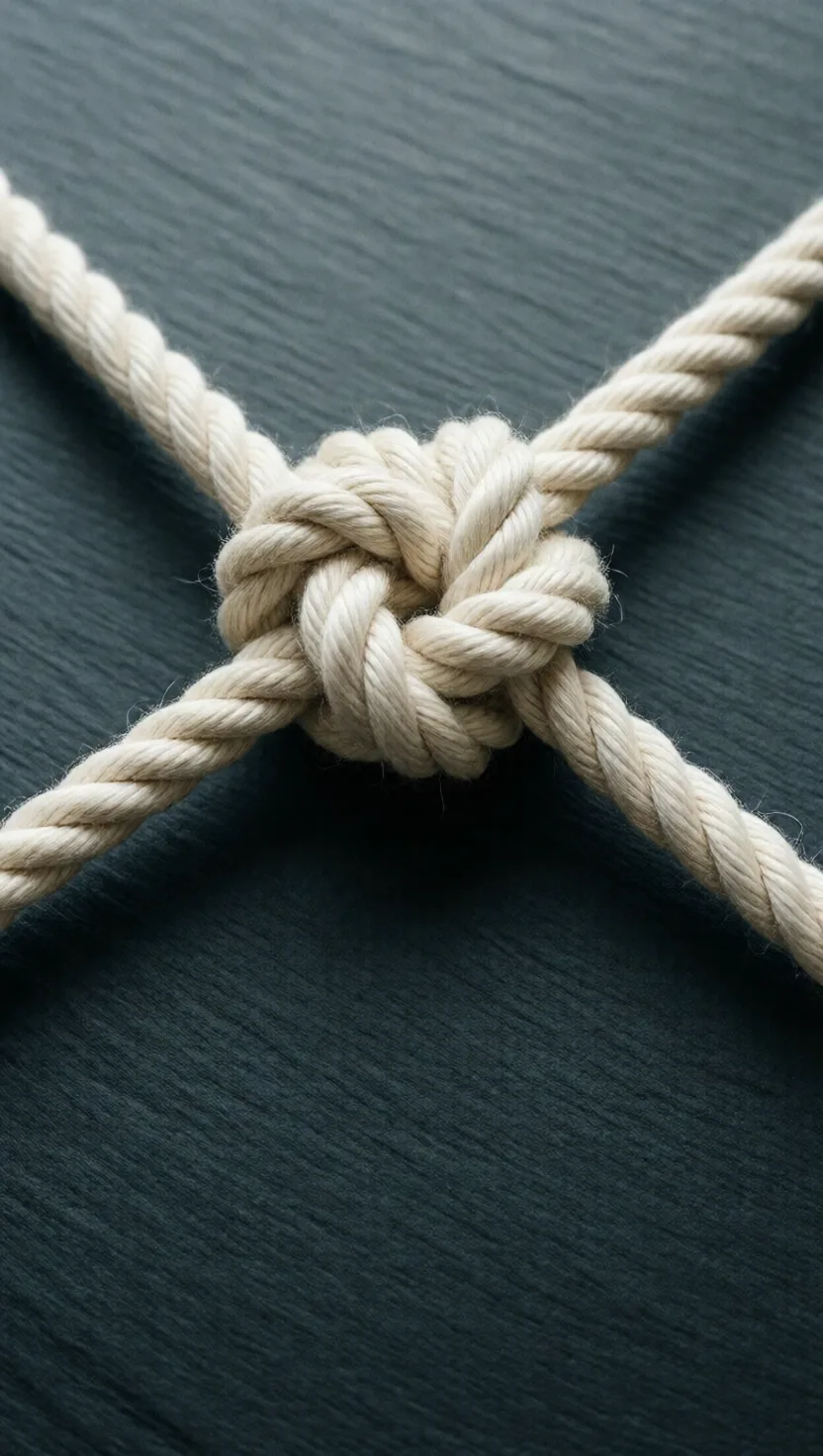
The reef or square knot is a fine binding knot for closing a sail or a bandage, but it is dangerous for tying two ropes together. Under an off-axis pull, or when the two ropes differ in size or stiffness, it capsizes, collapsing into two sliding half-hitches that let the ends run free. The knot authority Clifford Ashley wrote that misused reef knots have caused more deaths than the failure of all other knots combined. For joining lines, a sheet bend is used instead.
tap →swipe ↑ for depthswipe ↓ to exit