Eight things about how we learned to copy the written word.

DC·39 Deep Cuts
The first printing was a stone you rolled

The first printing was a stone you rolled

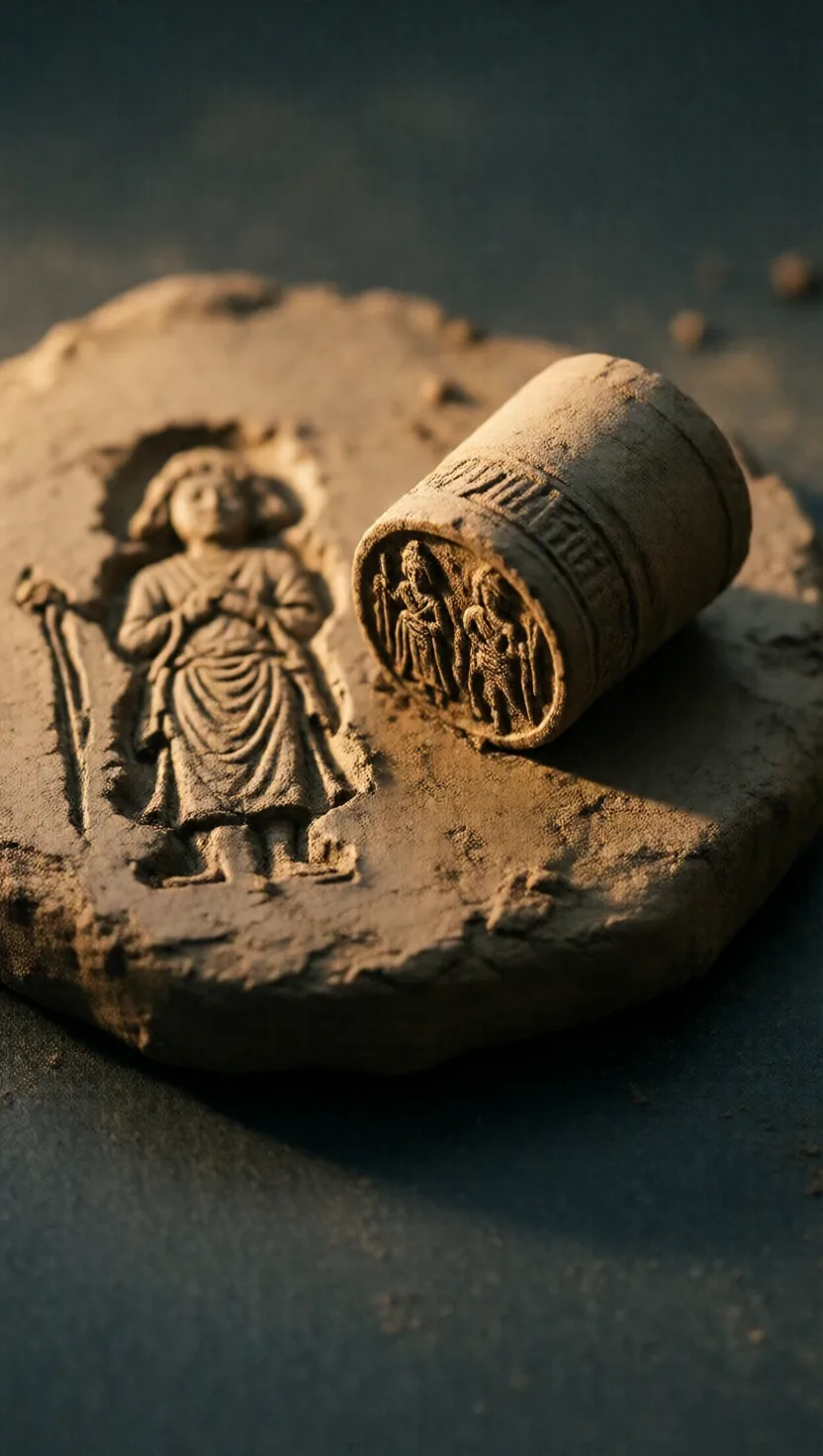
Five thousand years before movable type, Mesopotamians carved a tiny scene into a small stone cylinder, then rolled it across wet clay to leave a continuous frieze. Pressed onto a tablet or onto the clay sealing a jar, it served as a binding signature — proof of who you were. One carving, endlessly repeatable: arguably the earliest machine for copying an image, with the oldest examples dating to around 3400 BC.
The first movable type was baked clay

The first movable type was baked clay

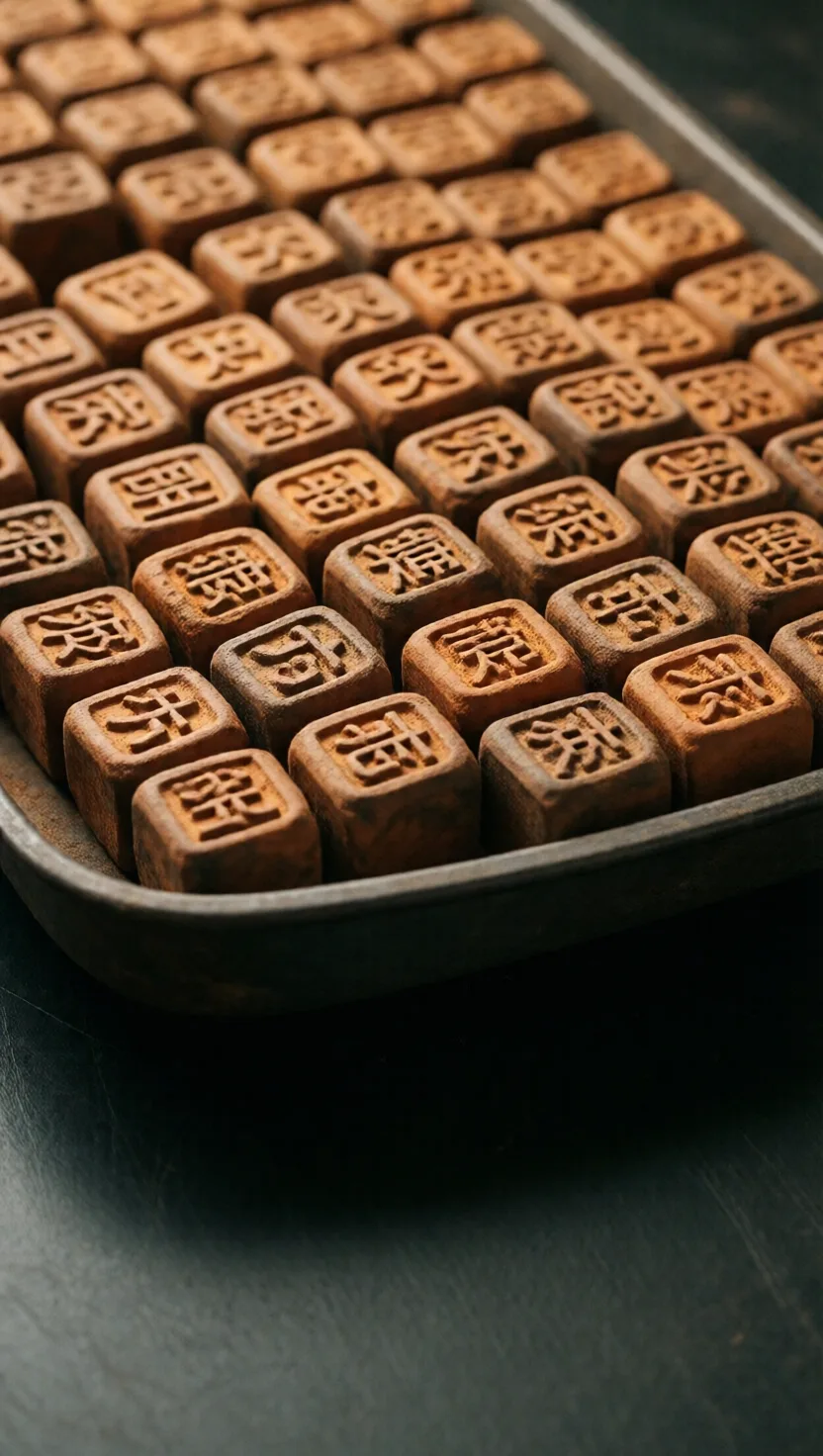
Around 1040, four centuries before Gutenberg, a Chinese artisan named Bi Sheng cut each character into a small block of clay and baked it hard like porcelain. He set the pieces in an iron tray of warmed resin and wax, pressed them level, then melted the wax again to release them for the next page. Wooden type warped and swelled with damp ink; fired clay held its shape. The method survives only because a scholar troubled to write it down.
He spun a giant table to find each letter

He spun a giant table to find each letter

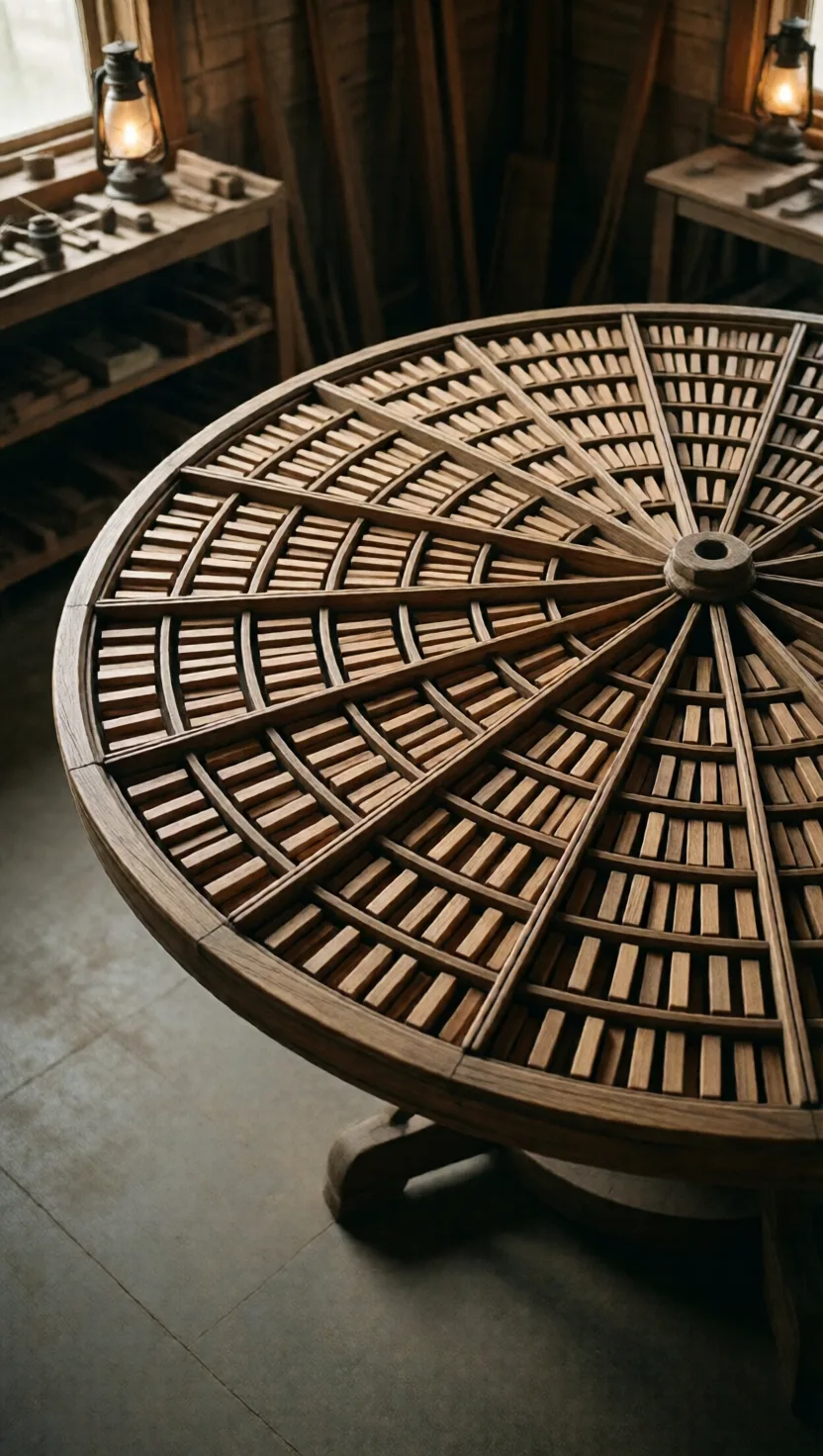
Chinese printing faced a problem European printers never did: not 26 letters but tens of thousands of characters. In 1313 the official Wang Zhen built two large round revolving tables, their surfaces divided into compartments holding some 60,000 wooden type pieces sorted by rhyme. A compositor sat between them and spun the wheels to bring the needed character within reach as numbers were called out. The type came to the typesetter, not the other way around.
The pocket book and italics were born together

The pocket book and italics were born together

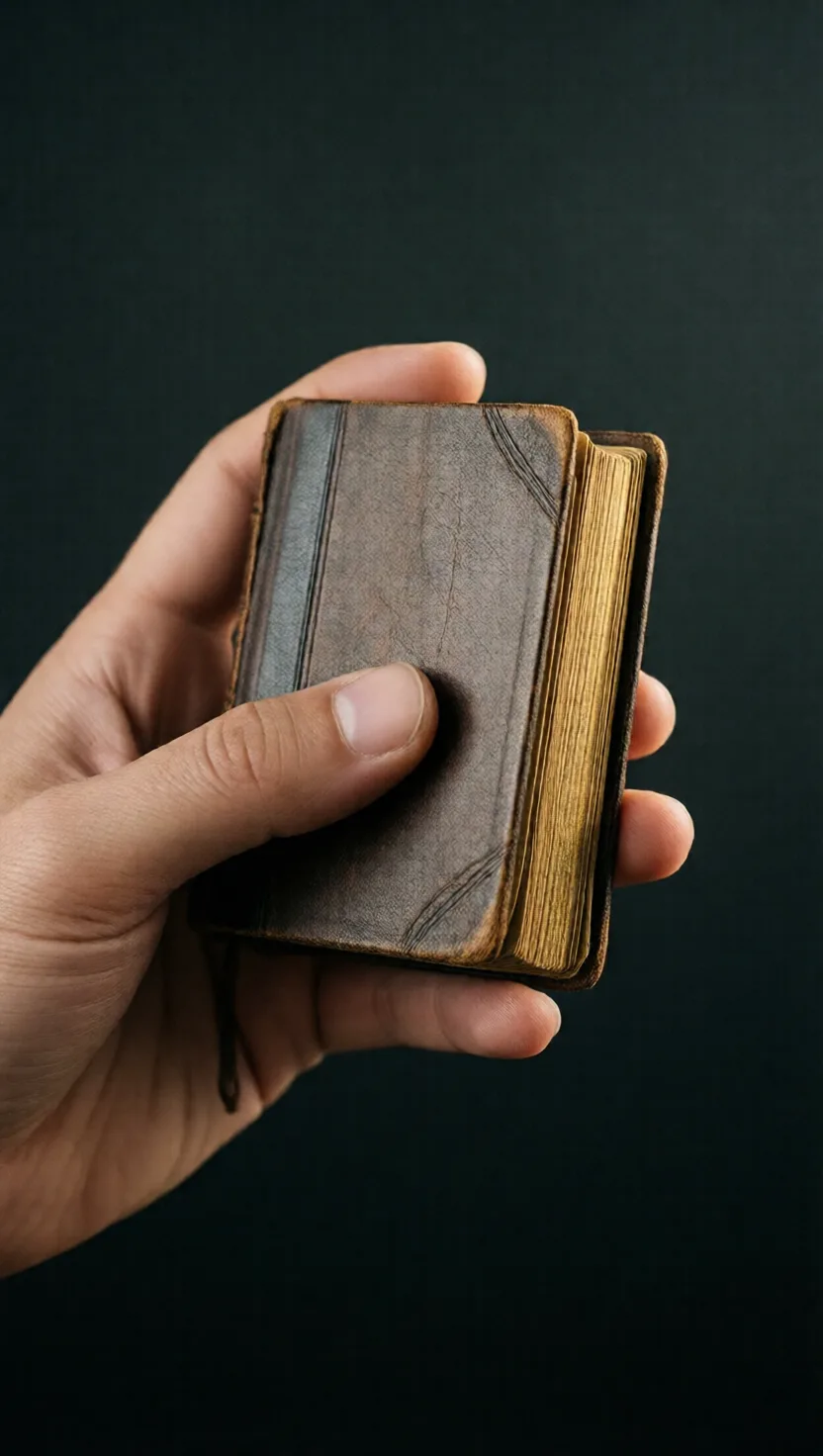
In 1501 the Venetian printer Aldus Manutius shrank the book. Until then volumes were lectern-sized; he issued the classics in small octavo editions you could carry in a saddlebag or a coat — the ancestor of the paperback. To fit more words on each little page he commissioned a slanted, cursive typeface based on humanist handwriting: the first italic. The portable book and italic type arrived in the very same run, an edition of Virgil printed in around 4,000 copies.
'Cliché' is the sound of molten metal printing

'Cliché' is the sound of molten metal printing

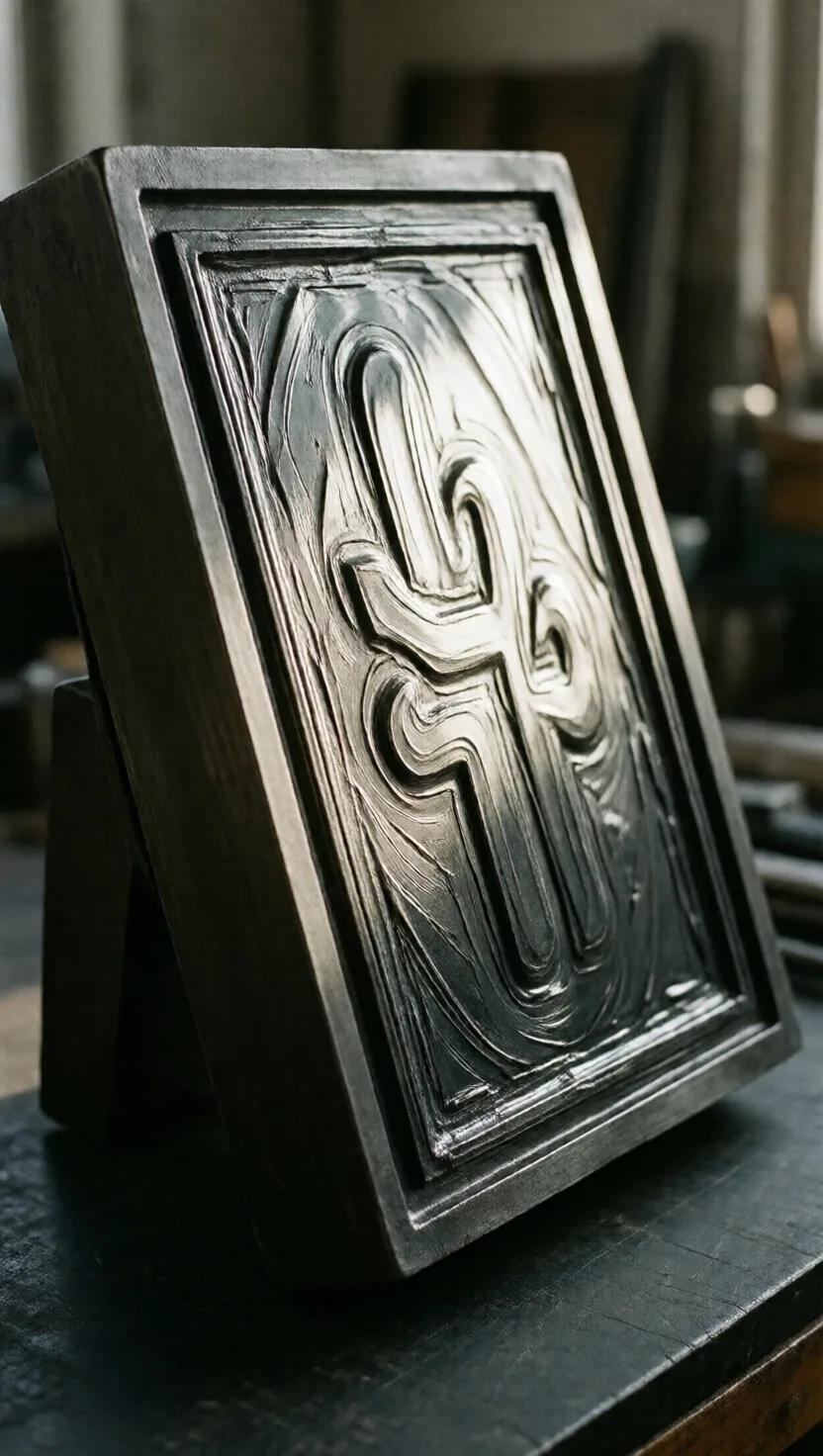
When a page of type was set, printers rarely kept it locked up for every reprint. They pressed a mould into the assembled type and cast the whole page as one solid metal plate, ready to use again and again. That plate was called a stereotype; in French, a cliché — said to imitate the click and splash of the matrix dropping into molten metal. Both words escaped the print shop to mean the same thing: an idea stamped out identically, over and over.
He printed plays off a flat, greasy stone

He printed plays off a flat, greasy stone

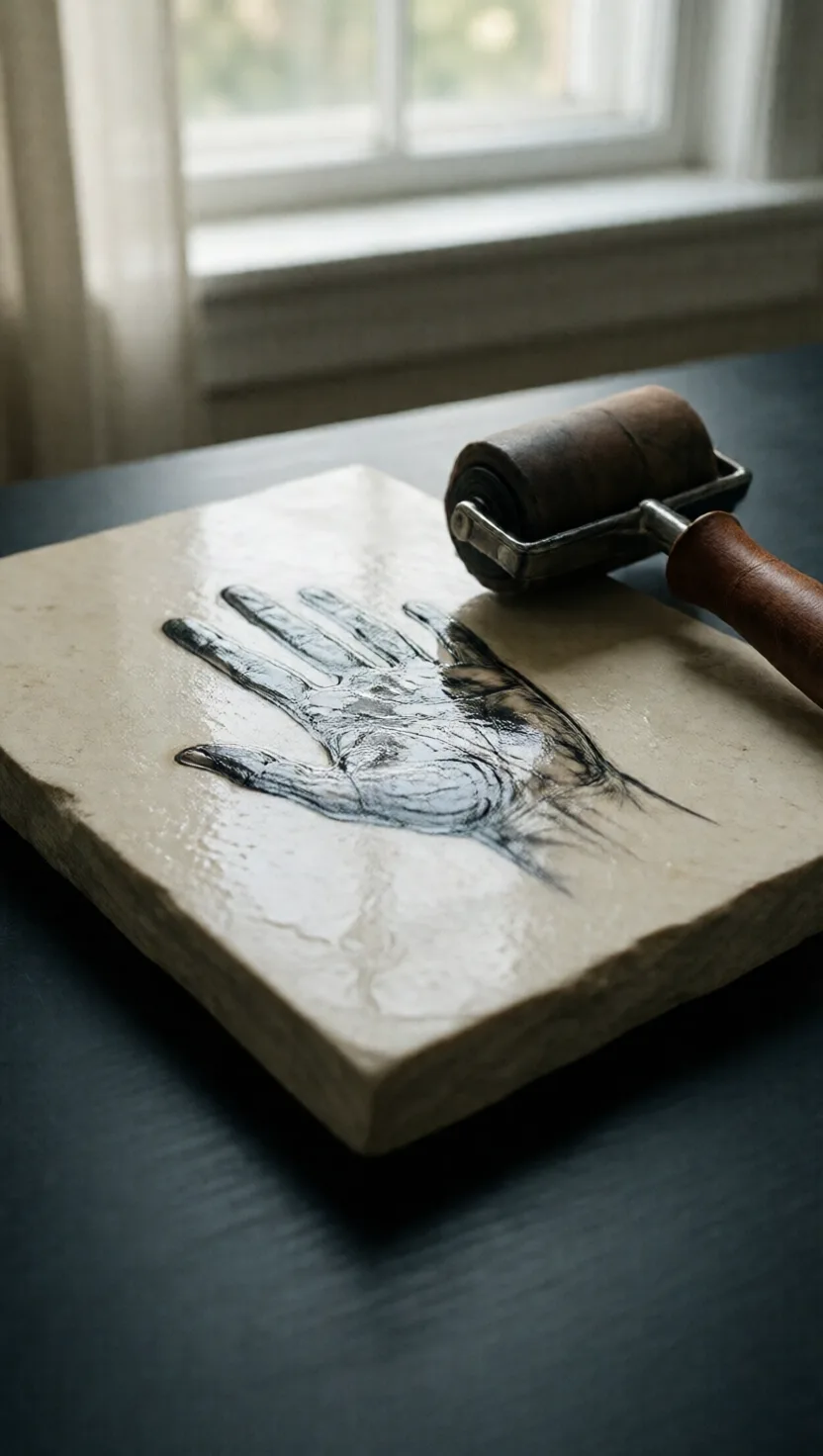
Most presses squeeze ink from something raised or carved. In 1796 a broke Bavarian playwright, Alois Senefelder, found a way to print from a perfectly flat stone. He drew on smooth limestone with a greasy crayon, wetted the surface, then rolled on oily ink: the ink clung only to the greasy drawing while the water repelled it everywhere else. Oil and water doing all the work, with no carving at all. He invented it simply to publish his own plays cheaply.
This machine cast a whole line in one pour

This machine cast a whole line in one pour

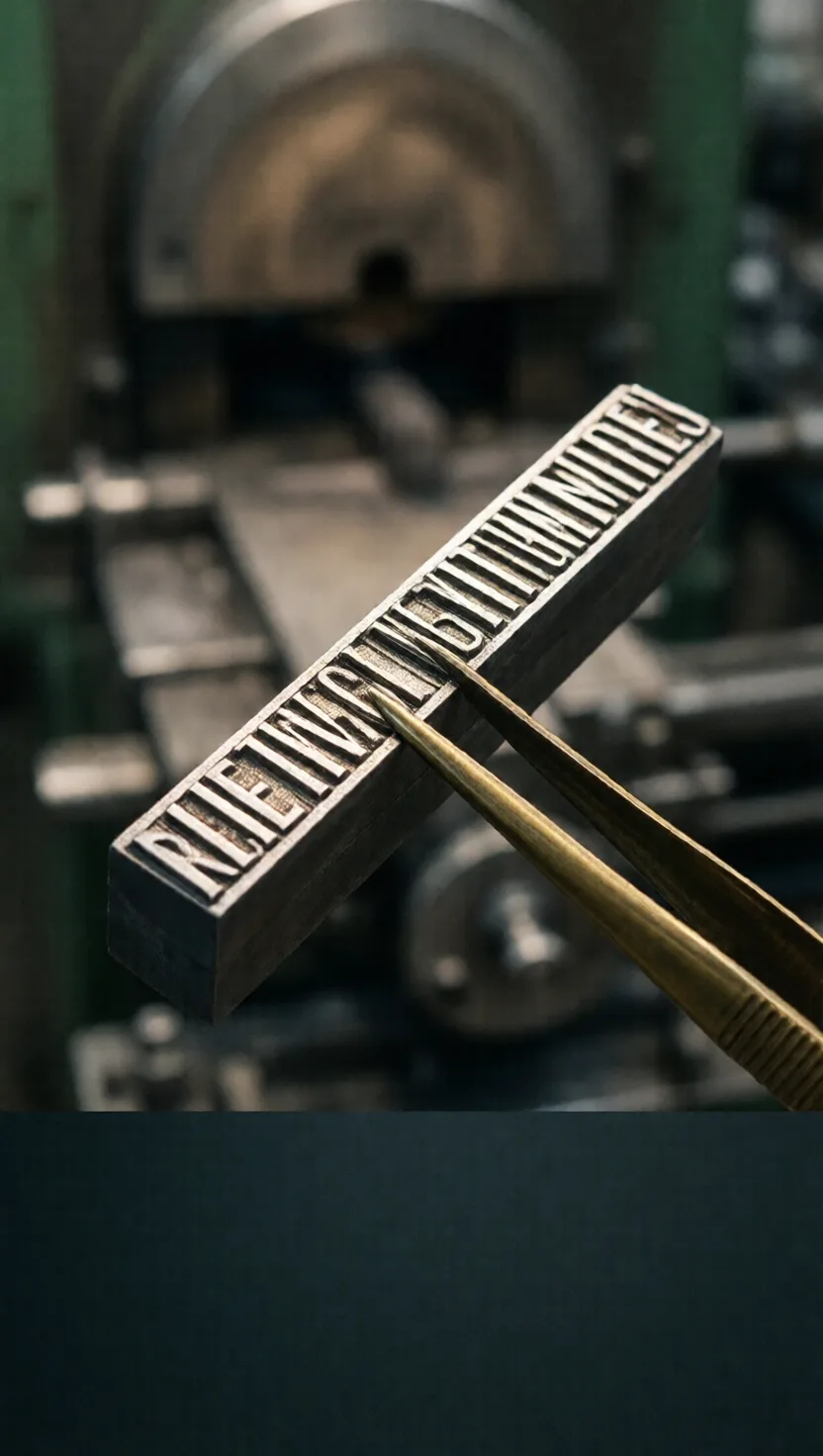
For four centuries, every letter was a separate metal sort, set into lines by hand. Then in 1886 a new line-casting machine changed everything: an operator typed at a keyboard, brass moulds for each letter dropped into a row, molten lead was poured in, and out came a single solid bar — a whole line of type — ready to print. A newspaper page that once took hours to set could now be done in minutes. The machine ran the world's presses for nearly a hundred years.
Braille began as a code for soldiers in the dark

Braille began as a code for soldiers in the dark

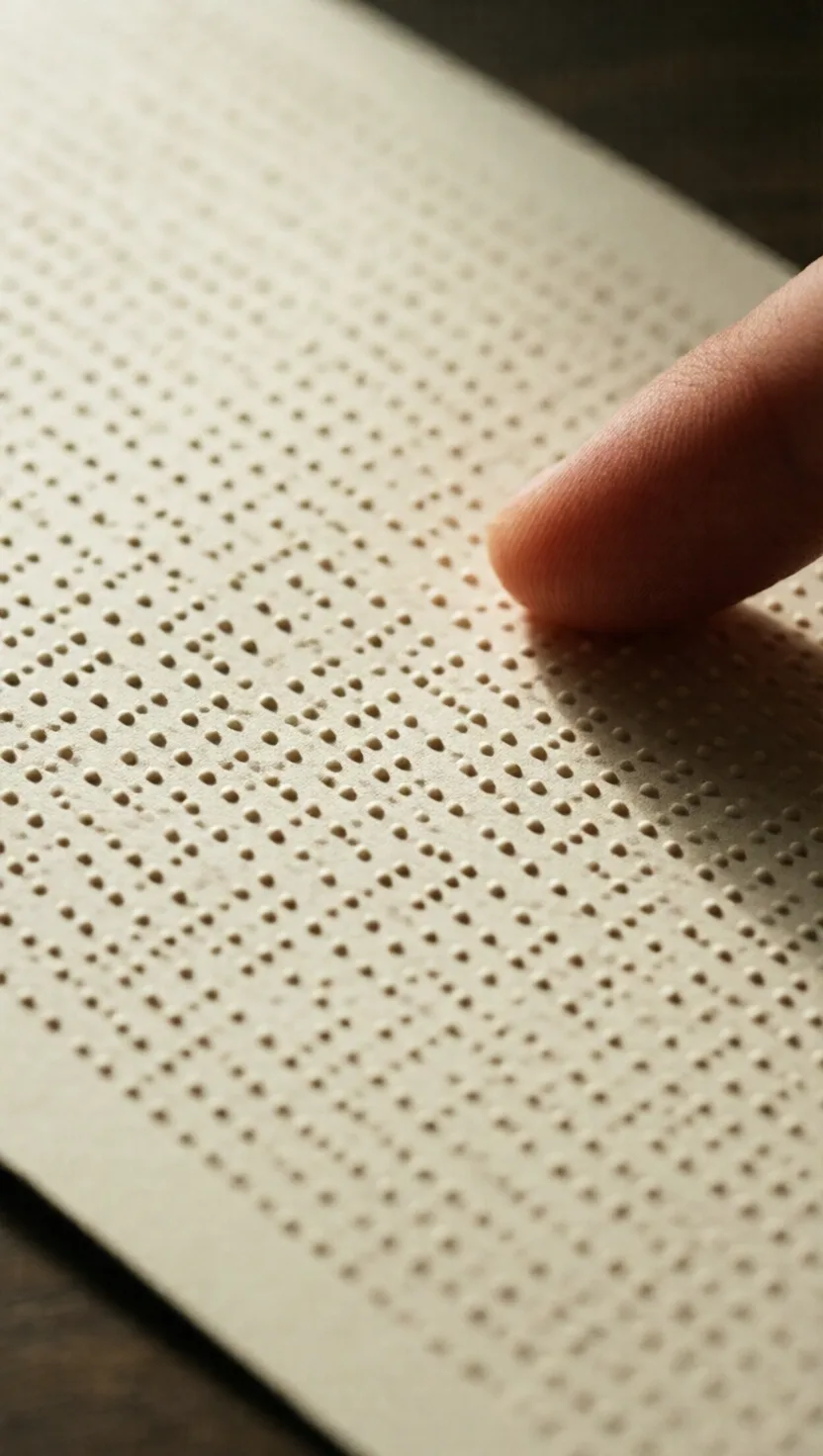
A French artillery officer, Charles Barbier, devised a system of raised dots so troops could read orders at night without a lamp that would draw enemy fire. His twelve-dot code was too big for a fingertip to read at a single touch. At the Paris school for the blind, a teenaged student named Louis Braille cut it down to a six-dot cell the finger could feel whole, and mapped the patterns to letters instead of sounds. A battlefield cipher became reading by touch.
tap →swipe ↑ for depthswipe ↓ to exit