Eight things money used to be

DC·38 Deep Cuts
Why coins have ridges around the edge

Why coins have ridges around the edge

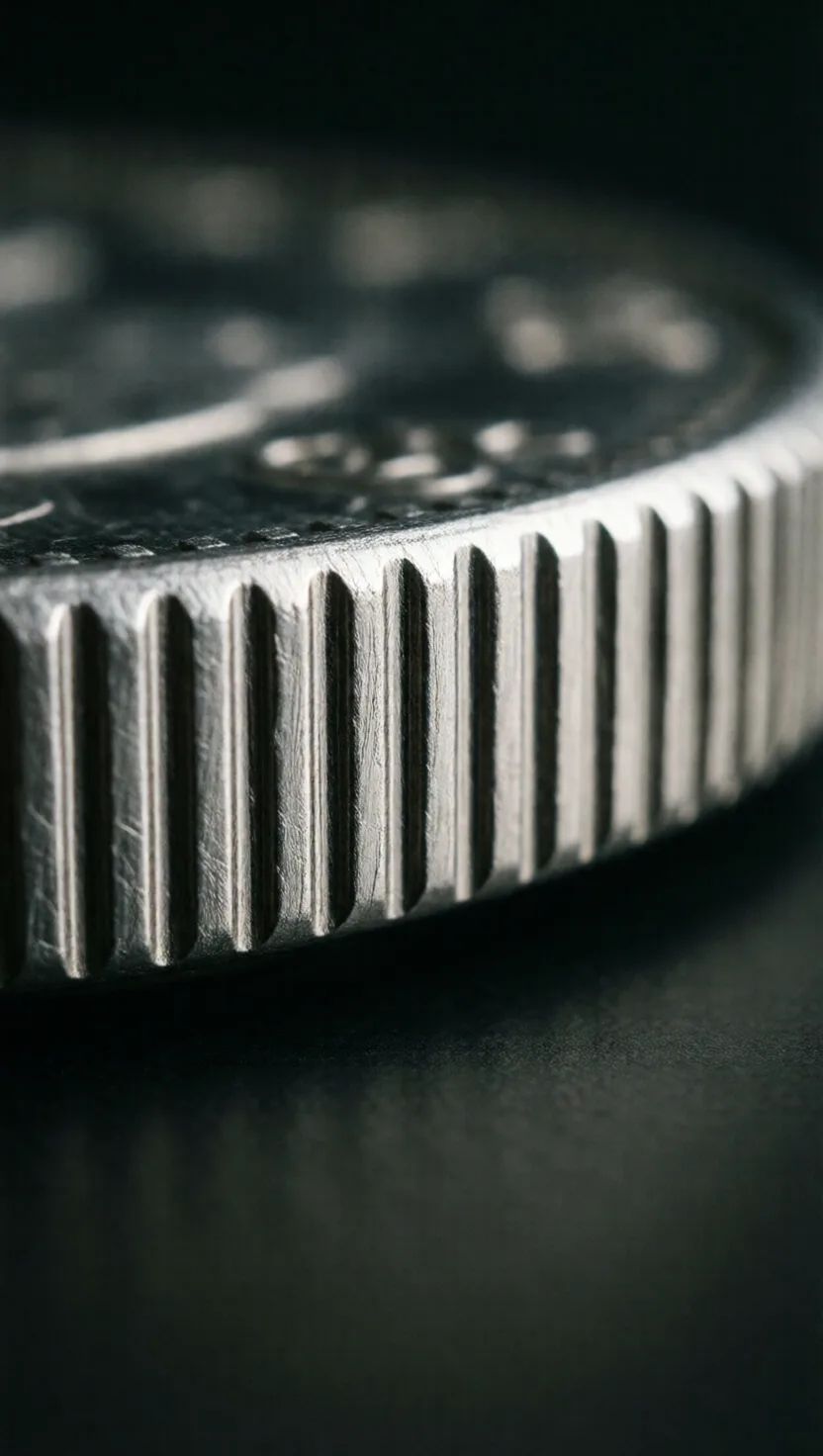
Those tiny ridges around a coin's rim began as a security measure. When coins were solid silver and gold, thieves shaved slivers off the smooth edges, spent the coin at full value, and melted down the trimmings. Cutting fine grooves into the edge made any shaving obvious at a glance — a clipped coin shows a smooth gap. England's mint added milled edges around 1698 under an overseer who hunted counterfeiters relentlessly: Isaac Newton.
The most-used money in history was a seashell

The most-used money in history was a seashell

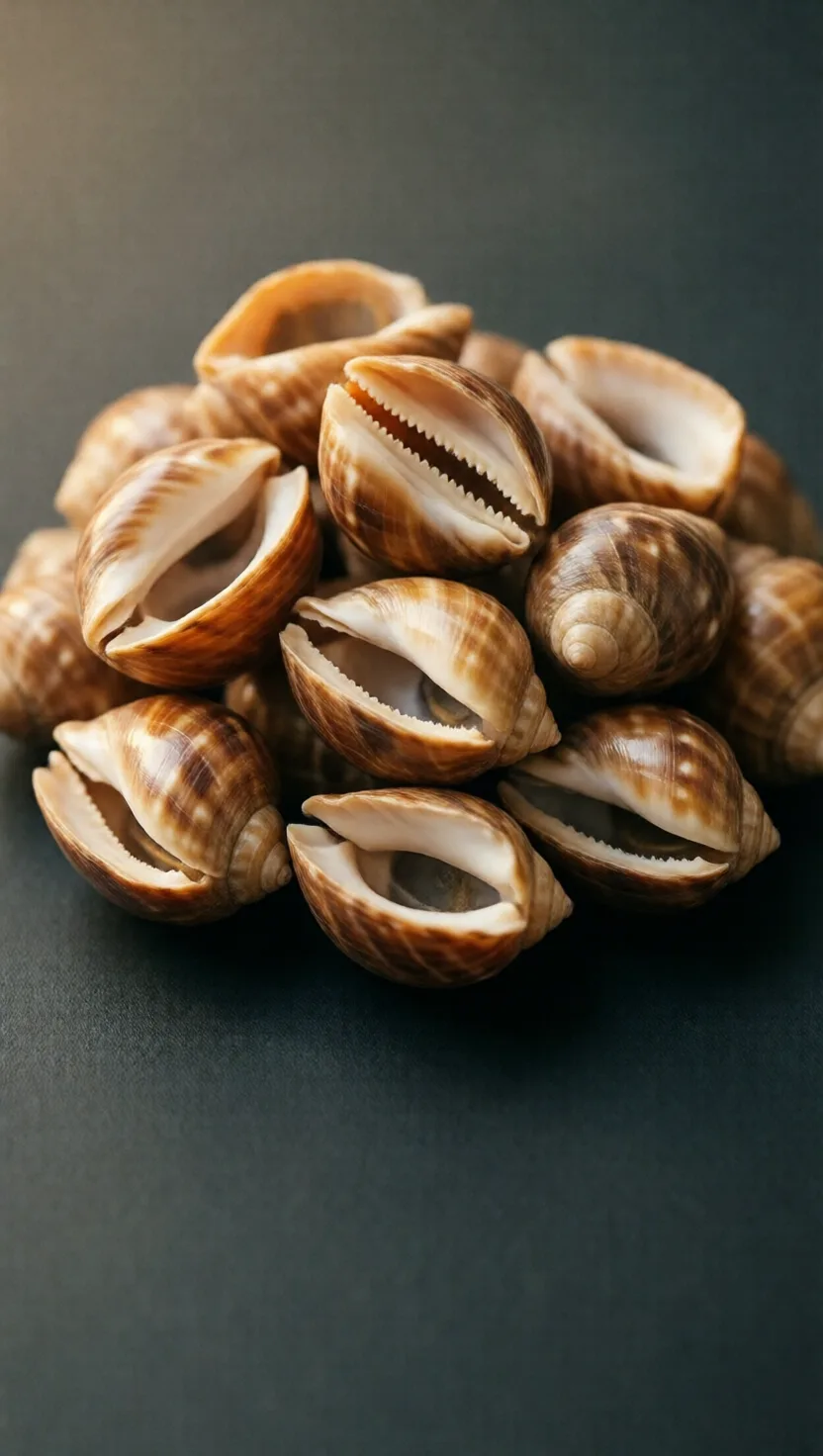
No coin comes close to the cowrie shell's reach. For over three thousand years these small glossy shells served as money across Africa, South Asia and the Pacific — naturally even in size, almost impossible to fake, and tough enough to last lifetimes. Their grip on the idea of wealth runs deep: the old Chinese symbol for money is a drawing of a cowrie, and it still hides inside the written characters for trade, riches and value.
This coin is forever dated 1780

This coin is forever dated 1780

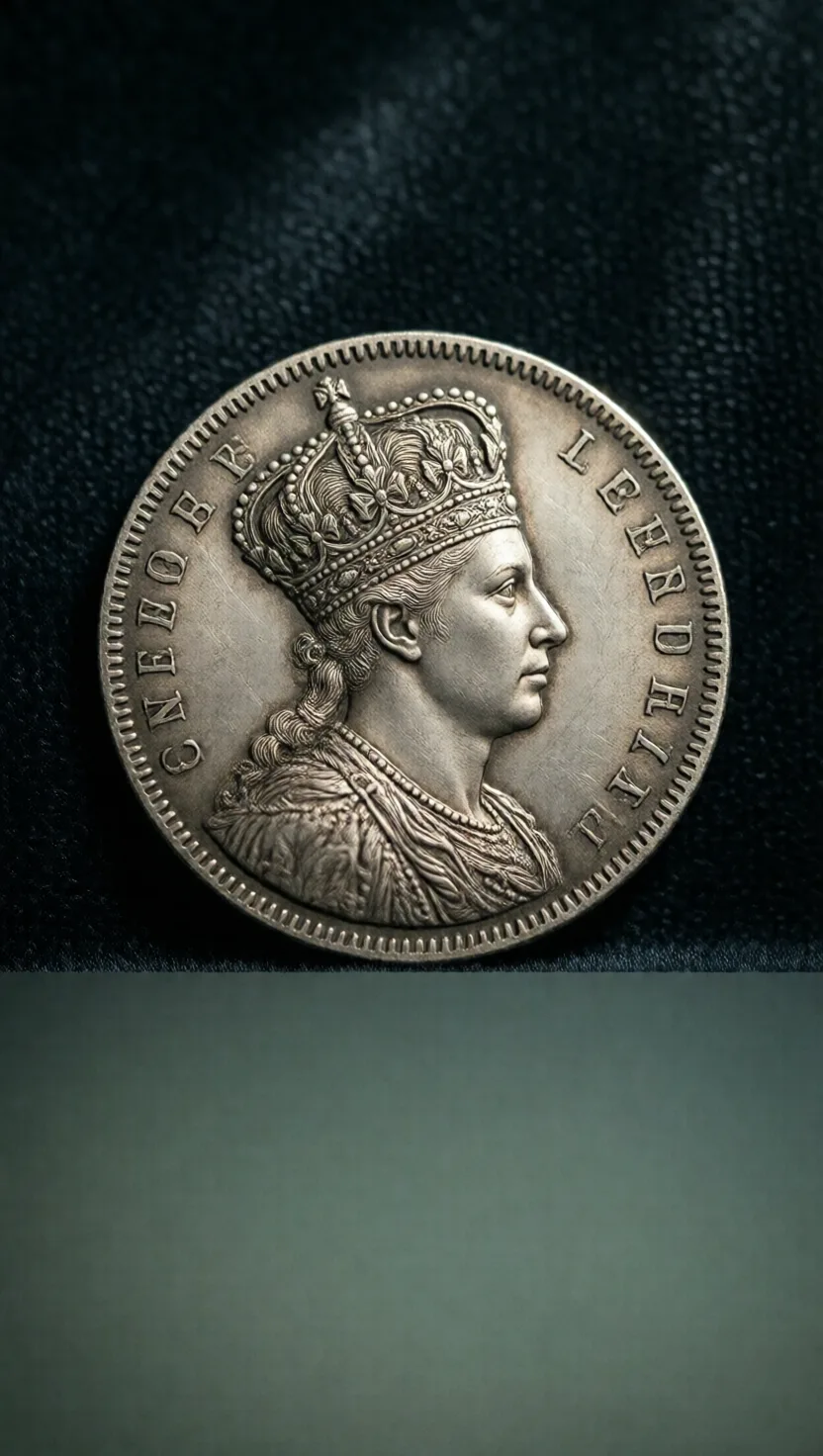
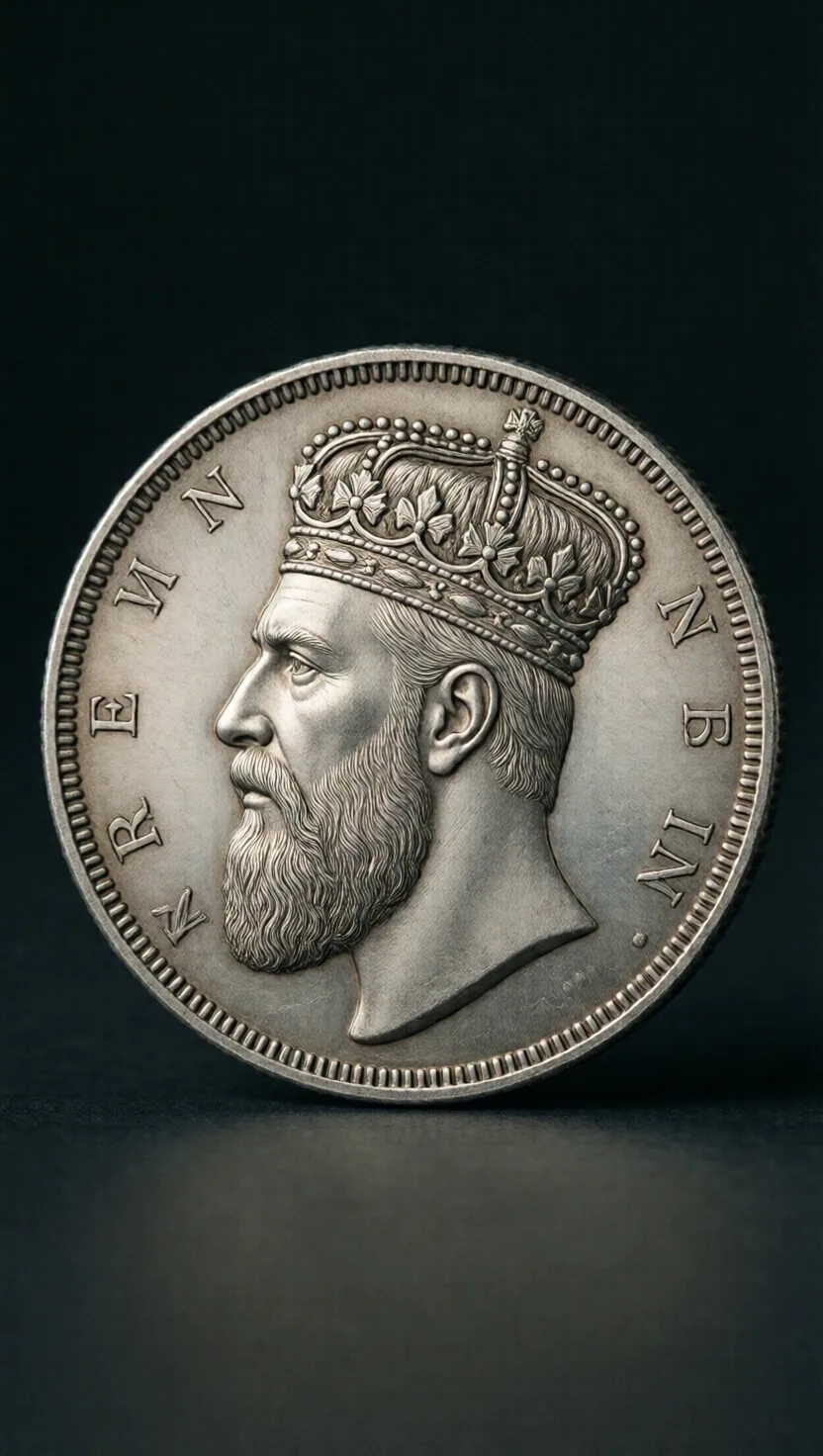
One silver coin has carried the same date for over two centuries. After the empress on its face died in 1780, her trade coin was so trusted across Arabia and Africa that mints kept striking it unchanged, frozen at 1780, for generation after generation — it is still made today. Coins like it also carried a word around the world: from the silver thaler, minted in a Bohemian valley, we get the word dollar.
A single coin you couldn't lift

A single coin you couldn't lift

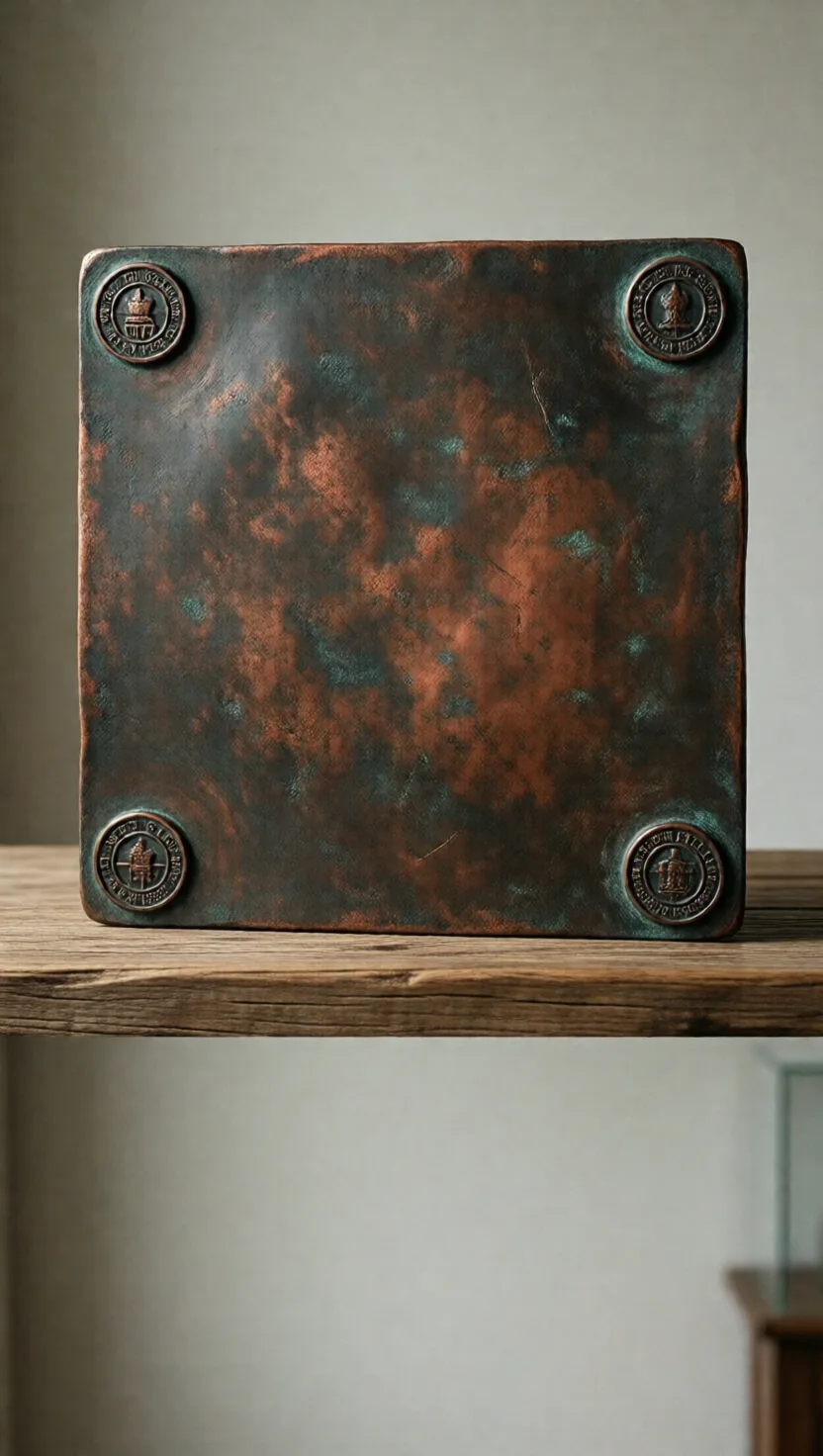
When silver ran short in the 1600s, Sweden minted money from its one cheap metal — copper — but copper was worth so little that a high-value coin had to be enormous. The result was plate money: flat copper slabs up to about 20 inches across, stamped at the four corners, with the largest weighing close to 20 kilograms. You did not pocket your savings; you loaded them onto a cart. They stayed legal money until the 1770s.
'Two bits' was once an actual chunk of coin

'Two bits' was once an actual chunk of coin

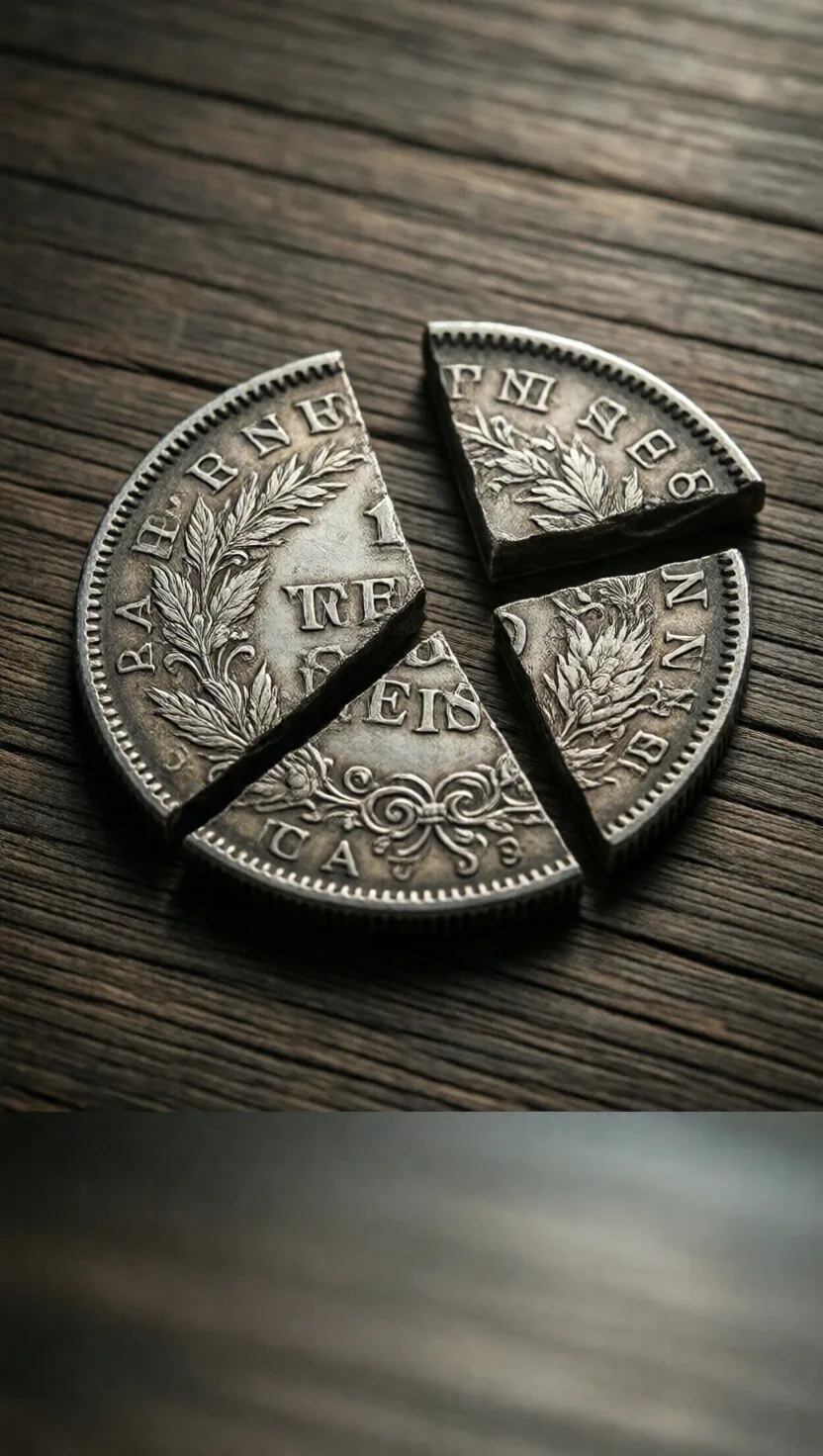
The Spanish silver dollar, the piece of eight, was the world's money for centuries — so trusted it stayed legal tender in the United States until 1857. It was worth eight reales, and to make change people simply cut the coin into wedges. Cut it into quarters and each wedge was worth two of those eighths — two bits. That is why a quarter-dollar is still slangily called two bits, a phrase older than the coin it now describes.
In Siberia, you could drink your money

In Siberia, you could drink your money

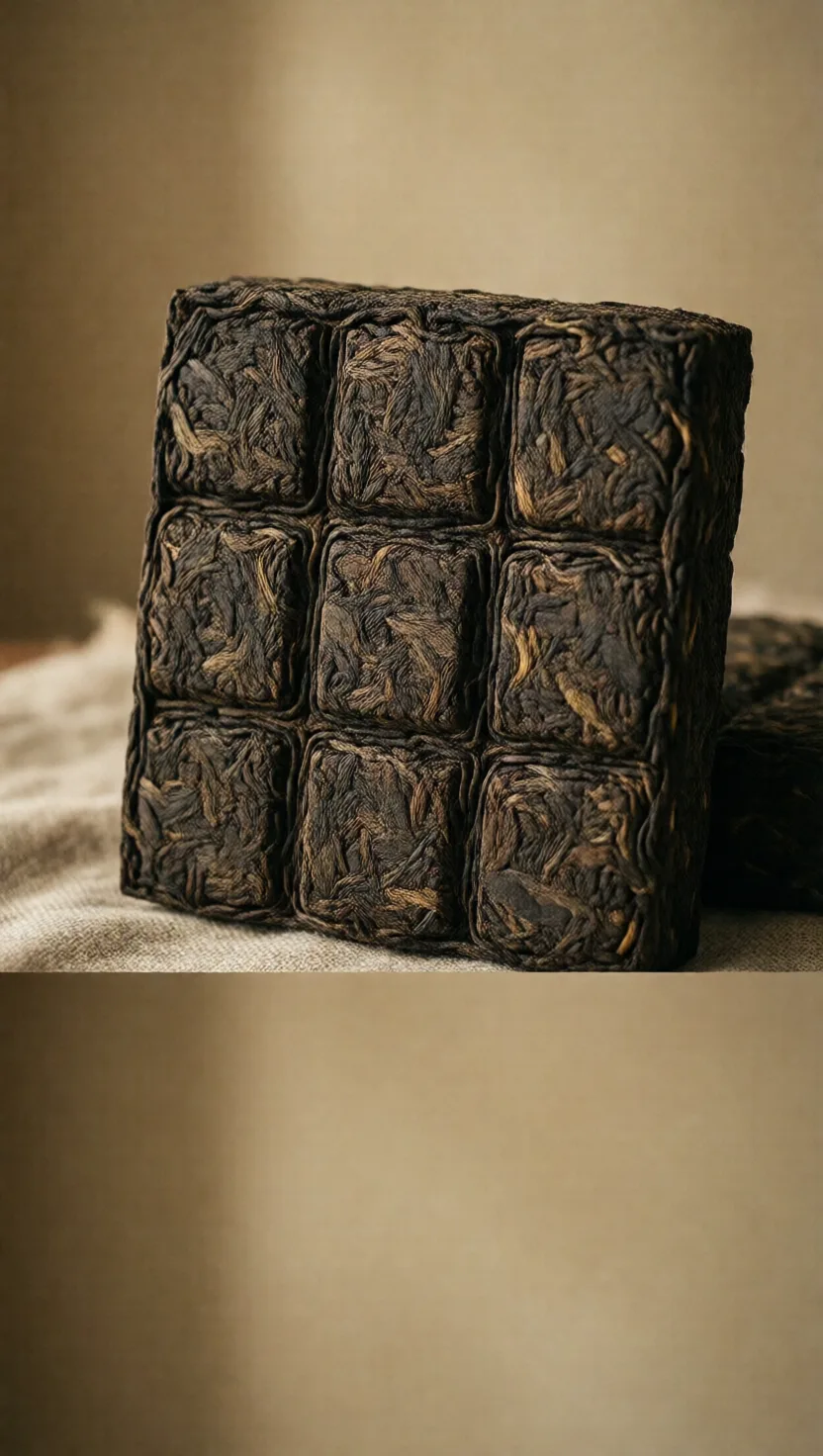
Across Tibet, Mongolia and Siberia the handiest cash for centuries was not metal but tea, pressed into hard bricks. A brick was scored into a grid of squares so you could snap off a piece to pay for something, brew it if you were cold, or eat it if you were starving. It held its value better than coins in the cold, and was still circulating as money in parts of Siberia into the Second World War.
Each British monarch faces the opposite way

Each British monarch faces the opposite way

There is a quiet rule on British coins: every new monarch's portrait faces the opposite direction to the one before. The tradition has mostly held since the 1660s — one story says a restored king wanted to turn his back on his predecessor. It nearly broke once, when a king in the 1930s vainly insisted on showing his favoured left side, the same way the previous king had faced. He gave up the throne before his coins were issued, and the mint quietly set the sequence right again.
China's first coins were tiny bronze knives

China's first coins were tiny bronze knives

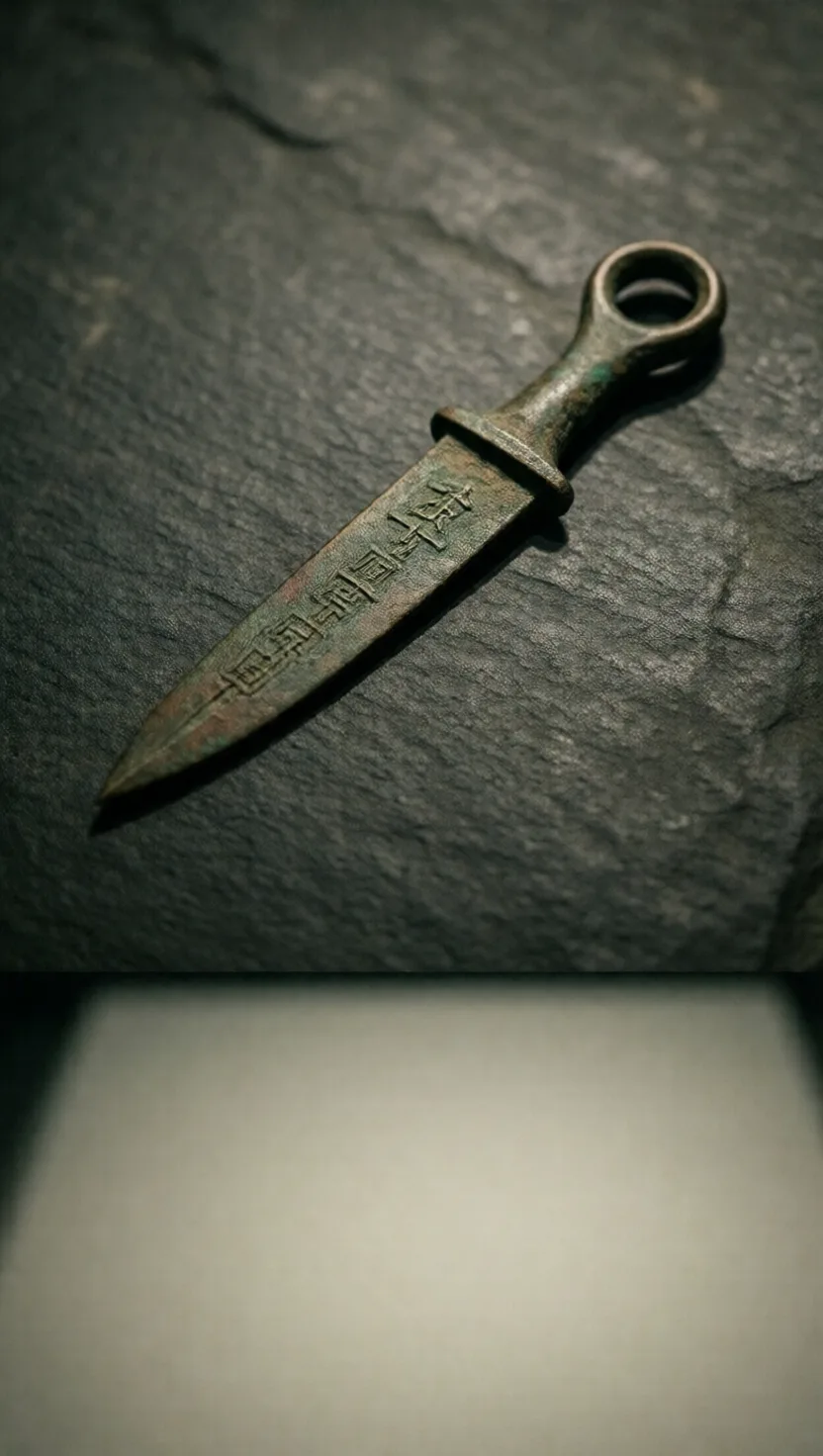
Before round coins, Chinese money looked like the tools it replaced. For centuries cities cast their currency as miniature bronze knives and spades — shrunken, unusable versions of the everyday goods people once bartered, the knives complete with a ring on the end to string them together. Only later did these tool-coins shrink and round off into the familiar disc with a square hole. The little knives circulated roughly 2,500 years ago.
tap →swipe ↑ for depthswipe ↓ to exit