Eight things baked into clay and fire

DC·36 Deep Cuts
These vases were painted in fire, not pigment

These vases were painted in fire, not pigment

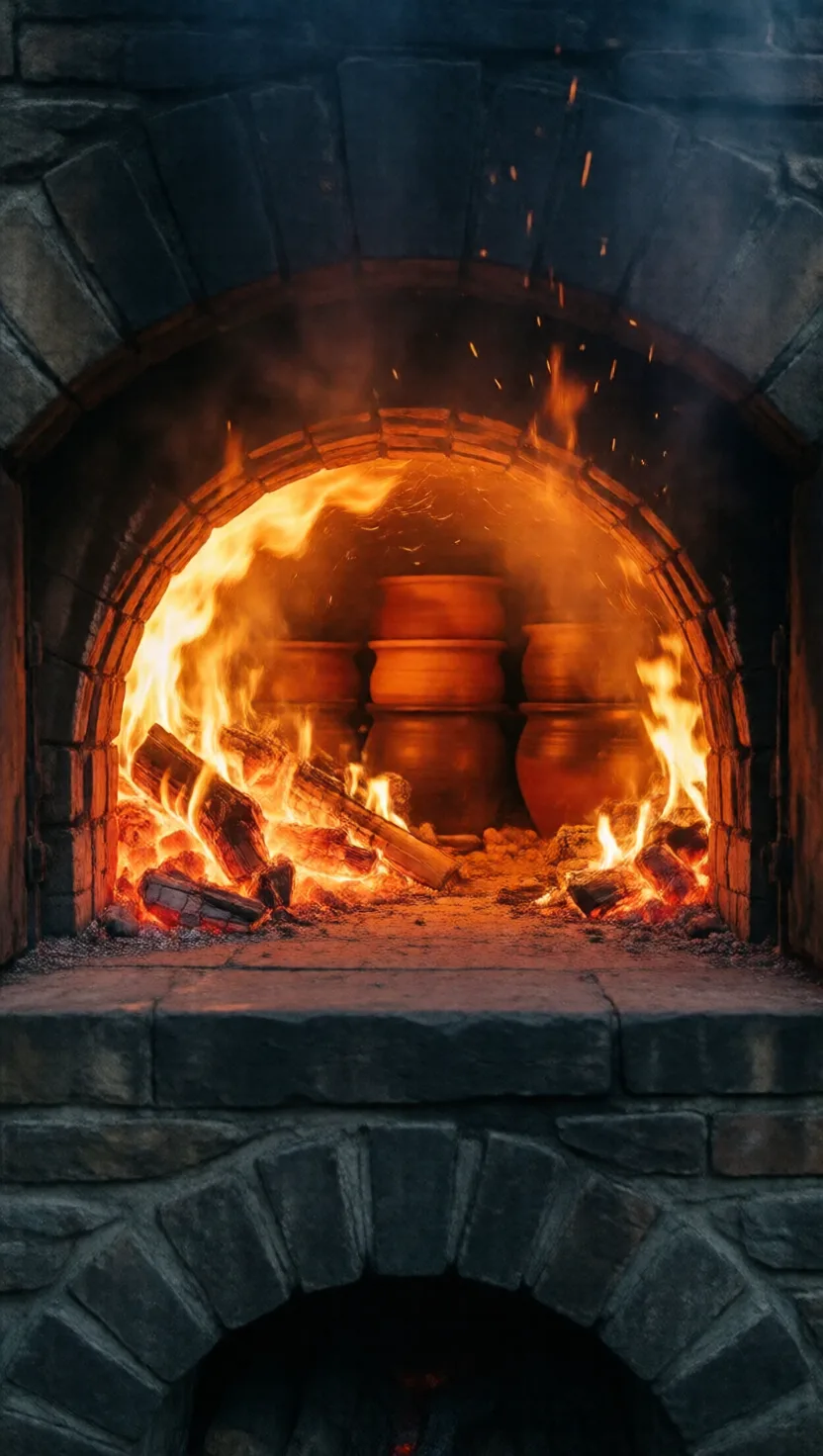
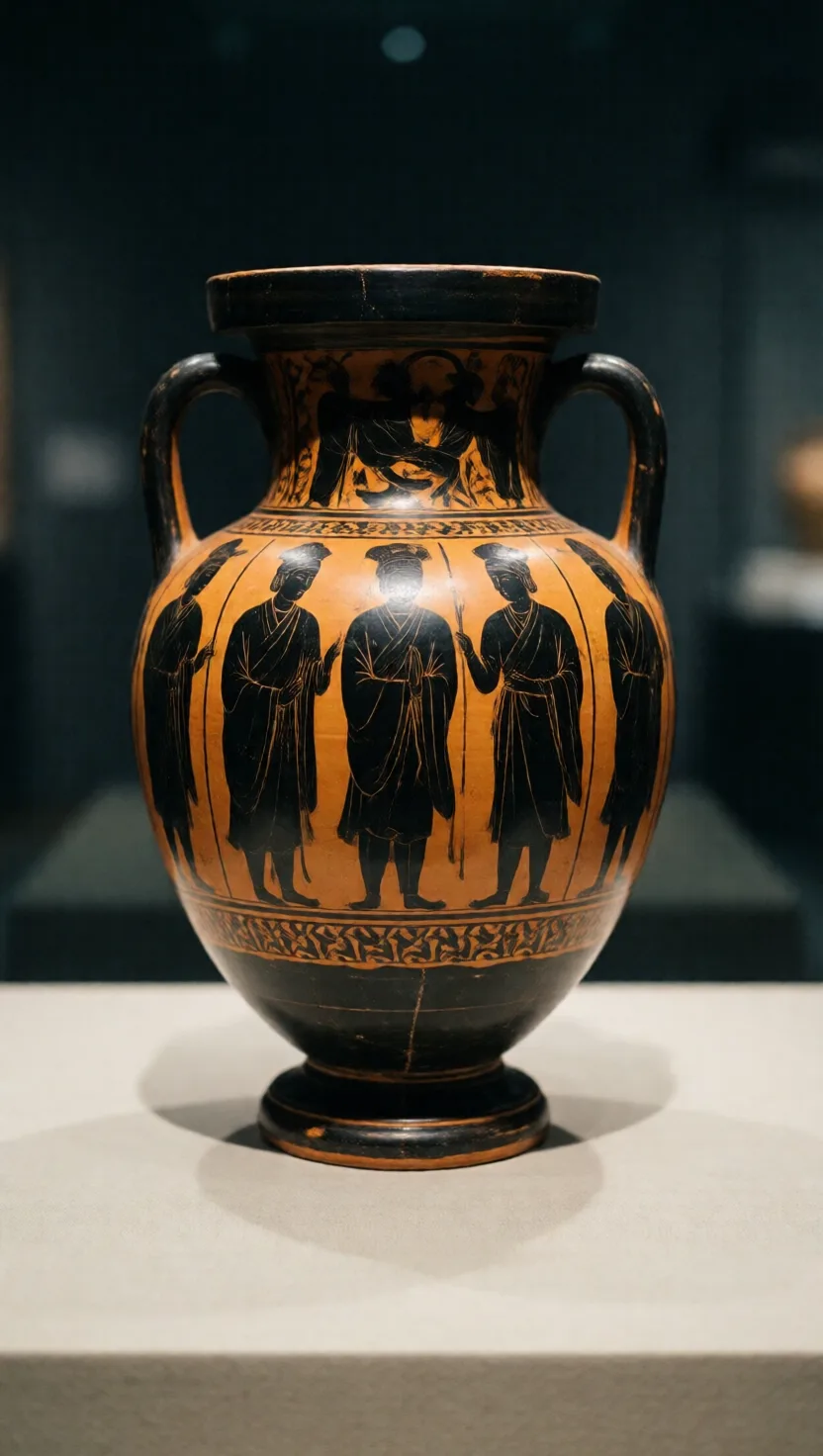
The black and orange of an ancient Greek vase were never paint — they're the same clay slip fired three times in one kiln. Air let in at about 800°C turns the whole pot rusty red. The vents are sealed and green wood added at about 950°C, starving the oxygen until the slip fuses to glassy black. Then air is let back in as it cools, re-reddening the bare clay while the sealed slip stays black. Athenian potters mastered this 2,500 years ago; the recipe was lost and only puzzled back out in the 20th century.
Europe spent centuries cracking China's secret

Europe spent centuries cracking China's secret

For a thousand years only China could make true porcelain — thin, white, translucent, ringing like a bell. Europe imported it at ruinous prices and called it white gold. The secret was a clay called kaolin fired above 1,300°C until it half-turns to glass. A captive alchemist and a scientist finally reproduced it in the Saxon town of Meissen in 1708, firing the first European hard-paste porcelain — after which the prince locked the method away in a fortress to keep it from spreading.
Your finest teacup is about half bone

Your finest teacup is about half bone

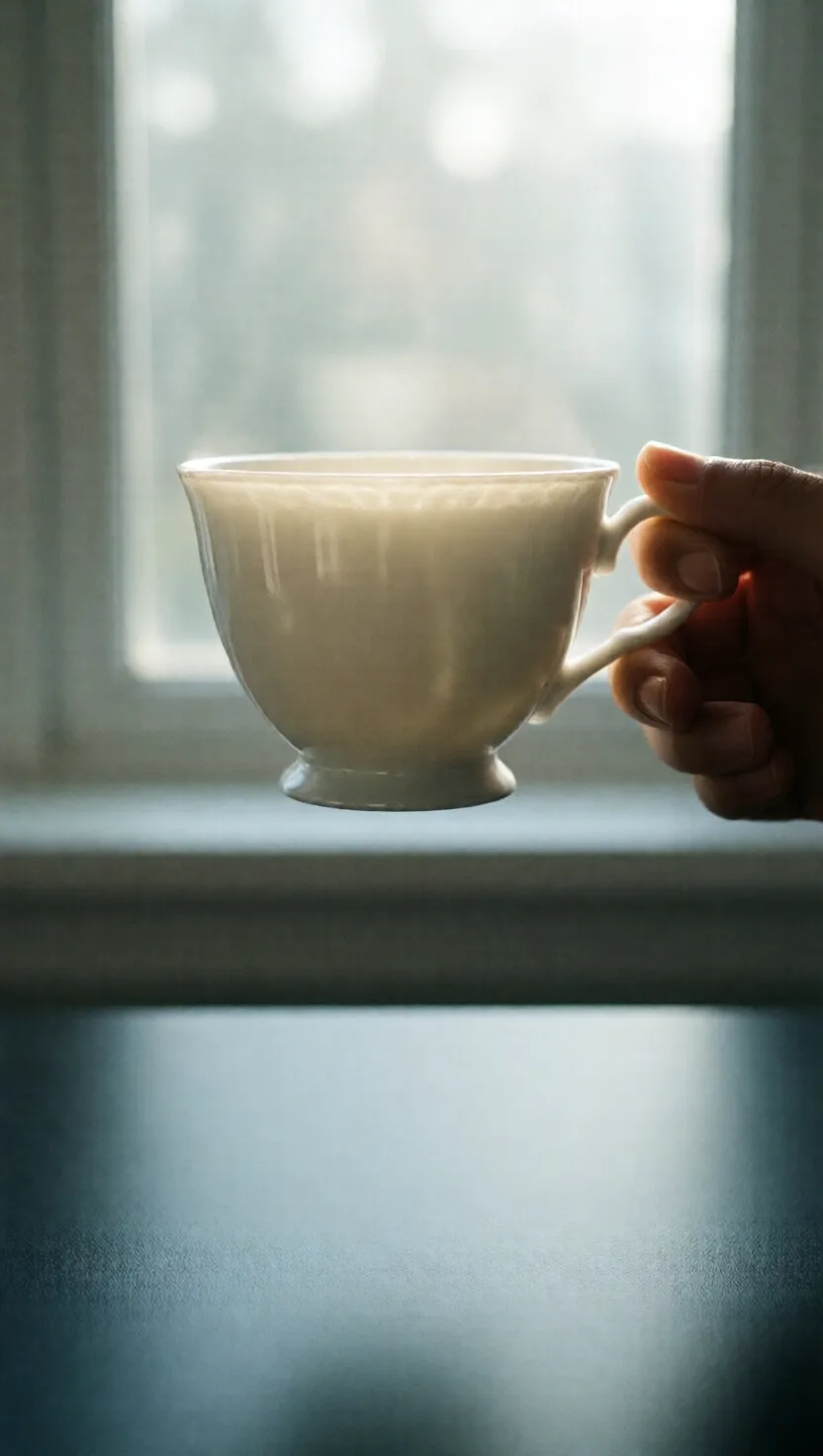
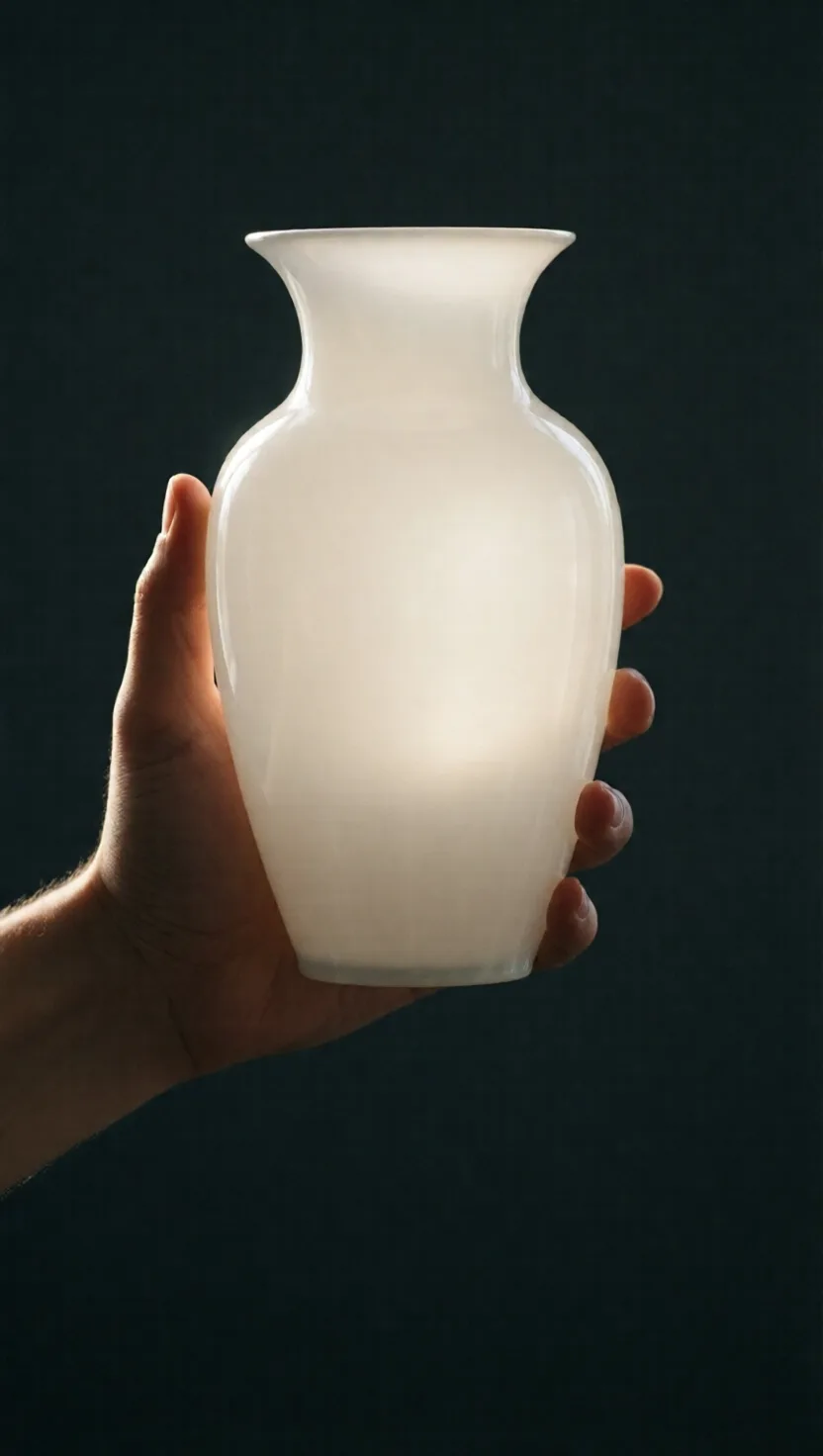
Bone china earns its name literally: the classic English recipe is roughly half calcined animal-bone ash, blended with china clay and stone. Burning the bone leaves calcium phosphate, which fires into crystals small enough to let light slip through — so a good cup glows when you hold it to a window, yet it is tougher and whiter than ordinary porcelain. An English potter perfected the formula around 1794, and it has been the mark of fine tableware ever since.
This jug was glazed by throwing salt in the fire

This jug was glazed by throwing salt in the fire

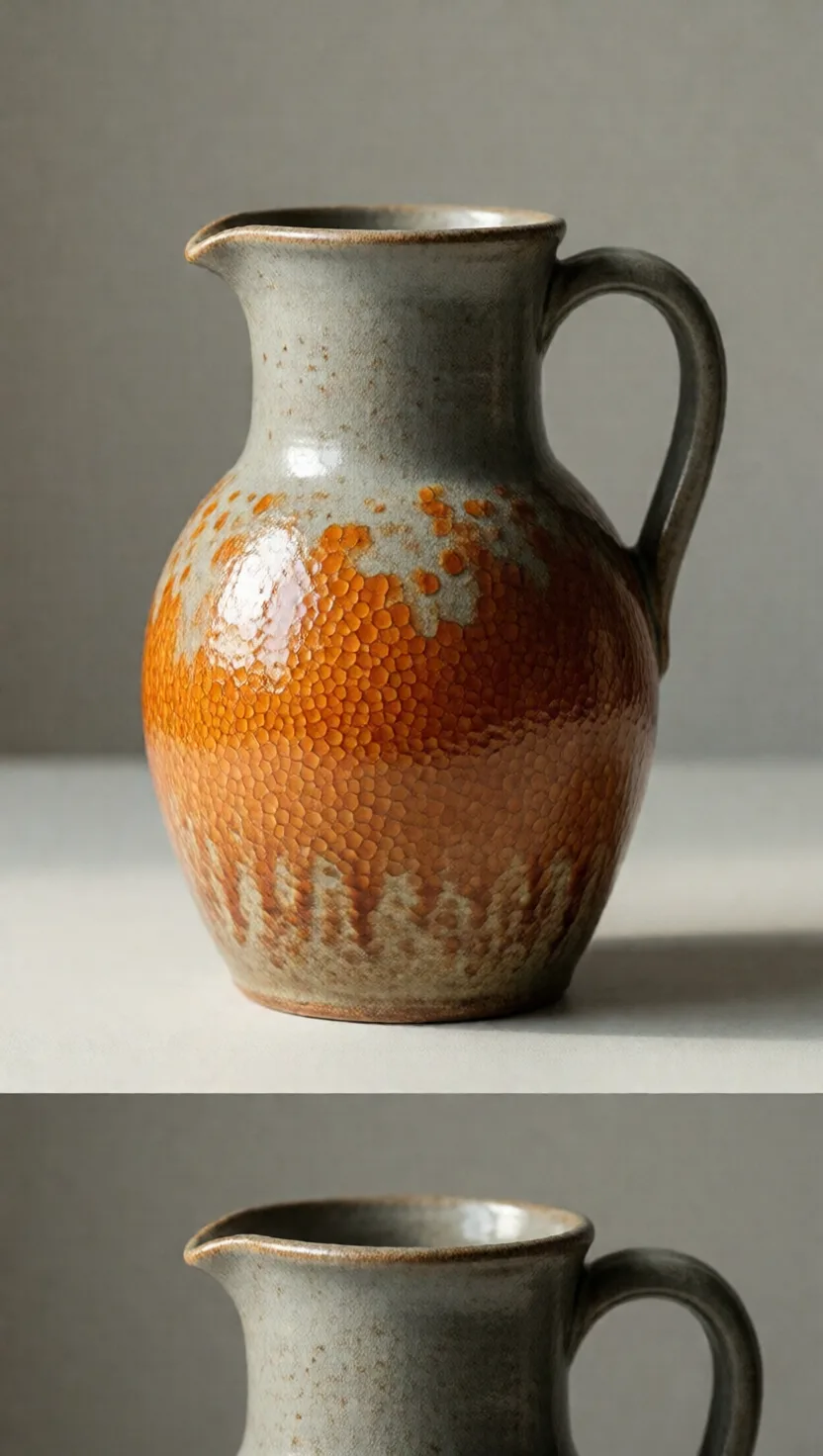
Salt-glazed stoneware gets its glassy skin from a violent trick: at peak heat, potters shovel common salt straight into the kiln. It flashes to vapour, the sodium grabs silica in the hot clay and fuses into a thin glass coat, while the chlorine escapes up the chimney. Tiny bubbles leave a pitted orange-peel surface you can feel with a thumb. The technique gave Europe its hard, durable salt-glazed crocks and jugs from the 1400s onward.
Rome's glossy red ware has no glaze at all

Rome's glossy red ware has no glaze at all

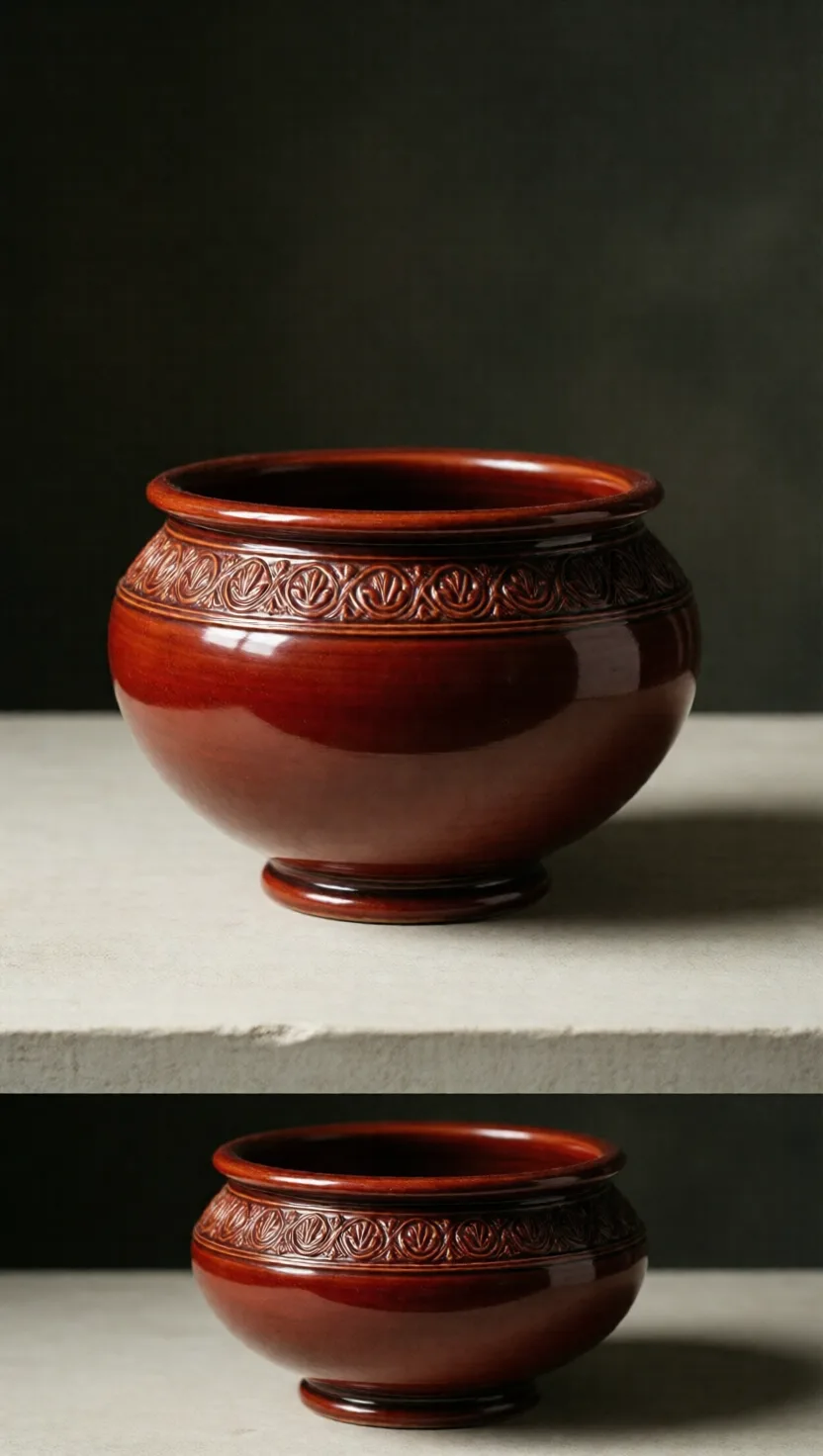
The Romans turned out tableware with a deep red sheen that looks glazed but isn't. The gloss is an ultra-fine clay slip — particles of an iron-rich mineral so small and flat they settle into mirror-smooth aligned sheets, then sinter into a glass-like skin at around 1,000°C, below the temperature a real glaze would need. Workshops stamped each piece before firing, which is how it earned its name: terra sigillata, or sealed earth.
The first fired clay wasn't a pot — it was a figure

The first fired clay wasn't a pot — it was a figure

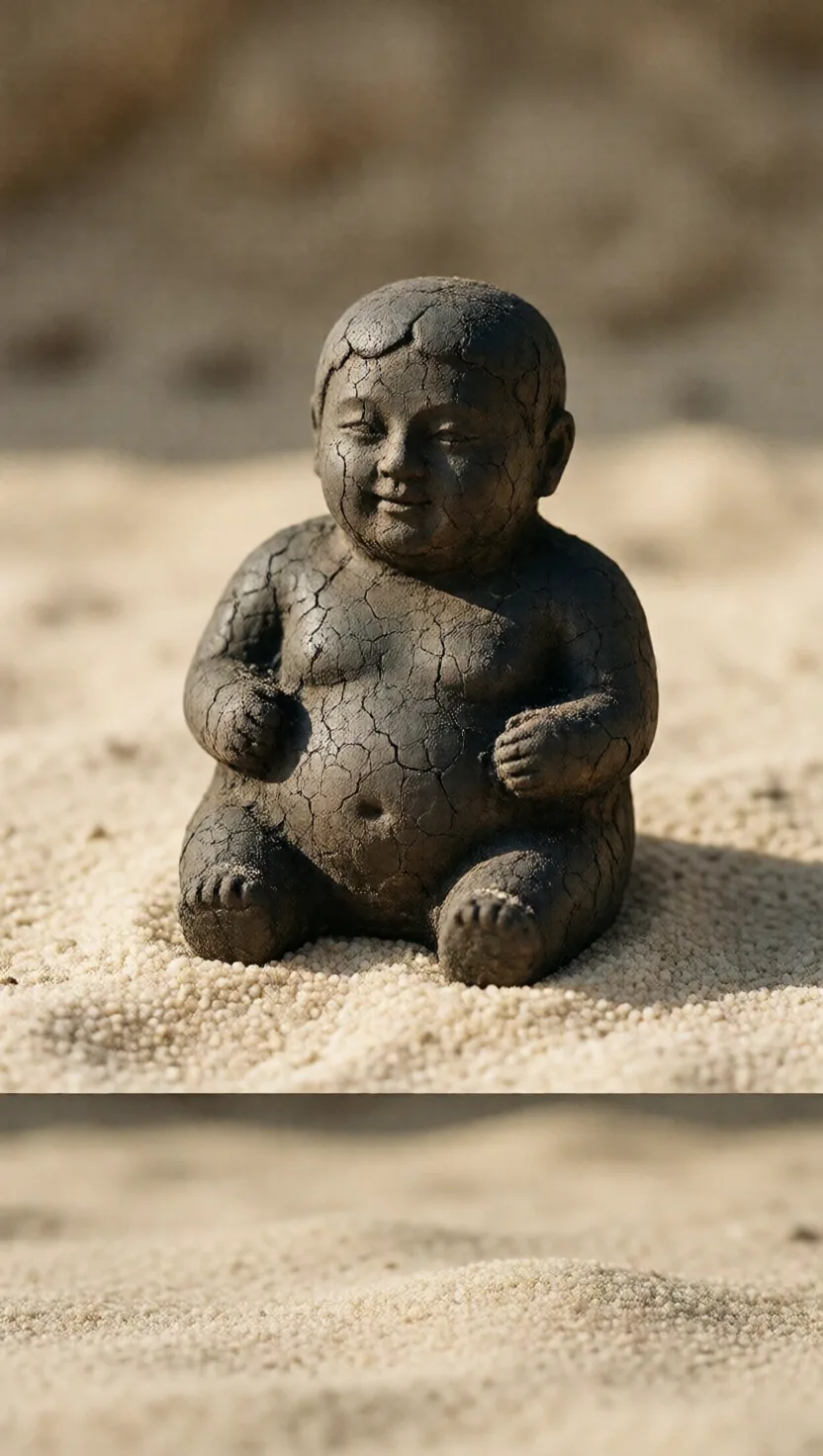
Long before anyone fired a bowl, Ice Age people were firing little clay figures. The oldest known fired-ceramic object is a small modelled female figurine from Moravia, hardened in a hearth around 29,000 years ago — some 14,000 years older than the first clay pots. It was found cracked in two in the ashes of an ancient fireplace, where the thermal shock of firing had likely split it long ago.
Greeks voted to exile you on broken pottery

Greeks voted to exile you on broken pottery

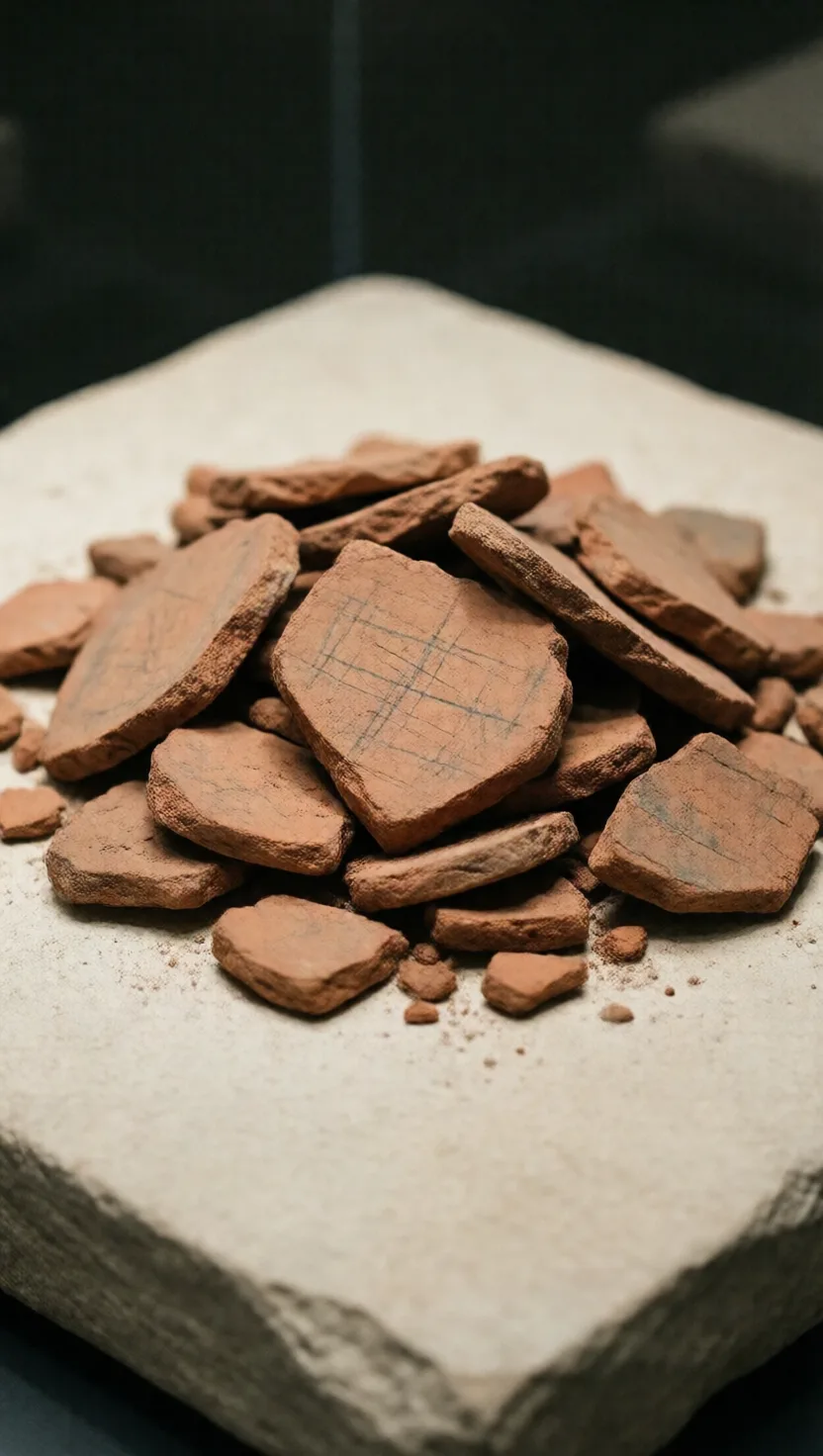
In ancient Athens, broken pot shards were the scrap paper of the world — cheap, everywhere, and almost indestructible. Once a year, citizens could scratch a name onto a shard and drop it on a pile; if 6,000 shards named the same man, he was sent into exile for ten years. The shards were called ostraka, the root of the word ostracize. Archaeologists once unearthed a cache of about 8,500 of these ancient ballots in a single Athenian dump.
The first glaze fell from the fire by accident

The first glaze fell from the fire by accident

The earliest glazes weren't invented — they landed. In a wood-fired kiln burning for days, flying ash settles on the pots, and at around 1,300°C it melts into a natural glass coat, streaked and pooled wherever the flame and embers ran. Potters noticed the effect and learned to court it. A traditional tunnel kiln dug into a hillside still works this way, every firing leaving marks of ash and flame that no one can fully predict.
tap →swipe ↑ for depthswipe ↓ to exit