For 1,400 years, ink slowly ate its own pages
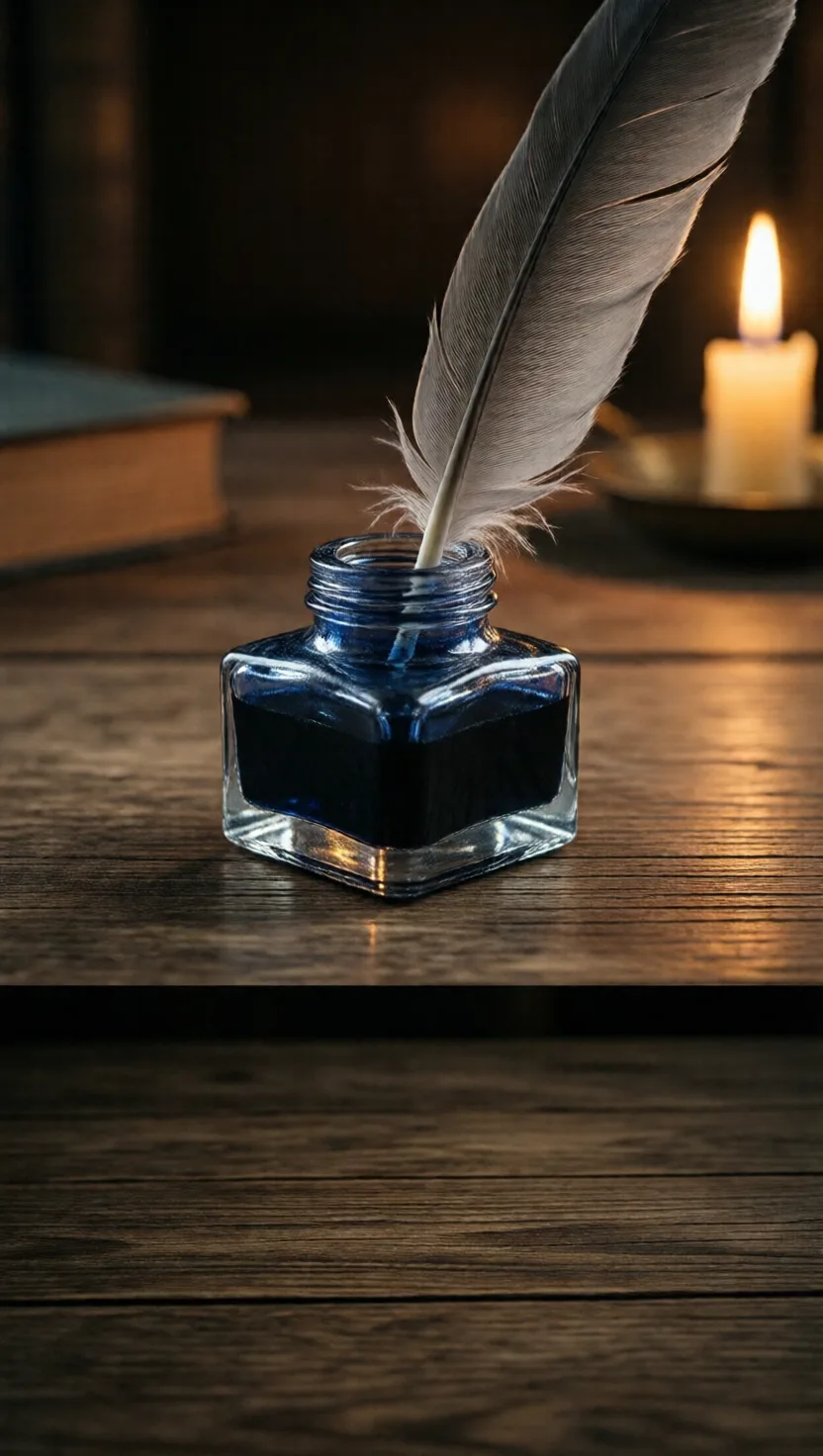
Iron gall ink — the standard ink across Europe from Roman times into the 1800s — was brewed from oak galls, the marble-sized growths a tiny wasp triggers on oak twigs, mixed with iron salts. The reaction leaves it strongly acidic, around pH 1–3, and over centuries that acid attacks the cellulose in paper: browning it, making it brittle, and sometimes eating clean through the page. The damage is visible today in drawings by Leonardo da Vinci, the manuscripts of Bach and Victor Hugo, and early drafts of the U.S. Constitution.