Eight things you never knew about how we made light

DC·32 Deep Cuts
A cage of wire is all that keeps this lamp from exploding

A cage of wire is all that keeps this lamp from exploding

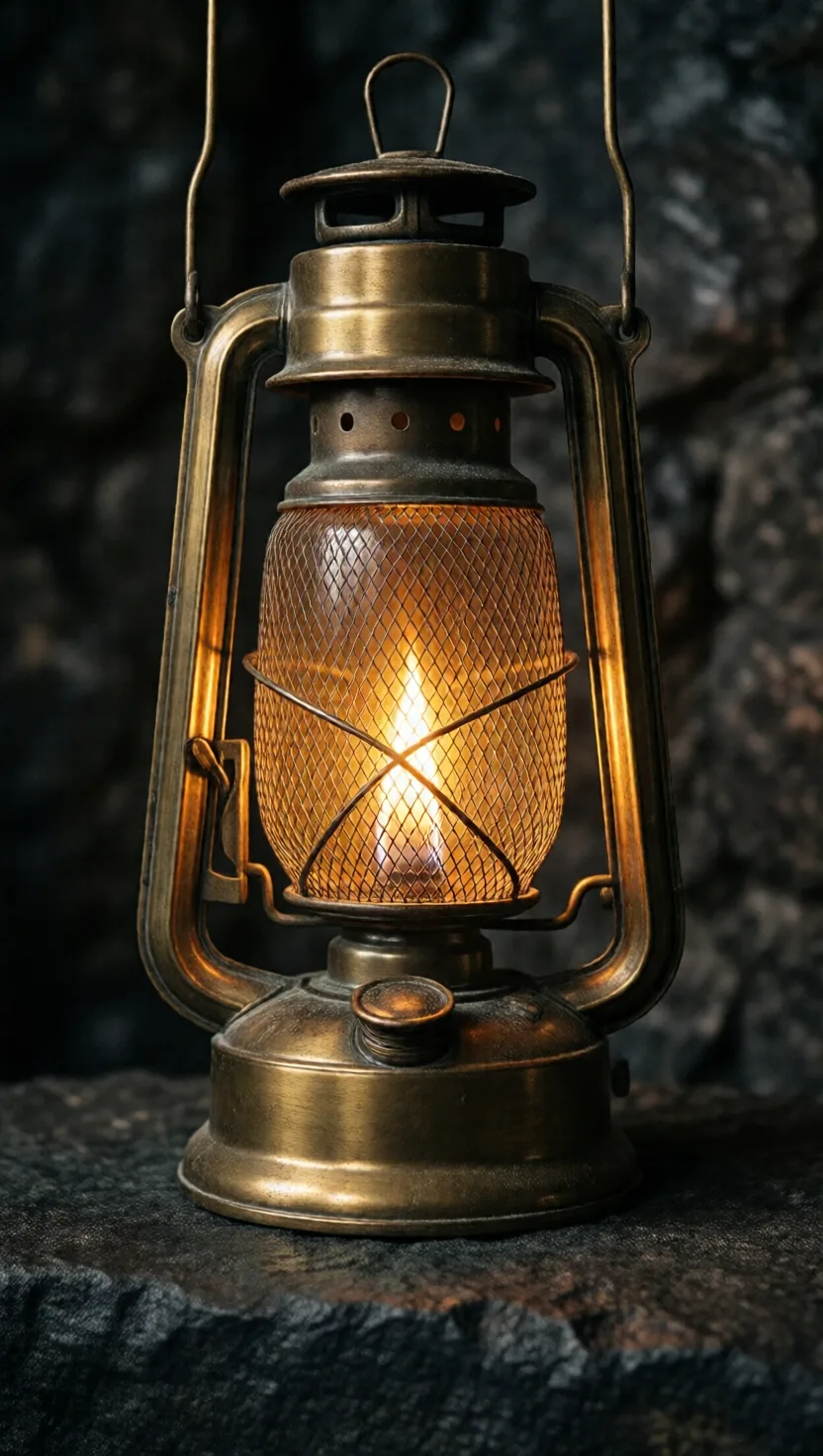
Humphry Davy's 1815 miner's lamp surrounds its flame with fine wire gauze. The metal pulls heat out of the flame faster than fire can spread, so even if explosive methane seeps in and ignites inside, the flame cannot pass back out through the mesh to the gas filling the mine. The same flame doubles as a detector: in bad air it grows a tall blue cap, warning the miner to get out.
This 1780 oil lamp burned as bright as ten candles

This 1780 oil lamp burned as bright as ten candles

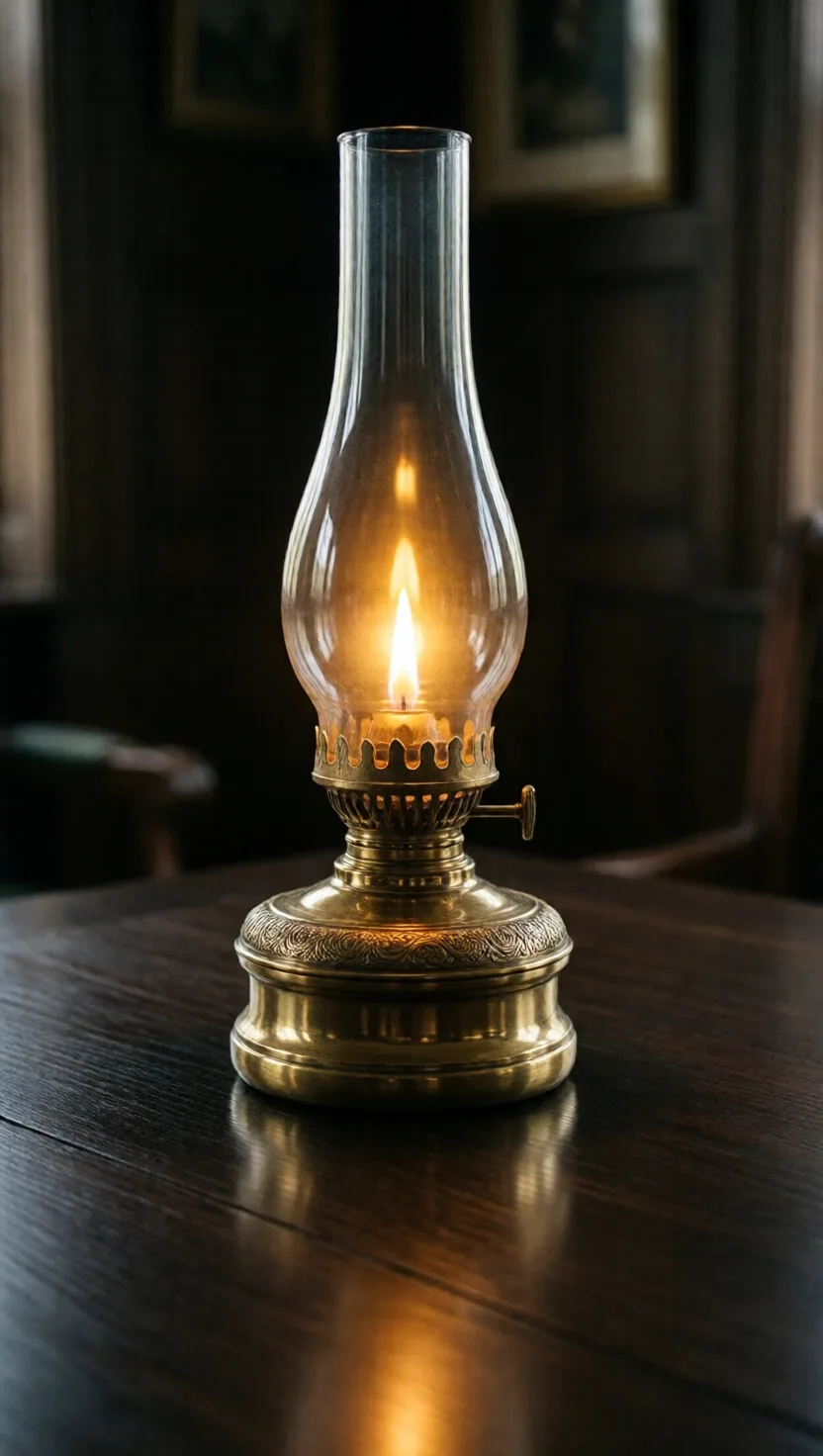
Aimé Argand's 1780 lamp hid a simple trick: a hollow, tube-shaped wick that lets air feed the flame from the inside as well as the outside, with a glass chimney above to pull a strong draught up through it. The fierce, near-complete burn gave a steady, almost smokeless light worth six to ten candles — the brightest lamp in any home until kerosene arrived around 1850.
The original 'limelight' was a burning lump of rock

The original 'limelight' was a burning lump of rock

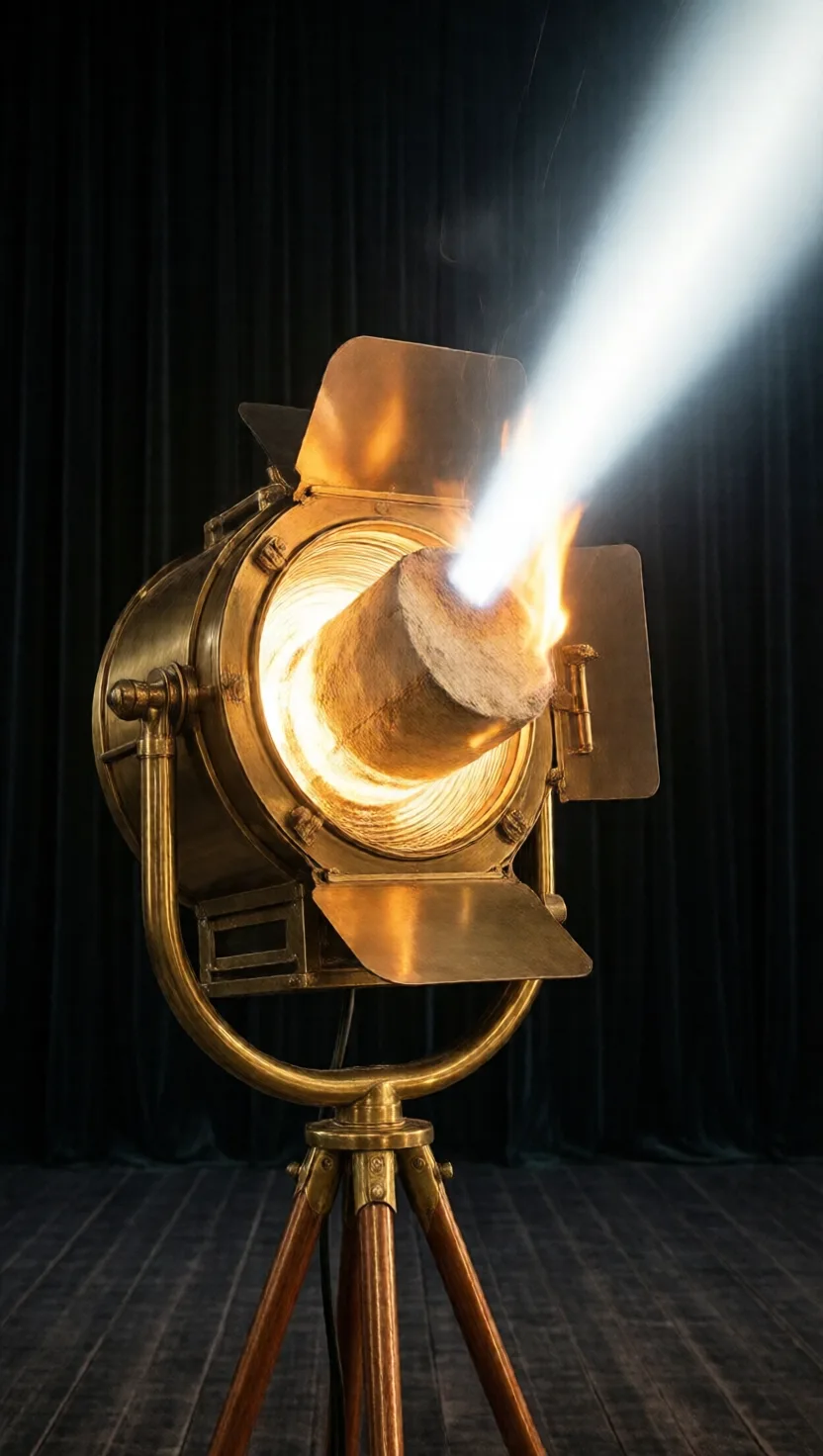
Before electric stage lights, theatres spotlit their stars with limelight: a fierce flame of oxygen and hydrogen aimed at a block of quicklime — ordinary calcium oxide. Quicklime melts only around 2,570°C, so instead of burning away it sits there glowing a brilliant, steady white. The brightest, most coveted spot on the stage was bathed in it, which is why a star today is still said to be 'in the limelight.'
Under this street lamp, every colour disappears

Under this street lamp, every colour disappears

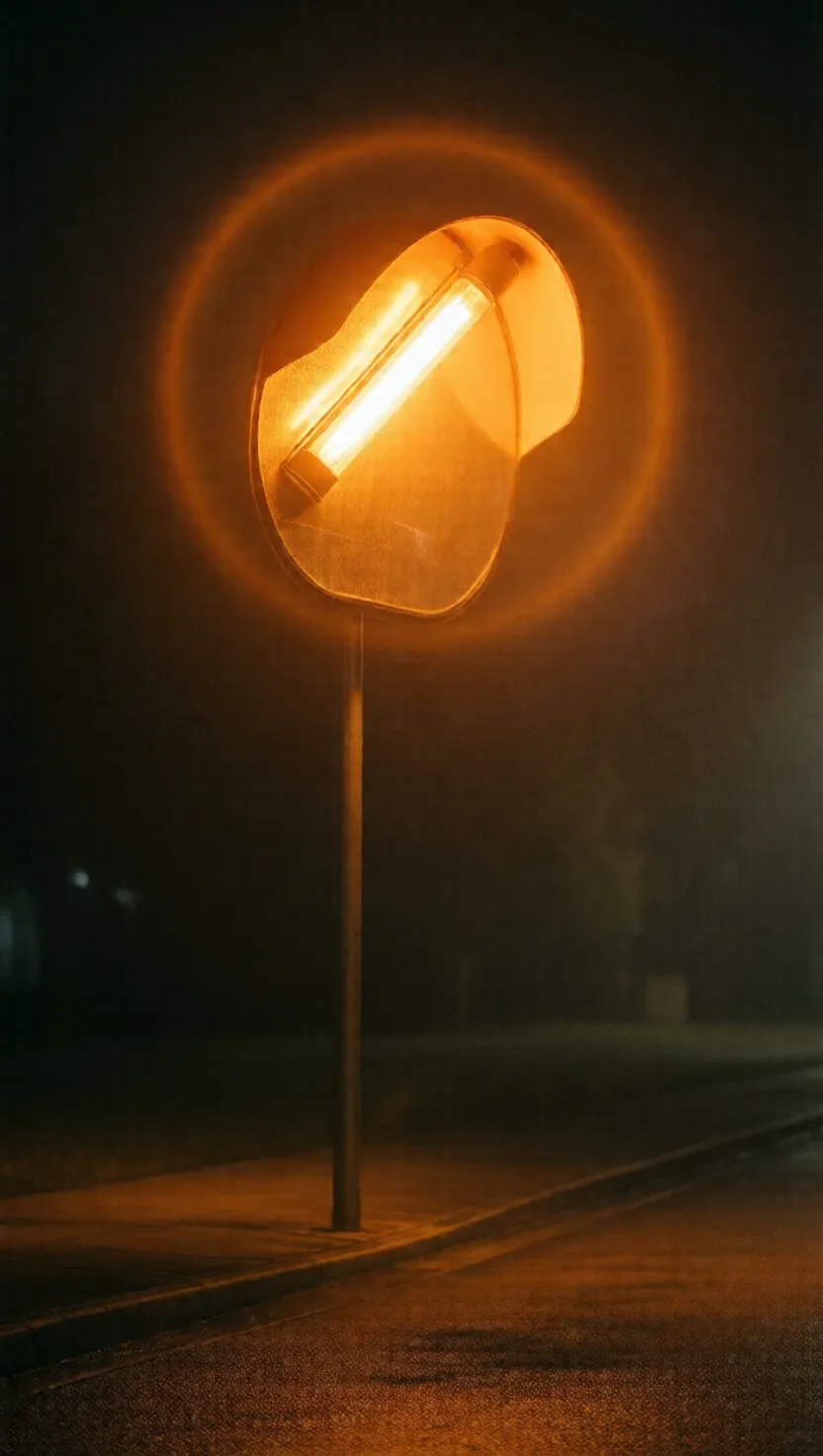
A low-pressure sodium lamp glows in almost a single pure wavelength of yellow light, near 589 nanometres. With no other colours in the beam for objects to reflect, a red car and a green door turn the same flat grey — its colour-rendering score is essentially zero. The pay-off is efficiency: it is the most efficient lamp ever sold, squeezing close to 200 lumens from every watt.
People paid to be terrified by this candle-lit projector

People paid to be terrified by this candle-lit projector

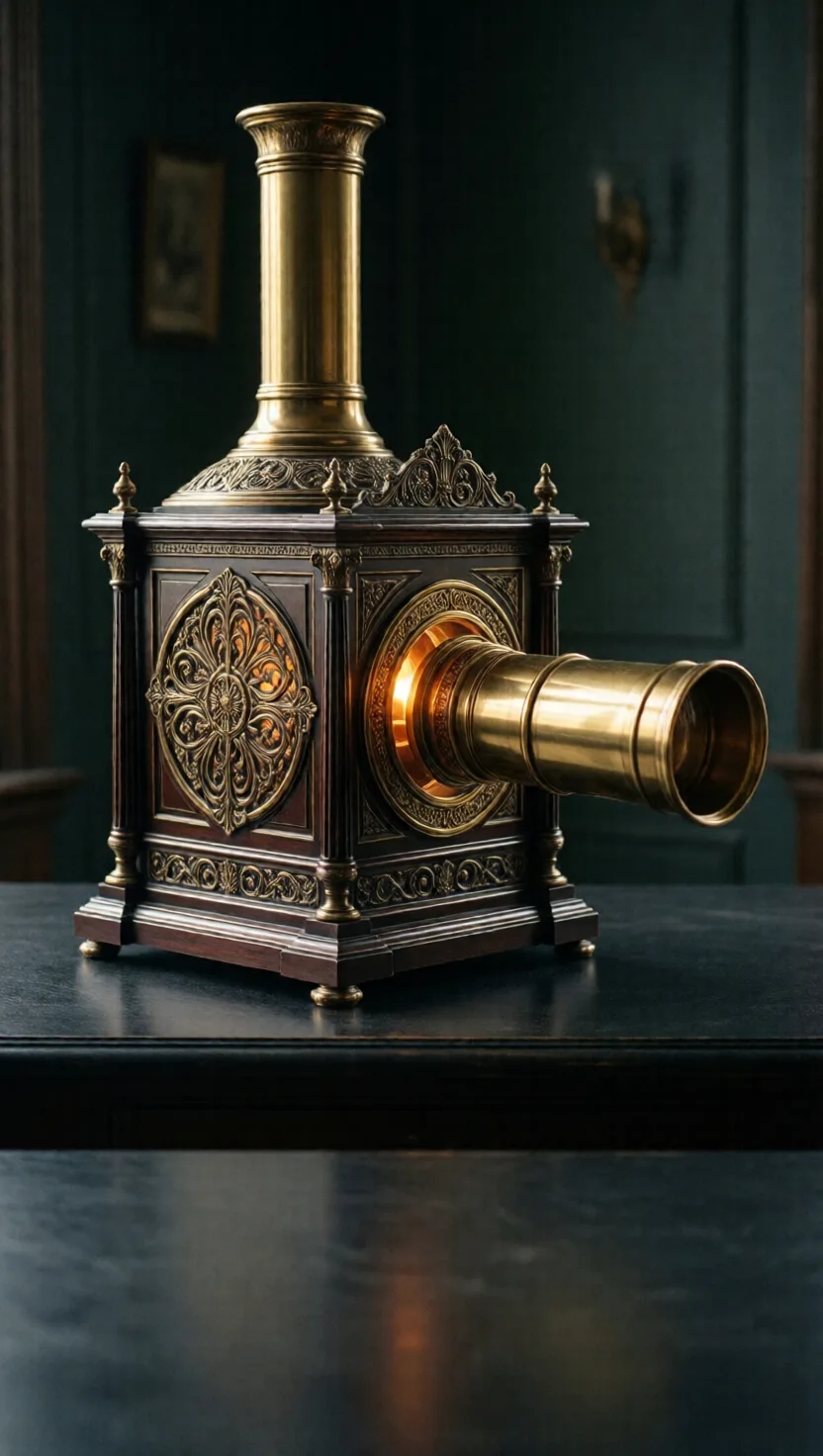
The magic lantern, built around 1659, used nothing but a candle or oil flame, a mirror and a lens to throw hand-painted glass slides onto a wall — the ancestor of every projector since. Showmen soon turned it into a weapon: the 'phantasmagoria' shows of the early 1800s loomed glowing demons and ghosts out of the dark, growing larger as they advanced, until audiences fled the room screaming.
For a century, brightness was measured in whale candles

For a century, brightness was measured in whale candles

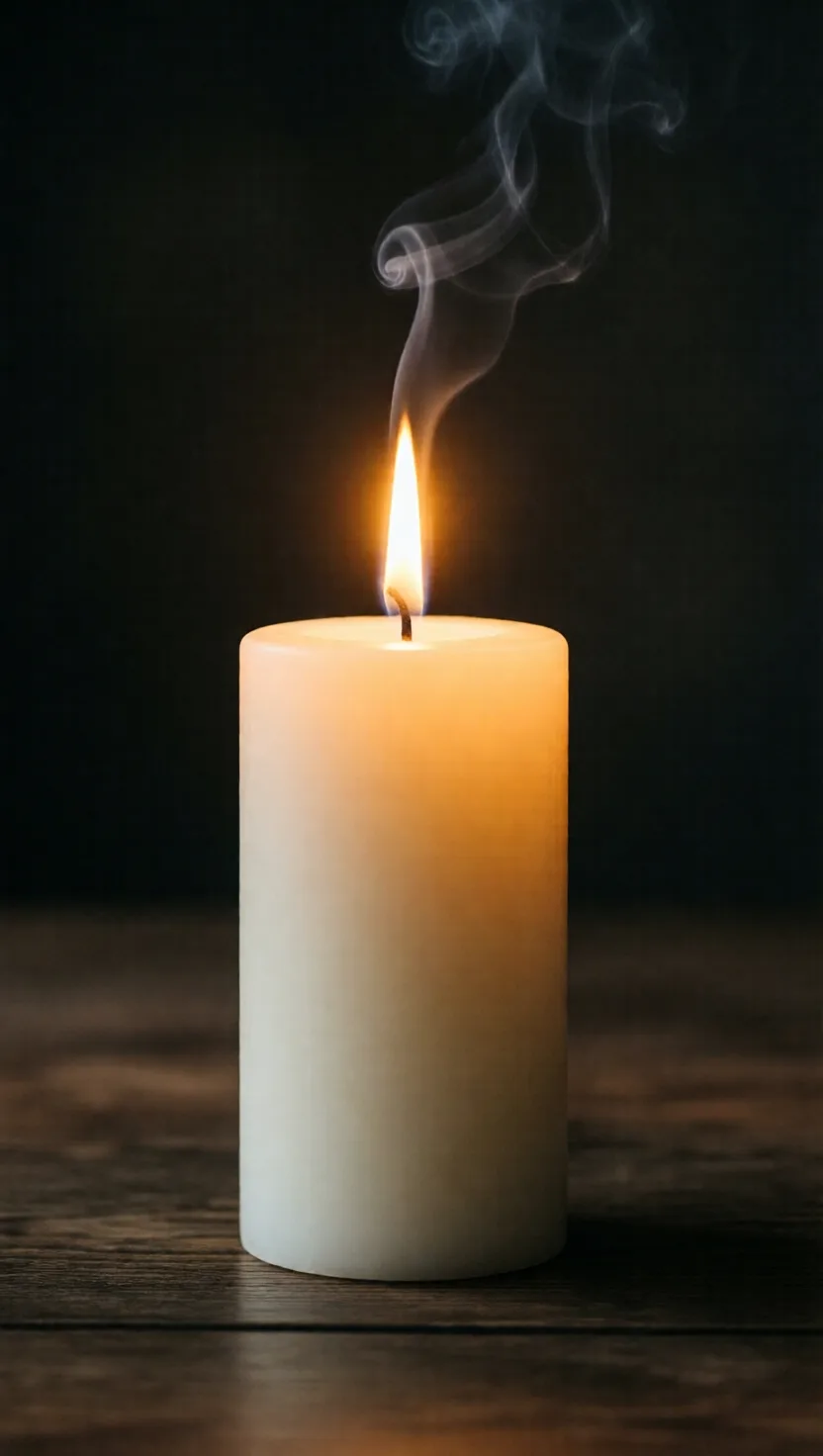
When the world needed a standard for brightness, it chose a single candle — a pure spermaceti candle, made from the waxy oil in a sperm whale's head, burning at exactly 120 grains (about 7.8 grams) an hour. Fixed into British law in 1860, that flame's output became 'candlepower,' the yardstick lamps were rated against for decades, and the direct ancestor of today's candela.
This dazzling lamp mesh is delicate, radioactive ash

This dazzling lamp mesh is delicate, radioactive ash

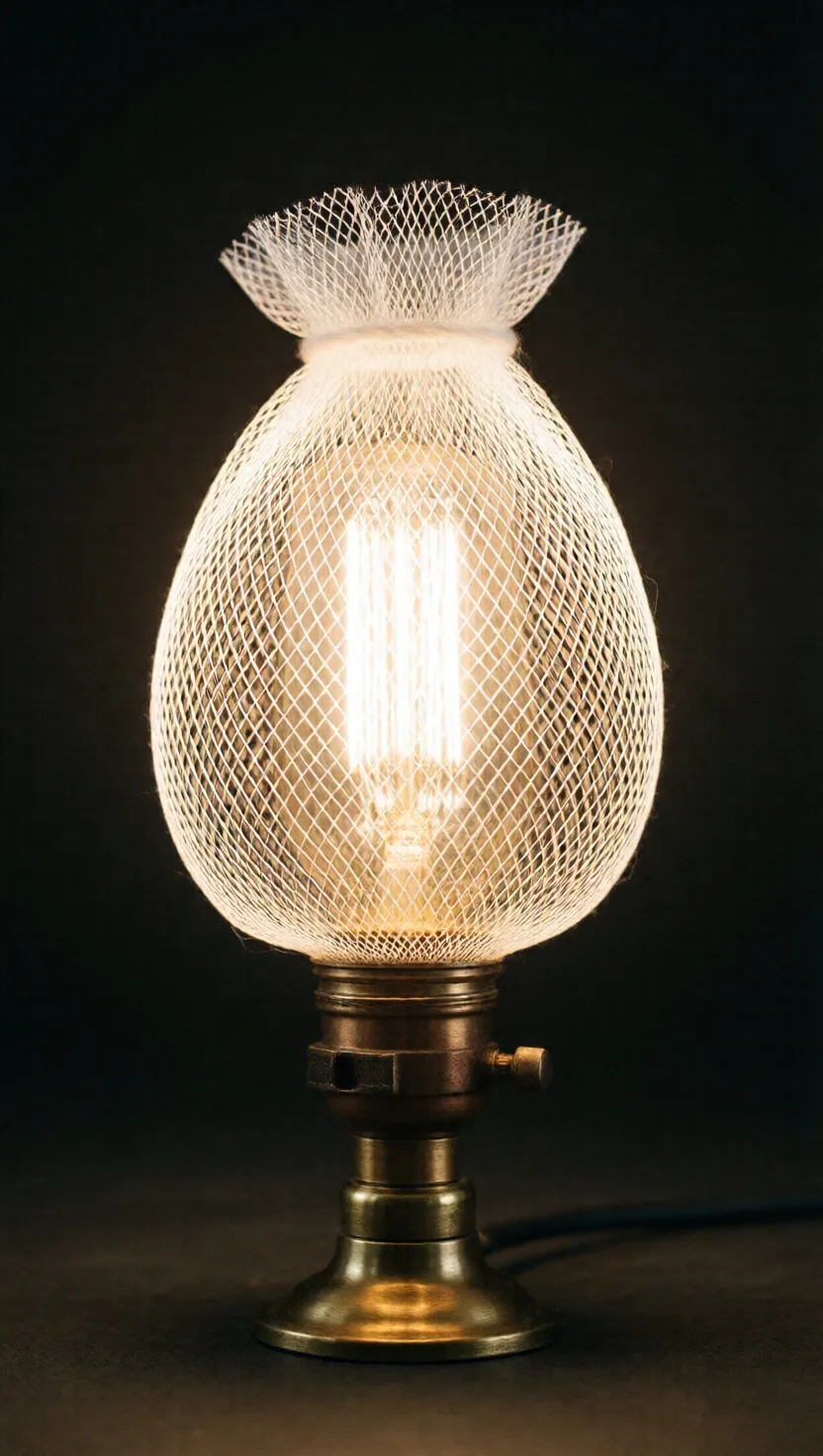
A gas mantle is a little knitted net soaked in thorium and cerium salts. Light it and the fabric burns away in seconds, leaving a fragile ceramic skeleton in exactly the same shape — and that skeleton, heated by the flame, glows a dazzling white far brighter than the flame itself. The catch: thorium is mildly radioactive, so antique mantles still left in a drawer give off a faint, steady tick.
Electric light blazed 70 years before the lightbulb

Electric light blazed 70 years before the lightbulb

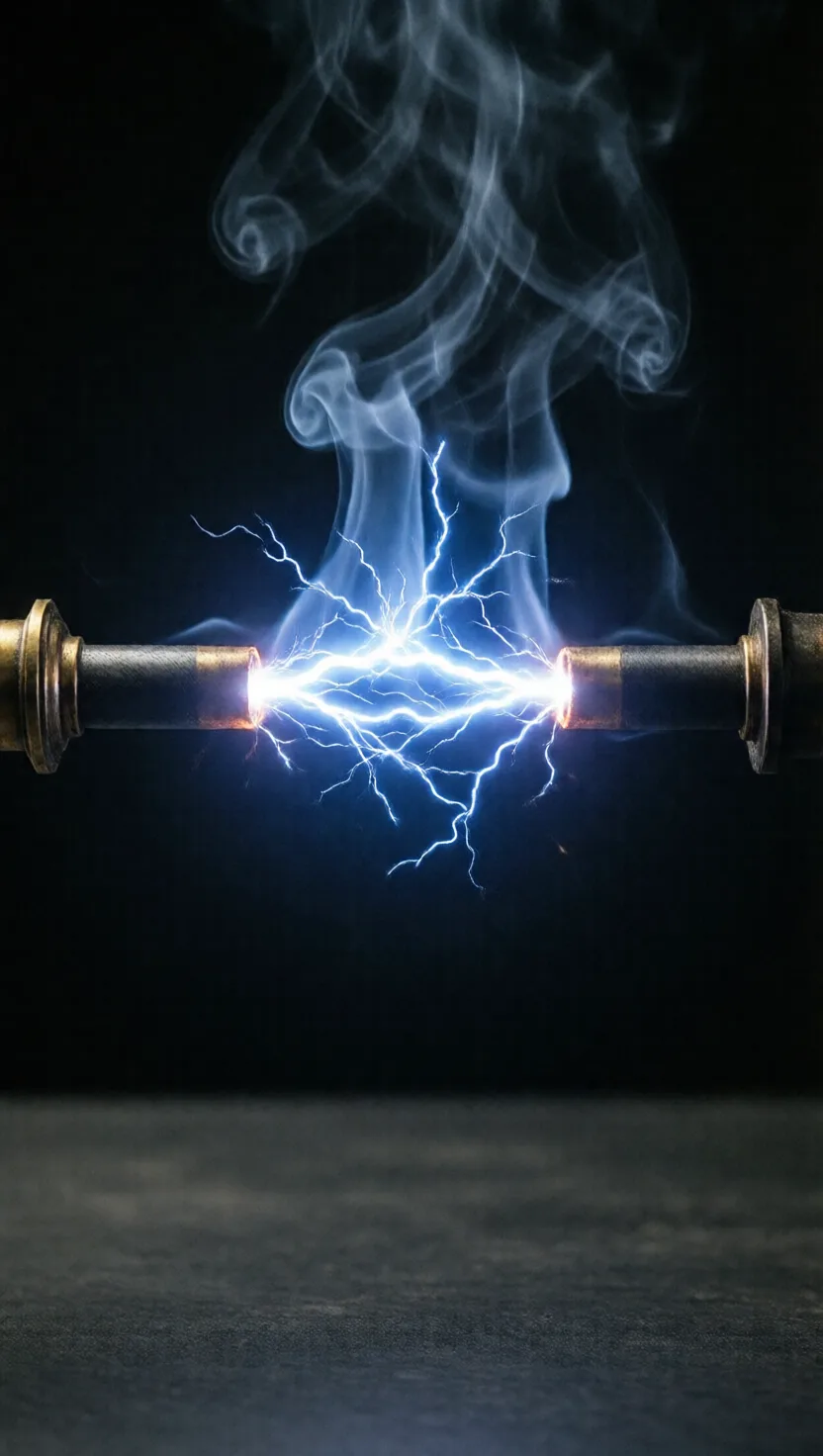
Around 1808, decades before any glowing filament, Humphry Davy clipped two carbon rods to an enormous battery and drew them slightly apart. A searing white arc leapt the gap — the first electric light, so blinding it was likened to a fragment of the sun and dangerous to look at directly. Arc lamps went on to light streets, lighthouses and film sets from the 1870s, until the gentler incandescent bulb replaced them.
tap →swipe ↑ for depthswipe ↓ to exit