Eight things hidden inside locks, keys and vaults

DC·31 Deep Cuts
Your front-door lock is a 4,000-year-old idea

Your front-door lock is a 4,000-year-old idea

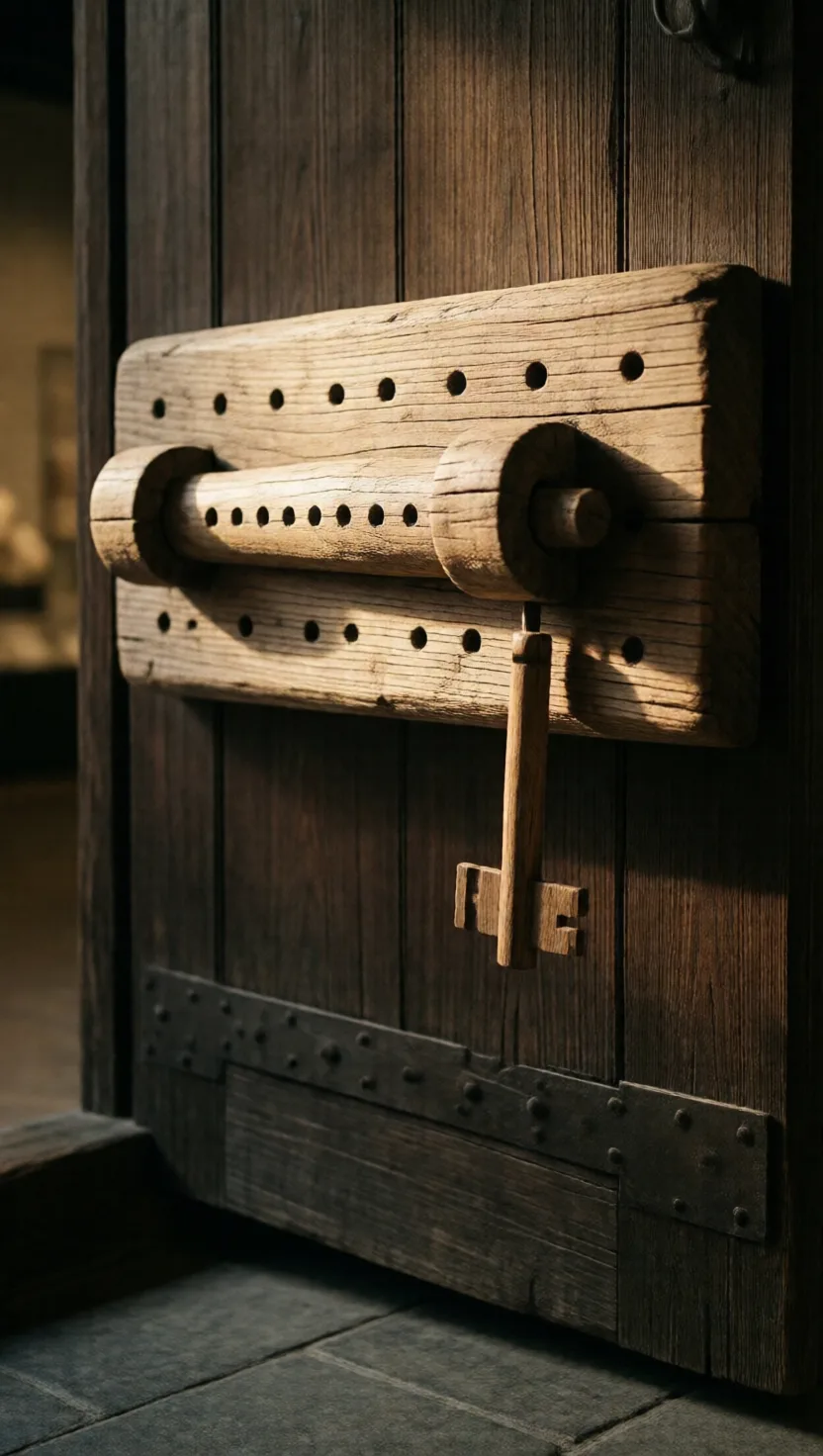
The oldest known lock is wooden, about 4,000 years old, dug from the ruins of a palace near ancient Nineveh — and it works exactly like the cylinder on your door today. Small pins drop into a sliding wooden bolt and jam it in place; the right key lifts each pin to just the right height so the bolt can slide free. An American locksmith patented the metal pin-tumbler version in 1848 on that same ancient idea, and we've barely improved on it since.
This lock sat in a shop window unpicked for 67 years

This lock sat in a shop window unpicked for 67 years

From 1790 a London lockmaker bolted one of his locks in his shop window beside a printed dare: pick it and collect 200 guineas. It stood, untouched, for 67 years. Only at the great London exhibition of 1851 did a visiting American locksmith finally open it — and it took him 51 hours of patient work spread across 16 days. The reward he won would be worth tens of thousands of pounds today; the lock now rests in a museum.
Pick this lock and it jams itself shut against you

Pick this lock and it jams itself shut against you

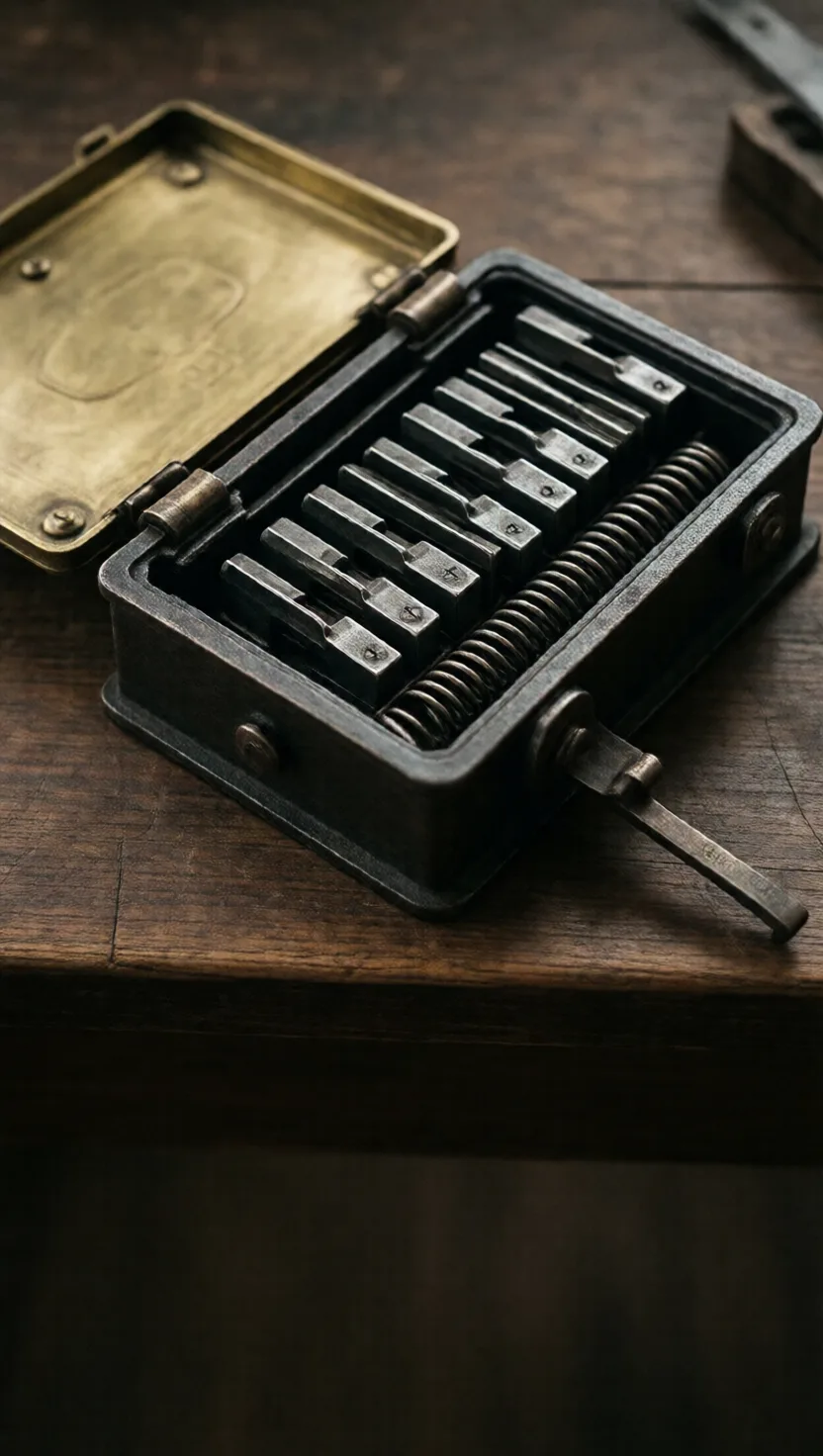
Patented in 1818 for a £100 government prize, this lock hides a trap. Lift any of its internal levers a hair too high — exactly what a pick or a wrong key does — and a catch trips, freezing the whole lock and leaving a tell-tale that someone tried. Even the true key won't turn it now. The owner first has to twist the key the wrong way to release the trapped levers, so the lock quietly confesses every attempt to break in.
This vault won't open for its own owner till morning

This vault won't open for its own owner till morning

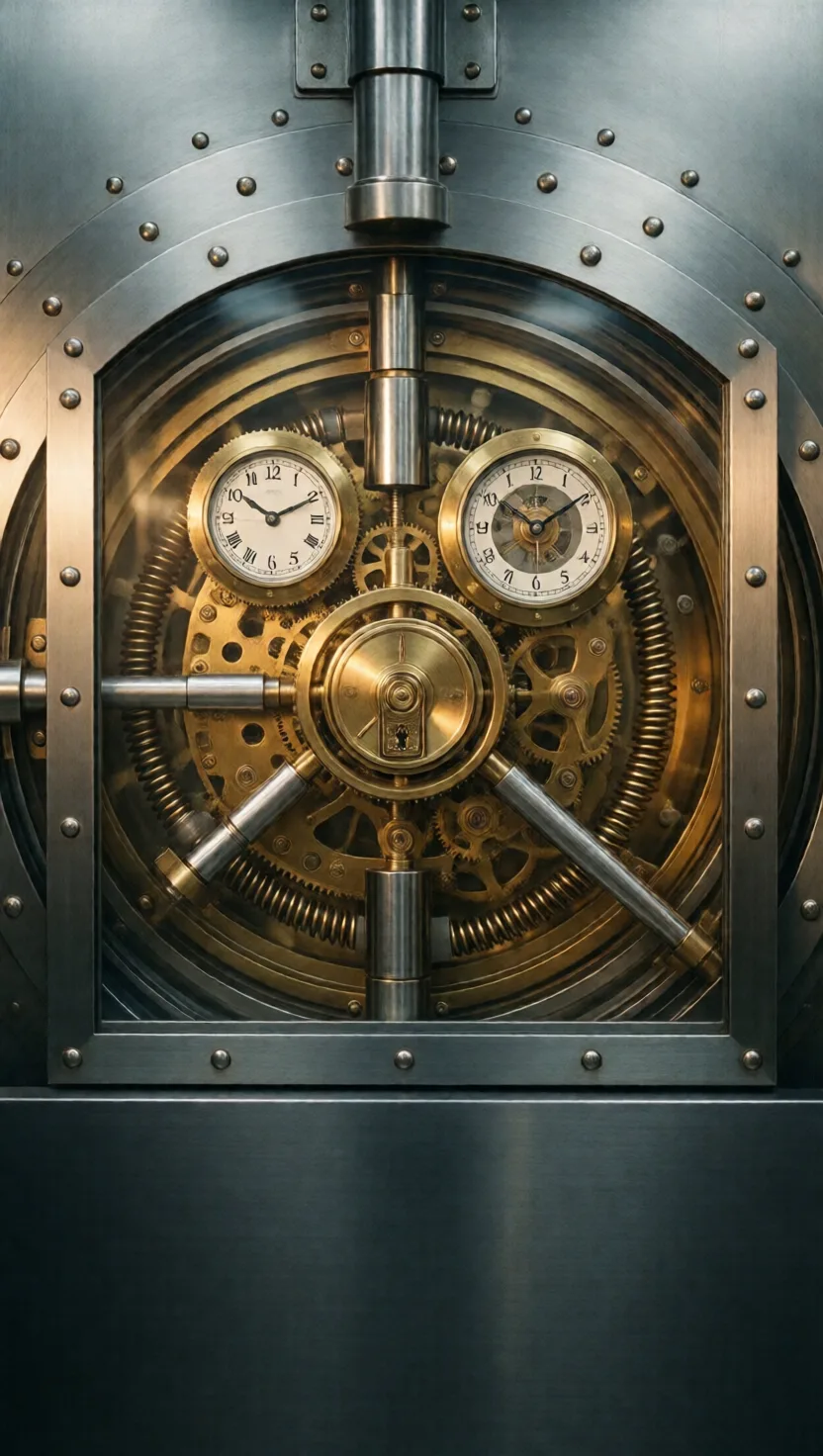
In the late 1860s thieves stopped picking bank vaults and started kidnapping the bankers, forcing them to hand over the combination at gunpoint. The answer, built in 1873 from the works of a couple of ordinary eight-day clocks, was a lock with nothing to threaten anyone over: a clock inside counts down and the door simply will not open — key or combination be damned — until the set hour arrives. The first one guarded an Illinois bank for nearly 40 years.
Romans wore their house keys on their fingers

Romans wore their house keys on their fingers

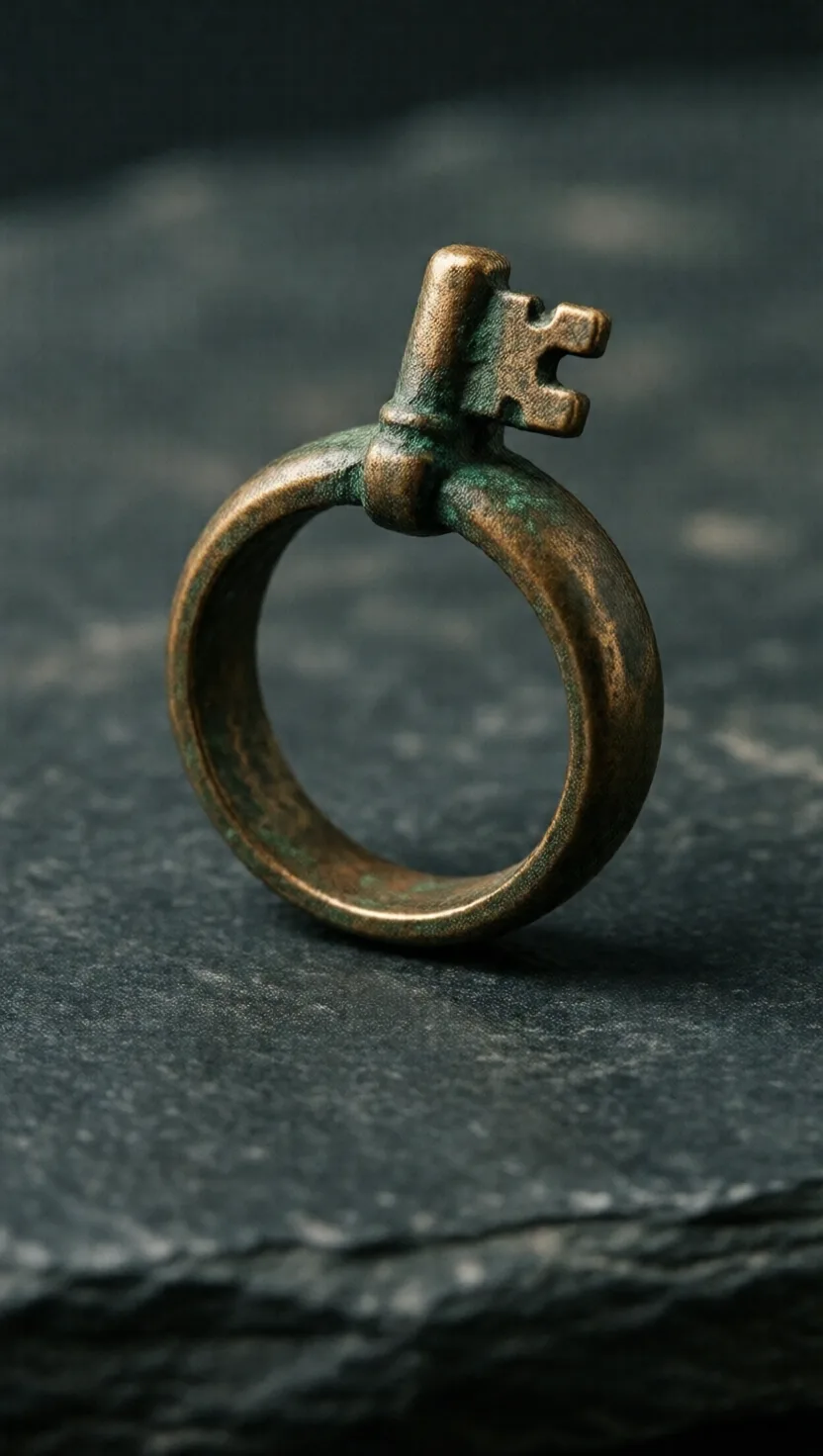
A toga had no pockets, so well-off Romans kept their key where they couldn't lose it — cast into a bronze finger ring, the toothed key bit standing up from the band. It locked the little caskets that held jewellery and coin, and wearing it sent a quiet message: I own things worth locking away. Archaeologists still pull these key-rings from Roman sites across the old empire, some so ornate they were pure status and couldn't actually turn a lock.
A padlock that opens on a secret word, not a key

A padlock that opens on a secret word, not a key

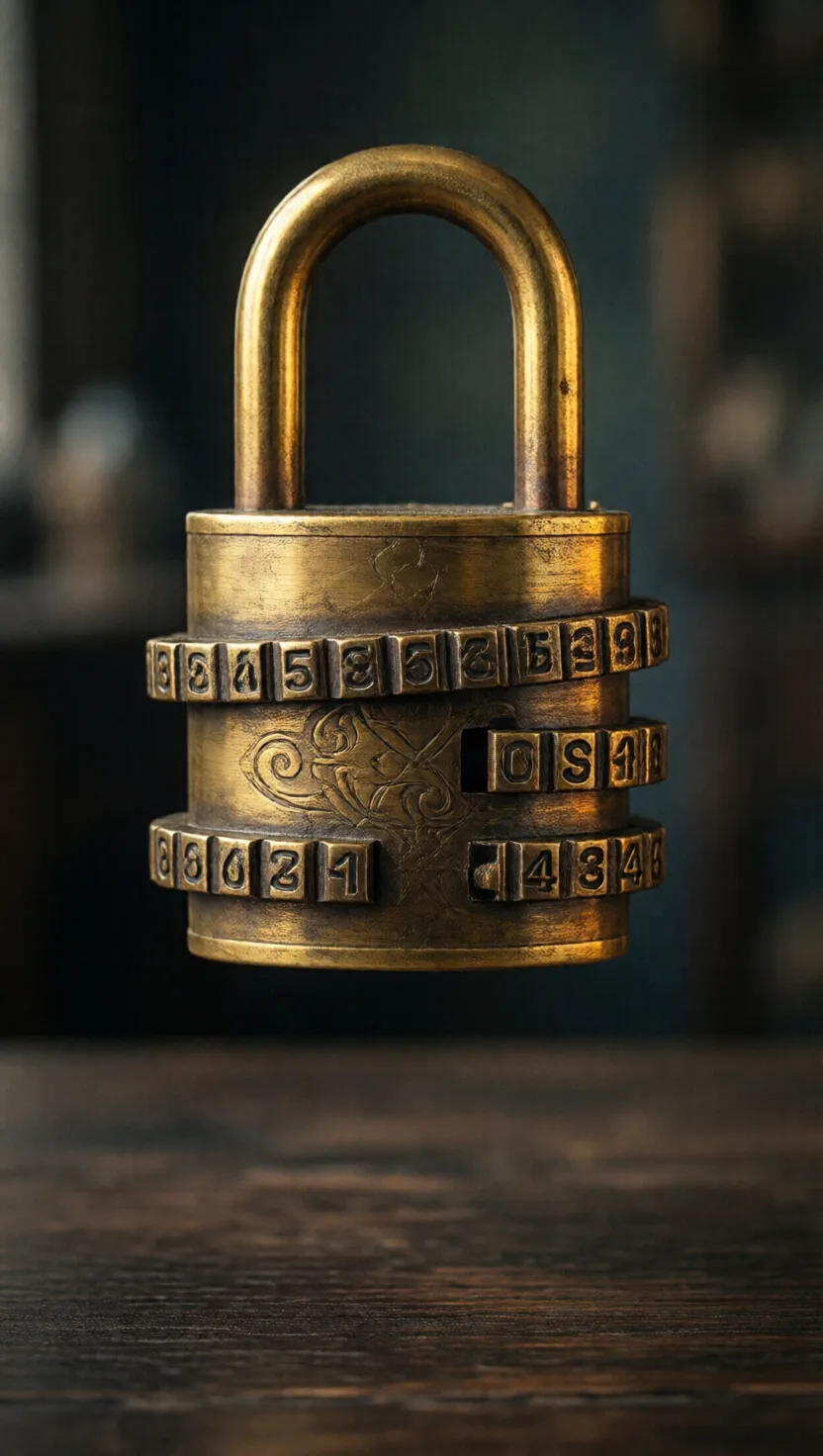
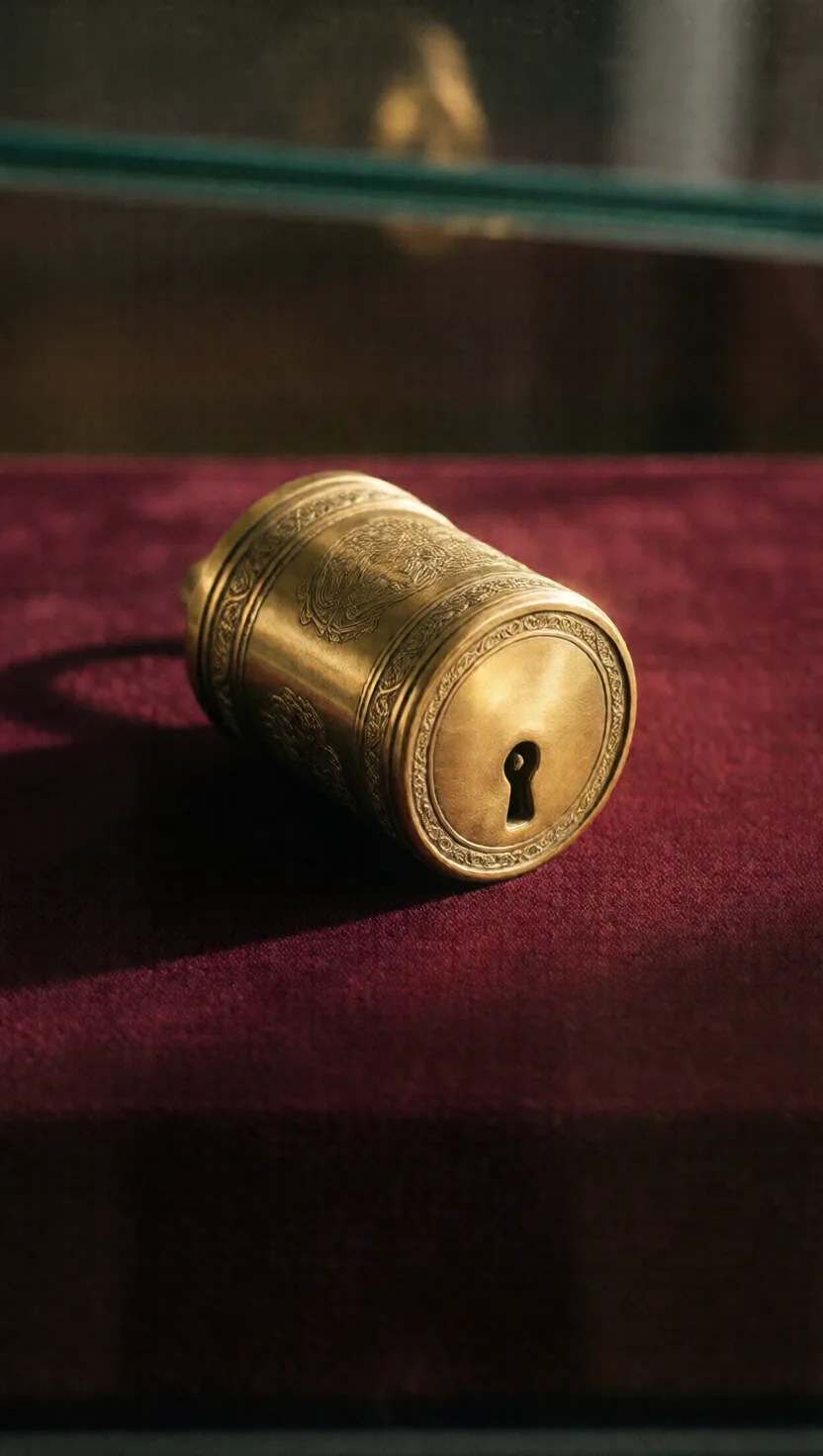
Long before the gym padlock there was the letter-lock, in use in England by the early 1600s and older still in the Arab and Chinese worlds. Lettered rings ride on a central spindle; spin them to spell the secret word and hidden slots inside all fall into a single row, freeing the bolt to slide. There was no key to copy, lose or steal — the combination lived only in the owner's head. A French maker later doubled the rings so the word itself could be changed.
This 40-ton door swings open with one hand

This 40-ton door swings open with one hand

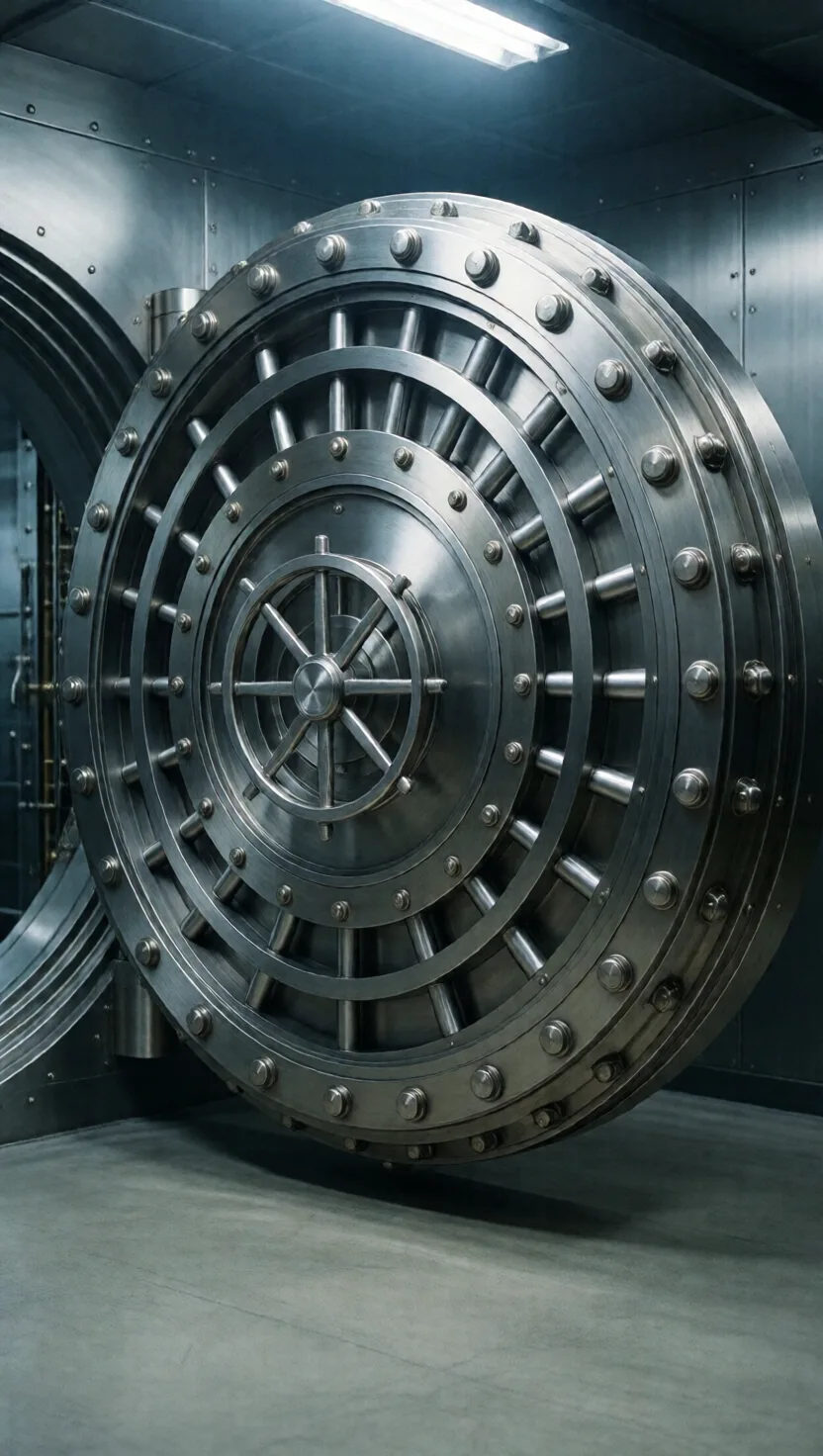
A bank vault door can weigh as much as 40 or 50 tons — one famous cash-vault door tips the scale near 90,000 pounds — yet a single person eases it open with one hand. The trick is balance: the whole slab hangs on precision bearings and hinges, or floats along a track set into the floor, so its enormous weight is carried by the mechanism, not by you. Perfectly poised, the giant glides; only the bolt-work and the locks do the real holding.
Why a 'skeleton' key opens so many doors

Why a 'skeleton' key opens so many doors

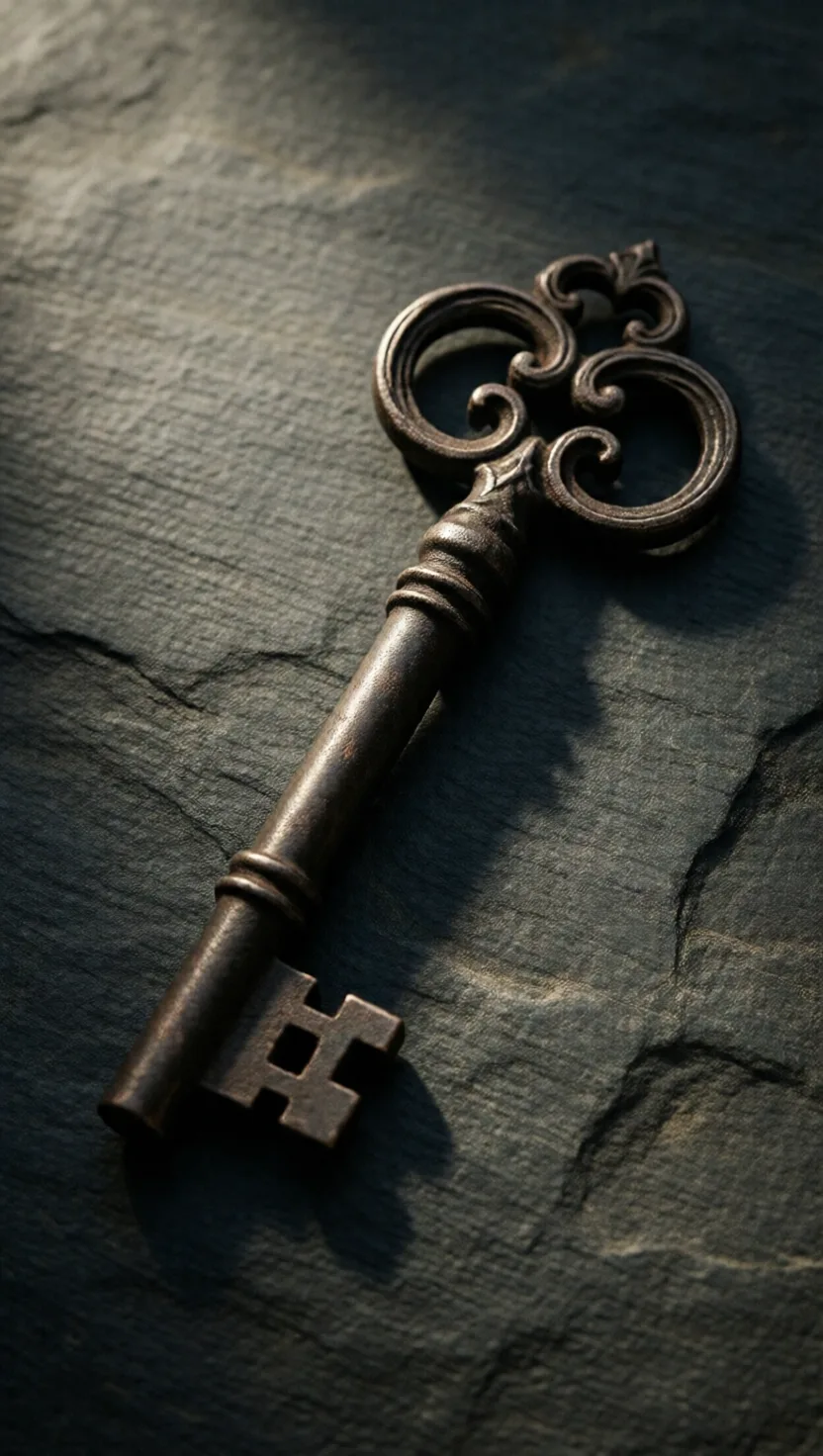
Old warded locks guard themselves with wards — fixed rings of metal inside the keyhole that block any key whose notches don't match the maze. A skeleton key is one filed down to the bone: strip away everything but the slim part that throws the bolt, and it slips straight past the wards, opening lock after lock. With often fewer than a hundred ward patterns ever in use, a small ring of these stripped keys really could open much of a house.
tap →swipe ↑ for depthswipe ↓ to exit