Eight instruments hiding a secret in their sound

DC·30 Deep Cuts
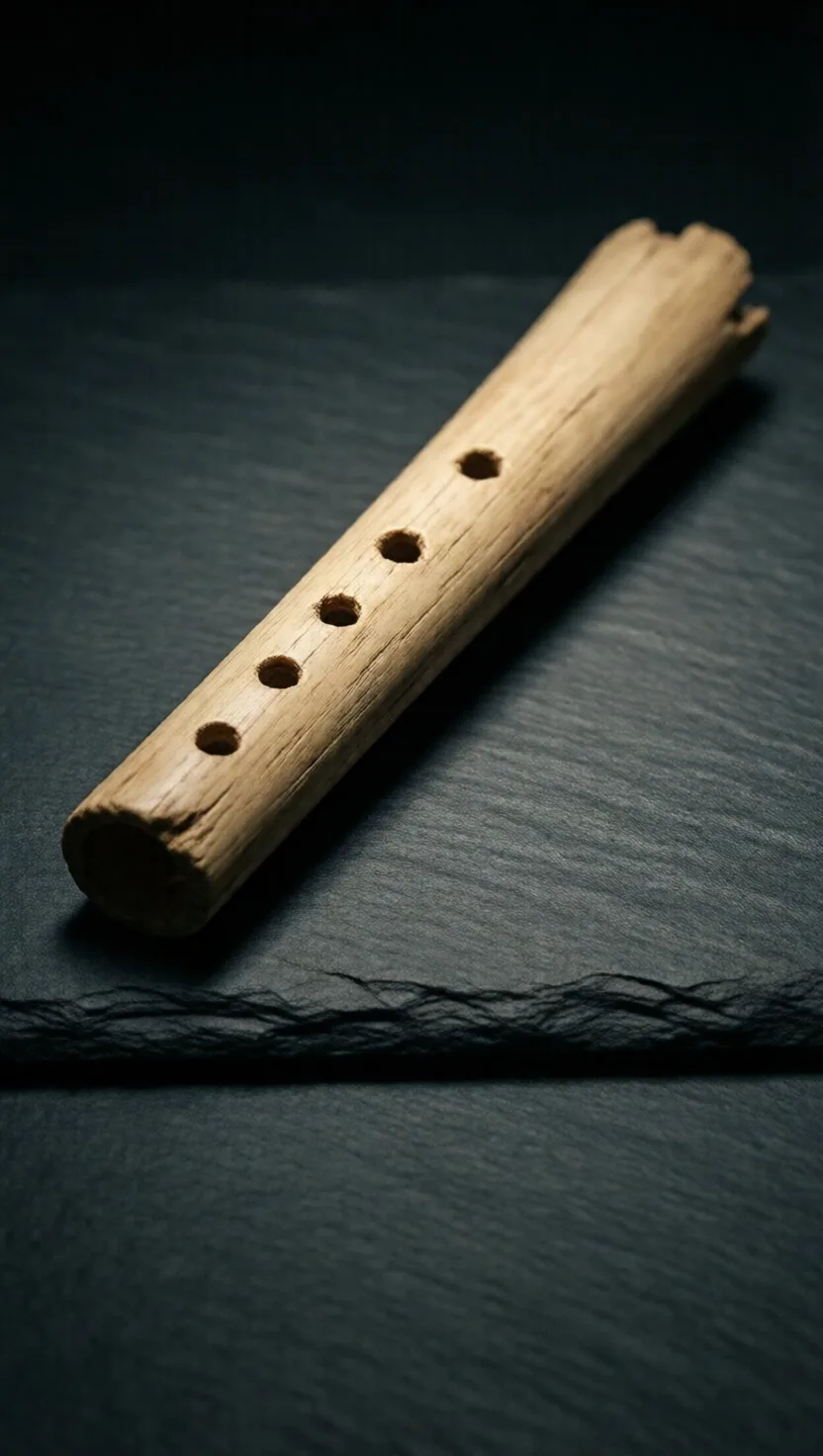
This 40,000-year-old flute is carved from a bird bone

This 40,000-year-old flute is carved from a bird bone

Pieced together from fragments found in a cave in southwestern Germany, this flute was cut from the hollow wing bone of a griffon vulture and carefully drilled with five finger holes roughly 40,000 years ago. Reassembled, it runs about 22 centimeters long, its mouthpiece notched to shape the breath. Ice Age people were already making music on a tuned, repeatable instrument — and nearby ivory flutes may be older still, dated to around 43,000 years.
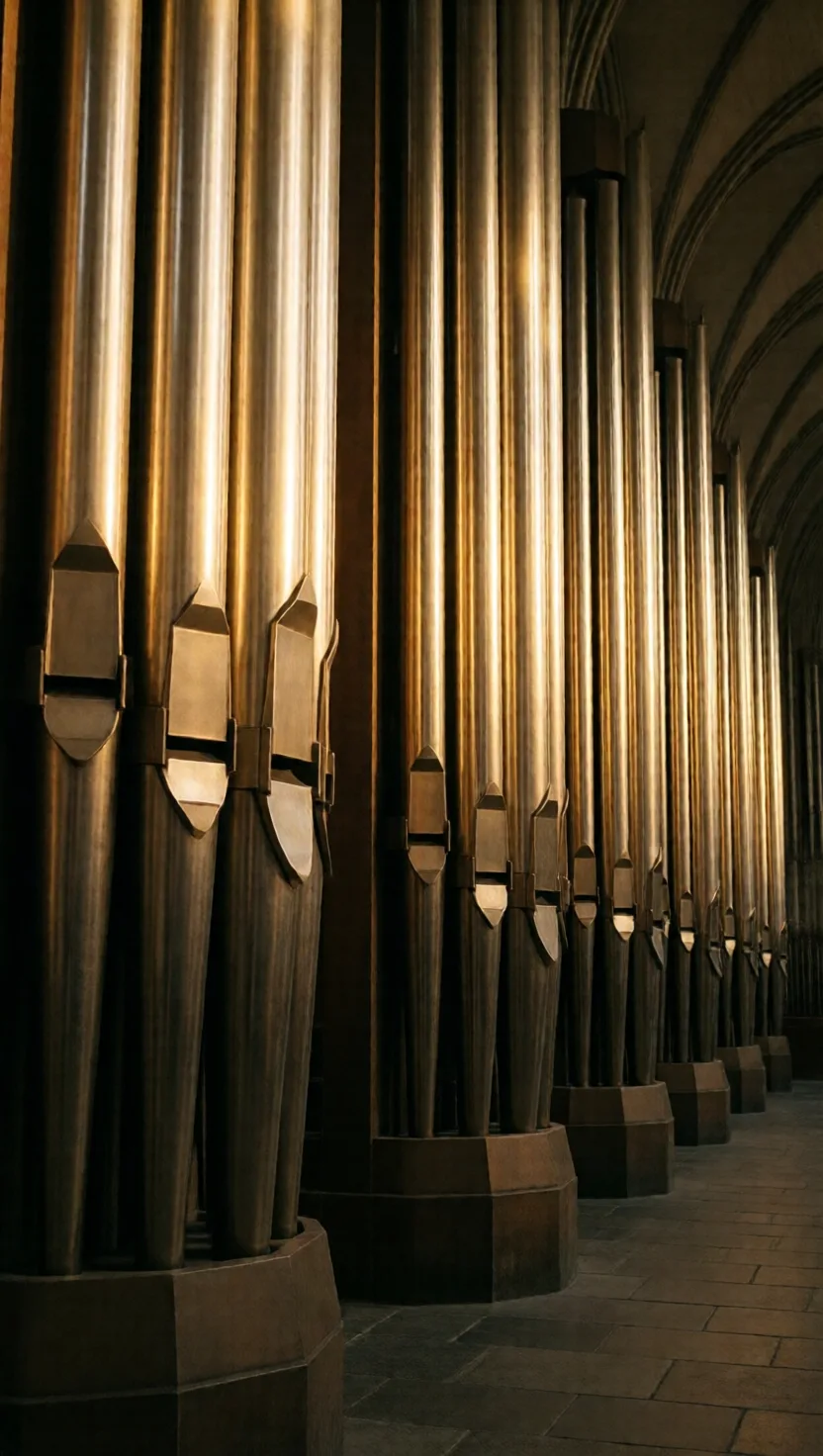
An organ's deepest pipe is felt, not heard

An organ's deepest pipe is felt, not heard

On a tiny handful of the world's largest organs, a rank of 64-foot pipes sounds a note that vibrates the air only about eight times a second. Human hearing fades out near twenty cycles per second, so this note arrives less as a pitch than as a pressure — a trembling you sense in your chest and through the floor rather than hear. A 32-foot pipe sits right at the threshold, around sixteen cycles a second.
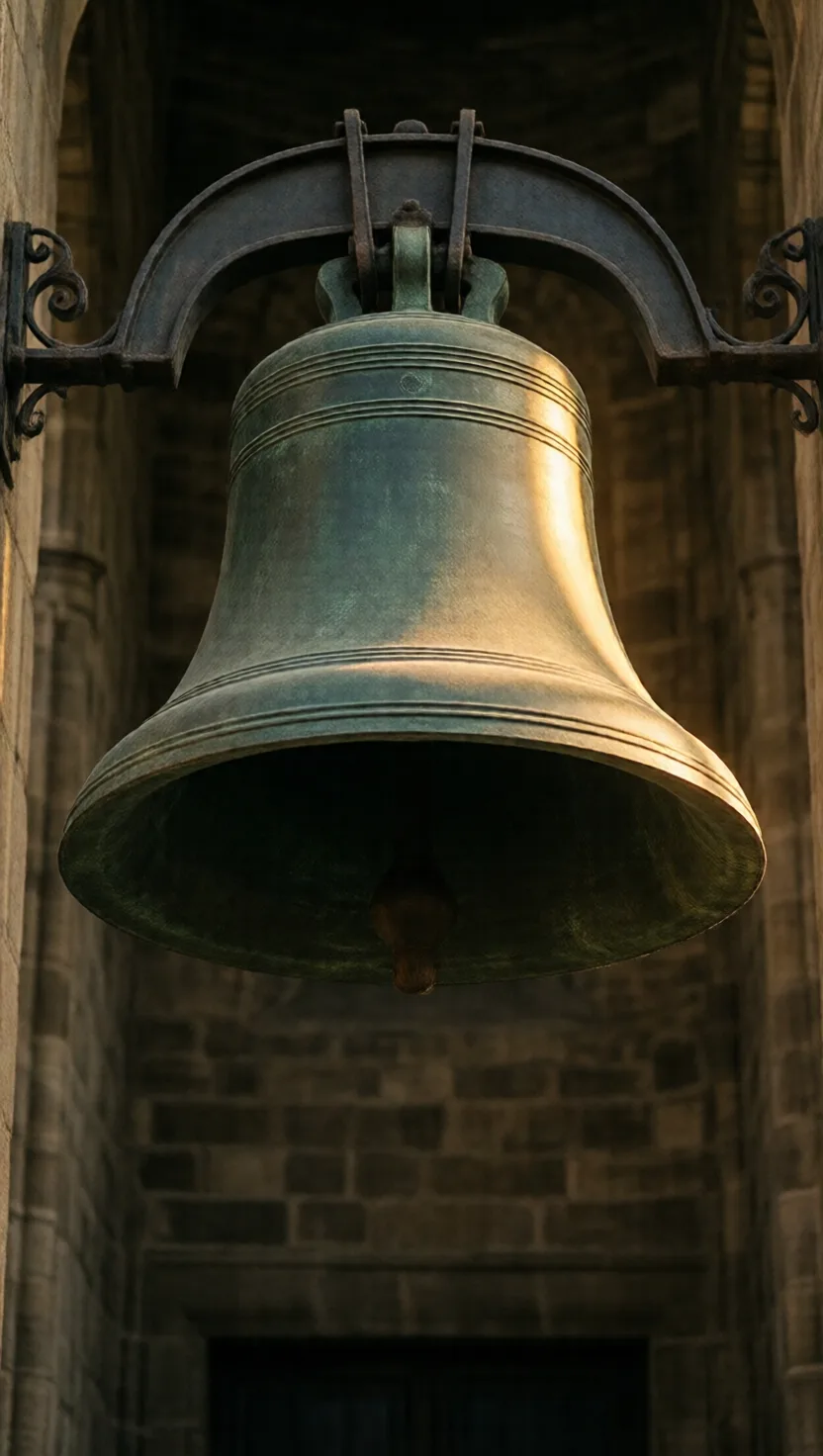
One church bell rings five notes at once

One church bell rings five notes at once

A well-made bell isn't tuned to a single pitch. Strike it and five distinct tones sound together — named the hum, prime, tierce, quint and nominal — spread across two octaves. The minor-third tierce is what lends a bell its faintly mournful voice. To tune them, a founder mounts the cast bell on a turning lathe and shaves metal from the inside until all five partials fall into line.
Sing this bowl and the water inside leaps

Sing this bowl and the water inside leaps

Rub the rim of a water-filled metal bowl and it hums as its walls flex in and out. Drive it hard enough and ripples climb the surface, then sharpen into peaks that fling tiny droplets clear of the water — the drops can even bounce and skitter across it. The surface ripples oscillate at half the bowl's vibration frequency, a pattern first described almost two centuries ago.
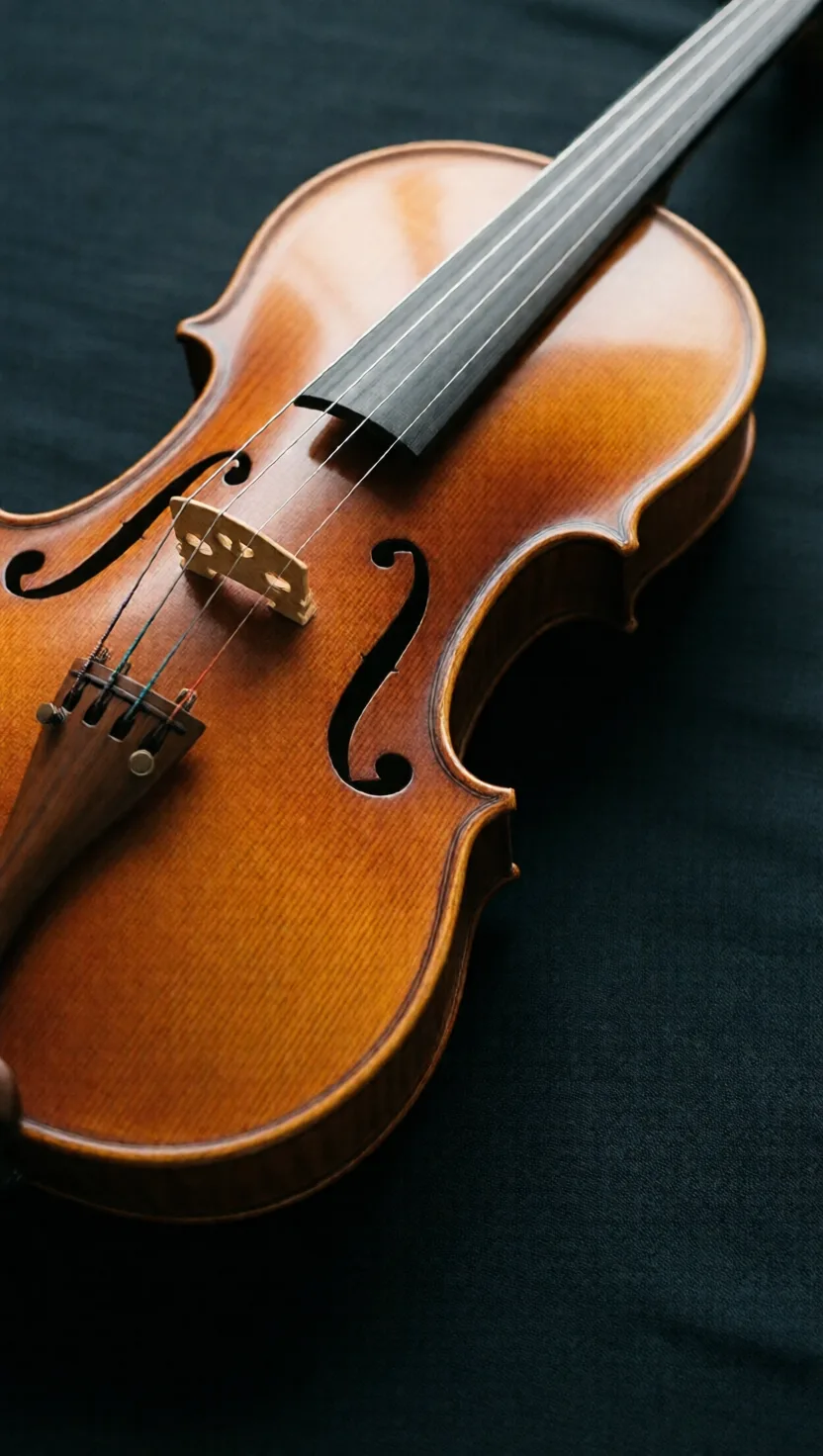
Why a violin's sound holes are slits, not circles

Why a violin's sound holes are slits, not circles

How much sound a violin radiates depends on the edge length of its openings, not their area. A long, narrow f-shaped slit has far more perimeter than a round hole of the same size, so air pumps in and out through it nearly twice as efficiently, strengthening the low, powerful notes. Across roughly two centuries of violin making, those slits were quietly drawn longer and longer — a slow tuning toward more sound.
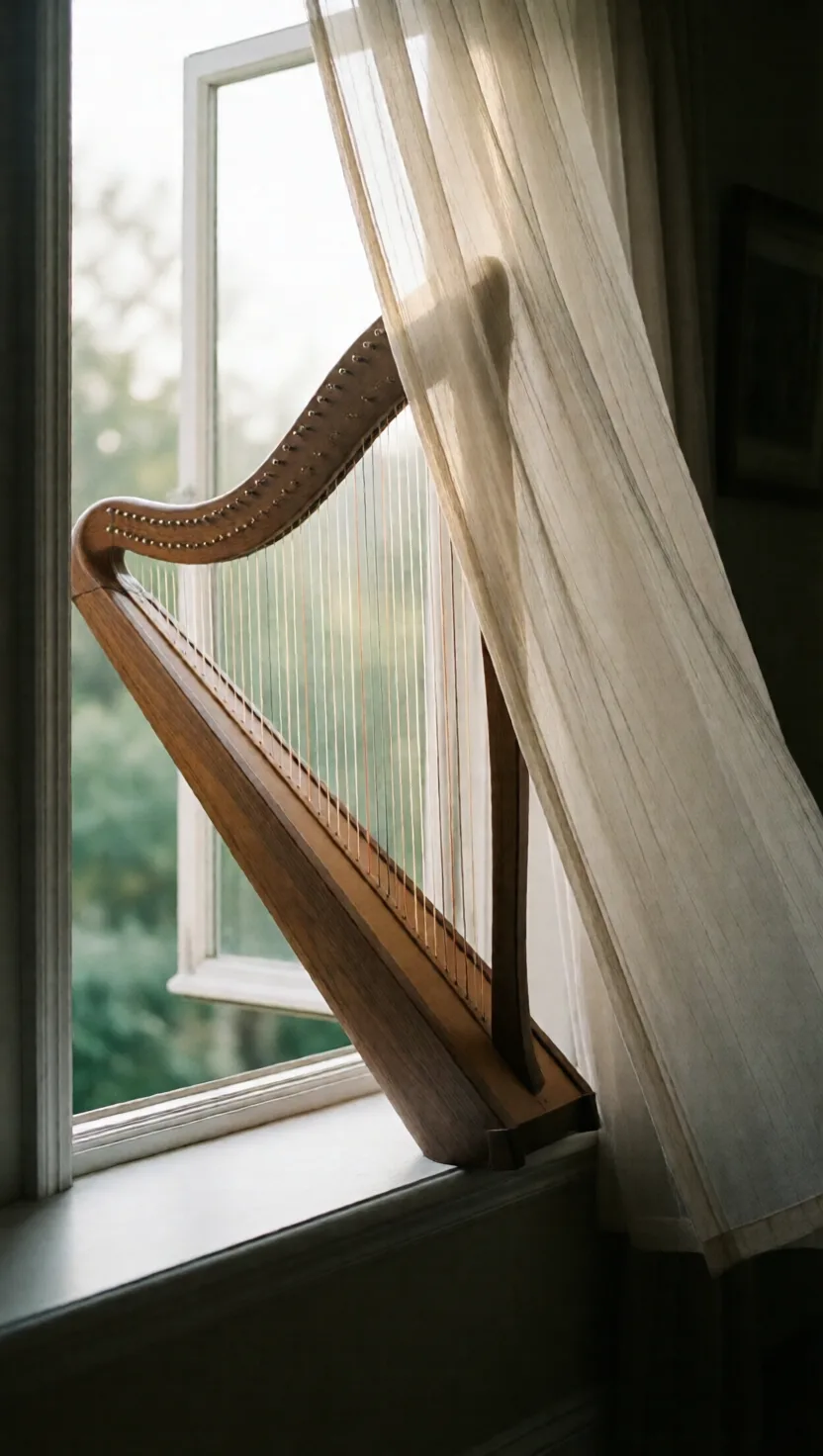
This harp has no player — the wind plays it

This harp has no player — the wind plays it

Stretch identical strings across a wooden box and set it in an open window. Wind sliding past each string sheds little whirls of air, first to one side then the other, and the tugging sets the string ringing. It's the only stringed instrument played by wind alone — and it never sounds its base note, only the higher overtones, so the chord swells and shifts as the breeze rises and falls.
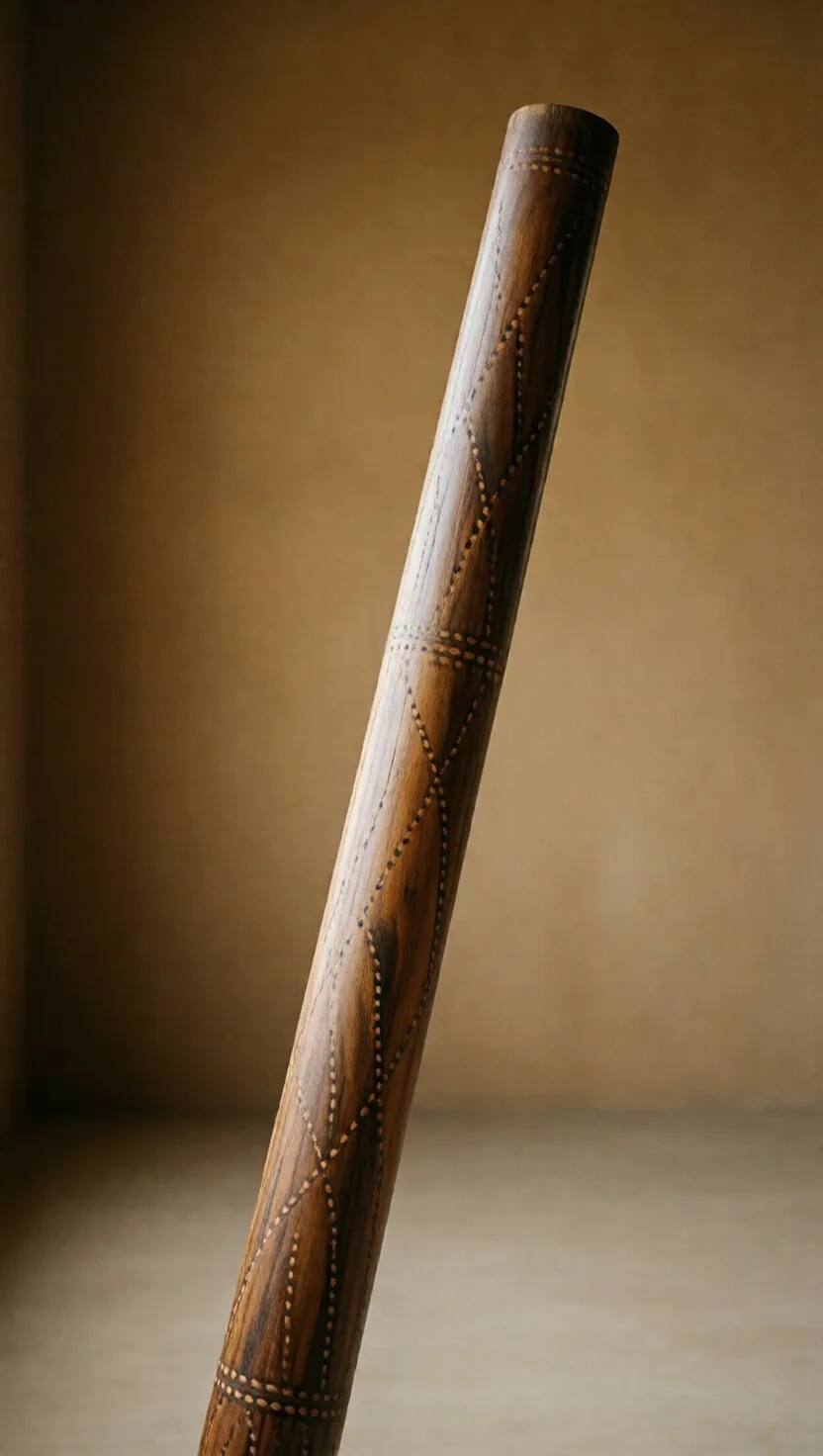
Players keep this drone going while breathing in

Players keep this drone going while breathing in

A didgeridoo's endless, unbroken drone hides a trick of the body called circular breathing. The player puffs out their cheeks to store a pocket of air, then squeezes that reservoir into the instrument with the cheeks while quickly sipping a fresh breath through the nose. Done smoothly, the lungs refill without the note ever pausing — letting a player hold a single tone for many minutes.
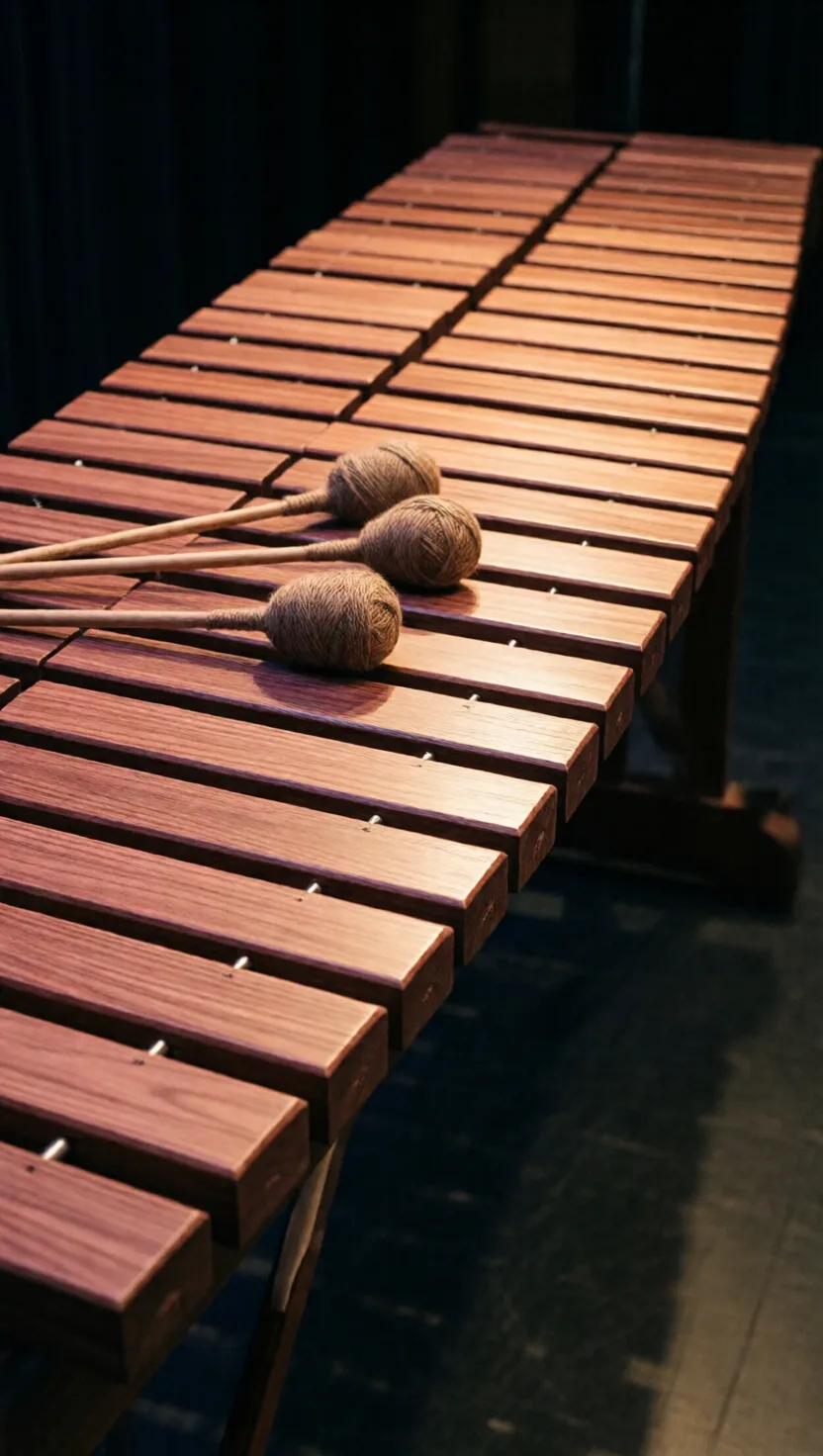
These wooden bars are tuned by carving underneath

These wooden bars are tuned by carving underneath

A marimba bar starts as a plain plank of rosewood. To tune it, the maker scoops a long arch out of its underside — and keeps shaving until the bar's overtones settle into a pleasing relationship with its main pitch. Carve the center thin enough and an overtone drops to exactly two octaves above the root note. A tuned metal tube hung beneath each bar then amplifies and sustains the sound.
tap →swipe ↑ for depthswipe ↓ to exit