Eight surprising ways we've measured time

DC·29 Deep Cuts
Your quartz watch shivers 32,768 times a second

Your quartz watch shivers 32,768 times a second

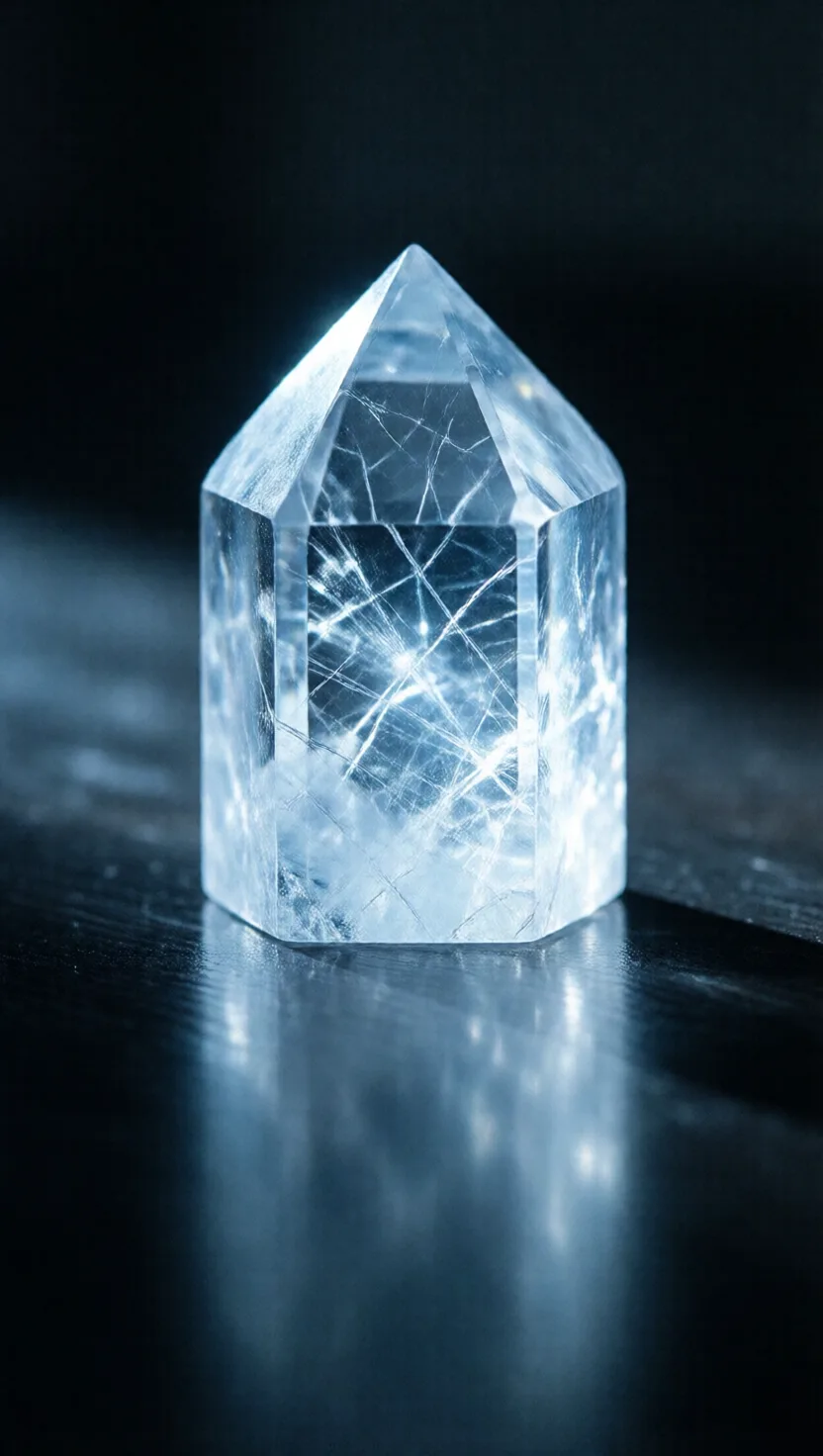
Inside a quartz watch sits a sliver of crystal cut into a microscopic tuning fork. A trickle of current makes it flex and spring back exactly 32,768 times every second — a number chosen because it is 2 to the 15th power. A simple circuit halves that count fifteen times in a row to land on one clean tick per second, which drives a tiny motor that sweeps the hands. The rate is just high enough to be silent to us, and just low enough to sip almost no battery.
A sundial and your clock disagree by 16 minutes

A sundial and your clock disagree by 16 minutes

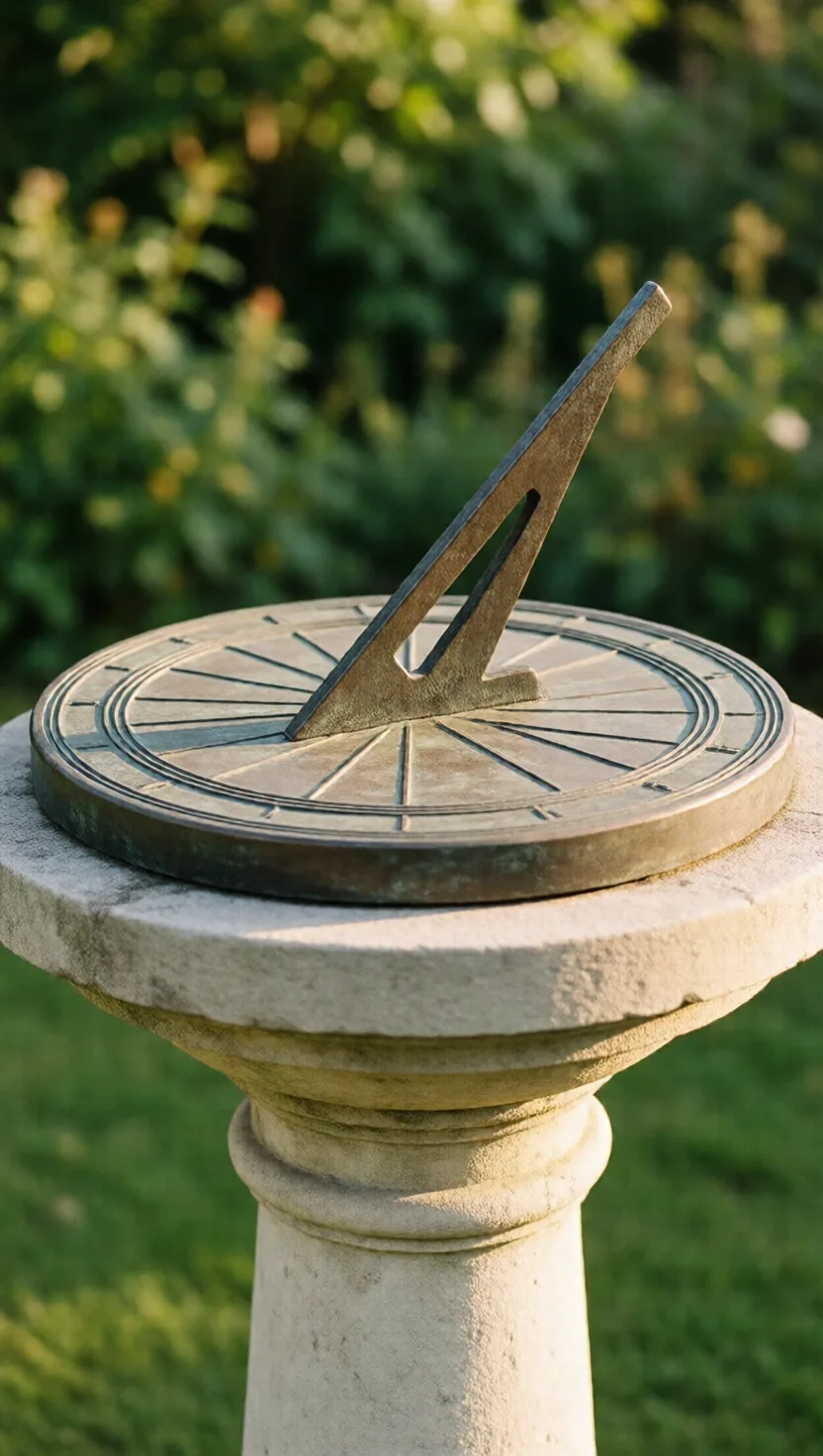
A sundial follows the real sun; a clock keeps a steady, averaged day. The two drift apart because Earth's orbit is an ellipse and its axis is tilted, so the sun runs a little fast in some seasons and slow in others. The gap swings from about 14 minutes behind in mid-February to 16 minutes ahead in early November, and the two agree on only four days a year. Photograph the noon sun every day for a year and it slowly traces a lopsided figure-eight in the sky.
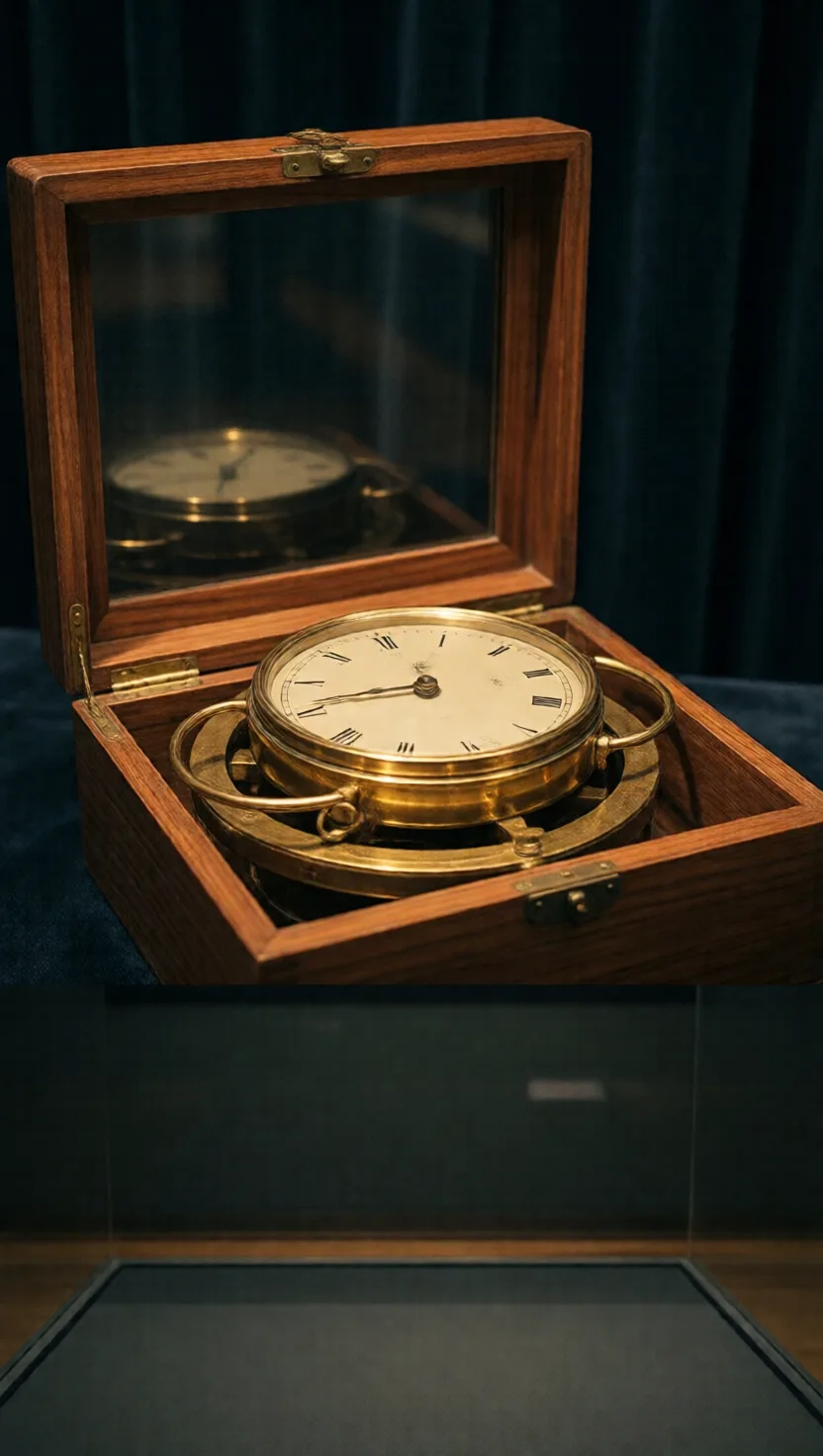
This sea clock lost 5 seconds in 81 days

This sea clock lost 5 seconds in 81 days

Sailors could read their latitude from the stars, but not their longitude — for that they needed the exact time back home, and no clock survived a pitching, salt-damp ship. A self-taught carpenter spent decades on the problem. On a 1761 voyage to Jamaica his pocket-sized sea watch lost barely five seconds over 81 days, fixing the ship's east-west position to about a single nautical mile. Knowing where you were at sea had become, at last, a matter of keeping good time.
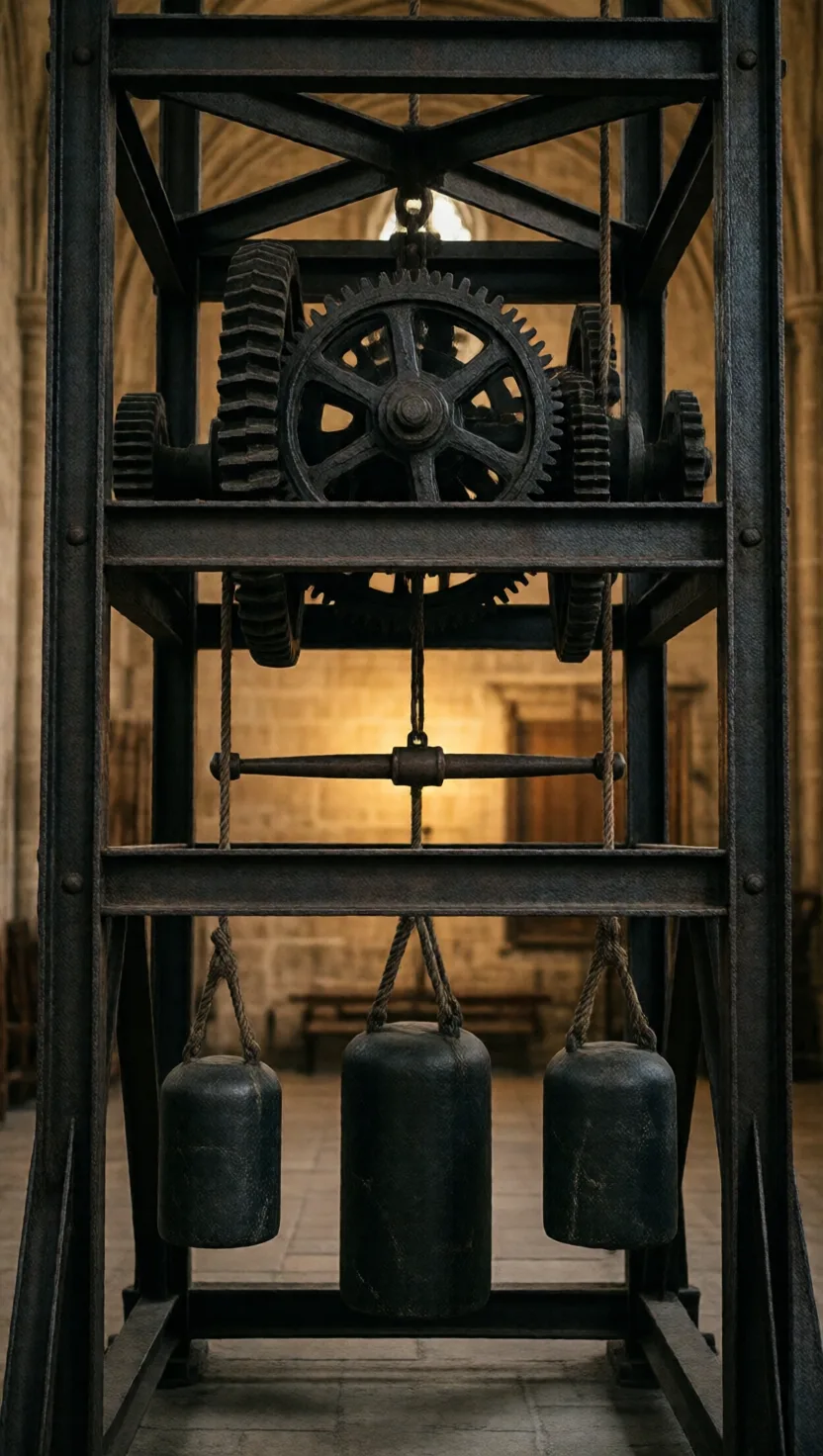
The oldest working clock has no face at all

The oldest working clock has no face at all

A clock built around 1386 still runs in an English cathedral, and it has never had a dial. The earliest tower clocks weren't made to be read — they were made to be heard, tripping a hammer to strike a bell on the hour and call people to prayer. Its rugged wrought-iron frame, swinging bar and stone weights still keep time to within a couple of minutes a day, more than six centuries after a blacksmith hammered the whole machine together by hand.
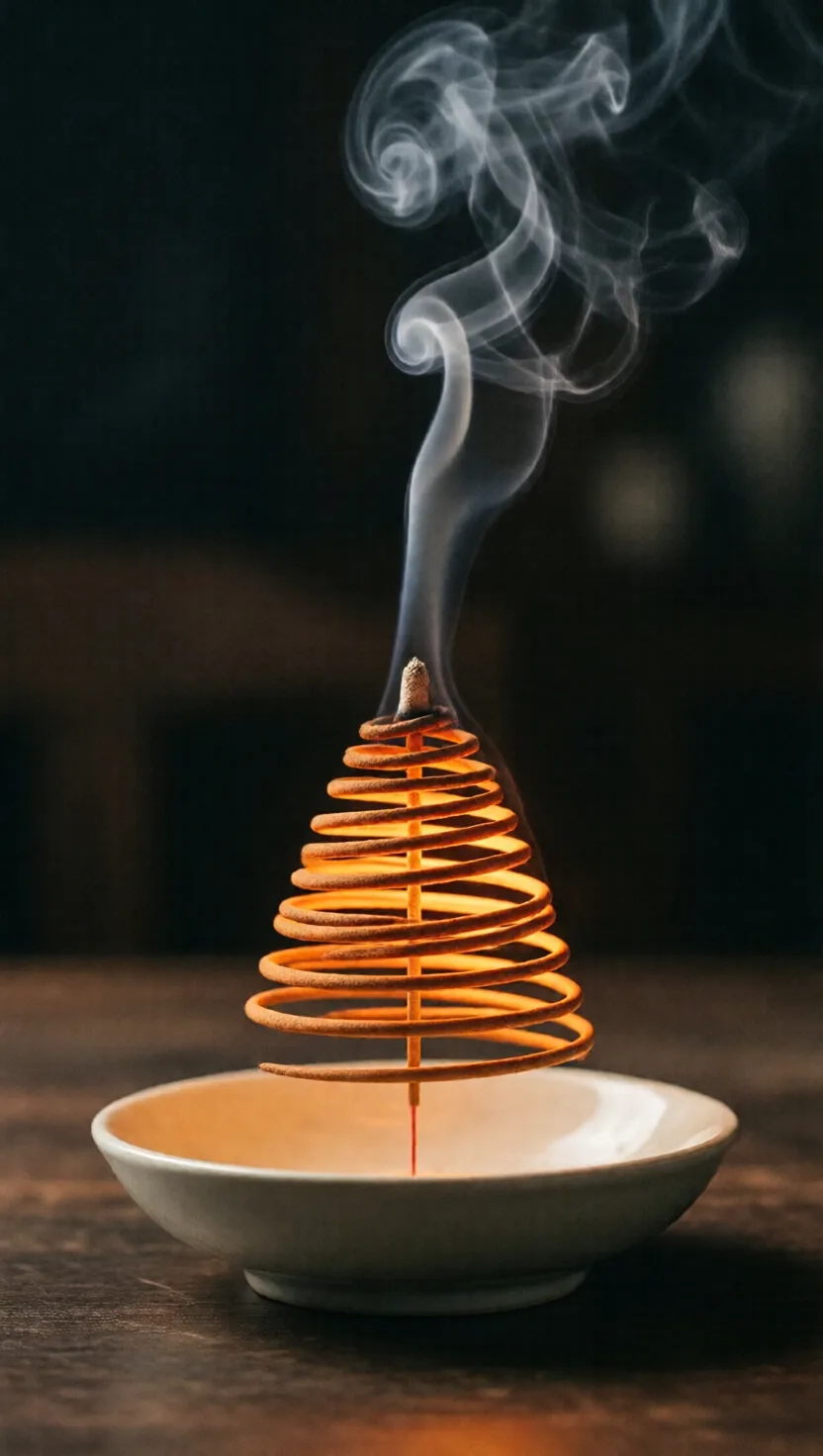
This clock tells the time by changing its smell

This clock tells the time by changing its smell

Long before gears arrived, time in parts of East Asia was burned. Powdered incense was pressed from a carved seal into a long winding groove — often a spiral or a maze — then lit at one end to smoulder along like a slow, fragrant fuse. Lay differently scented woods at intervals and each new hour announced itself as the fragrance in the room changed. Depending on the length of the trail, a single seal could measure anything from twelve hours to a whole month.
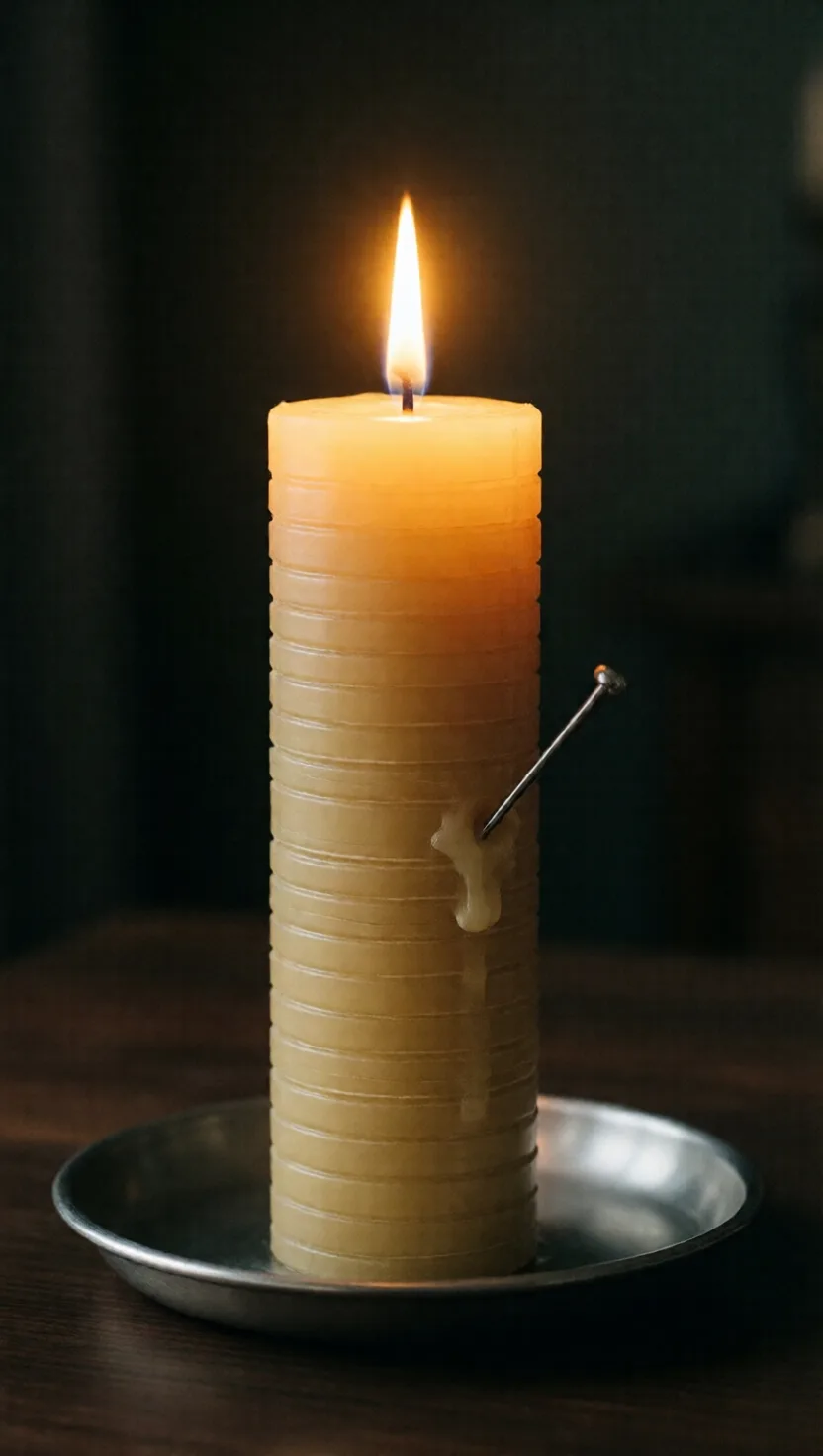
A candle that rang a bell when your hour was up

A candle that rang a bell when your hour was up

A candle scored with even rings burns down at a roughly steady rate, so each band that disappears counts off a stretch of time — handy on a cloudy day or through the night. Push a small metal pin into the wax at a chosen mark and it becomes an alarm: as the flame melts down to it, the pin drops free and clinks onto a metal dish below. One medieval king is said to have run his entire day on a set of six such candles, each marked into hours.
In court, your time ran out when the water did

In court, your time ran out when the water did

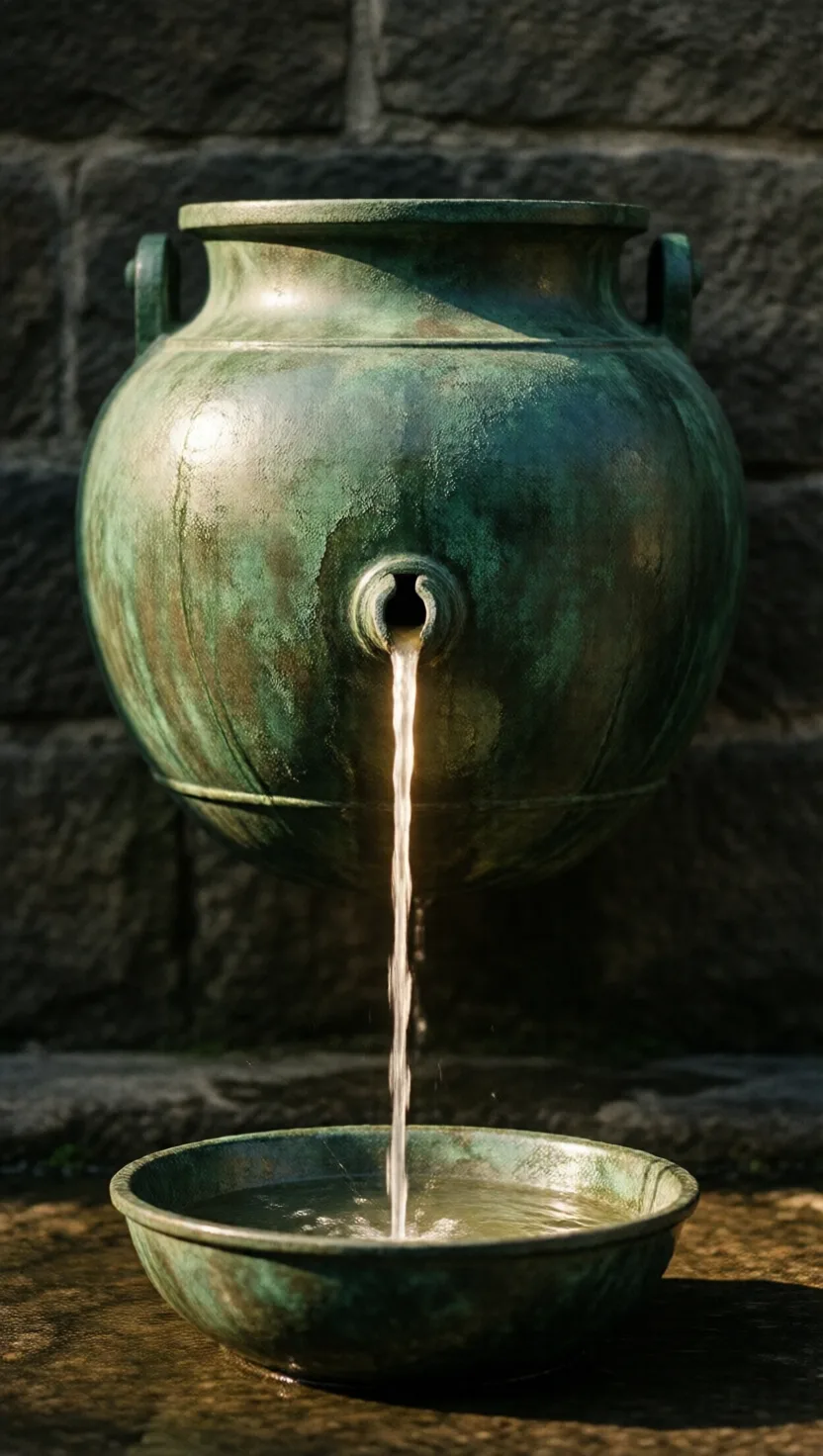
Ancient Athenian courts ran on a water clock — a clay or bronze pot that drained through a small hole near the base. Each speaker was given a set potful; when the last of it trickled away, so did the right to keep talking. Judges poured in more water for a serious charge and less for a minor one, so every side got a fair, measured share. "My water is running out" became their everyday phrase for a person running short of time.
The sand in an hourglass usually isn't sand

The sand in an hourglass usually isn't sand

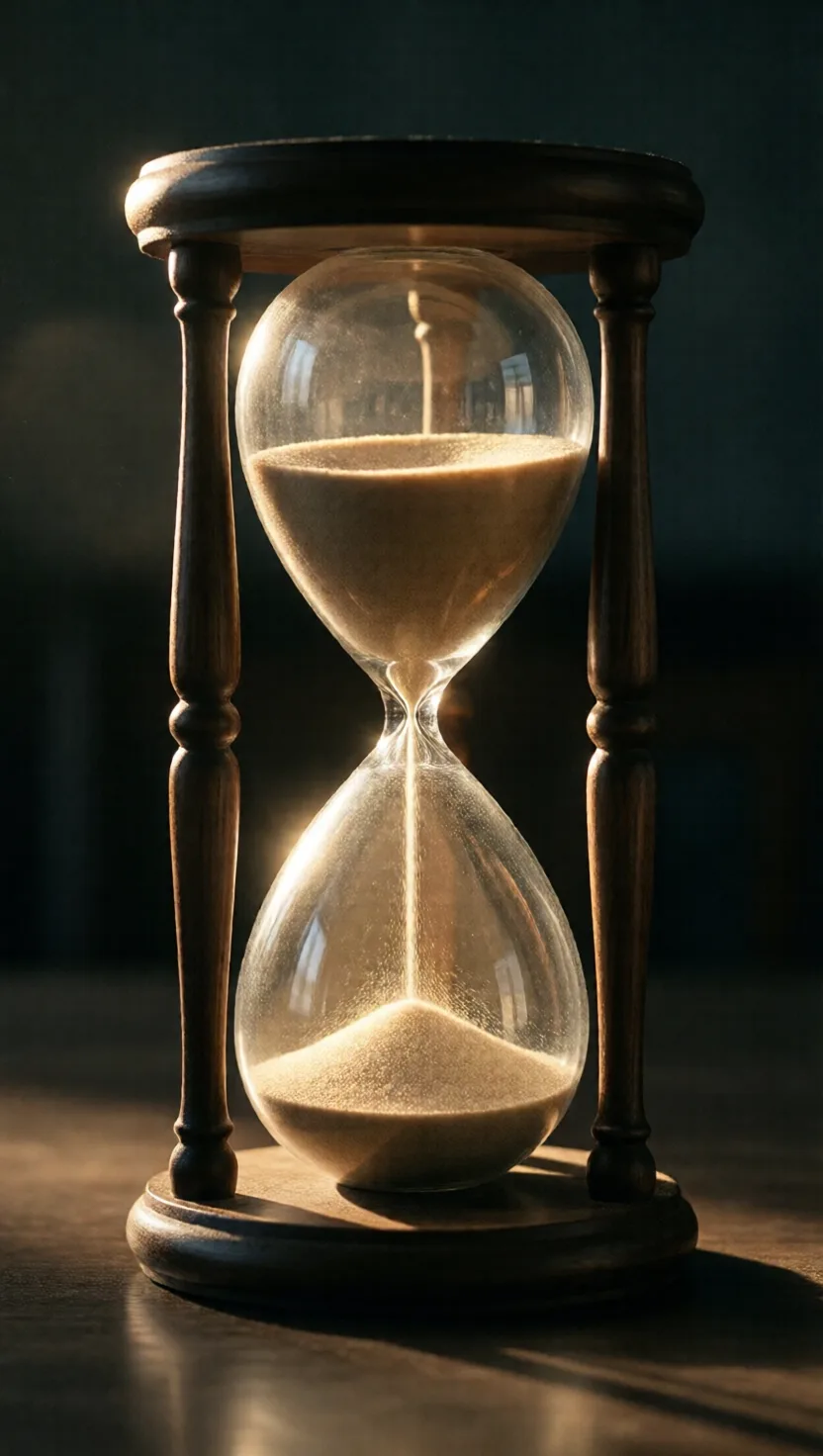
To run smoothly an hourglass needs grains that are hard, evenly sized and bone dry, so makers rarely trusted beach sand. They ground marble, burnt and powdered eggshell, and tin or lead oxides into a free-flowing dust instead. The real advantage showed at sea: a swinging pendulum or a sloshing water clock fails on a rolling deck, but a sealed sandglass keeps pouring no matter how the ship pitches — so it timed the watches and the navigation for centuries.
tap →swipe ↑ for depthswipe ↓ to exit