Eight true tales from the dawn of flight

DC·28 Deep Cuts
Villagers killed the first balloon with pitchforks

Villagers killed the first balloon with pitchforks

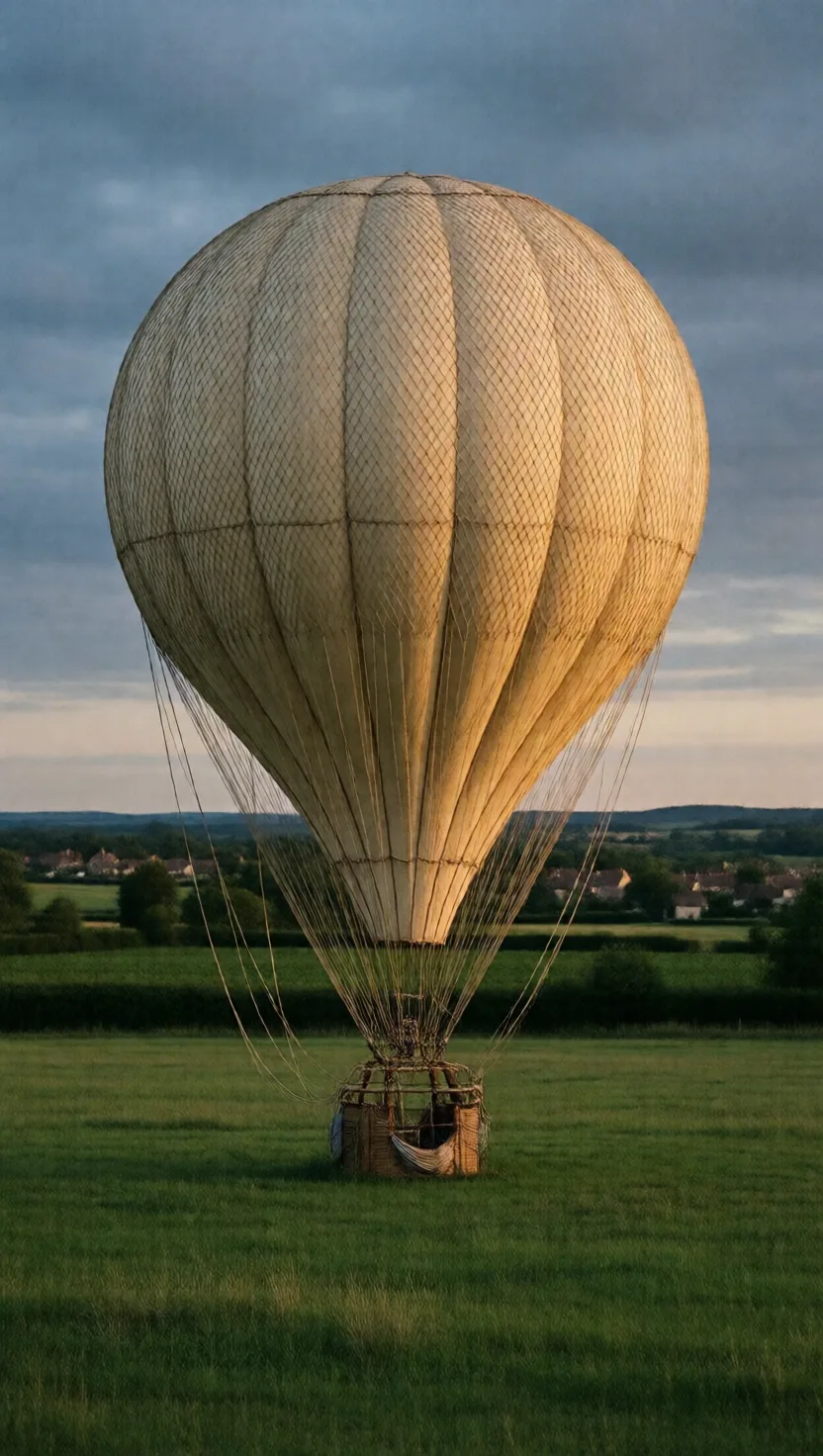
On 27 August 1783 the world's first hydrogen balloon drifted about 21 km from Paris and sank into a field at Gonesse. Villagers who had never seen such a thing took it for a monster fallen from the sky and set on it with pitchforks, scythes and knives until it was shredded, then dragged the remains off behind a horse. The panic was bad enough that the government had a notice read aloud in country churches, explaining that the strange globe was only a machine, not a demon.
The first parachute swung so wildly they cut a hole in it

The first parachute swung so wildly they cut a hole in it

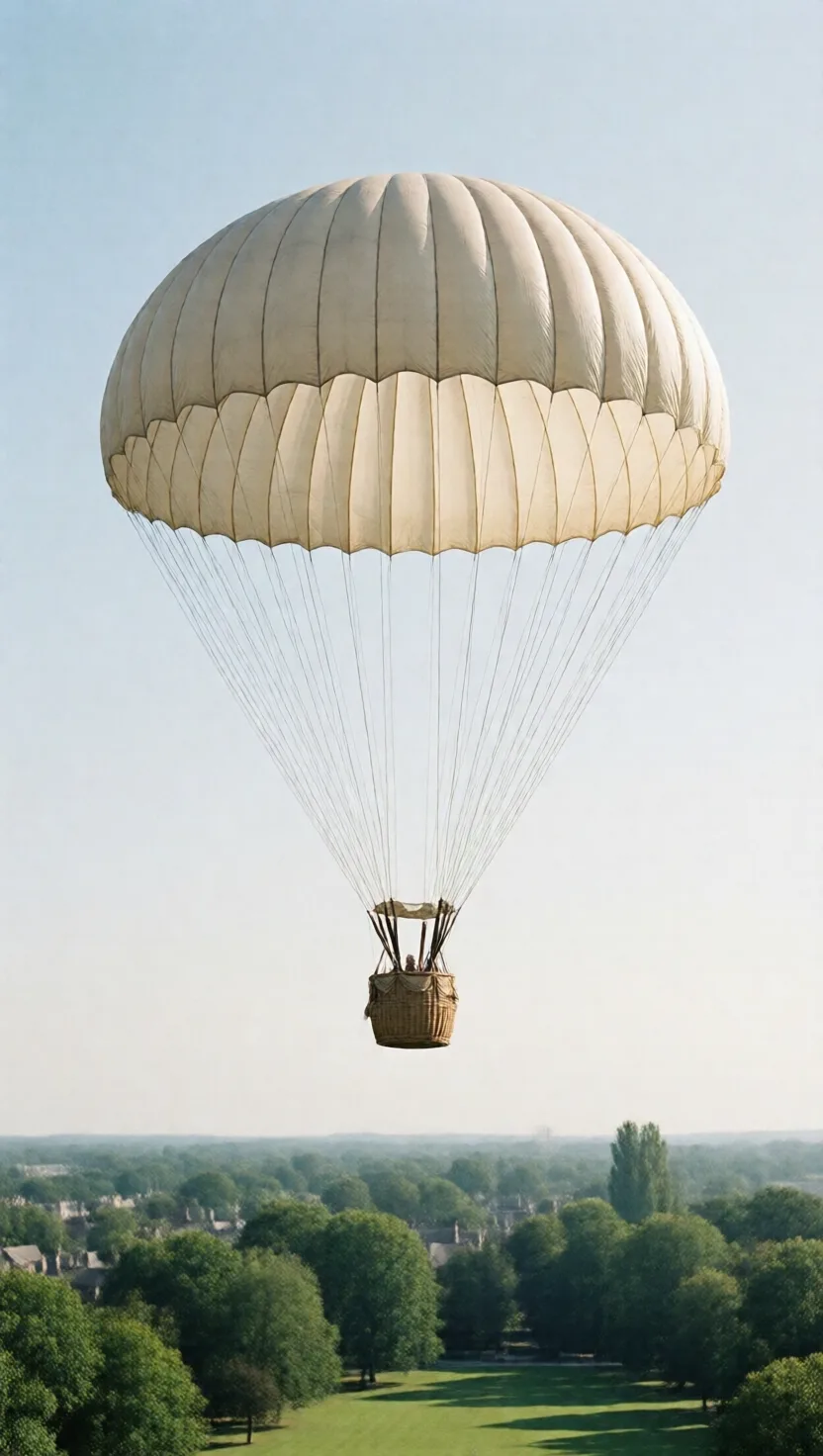
On 22 October 1797, nearly a kilometre above a Paris park, a balloonist cut the rope holding his basket and dropped under a 7-metre canvas canopy — the first true parachute jump. It worked, but air spilling out from under the rim set the whole thing swinging like a pendulum, and he landed badly bruised. The fix, suggested a few years later, was to cut a hole in the very top of the canopy so the air could escape evenly. Parachutes still carry that vent today.
The Glider King flew 2,000 times before the airplane

The Glider King flew 2,000 times before the airplane

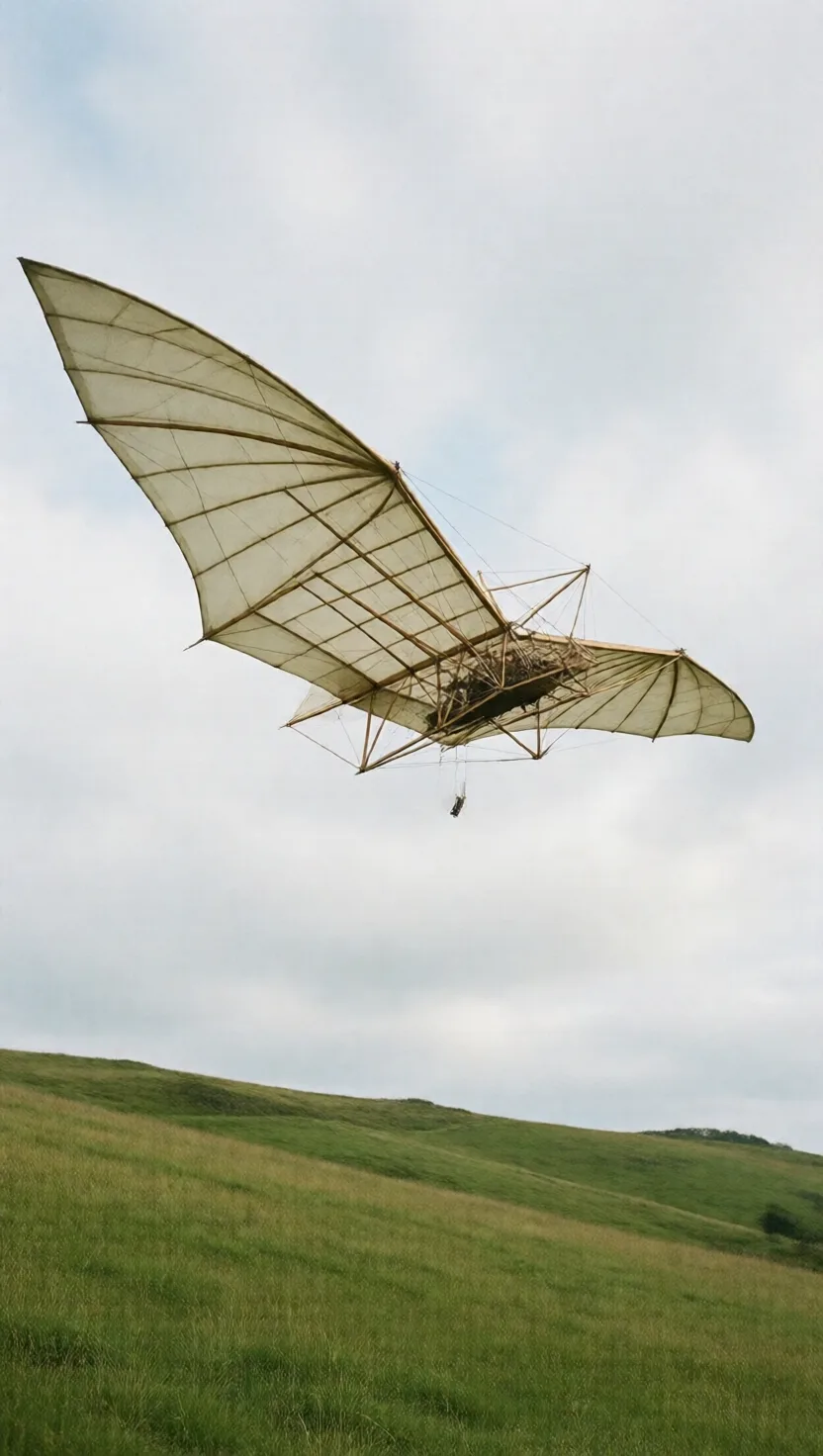
Between 1891 and 1896 a German engineer strapped on bat-like wings and made more than 2,000 gliding flights from hills he built for the purpose, photographing them so carefully that the pictures still survive. He proved a person really could ride the air. In August 1896 a gust stalled his glider; he fell about 15 metres and broke his neck, dying the next day. His painstaking tables of how curved wings behave became the starting point for two American brothers a few years later.
He flew on a box kite, then refused to patent it

He flew on a box kite, then refused to patent it

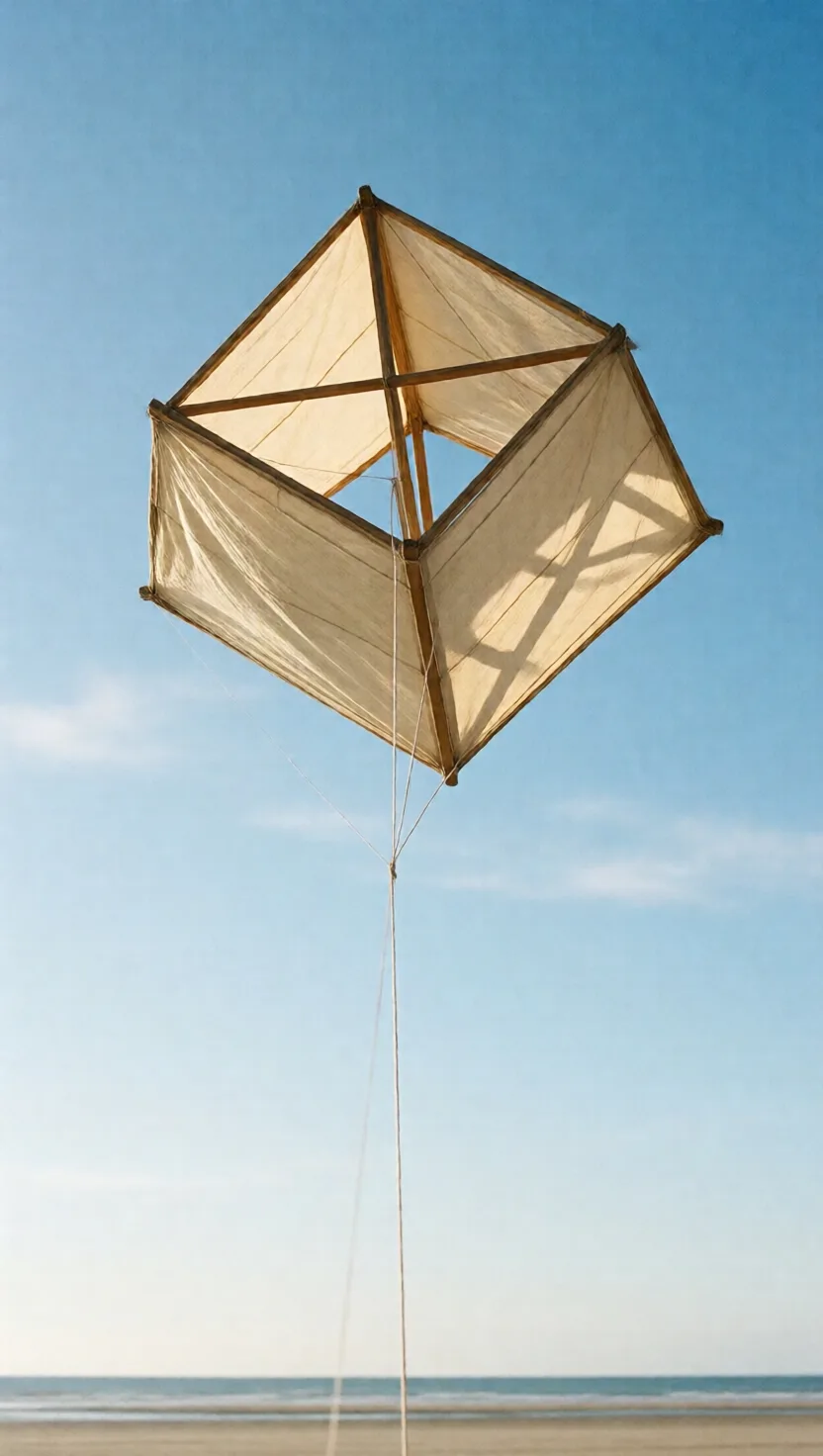
On 12 November 1894 an engineer on an Australian beach linked four of his boxy ‘cellular’ kites to one line and let a 35 km/h wind lift him about 16 feet off the sand. The rigid box kite was far steadier in the air than the flat kites before it, and its twin-cell wing became the template for the first European biplanes. He patented none of it — he thought a patent-holder was ‘nothing but a legal robber’ and gave every design away free.
Before planes, armies sent a spy up on a kite

Before planes, armies sent a spy up on a kite

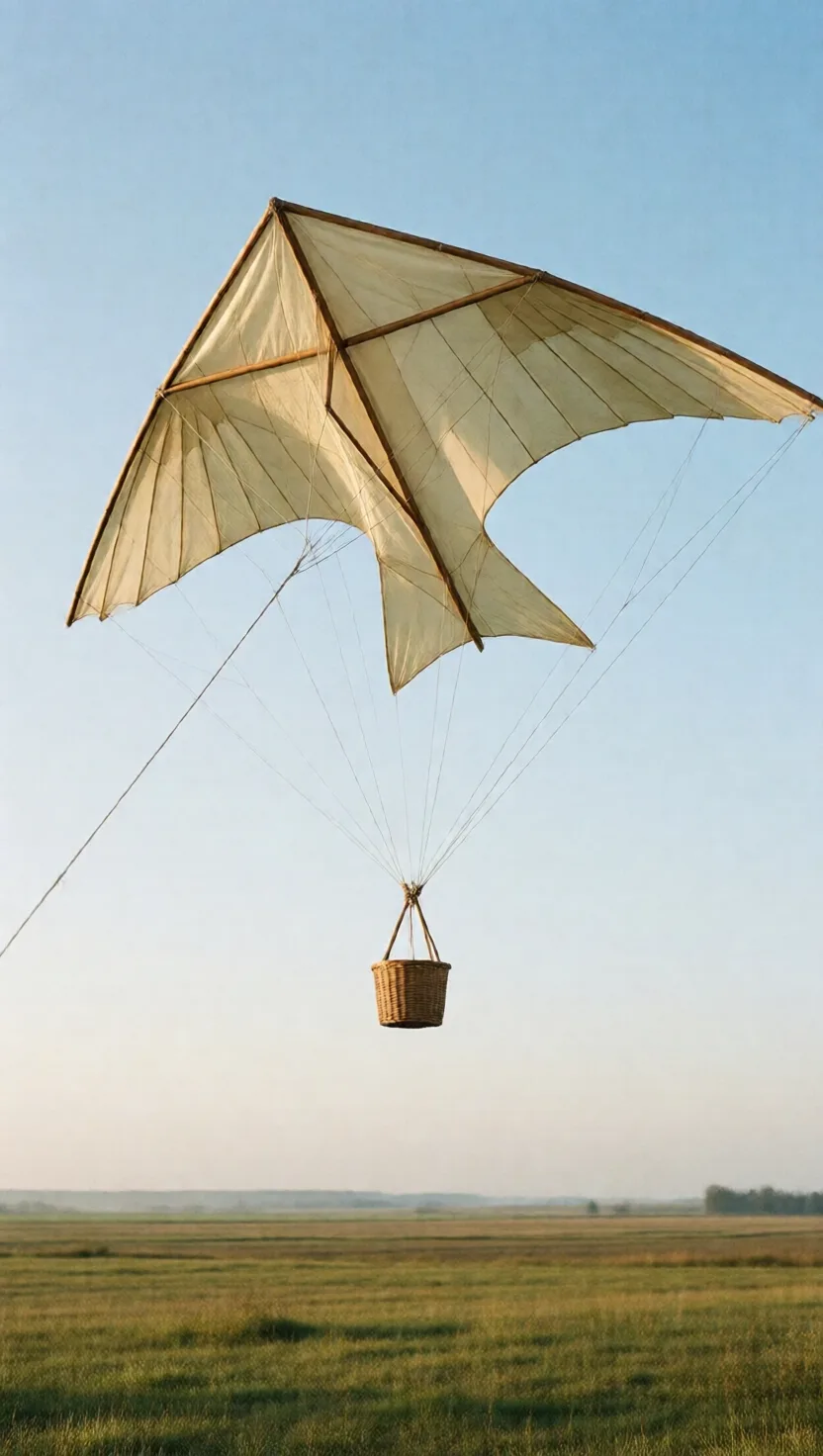
Before aeroplanes were trusted, the British army went aloft on kites. A showman-turned-inventor built huge winged box kites and strung several on one line; the topmost carried a basket that hoisted an observer hundreds of feet up to spot the enemy on days too windy for balloons. After trials from 1904 the army adopted the system around 1906 and trained kite crews until the First World War, when machines finally took over the job.
In 1960 he rode a balloon up and stepped off

In 1960 he rode a balloon up and stepped off

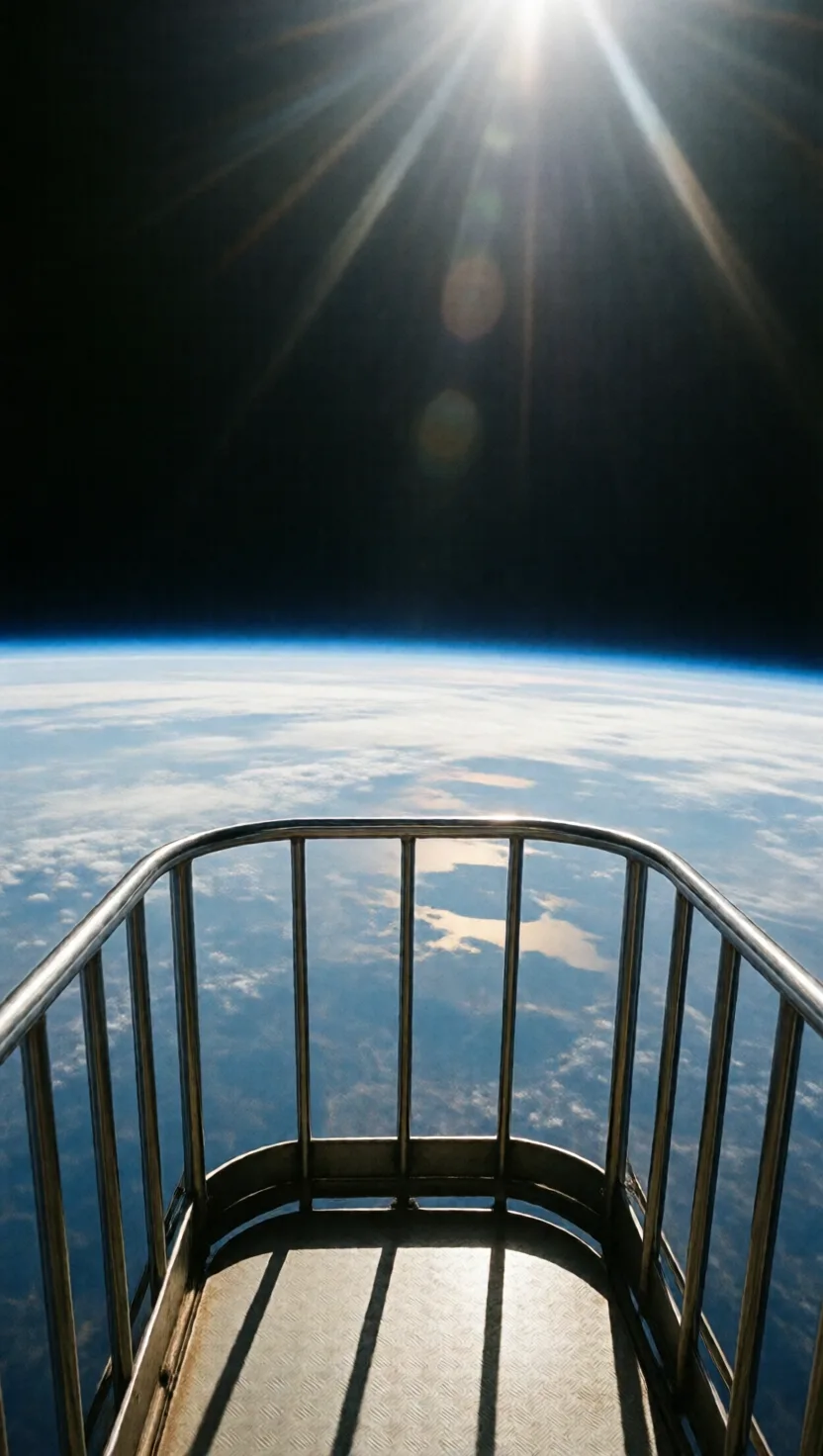
On 16 August 1960 a test pilot rode an open helium-balloon gondola to 102,800 feet — about 31 km, the edge of space — and stepped off. He fell for 4 minutes 36 seconds and reached 614 mph, almost the speed of sound, steadied only by a small drogue chute. On the way up a seal in his right glove failed and his bare hand swelled painfully, but he said nothing rather than let the jump be called off. His altitude and speed records stood for 52 years.
This balloon flies on sunlight, with no flame aboard

This balloon flies on sunlight, with no flame aboard

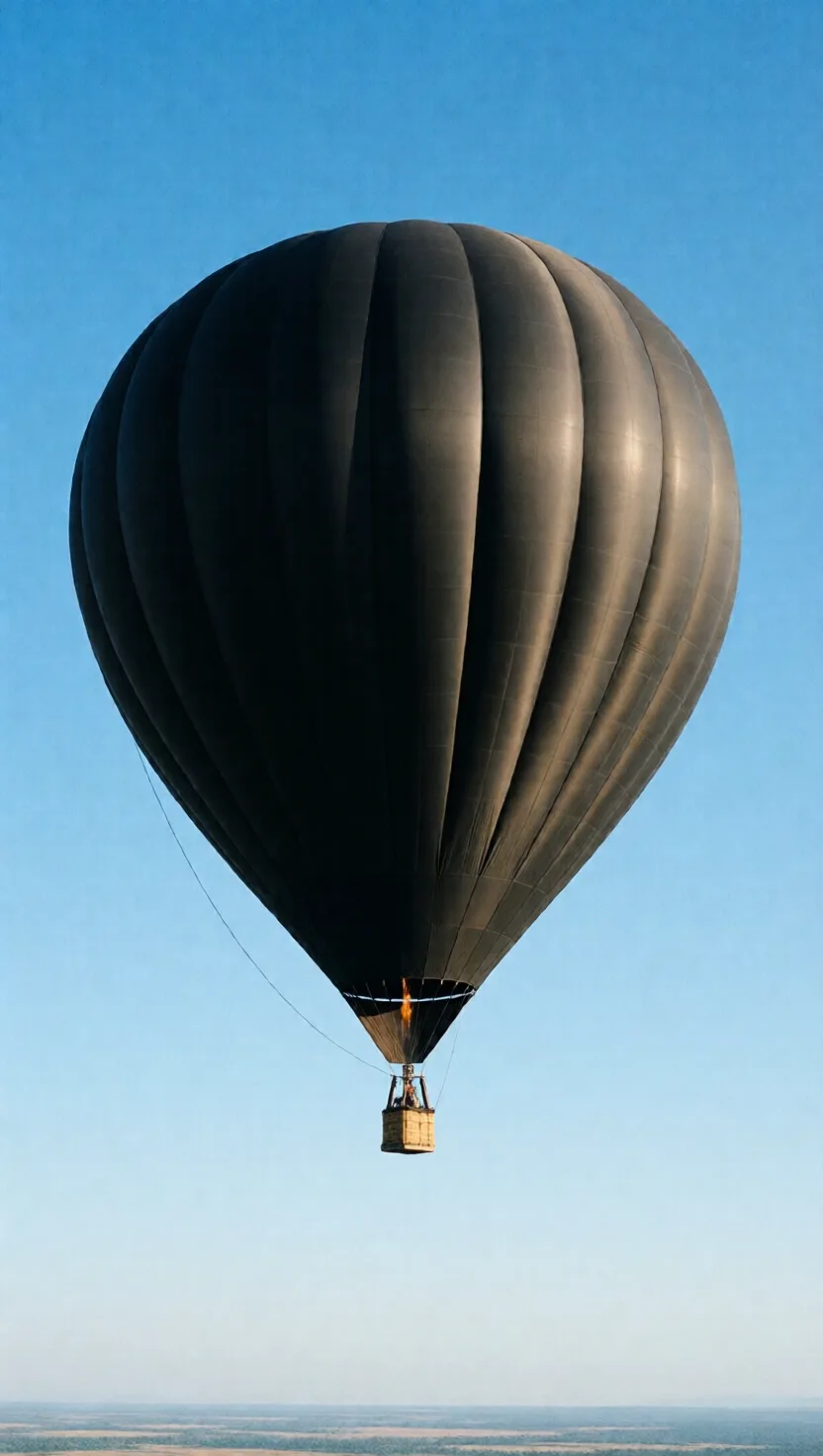
A solar balloon carries no burner, no gas and no fuel. Its envelope is dark, so sunlight pouring through the skin is soaked up inside and warms the trapped air. Warm air is lighter than the cool air around it, so the balloon lifts — on nothing but daylight. In full sun the inside can sit 20–70°C above the outside air, enough to carry a person. The first sun-only crewed flight was made in 1973, and a fuel-free solar flight has since been certified as an official world record.
He tied 42 weather balloons to a lawn chair

He tied 42 weather balloons to a lawn chair

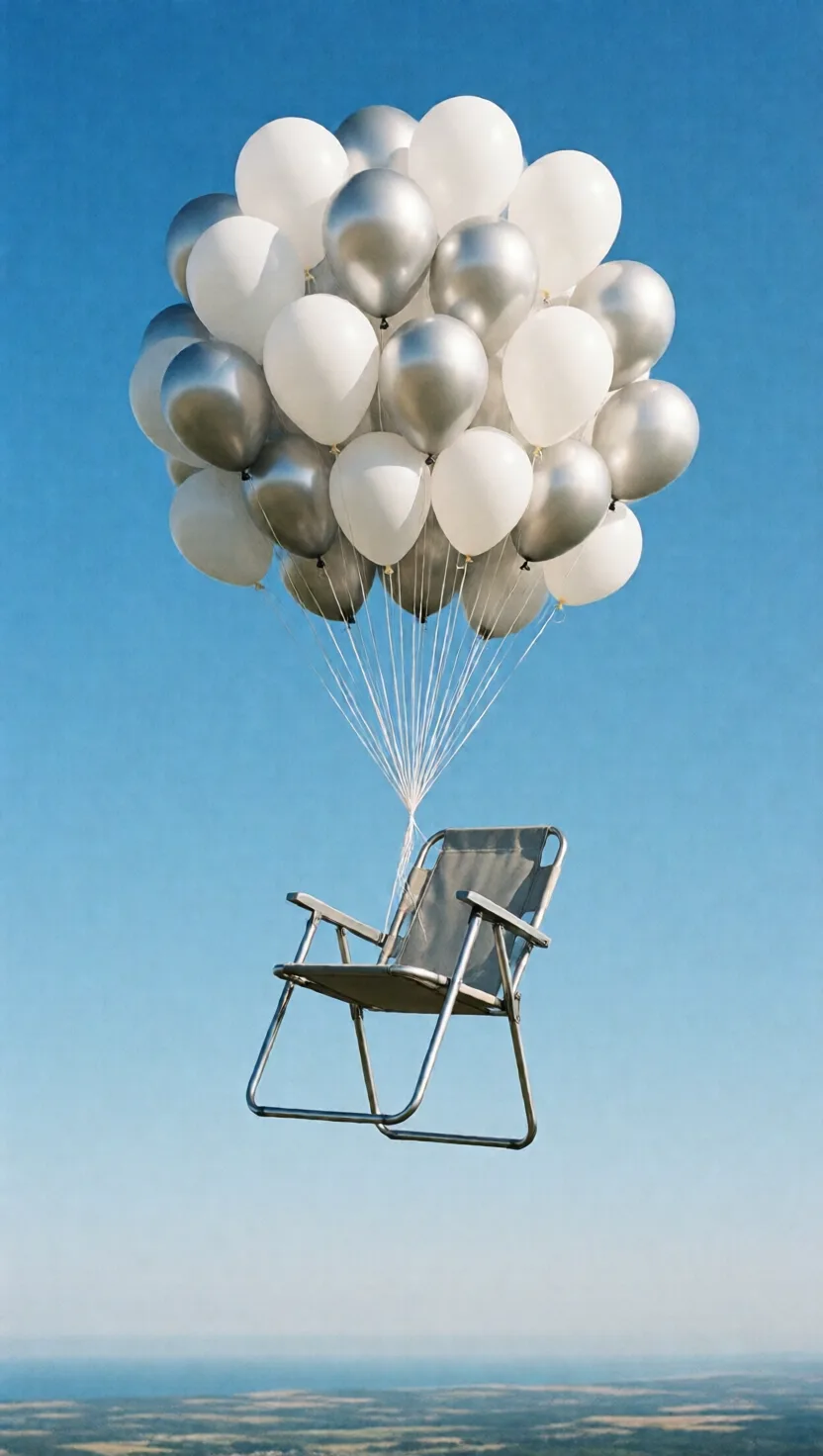
On 2 July 1982 a man tied 42 helium weather balloons to an ordinary aluminium lawn chair, packed sandwiches and a pellet gun, and cut the tether — expecting to drift a few hundred feet. Instead he shot up to about 16,000 feet and floated into the approach airspace of a major airport, where airline pilots radioed in that they had just passed a man sitting in a chair. He sank back down by shooting balloons one at a time, snagged a power line, and was promptly fined.
tap →swipe ↑ for depthswipe ↓ to exit