Eight strange secrets of glass, natural and made

DC·26 Deep Cuts
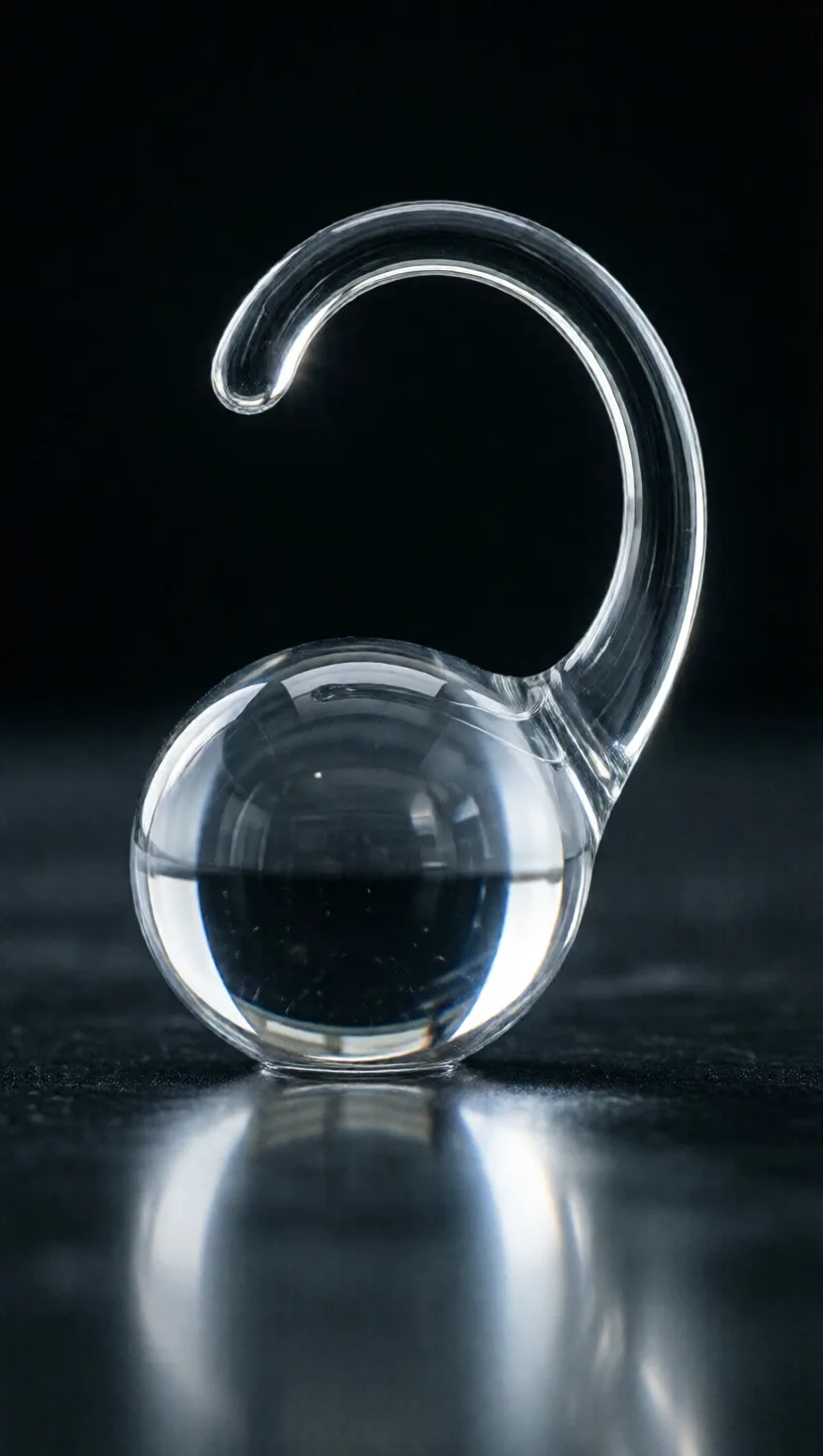
Hammer this glass drop, then snap its tail

Hammer this glass drop, then snap its tail

Drip molten glass into cold water and it freezes into a tadpole shape locked under enormous internal stress. The bulbous head shrugs off a hammer blow, taking forces near 670,000 newtons without a crack. But nick the thin tail and the whole drop detonates into powder, a fracture racing through it at over 1,450 metres per second. Charles II handed the first ones to the Royal Society in 1660.
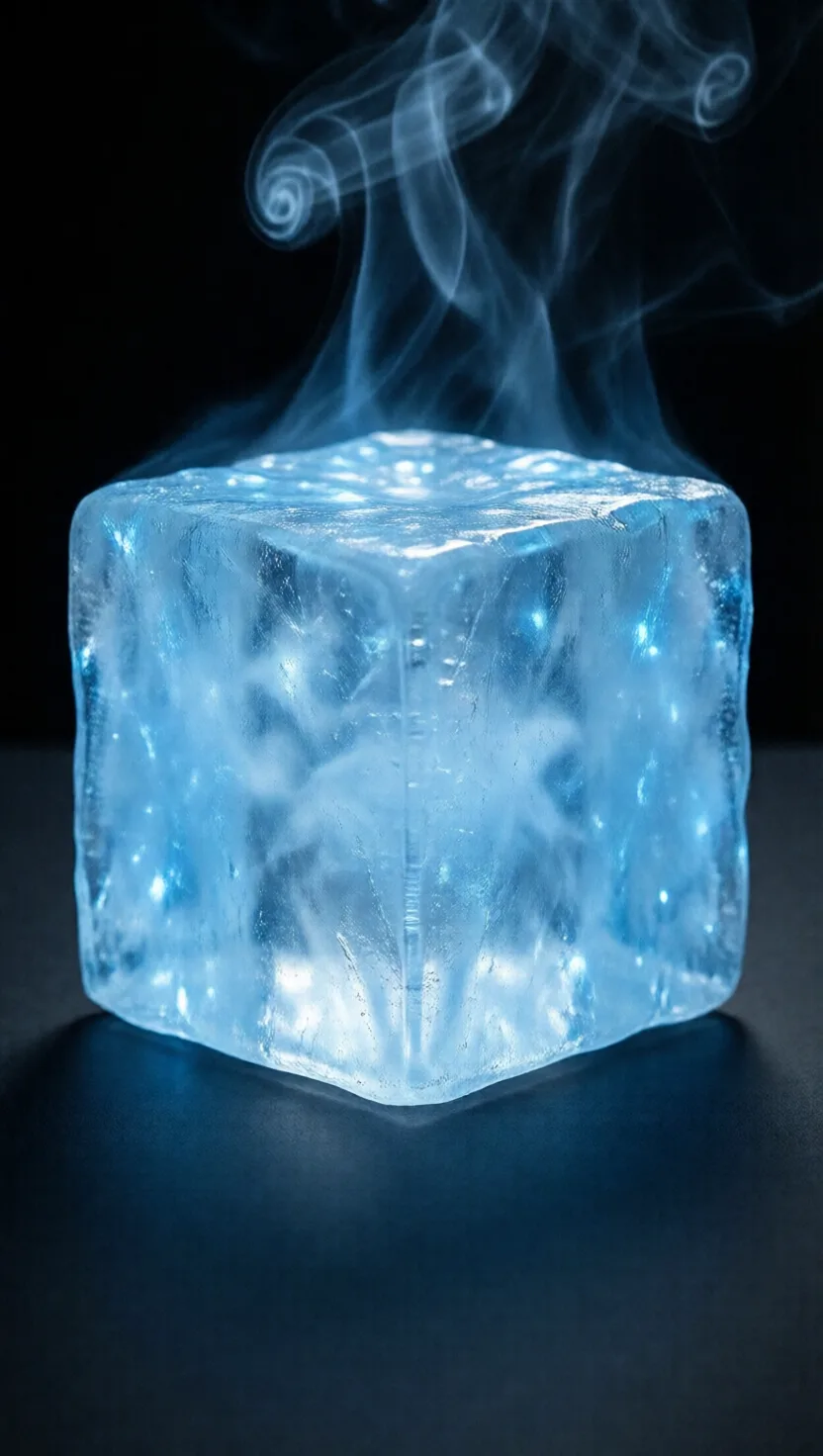
A solid that is 99.8 percent nothing but air

A solid that is 99.8 percent nothing but air

Aerogel is made by drying a wet silica gel so gently that the liquid slips out without collapsing the skeleton, leaving air in its place. What remains is chemically a cousin of window glass, yet up to 99.8 percent empty space, making it the lightest solid known. A block looks like a wisp of frozen blue smoke, can shield a bare hand from a blowtorch, and once flew on spacecraft to catch comet dust.
This deep-sea sponge out-spins our optical fibre

This deep-sea sponge out-spins our optical fibre

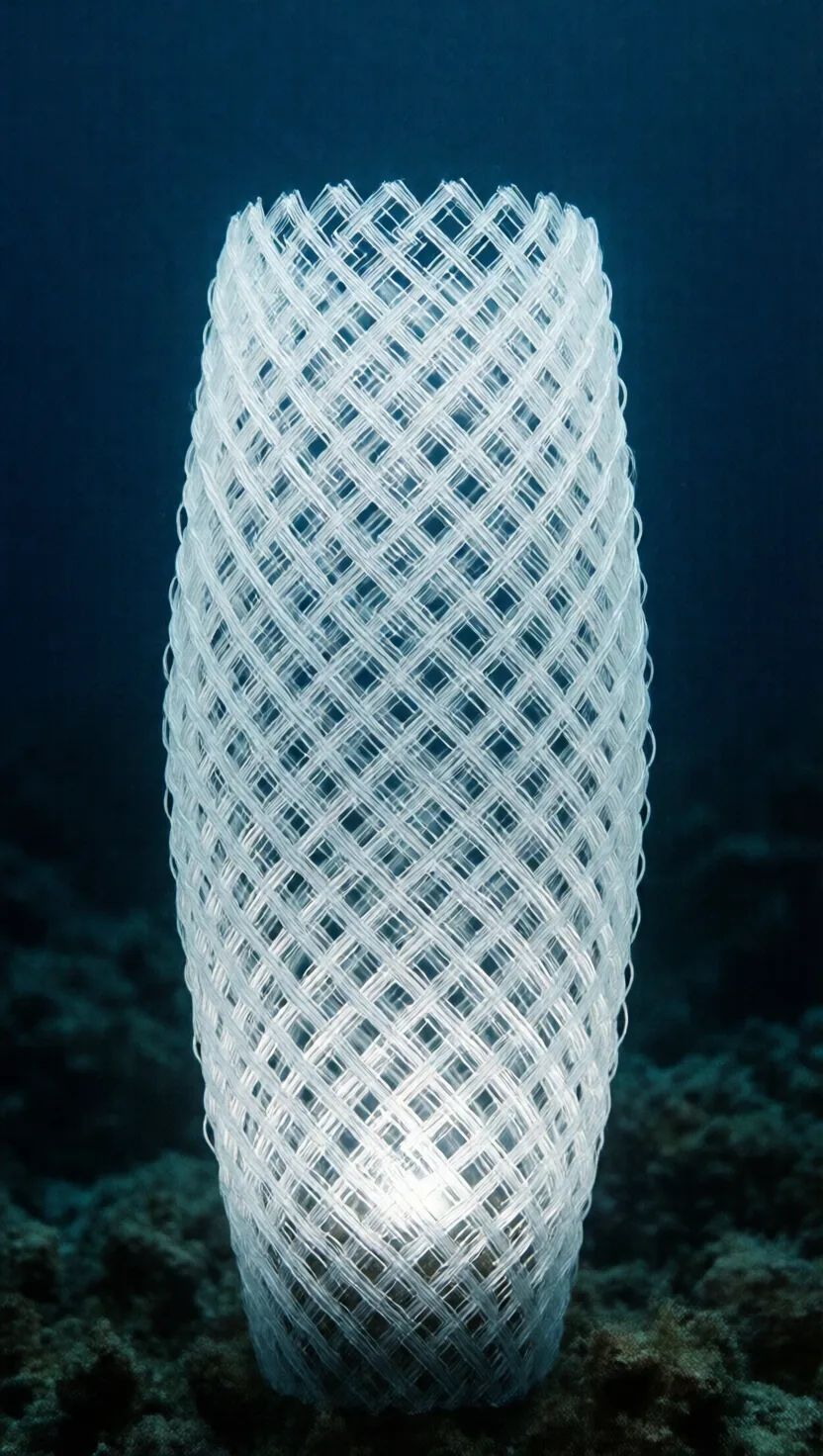
The Venus's flower basket builds its whole vase-shaped skeleton out of glass, drawing silica into a fine lattice at near-freezing seabed temperatures. Those slender fibres act as natural optical cables, guiding light along their length with very low loss. Laced with a trace of sodium, they rival and in places beat industrial fibre optics, all made cold, without the roaring furnaces our factories need.
This antique glassware blazes green under black light

This antique glassware blazes green under black light

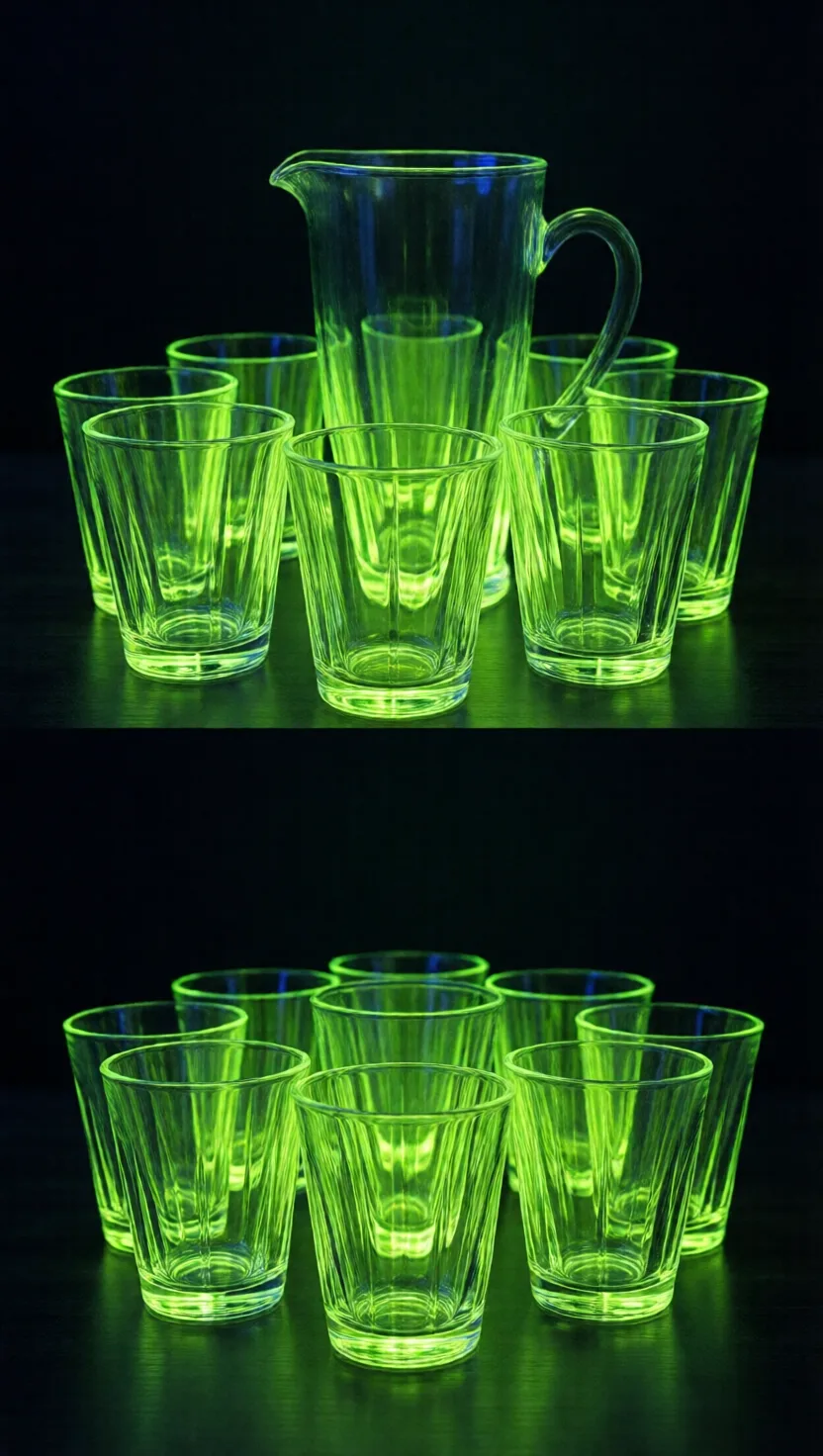
From the 1830s, glassmakers stirred a little uranium oxide into the melt to tint it a soft yellow-green, usually only a trace, sometimes a few percent by weight. Switch on an ultraviolet lamp and it erupts in vivid green: the uranium absorbs UV and re-emits it as visible light. The glow is fluorescence, not its faint radioactivity, despite the lore that has long surrounded these collectors' pieces.
Why a shattered car window falls as harmless pebbles

Why a shattered car window falls as harmless pebbles

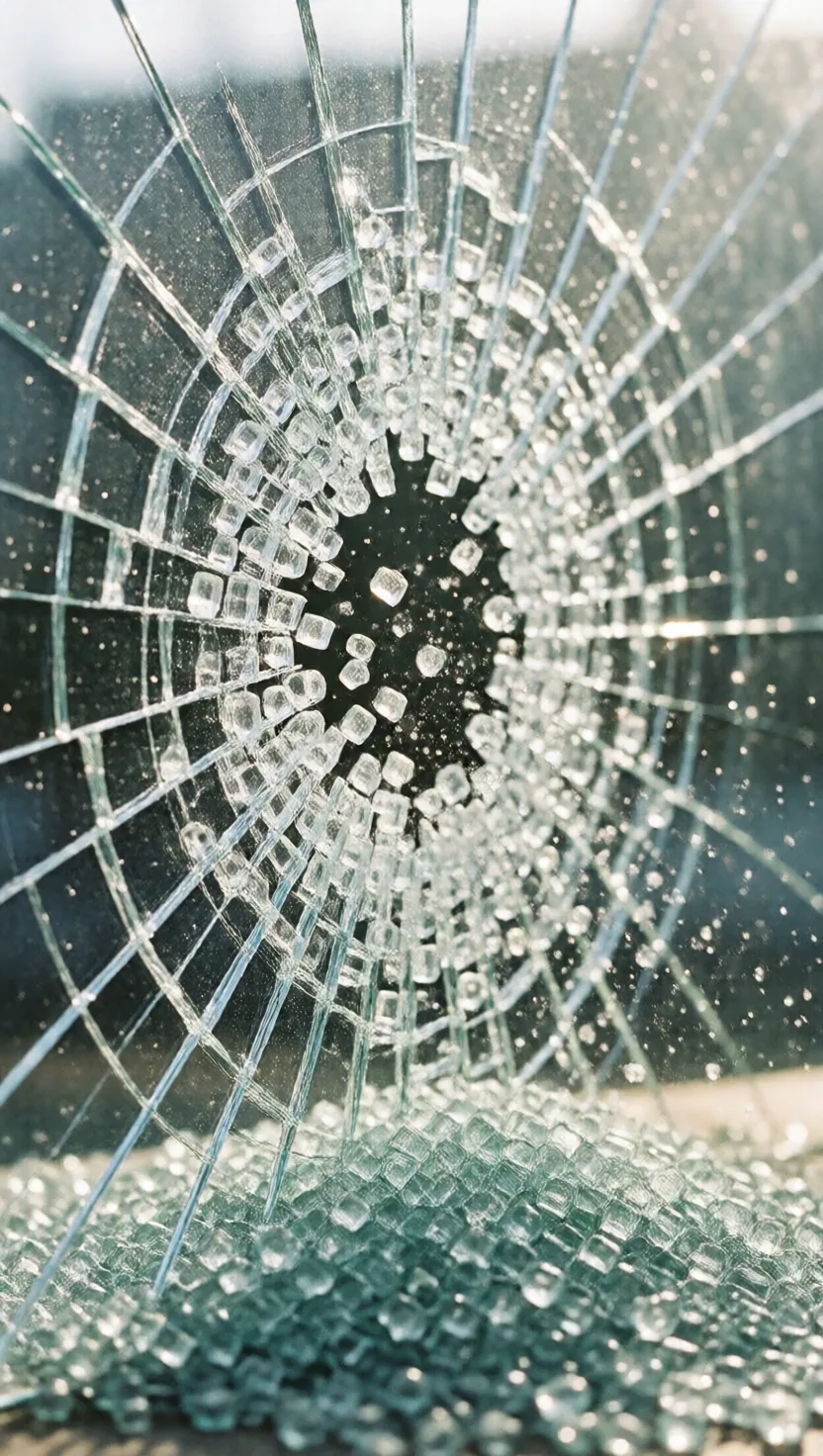
Toughened glass is heated near 620C, then blasted with cold air so the surface freezes and shrinks while the core stays hot. That locks the skin in compression and the inside in tension. The trapped stress makes it far stronger, but once it finally fails, the whole pane lets go at once, crumbling into thousands of small, blunt cubes instead of the long razor shards ordinary glass throws.
No, old cathedral glass is not slowly flowing

No, old cathedral glass is not slowly flowing

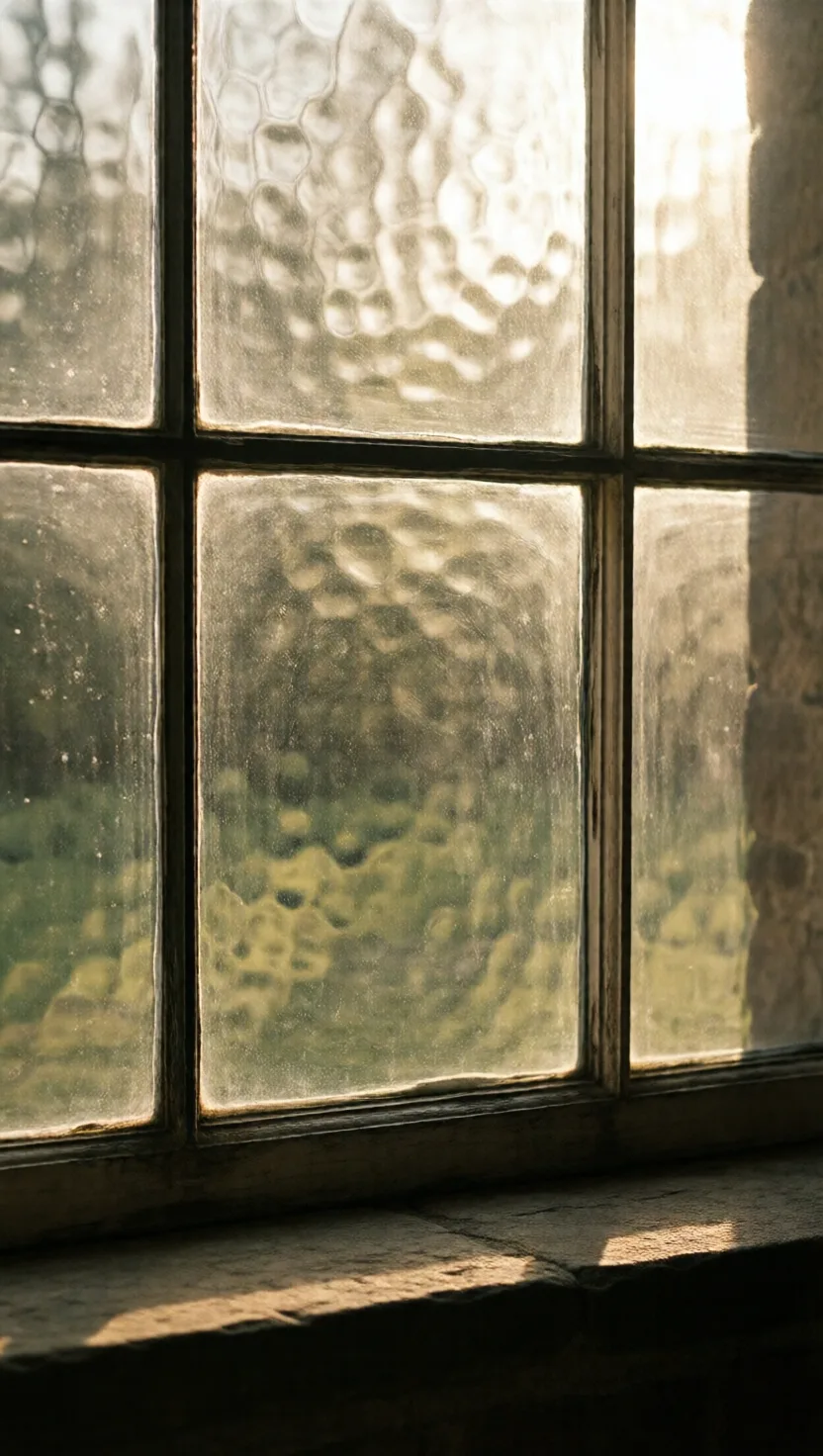
You have heard that medieval windows are thicker at the bottom because glass is a liquid creeping downward over the centuries. It is not. Physicists calculate that for such glass to sag even slightly would take far longer than the present age of the universe. The uneven thickness simply comes from how each pane was spun or blown by hand, and glaziers set the heavy edge at the bottom.
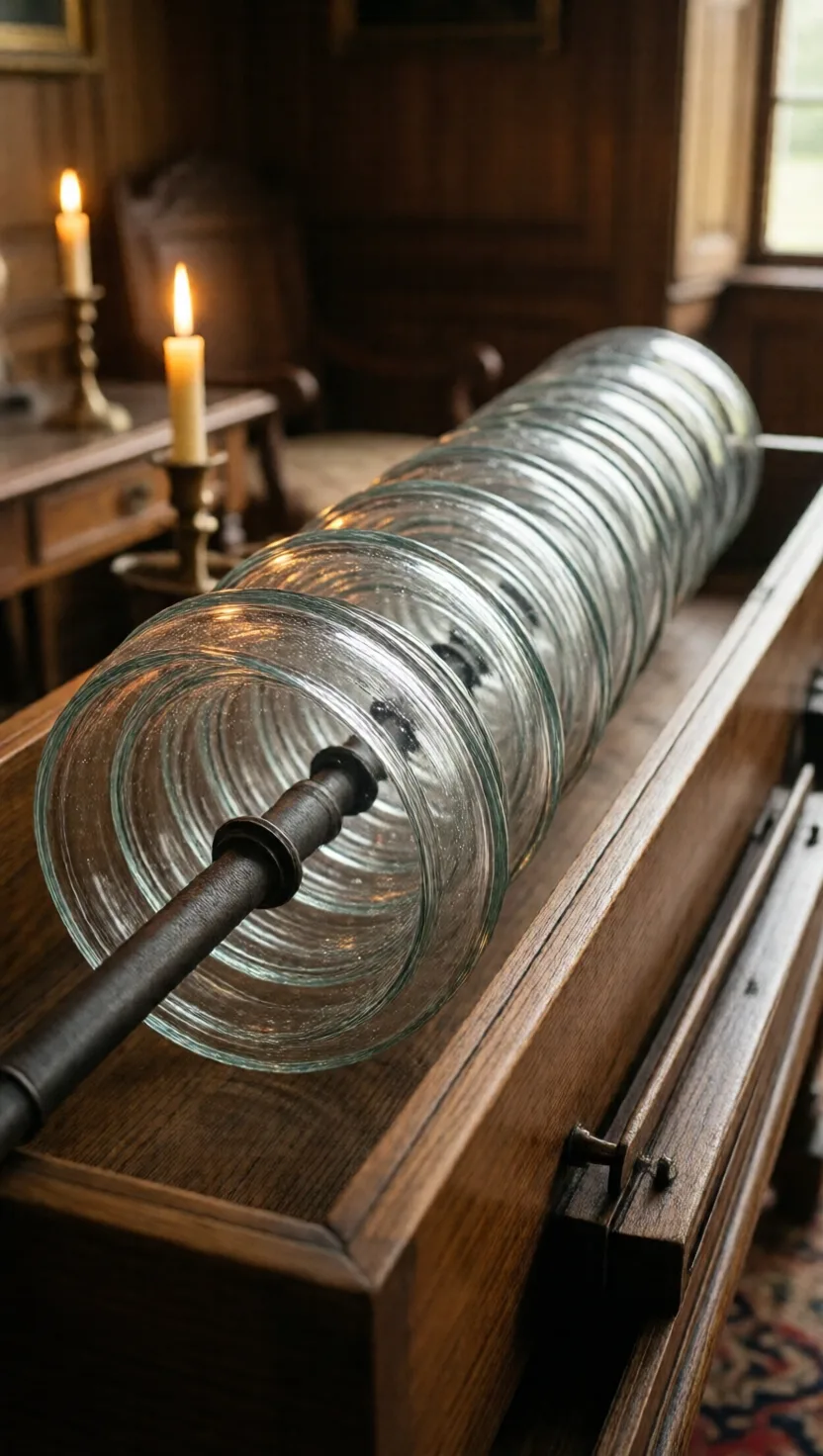
This glass instrument was blamed for madness, then banned

This glass instrument was blamed for madness, then banned

Around 1761 Benjamin Franklin nested 37 glass bowls on a spindle; a player turns it by pedal and strokes the wet rims to draw out pure, ethereal tones. Mozart wrote music for it. But the eerie sound was blamed for nervous illness and even madness, and after a child reportedly died at a performance, a few towns banned it outright. The hypnotist Mesmer used its voice to entrance his patients.
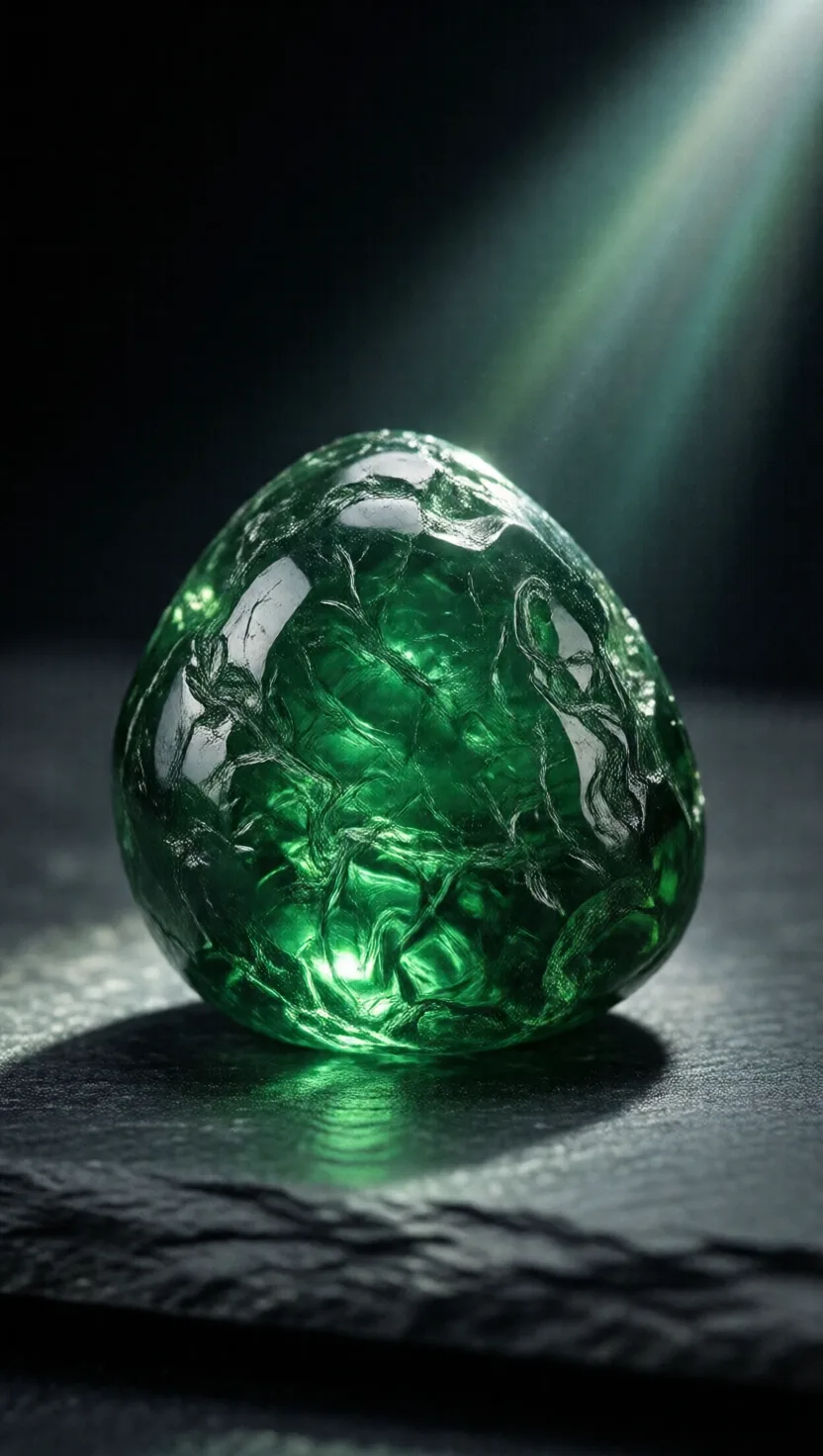
This green gem is splashed, melted Earth from a sky strike

This green gem is splashed, melted Earth from a sky strike

About 14.5 million years ago an asteroid struck what is now southern Germany, gouging a crater roughly fifteen miles across. The impact flash-melted the ground and hurled molten rock high into the sky, where it chilled into glass before falling back to Earth. The bottle-green pieces, called moldavite, landed across one small scatter field in central Europe and are found nowhere else.
tap →swipe ↑ for depthswipe ↓ to exit