Eight secrets folded inside oranges, lemons and their kin

DC·235 Deep Cuts
A navel orange is a seedless clone of one 1800s Brazil tree

A navel orange is a seedless clone of one 1800s Brazil tree

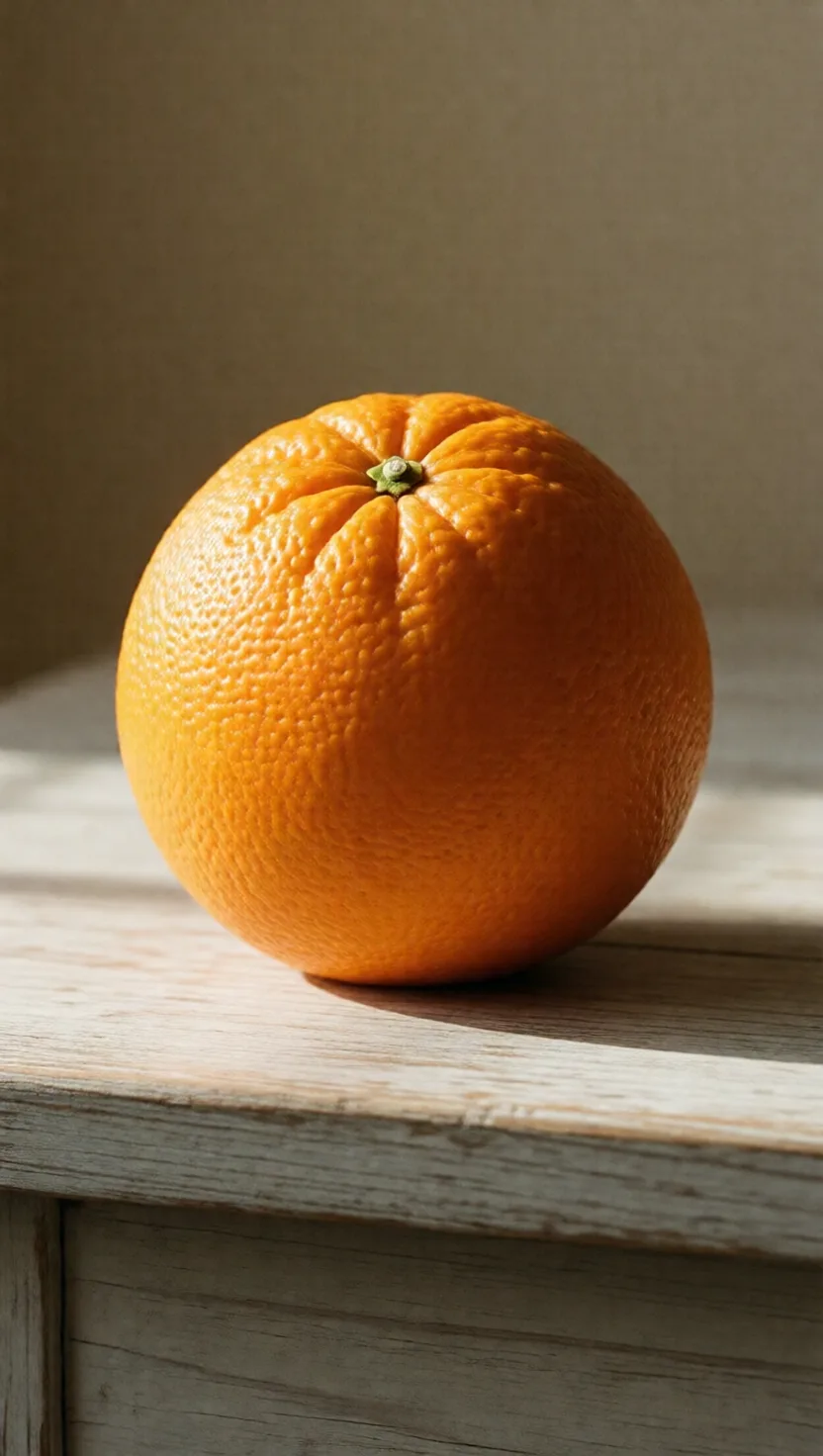
Every navel orange traces back to a single bud mutation on a sweet-orange tree at a Brazilian monastery in the early 1800s. The mutation grew a tiny conjoined second fruit, the 'navel', and left the orange seedless, so it can't breed from seed. The only way to copy it is to graft budwood onto rootstock. Two budded trees reached California in 1873 and parented the global crop, making your navel orange a living clone about two centuries old.
Buddha's hand citron is all rind and pith, no pulp or juice

Buddha's hand citron is all rind and pith, no pulp or juice

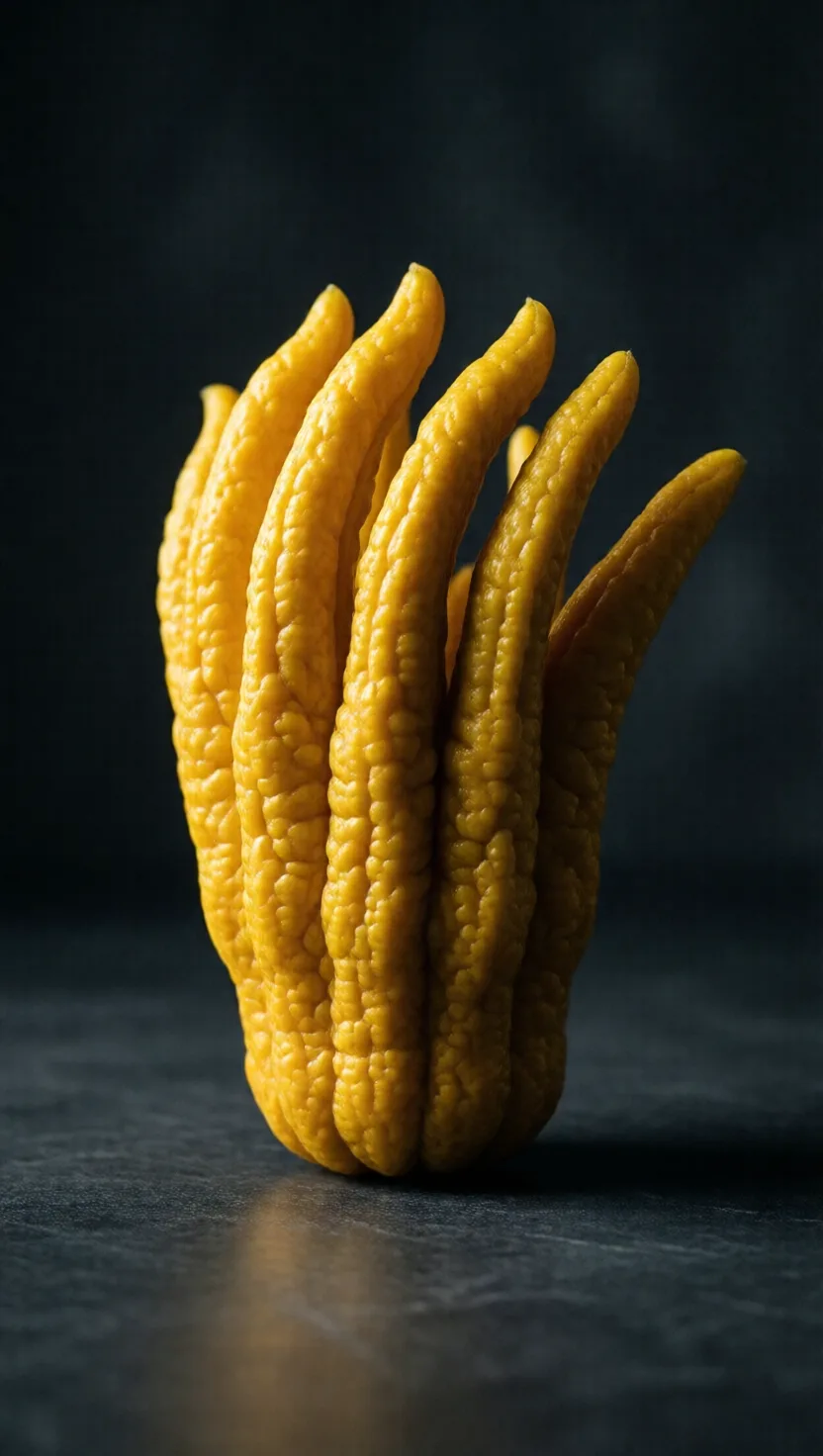
Buddha's hand splits into yellow finger-like tendrils and holds essentially no flesh, no segments and no juice, just fragrant rind and white pith. Most fingers are completely juiceless and many are seedless. Because its rind is sweet rather than bitter, it is used as intense zest, candied, or simply set out to perfume a room. It is a variety of citron, one of citrus's few wild ancestors, where the prized part was always the peel.
Citrus juice droplets are actually swollen, specialised hairs

Citrus juice droplets are actually swollen, specialised hairs

The little juice-filled sacs packed inside an orange segment aren't ordinary flesh. Botanically they are juice vesicles, multicellular hairs that bud off the segment's inner wall and grow inward to fill it, each with a thin stalk and a swollen sac of juice. A citrus fruit is a hesperidium, and the juicy part you eat is really a dense forest of these enlarged hairs, not a soft pulp like the inside of a berry.
Blood orange flesh stays pale unless the nights turn cold

Blood orange flesh stays pale unless the nights turn cold

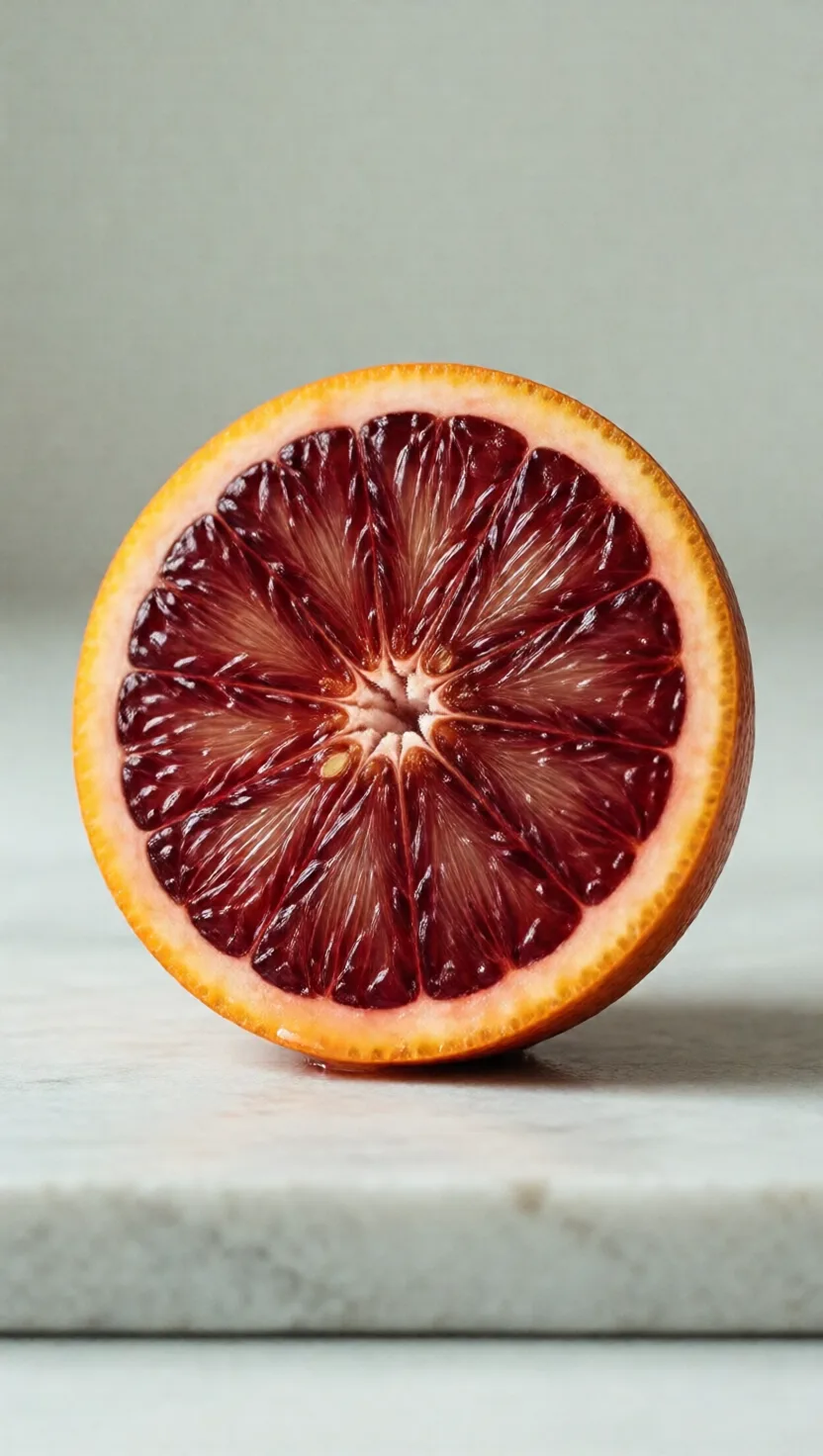
A blood orange only goes crimson if it gets cold. Its red comes from anthocyanin pigments switched on by a gene nicknamed Ruby, which a temperature-sensitive piece of DNA activates only when the air chills. Grown somewhere warm, the very same variety ripens pale orange inside. The deepest colour develops around 8 to 15 degrees C over a few weeks of cool winter nights, so the 'blood' is really a chilling response.
Finger lime hides rows of tiny burst-in-mouth citrus pearls

Finger lime hides rows of tiny burst-in-mouth citrus pearls

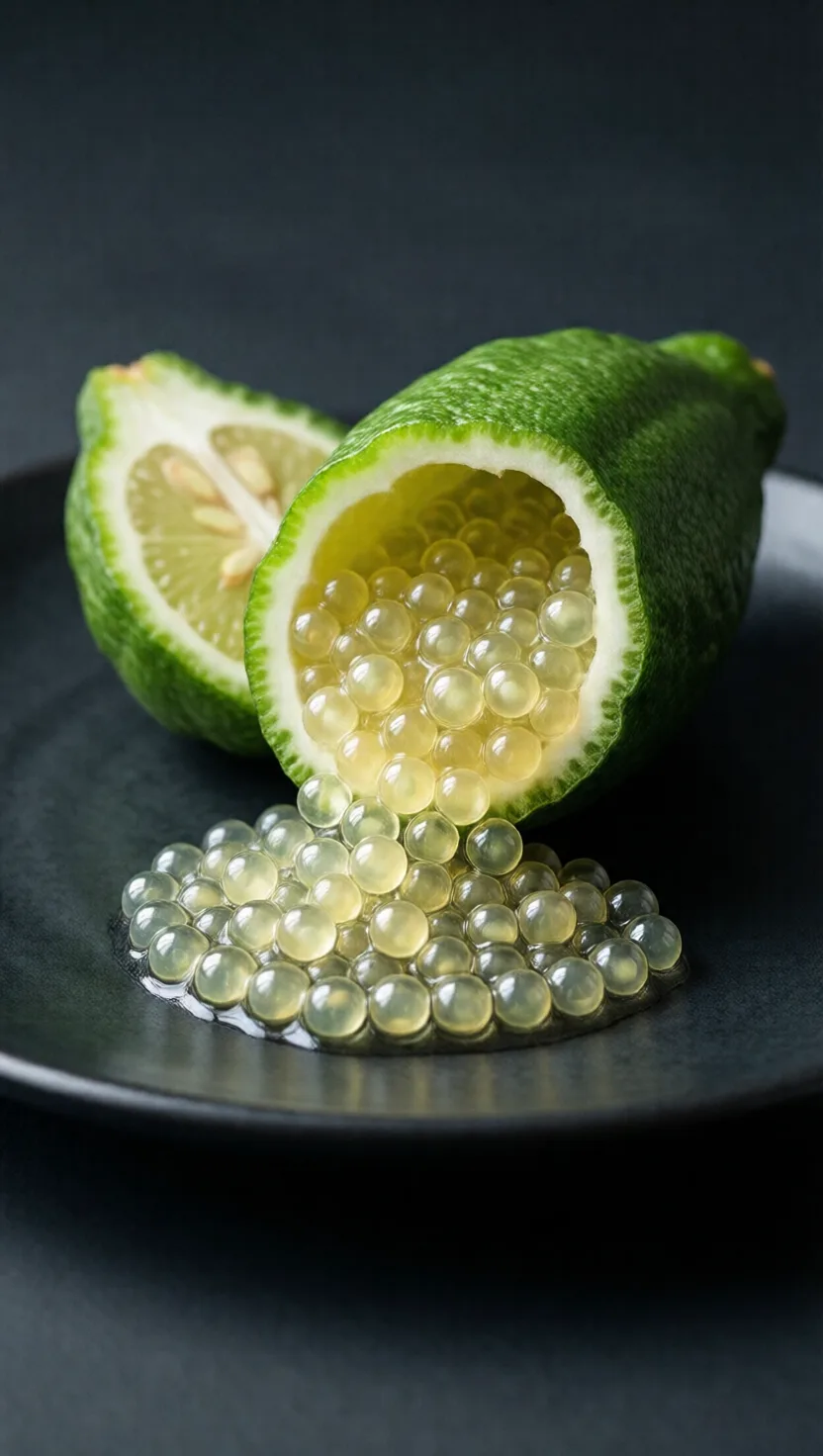
Slice open an Australian finger lime and tiny round juice vesicles spill out like caviar, each one popping with tart juice when bitten. It is a wild citrus from the rainforests of eastern Australia, and it has the widest colour range of any citrus, pearls from pale pink to deep blue-green. Where most citrus packs its juice into stalked sacs filling wedge segments, the finger lime's vesicles round into loose, free pearls.
Grapefruit is an accidental pomelo-orange cross from Barbados

Grapefruit is an accidental pomelo-orange cross from Barbados

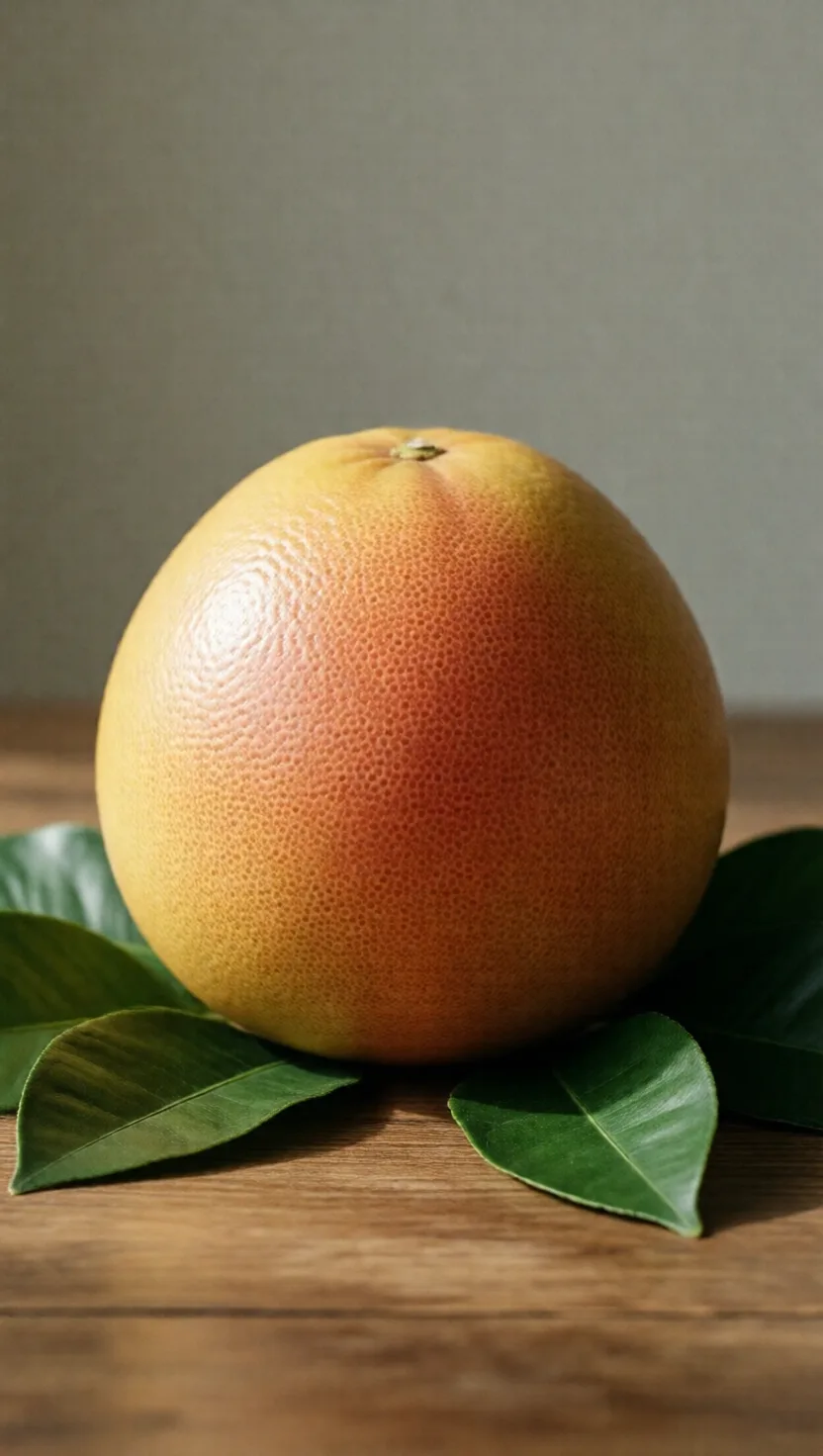
Grapefruit isn't ancient, it is a colonial accident. When pomelo and sweet orange, both Asian imports, ended up growing side by side in 18th-century Barbados, they crossed on their own to make a brand-new fruit, first recorded in 1750 and nicknamed the 'forbidden fruit.' The pomelo was the seed parent and the sweet orange the pollen parent, and the sweet orange is itself already a pomelo-mandarin hybrid.
Bergamot is grown for peel oil it's too sour to eat

Bergamot is grown for peel oil it's too sour to eat

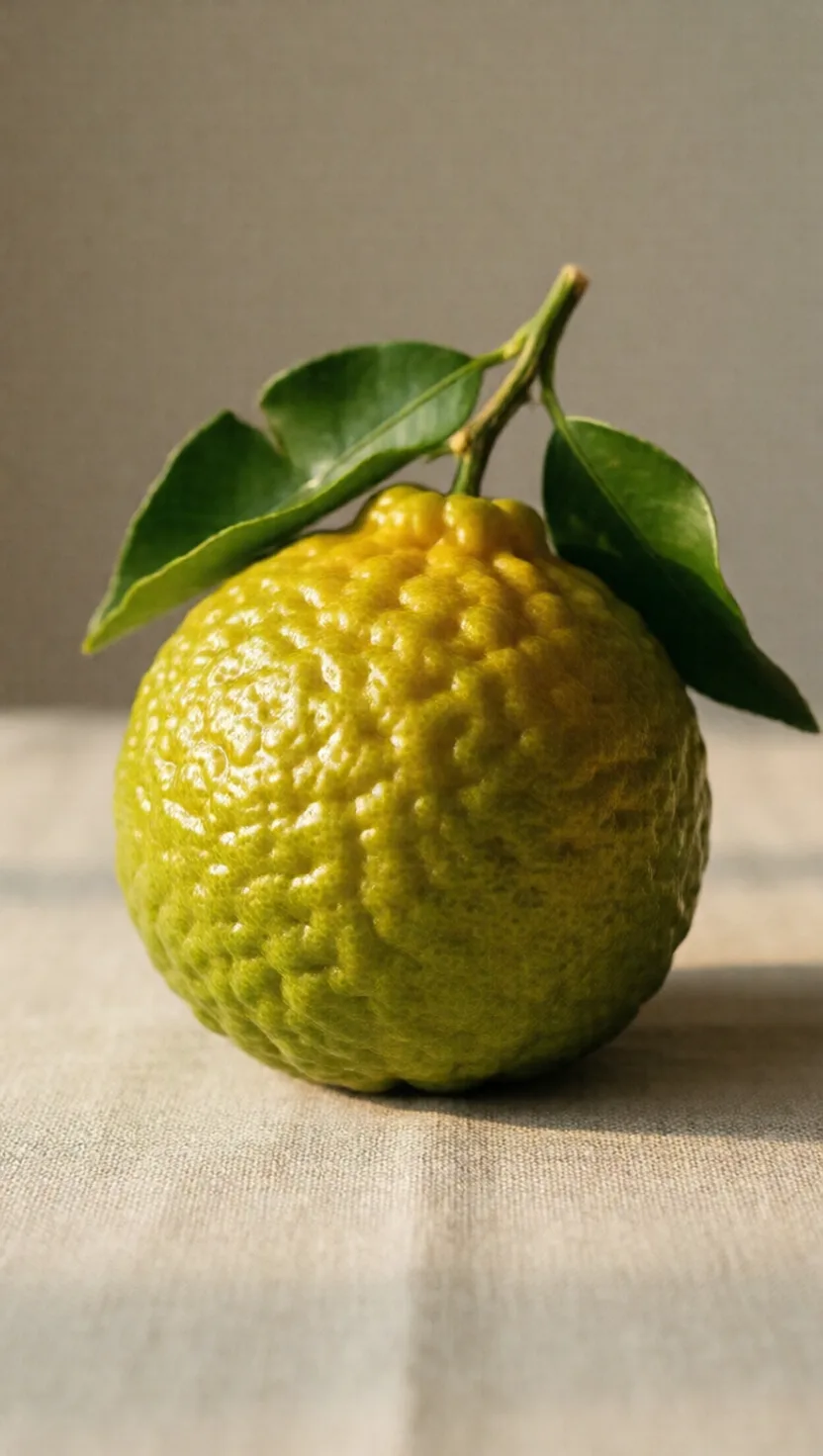
The bergamot orange is farmed almost entirely for the fragrant oil in its peel, not its flesh, which is too sour and bitter to enjoy. More than 90% of the world's bergamot grows on one short stretch of the Calabrian coast in southern Italy. Cold-pressing the rind yields the oil that scents perfume and flavours a well-known bergamot-scented black tea; it takes roughly 100 fruits to give about 85 grams of oil.
The citron was the first citrus to reach the Mediterranean

The citron was the first citrus to reach the Mediterranean

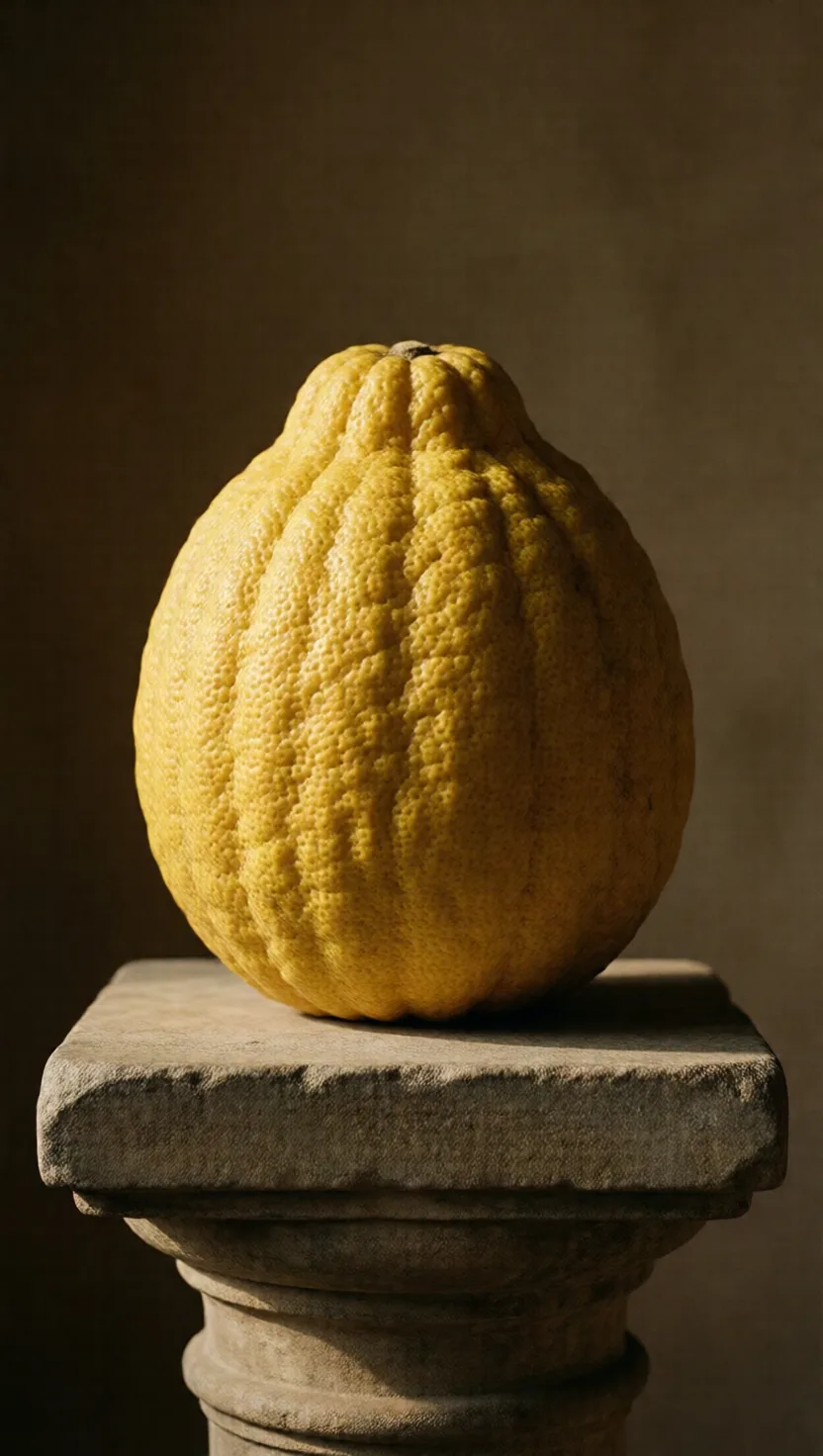
Long before lemons or oranges, the Mediterranean's first citrus was the citron, arriving via Persia by the 5th to 4th century BCE, found in a royal garden near Jerusalem, and reaching Roman Italy by the 3rd to 2nd century BCE. With its thick rind and scant flesh, it was prized not as food but as a fragrant luxury and ritual object, a status symbol only the wealthy could afford. The lemon followed about four centuries later.
tap →swipe ↑ for depthswipe ↓ to exit