Eight things an ordinary loaf is hiding

DC·231 Deep Cuts
San Francisco sourdough owes its tang to one microbe

San Francisco sourdough owes its tang to one microbe

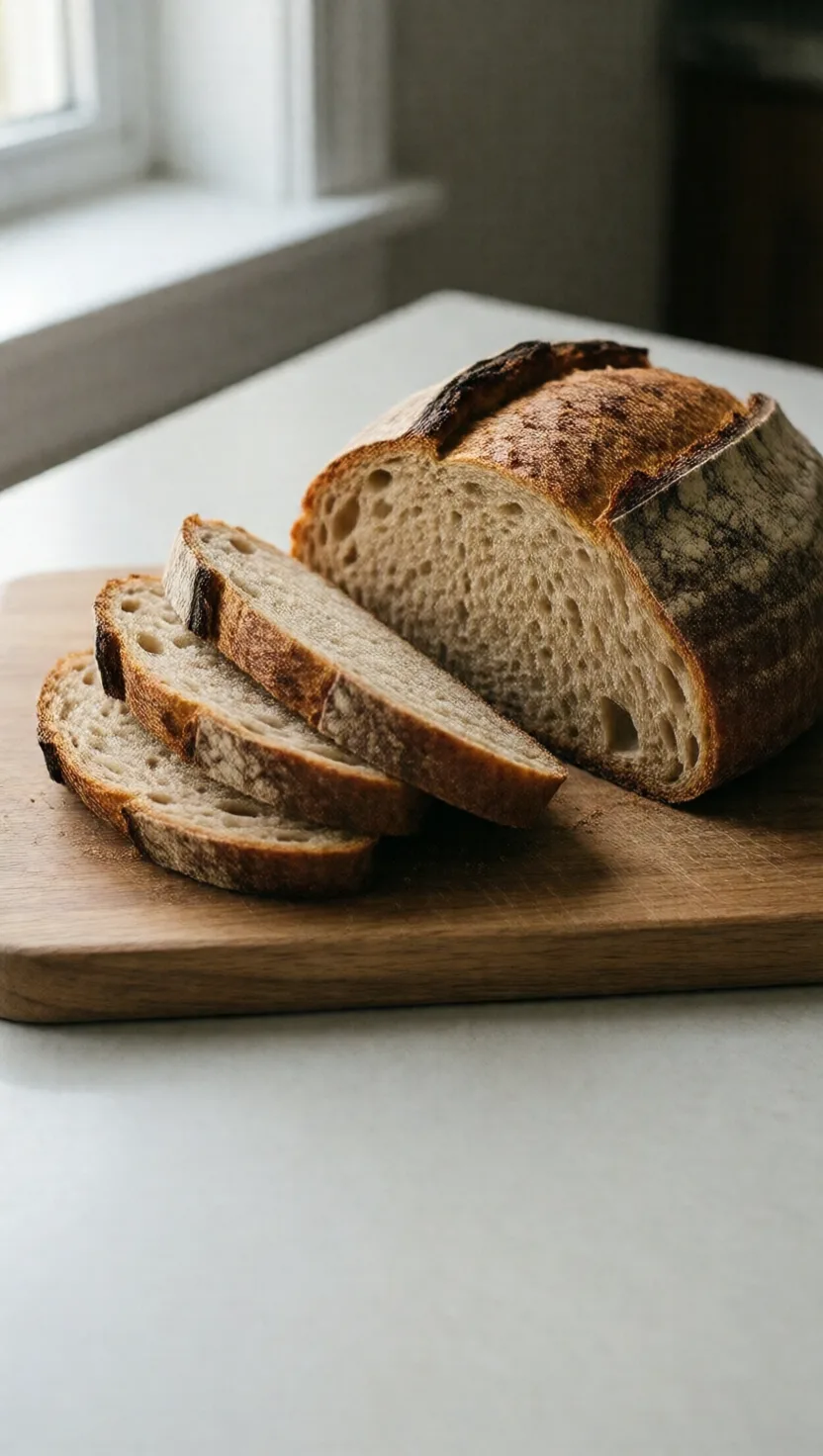
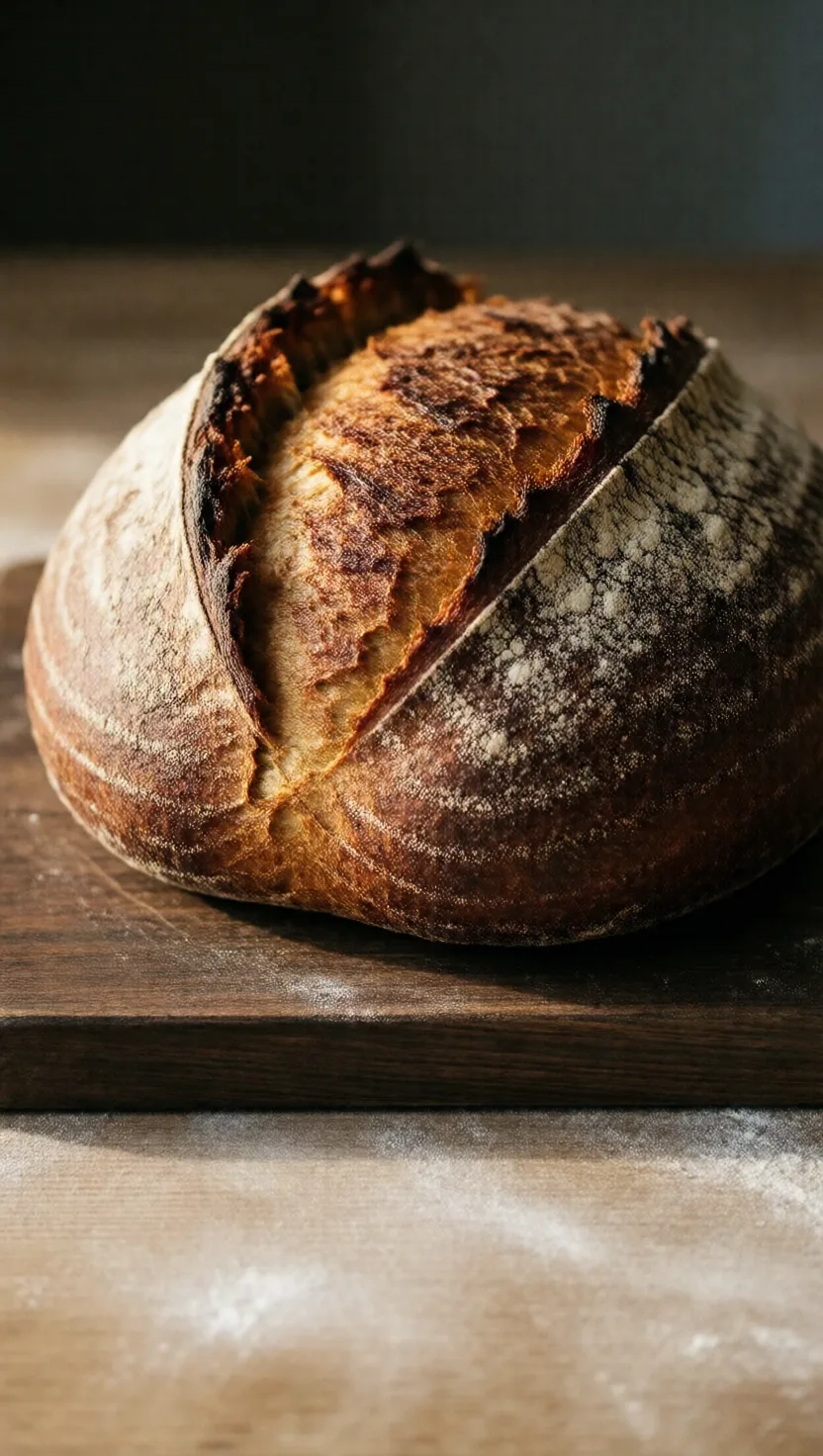
The sour in sourdough isn't from the yeast at all. A single lactic-acid bacterium, Fructilactobacillus sanfranciscensis, first pinned down in San Francisco loaves in 1971, pumps out both mild lactic acid and the sharp, vinegary acetic acid that gives the bread its bite. It lives in a stable partnership with wild yeast in the starter, and a well-fed culture can carry the very same strain for decades, passed from baker to baker like a living heirloom.
A pretzel's brown skin comes from a lye bath

A pretzel's brown skin comes from a lye bath

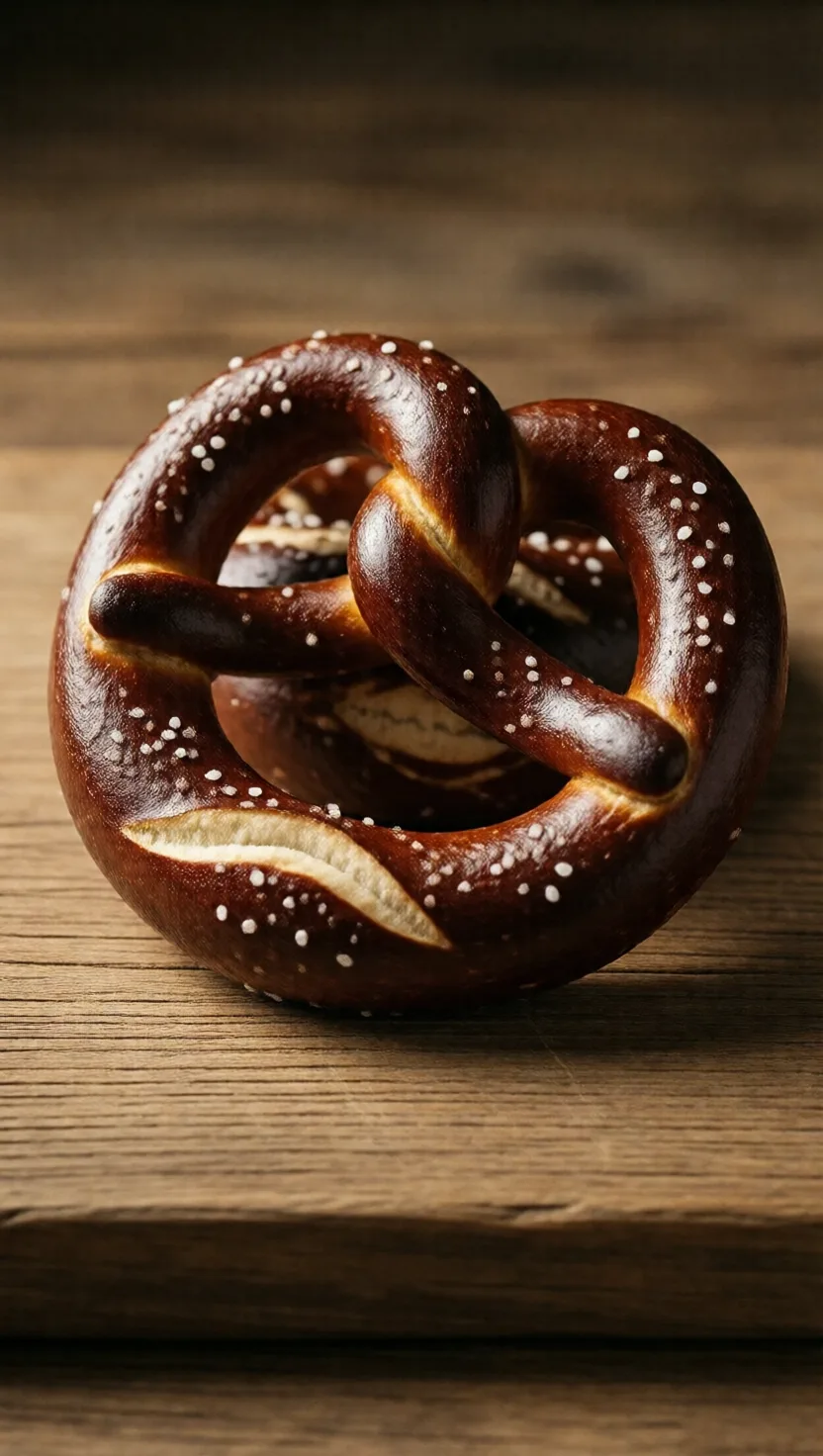
Before baking, a real pretzel takes a quick dip in food-grade lye, the same caustic sodium hydroxide found in drain cleaner. The strongly alkaline bath, around pH 13, supercharges the Maillard browning so the crust bakes to a glassy mahogany shell with a faintly bitter tang while the inside stays soft. The oven's heat fully neutralises the lye, leaving it harmless to eat. Baking soda can stand in, but it never turns the crust quite so dark.
A bagel is boiled before it is ever baked

A bagel is boiled before it is ever baked

What separates a bagel from a plain bread roll is a swim. Dropped into boiling water for roughly thirty seconds a side, the dough's outer starch gelatinises and sets into a sealed skin before it ever reaches the oven. That pre-cooked shell traps the moisture inside, blocks the oven rise, and bakes into the dense, chewy, glossy crust a bagel is known for. The longer it stays in the pot, the thicker and chewier that crust becomes.
A cooling baguette crackles and sings

A cooling baguette crackles and sings

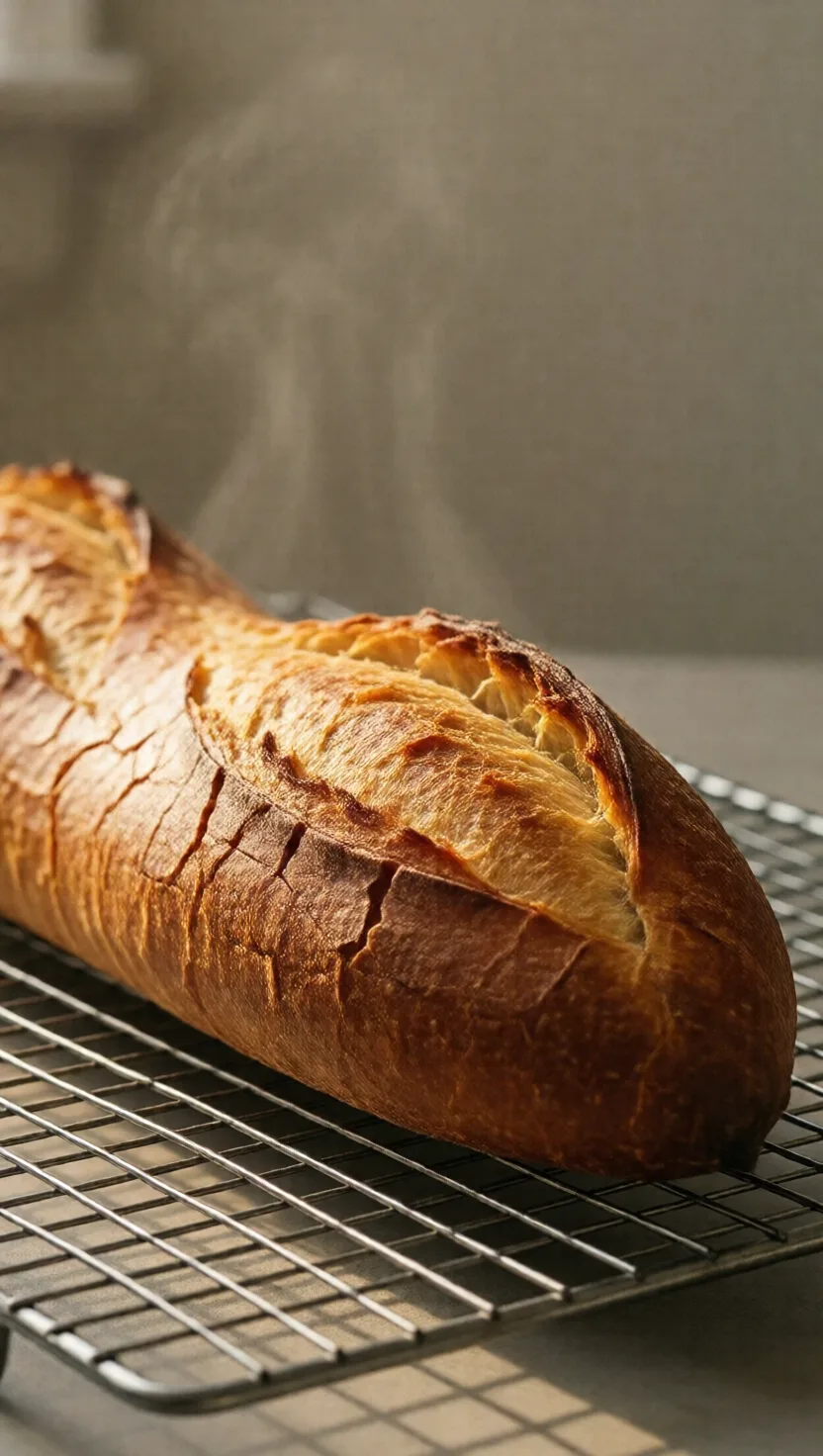
Pull a baguette from a 250-degree oven, lean in close, and the crust sings. Bakers call the soft snapping crackle the loaf's 'song.' Because the thin, brittle crust cools far faster than the moist crumb inside, it shrinks and splits into a fine web of cracks, each one venting a tiny puff of steam with an audible tick. A loaf that stays silent has often cooled too slowly to fracture its crust at all.
Matzo must be baked in 18 minutes flat

Matzo must be baked in 18 minutes flat

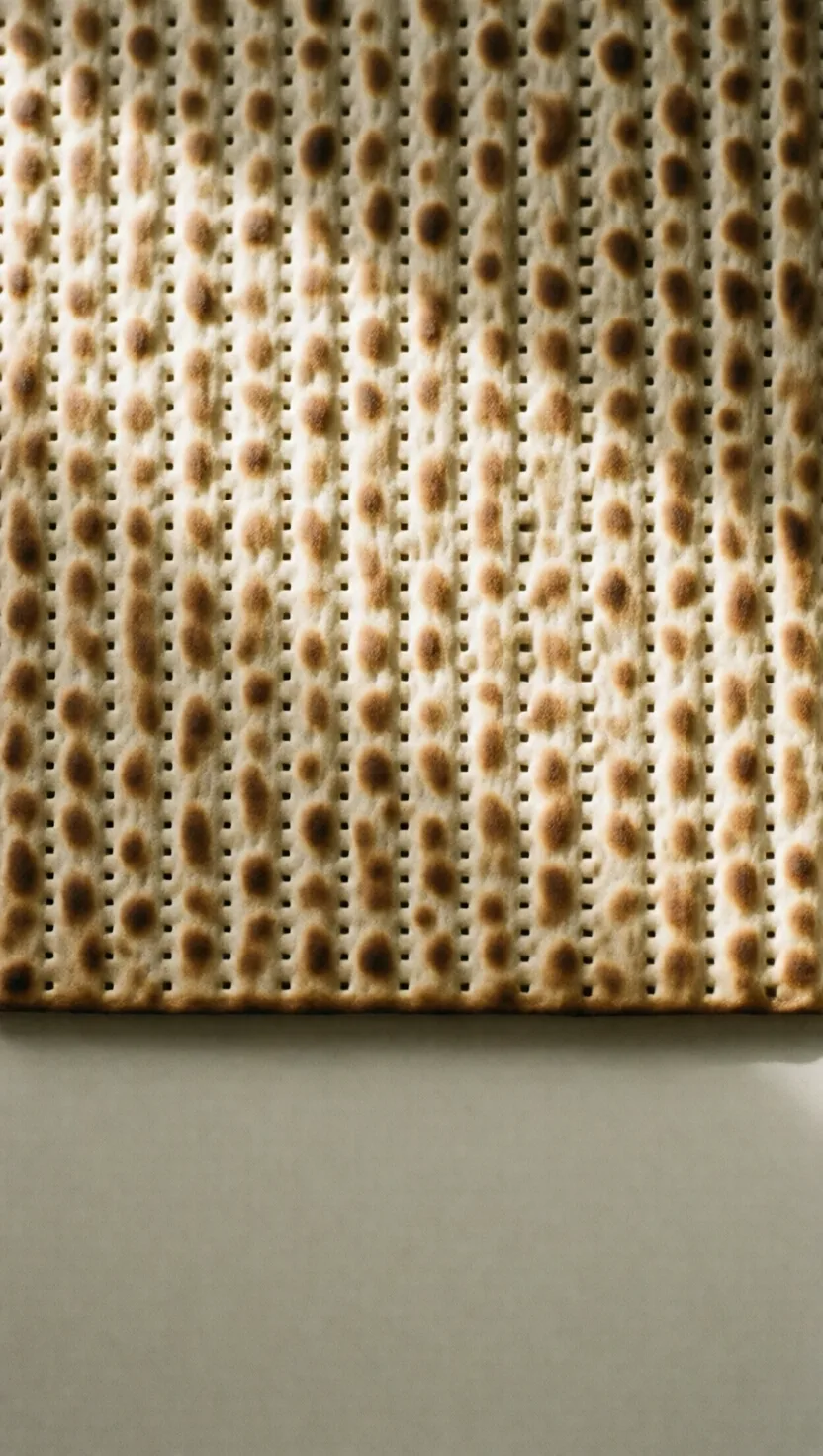
From the moment water meets flour, the clock starts: traditional matzo must be mixed, rolled, pricked and fully baked within eighteen minutes. That is the span Jewish law reckons it takes plain dough to begin fermenting on its own from wild yeasts in the air, and any rise at all would make it leavened bread, forbidden during Passover. Bakers scrub the tables between batches so that no stray scrap of old dough can restart the leavening.
A ship's biscuit from 1852 still sits in a museum

A ship's biscuit from 1852 still sits in a museum

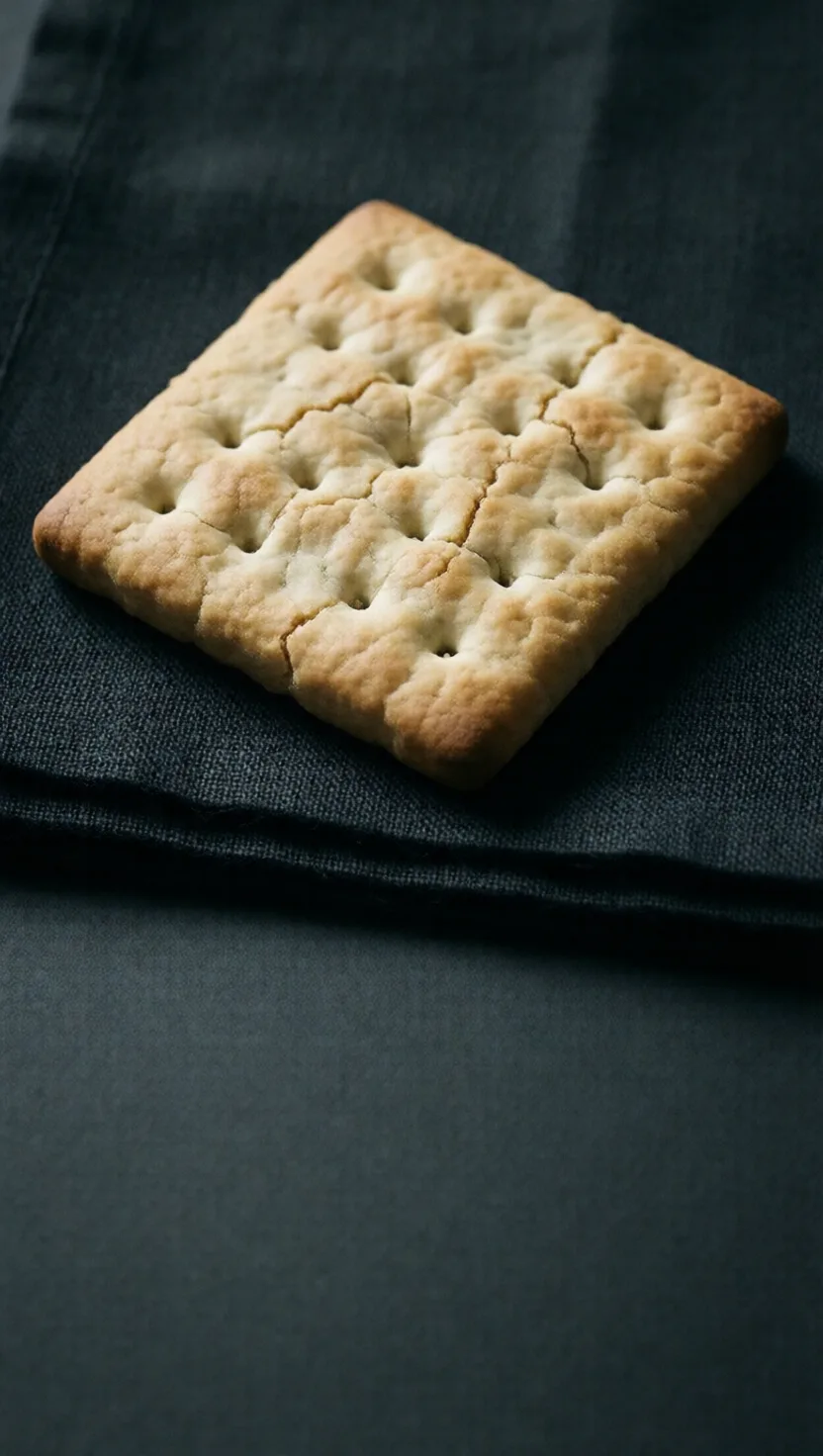
Sailors' hardtack was baked so bone-dry that it barely changed across lifetimes. With almost no moisture left for mould or bacteria, a plain flour-and-water biscuit can survive for generations: a maritime museum in Denmark keeps one baked in 1852, still whole after more than 170 years. Nicknamed 'tooth-dullers' and 'worm castles,' the rock-hard biscuits had to be soaked or smashed before a sailor could chew them at all.
Bread goes stale faster in the fridge than out

Bread goes stale faster in the fridge than out

The fridge is the worst place to keep bread. Staling isn't really drying out; it's starch retrogradation, where the soft gelatinised starch slowly recrystallises and squeezes out water, turning the crumb firm. That recrystallising runs fastest just above freezing, around 0 to 4 degrees, so refrigerated bread stales roughly six times quicker than a loaf left on the counter. Warming melts those crystals back, which is exactly why toasting can revive a stale slice.
The oldest known bread predates farming by 4,000 years

The oldest known bread predates farming by 4,000 years

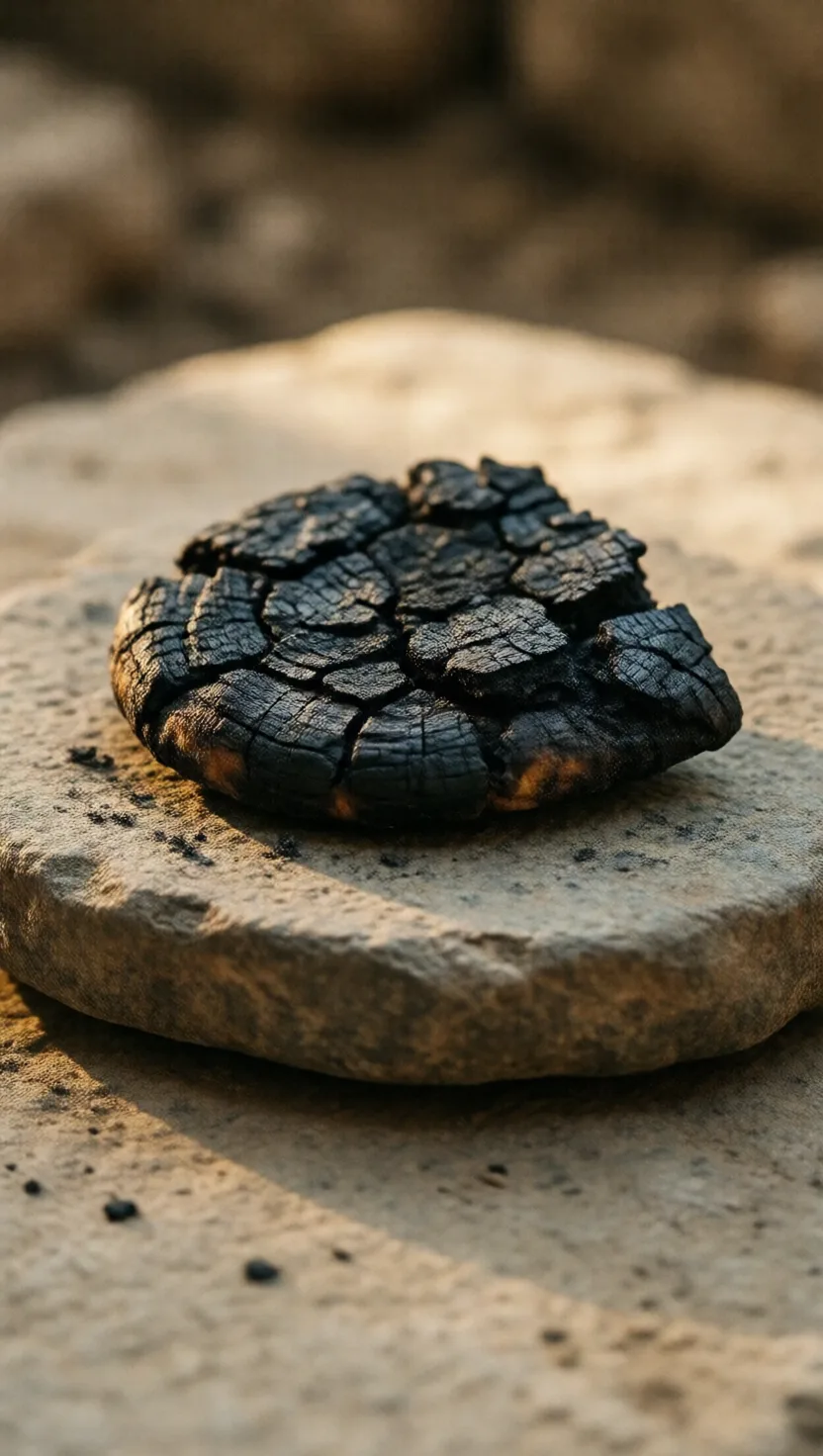
Bread came before the farm. Charred crumbs unearthed at a 14,400-year-old hunter-gatherer site in Jordan's Black Desert are the oldest bread ever found, flat loaves baked from wild wheat and ground club-rush tubers some four thousand years before anyone domesticated a single grain. The discovery flipped the old story on its head: people may have begun cultivating cereals partly because they had already grown fond of baking with them.
tap →swipe ↑ for depthswipe ↓ to exit