Eight things about spiders and the silk they spin

DC·23 Deep Cuts
A single spider web can span a whole river

A single spider web can span a whole river

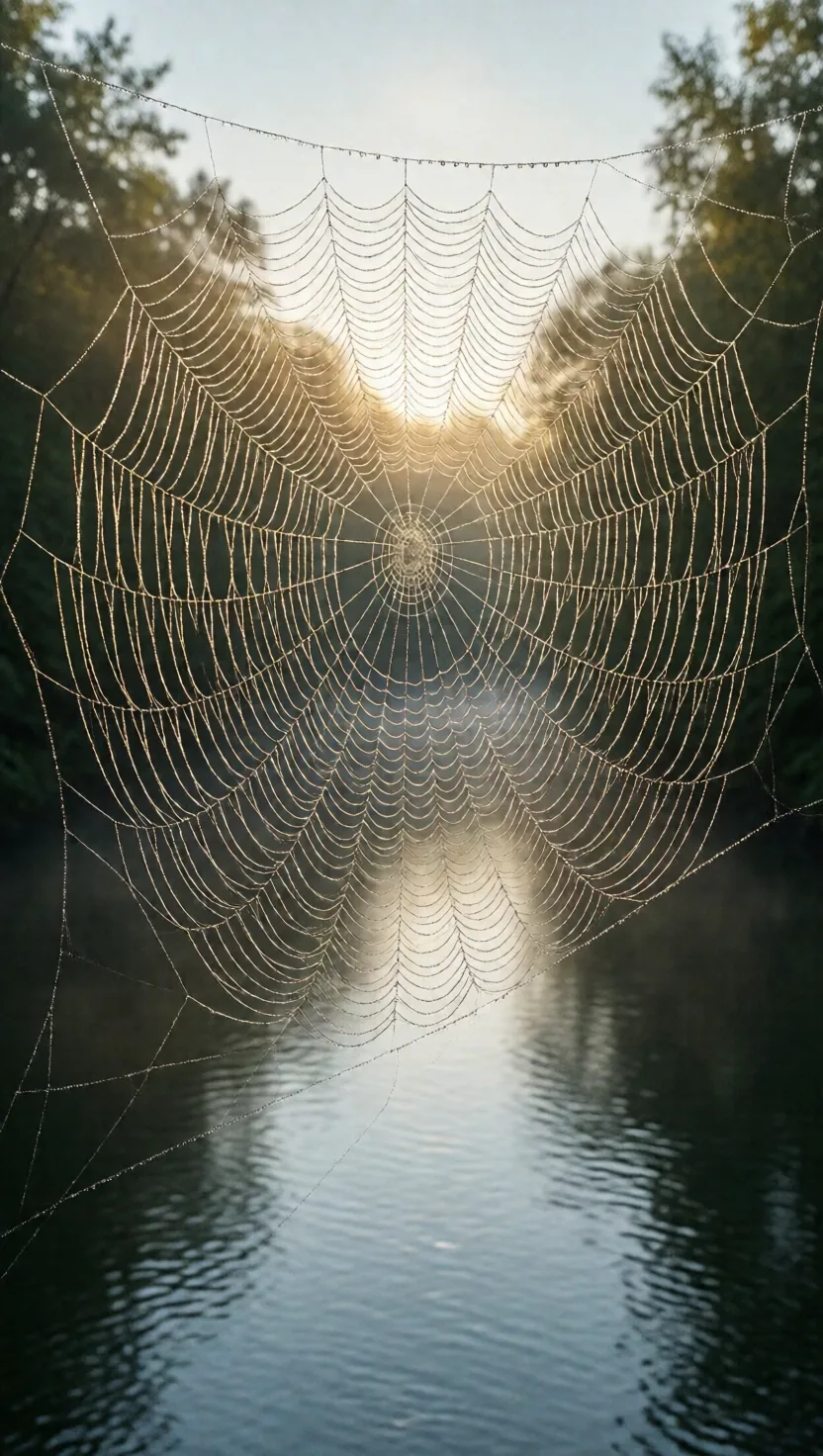
Darwin's bark spider, found in Madagascar in 2009, slings its orb directly above rivers and lakes on bridge-lines up to 25 meters long, the largest orb webs known, with up to 2.8 square meters of catching area. No other spider builds over open water. Its silk is also the toughest biological material ever measured, around 350 to 520 megajoules per cubic meter, over ten times tougher than the same weight of industrial aramid fiber and twice as tough as any other spider's silk.
Spiders fly without wind, riding electricity

Spiders fly without wind, riding electricity

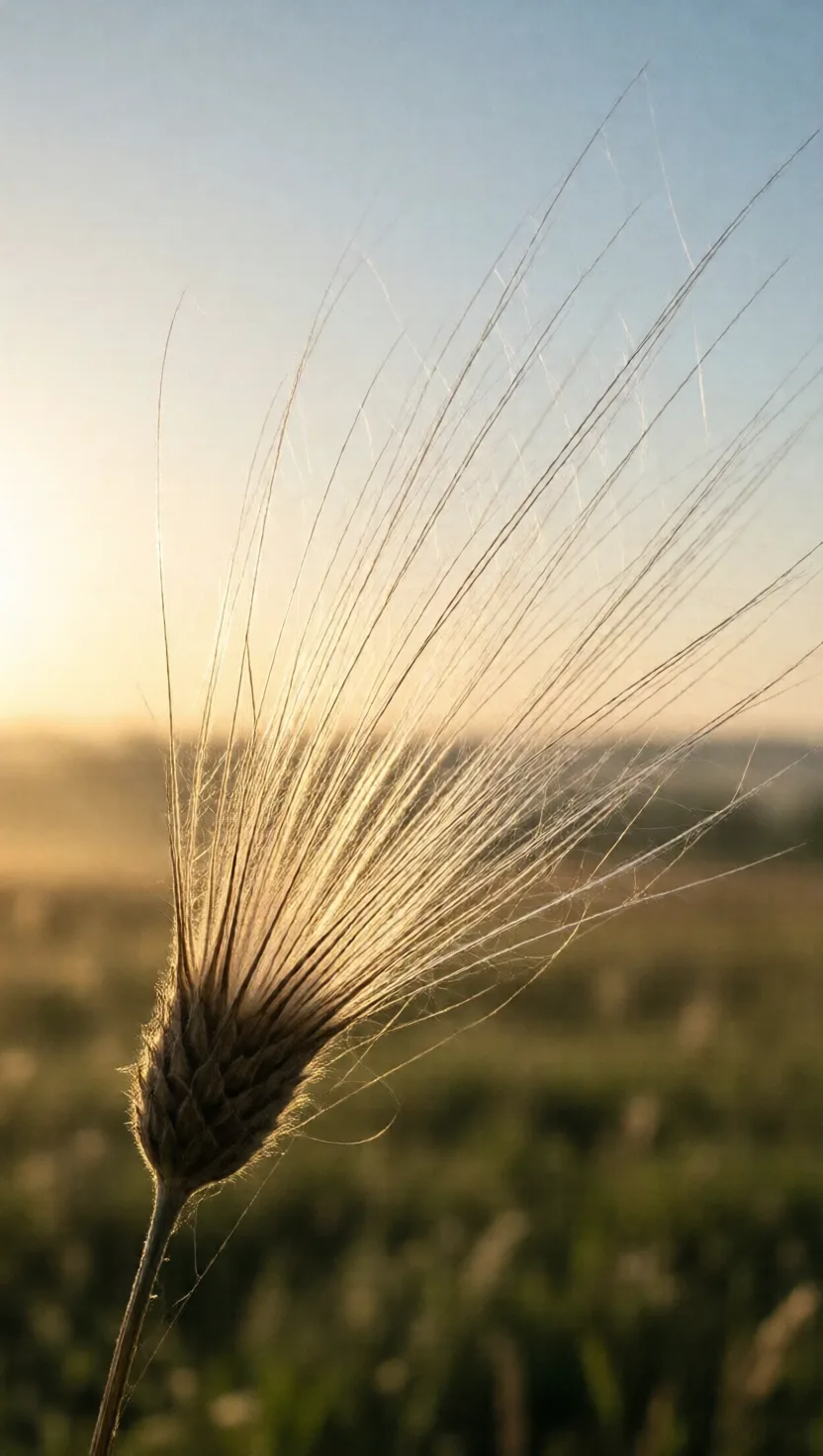
Spiders travel by ballooning: they climb high, tiptoe up, and release strands of silk that carry them for miles, sometimes far out to sea. Wind alone never fully explained it. A 2018 study showed they also ride Earth's atmospheric electric field, the permanent voltage gradient the planet carries, around 100 volts per meter near the ground. Charged silk strands splay apart and gain lift even in dead-still air, and tiny sensory hairs on the legs feel the field and trigger the launch.
One spider lives its whole life underwater

One spider lives its whole life underwater

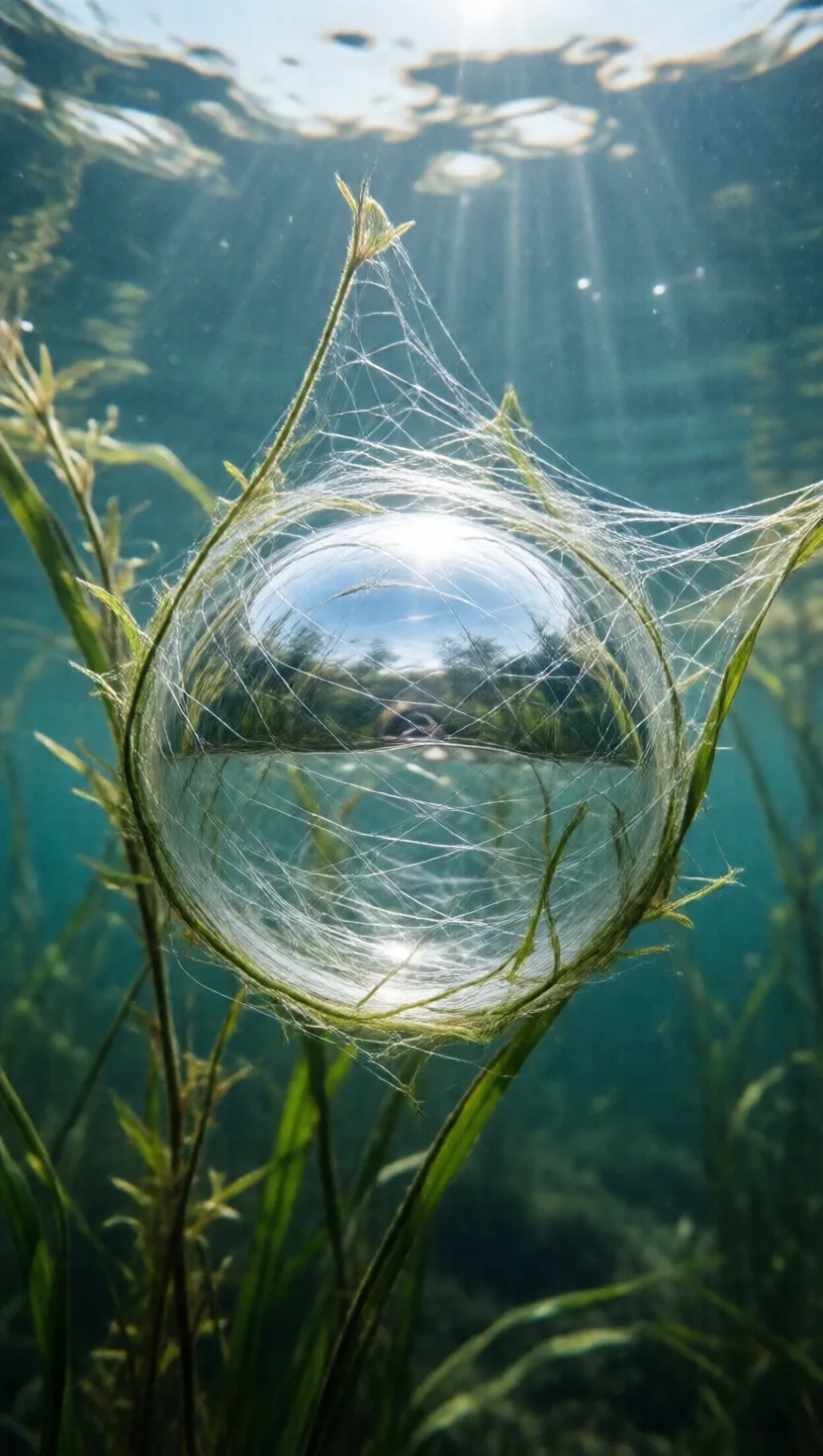
The diving bell spider is the only spider that spends nearly its entire life submerged. It spins a dome of silk between water plants and fills it with air carried down on its hairy abdomen. The bubble works as a physical gill: oxygen diffuses in from the surrounding water while carbon dioxide diffuses out through the silk, so the spider can stay under for about a day at a time, surfacing only to top up. It eats, mates, and lays its eggs inside the silvery bell.
This spider spins thread that is genuinely gold

This spider spins thread that is genuinely gold

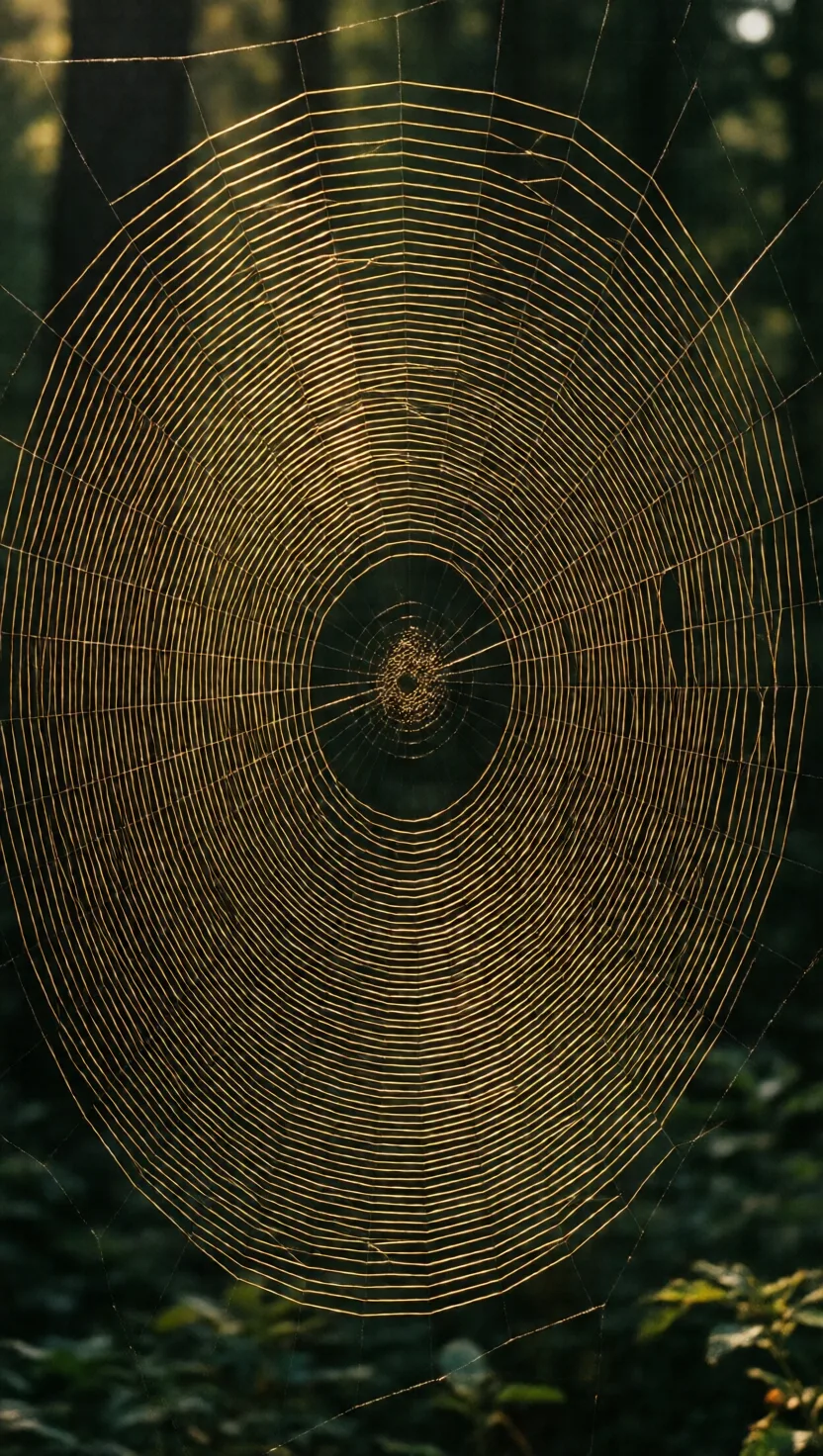
Golden orb-weavers spin silk that is naturally, visibly gold. The color comes from pigments the spider can tune, brightening the thread to lure bees in sunlight or dimming it to hide in shade. The silk is so fine and strong that between 2009 and 2012 two collectors used the thread of more than 1.2 million wild Madagascar spiders, each gently milked and released, to weave a single shimmering golden cape, the only large cloth ever made from spider silk.
The oldest known spider lived to 43

The oldest known spider lived to 43

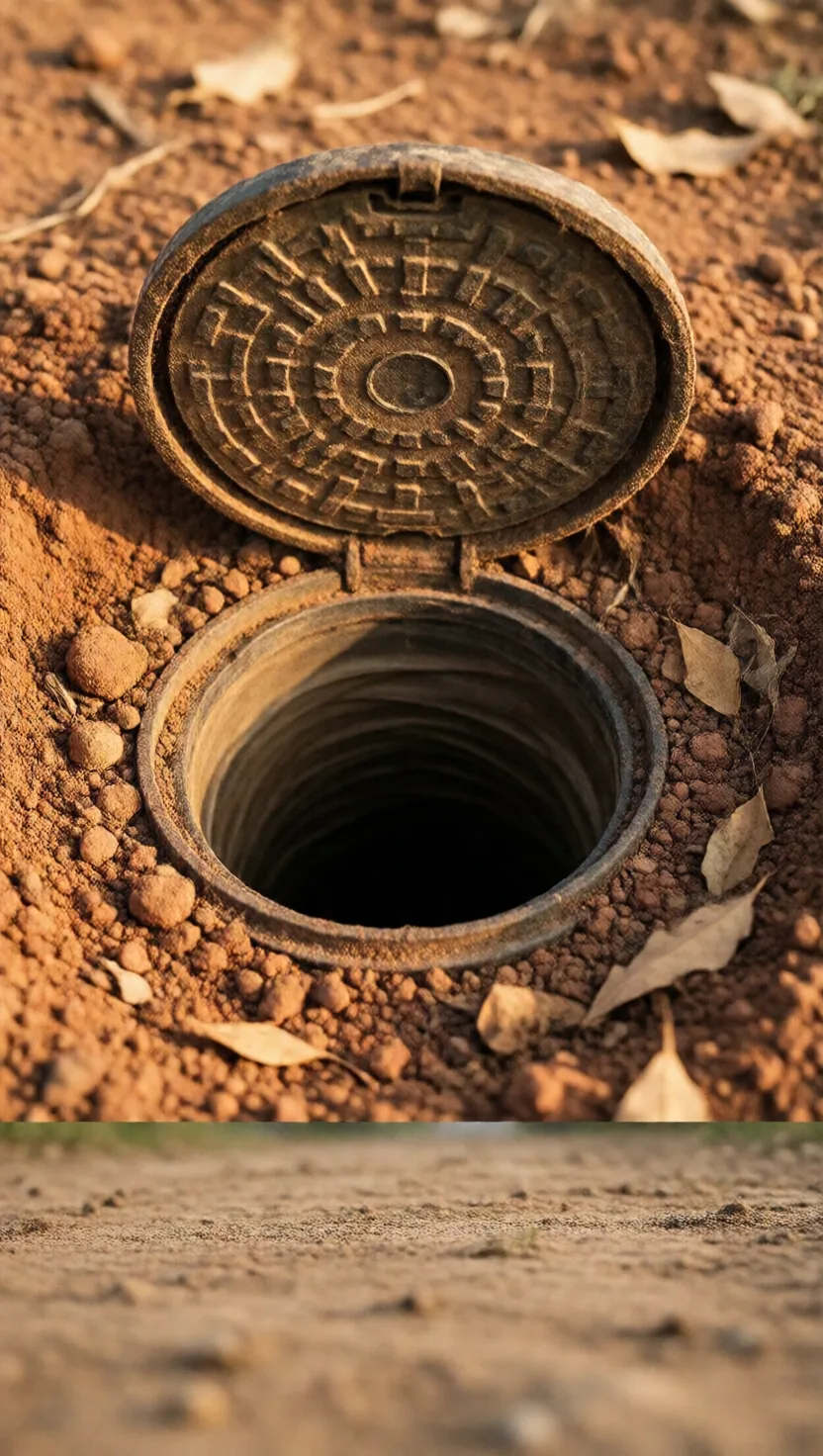
A wild female trapdoor spider in Western Australia, tagged 'Number 16' in a study begun in 1974, lived to age 43, the longest-lived spider ever recorded, far past the previous record of a 28-year-old tarantula. Trapdoor spiders dig a burrow capped with a hinged, soil-camouflaged silk door and may stay in the very same one their whole lives, ambushing passing prey. Number 16 finally died not of old age but from a parasitic wasp piercing her door.
Nobody is sure why some spiders 'write' on their webs

Nobody is sure why some spiders 'write' on their webs

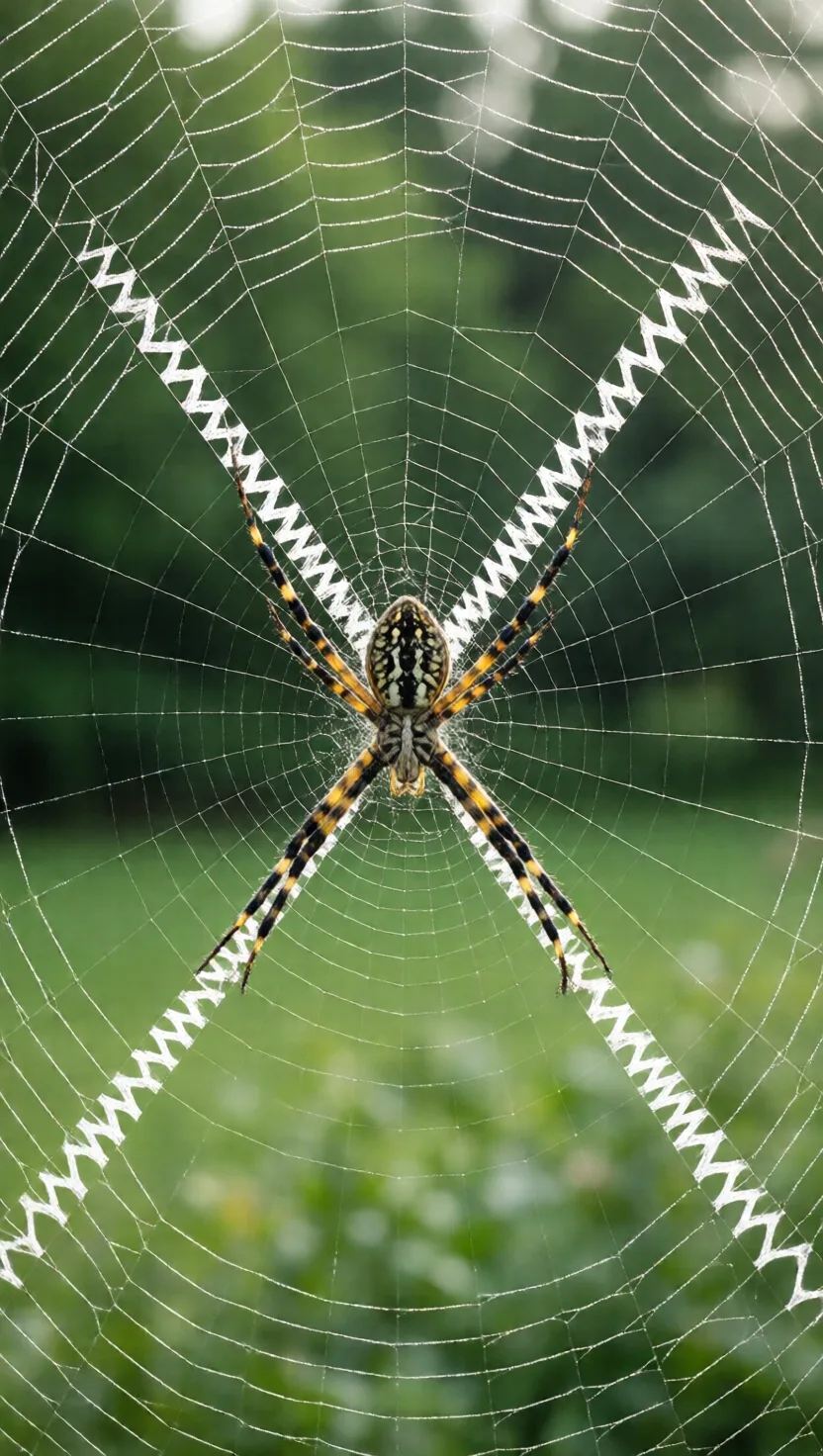
Some orb-weavers stitch a bold zigzag, cross, or spiral of dense white silk into the middle of an otherwise near-invisible web, a structure called a stabilimentum. After more than a century of study its purpose is still debated. It may flag the web to birds so they do not blunder through and wreck it, reflect ultraviolet light to lure insects, camouflage or shade the spider, or dump excess silk. The St Andrew's cross spider draws a bright X and sits at its center.
This spider's black is darker than any paint

This spider's black is darker than any paint

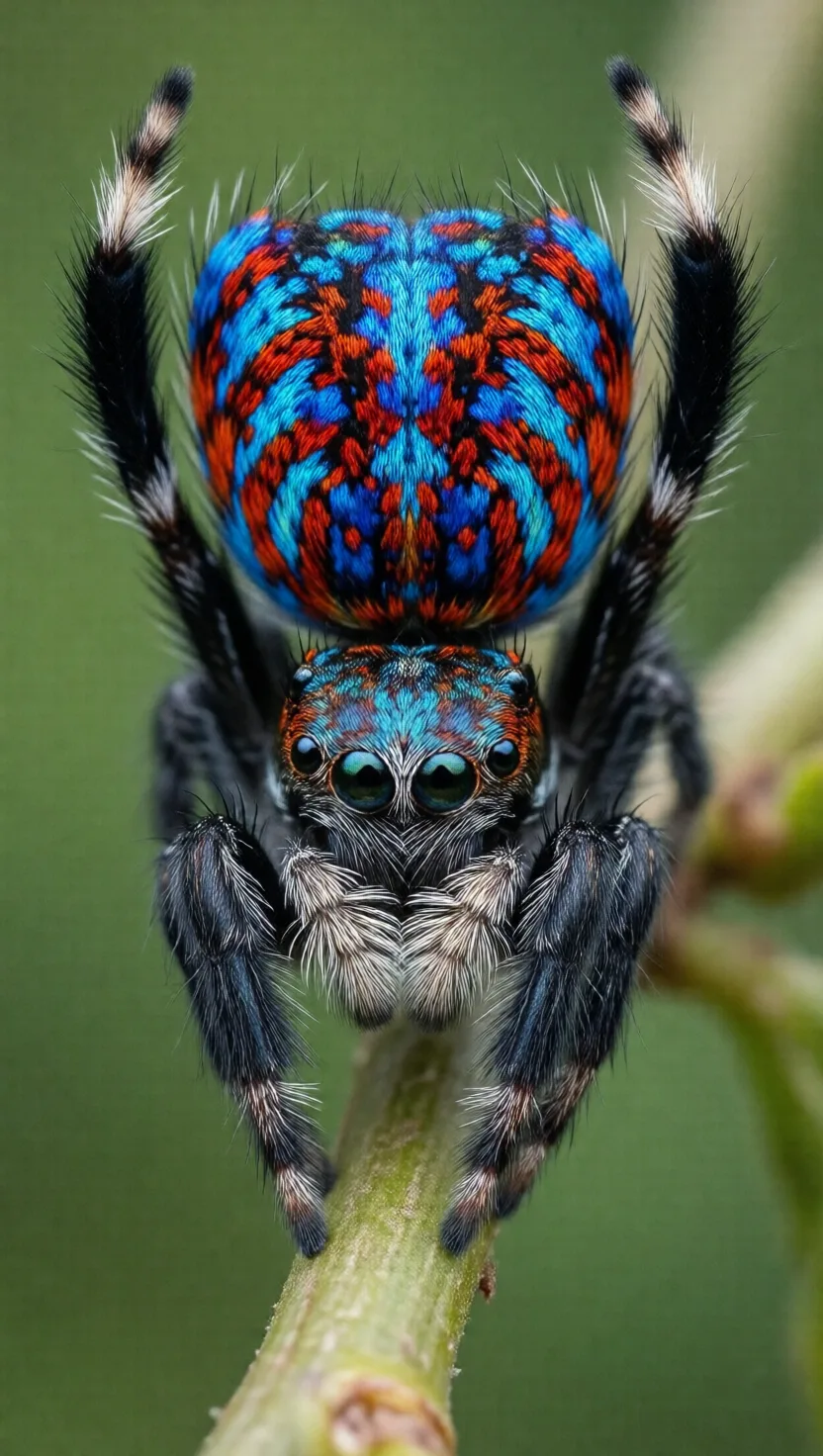
Male peacock spiders, just 4 to 5 millimeters long, raise a flap of abdomen and dance in vivid blues, reds, and oranges to court a female. Framing those colors are patches of 'super black' that reflect under half a percent of light, almost as dark as the blackest engineered materials. Nanoscale bumps on the cuticle act as microlenses that trap incoming light and feed it to the pigment beneath, so the colors beside them blaze by contrast, like jewels on velvet.
Jumping spiders may dream

Jumping spiders may dream

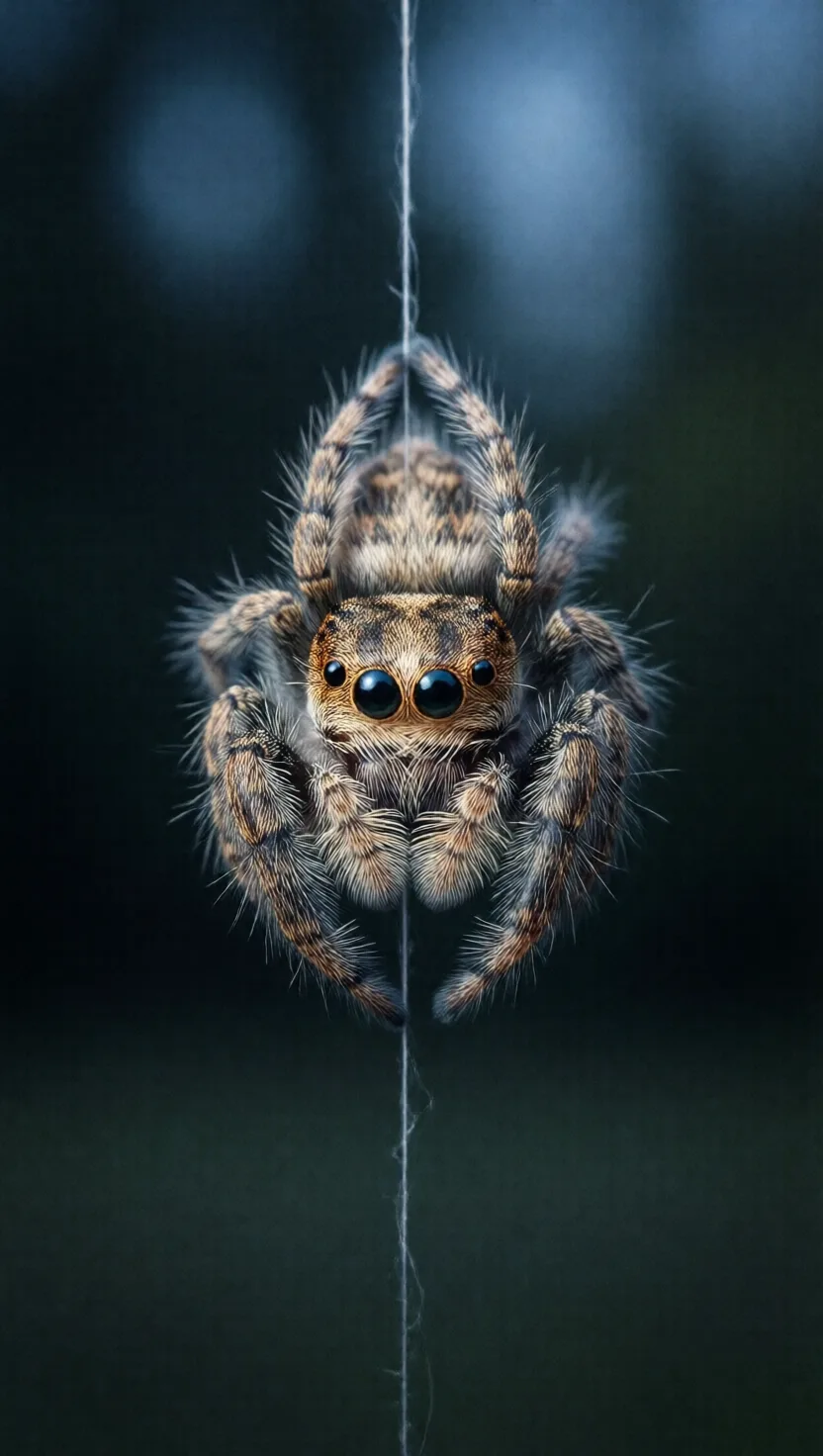
Filmed at night hanging from a silk line, baby jumping spiders fall into regular bouts where their retinas flick back and forth while their legs curl and their bodies twitch, the hallmarks of REM sleep, the phase when humans dream. A 2022 study documented these cycles in the species Evarcha arcuata, the first REM-like state ever seen in a land invertebrate. Whether spiders truly dream is unknown, but the eye movements line up uncannily with ours.
tap →swipe ↑ for depthswipe ↓ to exit