Eight secrets in the metal that holds things together

DC·229 Deep Cuts
A Roman army buried 875,000 nails to deny the enemy iron

A Roman army buried 875,000 nails to deny the enemy iron

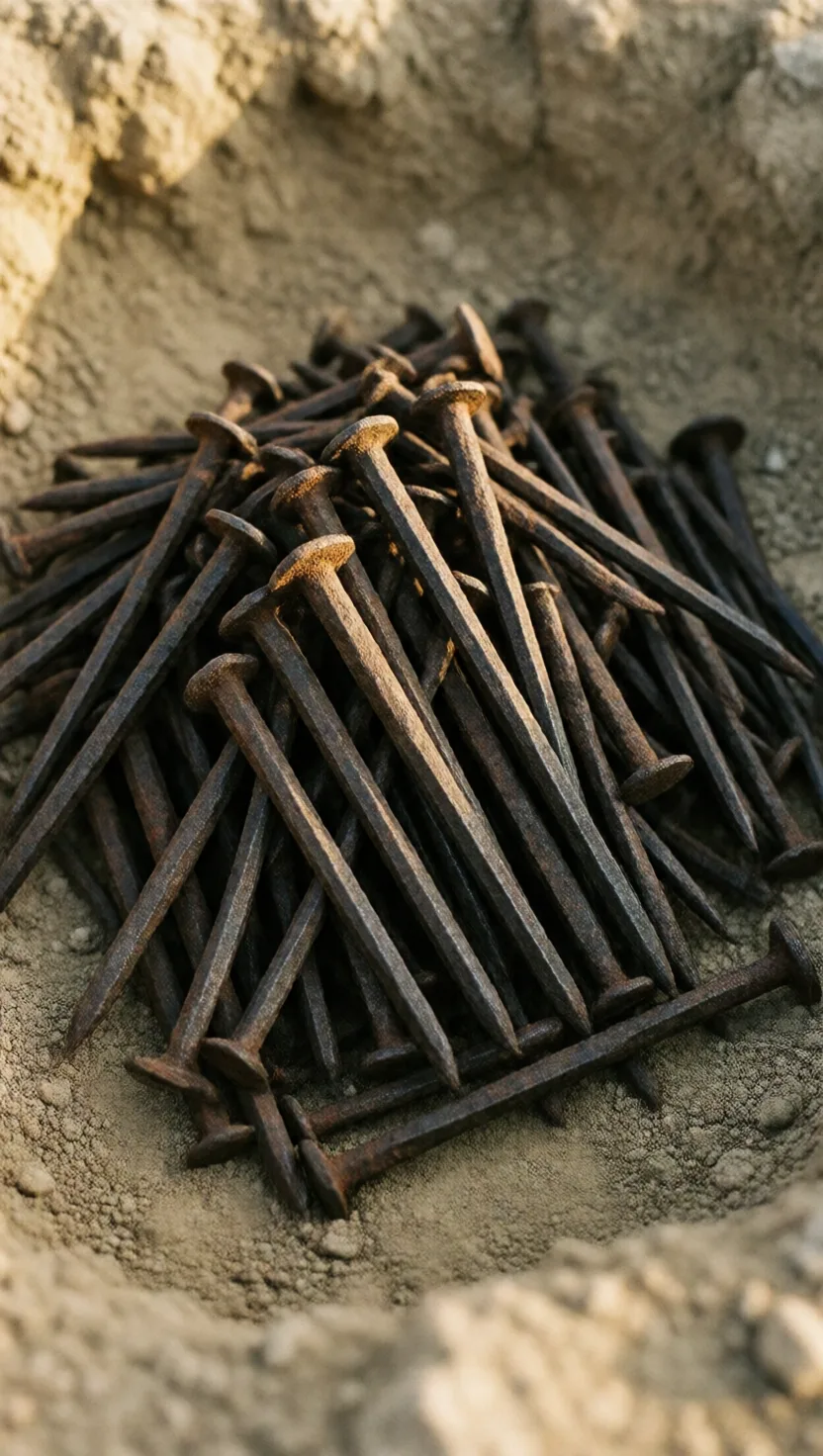
When the Roman army abandoned its half-finished fortress at Inchtuthil in Scotland around AD 87, it faced a problem: nearly a million iron nails the local tribes could reforge into weapons. So the legionaries dug a pit three metres deep, tipped in about 875,000 nails weighing some seven tonnes, and hid the spot under the parade ground. It lay undisturbed until 1960. Iron was precious enough to bury an army's worth rather than hand it over.
'Dead as a doornail' means a nail bent so it can't be reused

'Dead as a doornail' means a nail bent so it can't be reused

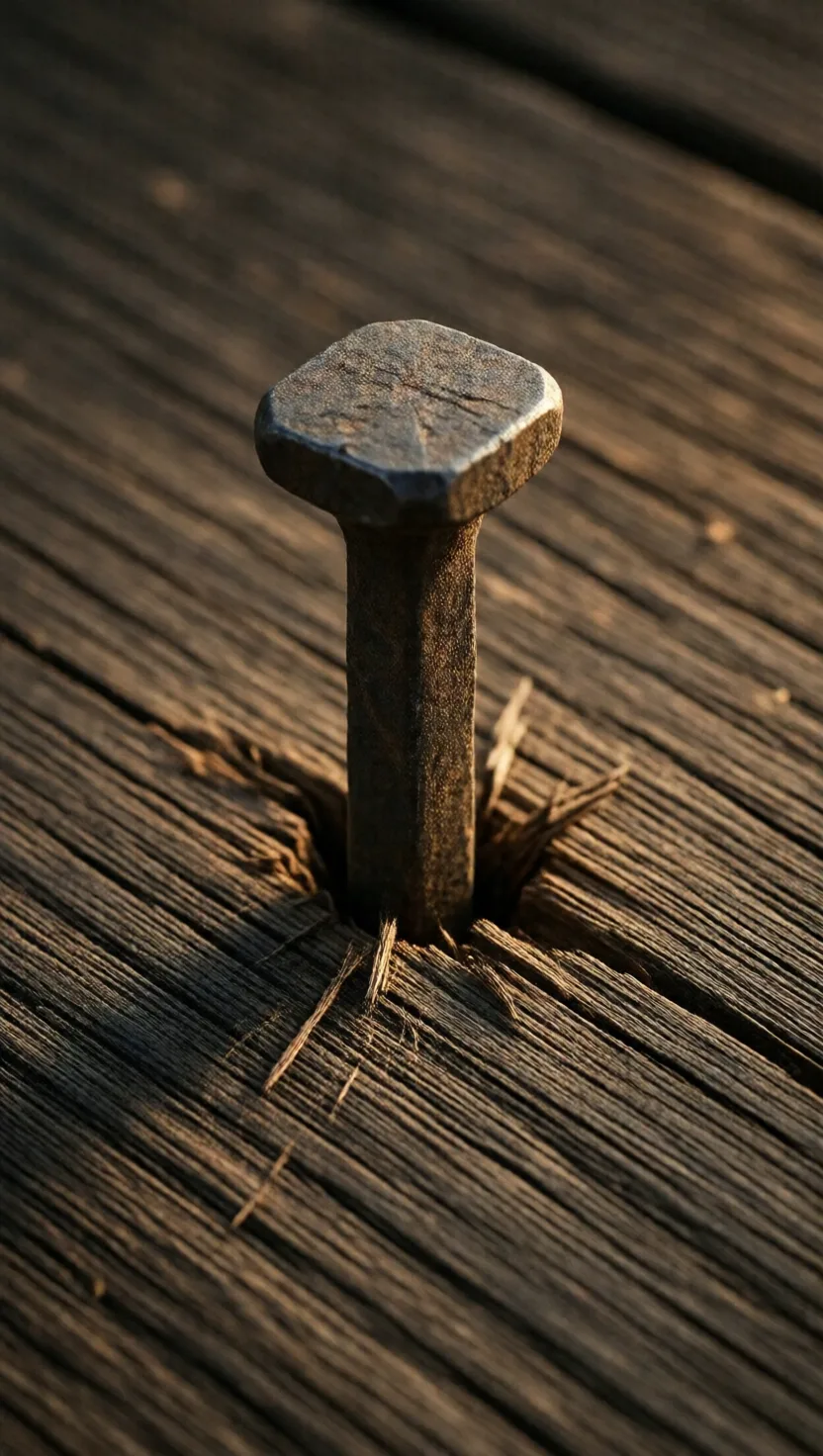
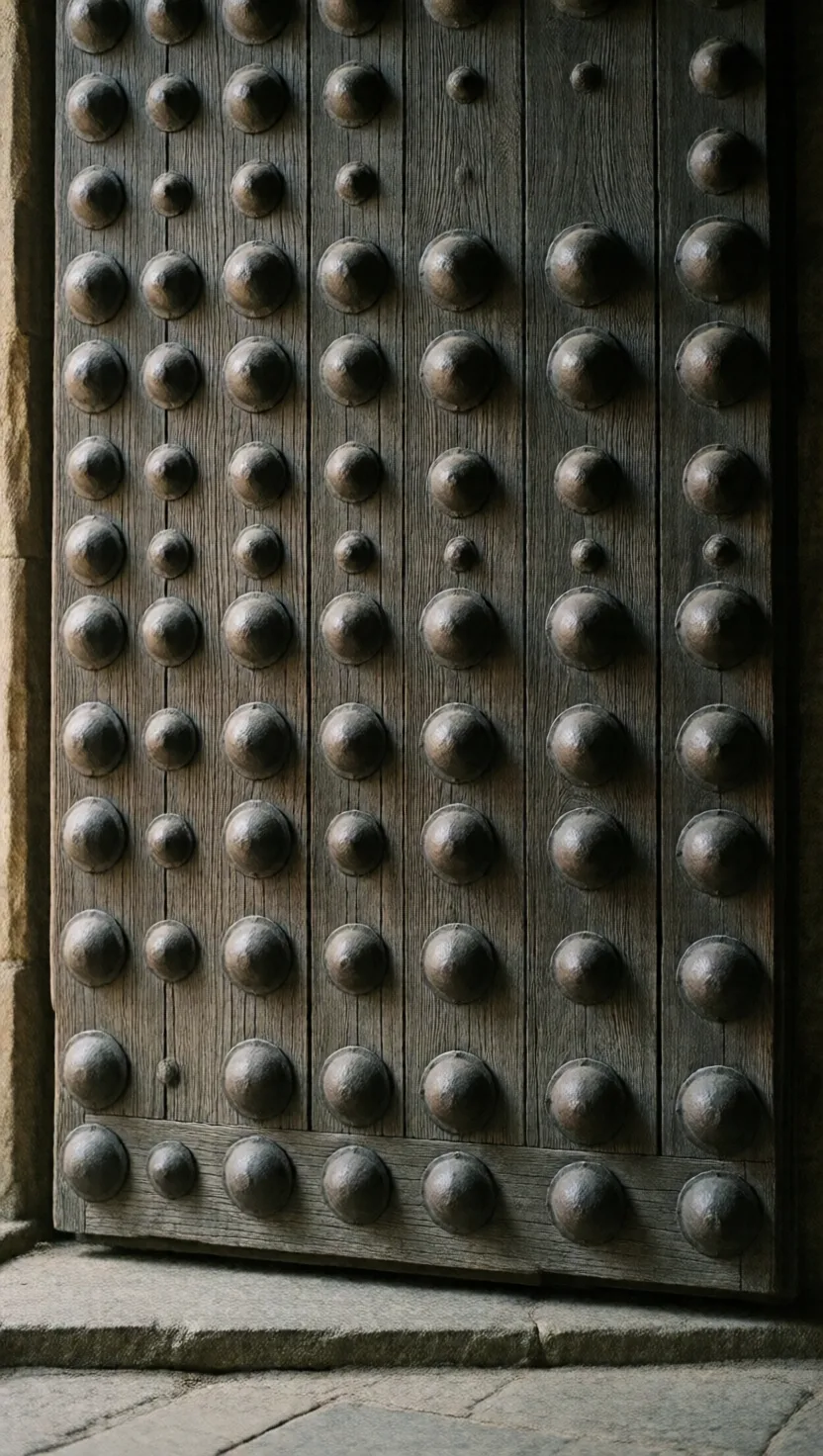
The old phrase 'dead as a doornail' hides a scrap of carpentry. To hang a heavy studded door, a smith drove long nails clean through the planks and then hammered the protruding points flat against the far side — a method called clinching. That locked the door rock-solid, but it also finished the nail: bent over and buried in the wood, it could never be pulled and used again. A clinched nail was spent, done, 'dead.' The expression is over 600 years old, in print by 1350.
The nails in a wall can date when a house was built

The nails in a wall can date when a house was built

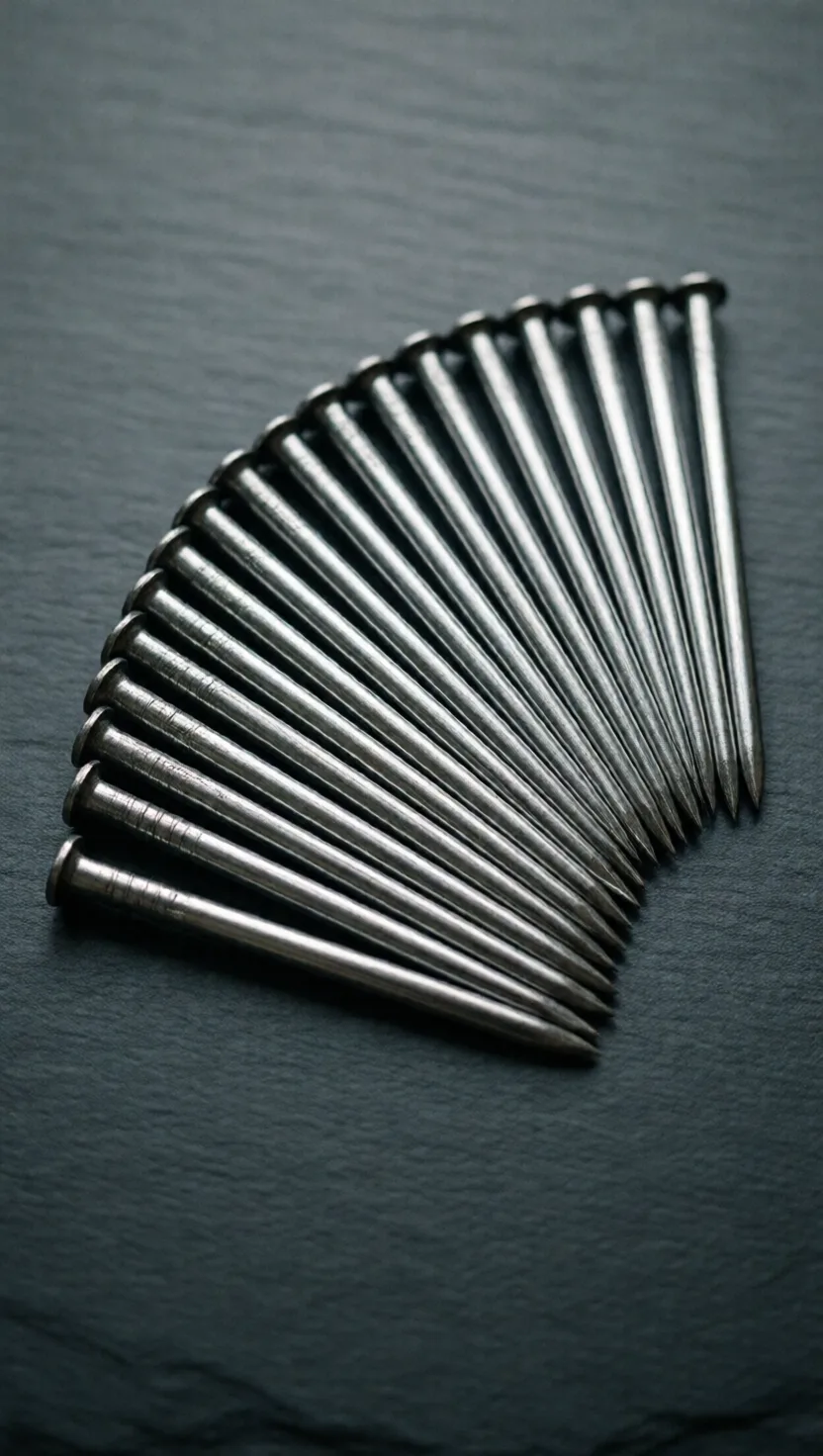
Pull a nail and you can read a building's age. Hand-forged nails, each beaten square by a blacksmith, fastened timber until about 1800. Then machines stamped out tapered 'cut' nails with rectangular shanks, used through most of the 1800s. Around 1880 came the round wire nail we still use, sliced and pointed from steel wire. So square wrought nails mean colonial or earlier, cut nails mean roughly 1800 to 1880, and round wire nails mean after — a rough calendar hidden in the woodwork.
Nails are still sized in 'pennies' — and abbreviated 'd'

Nails are still sized in 'pennies' — and abbreviated 'd'

Ask for sixteen-penny framing nails and you are quoting a medieval price list. In old England nail sizes were named for what a hundred of them cost: a hundred small ones went for two pence, so those became 'twopenny' nails, and bigger nails cost more pence per hundred. The penny shrank to a pure length label centuries ago, but the name stuck. Stranger still, the abbreviation is 'd,' not 'p' — borrowed from the Roman coin the denarius, England's old symbol for a penny.
One man's 1841 screw thread first made bolts interchangeable

One man's 1841 screw thread first made bolts interchangeable

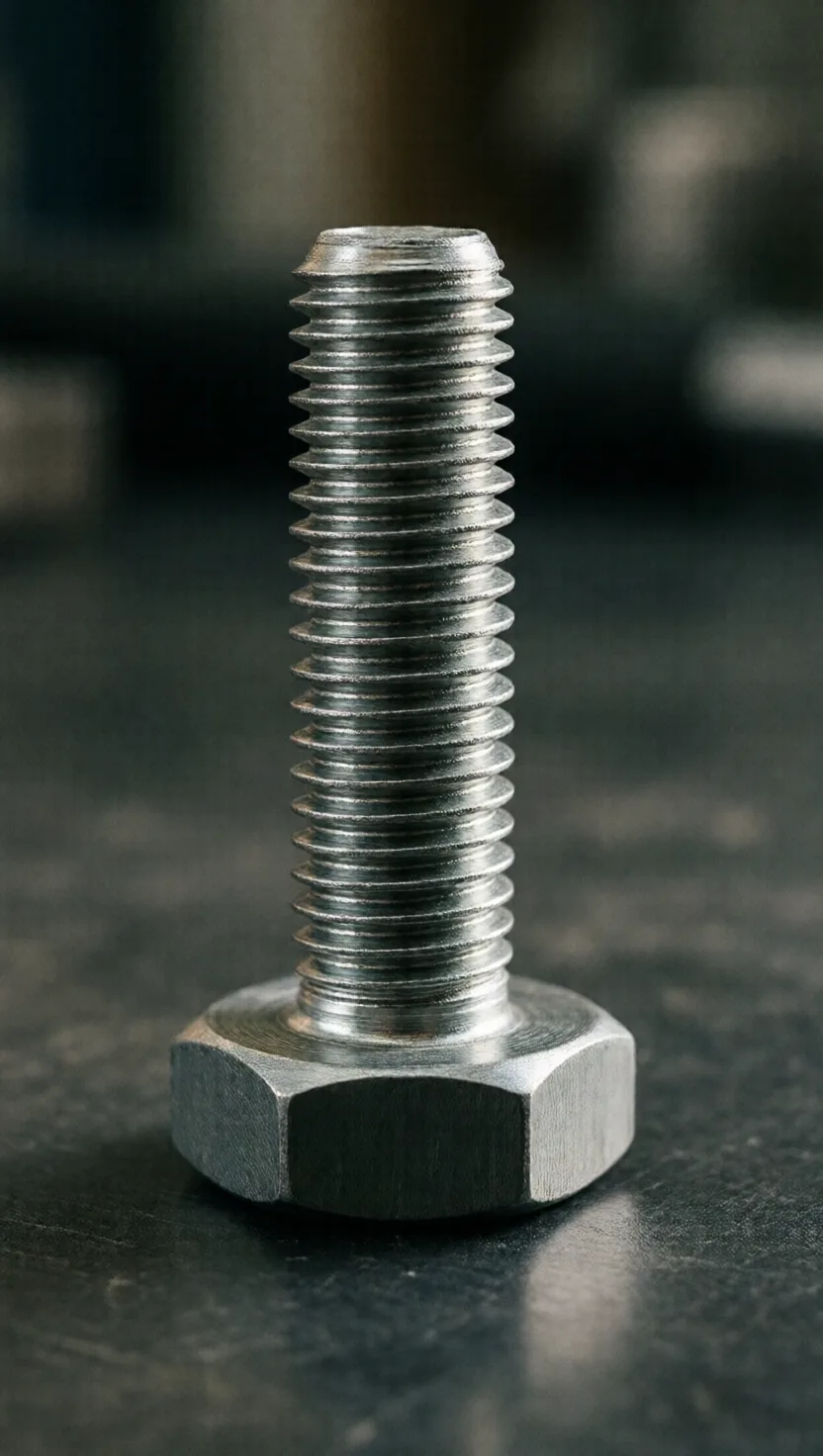
Before 1841 a bolt and its nut were a married pair. Every workshop cut threads its own way, so a nut from one shop rarely fitted a bolt from another, and a stripped fastener could halt a machine. Then an English engineer proposed a single standard: one fixed thread shape, a 55-degree angle with rounded peaks, the same everywhere. It became the world's first national screw-thread standard, letting factories turn out bolts and nuts that simply fitted, anywhere — a quiet foundation stone of mass production.
Welded ships split in two; rivets stop a crack cold

Welded ships split in two; rivets stop a crack cold

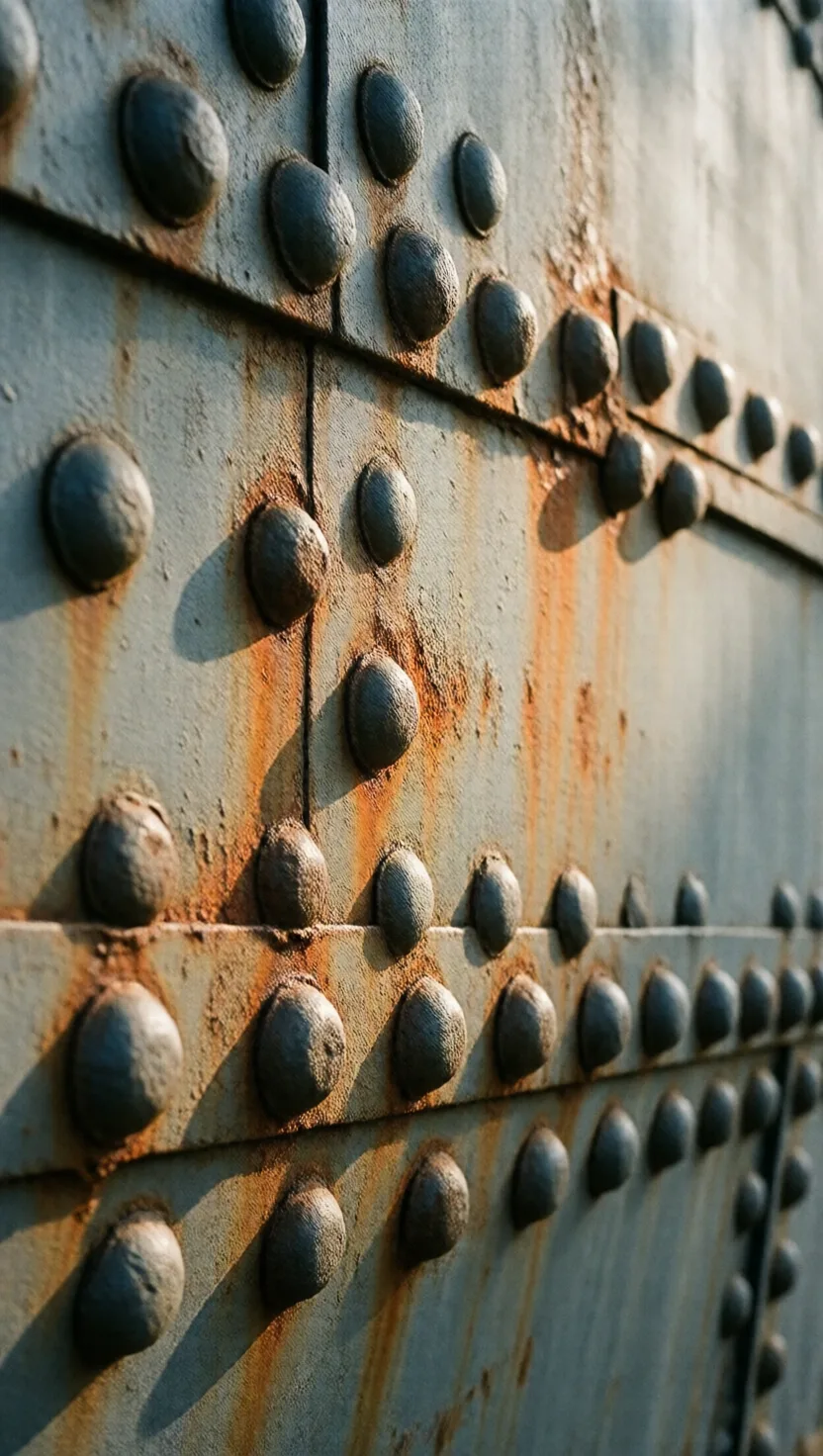
A few wartime cargo ships cracked clean in half in freezing seas — and the cure was old-fashioned rivets. Their hulls were welded into one continuous sheet of steel, so a crack starting at a sharp hatch corner could race the whole length of the ship; in cold water the steel turned brittle and let it run. Of more than 2,700 of these ships, about a dozen broke fully in two. A riveted hull stops a crack dead at the seam between plates, so the fix was to add riveted crack-arrester seams down each welded hull.
Aircraft hide their rivets flush to cut the drag

Aircraft hide their rivets flush to cut the drag

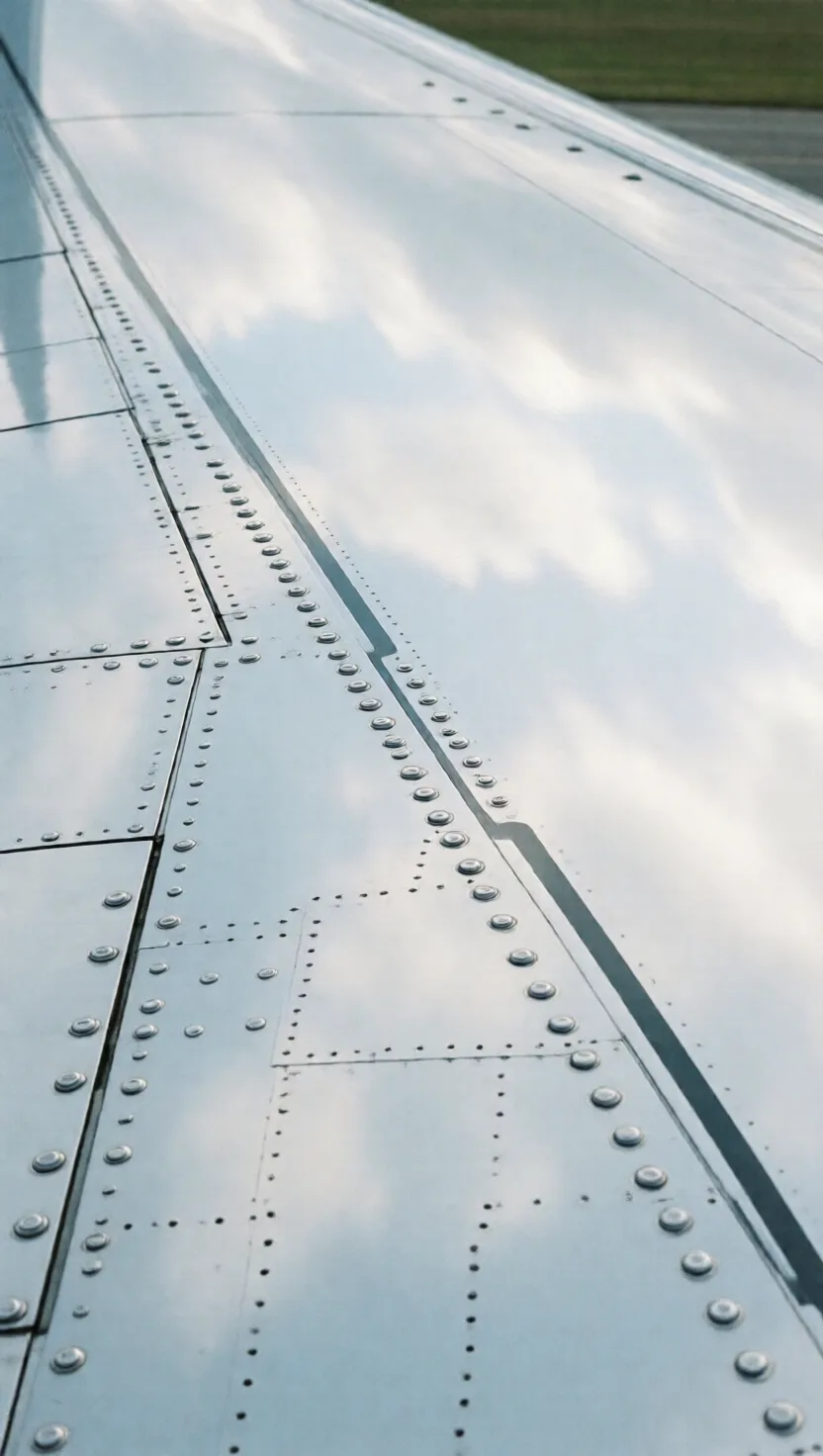
Run a hand over a fast aircraft's skin and the rivets are nearly invisible — on purpose. A normal rivet head stands proud of the surface, and at speed thousands of them trip the smooth airflow into turbulence and drag. So builders countersink the holes and set 'flush' rivets whose heads sit perfectly level with the skin, leaving a clean surface for the air to slide over. It is slower and costlier to do, but on a high-speed wing the saved drag and fuel are worth every dimpled hole.
A carriage bolt's square neck bites in so it won't spin

A carriage bolt's square neck bites in so it won't spin

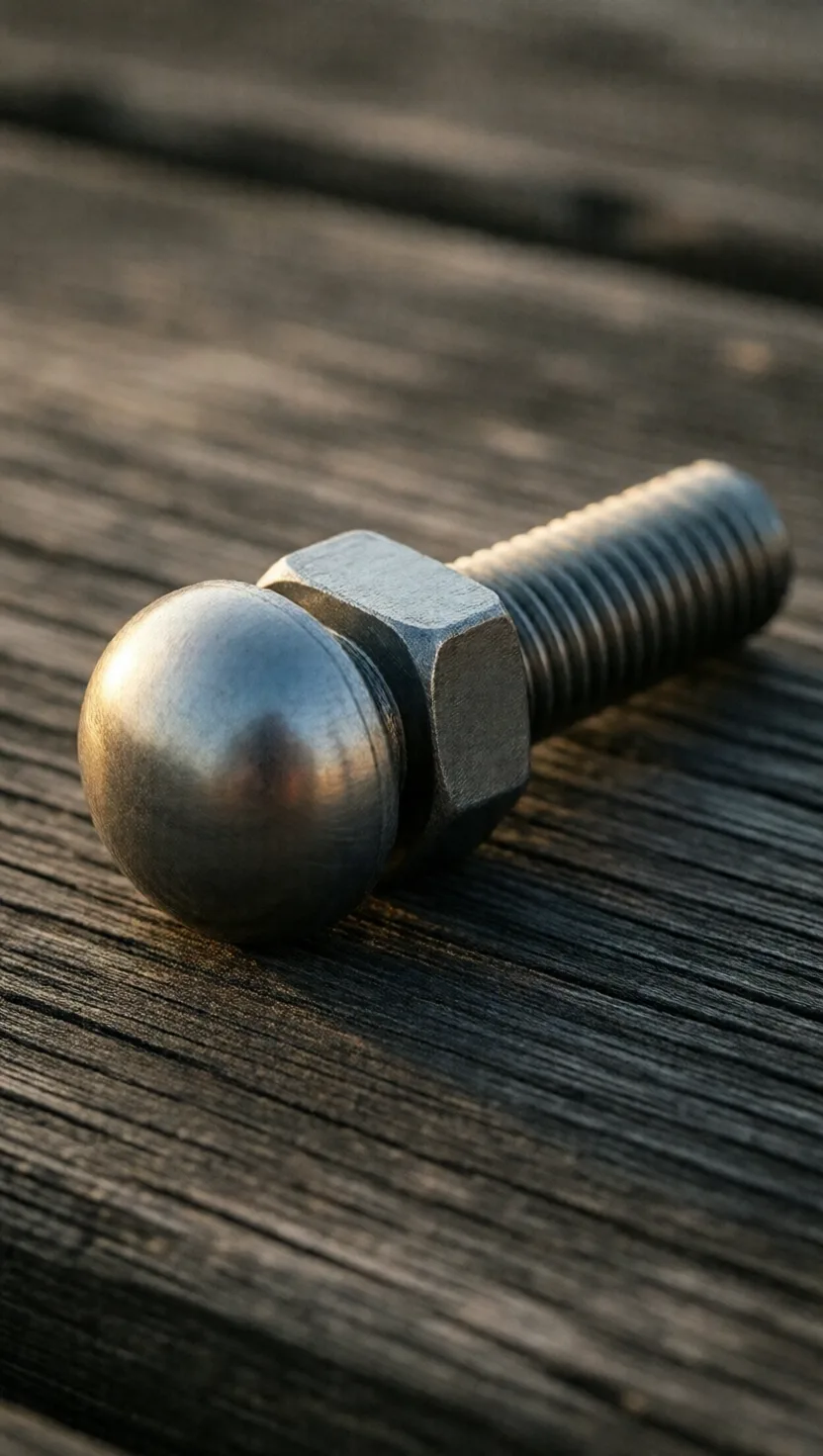
That smooth, dome-headed bolt holding a swing set or a fence rail together has a clever secret just under the head: a short square section called the neck. Pushed through a round hole, those square shoulders bite into the wood and lock the bolt against turning. So you can tighten the nut from the far side with a single wrench — no second tool gripping the head, and nothing to grip anyway, since the rounded top is deliberately smooth and hard to undo from outside.
tap →swipe ↑ for depthswipe ↓ to exit