Eight things salamanders and newts get away with

DC·228 Deep Cuts
Most salamanders breathe with no lungs at all

Most salamanders breathe with no lungs at all

The biggest salamander family gave up lungs entirely. More than 500 species of plethodontid salamanders have no lungs and no gills — they take in every breath of oxygen straight through moist skin and the lining of the mouth and throat. It works only while they stay wet, which chains them to cool, damp forests and mountain streams; let the skin dry out and the animal suffocates.
The ribbed newt stabs poison out through its own skin

The ribbed newt stabs poison out through its own skin

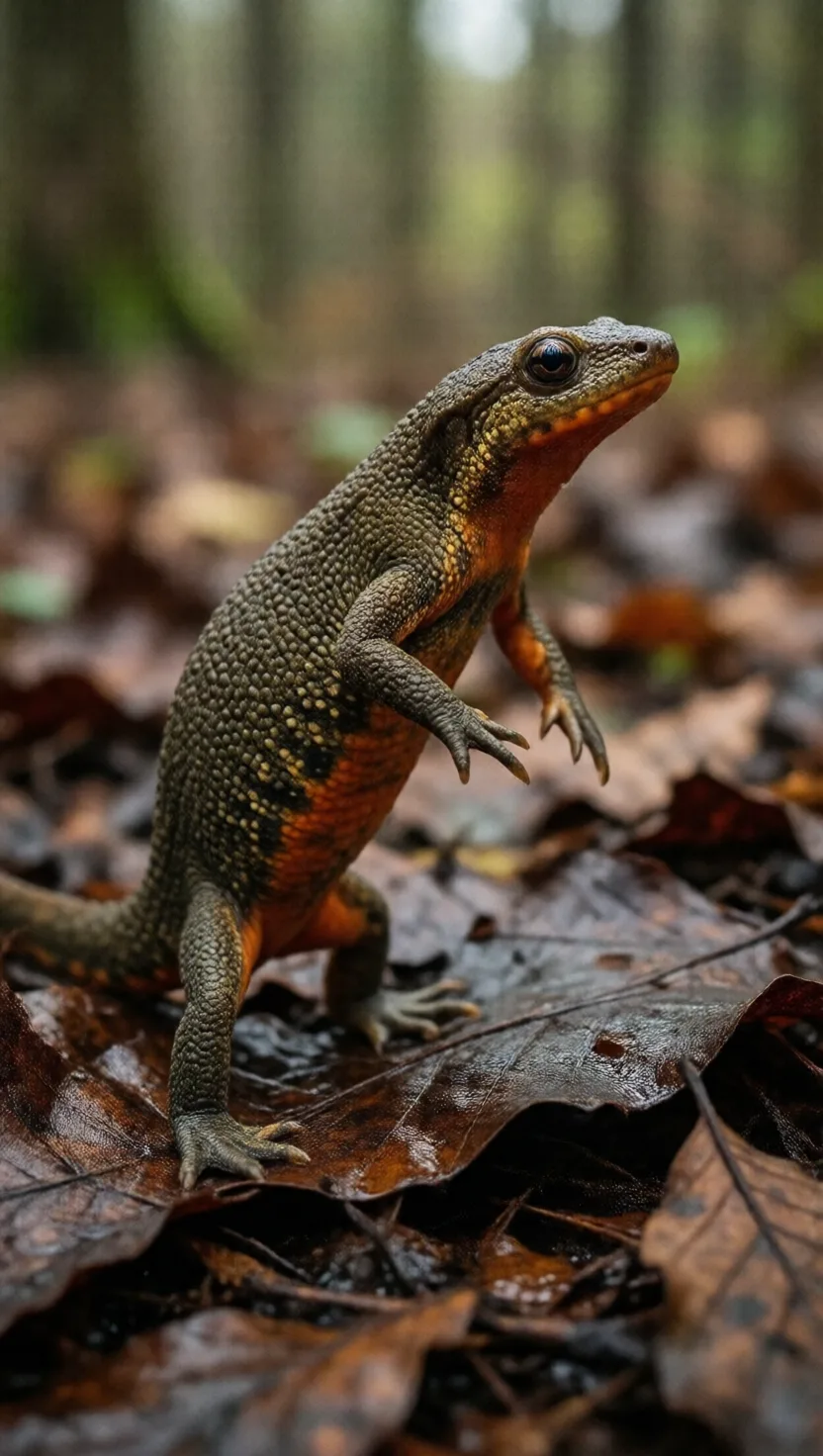
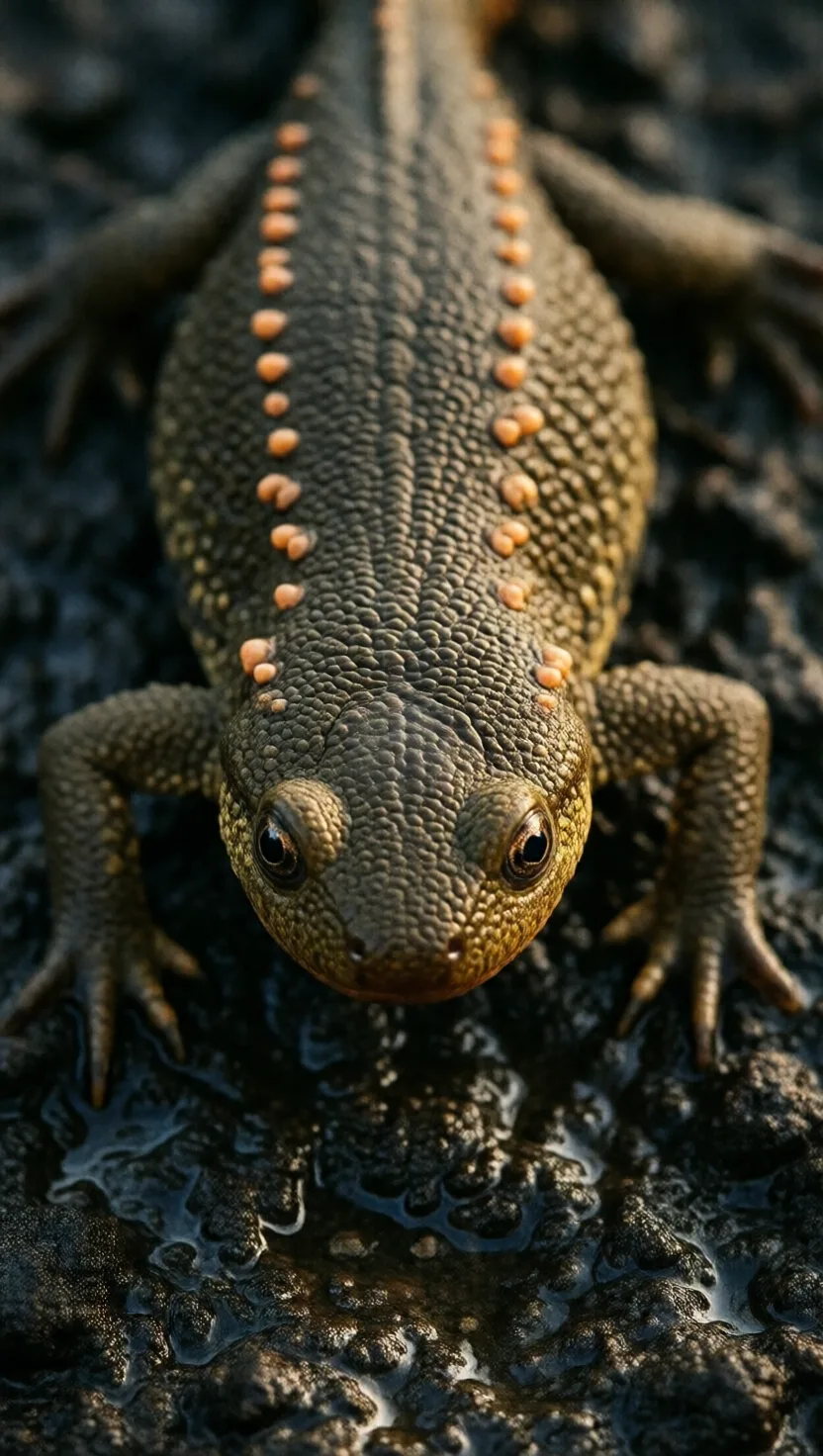
Threatened, the Iberian ribbed newt swings its sharp ribs forward — up to about 65 degrees — until the bony tips break right through pores in its flanks, turning its own skeleton into a row of venom-tipped spines. Glands flood the emerging ribs with toxin, so any predator that bites gets a poisoned jab in the mouth. Thanks to the newt's strong powers of regeneration, it heals the punctures and can perform the trick again and again.
The hellbender breathes through baggy folds of skin

The hellbender breathes through baggy folds of skin

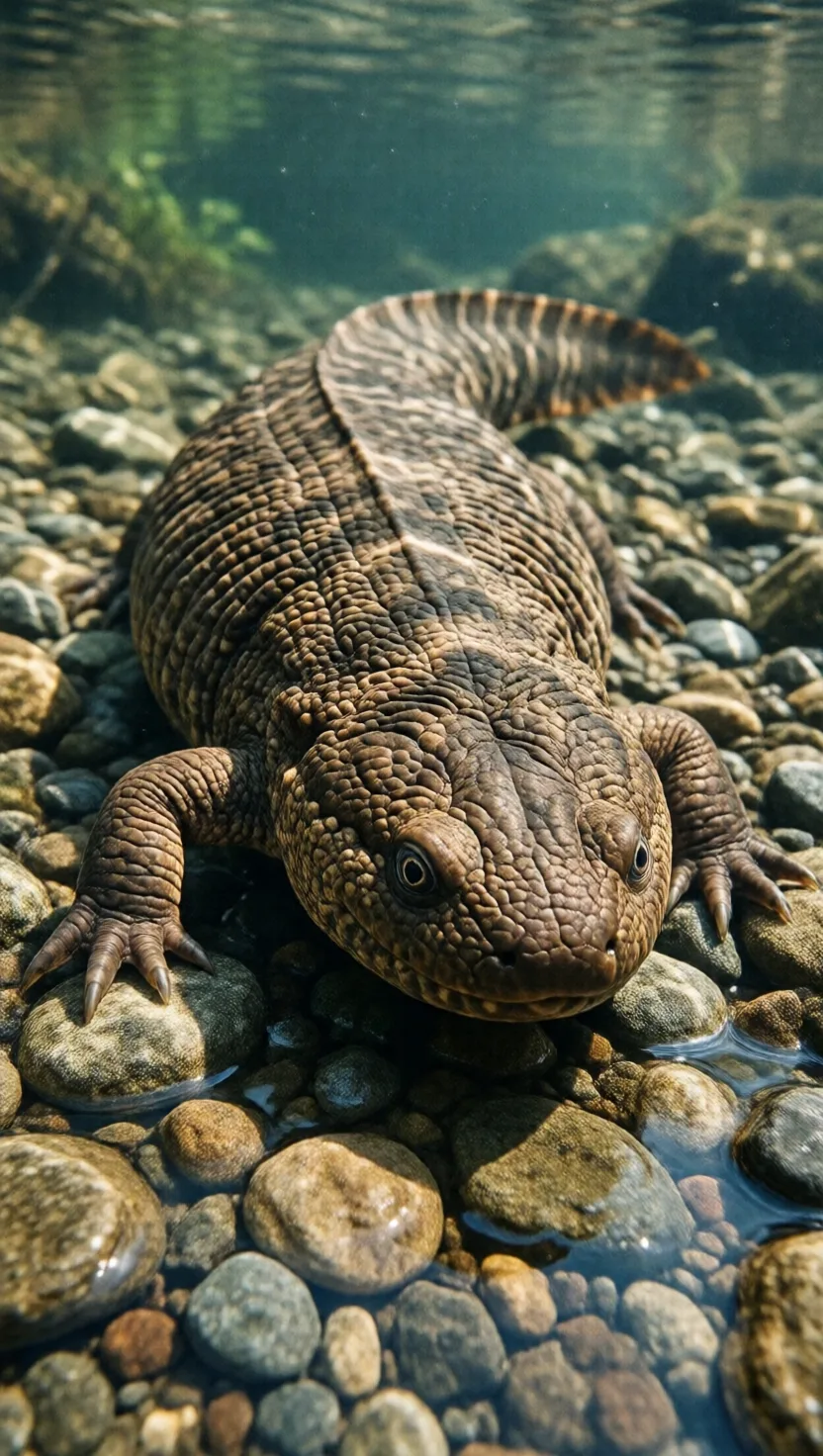
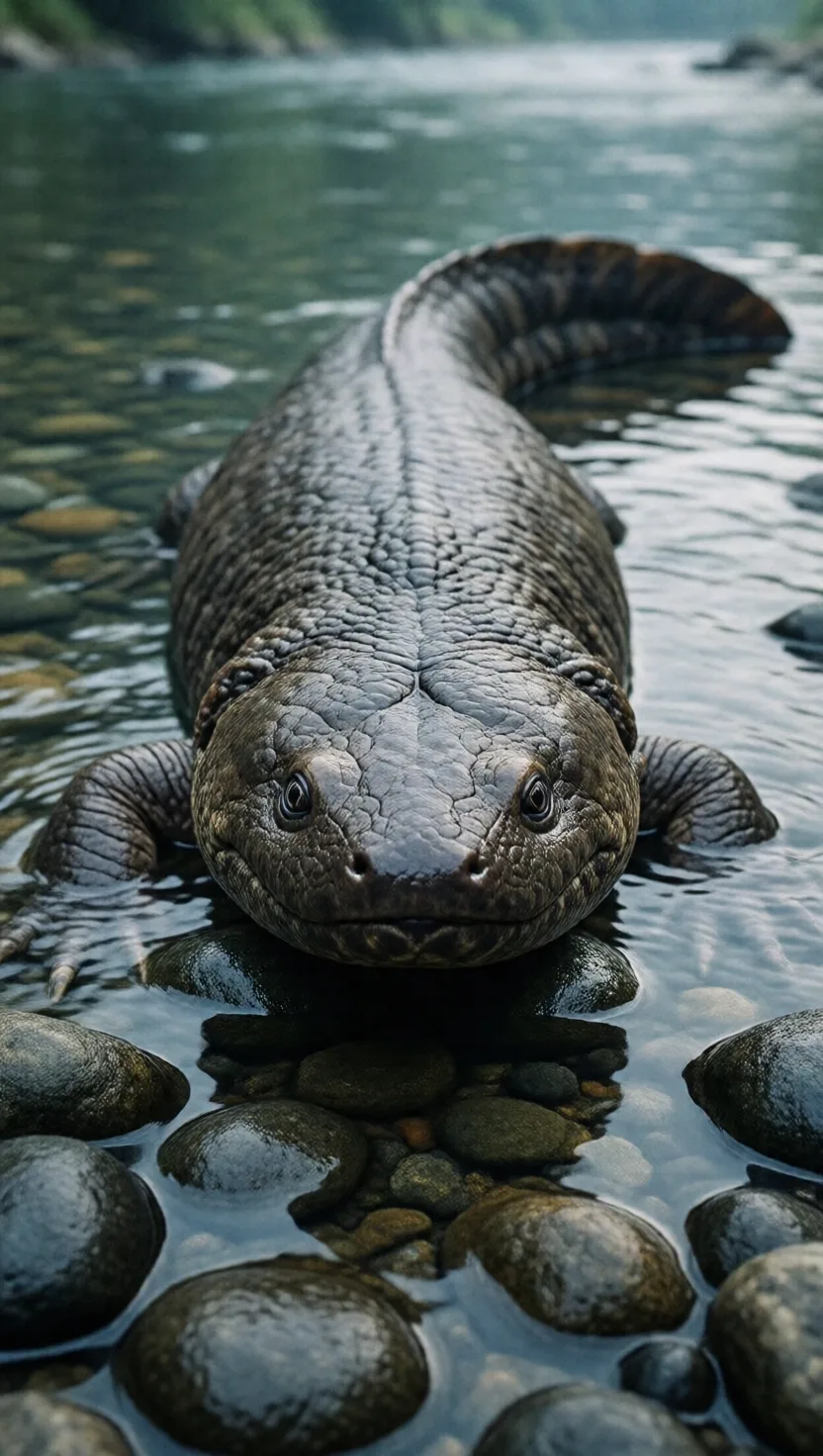
North America's giant salamander barely uses its lungs — those mostly help it stay buoyant. Instead the hellbender breathes almost entirely through the deep, wrinkled folds of loose skin running along its body, which spread its blood supply over a huge surface and pull dissolved oxygen straight from cold running water. The flabby frills earned it the nickname 'snot otter,' and they only work in clean, fast, well-oxygenated streams.
The largest amphibian alive is a 1.8-metre salamander

The largest amphibian alive is a 1.8-metre salamander

The world's biggest amphibian is a salamander that can stretch to about 1.8 metres and weigh nearly 60 kilograms — long enough to reach an adult's shoulder. The Chinese giant salamander lives in cold, fast rivers, has tiny lidless eyes and poor sight, and tracks prey through ripples and pressure waves sensed across its wrinkled skin. Once thought to be a single species, it is now known to be several, and all are critically endangered.
One rough-skinned newt holds enough poison to kill 20 adults

One rough-skinned newt holds enough poison to kill 20 adults

A single palm-sized newt can carry enough tetrodotoxin to kill more than 20 adult humans, and there is no antidote. The rough-skinned newt loads its skin with this nerve poison — yet one predator eats it anyway. Common garter snakes where the newts live have evolved resistant nerve channels, so the two are locked in an escalating arms race: deadlier newts drive tougher snakes, which drive deadlier newts, repeated over millions of years.
All-female mole salamanders steal sperm to breed

All-female mole salamanders steal sperm to breed

An all-female lineage of mole salamanders has done without males for some five million years — the oldest known all-female vertebrates. They still need sperm, so they take it: a female courts males of up to five other salamander species and uses their sperm to trigger her eggs, sometimes folding bits of that borrowed DNA into her young. The result is a near-clone sisterhood whose cells can carry three, four or five different species' genomes at once. Biologists call it kleptogenesis.
The blind cave olm can live past 100 and fast for years

The blind cave olm can live past 100 and fast for years

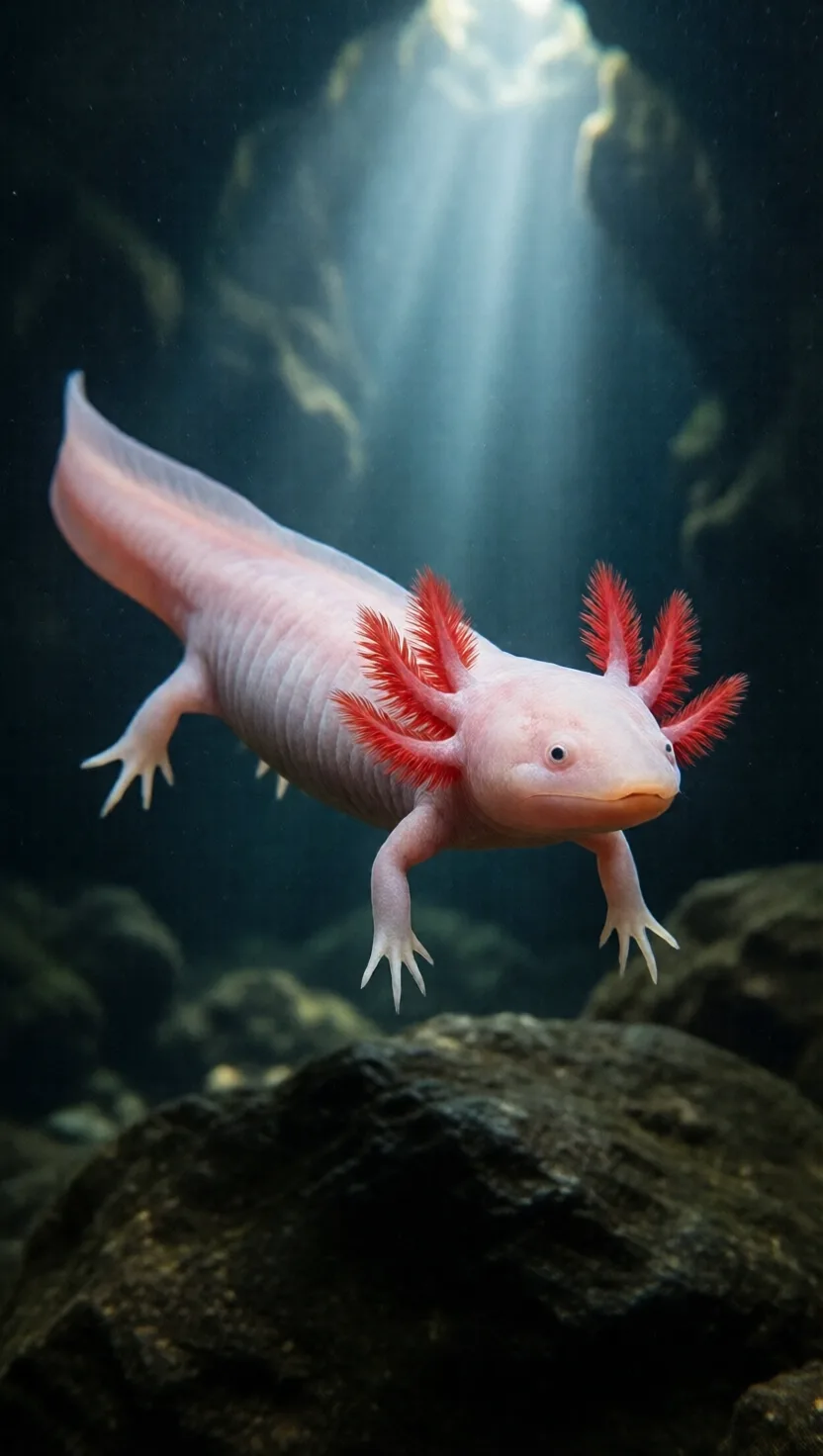
A pale, blind cave salamander called the olm may be the longest-lived amphibian on Earth, reaching past 100 years. Sealed in the cold dark waters of European caves, it has skin-covered eyes, feathery external gills, and a metabolism turned almost off — it can survive up to a decade without eating a single meal. Tracked in the wild, individuals barely move for years on end. Slow living, it turns out, is very long living.
Fire salamanders bear live young — some eat their siblings

Fire salamanders bear live young — some eat their siblings

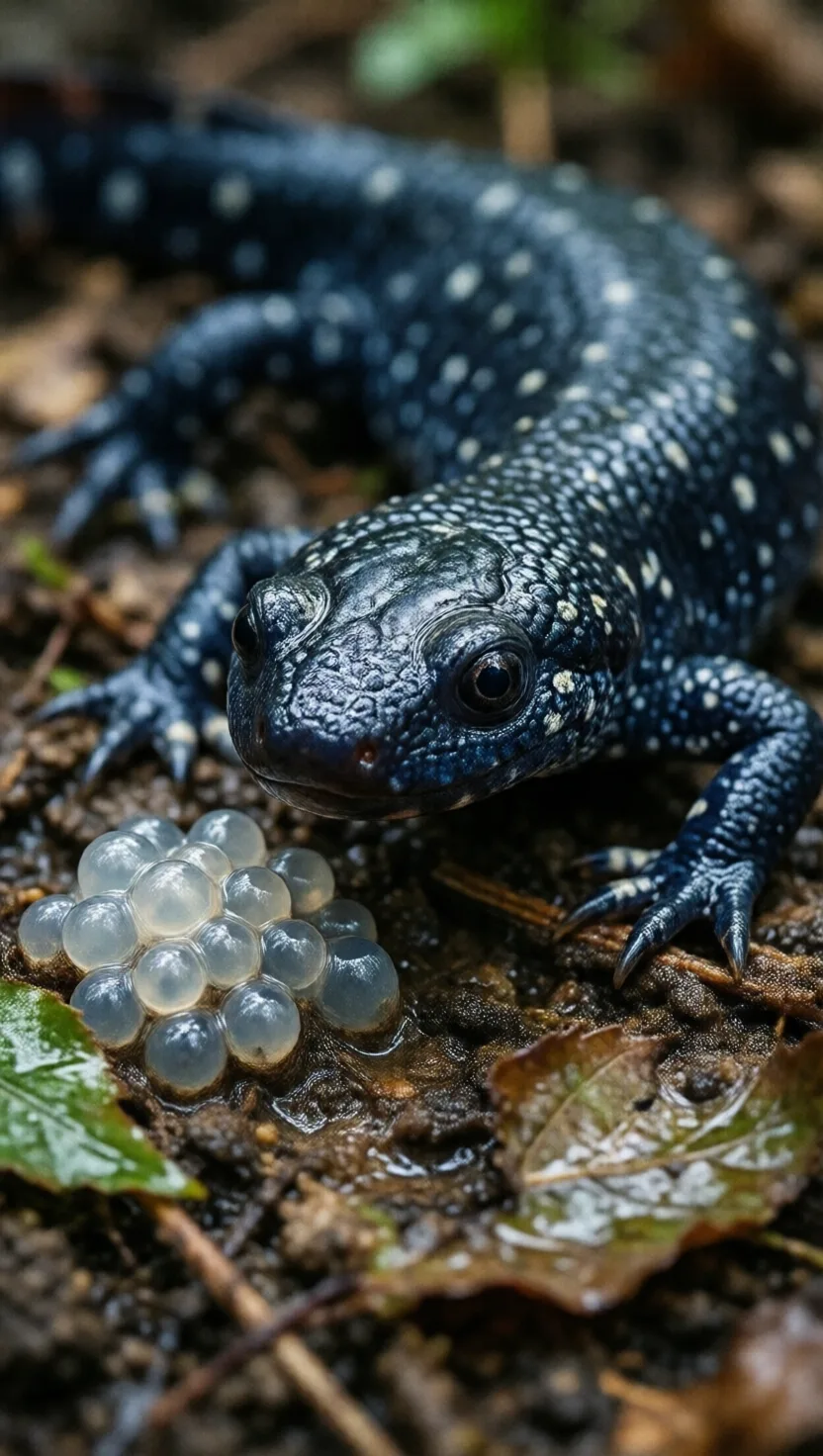
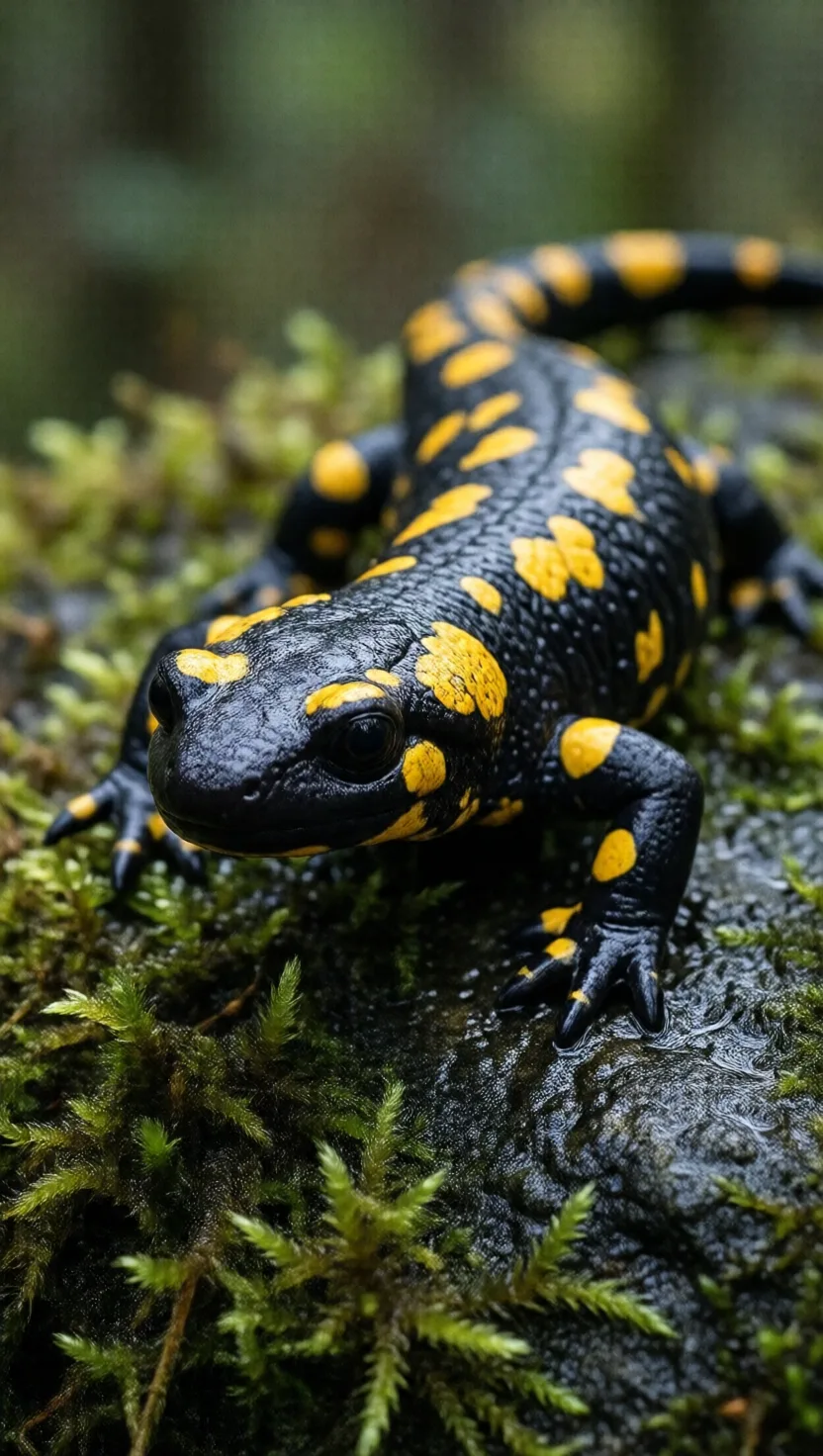
Most amphibians lay eggs in water, but the fire salamander gives birth to live young — and in some populations the unborn turn cannibal. Females carry developing larvae inside the body; where a brood is crowded, the largest embryos devour their smaller siblings and unhatched eggs before they are ever born, emerging as a few large, fully formed juveniles. Other populations simply release dozens of tiny aquatic larvae instead — all from the same black-and-gold species.
tap →swipe ↑ for depthswipe ↓ to exit