Eight things hidden in the softest of stones

DC·225 Deep Cuts
Selenite is soft enough to scratch with a fingernail

Selenite is soft enough to scratch with a fingernail

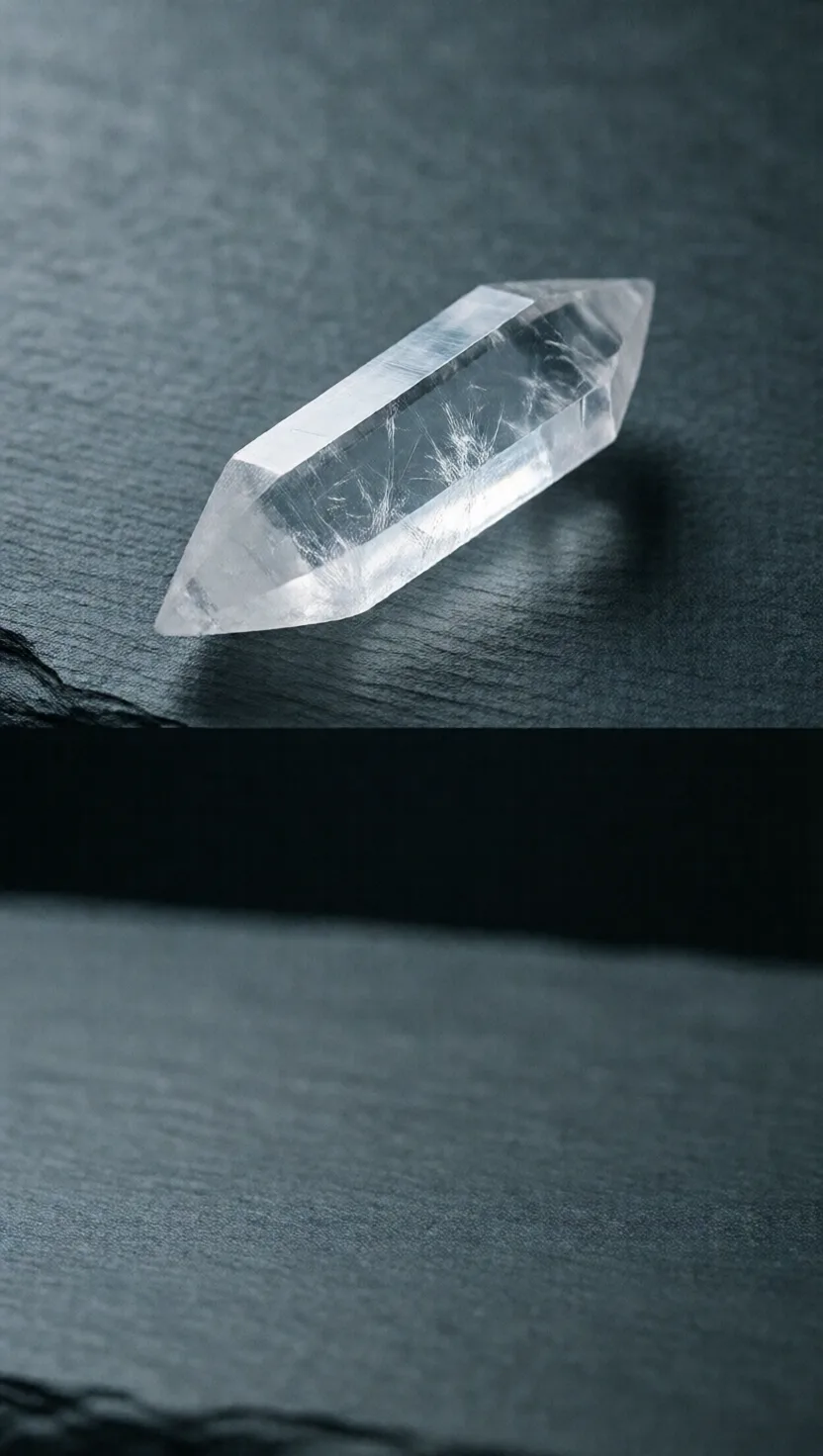
Selenite, the clear crystal form of gypsum, sits at just 2 on the 10-point Mohs hardness scale, softer than your own fingernail at about 2.5. Drag a nail across a fresh crystal face and it leaves a visible groove. That is exactly why mineralogists keep gypsum as the official scratch-with-a-fingernail reference for hardness 2, one step up from talc.
Gypsum dunes form only where rain won't wash them away

Gypsum dunes form only where rain won't wash them away

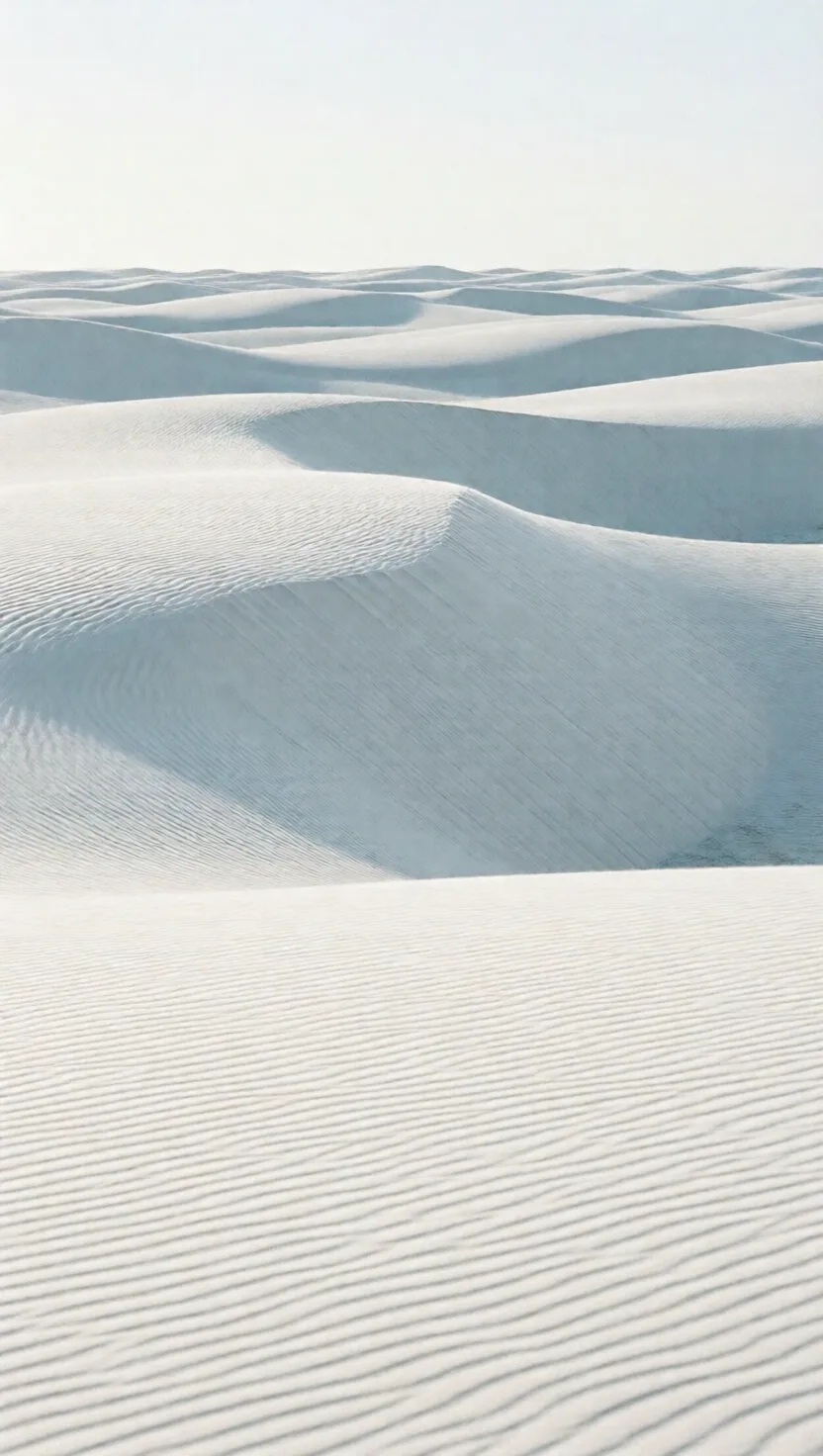
Most sand is quartz because gypsum simply dissolves in water, so gypsum dunes are vanishingly rare. The largest field on Earth, White Sands in New Mexico, holds about 275 square miles of brilliant-white gypsum sand, trapped in a basin so dry and closed that the mineral never gets flushed out to the sea before the wind can pile it into dunes.
Drywall fights fire by sweating out steam

Drywall fights fire by sweating out steam

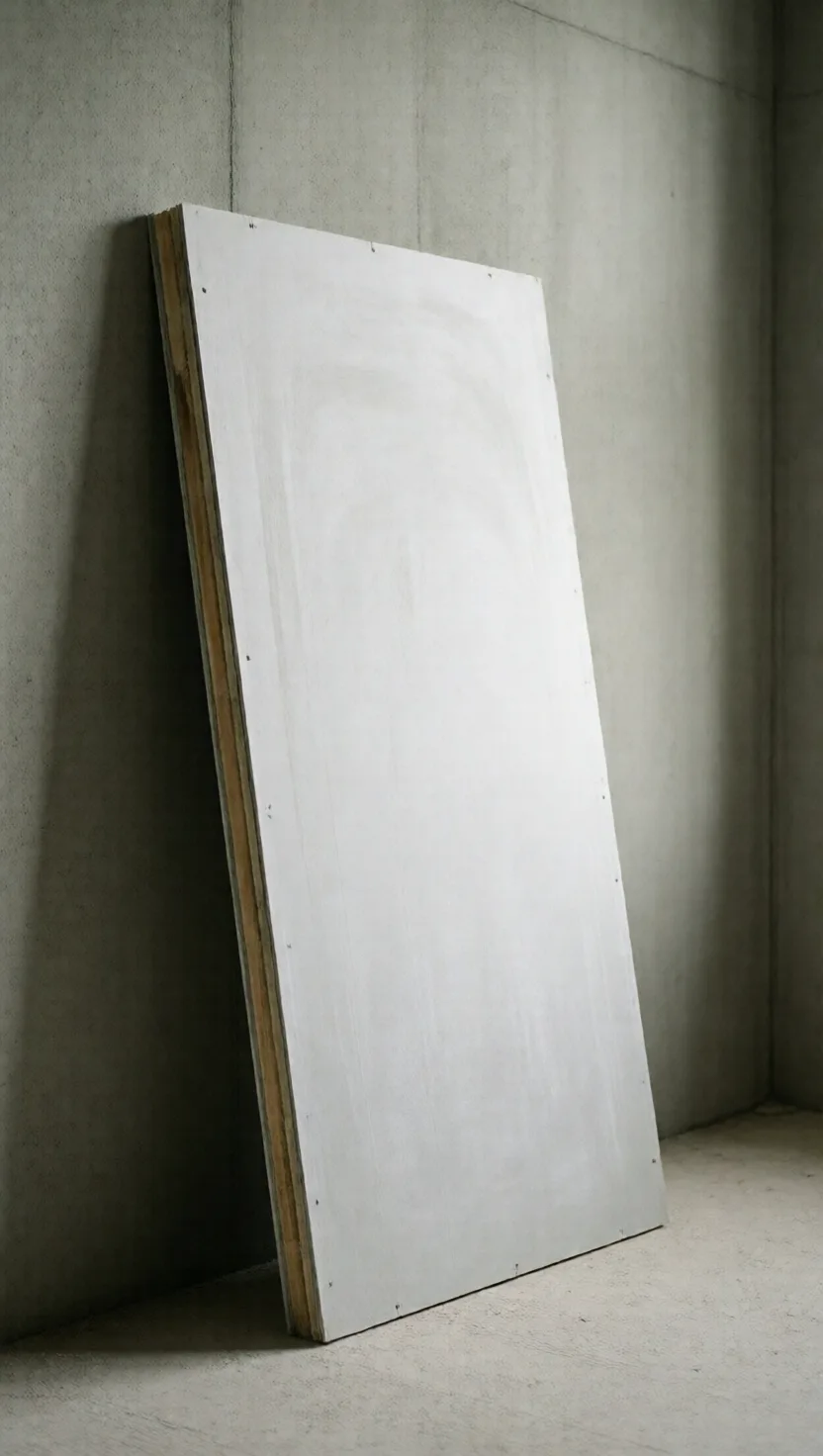
A wall panel resists fire not because of any coating but because gypsum is roughly 21% locked-in water by weight. Heat it and that crystal water boils off as steam, holding the board's surface near 100 degrees Celsius until every drop is gone. Those minutes of stubborn cool are what buy the room behind the wall its time to escape.
Alabaster glows like glass when sliced thin enough

Alabaster glows like glass when sliced thin enough

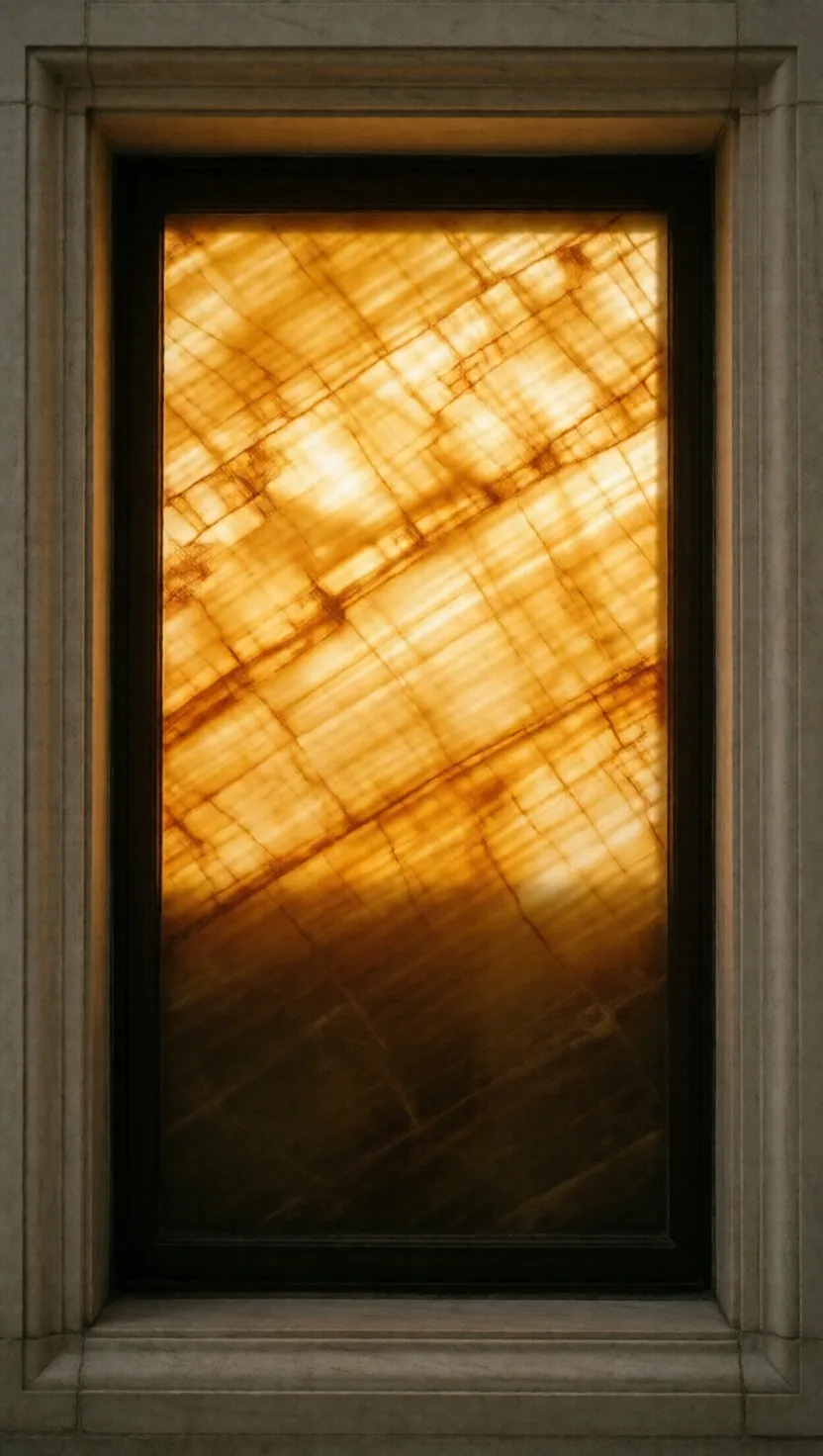
Before cheap glass, builders glazed windows with alabaster, a gypsum so translucent that a slab cut to about 1.5 centimetres lets honeyed light pour through while blocking the view. Modern cathedrals still do it, replacing stained glass entirely with thousands of paper-thin alabaster panels that turn whole walls into a soft amber glow.
Anhydrite swells 60% the moment it drinks water

Anhydrite swells 60% the moment it drinks water

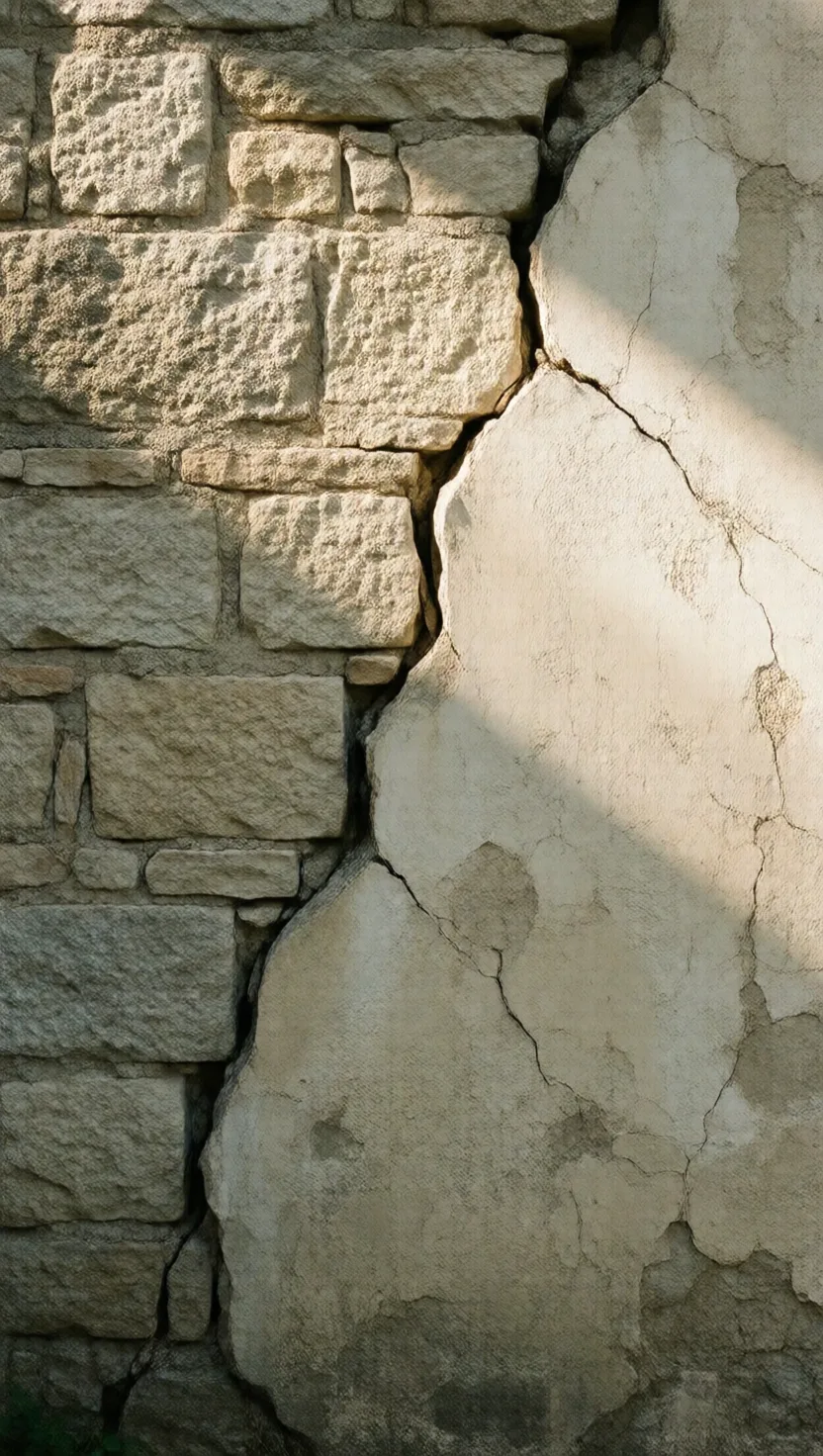
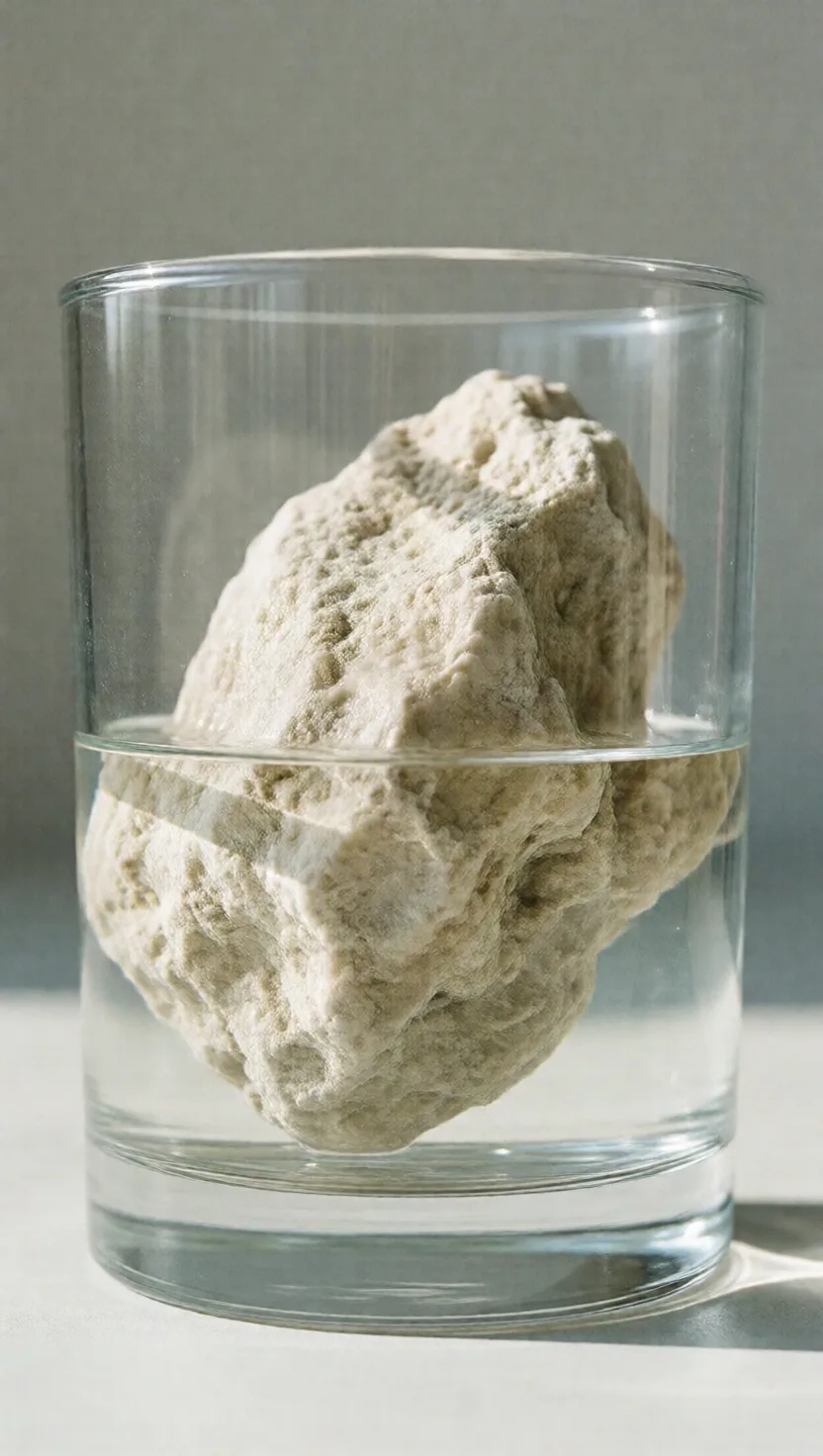
Anhydrite is gypsum with its water removed, and it wants it back. Let groundwater reach it and it converts to gypsum, swelling up to 60% in volume. A 2007 geothermal borehole near the German town of Staufen did exactly that: the ground heaved about 30 centimetres and cracked more than 250 buildings, slowly tearing apart a town that had stood for centuries.
Satin spar throws a moving cat's-eye of pure fibres

Satin spar throws a moving cat's-eye of pure fibres

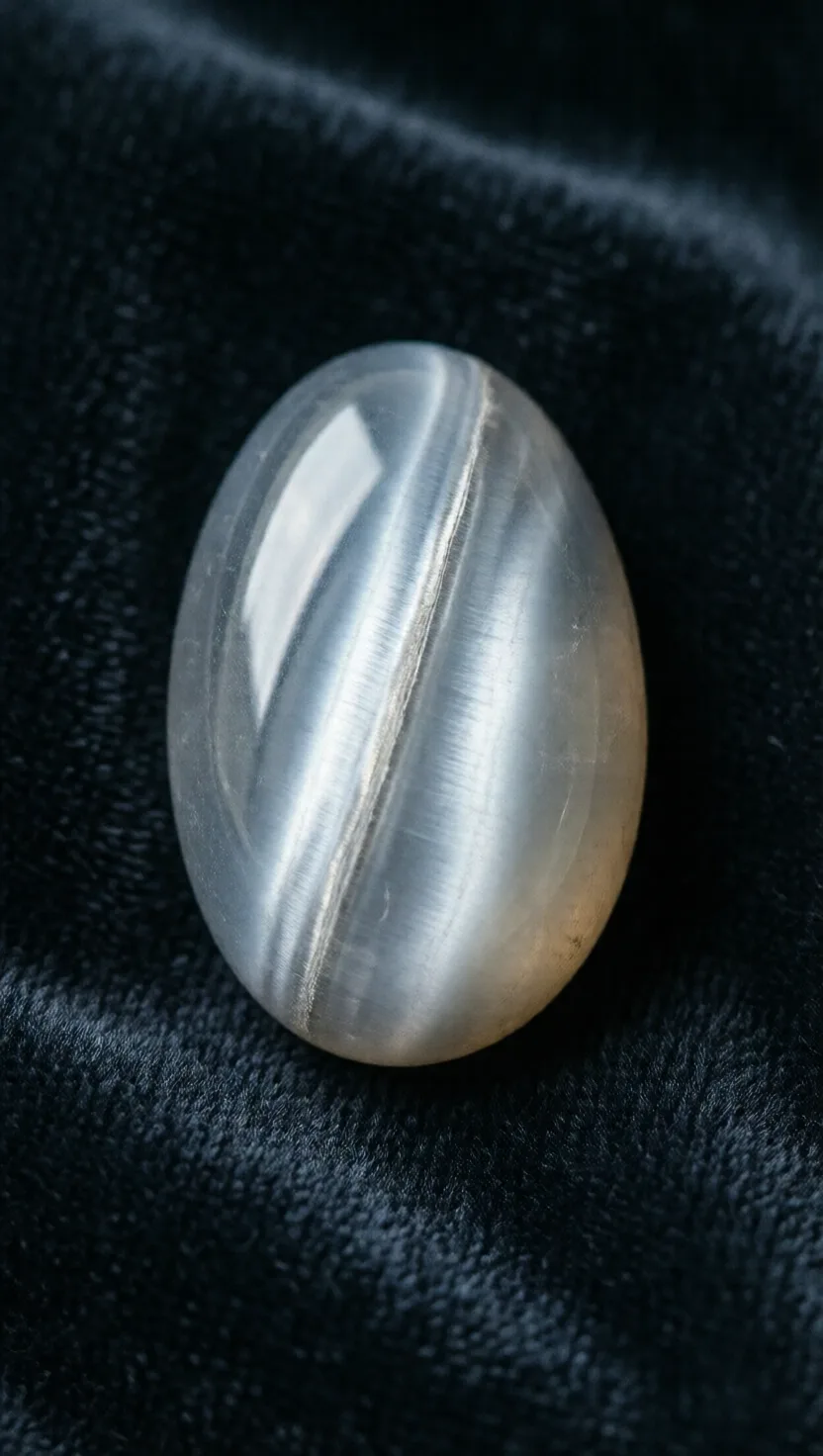
Polish a piece of satin spar, the silky fibrous form of gypsum, and a bright band of light glides across it like a cat's eye. There is no colour or coating involved: the shimmer is pure geometry, light bouncing off millions of parallel gypsum fibres each just 5 to 50 micrometres across. Selenite, alabaster and satin spar are all one mineral wearing different crystal habits.
Plaster of Paris is named for a hill under Paris

Plaster of Paris is named for a hill under Paris

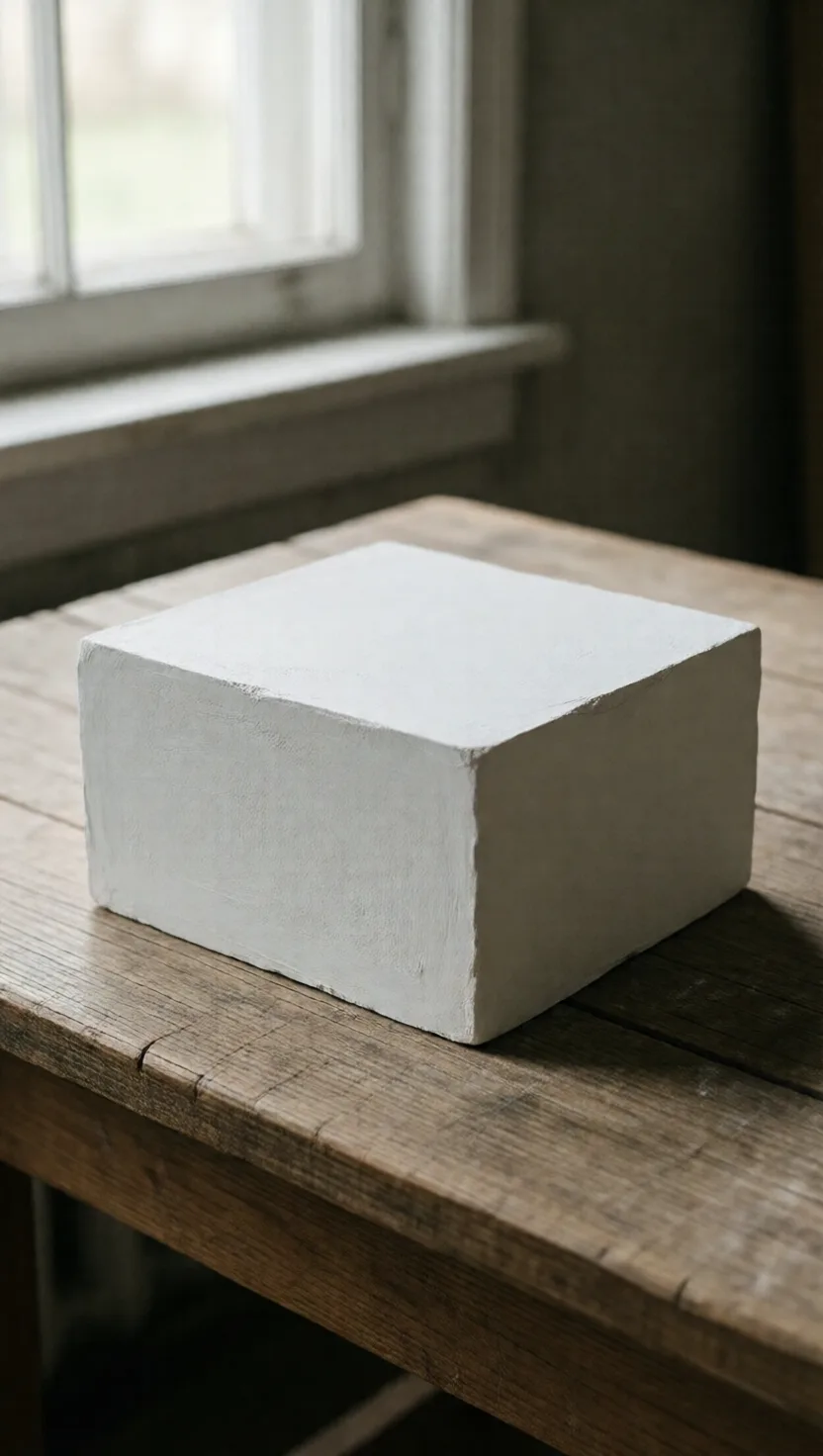
The white powder that sets your casts and moulds is just gypsum gently roasted, heated to only about 120 to 180 degrees Celsius to drive off most of its water, then ground to a flour. Add water and it grabs it straight back, re-crystallising and hardening in minutes. The name honours the famously pure gypsum once quarried beneath Montmartre, the hill of Paris.
Gypsum dissolves less in hot water than in cold

Gypsum dissolves less in hot water than in cold

Heat usually helps water dissolve more of a salt, but gypsum is a contrarian. Its solubility actually peaks near 40 degrees Celsius and then falls as the water gets hotter. That backwards behaviour is why hard, stubborn gypsum scale crusts up inside boilers, kettles and hot pipes: the hotter the water runs, the more eagerly the mineral drops out of it.
tap →swipe ↑ for depthswipe ↓ to exit